Rokiškio Senamiesčio progimnazija
Kupiškio Povilo Matulionio progimnazijos skyrius Šepetos Almos Adamkienės mokykla- daugiafunkcis centras
Rokiškio rajono Antano Strazdo gimnazija

Shopping Malls – the Place to Be?
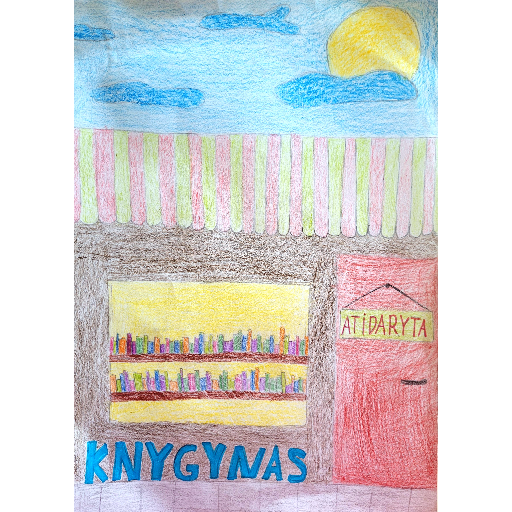
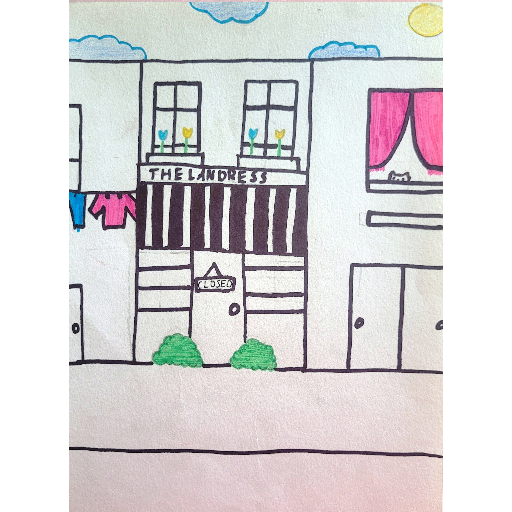
You want to buy some books and some shampoo. Or look at some computer games and buy a birthday card. And you want to have a drink and spend some time with your friends. Where do you go? The town centre? Maybe. But we often meet, eat and hang out with our friends... in a shopping mall! So why are shopping malls popular? Well, they are nice and warm, there isn`t any traffic and there isn`t any rain. There is usually some music. There aren`t any parks but there are often some plants! In fact, shopping malls have
everything! There are department stores, fast-food restaurants, cafes, cinemas and places to sit and relax. And there are some great shops- clothes shops, shoe shops, music shops. And they are all in the same place. The shopping mall is the place to be!



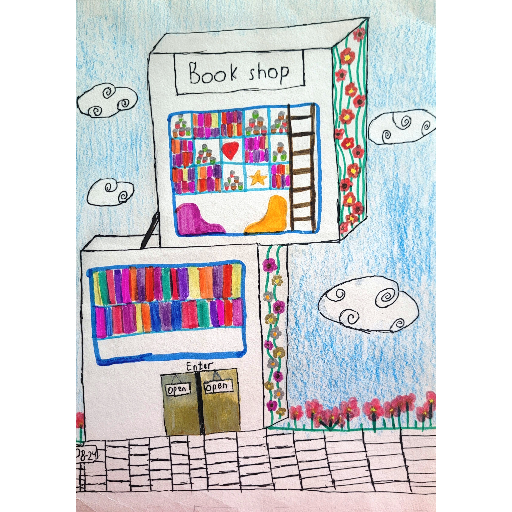
Tėja Aleinikovaitė

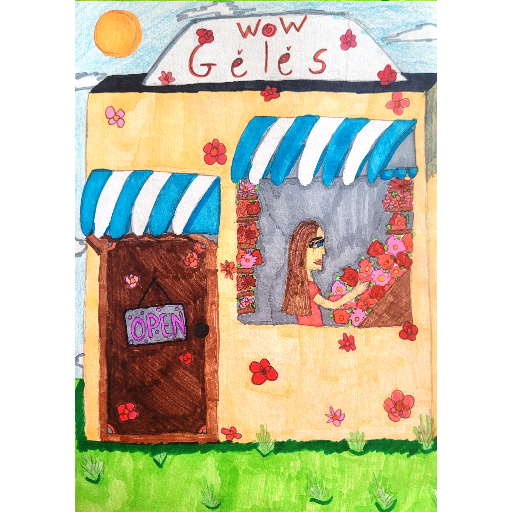
Saulė Monika Einorytė
Eglė Rudnickaitė
Adelė Dovydaitė
Smiltė Dranseikaitė
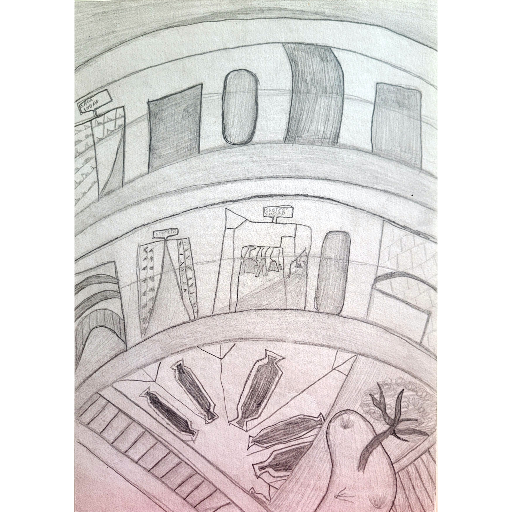
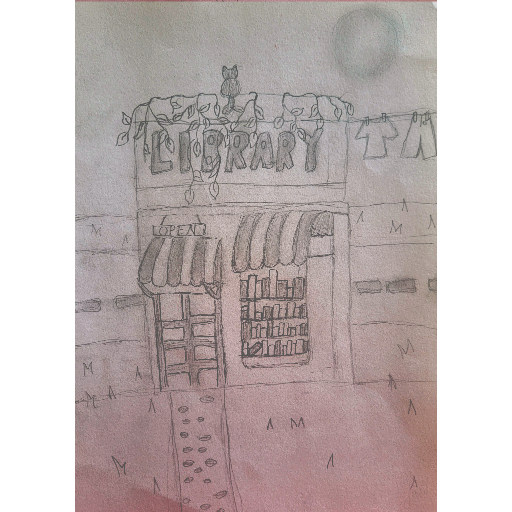
Emilija Jankauskaitė
Aistė Venslovaitė
Tadas Žalys
Milda Sadauskaitė
Milda Jasinevičiūtė
Gabija Baniulytė
Saulė Daniuševičiūtė
Deimantė Kazlauskaitė
Dovydas Laurinavičius
Odetas Petrauskas
Gabija Skaudaitė
Ugnė Žiaugraitė
Ema Navalinskaitė
Goda Meškauskaitė
Kamilė Olšauskaitė
Karolis Kaušakys
Viltė Drazdovaitė
The Swinging 1960s
Music & Dance
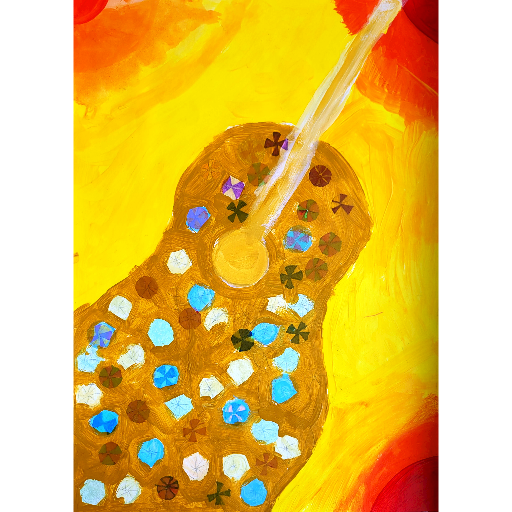
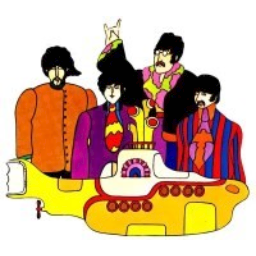
Music was very important to teenagers in the 1960s. They were crazy about music and they listened to their favourite rock and roll bands, like The Beatles and The Rolling Stones, on the new radio station, BBC Radio 1. Young people also enjoyed dancing in the `60s. They wore the latest fashions at the dance halls and danced all night long.
Fashion
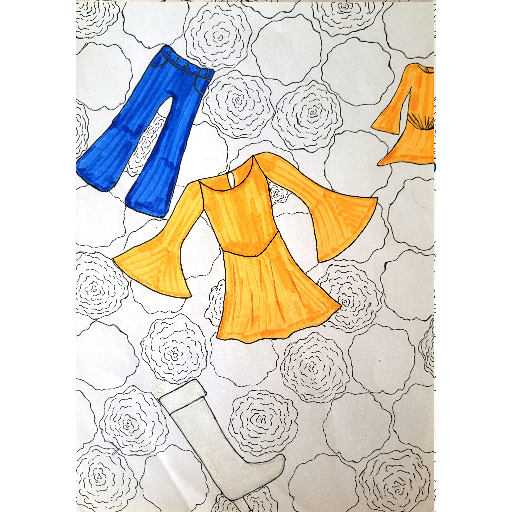
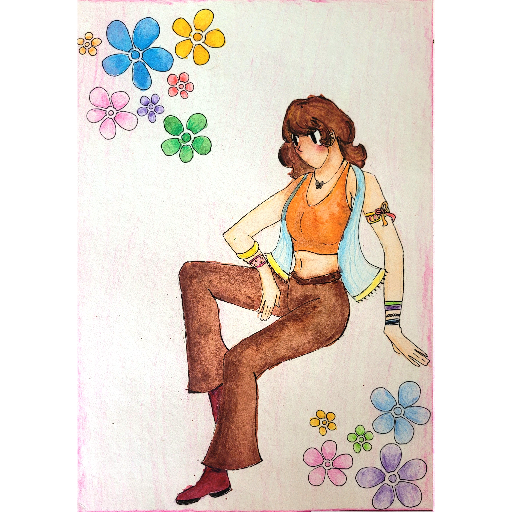
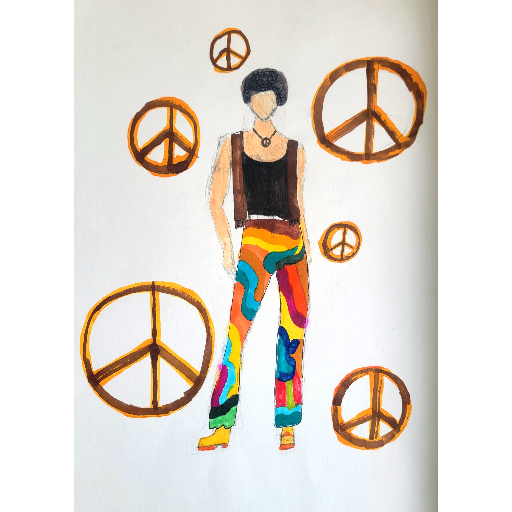
The 1960s fashion fads were cheap and colourful. Teenagers made their own clothes. Girls wore short mini
skirts and tall boots. A lot of people were shocked when long hair became fashionable for boys. The colourful, floral prints of the `hippy` style were also popular.
Films & Television
Spy films and TV shows, like James Bond and The Avengers, were big hits in the cinema and on TV. Most people had a television at home in the `60s. Programmes like Top of the Pops, which showed live pop music, were the craze. In 1969, families all over the UK watched Neil Amstrong walk on the moon!

Gineta Baltrūnaitė
Urtė Beinorytė
Ugnė Kepalaitė
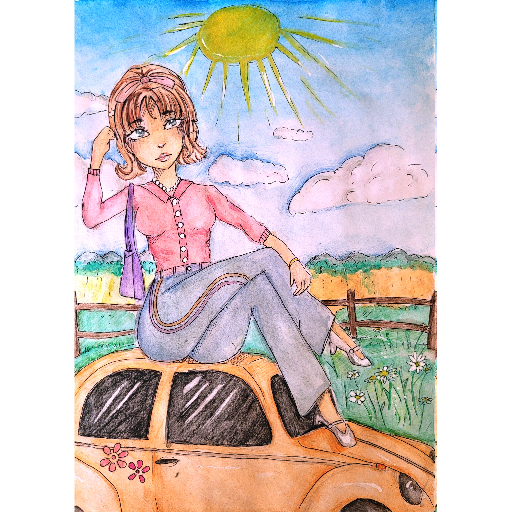
Akvilė Gindvilytė
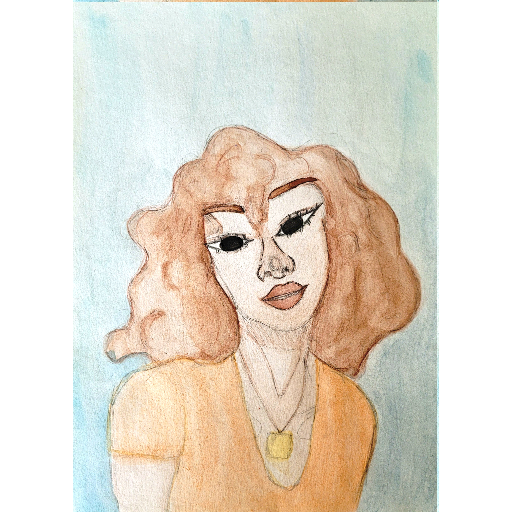
Gabija Markovaitė
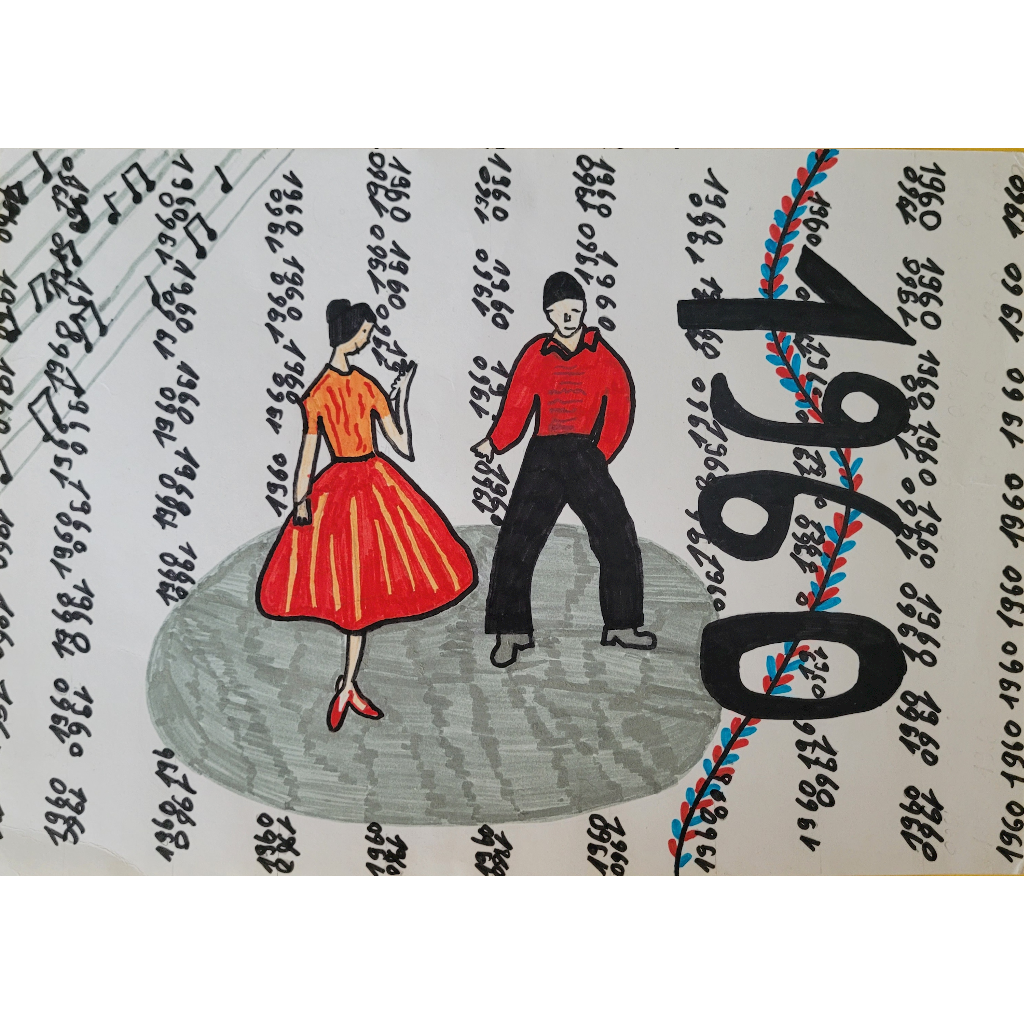
Dovilė Kazanavičiūtė
Ugnius Mikalkevičius
Kipras Račkaitis
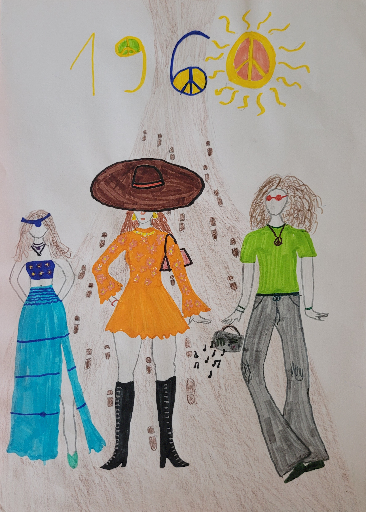
Gintarė Stelionytė
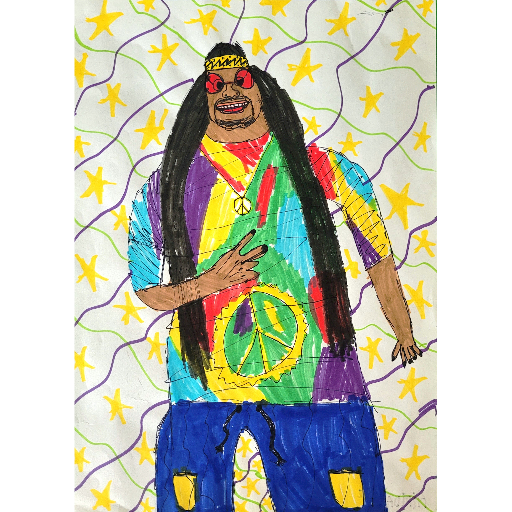
Airidas Uginčius
Agota Vaitiekūnaitė
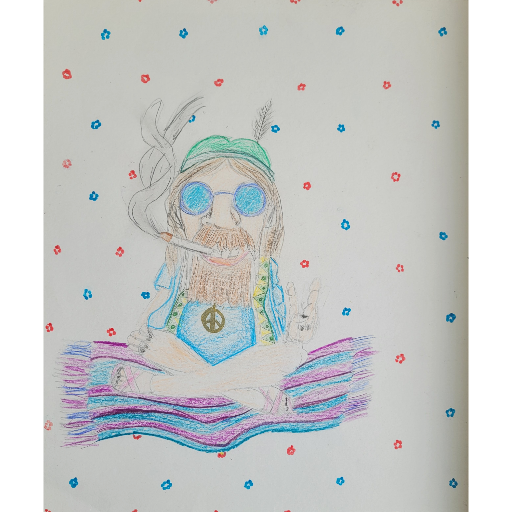
Karina Kardauskaitė
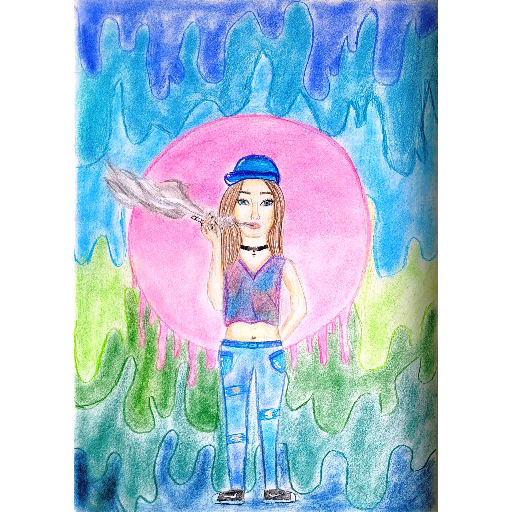
Austėja Vitkutė
Ugnius Šinkūnas
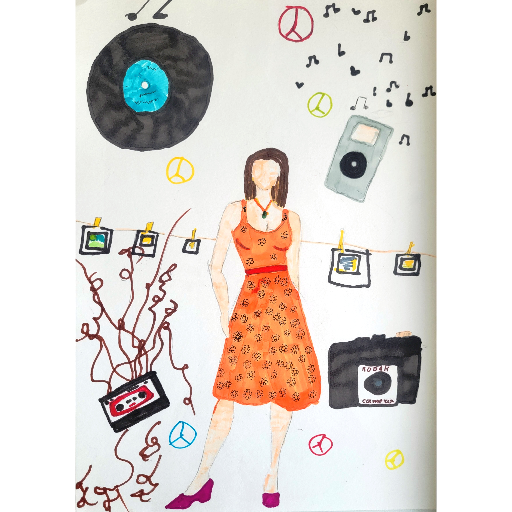
Kamilė Pakalnytė
Justina Šližauskaitė
Aironas Kunčys
Aurėja Dumbrauskaitė ir Gabija Detenytė
Austėja Zdanevičiūtė
Goda Stanevičiūtė
Kristianas Žumbakis
Vanesa Mackutė ir Gustė Soročinskaitė
What is a Vegan?
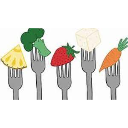
What is a vegan? Here is a better queston: who is a vegan? A vegan is a person who does not eat meat, fish, chicken, eggs, cheese or other dairy foods such as ice-cream or milk. Also a vegan does not use animal products like leather. Here is another question: what does a vegan eat? A vegan eats foods like fruits and vegetables, beans, bread, and pasta (a “vegetarian“ doesn`t eat meat but sometimes eats cheese and dairy foods). Recently, more and more people are vegans. In the UK there are now more than one million vegans.
In the USA there are now more than four million vegans. In the world, there may be fifteen million vegans. Maybe you know about these famous vegans and vegetarians: Abraham Lincoln, Albert Einstein, Brad Pitt, Johnny Depp, Leonardo Da Vinci and Venus Williams. Why are so many people changing the food they eat? There are many answers to this question. Here are two very important answers. First, they think meat is not healthy. Second, many people say it is not a good idea to kill animals and eat them. Farm animals can think and feel the same as the pets in our homes. “Most people don`t eat cats and dogs,“ vegans say, “so it is also not a good idea for people to eat pigs, cows and chickens“.
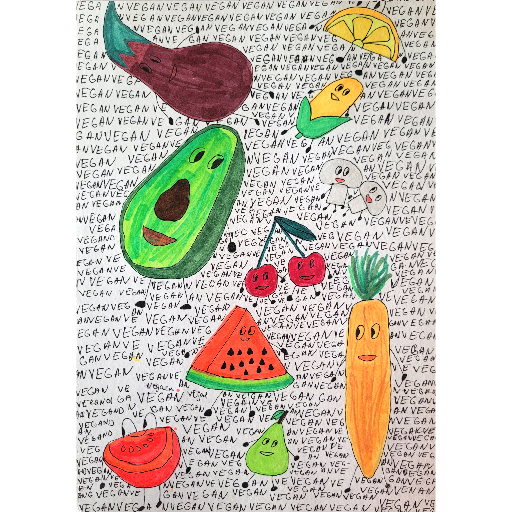
Adriana Antonova
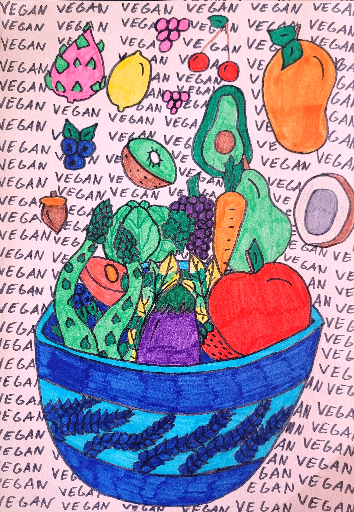
Vakarė Erika Saikalytė
Mingailė Butkutė
Gabija Deksnytė
Ignas Ievaltas
Evelina Meilutė
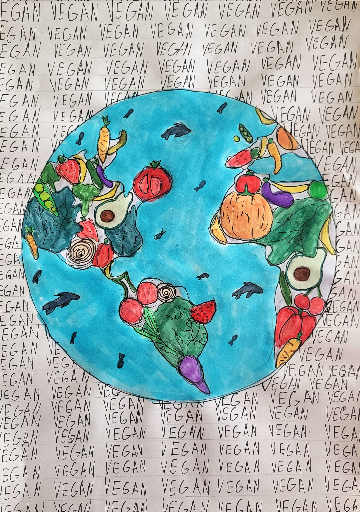
Kamilė Stalauskaitė
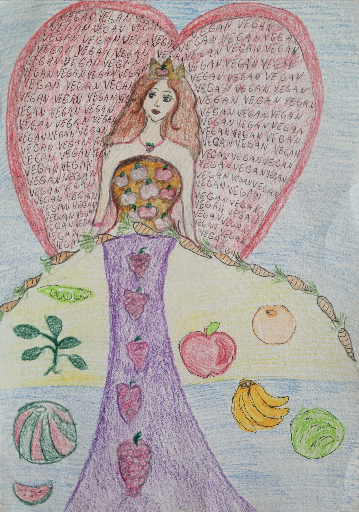
Goda Šedytė
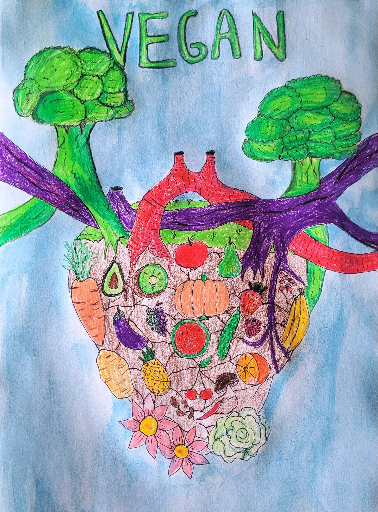
Evelina Vagapova
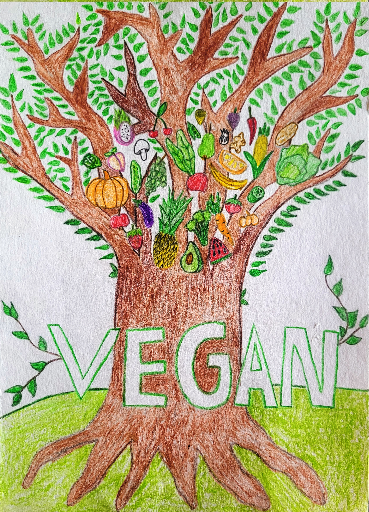
Raminta Vedeikatė
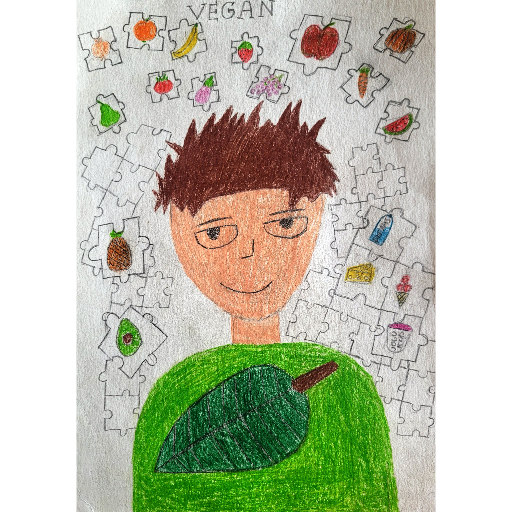
Mindaugas Žėkas
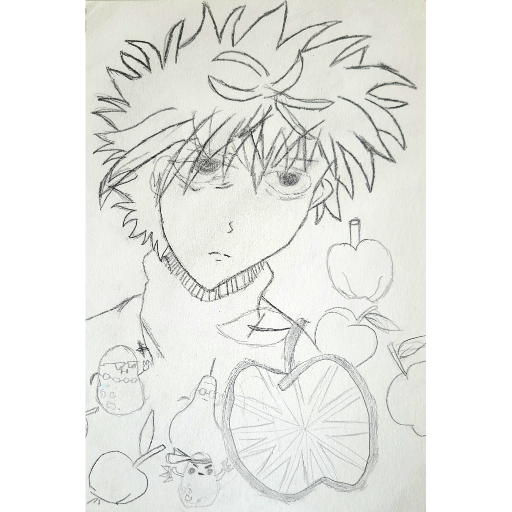
Nojus Pakalnis
Ernestas Motiekaitis
Kamilė Pakalnytė
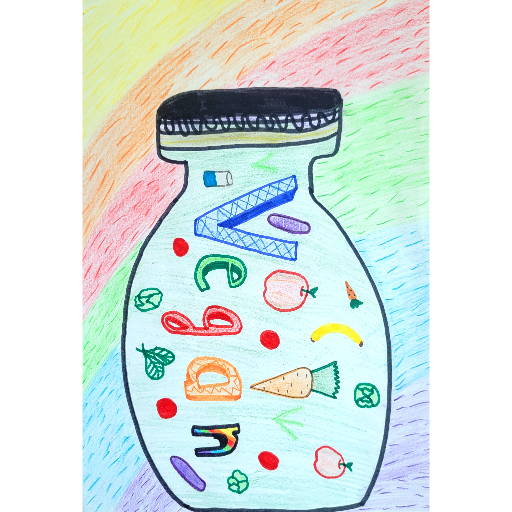
Samanta Sipavičiūtė
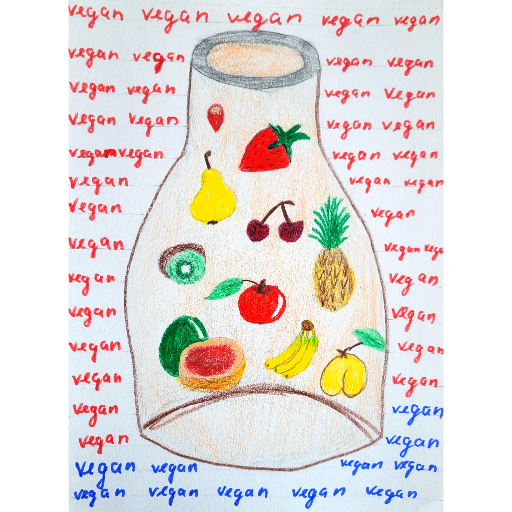
Ugnius Šinkūnas
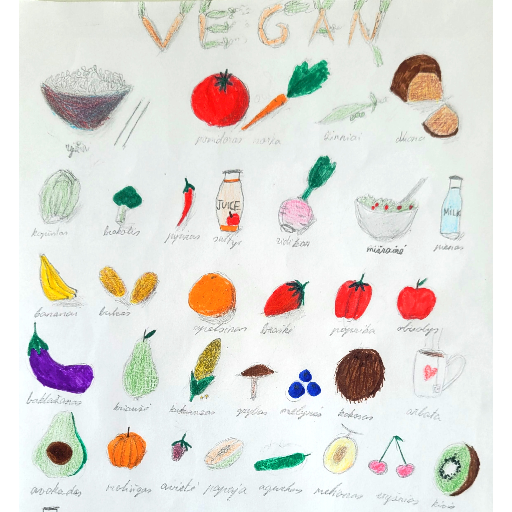
Kamilė Stakutė
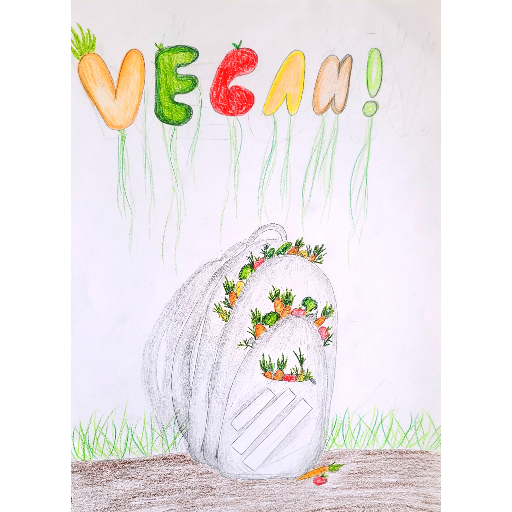
Agota Vaitiekūnaitė


Benas Jasinevičius
Gabija Detenytė
Gustas Kundelis
Urtė Antanavičiūtė
Vanesa Mackutė
Justina Šližauskaitė
Easter
At home, Easter breakfast was eaten. The meal began when the homemaker peeled a blest Easter egg, cut it and gave a piece to every member of the family. This was done so that peace and love would always reign within the family and everyone would live in harmony. Afterward, a variety of other dishes was consumed: meat, sausages, cakes. On Easter it was necessary to eat well and to satiety, to "recover from Lent" because of the fast all through Lent. If the area had poor families with no Easter food, their neighbors shared what they had and brought the disadvantaged families everything they need to be satisfied and happy.
Children hunted for hidden Easter eggs left them by the Velykų Senelė (Easter Granny) or Velykė.
A variety of games were played with Easter eggs. The simplest is an egg-breaking contest. Two players face off, each holding an Easter egg and hit each other's egg. The one whose egg remains intact is the winner. The egg is held in the fist so that only its tip protrudes. The other player hits it with the tip of his egg. If the egg breaks on the side, the impact was wrong and the owner of the broken egg is not considered the loser. The winner claims the broken egg. After the game the number of eggs won was tallied. It was of paramount importance to have a hard-shelled egg that withstands breaking.
If guests arrive on Easter, they are given Easter eggs as gifts. The guests also bring an Easter egg for each family member (or at least the hosts and sweets for the children). Easter morning children go "egg begging" but only to the homes of acquaintances, close neighbors or godparents. When they arrive, they say hello and stand silent at the door. It is quite obvious to everyone that an Easter egg is required. The children politely say thank you, wish a Happy Easter and continue on. When Easter was celebrated for three days, no one went visiting the first day, it was unacceptable to intrude upon people on such a holy day as if someone had thrown you out of your own home.
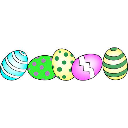
Dovilė Dilytė
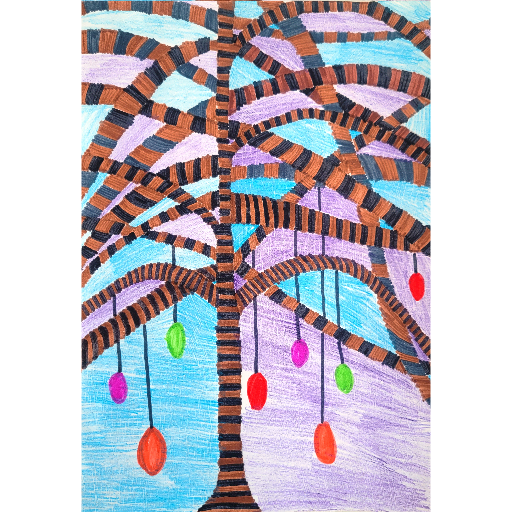
Eitvidas Lavickas
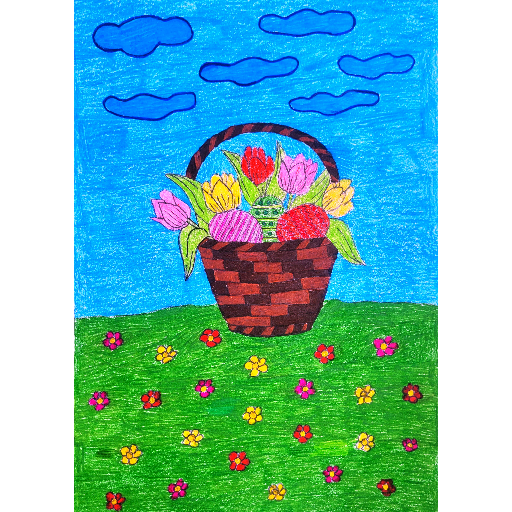
Kamilė Sabaliauskaitė
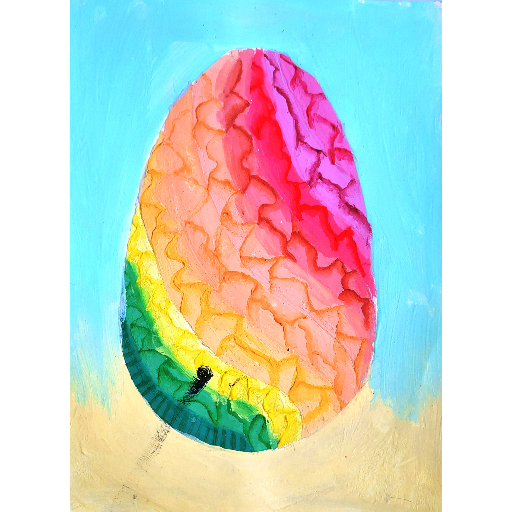
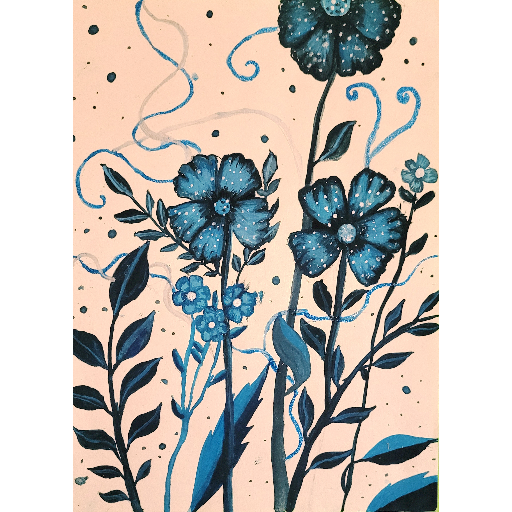
Gabija Vitkutė
Gabija Vitkutė
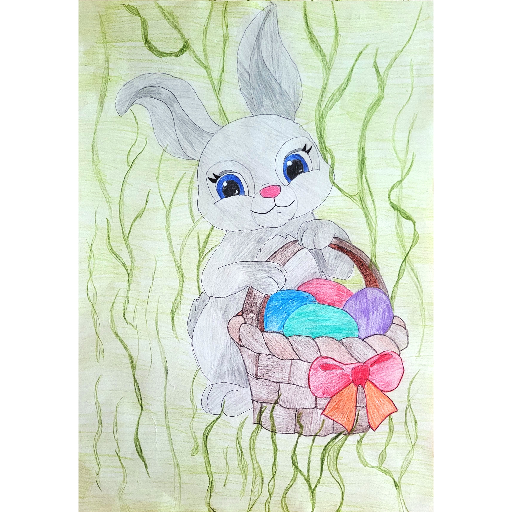
Kornelija Balčiūnaitė
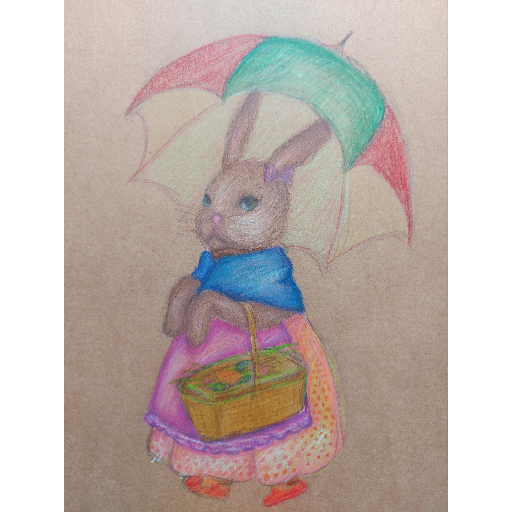
Vėjūnė Varnaitė
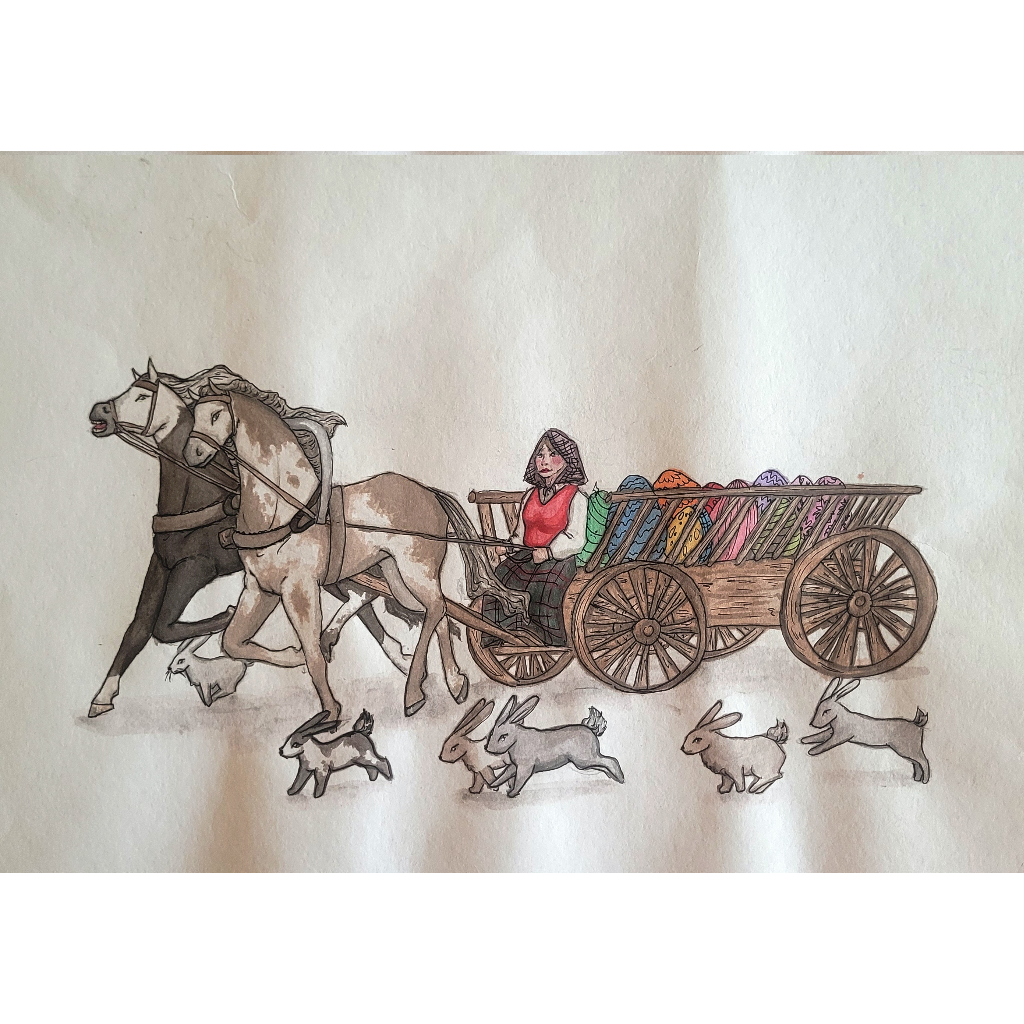
Kotryna Būdvytytė
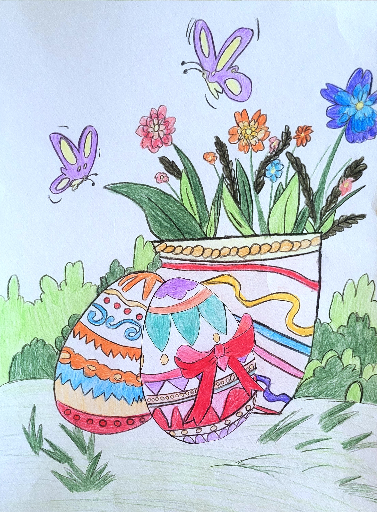
Liepa Bulovaitė
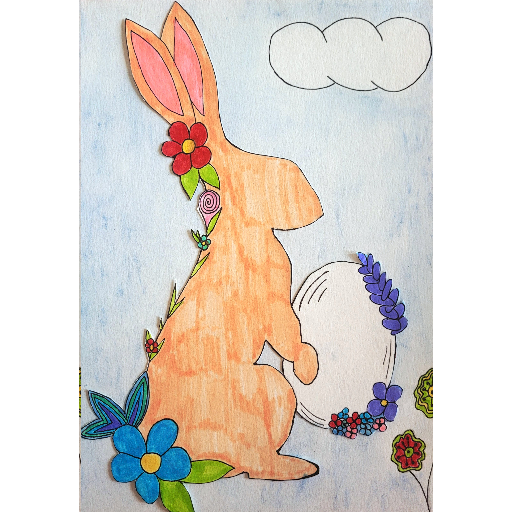
Viktorija Markovaitė
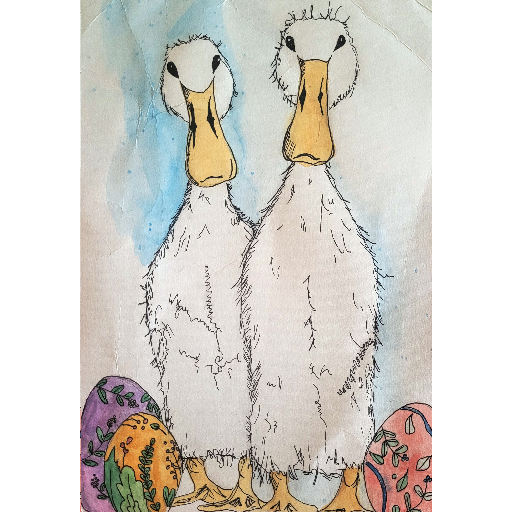
Luknė Gabrielė Galvydytė
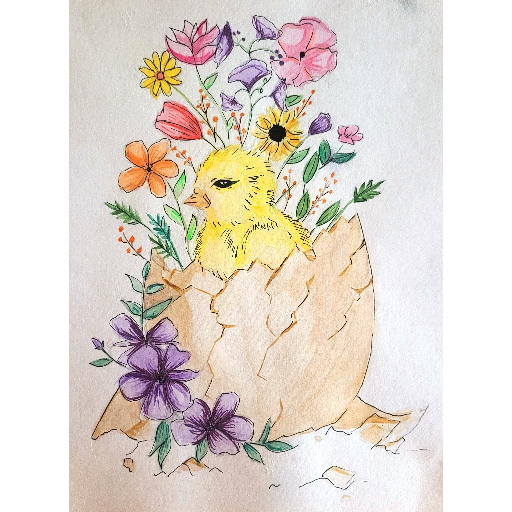
Deina Kišūnaitė
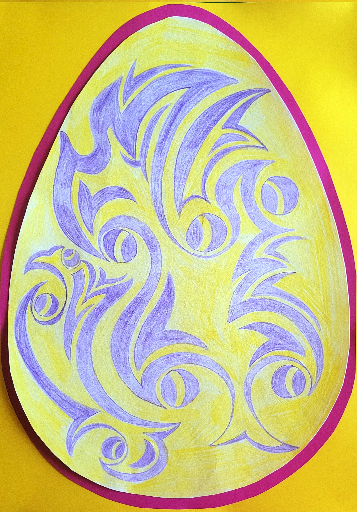
Matteo Saccani
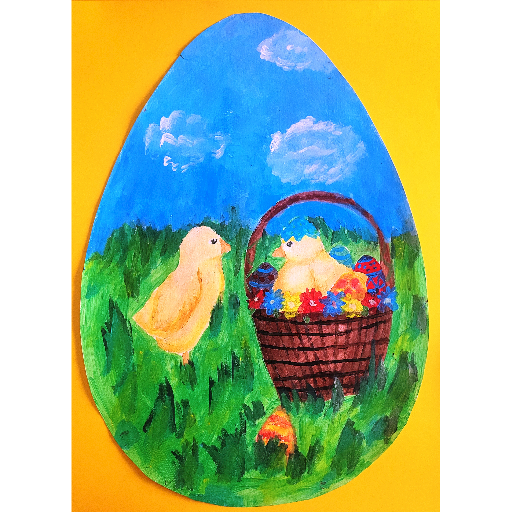
Emilija Vasiliauskaitė
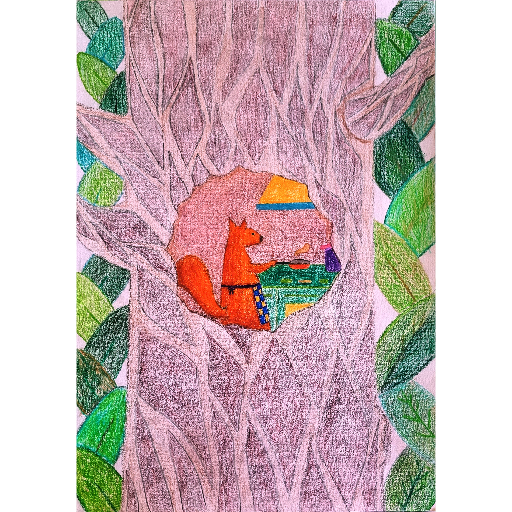
Urtė Galimovaitė


Lina Stanislovaitytė- Bukauskienė, dailės mokytoja Rokiškio Senamiesčio progimnazija,
Kupiškio Povilo Matulionio progimnazijos skyrius Šepetos Almos Adamkienės mokykla- daugiafunkcis centras
Daiva Malcienė, anglų kalbos mokytoja
Rokiškio Senamiesčio progimnazija
Deimantė Vogulienė, anglų kalbos mokytoja
Kupiškio Povilo Matulionio progimnazijos skyrius Šepetos Almos Adamkienės mokykla- daugiafunkcis centras
Inga Balaišienė, anglų kalbos mokytoja
Rokiškio rajono Kamajų Antano Strazdo gimnazija
Daiva Baltakytė, dailės mokytoja
Rokiškio rajono Kamajų Antano Strazdo gimnazija
- < BEGINNING
- END >
-
DOWNLOAD
-
LIKE
-
COMMENT()
-
SHARE
-
BUY THIS BOOK
(from $14.59+) -
BUY THIS BOOK
(from $14.59+) - DOWNLOAD
- LIKE
- COMMENT ()
- SHARE
- Report
-
BUY
-
LIKE
-
COMMENT()
-
SHARE
- Excessive Violence
- Harassment
- Offensive Pictures
- Spelling & Grammar Errors
- Unfinished
- Other Problem






COMMENTS
Click 'X' to report any negative comments. Thanks!