



“If you are wasting your free time, watch out! -- It may be that you are losing your soul.”
-Virginia Woolf
Dedicated with appreciation to all who see it.

STUDENTS: KATHERINE AlFARO
NURBIS ALVARADO
KASSIDY MIRANDA
LUZ GONZÁLEZ

TABLE OF CONTENTS

1. Introduction...............................................
2. Definition..................................................
3. Characteristics........................................
4. Featured Topics.....................................
5. Writers.......................................................
6. Conclusion.................................................

INTRODUCTION

The philosophical movement in art and literature that we call "Modernism" was characterized by the artist's response to two powerful forces: the effects of industrialization and the aftermath of wars, particularly the Russian Revolution and World War I. Modernist writers and artists rejected the certainties of Victorian culture, particularly conventional religious faith and respect for authority. Perhaps the most fundamental underlying tenet of Modernism is that traditional ways of thinking about art, music, literature, government, religion, sex, civil rights, architecture, fashion, and other aspects of daily life they must question and reinvent themselves.
WHAT IS A MODERN LITERATURE?
.
Influenced by global industrialization and World War I, literary modernism was an emotional and experimental style of prose and poetry that occurred in the literature of the late 19th and early 20th centuries.
Literary modernism allowed writers to express themselves in more experimental ways than in the past. Modernist works often contain non-linear narratives and free-flowing interior monologues that emphasize the individual's experiences and emotions.


CHARACTERISTICS
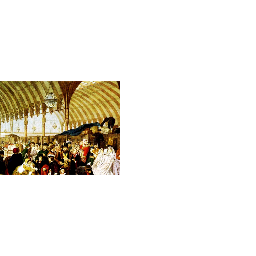
Modernist literature employed a number of different experimental writing techniques that broke the conventional rules of storytelling. Some of those techniques include blended imagery and themes, absurdism, nonlinear narratives, and stream of consciousness—which is a free flowing inner monologue.
EXPERIMENTATION




Modernist literature typically focuses on the individual, rather than society as a whole. Stories follow characters as they adapt to a changing world, often dealing with difficult circumstances and challenges.
INDIVIDUALISM
Many modernist writers wrote in the first person perspective with multiple characters to emphasize the subjectivity of each character, and add depth to the story by presenting a variety of viewpoints.
MULTIPLE PERSPECTIVES
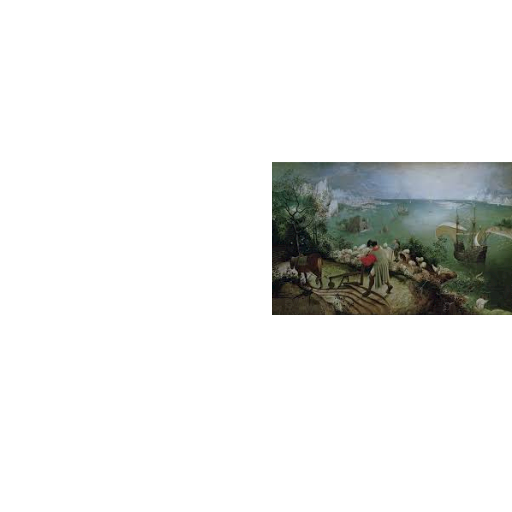
Many modernist poets rejected the traditional structure of poetry and opted for free verse, which lacks a consistent rhyme scheme, metrical pattern, or musical form.
FREE VERSE
Many modernist writers rely on literary devices like symbolism and imagery to help the reader understand the writing, and to create a stronger connection between the text and the reader.
LITERARY DEVICES


Outstanding Themes

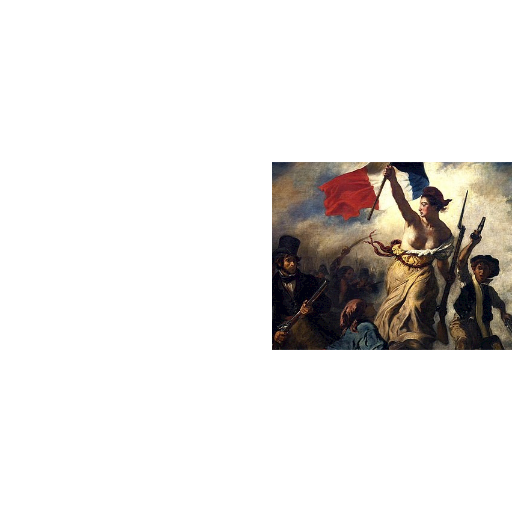
Modernism is practically inseparable from the theme of transformation. Be it the transformation of form, expression, or norm; the movement is based on the idea of radical change. As a them, transformation also means a change in beliefs, opinions, and identities, a symbolic rebirth. You can find examples of transformation in Franz Kafka's absurdist The Metamorphosis. Also in the American literature, you can identify this theme in the works of Ernest Hemingway(The Sun Also Rises) and William Faulkner(Ban Burning).
Transformation


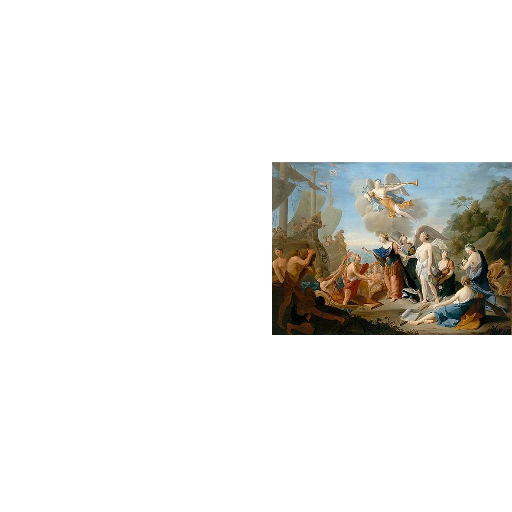
Unlike their predecessors, modernist artists and authors didn't just refer to the Greek-Latin and other myths. Instead, they reimagined those tales in a new, modern world setting. Used as symbols or characters central to the plot, mythological tales and figures define modernism in literature.
As for example of myths in the works of the modernist period, T.S Eliot's The Waste Land is one of the best. In this poem, T.S Eliot's reimagines the myths of the Fisher King and uses Tarot cards and the Holy Grail as symbols. He also used Greek and Latin Phrases to enhance the poem's meaning.
Mythological Tales



The cruel experiences of war are the major reason this theme became prevalent in modern-period literature and many authors lived through them. So, these experiences were reflected in the works of the post-war times.
Examples of this theme are: Virginia Woolf(English literature).
Love and Sensuality
Loss, Separation, and Destruction
In modernist works, love isn't described as a magical feeling that can move mountains. Instead, the tone of love stories becomes grimmer and more fatalistic, and it serves as more proof of the social fabric corroding away.
For example: The Great Gatsby (F.Scott Fitzgerald's) and Whom the Bell Tolls(Ernest Hemingway's).
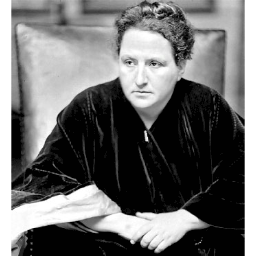
Three Lives (1909), The Making of Americans (1925), Autobiography of Alice B. Toklas (1933), Paris, France (1940), The Wars I Have Seen (1945), The things as they are (1950).


Ezra Pond
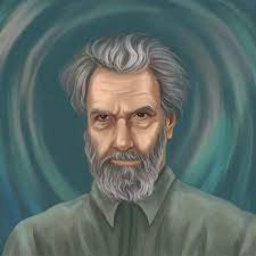


Ezra Pound is widely considered one of the most influential and most difficult poets of the 20th century; his contributions to Modernist poetry are enormous.

- Full access to our public library
- Save favorite books
- Interact with authors
THANK YOU!✍
- < BEGINNING
- END >
-
DOWNLOAD
-
LIKE(2)
-
COMMENT()
-
SHARE
-
SAVE
-
BUY THIS BOOK
(from $4.19+) -
BUY THIS BOOK
(from $4.19+) - DOWNLOAD
- LIKE (2)
- COMMENT ()
- SHARE
- SAVE
- Report
-
BUY
-
LIKE(2)
-
COMMENT()
-
SHARE
- Excessive Violence
- Harassment
- Offensive Pictures
- Spelling & Grammar Errors
- Unfinished
- Other Problem





COMMENTS
Click 'X' to report any negative comments. Thanks!