Dedicated to the professor and all our classmates, we hope you like it.

Table of contents
What was the renaissance period?
Themes
Characteristics
Positive & negative points
Authors & their work
What was the renaissance period?
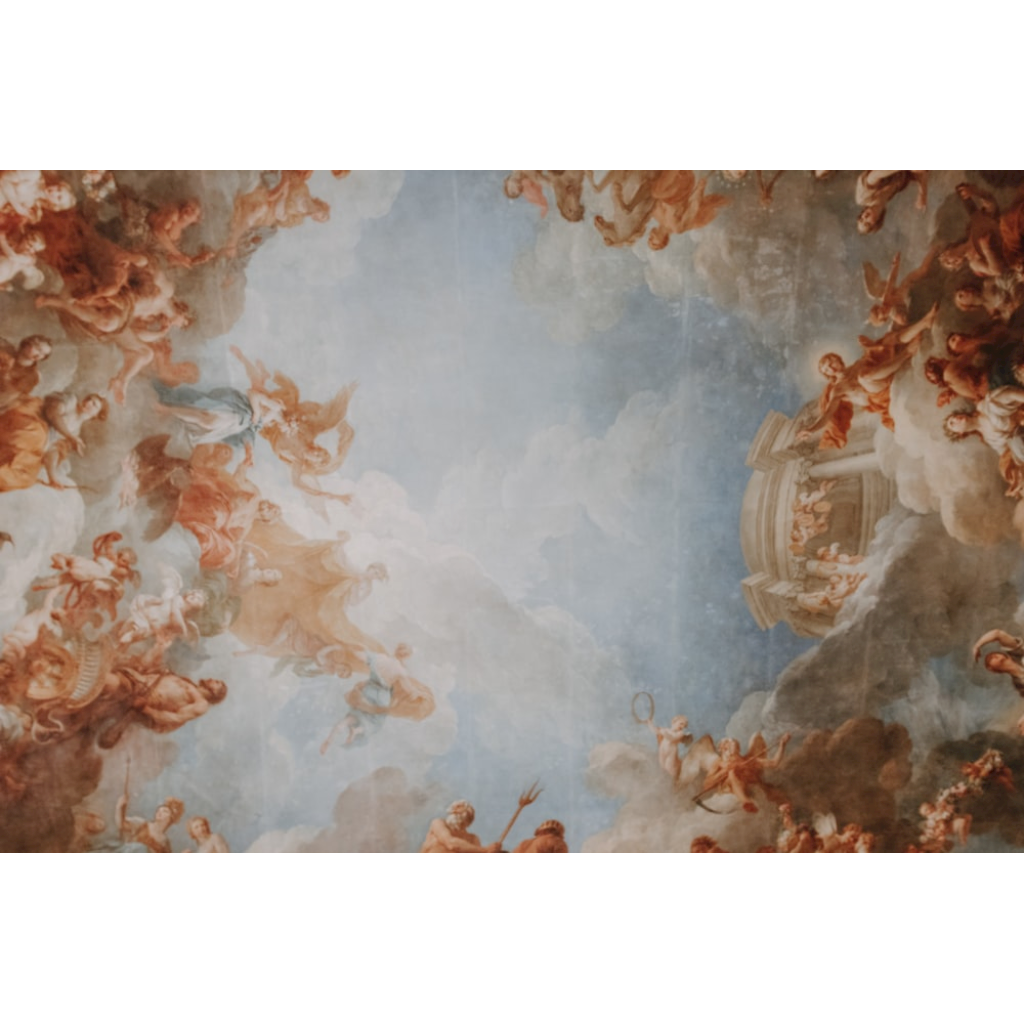
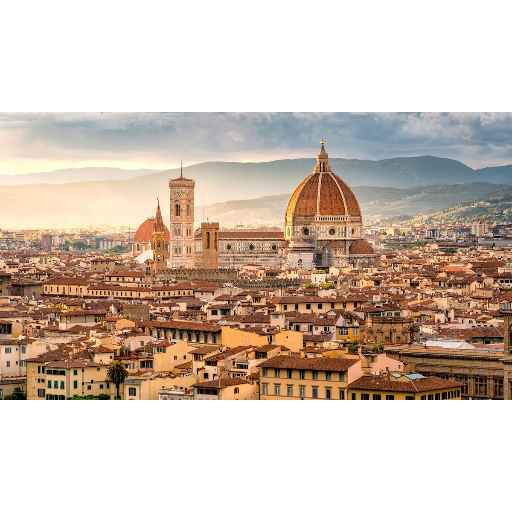
The Renaissance period, spanning roughly from the 14th to the 17th century, was a transformative era characterized by an explosion of intellectual, artistic, and cultural advancements in Europe. Emerging from the darkness of the Middle Ages, this period witnessed a profound shift in human thinking, emphasizing the revival of classical knowledge, humanism, and individualism.
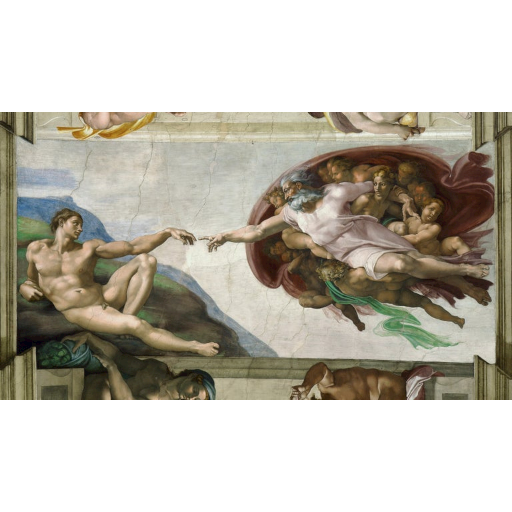
During the Renaissance, scholars and artists looked back to ancient Greek and Roman civilizations, rediscovering their works and studying their philosophy, literature, and art. This renewed interest in classical learning led to a renewed emphasis on human potential, leading to a human-centered worldview known as humanism. Scholars like Leonardo da Vinci, Michelangelo, and Galileo Galilei exemplified the multifaceted nature of the Renaissance, as they excelled in various fields such as art, science, and engineering.
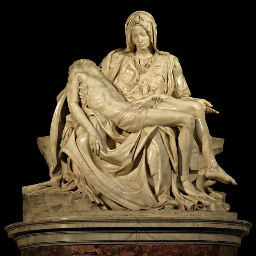
Artists of the Renaissance embraced techniques that portrayed the world with more realism and depth. Perspective and anatomy became important aspects of their work, resulting in lifelike paintings and sculptures. The period gave birth to renowned masterpieces like Leonardo da Vinci's "Mona Lisa" and Michelangelo's "David," which continue to captivate audiences to this day.
The Renaissance was not limited to the arts and sciences alone; it also sparked changes in politics, religion, and society. The emergence of the printing press played a crucial role in spreading ideas and knowledge, making information more accessible to a wider audience. The Reformation, led by figures like Martin Luther, challenged the authority of the Catholic Church and brought about religious reforms that forever altered the religious landscape of Europe.
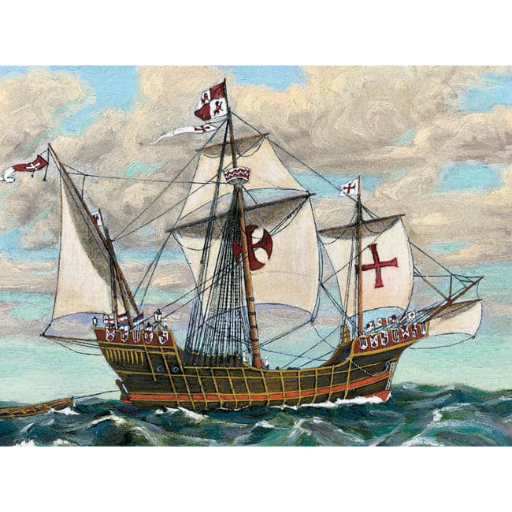
Furthermore, the Renaissance period witnessed significant advancements in navigation and exploration, with famous explorers like Christopher Columbus and Vasco da Gama setting out to discover new lands, expanding the European worldview and ushering in the Age of Exploration.
The Renaissance, with its emphasis on individualism, innovation, and the pursuit of knowledge, laid the foundation for the modern world. It broke the chains of medieval tradition, encouraging critical thinking, scientific inquiry, and artistic expression. The impact of the Renaissance continues to resonate today, reminding us of the power of human creativity and the enduring quest for progress.
Themes
Humanism: Humanism, a central ideology of the Renaissance, emphasized the potential and worth of the individual. Books of the period explored humanist ideas, celebrating human achievements, virtues, and the pursuit of knowledge. Humanist writers such as Petrarch and Erasmus produced works that focused on moral and intellectual development.
Classical Revival: The Renaissance witnessed a renewed interest in the literature and philosophy of ancient Greece and Rome. Books often drew inspiration from classical works, imitating their styles, themes, and characters. Authors like William Shakespeare incorporated classical stories and myths into their plays, showcasing the influence of the ancient world.
Love and Romance: Romantic literature flourished during the Renaissance, particularly in the form of sonnets and love poetry. Writers like Petrarch and Shakespeare explored the themes of courtly love, unrequited love, and the complexities of romantic relationships. These works often idealized love and the beloved, presenting passionate and emotional expressions of affection.
Religion and Reformation: The Reformation, a religious movement that challenged the authority of the Catholic Church, had a profound impact on literature during the Renaissance. Books played a crucial role in disseminating ideas and arguments for or against religious reform. Works by Martin Luther, John Calvin, and Thomas More addressed theological and religious issues, sparking debates and influencing the course of religious history.
Exploration and Travel: The Age of Exploration unfolded during the Renaissance, and accounts of voyages and discoveries became popular literary subjects. Books chronicling expeditions to new lands, encounters with different cultures, and descriptions of exotic places fascinated readers. Notable works in this genre include Christopher Columbus's letters and Marco Polo's travelogue, "The Travels of Marco Polo."
Satire and Social Critique: Satirical works emerged during the Renaissance as a means to criticize societal norms, institutions, and the follies of human behavior. Writers like François Rabelais and Miguel de Cervantes used satire to expose and ridicule political, religious, and social hypocrisy. Satirical literature offered a humorous and critical perspective on the flaws and vices of Renaissance society.
Positive points
Rediscovery of classical texts
Humanism and individualism
Development of the printing press
Vernacular literature
Literary experimentation
Influence of the patronage system
Expansion of knowledge and ideas
Negative points
Neglect of non - latin literature
Excessive imitation
Elitism and limited accessibility
Limited role for women writers
Censorship
- Full access to our public library
- Save favorite books
- Interact with authors
Thank you
- < BEGINNING
- END >
-
DOWNLOAD
-
LIKE(1)
-
COMMENT()
-
SHARE
-
SAVE
-
BUY THIS BOOK
(from $5.99+) -
BUY THIS BOOK
(from $5.99+) - DOWNLOAD
- LIKE (1)
- COMMENT ()
- SHARE
- SAVE
- Report
-
BUY
-
LIKE(1)
-
COMMENT()
-
SHARE
- Excessive Violence
- Harassment
- Offensive Pictures
- Spelling & Grammar Errors
- Unfinished
- Other Problem






COMMENTS
Click 'X' to report any negative comments. Thanks!