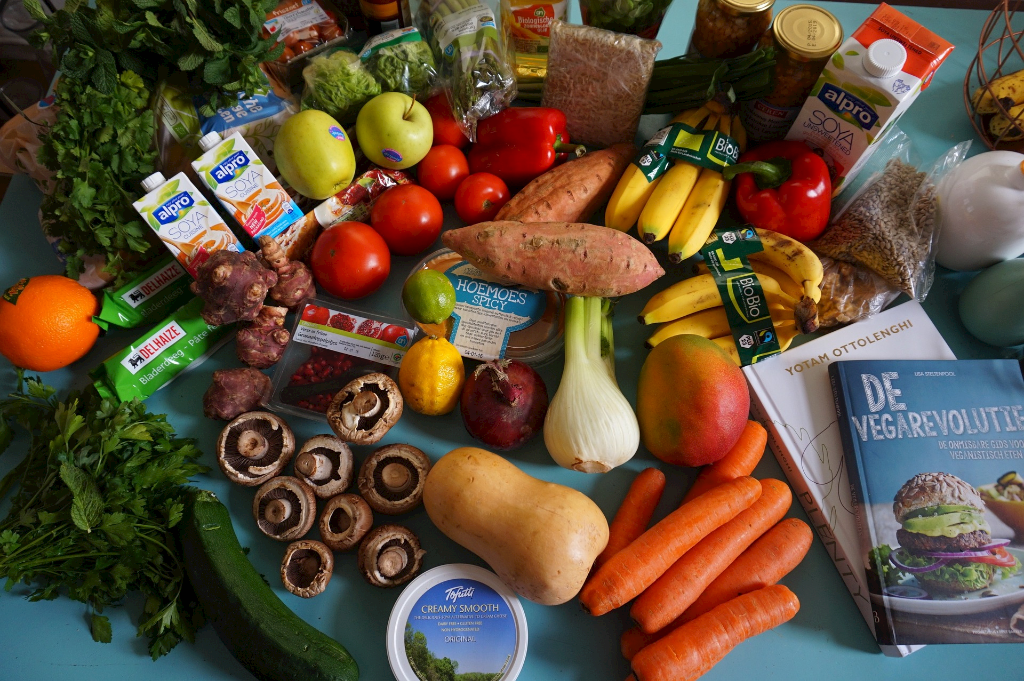


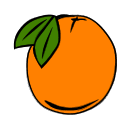
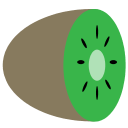

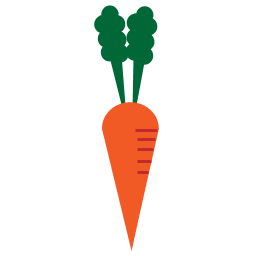


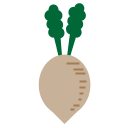

Do you like vegetables or fruits?


Fruits. Fruits are important sources of vitamins and carbohydrates like fiber and sugar. They are low in calories and naturally sweet. Fruits and their juices are good sources of water, too. Different fruits contain different vitamins, so it is important to eat a variety of fruits.


In botany, a fruit is the seed-bearing structure in flowering plants that is formed from the ovary after flowering.
Fruits are the means by which flowering plants (also known as angiosperms) disseminate their seeds. Edible fruits in particular have long propagated using the movements of humans and animals in a symbiotic relationship that is the means for seed dispersal for the one group and nutrition for the other; in fact, humans and many animals have become dependent on fruits as a source of
food. Consequently, fruits account for a substantial fraction of the world's agricultural output, and some (such as the apple and the pomegranate) have acquired extensive cultural and symbolic meanings.
In common language usage, fruit normally means the seed-associated fleshy structures (or produce) of plants that typically are sweet or sour and edible in the raw state, such as apples, bananas, grapes, lemons, oranges, and strawberries. In botanical usage, the term fruit also includes many structures that are not commonly called 'fruits' in everyday language, such as nuts, bean pods, corn kernels, tomatoes, and wheat grains.


Most vegetables are low in calories and have a water content of over 70 percent, with only about 3.5 percent protein and less than 1 percent fat. Vegetables are good sources of minerals, especially calcium and iron, and vitamins, principally A and C. Nearly all vegetables are rich in dietary fiber and antioxidants.


vegetable, in the broadest sense, any kind of plant life or plant product, namely “vegetable matter”; in common, narrow usage, the term vegetable usually refers to the fresh edible portions of certain herbaceous plants—roots, stems, leaves, flowers, fruit, or seeds. These plant parts are either eaten fresh or prepared in a number of ways, usually as a savory, rather than sweet, dish.
A brief treatment of vegetables and vegetable farming follows. For in-depth treatment of vegetable cultivation, see vegetable farming. For treatment of the nutrient composition and processing of vegetables, see vegetable processing.
- Full access to our public library
- Save favorite books
- Interact with authors

- < BEGINNING
- END >
-
DOWNLOAD
-
LIKE
-
COMMENT()
-
SHARE
-
SAVE
-
BUY THIS BOOK
(from $2.99+) -
BUY THIS BOOK
(from $2.99+) - DOWNLOAD
- LIKE
- COMMENT ()
- SHARE
- SAVE
- Report
-
BUY
-
LIKE
-
COMMENT()
-
SHARE
- Excessive Violence
- Harassment
- Offensive Pictures
- Spelling & Grammar Errors
- Unfinished
- Other Problem

COMMENTS
Click 'X' to report any negative comments. Thanks!