Audre Lorde
Funded by the European Union. Views and opinions expressed are however those of the author(s) only and do not necessarily reflect those of the European Union or the European Education and Culture Executive Agency (EACEA). Neither the European Union nor EACEA can be held responsible for them.

List of contents:
Chapter 1. “Introductions and Farewells”
Chapter 2. “Traditional dishes”
Chapter 3. “Our clothes”
Chapter 4. “Festivals and celebrations”
Chapter 5. “My school, my rules”
Chapter 6. “Giving a present”
Chapter 7. “Favorite sports”
Chapter 8. “Religion”
Chapter 9. “Geographical features”
Chapter 10. “Cinema, theatre, music”
Chapter 1
“Introductions and Farewells”
POLAND
Greetings in Poland are usually courteous and reserved. People behave quite formally when meeting strangers for the first time.
1. The common greeting is to shake hands while holding direct eye contact.
2. People usually shake women’s hands first before addressing any men present. Older women are greeted before other girls.
3. Men (especially seniors) may look to kiss a woman on the hand. If he offers, you may politely extend your hand to receive it.
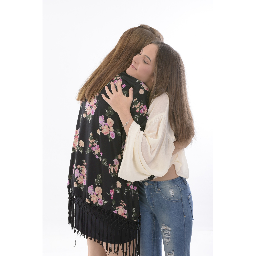
4. Women who are acquaintances or good friends may kiss each other three times on alternating cheeks when greeting. Men and women may also do this when they become close friends.
5. Men may kiss the cheeks of their relatives or their female family members’ long-term boyfriend/husband.
6. It’s generally only appropriate to address someone by their first name if they’re a close friend. Use people’s titles and surnames unless they indicate it is appropriate to move onto a first-name basis. “Pan” (Mr.) is used for men and “Pani” (Ms.) for women.
The common verbal greetings are:
“Cześć” - Hello
“Dzien dobry” - Good day
“Dobry wieczór” - Good evening
Farewells:
"Pa" - Bye
"Do widzenia" - Goodbye
"Do zobaczenia" - See You
In daily life, Turkish people are warm and friendly and do not usually like formality.
Turkish people love to socialize and chat a lot. Unless you are in a formal event, a Turkish person may even hug you while greeting. Turkish people can address strangers as "uncles" or "aunts".
Unlike some cultures, "How are you?" question is not rhetorical and other person must answer it.
Minors must always address their elders with a pronoun. For example, students cannot call their teachers by just their name.
You can hear many Islamic influences in greetings and farewell in Turkish language.
You say "Selamün Aleyküm" when you enter a room and people will greet you by saying "Aleyküm Selam."
Instead of "iyi" (good), Turkish people can use "hayırlı" (beneficient). For example: "Hayırlı akşamlar" (Good evenings)
In order to say goodbye, Turkish people use God's name.
"Allah'a emanet ol." or "Allah'a ısmarladık." may sound different and difficult but both are essentially used for "Goodbye."
Hello, hi: Merhaba
Good morning: Günaydın
Have a good day: İyi günler
Good evenings: İyi akşamlar
Good night: İyi geceler
Greeting
What is your name?: Senin adın ne?
My name is ... : Benim adım ...
Nice to meet you: Tanıştığıma memnun oldum.
Where are you from?: Nerelisin?
I am from ...: Ben ...'lıyım.
Introduction

See you: Görüşürüz
Goodbye: Hoşçakal
Farewell
GREECE
GREETINGS
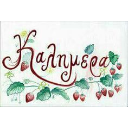
Goodmorning: Καλημέρα (kalimera)
How are you?: Τι κάνεις; (ti kanis)
I am fine, thank you! : είμαι καλά, ευχαριστώ! (kala, efharisto)
Nice to meet you! : Χαίρω πολύ! (chero poli)
Farewells
Αντίο (Antio) - Goodbye
Αντίο σας (Antio sas) - Goodbye (formal, when addressing more than one person)
Αντίο σου (Antio sou) - Goodbye (informal, when addressing one person)
Καλή σας ημέρα (Kali sas imera) - Have a good day (formal)
Καλή σου ημέρα (Kali sou imera) - Have a good day (informal)

One special aspect of greetings, introductions, and farewells in Greece is the emphasis on warmth, hospitality, and personal connections.
Greeks generally place a significant value on interpersonal relationships and courtesy.
Here are a few unique characteristics:
Greece. It is exchanged between men, women
and children.
*Making direct eye contact is seen as a sign of respect and sincerity during greetings. It is important to maintain eye contact when shaking hands or speaking to someone.
*When Greeks greet each other, they often take the time to ask about one another's well-being and engage in small talk. It's not considered polite to rush through greetings, as taking the time to show interest in the other person is a sign of respect
*In Greek culture, it's important to show respect to older individuals, both in your choice of words and your body language.
*When greeting someone significantly older, it's common to use more formal language and show deference.
*When addressing someone in a formal setting, it's customary to use their title and last name, such as "Κύριος Σμίθ" (Mr. Smith) or "Κυρία Παπαδοπούλου" (Mrs. Papadopoulos). This adds a level of politeness and respect to the greeting
* When you visit someone's home or business, it's common to be offered something to drink or eat. Even when visiting someone briefly, it's polite to accept such offerings as a sign of appreciation.
*Greeks are expressive with their gestures and body language. They may use their hands and facial expressions to convey enthusiasm, agreement, or other emotions during greetings and conversations.
*On special occasions and holidays, Greeks have specific greetings. For example, during Easter, people often say "Καλό Πάσχα" (Kalo Pascha), which means "Happy Easter." For New Year's, they say "Καλή Χρονιά" (Kali Chronia), which means "Happy New Year."
*Farewells are typically warm, heartfelt, and expressive. Whether you're saying goodbye to friends, family, or acquaintances, here are some common ways to bid farewell in Greek culture:
Kiss on Both Cheeks
Handshakes
Hugs
Wave
Verbal Farewells
Offer to Stay Longer
Use of Hand Gestures
One special aspect of farewells in Greece is the concept of "Xenitia" (Ξενιτεία). Xenitia refers to the Greek diaspora or the experience of living abroad, away from one's homeland, family, and friends. Farewells in the context of xenitia often carry a unique and profound emotional weight in Greek culture.
In summary, greetings and farewells in Greece are not just about etiquette but are deeply rooted in the culture's emphasis on building personal relationships, warmth, and genuine social interactions. It's common to take the time to get to know people on a personal level and to make them feel welcome and valued.
ROMANIA
GREETINGS
FARE WELLS
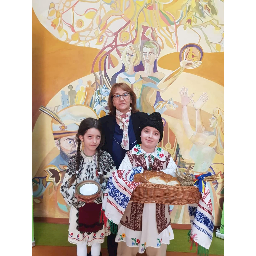
The specific Romanian custom for the first meeting and reception of a guest in the house
Moreover, the salt added to the bread is perhaps the oldest hospitality custom of the Romanians who, since ancient times, welcomed their guests with bread and salt, as a sign of peace, love, kindness and respect.
Chapter 2
"Traditional dishes"
POLAND
Polish cuisine is a unique type of dishes. Its taste has been influenced by the turbulent history of our nation as a combination of local traditions and culinary influences from other nations inhabiting the territory of the former Polish-Lithuanian Commonwealth. The greatest traces have been left by German, Jewish, French, Italian and eastern cuisines – Ruthenian, Mongolian and Tatar-Turkish.
Polish cuisine is relatively heavy.
It is characterized by a large number of flour dishes and a number of various types of soups. It also uses forest fruit, meat and dairy products as well as vegetables, freshwater fish and aromatic spices.
The basis of our ancestors' cuisine were carbohydrates - root vegetables and legumes together with meat such as venison, pork, poultry and fish, mainly freshwater. In addition, Polish cuisine includes home-made milk products as well as fruit and vegetable preserves.
Current Polish cuisine is much more varied and "worldly" than traditional Polish cuisine. You can see the influence of European and American cuisine. The boundaries between tradition and what comes from abroad are blurring. We eat less grain products, such as groats, and more potatoes.
SOUPS
Soups are simple, quick to make and generally cheap. That's why Poles like them so much and have been doing so for a long time. Our most popular soups are broth, tomato soup, cucumber soup and pumpkin soup.
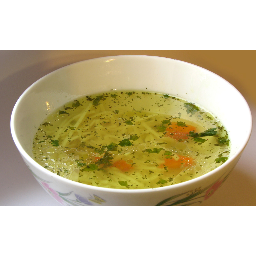
Broth is traditionally eaten on Sunday as the first course. It’s chicken soup with noodles. For the second course we like to eat mashed potatoes with pork chop or minced meat cutlets and cucumber salad with sour cream as side dish.
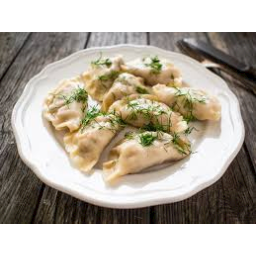
PIEROGI – DUMPLINGS
Pierogi are Poland's flagship dish and must be tried by all foreign tourists who want to get to know our cuisine a little better. Dough and shape make Polish dumplings stand out from other similar dishes in the world. We usually make them in the form of a crescent, with a dough that is both delicate and strong enough to weave various patterns on the ends of the dumplings. We use various fillings to hide in dumpling dough. We love dumplings with meat, Russian dumplings with cottage cheese and potatoes, dumplings with fruit, sweet cheese, or traditional dumplings with cabbage and mushrooms (preferably dried), especially prepared for Christmas.
MEATS: The most popular meat dishes in traditional Polish cuisine are:
⦁ meat and rice stuffing wrapped in cabbage leaves, i.e. cabbage rolls,
⦁ pork chops – preferably thickly breaded and deep fried,
⦁ goulash – beef, poultry or pork
⦁ bigos – long-cooked sauerkraut with additions such as meat, sausage, stewed mushrooms.
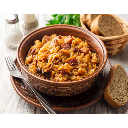
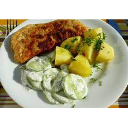
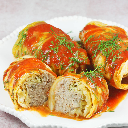
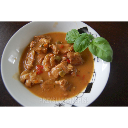
PRESERVES
The most traditional ones include all kinds of pickled vegetables and fruit preserves, especially jams and compotes. Poles are specialists in fermented (pickled) and preserved products and can basically prepare most vegetables in this way. For example, pickled cucumbers are a typical Polish snack, considered to be quite a unique product in the world.
Turkish cuisine is colorful and consists of countless different influences and tastes.
We would like to give you some examples under some titles.
Breakfast
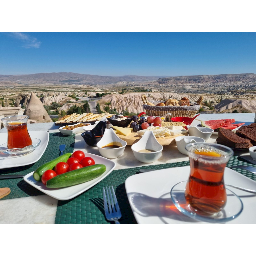
Traditional Turkish breakfasts are large and plentiful with several small dishes including different types of cheese, fermented sausages and salami, black and green olives, tomatoes, butter, honey and "kaymak" (clotted cream of milk), jams and spreads, loaves of fresh bread, and, of course, lots of glasses of black tea.
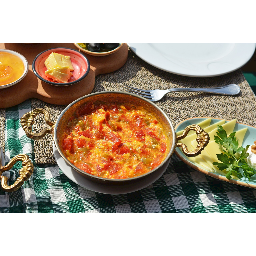
Don't forget about "menemen", a dish with eggs, pepper and tomatoes.
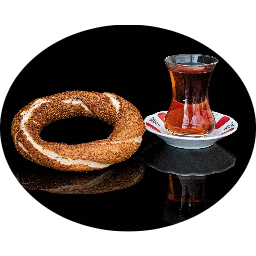
One of the simple pleasures of Turkish cuisine is a ring-shaped bread covered by sesame seeds. "Simit" can be found easily everywhere in Turkey, and most commonly sold on the streets. The simit looks like a plain bread roll but is a favorite breakfast accompaniment, usually enjoyed with tea.
Pastry
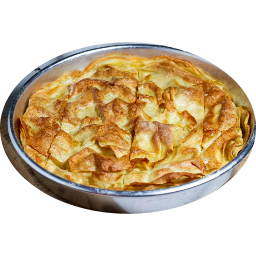
One of the most special aspects of Turkish cuisine is pastries or in Turkish "börek". Among those pastries, there is such a pastry that even though it requires effort to prepare, it is worth all the effort we put in at the end...
Ladies and gentlemen: "Su böreği" with white cheese.
In our region, börek can be made with leek.
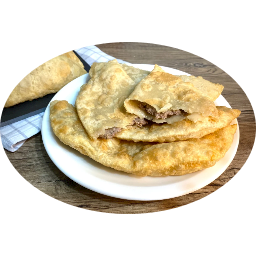
Turkish cuisine also has crispy-fried "çibörek", in which we add raw minced meat.
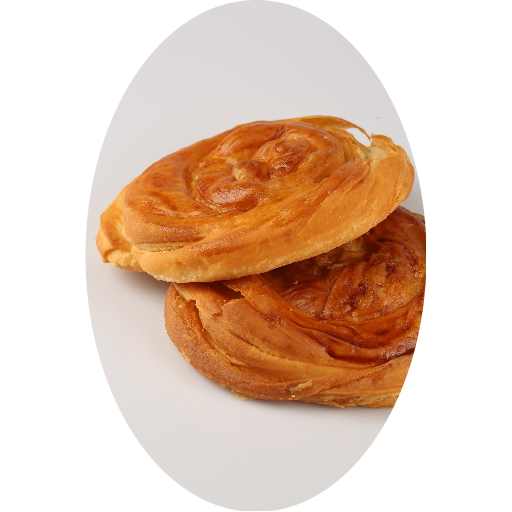
A special pastry with butter called "Kete"
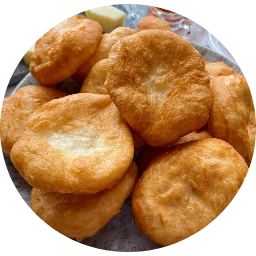
You can fry "pişi" with 2 pieces of bread dough that you buy from the bakery.
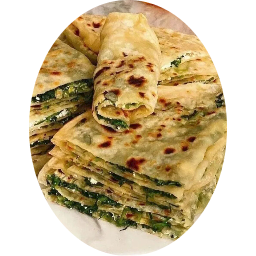
This traditional Turkish pastry "gözleme" is often stuffed with salty white cheese, minced beef or spinach.
Dinner
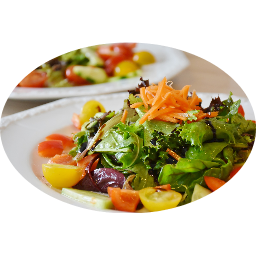
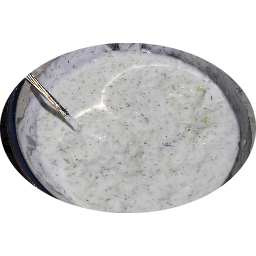
A typical Turkish homemade dinner always starts with a soup. You can see plates of green salad and "cacık", a yoghurt and cucumber based side dish on the table.
"Tarhana soup", which is usually prepared towards the end of summer and dried for the winter, contains red pepper, yoghurt, parsley, chickpeas and onion. After making the dough with these ingredients, chopped greens are added and waited for 4 days for it to ferment. When it starts to dry, it is turned into powder by passing it through a food processor. Tarhana should be kept in the sun for at least 2 days and at most 5 days.
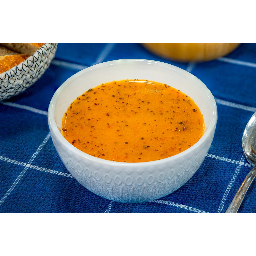
Nettle soup is made by separate the nettle leaves and stems and washing them in a bowl with at least 5 times water. The washed nettle leaves are placed in a deep pot, 4 glasses of water are added and boiled for 15 minutes. Nettle leaves boiled with water are crushed with a blender until they become puree. Corn flour is added and it is boiled for another 10 minutes. (If it is too thick, add some hot water.) On the other hand, add the butter and oil into a pan, add the diced onion and fry for 1-2 minutes. Add pepper salt and fry a little more. Add the ingredients roasted in the pan to the nettle in the pot. It is boiled one more time. It is ready to serve. Enjoy your meal.
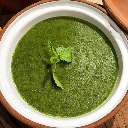
Vegetables: okra, pea, green peppers, tomato, mallow, artichoke, carrot, cucumber, chicory, spinach, zucchini, cauliflower, celery, asparagus, cabbage, mushrooms, parsley, lettuce, potatoes, beets, eggplant, leek, arugula, garlic, purslane, onion, radish
Legumes: broad beans, beans, chickpeas, lentils
Meats: lamb, beef, chicken, fish
Spices: rosemary, red pepper, nigella seeds, thyme, cumin, mint, cinnamon, coriander, turmeric, sumac, black pepper, clove, poppy seeds, saffron, sesame seeds
Nuts: pistachios, chestnuts, almonds, hazelnuts, walnuts
Grains: rice, bulgur
Oils: Sunflower oil, olive oil, hazelnut oil
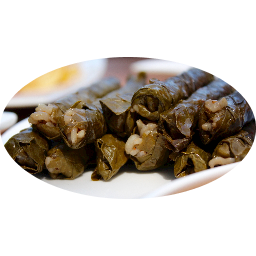
"Yaprak Sarma" is essentially vine leaves rolled and filled with either well-seasoned rice or mincemeat.
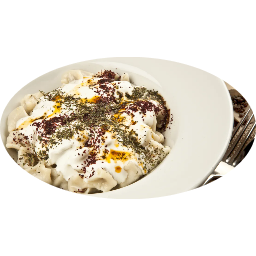
The most coveted version of these tasty Turkish dumplings "mantı" are made in Kayseri, Central Anatolia, although they are made bigger in Eastern Anatolia.
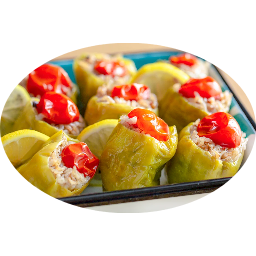
"Dolma" is a dish that we love as much as "sarma", and because it has much more filling, we can quickly fill up by eating just one or two.
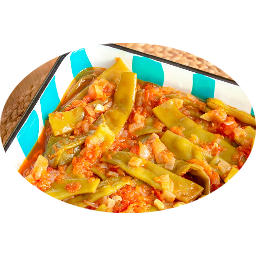
Green beans go well with both olive oil and minced meat.
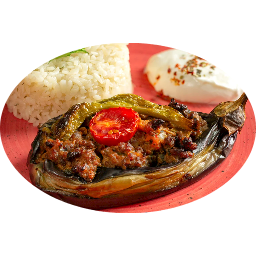
"Karnıyarık" literally means split belly and it is an eggplant dish that suits every table with its appearance and taste.
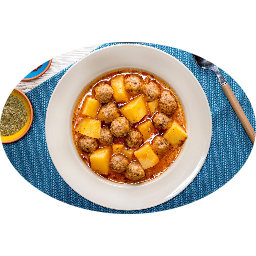
Juicy Turkish meatballs with bulgur, "köfte" which are easy and practical to make, are nutritious and very satisfying.
Famous Desserts
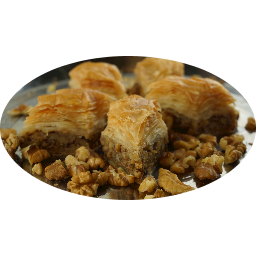
One of the most delicious aspects of religious holidays and hosting guests is "baklava".
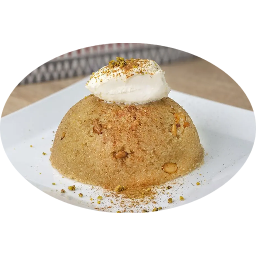
"İrmik helvası" is the main dessert after fish dishes, the number one solution to sweet cravings, the most popular neighbor's treat, served hot with ice cream, homemade semolina halva.
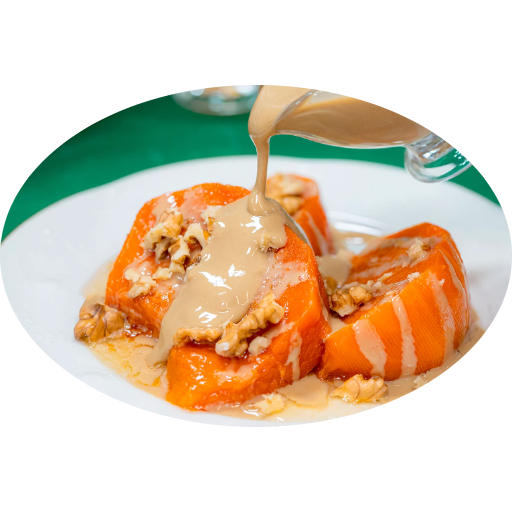
Now, this is the dessert that our region is best known for. When pumpkin season comes, we all get excited. Pumpkin comes together with ingredients such as tahini and walnuts, and a delicious dessert emerges.
GREECE
Greek cuisine is known for its rich and diverse flavors, drawing from a long history of Mediterranean and Middle Eastern influences. Traditional Greek food often includes fresh and locally sourced ingredients:
Vegetables: Tomatoes, cucumbers, eggplants, zucchini, peppers, and onions are frequently used.
Herbs: Oregano, mint, thyme, and rosemary for flavor.
Cheese: Feta is the most famous, but there are others like kefalotyri and graviera.
Seafood: Fish, squid, octopus, and mussels are popular.
Meat: Lamb, goat, beef, and pork are commonly used.
Yogurt: Often served with honey and nuts for dessert.
Honey: Used as a sweetener in various dishes.
Phyllo Dough: Used in many Greek pastries and pies.
Nuts: Almonds and walnuts are used in desserts and salads.
Food customs
Say "Kalí órexi" before you eat, which means "Bon appétit" in Greek, to show your appreciation for the meal.
Try a bit of everything on your plate to show respect for the host.
Bread is served with most meals; you can use it to scoop up food or as a side.
Accept treats when offered, such as baklava or loukoumades.
Make toasts with "Stin iyia mas!" (To our health) during the meal.
Simple Greek dishes
Moussaka: It's like Greek lasagna with layers of sliced eggplant or potatoes, ground meat (usually beef or lamb), and a creamy sauce.
Souvlaki: Skewers of marinated and grilled meat, often served with pita bread, tomatoes, onions, and tzatziki sauce.
Tzatziki: A refreshing dip made from yogurt, cucumber, garlic, and herbs.
Greek Salad (Horiatiki): A simple salad with tomatoes, cucumbers, onions, olives, and feta cheese, drizzled with olive oil and sprinkled with oregano.
Spanakopita: A savory pastry filled with spinach, feta cheese, and herbs, wrapped in flaky phyllo dough.
Pastitsio: A baked pasta dish with meat and a creamy sauce, similar to Greek lasagna.
Baklava: A sweet dessert made of layers of pastry, nuts, honey, and spices.
Greek Bean Soup (Fasolada): A hearty soup made with white beans, tomatoes, carrots, onions, and herbs.
Greek Lemon Chicken Soup (Avgolemono): A comforting soup with chicken, rice, and a creamy lemon-egg sauce.
Kleftiko: Slow-cooked lamb or goat, marinated with garlic and herbs and baked in parchment paper.
Galaktoboureko: A dessert made from layers of crispy phyllo dough filled with creamy semolina custard and sweet syrup.
Loukoumades: Deep-fried dough balls drizzled with honey and often sprinkled with cinnamon. They are a popular street food and a sweet indulgence.
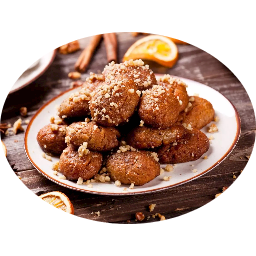
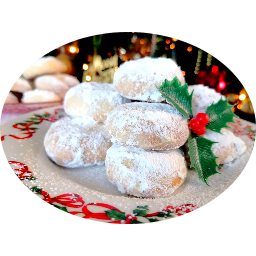
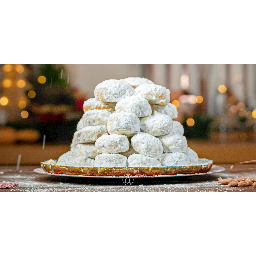
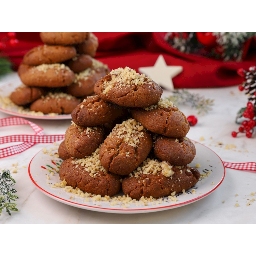
Melomakarona and kourampiedes are traditional christmas sweets
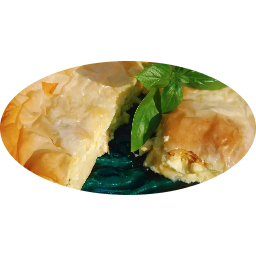
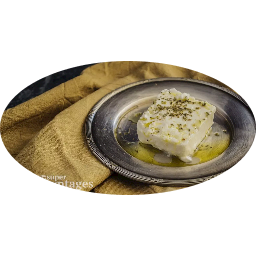
feta cheese cheese pie olives
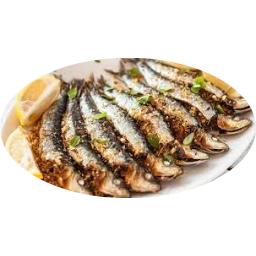
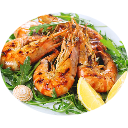
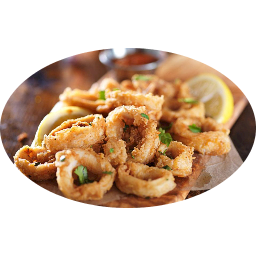
Traditional dishes of Preveza
calamari sardines shrimps
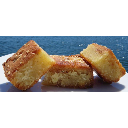
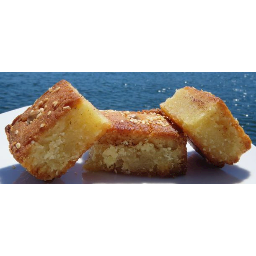
ladopita - oil pie
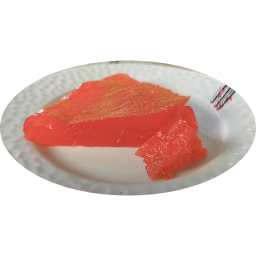
sweet suzuki -like a jelly
Savoro is a popular traditional dish in Preveza made with small fish, typically anchovies or sardines. The fish are fried and then simmered in a flavorful sauce made from garlic, onions, vinegar, olive oil, and spices. It's a tangy and aromatic dish often served with bread or rice.
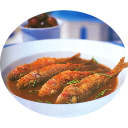
The cuisine of Preveza is closely tied to its tradition of fishing, as various types of seafood and fish from the sea are combined into exceptionally flavorful recipes with local products such as tomatoes, olive oil, wild greens, prepared either in a pot, a baking dish (known as "tavas" with a lid), or in large pans (called "saganakia" for cooking on an open fire.
ROMANIA
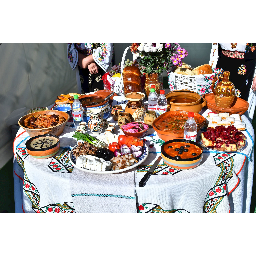
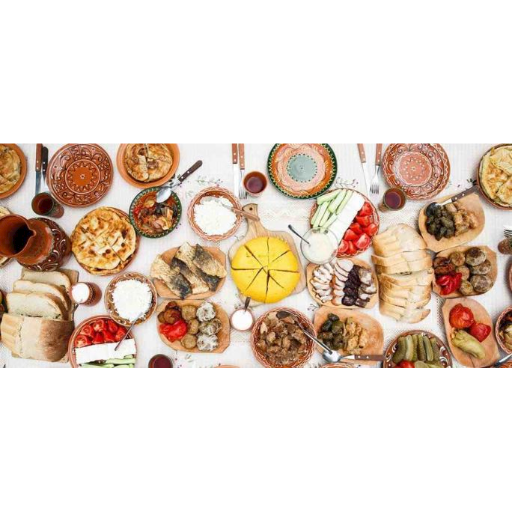

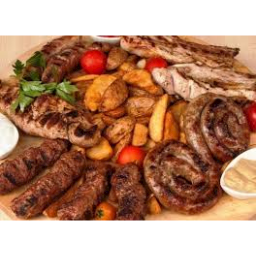
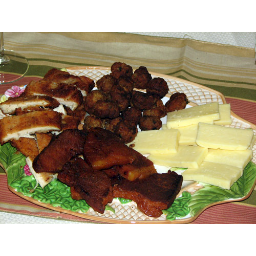
Romanians are recognized among the peoples of the world for their hospitality. The custom is that the table at which we eat is holy, it must be rich and the guests treated with the best.
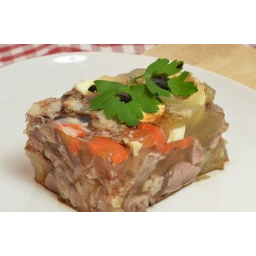
Piftie
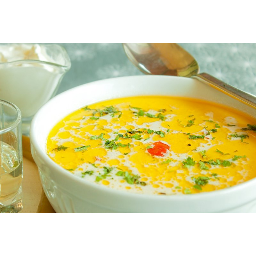
Ciorba de burta
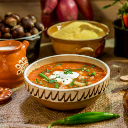
BORS
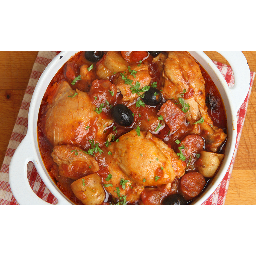
Tava
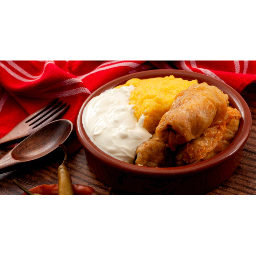
Sarmale cu mamaliga si smantana
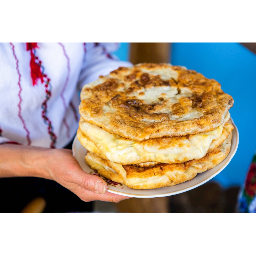
SCOVERGI
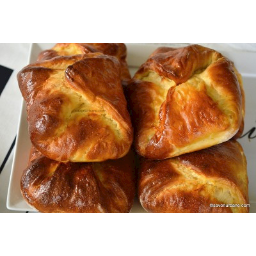
POALE-N BRAU
PLACINTA
DIFFERENT PIE
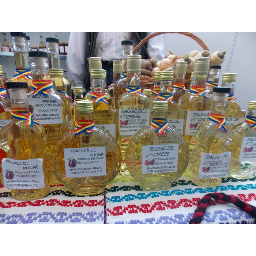
PALINCA
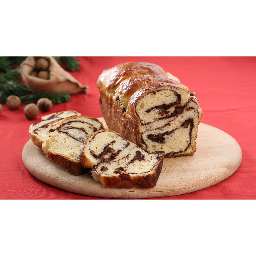
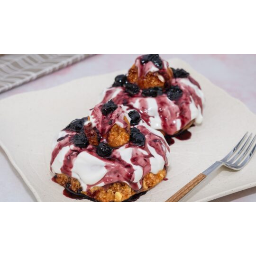
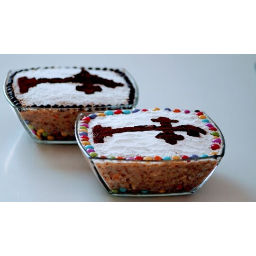
DESERTS
PAPANASI
COZONACI
Chapter 3
“Our clothes”
POLAND
Clothes are part of our daily lives. Polish people do not differ much from other nations – we wear clothes for different reasons.
We wear them for protection and safety, comfort and fashion, social norms and traditions.
Clothes is what
we believe to
be unity in diversity.
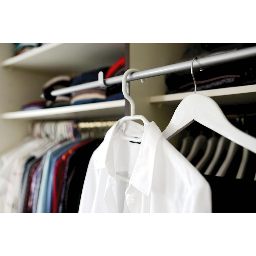
CLOTHES FOR SCHOOL
Wearing the right clothes for school is really important . Nowadays, there is a lot of pressure to look good. But we also like to feel comfortable. School dress code in Poland is neat and not provocative. In most Polish school students do not have to wear uniforms. They usually put on tracksuits or jeans and T-shirts or sweatshirts. Casual style dominates.
For national holidays students wear smart clothes – the top part of the outfit is white while the bottom part is black or navy blue.
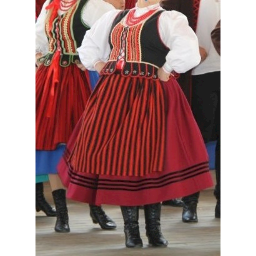
FOLK COSTUMES
They vary by region. They are typically not worn in daily life but at folk festivals, folk weddings, religious holidays, harvest festivals and other special occasions. The costumes may reflect region and sometimes social or marital status.
This is an outfit representing our
region of Busko-Zdrój
CLOTHES FOR PARTIES
Polish people choose elegant clothes for parties – women wear dresses or blouses and skirts. They also choose elegant accessories like nice scarves, handbags, jewellery oan high-heels. Men wear suits, shirts, ties or bow-ties and elegant shoes.
CLOTHES FOR FESTIVALS Polish people traditionally celebrate festivals wearing their Sunday best – the outfit must be neat and fresh. But younger generation tries to find the balance between elegant and comfortable. But we all avoid anything too casual.
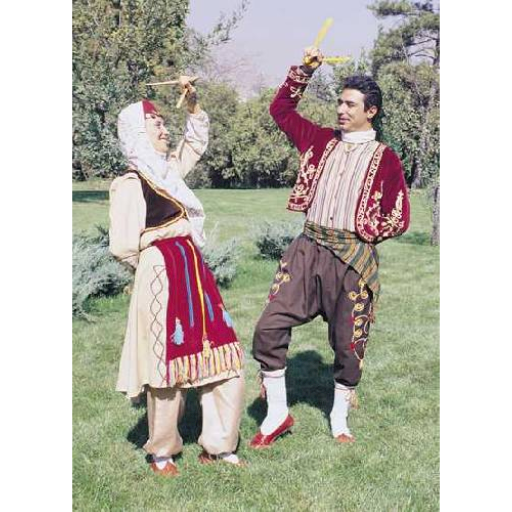
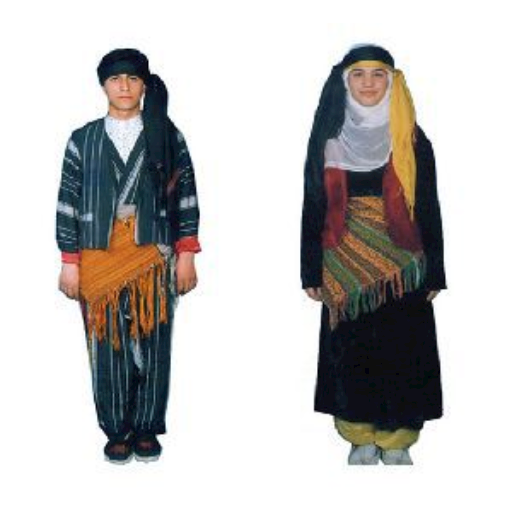
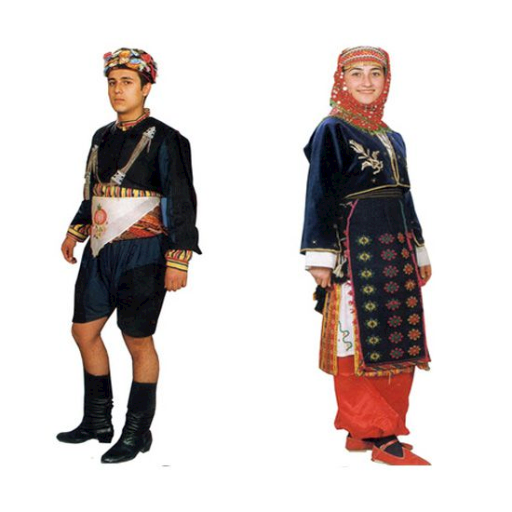
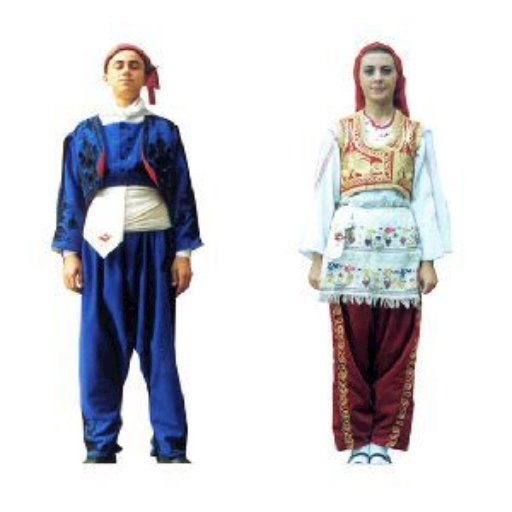
There are 7 geographical areas in Türkiye. Each has different costumes.
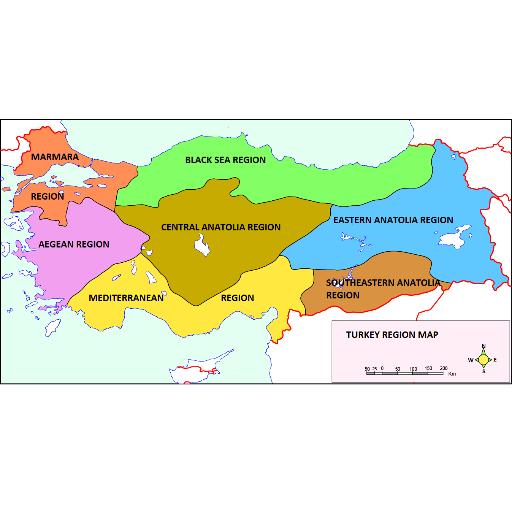
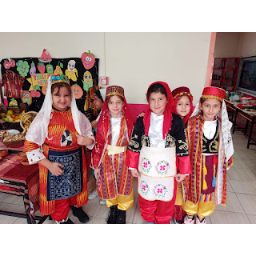
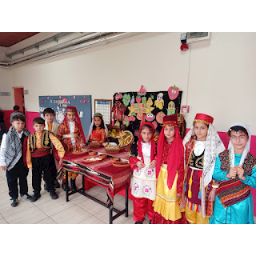
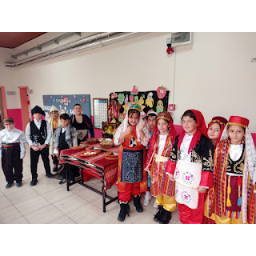
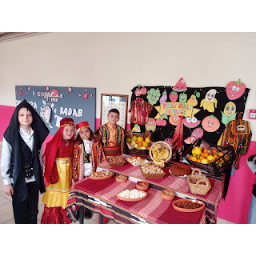
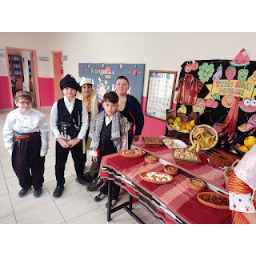
We want to personally demonstrate some of them.
Black Sea Region
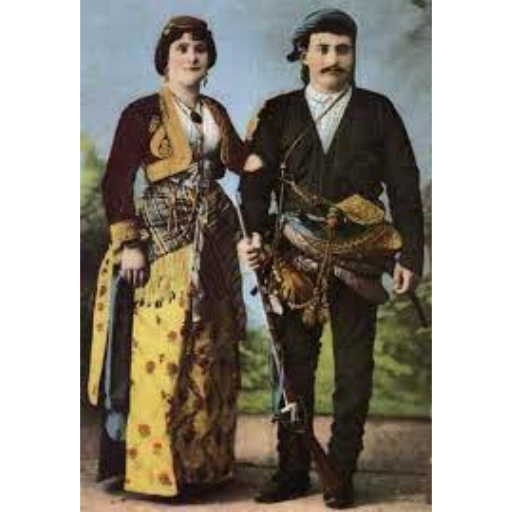
Eastern Anatolia
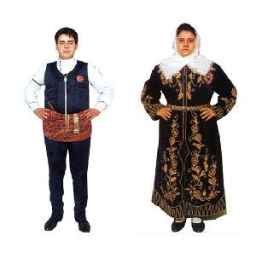
Central Anatolia
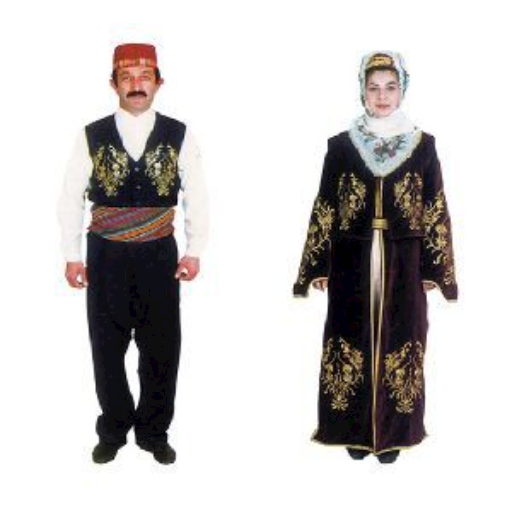
Mediterrenean Region
South Eastern Anatolia
Aegean Region
Marmara Region
GREECE
The dressing style in Greece is diverse and depends on various factors such as location, economic status, profession, social environment, and personal preference.
In general, Greeks have a modern approach to clothing, with a variety of styles ranging from everyday casual wear to more formal attire.
In urban areas, many people choose fashion that reflects current global trends.
For special occasions, like weddings or formal events, Greeks often opt for sophisticated clothing such as dresses or suits.
However, the cultural and historical richness of Greece also allows for the expression of traditional clothing elements, such as regional folk costumes.
It's important to note that there is a great deal of variety and diversity in clothing, and preferences can vary significantly from person to person.
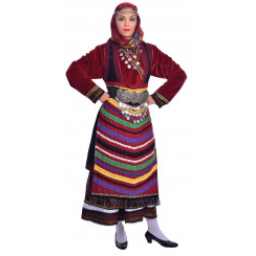
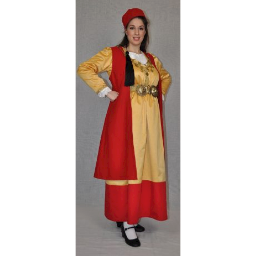
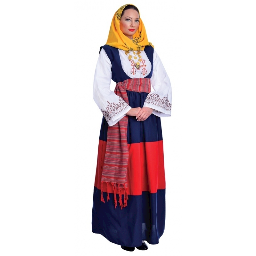
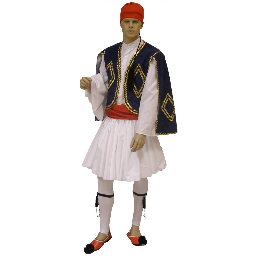
In Greece, traditional costumes vary depending on the region and local traditions. Each area has its own unique attire typically connected to the history, customs, and way of life of the residents.
For example, the attire of the Karagouna people in Macedonia includes dresses with colors such as black, red, and green, adorned with impressive embroidery.
In Epirus, traditional costumes feature vibrant embroidery and beautiful hats, while in the Aegean islands, you might see women dressed in traditional outfits with skirts and scarves.
Traditional costumes are often worn during traditional events, festivals, and wedding ceremonies, contributing to the preservation and transmission of the country's cultural richness.
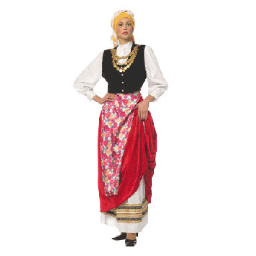
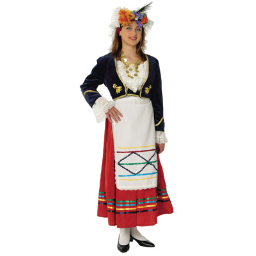
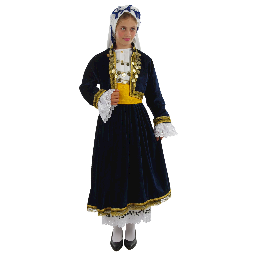
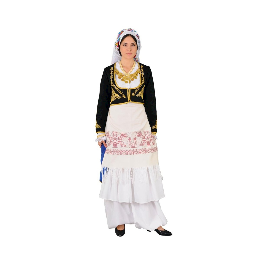
Ionian Islands
Aegean Islands
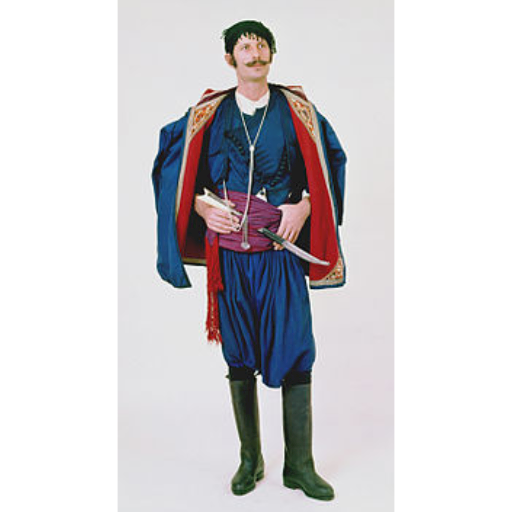
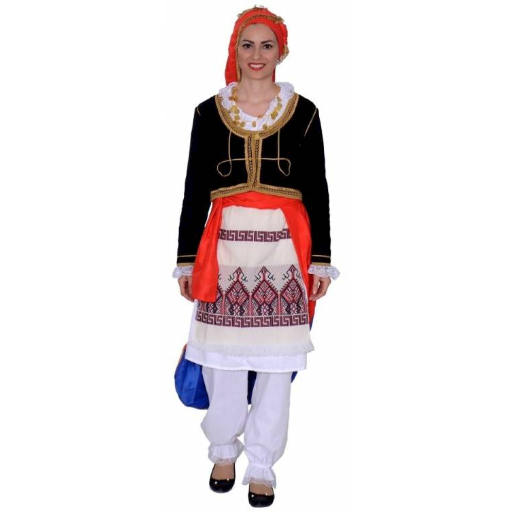
Crete (the largest island in Greece)
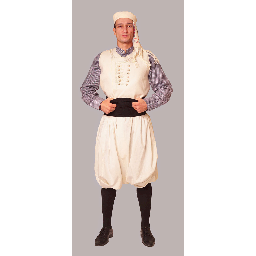
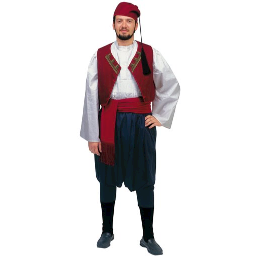
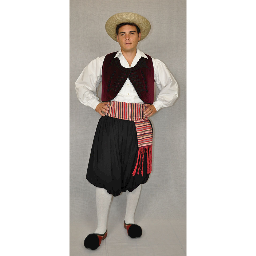
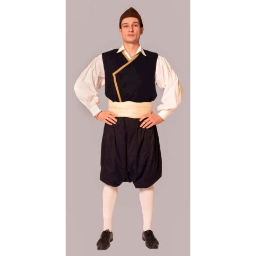
Ionian Islands
Aegean Islands
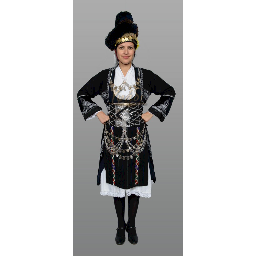
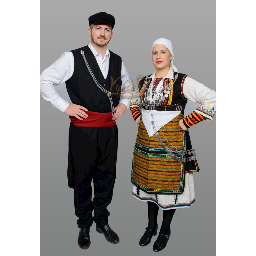
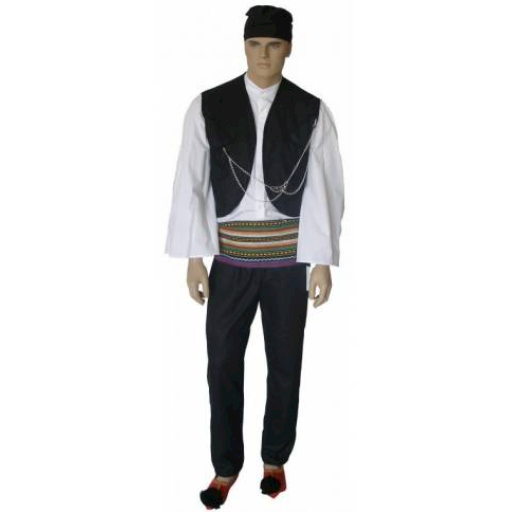
Continental country
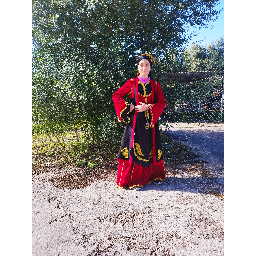
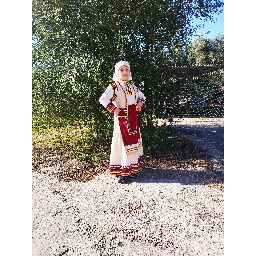
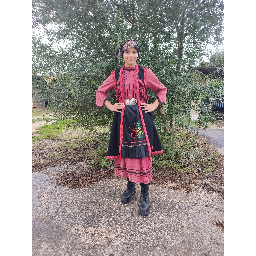
Traditional costumes of Epirus,
to which Preveza belongs
Costume
for young girls
Wedding dress
Urban woman's attire
Evelina
Theodora
Maria
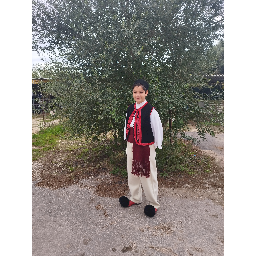
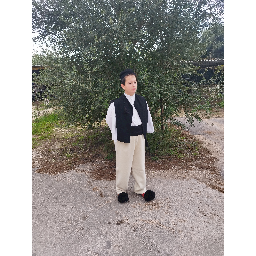
Traditional men's attire
Alexandros
Kostis
ROMANIA
Romania, as most countries in Eastern Europe, has undergone various changes in history as a result of fluctuating political frontiers. There is no wonder, then, that the traditional Romanian folk costumes were, at times, influenced by various fashions, European or Ottoman. Of course, other elements of the costume, such as the beloved —had already been well established, in fact it could be traced back to the Neolithic.
Romanian Traditional Costumes from Argeș, Muntenia
Romanian Traditional Costumes from Argeș and Olt, Muntenia
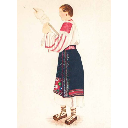
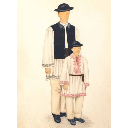
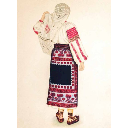
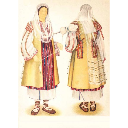
The structure of the costume hasn’t changed much, though, throughout history, and it is more or less the same throughout the Balkans. The main element remains ia, the shirt or chemise, made from linen, hemp or wool, which is tied around the waist with a fabric belt, narrower for women, wider for men. While men’s shirts are shorter and worn over white linen trousers or leggings, women’s shirts are longer, usually reaching the ankles. Women also wear aprons or wrap skirts over the shirts, back and front. Men’s attire is completed with hats, waistcoats and overcoats, while women wear printed woollen scarves or embellished headbands and the same type of outer garment, which only differes incuts and decorations.
Raw silk marame shawls are common to the peasant women’s folk costume from Muntenia.In lowland areas of Muntenia, the blouses with straight loose sleeves are woven with thin thread and ornamented with silk stripes, due to the common practice of sericulture in the area. Two aprons are worn over the underskirt, a narrow zavelca at the front, and a wide valnic at the back.A wide pleated skirt (vâlnic) can be found in Teleorman and Giurgiu.The wrap around skirt (fotă) is worn in the highlands of Muntenia (Argeș, Muscel, Bran, Buzău).Queen Marie showed a great preference for the Romanian traditional costume from Muscel, with dazzling silver and golden ornamented wrap aroundskirts and heavily embroidered blouses.
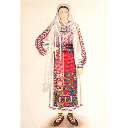
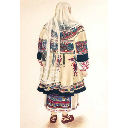
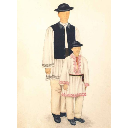
From north to south, it features a balanced distribution of the land forms: mountains, hills and plains. The predominant color of the Romanian national costumes in the field area is red. As we climb up to the mountain area, the tones change to brown and black .
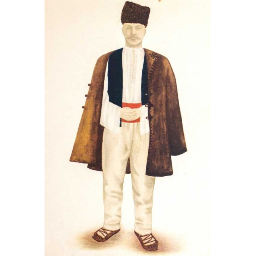
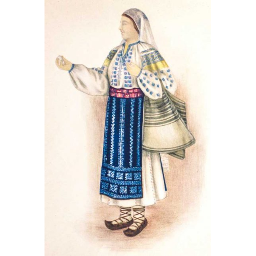
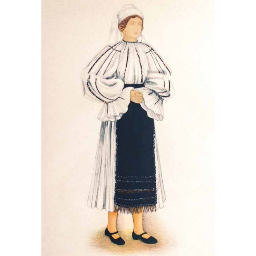
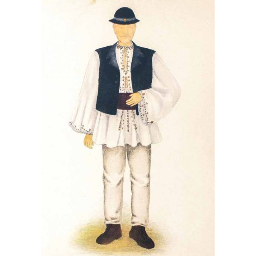
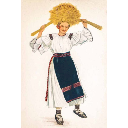
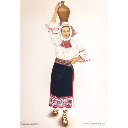
Romanian National Dress from Mureș and Bistrița – Năsăud, Transylvania
Romanian National Dress from Sibiu
Romanian National Dress from Moldova
Chapter 4
“Festivals
and Celebrations”
POLAND
Christmas Eve- 24th December
A week before Christmas, we decorate the Christmas tree. After the galla supper under it, children and adults find gifts. On Christmas Eve, there are 12 dishes on the table.
borsch with dumplings,mushroom
soup, dumplings with cabbage
with peas, carp Greek fish, herring,
dumplings with poppy seed cake.
Gala supper starts when the first star appears in the sky. Legend says than if we eat 12 dishes for Christmas Eve we will live in prosperity all the year round .
After the dinner we are looking for presents placed under the Christmas tree. We also sing Christmas carols to make this time more special.
At midnight we go to church to attend so called midnight mass to glorify the birth of Jesus.
Christmas days: 25th and 26th December
On the first day of Christmas we meet our family, visit our granparents and we eat cakes and other delicacies prepared for this occassion. On the second day we usually visit the rest of the family, watch Christmas movies and rest.
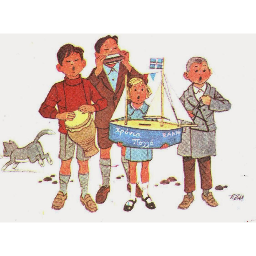
Sometimes carolers visit our houses to celebrate and sing together.
New Year's Eve - 31st December
Currently, fireworks, loud music, dancing and lots of snacks are the most common people's ideas for spending the New Year’s Eve. Most Poles choose organized balls, house parties or huge outdoor concerts organized by majority of big Polish cities.
The best well known concerts
of this type are usually
organized in Warsaw, Cracow,
Wroclaw and Gdansk.
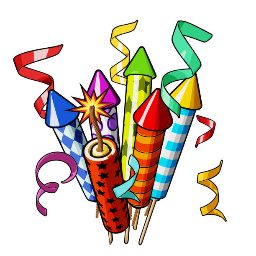
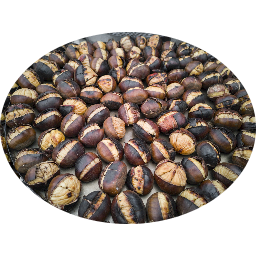
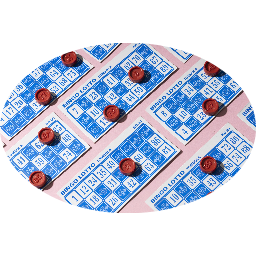
In Turkey, New Year celebrations have changed from past to present. In the past, families would come together again, eat good food, wait with excitement for the lottery results, play bingo, cook chestnuts and watch entertaining programs.
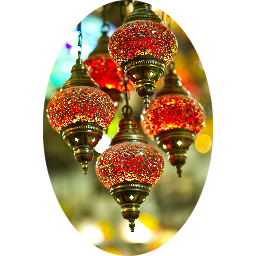
In recent years, we have been sharing this enthusiasm and excitement with the whole world. Arrangements are made both in homes and on streets with various New Year's decorations, and a different nuance is displayed with lighting.
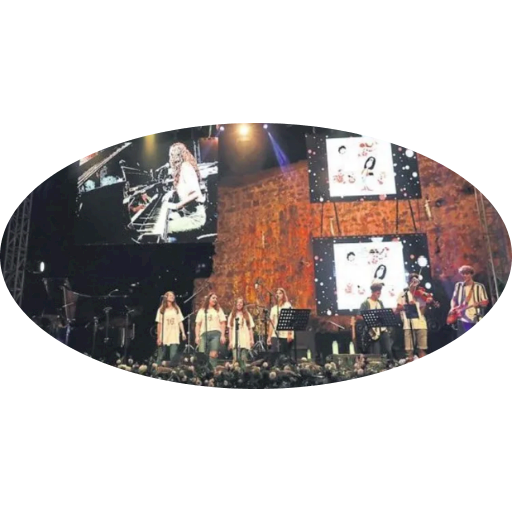
There are entertainment options for different lifestyles on New Year's Eve. Have fun with concerts accompanied by various artists in hotels, restaurants or public areas
GREECE
Christmas in Greece is a festive and joyous time,
celebrated with a combination
of religious traditions,
cultural customs, and family gatherings.
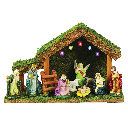
a popular tradition in Greece. Families
adorn their homes with lights,
ornaments, and other festive decorations.
The main Christmas tree in Athens,
located in Syntagma Square,
is a focal point for holiday celebrations.
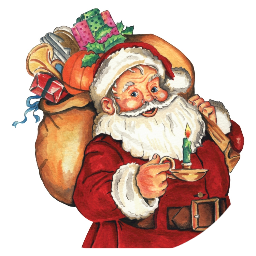
associated with St. Basil's Day (Άγιος Βασίλης)
on January 1st, it has also become common
to exchange gifts on Christmas Day,
especially within families.
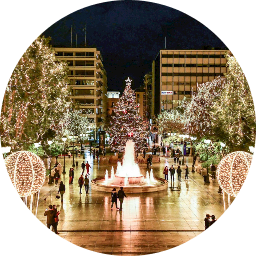
In Greece, especially in coastal areas, there is a tradition of decorating boats during Christmas. This custom is often associated with the Feast of Saint Nicholas, the patron saint of sailors. People adorn fishing boats, yachts, and small dinghies with colorful lights, ornaments, and sometimes small Christmas trees. The decorated boats create a festive atmosphere in harbors and coastal communities, celebrating both Christmas and the maritime heritage of the region. The specific details of ship decoration traditions may vary across different regions of Greece, with local communities adding their unique touches to the celebrations.
Athens 2024
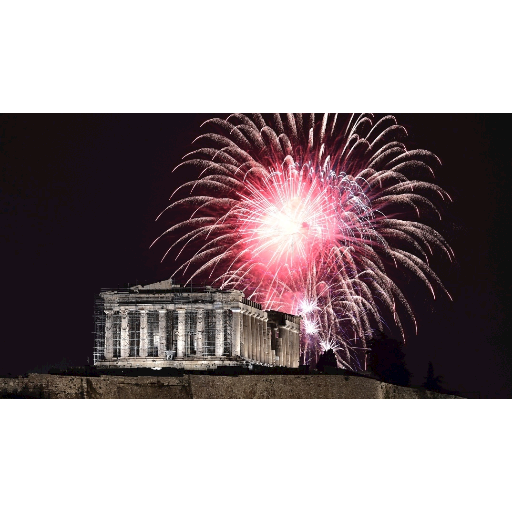
People count down the seconds to midnight on New Year's Eve.
Fireworks light up the sky at the stroke of midnight.
People raise a glass and make a toast to celebrate the beginning of the New Year.
The first person to enter a home after midnight is considered a bringer of good luck.
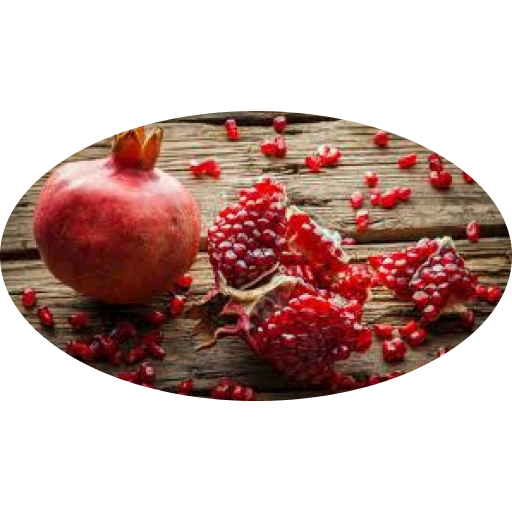
In Greece, breaking a pomegranate on New Year's Eve is a common tradition symbolizing luck and prosperity for the upcoming year. Family members take turns breaking the pomegranate by hand at the dinner table, with the belief that it brings happiness and good health. Red candles are sometimes added to symbolize a bright new year. It's a symbolic and festive custom reflecting Greek traditions during the holiday season.
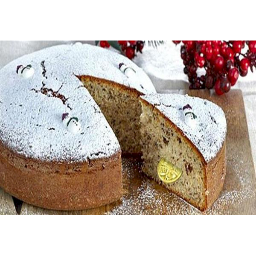
On New Year's Day, a special cake
called Vasilopita is cut,
containing a hidden coin.
Finding the coin is considered lucky.
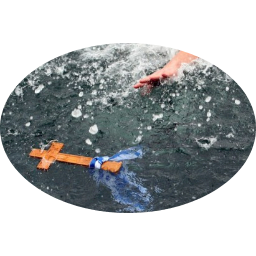
The blessing of waters is an Eastern Orthodox Christian ceremony, occurring on Epiphany (6th January), commemorating Jesus' baptism. People gather by water, and a priest performs prayers, immersing a cross. The blessed water is collected by believers, believed to hold divine grace. This tradition symbolizes Epiphany's significance in the Orthodox Christian Church.
ROMANIA
The Christmas and holiday season starts in Romania officially on December 6, on Saint Nicholas's day and ends on January 7, with the celebration of Saint John.
At the beginning of December, the Christmas lights are turned on all over the streets.
Around this date, people usually buy their Christmas trees from public markets or supermarkets and
Traditions and celebrations around Christmas time
A protector of the poor, Saint Nicholas is celebrated on December 6th. With time, the celebration has become a gift-giving occasion. Per tradition, on the night of the 5th, a character similar to Santa Claus, popular all over Central Europe and known as in Romania, brings gifts—usually sweets—to the children (and adults, because who can resist?) and leaves them in their boots, provided they have been cleaned first and the kids behaved well all year round. If they haven’t, a symbolic decorated rod is left instead.
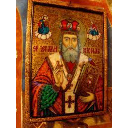
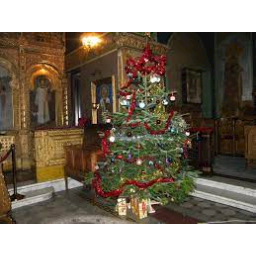
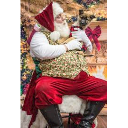
Of utmost religious relevance for the Romanians, Christmas, , is a get-together time, accompanied by both religious and secular customs. The Christmas tree is usually decorated on the 24th of December and lasts until the first days of January. Fir trees were considered sacred by the Dacians and had—still have, in some parts of Romania—a very strong symbolic relevance at weddings and funerals. On the morning of the 25th everybody finds gifts under the tree—most likely a trace of the ancient Roman feast —or the lucky ones might meet Santa some place or another.
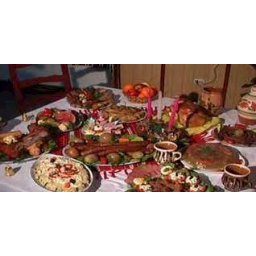
Christmas is also an opportunity for elaborate family meals. With fasting now over and the pigs slaughtered, pork is in abundance, accompanied by other traditional foods and drinks, such as the famous sarmale or cozonac.
Carols are probably one of the most joyous parts of the holiday and one of the best preserved winter traditions. Throughout December it is very common to have carol concerts held in most cities. The oldest Romanian carols are secular and talk about the family life, the village life, and old rituals, usually ending with good wishes, while the religious carols are newer and inspired by biblical and other religious texts. In the morning of the Christmas Eve, children are the ones who start carolling, with adults joining in later on. In the rural parts of the country the carollers are wearing their festive clothes.
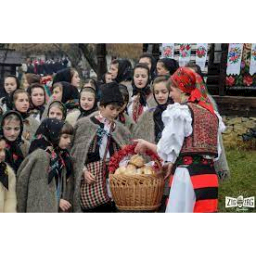
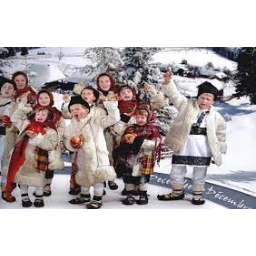
While the New Year’s Eve is yet another reason for celebration, with hearty meals and all-night parties, it’s the numerous ceremonies and superstitions related to the renewal of the year that draw the attention. Besides carolling, The Plow, is probably one of the most renowned winter traditions. The ancient agrarian custom is somehow resemblant in meaning to the English and celebrated on the last day of the year. Groups of people—traditionally men—go from house to house to wish friends and neighbours a fruitful new year, good weather and good luck, by reciting a lengthy fixed poem and being accompanied by noisy drums, whips, bells, and lots of shouting aimed at chasing away the bad spirits.
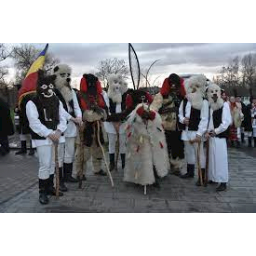
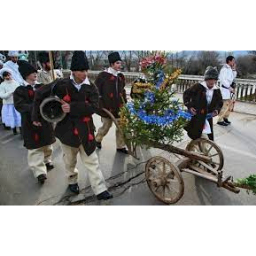
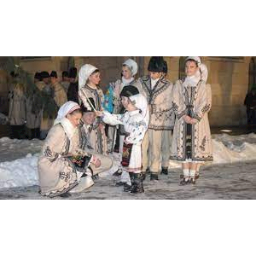
The New Year’s in Romania is perceived as a moment of revamping time and world, of chasing the evil spirits away, a moment that makes the switch between two cycles of nature and labours.
After the Christmas celebration, dominated by carols, the New Year’s is marked by general traditions and also local and regional folk customs, with some being preserved nowadays, especially in the rural communities.
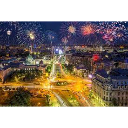
New Year’s Eve (Revelion) is a popular observance in Romania, where people attend parties and watch fireworks to farewell the old year and to welcome the New Year. Many people attend social gatherings and stay up late (sometimes until daybreak) on New Year’s Eve in anticipation of New Year’s Day. They wait until the stroke of midnight between December 31 and January 1 to give each other greetings and best wishes for New Year’s Day, such as “An nou fericit!”or “La mulți ani!”
Chapter 5
“My school,
my rules”
POLAND
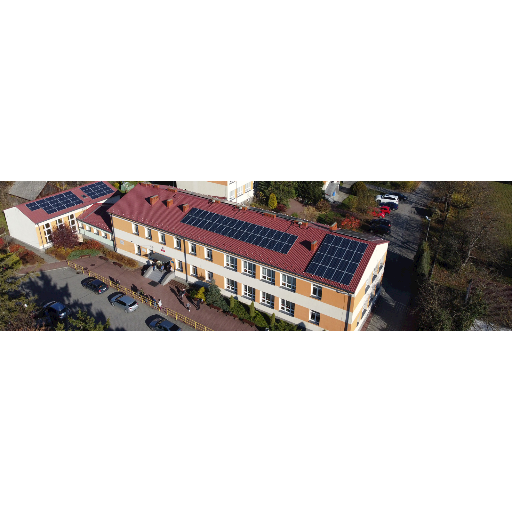
Our school is situated in the village Zbludowice, near the spa town - Busko-Zdrój. It is a primary school for students aged 6-14 years old. Primary school education consists of two stages:
1. Classes I- III (early primary education)
2. Classes IV- VIII (subject based instruction)
At the end of grade VIII, a nationwide external examination called the "egzamin ósmoklasisty" (eighth-grade examination) is conducted.
We can:
- talk to a psychologist or a pedagogue, when we have
a problem;
- submit ideas to the student council;
- buy some snacks in a tuck shop or food machine;
- attend discos and school trips;
- attend after school clubs e.g. sport club;
- learn foreign languages;
- listen to music during breaks.
At our school, there are certain regulations we need to follow:
We can't:
- run in the corridors;
- use a mobile phone;
- disturb during the classes;
- bully others;
- play truant.

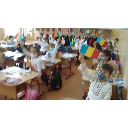
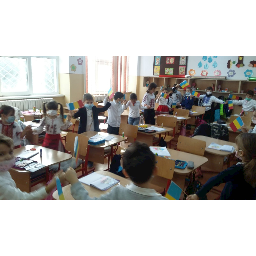
Welcome to our school. Our school is in a small vllage. It's in nature.
There are 150 students in the school. it'snot crowded.
OUR RULES
1-COME TO SCHOL ON TIME
2-KEEP THE SCHOOL CLEAN
3-WASH YOUR HAND BEFORE GOING TO LUNCH
4-AIWAYS BE A GOOD EXAMPLE FOR OTHERS
5-BE KIND TO ALL KINDS :)
SOME IMPORTANT DAYS IN THE SCHOOL
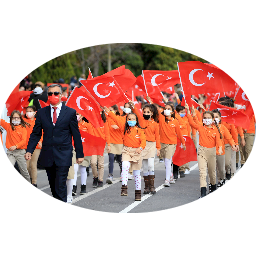
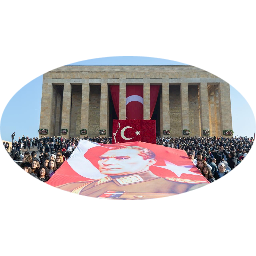
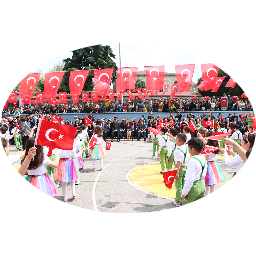
29 OCTOBER 1923: TURKISH REPUBLIC DAY
10 NOVEMBER 1938: COMMEMORATION OF MUSTAFA KEMAL ATATURK, THE FOUNDER OF TURKISH REPUBLIC
23 APRIL 1920: NATIONAL SOVEREIGNITY AND CHILDREN'S DAY
GREECE
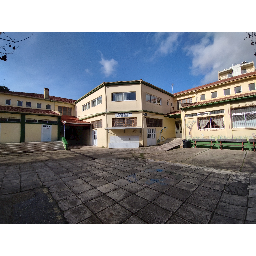
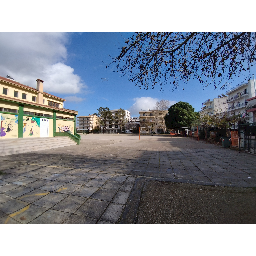
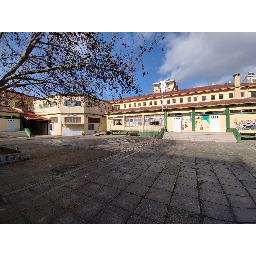
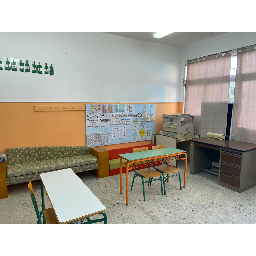
6th Primary School of Preveza
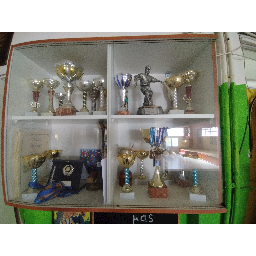
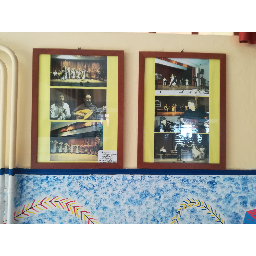
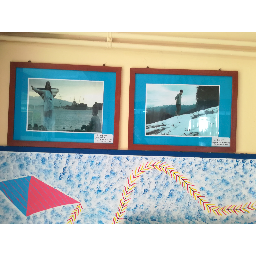
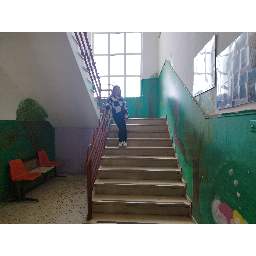
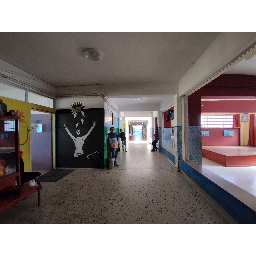
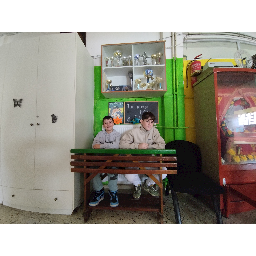
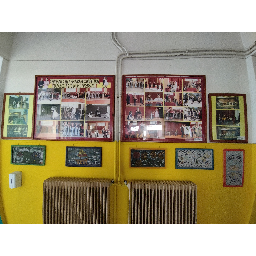
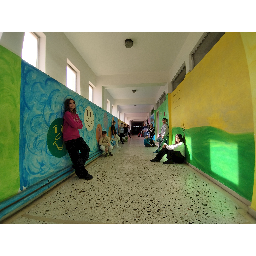
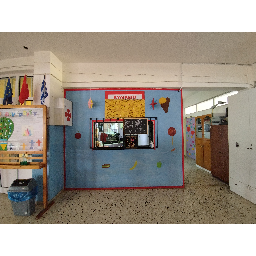
inside of the school building
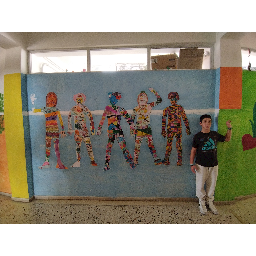
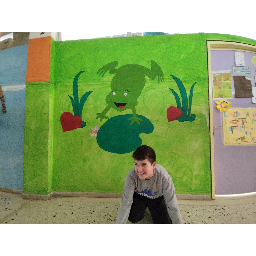
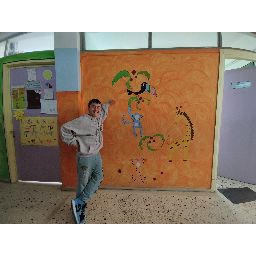
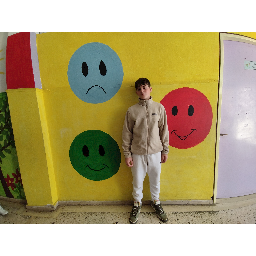
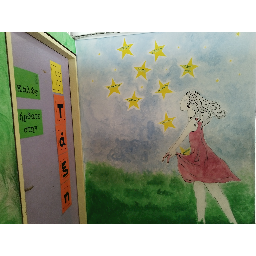
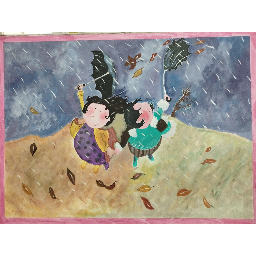
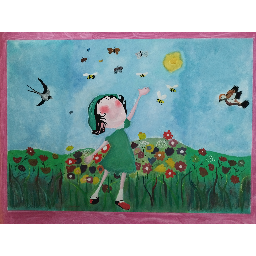
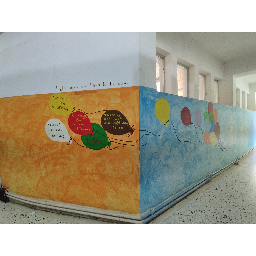
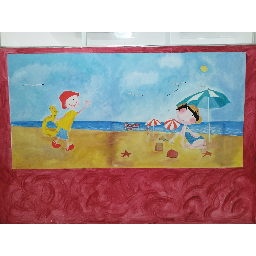
...because we love colors...
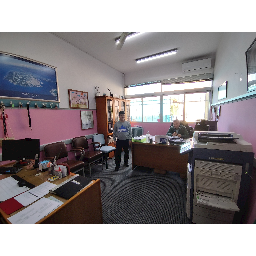
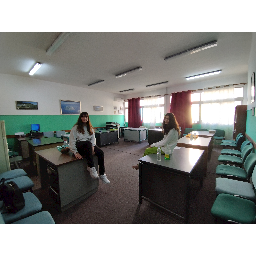
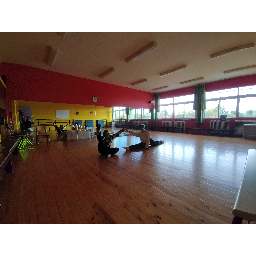
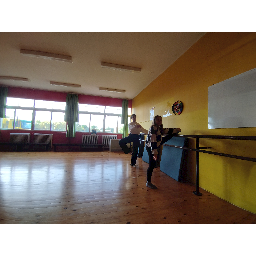
dance studio
principal's office
teacher's office
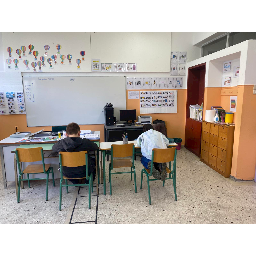
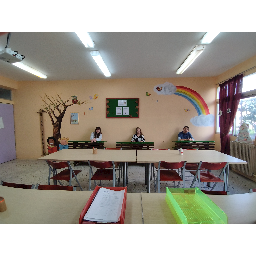
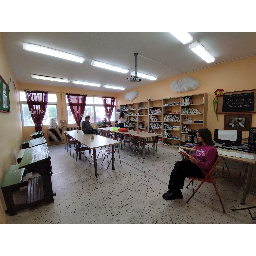
library
department
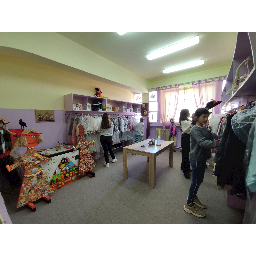
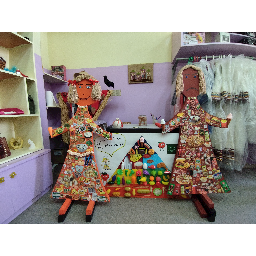
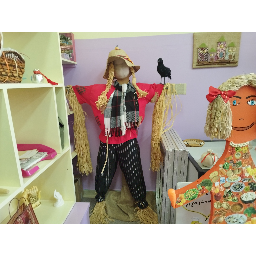
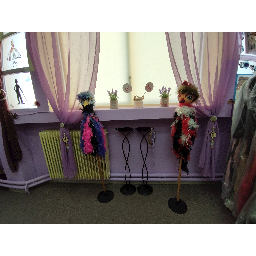
wardrobe with costumes and theater props
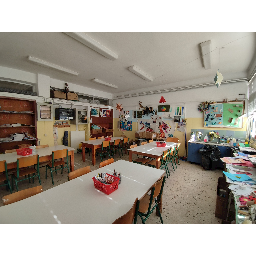
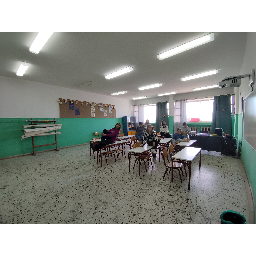
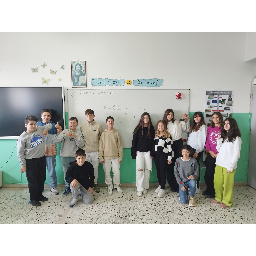
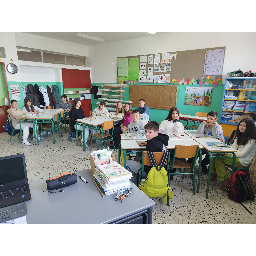
art class english class
6th grade class
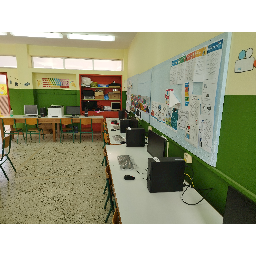
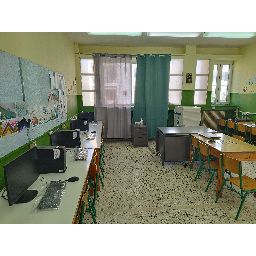
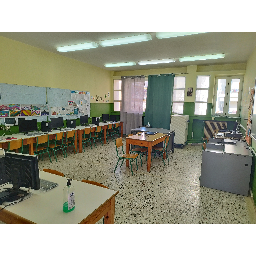
computer class
Primary schools, students receive grades for their academic performance. The grading system typically includes letters, such as A, B, C, etc., or numerical scores. Grades are assigned based on students' achievements in various subjects throughout the academic year.
After primary school, students move on to secondary education, divided into Gymnasium (lower) and Lyceum (upper). In the final year of Lyceum, students take national exams, influencing university admission. After secondary education, students can choose to attend universities or vocational training institutes to shape their academic and professional paths.
ROMANIA
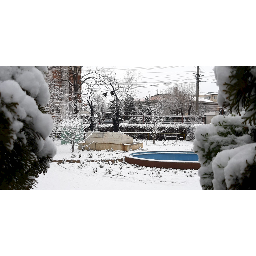
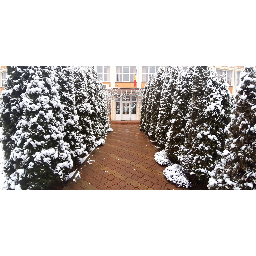
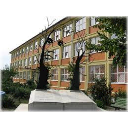
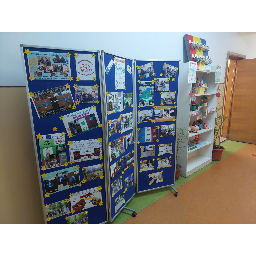
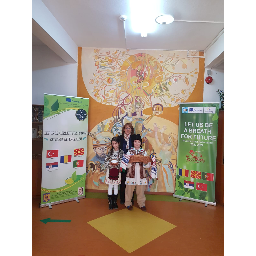
Located in the center of the city, the school has an advantageous position for all children who can reach it on foot or by any means of transport.
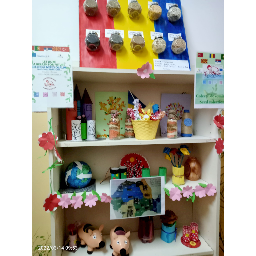
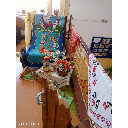
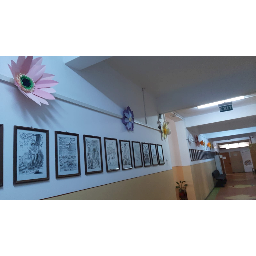
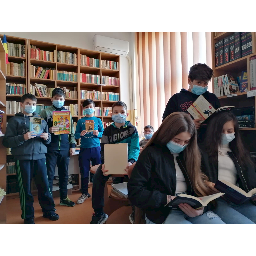
OUR RULES:
WE KEEP GOODS AND CLEANLINESS
WE RESPECT THE TEACHERS AND SCHOOL STAFF
WE TRY TO BE GOOD COLLEAGUES
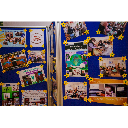
WE HELP EACH OTHER IN NEED
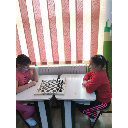
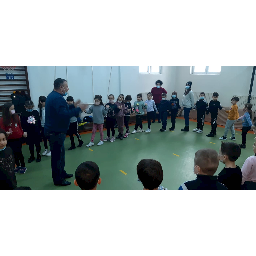
WE HAVE FUN AT INTERACTIVE CLASSES AND DURING BREAKS
LABORATORY
LIBRARY
GYM
MODERN CLASSROOMS
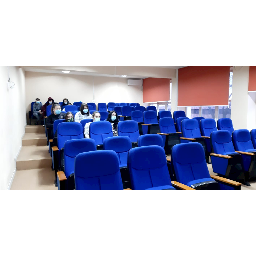
AMPHITHEATER
BEAUTIFULLY DESIGNED SCHOOL COURTYARD
FOOD JUKE
FLOWER GARDEN
SCHOOL COUNSELOR
Chapter 6
“Giving a present”
POLAND
When visiting Poland it is important to know some of the ancient Polish ways. It is a country with a lot of history and culture where traditional customs are highly appreciated.
Poles are hospitable community, then giving presents is deeply rooted in our culture, small gifts are appreciated for various occasions.
Gifts for a visit
When visiting a Polish home it is typical to bring a small gift such as flowers, chocolates, sweets or wine for the hostess.
When it comes to giving presents to Polish people there are some small things you should know. In general, Poles get embarrassed when given a overly expensive gift.
When giving flowers it is important to not give yellow chrysanthemums. These are flowers only used for funerals and won’t be received well!
When it comes to flowers also try to avoid red or white flowers (reserved for lovers), and especially lilies and carnations (a symbol of the labour movement) .
We also give presents for Christmas, name day, birthday, anniversaries, weddings, Valentine's Day,
The most important point to consider when buying a gift is why we bought the gift. Once you realize the importance of the gift, many things will take care of themselves.
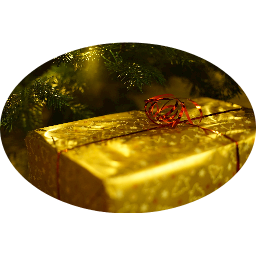
Giving presents in Ottoman Empire
Among the commonly used gifts during the Ottoman period, fabrics, clothes, precious jewellery, fragrances, precious stones, books, riding animals, watches, mirrors and cosmetics were preferred.
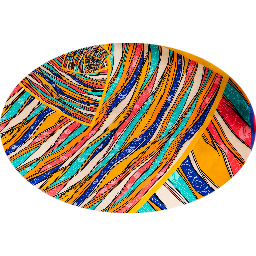
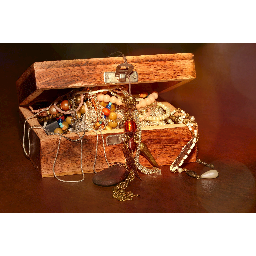
Today, we give gifts on various occasions. The act of gift-giving maintains its importance on dates specific to our culture, such as weddings, circumcision ceremonies and religious holidays. We also give gifts on universal dates such as Mother's Day, Father's Day and Valentine's Day.
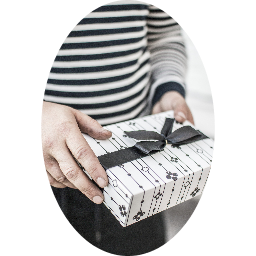
GREECE


-Choices for gifts include handwoven textiles, local olive oil, and traditional sweets, reflecting the rich cultural heritage.
-Symbolic items such as icons, religious artifacts, or those inspired by Greek mythology hold significance in gift-giving.
-Experiential gifts like a dinner at a traditional taverna, a weekend getaway, or tickets to cultural events are becoming increasingly popular.
-Modern trends in gift choices include fashionable items, tech gadgets, and ingredients for global cuisine.
-Spontaneous giving is common during casual visits or meetings, with small tokens of appreciation exchanged.
In summary, gift-giving in Greek culture is a multifaceted practice that reflects tradition, symbolism, and the importance of fostering meaningful connections.

ROMANIA
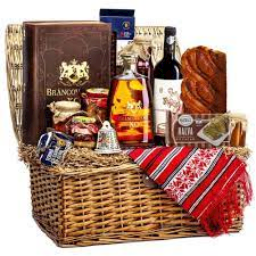
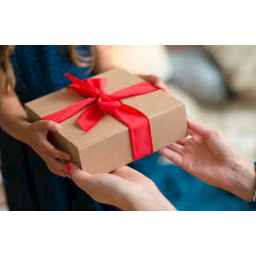
-birthdays or name days
-Mother's Day
-Christmas or other Christian holidays
-Dragobete - Valentine's day
-wedding day - gift for the young family
-new house gift - when I go to visit someone who has just moved to a new house
-as a sign of gratitude for the godfather and godmother at the meetings
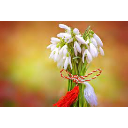
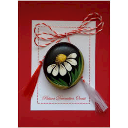
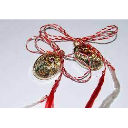
A special occasion is March 1st, when small decorative objects are offered and received, in the form of small hand-made jewelry, called "Martisoare" to symbolize rebirth, spring, luck.

Chapter 7
“Our favourite sports
POLAND
The national sport of Poland is football. Football is the most popular sport in Poland, and it has been played in the country since the late 19th century. The Polish national football team has competed in several international tournaments, including the FIFA World Cup and the UEFA European Championship. Other popular sports in Poland include volleyball, basketball, handball, speedway, ski jumping, and athletics.
The next popular sport on our list is ski jumping. Most formal winter sports are popular from a viewer’s perspective, as people like to see skiers in action. It is why Poland does not have many professional ski jumpers. However, the country’s residents may be found glued to the TV screens when an international skiing event is being held. In fact, the sport is so popular that the number of spectators for skiing is at par with football events. Polish professional skiers may be few in number, but they have established a reputation internationally.
Volleyball is very popular in Poland, and the country is also very successful in the sport. The Polish men’s volleyball team is ranked first in the world, while its women’s team is ranked 12 according to the FIVB rankings. The men’s and women’s teams have achieved considerable success in various international volleyball tournaments, including the Olympics.
Handball is a very popular team sport in Poland. The country’s top handball league is the Superliga. The most successful team in the league is Łomża Vive Kielce, which is the league’s reigning champion and has won 18 titles. The league was formed in 1996 and currently has 14 teams.
The last sport on our list is motorcycle speedway. Skilled drivers ride their motorbikes with only a single gear and do not apply brakes inside the oval track of the arena in four laps taken counter-clockwise. The top division of the motorcycle speedway in Poland is the Polish Extraleague, which receives the highest attendance of spectators than any other sporting event in the country.
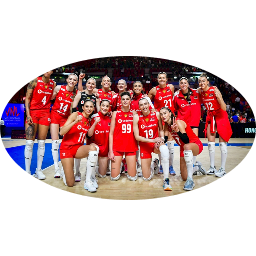
Soccer and Basketball used be the most popular sports in Türkiye in the last decades. With the increasing popularity of women's volleyball team, Volleyball is now also one of the most popular sports in Türkiye.
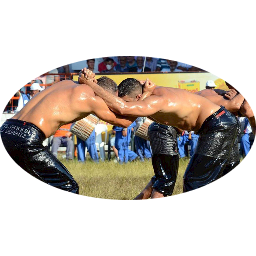
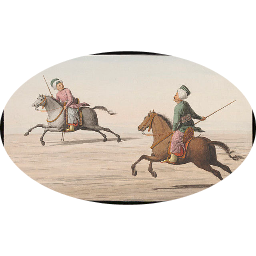
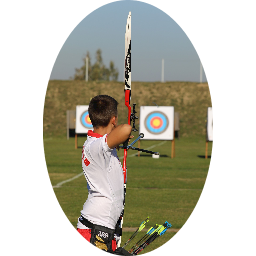
Traditional Sports in Türkiye
Oil Wrestling
Javelin throwing
Archery
Horse riding
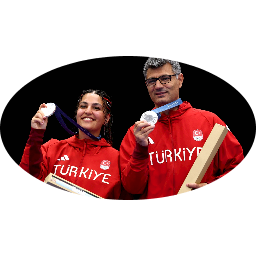
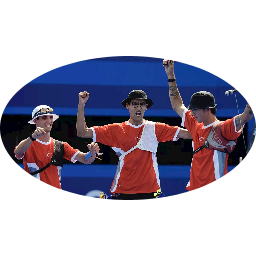
Türkiye in Olympics:
With the Olympic games and recent achievements by Turkish atlethes, other branches of sports have also gained popularity by the younger generation.
Boxing (bronze and silver medals)
Archery (gold and silver medals)
Shooting (silver medal)
Karate & Taekwando (bronze medals)

Greece
Sports in Greece
Greece has a long history in sports, dating back to ancient times. Here are some of the most important sports loved by Greeks:
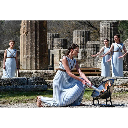
Olympic Sports: The Olympic Games originated in ancient Greece and were revived in modern times. It is a celebration of sports that brings athletes from all over the world together and unites different cultures. Greece takes great pride in its Olympic heritage, as it hosted the first modern Olympic Games in Athens in 1896. Since then, Greece has participated in every edition of the modern Olympics, showcasing its athletic prowess and cultural significance.
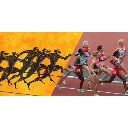
Football (Soccer): Football is one of the most popular sports in Greece. Fans passionately follow their teams and create a unique atmosphere in the stadiums.
Basketball: Basketball is also very popular in Greece. Greek teams have won many international trophies and have excited fans of all the world.
Mountaineering and Water Sports: Greek nature offers unique opportunities for mountaineering, water sports and exploring underwater life.
The benefits of sports
- Sports keep you fit and strong, making your heart, muscles, and bones healthier
- Playing sports teaches teamwork, sharing, and communication, helping you make friends and get along with others.
- Getting better at a sport boosts your self-esteem, teaching you that hard work pays off.
- Sports are enjoyable! They let you run, jump, and play with friends outdoors.
- Sports teach important life lessons like winning gracefully, setting goals, and facing challenges. They show that mistakes are okay and you can always try again.
Traditional games in Preveza
Keep Away" or "Monkey in the Middle"
"Keep Away" is played by at least three children. For the game, a ball is needed. The children take turns, and one child becomes the "monkey in the middle." The child playing the "monkey" aims to get the ball. The other children take positions around the "monkey," and whoever has the ball throws it to another child as soon as they get close, loudly saying "monkey." If the "monkey" catches the ball thrown by one of the other children, they switch places, and the child who threw the ball becomes the new "monkey" for the continuation of the game.
"Beez" or "Buzz"
Kids choose one person to be "it." The chosen person sits with their eyes closed and their right hand under their left armpit, palm facing up. Other kids take turns tapping the open palm and moving away while everyone hops around, making buzzing sounds like bees by saying "Beez!" The person who is "it" tries to guess who tapped their hand. If they guess right, the tapper becomes "it"; if not, the game continues.
"Τα μήλα" (The Apples)
Two children stand facing each other about fifteen to twenty meters apart, while in the middle of this distance, all the others gather.
The two players facing each other try to hit one of the children in the middle with a ball, causing that child to be "burned" and out of the game. However, if a child manages to catch the ball without falling, they win an "apple," allowing them, at some point when they get "burned," to stay in the game or pass it to a friend if someone else gets "burned"!
When only one child remains, the two players with the ball can make only ten attempts to hit them. If the child avoids getting hit ten times, they are considered safe, and the game restarts.
The game "Eftapirgo" is played by four or more children divided into two teams. To start the game, six bricks or flat stones and a ball are needed. The bricks are stacked on top of each other to form a tower. The first team stands behind the tower, while the second team goes about seven to eight meters in front of the tower. The children from the second team try to knock down the tower using the ball.
If a child successfully knocks down the bricks by hitting them with the ball, the two teams scatter in the surrounding area. The first team aims to "burn" the players of the second team by hitting them with the ball, while the second team tries to rebuild the tower by placing the bricks back in position to reform the tower, known as the "Eftapirgo."
ROMANIA
Sport in Romania is an important part of the country's culture. Romania has risen to prominence in a number of sporting areas in recent decades.
Other popular sports include handball, volleyball, basketball, rugby union, tennis, and gymnastics. Many Romanian athletes have achieved significant success and have won World and European championships in numerous sports during the years. Romania participated in the Olympic Games for the first time in 1900 and has taken part in 21 of the 28 summer games. It has been one of the more successful countries at the Summer Olympic Games, with a total of 307 medals won throughout the years, of which 89 gold ones, ranking 15th overall. Almost a quarter of all the medals, with 25 of them gold, were won in gymnastics. Romanian athletes have also won gold medals in other Olympic sports, such as rowing, athletics, canoeing, wrestling, shooting, fencing, swimming, discus throw, weightlifting, boxing, and judo.
Football is the most popular sport in Romania. The most internationally known Romanian player is Gheorghe Hagi, who played for Steaua București (Romania), Real Madrid, FC Barcelona (Spain), and Galatasaray (Turkey), among others.
Association football is the most popular sport in Romania, a nation of 20 million. The most successful club is Steaua Bucharest, who were the first Eastern European side to win the European Cup and the European Supercup in 1986. Romania is one of only four national teams from Europe that took part in the first World Cup in 1930. The Romania national football team has taken part in seven FIFA World Cups and had its most successful run during the 1990s, when they reached the quarterfinals of the 1994 FIFA World Cup, losing to Sweden in the penalty shootout. Romania was ranked third by FIFA in 1997.
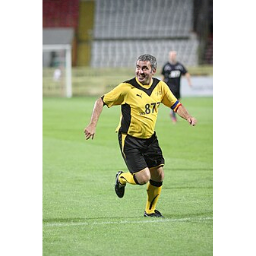
Gheorghe Hagi photographed in 2010
In 1986, the Romanian football club Steaua București became the first Eastern European club ever to win the prestigious European Champions Cup title. They reached the final again in 1989, but lost to A.C. Milan. Other important Romanian football clubs are Dinamo București, Universitatea Craiova, Rapid București, FC Argeș Pitești, FC Petrolul Ploiești, UTA Arad and FC Timişoara. The Romania national team has taken part in seven FIFA World Cups, and had its most successful run through the 1990s, reaching the quarter-finals of the 1994 FIFA World Cup in the United States, when the "Golden Generation" was at its best.
The National Arena Stadium in Bucharest hosted the 2012 UEFA Europa League Final.
Romania holds a long tradition in artistic gymnastics, especially in the ladies competition. Gymnastics is responsible for the majority of Romania's Olympic medals, gold, silver, and bronze. The most famous Romanian gymnast is Nadia Comăneci, who was the first gymnast to ever score a perfect 10 at the Olympic Games, during the 1976 Summer Olympics. She also won three gold medals, one silver, and one bronze, all at the age of fourteen. Her success continued in the 1980 Summer Olympics, winning two gold medals and two silver medals. At the 1976 Olympic Games, Teodora Ungureanu did very well too, but did not receive as much fame as Nadia. Other famous gymnasts include: Daniela Silivaş, Ecaterina Szabo, Lavinia Miloşovici, Gina Gogean, Simona Amânar, Andreea Răducan, Maria Olaru, Cătălina Ponor, Sandra Izbaşa, and Larisa Iordache.
Top Romanian men's gymnasts include: Marius Urzică and Marian Drăgulescu.
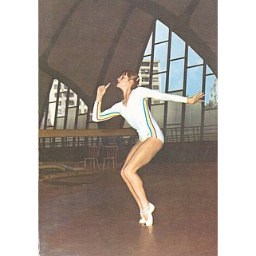
Nadia Comăneci is the only athlete to be awarded the Olympic Order twice (1984, 2004).
Maybe slightly surprising for a country of its size, Romania has been one of the most successful countries in the history of the Summer Olympic Games (15th overall) with a total of 307 medals won throughout the years, 89 of which are gold medals. Romania has appeared in 21 of the 28 Summer Olympic Games. The nation debuted at the 1900 Summer Olympics, appeared again three times between the World Wars, and has competed at every event since the 1952 Summer Olympics.
At the winter Olympics Romania won only one medal, at the 1968 Winter Olympics with two-man bobsleigh team led by Ion Panțuru and Nicolae Neagoe.
Ilie Năstase, a famous Romanian tennis player, is another internationally known Romanian sports star. He won several Grand Slam titles and dozens of other tournaments and was the first player to be ranked as number 1 by ATP from 1973 to 1974; he also was a successful doubles player. Virginia Ruzici was a successful tennis player in the 1970s. Ilie Năstase and Simona Halep are the only Romamian tennis players to have achieved no. 1, in the ATP and WTA, respectively.
Romania reached the Davis Cup finals three times (1969, 1971, 1972). Other popular men's tennis players include Ion Țiriac and Andrei Pavel.
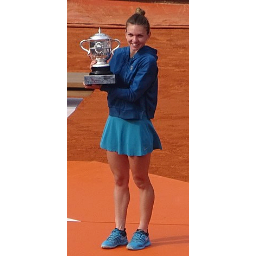
SIMONA
HALEP
Romanian oarspeople have brought numerous successes, including 35 Olympic medals (18 gold) for rowing and 34 medals (10 gold) for canoeing. Romania is a leading rowing nation. Often boasting many wins each year in the Junior World Rowing Championships. In the under-23's age level, Romania often field a strong team. Often medalling in the women's events.
The Romanian Senior Women's rowing team is particularly strong. They have been the poster child team as regards women's rowing. They consistently perform in the coxed women's eight. In the Olympics, they won the women's coxless pair.

Elisabeta Lipă is the most decorated rower in the history of the Olympics.
Chapter 8
“Religion”
POLAND
Most people in Poland are Roman Catholics (71%), which means we belong to Roman Catholic Church. It is the Church started by Jesus Christ and his followers about 2,000 years ago. Catholics believe Jesus Christ is the Son of God, who died so that all of us will live forever in heaven. His sacrifice was necessary because man chose sin after God created him perfect and voluntary. But the world received salvation through the life, death and resurrection of Jesus Christ.
Interesting fact: priests in our religion can't have a wife.
The name
The word catholic comes from the Greek word "katholicos", which means "universal”, and the word Roman is used because the capital of the Church is in Rome, Italy. It actually is in Vatican City, a very small country inside the city of Rome. The leader of the Roman Catholic Church is called the Pope, which literally means "father". He leads The Catholic Church but Catholics believe that the Church is actually guided by the Holy Spirit, who also guides the Pope himself. The current Pope is the 266th and is called Francis.
The Catholic Church recognizes the Trinity, i.e. that the Father, the Son and the Holy Spirit are together the only God.
Catholics should follow the example of love Jesus Christ both teaches and gives: to love each other so much that one is even willing to die for another.
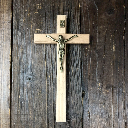
Worship practices
Some of the traditional worship practices of Roman Catholics include making the sign of the cross, kneeling, bowing, and receiving the Eucharist during their worship ceremonies.
Their main form of worship is called the Mass. It is celebrated every day. Catholics are required to attend it on Sunday and on a few Holy Days of obligation.
Catholics worship the Virgin Mary (Jesus's mother), calling her the "Mother of God,""The Queen of Heaven," and praying to her regularly, as "Mediatrix of graces" at a level higher than other saints.
Sacraments
The Catholic Church celebrates seven sacraments - supernatural gifts of God. They are: Baptism, Confirmation, Eucharist, Reconciliation, Anointing of the Sick, Holy Orders and Holy Matrimony (marriage). The Holy Eucharist is the most important of the sacraments, because Catholics believe that Jesus Christ becomes truly present in the form of bread and wine. This happens through transubstantiation which takes place in the Mass.
Catholics believe in the necessity of love, hope and faith in order to gain salvation, but that these all come from grace. Catholics interpret the Bible (God-given book) according to Tradition. It contains the Old and New Testaments. There are events in the Bible related to Jesus Christ (New Testament).
Religion in Türkiye
Although the numbers are not known for sure, a large majority of Turkish people believe in Islam religion.
The Anatolian land has been home to many religions and cultures through the history. Türkiye still has many minorities: Christians from different sects, Jews and other religions such as Budism or Hinduism.
The main religion in the country has also different sects ands many followers.
Ancient Turkic Beliefs
Tengrism
Old Turkic people belived in this ancient Central Asian religion that emphasizes living in harmony with nature and venerating the supreme deity Tengri, the Sky God, along with ancestor worship and shamanism.
Interesting fact: There is only one state in the history of Turkic people which accepted Judaism: Khazar Kaganate in the 6th century.

Islam
Islam became popular among Turkish people after 10th century and now it is the most common religion in the Republic of Türkiye.
Islam means "surrendering yourself" to the God and acting according to the holy book of Qur'an and teachings of the prophet Mohammad.
Islam accepts all of the previous prophets and revelations but says that the religion was completed with the last prophet Mohammad.

The 5 Pillars of Islam
1 It is the declaration of one's belief in Islam
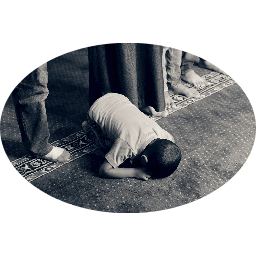
2 It is the praying 5 times a day.
3 It is the almsgiving or helping people in different ways.
4 It is the fasting during the holy month of Ramadan.
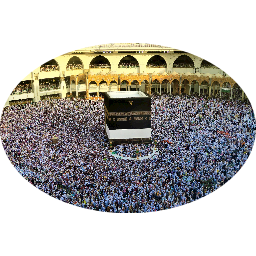
5 It is the pilgrimage in Mecca city that must be done at least once in a life time.
GREECE
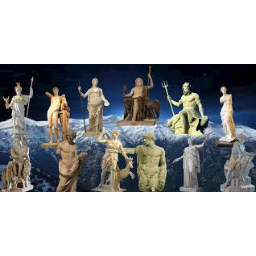
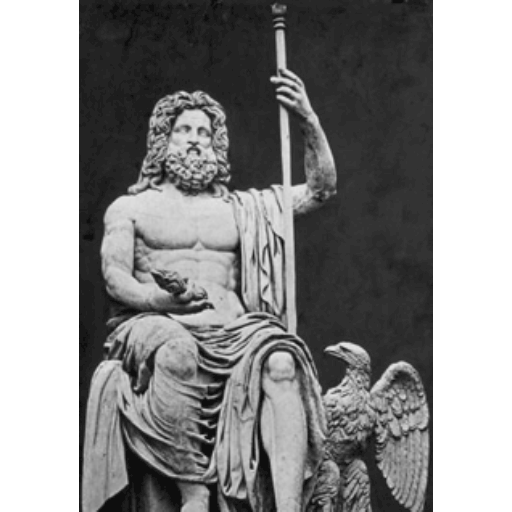
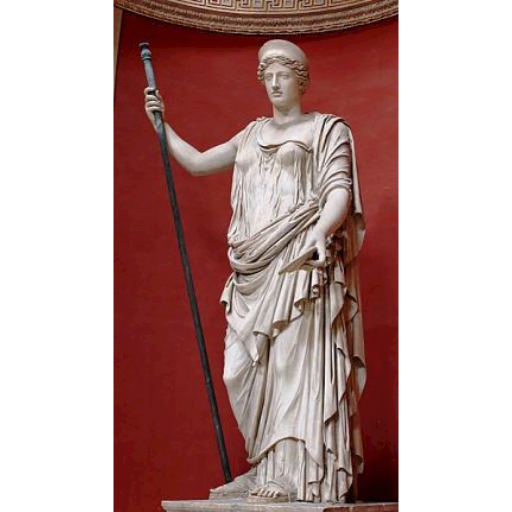
Zeus
Hera
Today, the predominant religion in Greece is Greek Orthodoxy, which is part of the Eastern Orthodox Church. Greek Orthodoxy plays a central role in the lives of many Greeks, influencing their traditions, customs, and cultural practices. Churches and religious festivals are important aspects of Greek society, providing opportunities for worship, community gathering, and celebration. While Greece is a secular state, Greek Orthodoxy holds significant cultural and historical importance, shaping the identity of the nation and its people.
Symbols
tg
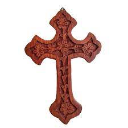
The cross is the most widely recognized symbol of Christianity, representing the crucifixion and resurrection of Jesus Christ. It symbolizes sacrifice, redemption, and the victory of life over death.
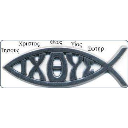
The fish symbol, known as the Ichthys or Ichthus, was used by early Christians as a secret symbol to identify themselves to one another. It represents Jesus Christ as the "fisher of men" and serves as a sign of faith.
The Chi-Rho symbol is formed by superimposing the Greek letters Chi (Χ) and Rho (Ρ), which are the first two letters of "Christ" in Greek (Χριστός). It is a monogram representing Jesus Christ and is often used as a symbol of Christianity.
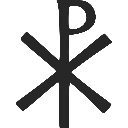
Alpha and Omega: These are the first and last letters of the Greek alphabet, respectively. In Christian symbolism, they represent the eternal nature of God, who is the beginning and the end of all things.
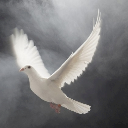
The dove is a symbol of peace and the Holy Spirit in Christianity. It is derived from the story of Jesus' baptism, where the Holy Spirit descended upon him in the form of a dove.

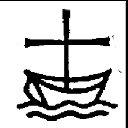
The boat symbolizes the Church or Christ's followers. This interpretation is based on references to Christ as the "Captain of the ship" and his apostles as "fishers of men."
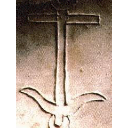
The anchor symbolizes the hope of salvation.
ROMANIA
Christianity is the main religion in Romania, with Romanian Orthodoxy being its largest denomination.
Romania is a secular state and freedom of religion is enshrined in the nation's constitution.
The Romanian state officially recognizes 18 religions and denominations. About 87% of the country's stable population identified as part of the Eastern Orthodox Church.
Other major Christian denominations include the Catholic Church (both Latin Catholicism and Greek Catholicism), Calvinism,and Pentecostal denominations.
The Eastern Orthodox Church is the largest religious denomination in Romania but the rate of church attendance is, however, significantly lower. According to a poll conducted by INSCOP in July 2015, 37.8% of Romanians who declare themselves to be religious go to church only on major holidays, 25.4% once a week (especially on Sunday), 18.9% once a month, 10.2% once a year or less, 3.4% say they do not go to church, 2.7% a few times a week, and only 0.9% say they go to church daily.
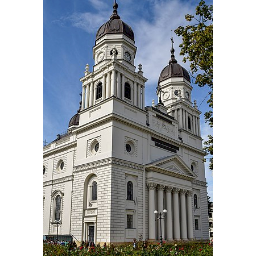
Metropolitan Cathedral in Iași, the largest Orthodox church in Romania
In the Geto-Dacian period, on the territory of present-day Romania, the population was, according to the accounts of the historian Herodotus, monotheistic, believing in a supreme god, Zalmoxis. Populations from different areas also believed in entities inspired by nature, from their occupations, crafts, wars, etc., but Zalmoxis (called by some of them and Gebeleizis) was the supreme god. He was named by different sources throughout of time: mythical reformer, prophet, great pontiff, king, physician, god. The Greeks even called him a "charlatan", a slave of Pythagoras. Since Zalmoxis lived long before Pythagoras, the meeting of Zalmoxis with Pythagoras does not seem to have been possible.
According to ancient sources, Zalmoxis and Deceneus also traveled to Egypt where they received religious teachings. Pythagoras also received teachings from Egyptian priests and the similarity of the doctrines made the ancient Greeks support a Zalmoxis-Pythagoras rapprochement.
About Zalmoxis, the legend says that he retired to a cave (under the ceramic sundial from Sarmizegetusa there is supposed to have been a grotto, then, in Pahomie Cave, also called Zamolxis Cave or Polovragi Cave) where he stayed for four years as a hermit.
The legends of the Oltețu Valley claim that the Polovragi Cave, located in the heart of the mountain and whose length exceeds ten kilometers, would have connected Transylvania, near the sanctuary at Sarmizegetusa.
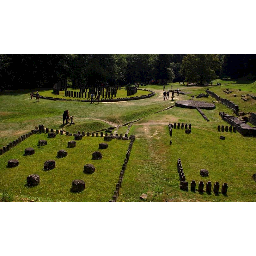
Sarmizegetusa Regia archaeological site (royal residence at the time of the Dacian ghetto and of King Decebal)
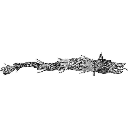
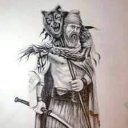
The wolf, a symbol of intelligence, justice and disobedience, appears very often in Dacian life. They used the heads of wolves and snakes for battle flags, the sound produced while running amplifying the sonic resonance. (A similar type of banner was widespread among the Sarmatians, from whom various Roman military and cavalry units took it over, starting from the 2nd century AD under the name "draco" (dragon, dragon); the draco standard bearer it was called "draconarius".)
Chapter 9
"Geographical
features"
POLAND
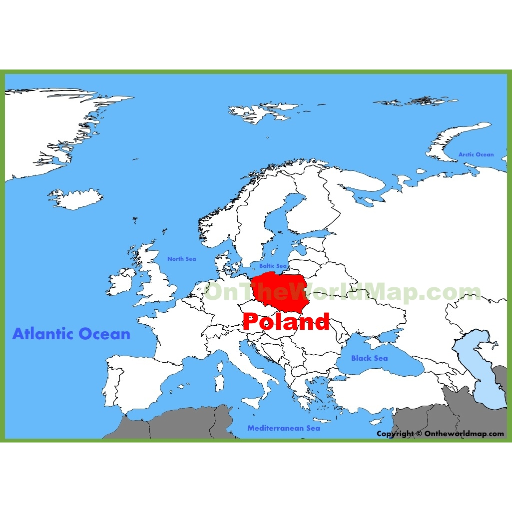
Poland is located at the heart of the European continent.
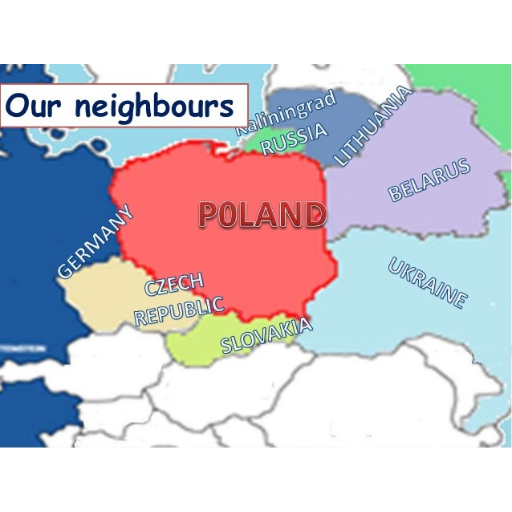
It boarders with Russian Kaliningrad, Lithuania, Belarus, Ukraine, Slovakia, the Czech Republic and Germany (clockwise).
FACTFILE:
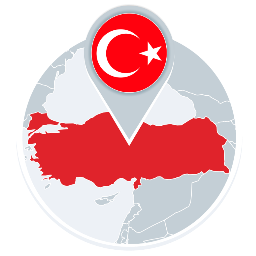
Türkiye (officially Republic of Türkiye) is situated at the crossroads of the Balkans, Caucasus, Middle East, and eastern Mediterranean. Ankara is the capital city of Türkiye.
The country is 783,562 km² and it bridges European and Asian continents.
More than 85 million people live in Türkiye.
The neighboring countries of Türkiye is Bulgaria, Greece, Georgia, Armenia, Azerbaijan, Iran, Iraq and Syria.
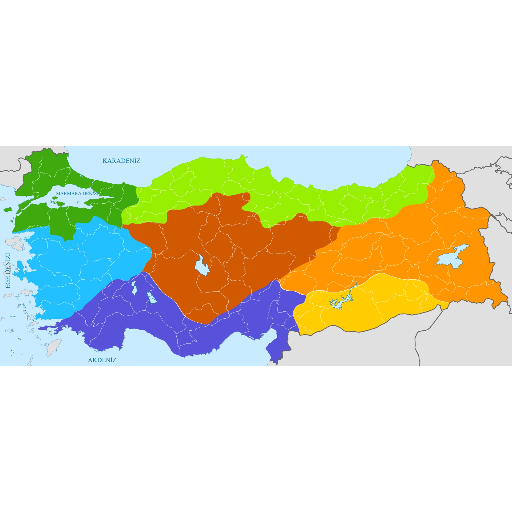
There are 7 geographical regions in Türkiye.
These are:
Marmara Region (dark green). This is where our school is located.
Black Sea Region (light green) - Aegan Region (blue)
Central Anatolia (brown) - Eastern Anatolia (orange) -
Mediterrenean Region (purple) - South Eastern Anatolia (yellow)
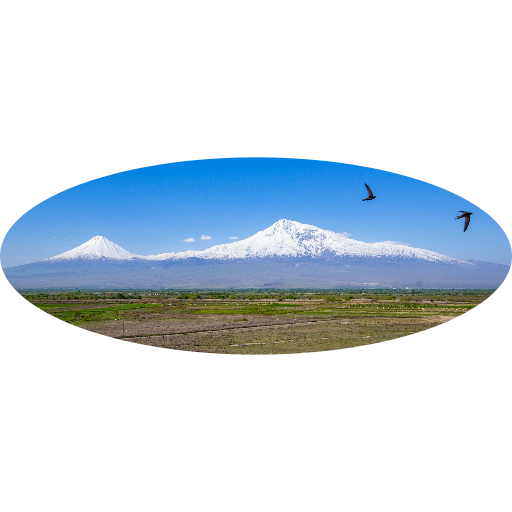
The highest point in the country is Mount Ağrı (Ararat): 5,137 m.
The longest river in the country is Kızılırmak (Red River): 1350 km
The largest lake in the country is the Lake Van: 3,755 km²
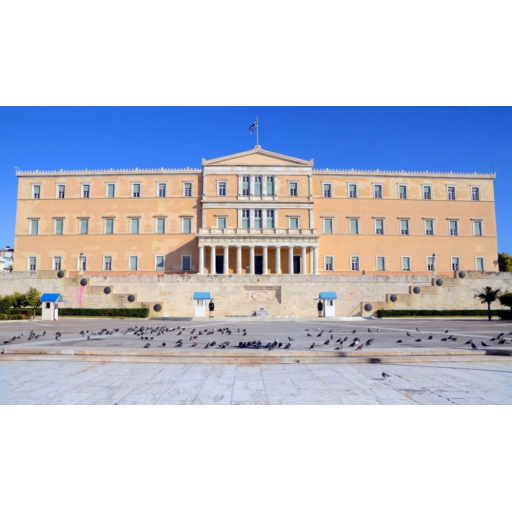
Greece abolished their monarchy in 1975 and became a parliamentary republic. Under the new constitution, there is a president and a prime minister.
The prime minister has the most power, and is the leader of the party that has the most seats in the parliament. The president selects cabinet ministers who run government departments.
The parliament, called the Vouli, has only one house with 300 members who are elected every four years. Greece became part of the European Union in 1981.
The national flag of Greece consists of nine horizontal stripes of equal width, five blue and four white, arranged alternately, with the first and last being blue. In the top left corner, there is a blue square that occupies the first five stripes, within which there is a white cross. The flag is hoisted on a white pole, at the top of which there is a white cross.
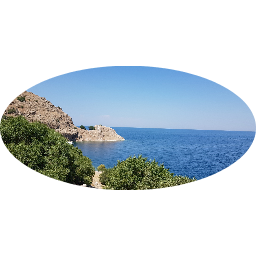
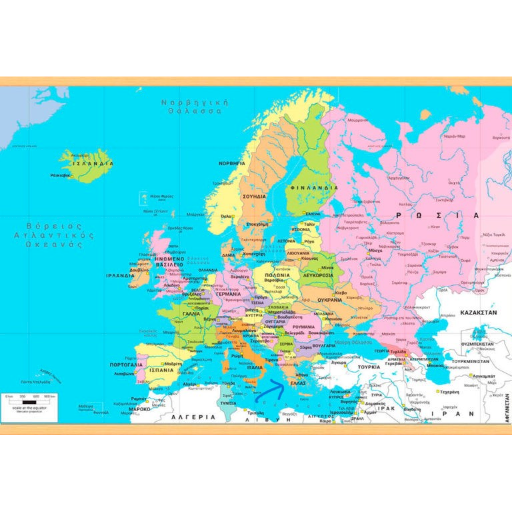
Greece has the longest coastline in Europe and is the southernmost country in Europe. The mainland has rugged mountains, forests, and lakes, but the country is well known for the thousands of islands dotting the blue Aegean Sea to the east, the Mediterranean Sea to the south, and the Ionian Sea to the west.
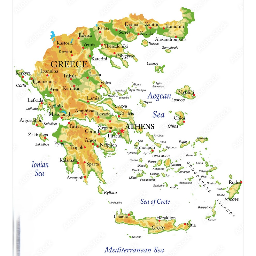
Climate: Mediterranean climate, characterized by mild, wet winters and hot, dry summers..
The country is divided into three geographical regions: the mainland, the islands, and Peloponnese, the peninsula south of the mainland.
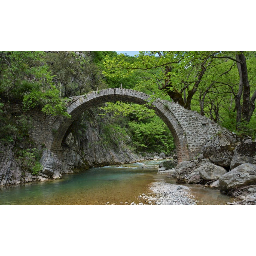
The Pindus mountain range on the mainland contains one of the world's deepest gorges, Vikos Gorge, which plunges 3,600 feet (1,100 meters).
Mount Olympus is Greece's highest mountain at 9,570 feet (2,917 meters) above sea level. Ancient Greeks believed it was the home of the gods. Mount Olympus became the first national park in Greece.
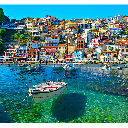
Greece's nature is diverse, featuring mountains, beaches, gorges, and lush forests. It boasts rich biodiversity, with unique plant and animal species.
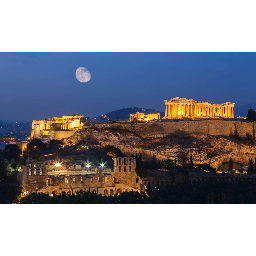
Greece's natural beauty blends with its rich cultural heritage. You'll find archaeological sites alongside stunning landscapes, and coastal villages offering a unique mix of nature and culture.
Romania is a country located at the crossroads of Central, Eastern, and Southeast Europe.
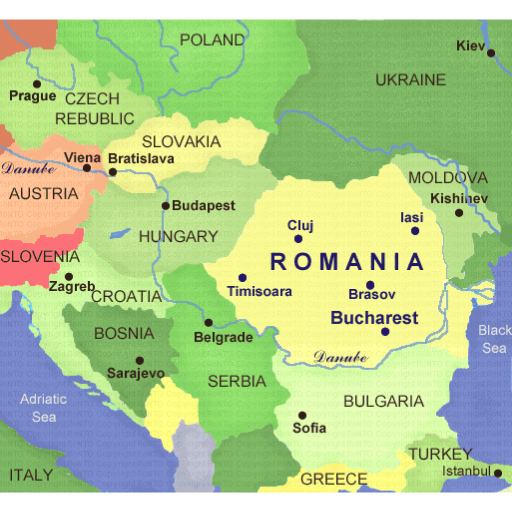
It borders Ukraine to the north and east, Hungary to the west, Serbia to the southwest, Bulgaria to the south, Moldova to the east, and the Black Sea to the southeast.
Romania has a mainly continental climate, and an area of 238,397 km (92,046 sq mi) with a population of 19 million people (2023).
Romania is the twelfth-largest country in Europe and the sixth-most populous member state of the European Union.
Its capital and largest city is Bucharest, followed by
Cluj- Napoca, Iași, Timișoara, Constanța, Craiova, Brașov, and Galați.
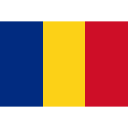
Flag of Romania
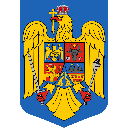
Coat of arms
The Constitution of Romania is based on the constitution of France's Fifth Republic and was approved in a national referendum on 8 December 1991 and amended in October 2003 to bring it into conformity with EU legislation. The Economist Intelligence Unit rated Romania as a "flawed democracy" in 2023.
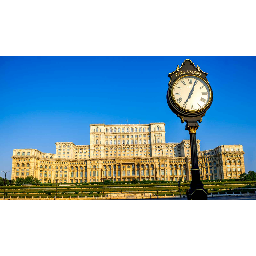
PALACE OF PARLIAMENT
the seat of the Parliament of Romania
Since 1867 the official currency has been the Romanian leu ("lion") and following a denomination in 2005. After joining the EU in 2007, Romania plans to adopt the euro in 2029
Settlement in the modern-day territory of Romania began in the Lower Paleolithic followed by written records attesting the kingdom of Dacia, its conquest, and subsequent Romanisation by the Roman Empire during late antiquity. The modern Romanian state was formed in 1859 through a personal union of the Danubian Principalities of Moldavia and Wallachia. The new state, officially named Romania since 1866, gained independence from the Ottoman Empire in 1877.
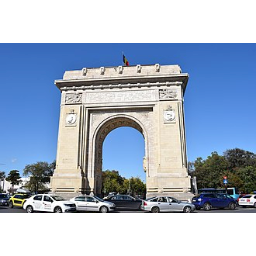
For the Heroes of the War of Independence and World War I
"The Triumphal Arch"
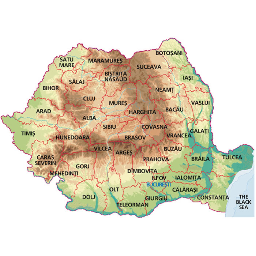
Romania is the largest country in Southeastern Europe and the twelfth-largest in Europe, having an area of 238,397 square kilometres (92,046 sq mi). It lies between latitudes 43° and 49° N and longitudes 20° and 30° E. The terrain is distributed roughly equally between mountains, hills, and plains. The Carpathian Mountains dominate the centre of Romania, with 14 mountain ranges reaching above 2,000 m or 6,600 ft—the highest is Moldoveanu Peak at 2,544 m or 8,346 ft.
They are surrounded by the Moldavian and Transylvanian plateaus, the Pannonian Plain and the Wallachian plains.
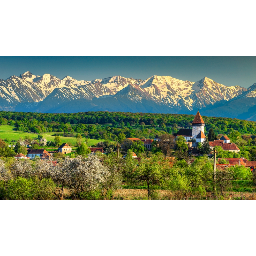
Romania is home to six terrestrial ecoregions: Balkan mixed forests, Central European mixed forests, East European forest steppe, Pannonian mixed forests, Carpathian montane conifer forests, and Pontic steppe. Natural and semi-natural ecosystems cover about 47% of the country's land area. There are almost 10,000 km (3,900 sq mi) (about 5% of the total area) of protected areas in Romania covering 13 national parks and three biosphere reserves. The Danube river forms a large part of the border with Serbia and Bulgaria, and flows into the Black Sea, forming the Danube Delta, which is the second-largest and best-preserved delta in Europe, and a biosphere reserve and a biodiversity World Heritage Site. At 5,800 km (2,200 sq mi), the Danube Delta is the largest continuous marshland in Europe, and supports 1,688 different plant species alone.
Chapter 10
“Cinema, theatre, music."
POLAND
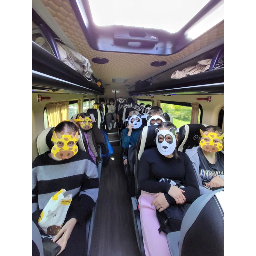
We visited
The Dance Theatre
in Kielce, we watched the performance "The little mermaid".
The most frequent and the most popular form of theatre in Poland is dramatic theatre, based on the existence of stable artistic companies.
The biggest theatres are located in Cracow, Warsaw and Wroclaw.
Music:
The most popular music in Poland is Pop.
There are many artists worth listening like:
- Dawid Podsiadło;
- Sylwia Grzeszczak;
- Dawid Kwiatkowski;
- Daria Zawiałow.
Cinema:
Poles really like going to the cinema. They mainly watch comedies and dramas. One of the most popular Polish actors are: Daniel Olbrychski, Andrzej Grabowski, Artur Barciś, Cezary Pazura, Bogusław Linda etc.
Cinema
Traditional Turkish theatre is constituted of types of theatrical performances such as “Hacivat & Karagöz” puppet theatre, “Meddah” storytelling, “Ortaoyunu” plays and stage magic. Traditional theater, which has an important place in Anatolian culture, is the essence of contemporary Turkish theater.
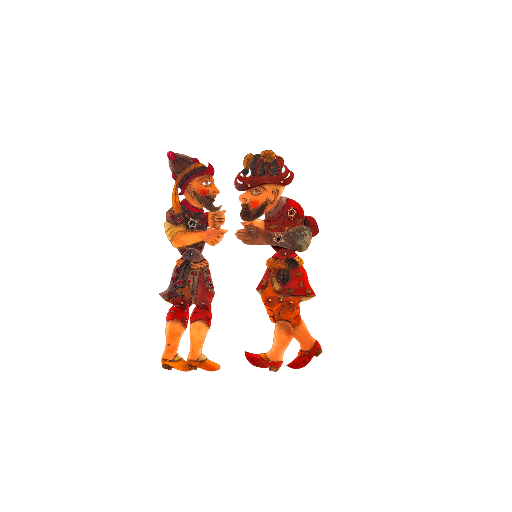
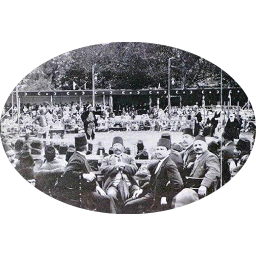
Theatre
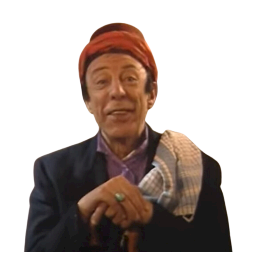
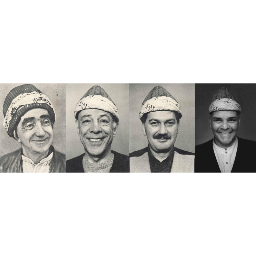
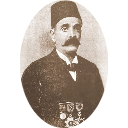
A tradition in Turkish Theatre: Kavuk (Part 1)
A "kavuk" is a big turban (a hat or a headgear).
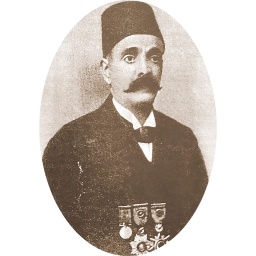
Hasan Efendi, who was born in 1874, was a yoghurt-seller but very enthusiastic about theatre. He started his career in theatre and worked with various comics of his age. He was a bald man and he used to perform a character from traditional "Ortaoyunu" theatre: "Kavuklu".
He passed his "Kavuk" to his student, İsmail Hakkı Dümbüllü and started a tradition. After this, "Kavuk" symbolized the relationship of student and teacher.
A tradition in Turkish Theatre: Kavuk (Part 2)

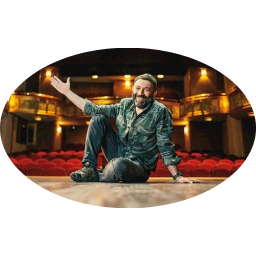
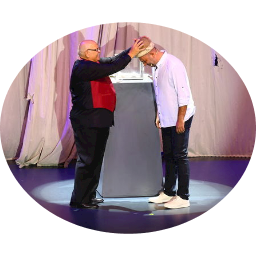
After receiving the "Kavuk", İsmail Hakkı Dümbüllü passed it to Münir Özkul, another highly-regarded artist both in Turkish theatre and Cinema. Afterwards, the "Kavuk" was passed down to generations, Ferhan Şensoy, Rasim Öztekin and finally Şevket Çoruh, who still has it at the time.
Music
We can view this topic in a timeline:
Ancient roots: Although Turkic people brough their music culture from Central Asian region, music's roots in Türkiye are intertwined with the ancient civilizations in Anatolia.
Byzantine Era (4th-15th century): Byzantine hymns and religious music made a lasting impression on the musical landscape with the arrival of Christianity. The arrival of Turkic tribes with the fall of the Byzantine Empire introduced new vocal styles and instruments, resulting in a mingling of musical influences.
Ottoman Empire (14th-20th century): This era is considered a golden age. The Ottoman Empire's courtly music combined Byzantine, Arabic, and Persian styles. With its complicated rhythmic patterns and elaborate compositions based on maqam, the classical Ottoman music tradition—also referred to as "Turkish classical music" or "Ottoman classical music"—emerged. Typically, a small to medium-sized instrumental band performs alongside a solo vocalist.
Early 20th century - The New Republic: Significant cultural shifts occurred with the fall of the Ottoman Empire and the founding of the Republic of Türkiye under Mustafa Kemal Atatürk. A new kind of Turkish music called "Türk Sanat Müziği" (Turkish art music) arose as a result of the modernization efforts, fusing traditional Turkish scales with Western harmonies.
After Mid-20th century (1950's):
Turkish Art Music rose to prominence in the years following World War II, and artists like Zeki Müren frequently appeared on television giving concerts with a full orchestra. Neşet Ertaş, a bağlama performer, performed a type of folk music known as "Türk Halk Müziği" (Turkish Folk Music) that had Anatolian elements during the 1950s and 1960s.
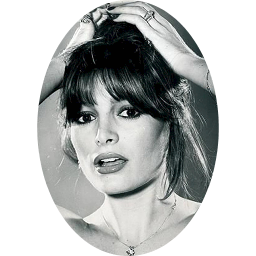
Turkish pop music, which was influenced by Western rock & roll, began to emerge in the 1960s. Performers such as Ajda Pekkan, who is regarded as the "superstar" of Turkish pop.
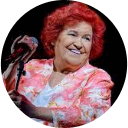
With the emergence of Anatolian rock, a style that combined rock and traditional Anatolian folk, the 1970s were a golden age for Turkish music. This movement and music, often known as "psychedelic rock," became synonymous with bands like Moğollar and musicians like Erkin Koray, Barış Manço, Selda Bağcan, and Cem Karaca.
The social and economic hardships of the 1980s were mirrored in the popularization of "Arabesque" music, a style that combined Byzantine and Arab components with Turkish folk music, by artists like Orhan Gencebay and Müslüm Gürses.



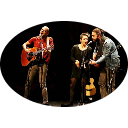
The 1990s were a crucial moment for Turkish music when Tarkan's hit song "Şımarık" ("Kiss Kiss") made him an international star and helped Turkish artists gain recognition worldwide. It was a rising momentum for Turkish Pop and Rock.
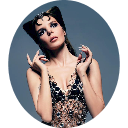
After millenium, along with Türkiye's achievement in the Eurovision contest, the 21st century brought a wave of musical diversity and genres such as rap, electronic and indie gained popularity alongside pop and rock, with artists like Ceza, Gaye Su Akyol and Büyük Ev Ablukada pushing musical boundaries. And now Turkish music continues to innovate on a global scale.




GREECE
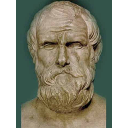
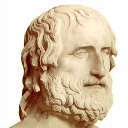
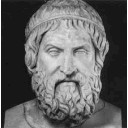
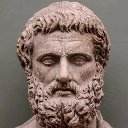
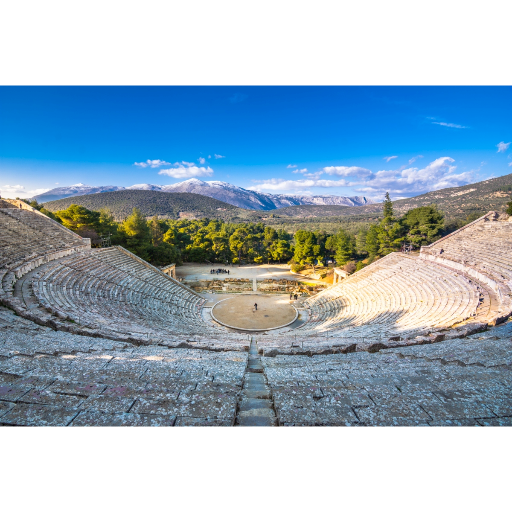
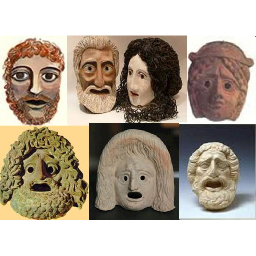
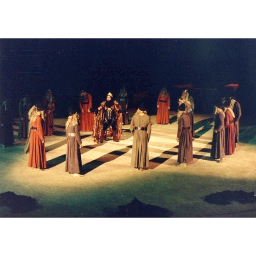
Greece is the birthplace of Western theater. Ancient Greek theater began in Athens around the 5th century BCE, and playwrights like Sophocles, Aeschylus, and Euripides created dramas that are still performed today. Modern Greek theater is vibrant, mixing classic and contemporary works. The Epidavros Festival, held at the ancient Epidaurus theater, showcases ancient drama in an authentic setting every summer.
Traditional Greek Music
Folk music often varies by region. Island music, for instance, features fast, joyful rhythms, often accompanied by instruments like the bouzouki and lyra, while mainland folk music tends to have slower, more intense tunes. Dimotika (folk songs) often tell stories of love, nature, and the struggles of everyday life.
Rebetiko
In the 20th century, Rebetiko emerged as an urban folk genre, often referred to as the "Greek blues." Originating from the lower social classes, Rebetiko songs express the hardships of life, love, and exile. The bouzouki became the symbol of this genre, with musicians like Vassilis Tsitsanis and Markos Vamvakaris becoming icons.
Contemporary Greek Music
Modern Greek music combines elements from pop, rock, and even electronic genres, blending these with traditional sounds. Greek artists, such as Eleftheria Arvanitaki and Haris Alexiou, have popularized Greek music both locally and internationally.
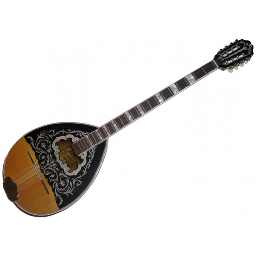
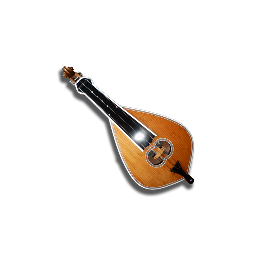
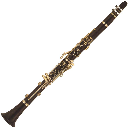
Bouzouki
Klarino
Lyra
Early Greek Cinema
Greek cinema started in the early 20th century, with some of the first silent films reflecting Greek daily life and culture. After World War II, Greek cinema gained popularity, focusing on social themes and the struggles of the Greek people.
Golden Age of Greek Cinema (1950s-1960s)
The 1950s and 1960s are considered the "Golden Age" of Greek cinema. Directors like Michael Cacoyannis and Alekos Sakellarios produced iconic films during this period. Cacoyannis' Zorba the Greek (1964) became internationally acclaimed, highlighting Greek culture and lifestyle. This era also brought famous actors like Melina Mercouri and Irene Papas to the world stage.
Greek "Weird Wave" (2000s-Present)
Since the early 2000s, Greek cinema has evolved with the emergence of the "Greek Weird Wave." This style is marked by surreal and unconventional storytelling, often exploring the challenges of modern society. Directors like Yorgos Lanthimos became global figures in this movement, with films such as Dogtooth (2009) and The Favourite (2018) winning major international awards.
Themes and Influence
Greek cinema often explores universal themes of love, family, and identity, inspired by Greek mythology and history. It also deals with social and political issues, especially reflecting the economic crisis of recent years.
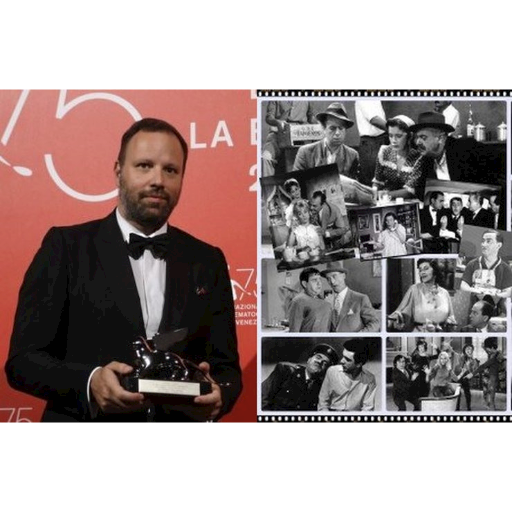
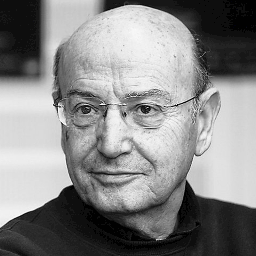
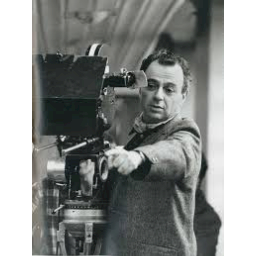
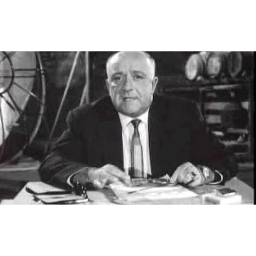
Theodoros Aggelopoulos
Alekos Sakellarios
ROMANIA
Romanian theater has deep roots and can be traced back to Antiquity, when the first dramatic performances took place within religious rites and public festivals.
In the 19th century, the Romanian theater experienced a significant development. The first professional theater troupes were established, and Romanian playwrights began to write landmark works in the history of Romanian theater.
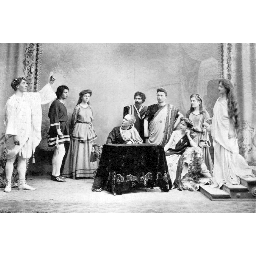
THEATRE
Romania has a rich theater infrastructure, with numerous theaters in all the country's major cities.
During the communist period, the theater came under the control of the political regime and was used as a tool of ideological propaganda.After the fall of the communist regime in 1989, the Romanian theater experienced a real renaissance. Independent troupes were created and international festivals were organized, which brought quality theatrical productions from all over the world to Romania.
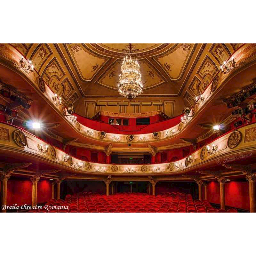
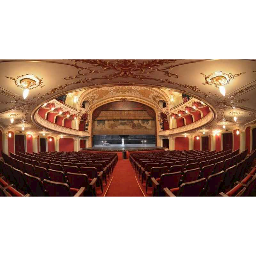
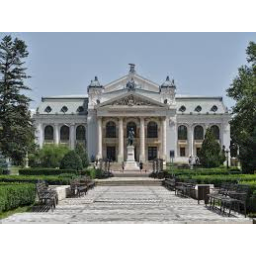
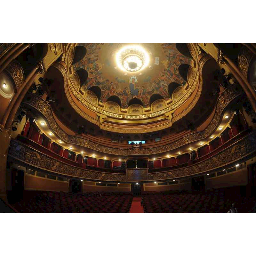
Romanian theaters are true architectural jewels, which combine aesthetic beauty with specific functionality. From the National Theater in Bucharest, with its imposing architecture and neoclassical influences, to the modern and innovative theaters in Sibiu or Cluj-Napoca, each theater institution has its own architectural identity. These buildings are places where important cultural events take place and have symbolic value for the communities in which they are located.
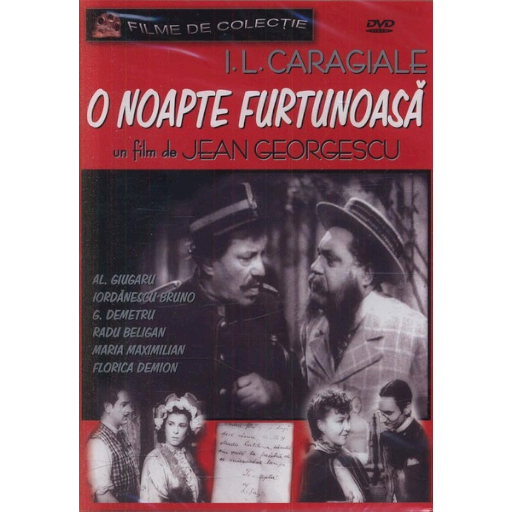
Cinematography in Romania started at the beginning of the 20th century. We recall the most successful films from its beginning:
1. The independence of Romania-1912;
2. A stormy night-1943.
CINEMA
Many Romanian films were of historical and literary inspiration.
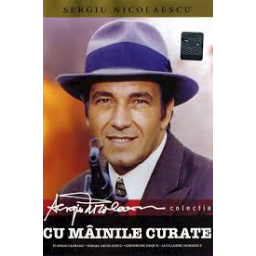
Many Romanian productions were awarded internationally, at the Cannes Film Festival, for example, one of the most famous directors and actors being Sergiu Nicolaescu.
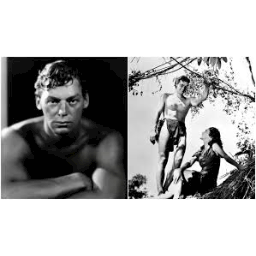
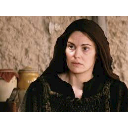
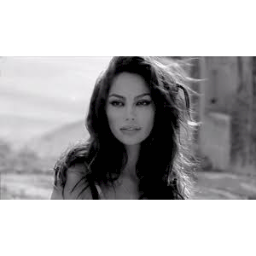
Romanian actors known all over the world:
Johnny Weissmüller, known as Tarzan
Marcel Iures
Madalina Ghenea
Maia Morgenstern, famous for the role of Mary in The Passion of the Christ
Dragos Bucur
Ion Caramitru
Oana Pellea
Monica Barladeanu
Florin Piersic Jr
Sebastian Stan
Music
In Romania, music has been part of the people's culture since ancient times, being the way to express feelings in all circumstances: at the birth of a child, at a wedding, at funerals, at war, of love, of longing, of mourning, lullaby, and so on.
*The music is always accompanied by specific dances and gestures.
Folk music, sung among the people of the people, has a rich tradition, throughout the territory, with zonal specificity.
At parties, fiddle music maintains the atmosphere of joy, humor, irony.
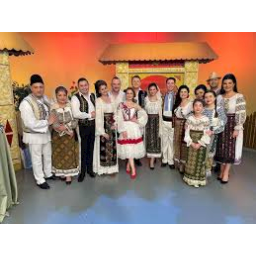
Religious music has a special importance in all rituals still practiced, at church services, at holidays.
Among the wealthy people, music of international inspiration was practiced, following their travels around the world. We are proud of famous international composers and performers, including George Enescu, Ciprian Porumbescu, Gheorghe Zamfir, Angela Gheorghiu.
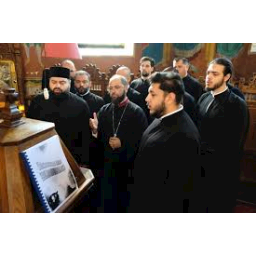
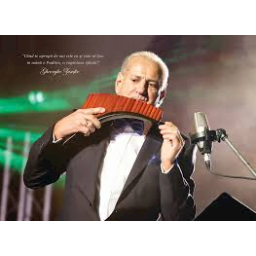
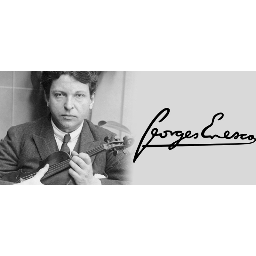
Music is an important part of young people's lives, both as a form of entertainment and expression, and perhaps as a lifestyle model.
Internationally famous Romanian musical artists: Inna, Alexandra Stan, Carla's Dreams, Akcent, Ozone
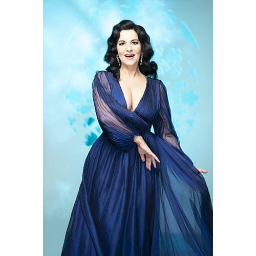
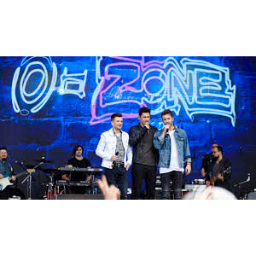

- < BEGINNING
- END >
-
DOWNLOAD
-
LIKE
-
COMMENT()
-
SHARE
-
BUY THIS BOOK
(from $54.79+) -
BUY THIS BOOK
(from $54.79+) - DOWNLOAD
- LIKE
- COMMENT ()
- SHARE
- Report
-
BUY
-
LIKE
-
COMMENT()
-
SHARE
- Excessive Violence
- Harassment
- Offensive Pictures
- Spelling & Grammar Errors
- Unfinished
- Other Problem





COMMENTS
Click 'X' to report any negative comments. Thanks!