May he one day have his dream hot dog stand.

is for Austerlitz
The Battle of Austerlitz is considered one of the most important of the Napoleonic Wars. Here, Napoleon defeated the combined Austrian and Russian forces. The Austrians withdrew from Italy and left Napoleon control of everything north of Rome, where he was recognized as king of Italy.


is for Bastille
Bastille was a Paris prison that served as a symbol of oppression during the Revolution. It was stormed by workers on July 14, 1789. The raid was considered one of the first acts of the French Revolution.


is for Concordat of 1801

The Concordat of 1801 was an agreement between Napoleon and representatives from Rome and Paris. It defined the status of the Catholic Church. Confiscations enacted during the French Revolution were recognized as legitimate in the Concordat of 1801.

is for Directory

Directory was the fourth type of government in the French Revolution. It was made of 5 directors. The directory was also particularly unpopular as many felt it was a hindrance to revolution efforts.
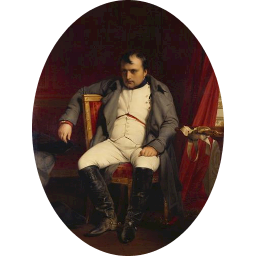
is for Estate

Estates were the premise for political organization before the French Revolution. They consisted of the clergy, the nobility, and everyone else. Each was worth one vote in political matters.
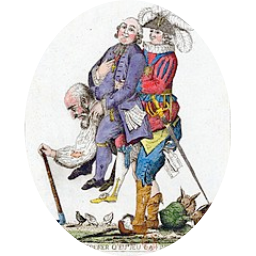
is for Flight to Vareenes

The Flight to Vareenes was an attempted escape by Louis XVI and his immediate family from Paris on June 20, 1791. The first step in a plan by the royal family to start a counter-revolution. It mainly rallied support from loyalist troops.
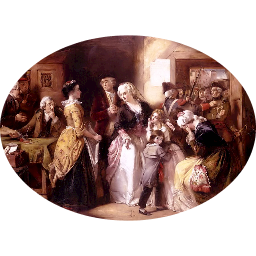
is for Girondin

Girondins were a political group in the Legislative Assembly and National Convention. While they were considered radical, they were much less radical than "The Mountain." Girondins were moderate republicans who supported a constitutional monarchy.

<

is for Hume

David Hume was a revolutionary thinker who built on Locke's teachings. He argued heavily for skepticism and challenged the enlightenment. Hume felt that nothing could ever be known for certain.
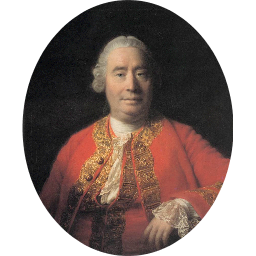
is for Illegitimacy Explosion

The Illegitimacy Explosion describes a sharp uptick in out-of-wedlock births in Europe. This occurred in Europe between 1750-1850. The explosion was ultimately caused by lower wages and the breakdown of community controls, such as Charivari.

is for July 14, 1789

This was the date of the beginning of the French Revolution. July 14, 1789 marked the day that the Bastille was stormed and the attitude towards absolutism began to shift. It was the first significant and successful uprising against the king.
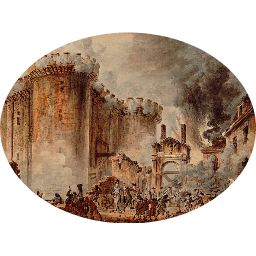
is for Kant

Immanuel Kant was a famous German philosopher. He felt there was no real revolution, and considered it a violent toppling of the old regime. Kant is most widely known for his work in the Enlightenment.
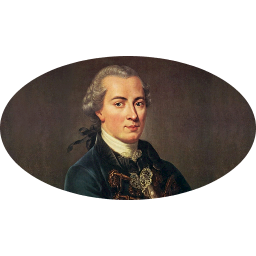
is for Levee en masse

The levee en masse was a French draft policy. It allowed for the creation of a National Army in France. Most notably, it shifted military from an all-professional composition to one of citizens.
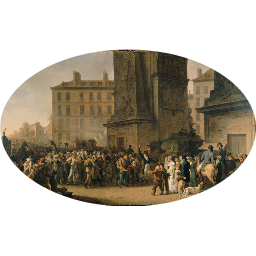
is for Marat

Jean-Paul Marat was a journalist during Revolutionary times and expressed his strong disliking towards the French Monarchy and aristocracy. He was largely influential in the development of Jacobins. However, he was executed during the Reign of Terror for his advocacy of the execution of counter-revolutionaries.
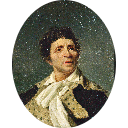
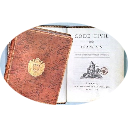
is for Napoleonic Code

The Napoleonic Code recognized equality before the law, hindered the previous progress made for women's legal rights, etc. It was mainly formulated in order to increase Napoleon's authority and make him a stronger leader. The Code cemented the idea of freedom of person and of contract.
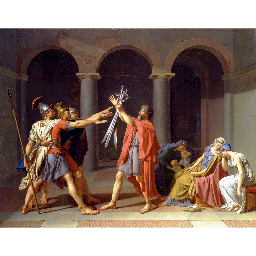
is for Oath of the Horatii

Painted four years before the beginning of the French Revolution, the Oath of the Horatii by Jacques-Louis David is a famous Neoclassical piece. It was largely interpreted as a patriotic call to arms. It was also painted by the same artist who painted "Death of Marat."
is for Pilnitz

The Declaration of Pilnitz was a joint declaration between the Holy Roman Empire and Prussia. It encouraged European powers to restore tradition, AKA, the monarchy, in France. The Pilnitz Declaration was designed to stop the spread of revolutionary ideals throughout Europe.

- Full access to our public library
- Save favorite books
- Interact with authors
- < BEGINNING
- END >
-
DOWNLOAD
-
LIKE
-
COMMENT()
-
SHARE
-
SAVE
-
BUY THIS BOOK
(from $5.19+) -
BUY THIS BOOK
(from $5.19+) - DOWNLOAD
- LIKE
- COMMENT ()
- SHARE
- SAVE
- Report
-
BUY
-
LIKE
-
COMMENT()
-
SHARE
- Excessive Violence
- Harassment
- Offensive Pictures
- Spelling & Grammar Errors
- Unfinished
- Other Problem





COMMENTS
Click 'X' to report any negative comments. Thanks!