This dictionary was created as a joint product by students of the "Environmental Protectors at Work" eTwinning project. Explanations and drawings are student product.

ir Pollution
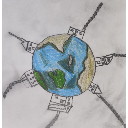
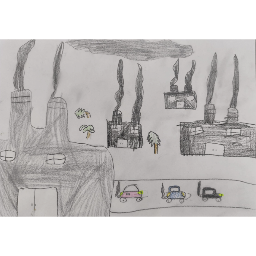
Air pollution; It is the presence of foreign substances in the form of solid, liquid and gas in the atmosphere in an amount, density and for a long time that will harm human health, living life and ecological balance. The air layer is polluted with the wastes generated during production and consumption activities resulting from various human activities, negatively affecting living life on earth.

Selda Topal's Team/Dumlupınar BİLSEM
iological Diversity

Deniz ÇELİK's team/Zübeyde Hanım Ortaokulu
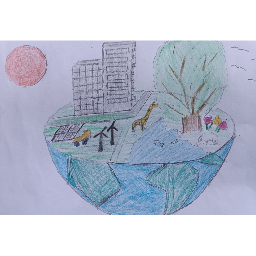
Biodiversity is the variety of life forms found in an ecosystem,biome or throughout the Earth.In order for people to survive,there must be clean water and air,fertile soil,nutrients and various substances that they can use in the environment they live in,where their other needs are met.
limate Change

Karagkizopoulou Pinelopi's team/Thebes/Greece
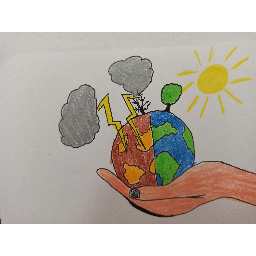
Climate change is a long-term change in the average weather patterns that define Earth's local,regional and global climates. It occurs due to natural processes as well as human activities that result in the accumulation of greenhouse gases in the atmosphere. These changes have a wide range of observed effects,including extreme weather patterns,erratic weather causing flooding,water scarcity, and more. Climate-induced disasters are currently one of the most significant crises the planet facing.
rought

Karagkizopoulou Pinelopi's team/Thebes/Greece
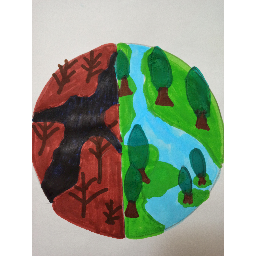
It is a prolonged dry period in the natural climate cycle that can occur anywhere in the world. An extended period of drought results in increased water consumption from nearby lakes or rivers-resulting in increased water pressure in the overall region. Drought can have a serious impact on health,agriculture,economy,energy and the environment.
cological footprint

Karagkizopoulou Pinelopi's team/Thebes/Greece
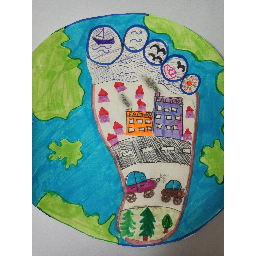
It is a measurement of the environmental impact of human activities,including resource consumption,waste production and greenhouse gas emissions. It can be defined as the effects that a person,company,activity has on the environment. Many people calculate it using online tools. The result indicates how many Earths we would need if everyone continued to live as the person taking their lifestyle assessment on the website for ecological footprint calculation.
ossil Fuels

Deniz ÇELİK's team/Zübeyde Hanım Ortaokulu
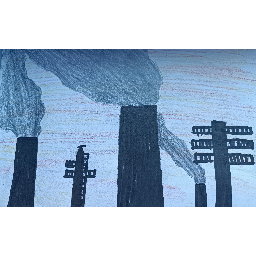
Fossil fuel or mineral fuel is a naturel energy source containing hydrocarbons and high amounts of carbon.Coal,oil and naturel gas,is a prime example of this type of fuel.these products cause increasing environmental pollution and damageto the living spaces of living things.the use of fossil fuels must be redused in the transition to sustainable practices that enable future generations to meet their needs.
reenhouse Effect

Gases in the atmosphere first absorb the long wavelength light emitted from the earth to space and then re-emit it. The light emitted by these gases, called greenhouse gases, can be in any direction. Therefore, greenhouse gases reflect back some of the heat (infrared light) emitted from the Earth into space, causing the Earth to warm up. This phenomenon is called the greenhouse effect.
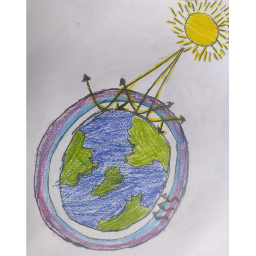
Selda Topal's Team/ Dumlupınar BİLSEM
abitat

Alexandra Vlachogianni's team/Thebes/Greece
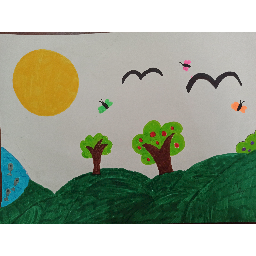
Habitat is the place or environment where a plant or animal naturally or normally lives and grows.
norganic Chemicals

Inorganic chemistry is concerned with the properties and behavior of inorganic compounds, which include metals,minerals and organometallic compounds.Organic chemistry is defined as the study of carbon-containing compounds,inorganic chemistry is the study of the remaining subset of compounds.
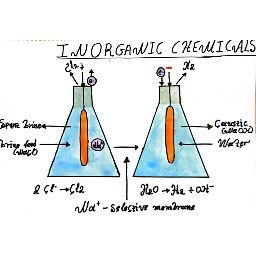
Katsimicha Vaso's team/Thebes/Greece
ungle/forest conservation

Theophano Christou' s team
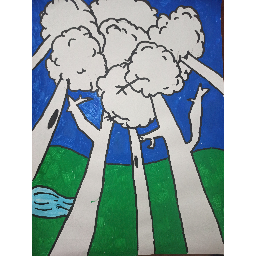
Jungle/ forest conservation as the name suggests is the preservation and the protection of jungle/ forest. It also involves the reversal of deforestation and environmental pollution. The preservation of all natural resources is absolutely essential for the balance of our ecosystem.
ey Biodiversity Areas Conservation

Hám János Team
These are specific sites that contribute significantly to the global persistence of biodiversity. These areas are important for the conservation of biodiversity.
Amazon Rainforest: vast array of plant and animal species, many of which are found nowhere else.
Great Barrier Reef: a rich diversity of marine life, including numerous species of fish, corals, and other marine organisms.
Madagascar: many unique plants and animals found only on the island.
Galápagos Islands: volcanic islands in the Pacific Ocean with unique flora and fauna.
Yellowstone National Park: the first national park in the world known for its geothermal features
Mediterranean Basin: unique biodiversity, with a mix of diverse ecosystems, like forests, wetlands, and coastal areas, home to many endemic plant species and serves as a crucial migratory route for birds.
andscape and ecosystem protection

Hám János Team
These are aspects of environmental conservation aimed at preserving the Earth's biodiversity, maintaining ecological balance, and ensuring the well-being of both natural and human communities.
Key points -
-biodiversity conservation
-natural resource preservation
-habitat protection
-water quality preservation
-soil conservation
-climate change prevention

arine Ecosystem

Selda Topal's Team/Dumlupınar BİLSEM
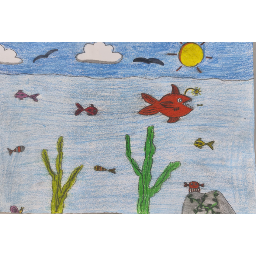
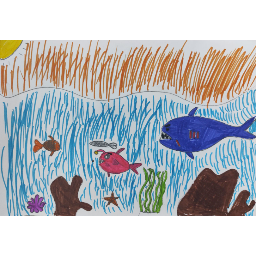
The marine ecosystem is a self-sufficient system. Since 3/4 of the world is covered with water, it can be said to be the largest ecosystem. It contains dozens of discovered or undiscovered creatures.
oise Pollution

Suzan Uysal's Team/Dumlupınar BİLSEM
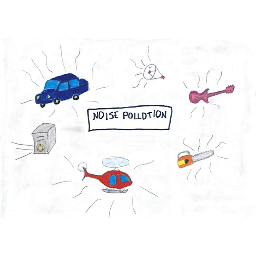
Noise pollution, also known as sound pollution, is any human, animal or machine-generated sound formation that negatively affects human or animal life and disrupts its balance. One of the most common forms of noise pollution is that caused by motor vehicles.
xygen Cycle

Ferat Topal/Şemsettin Karahisari Ortaokulu
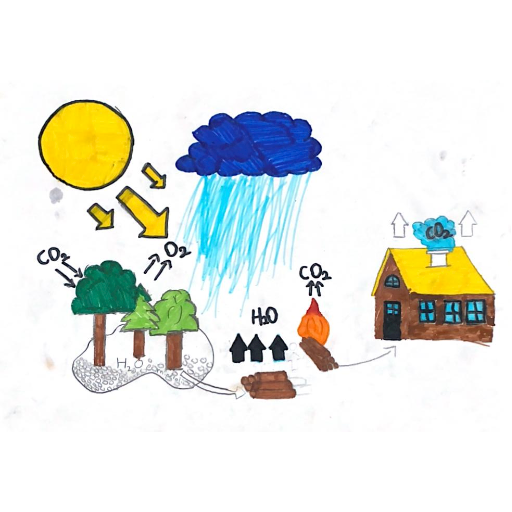
The oxygen cycle occurs when oxygen from the atmosphere is used by plants and animals and then released back into the environment. This cycle consists of four main stages: photosynthesis, respiration, decomposition and combustion.
lastic pollution

Suzan Uysal's Team/Dumlupınar BİLSEM
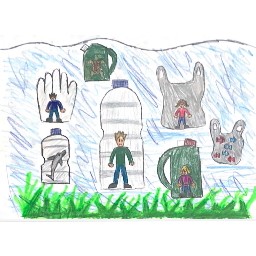
Plastic pollution is the accumulation of plastic objects and particles in the Earth's environment that negatively impacts wildlife, wildlife habitat, and humans.
ualitative Air

The qualitative air is air without exhaust fumes.On a global scale, various environmental indicators have been introduced, the use of which makes it possible to assess the quality of the air of an area in a way that is usually simple and understandable to the general public.
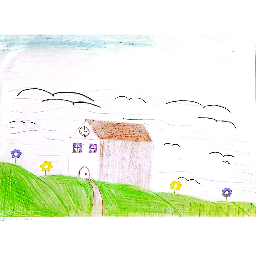
Katsimicha Vaso's team/Thebes/Greece
enawable Energy

Suzan Uysal's Team/Dumlupınar BİLSEM
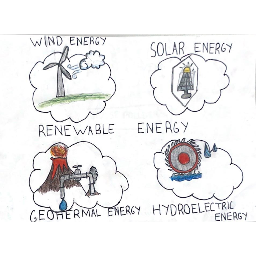
Renewable energy is energy that can be obtained from carbon-neutral natural sources such as sunlight, wind, rain, tides, waves and geothermal heat, and from sources that are naturally renewed on a human time scale.
oil Pollution

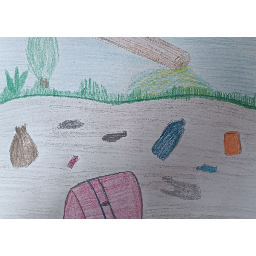
Deniz ÇELİK's team/Zübeyde Hanım Ortaokulu
oxin

Alexandra Vlachogianni's team
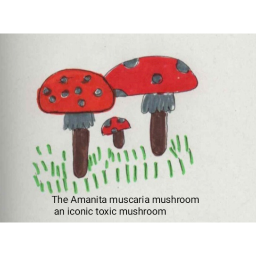
A toxin is a naturally occurring organic poison produced by the metabolic activities of living cells or organisms. They appear particularly as proteins,often conjugated. The term was first used by the organic chemist Ludwig Brieger and is derived from the word "toxic".
ltraviolet Rays

Ferat Topal/Şemsettin Karahisari Ortaokulu
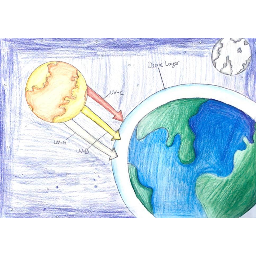
Ultraviolet; It is a form of electromagnetic radiation with a wavelength shorter than visible light but longer than X-rays. It is found in sunlight and accounts for approximately 10% of the total electromagnetic radiation emanating from the Sun.
egetation restoration

Katsimicha Vaso's team/Thebes/Greece
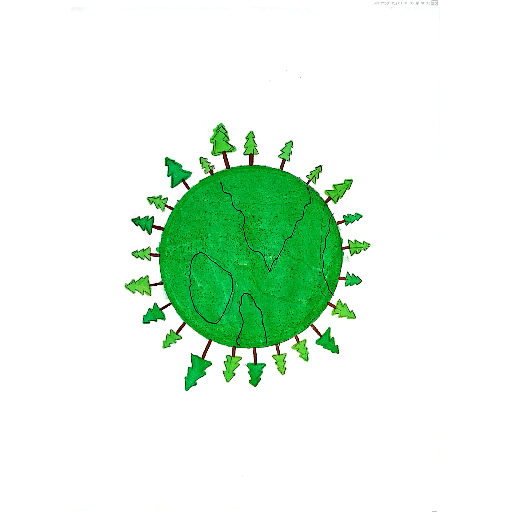
In recent years, especially in the summer months, the flora threatened by destructive fires that leave behind acres of burnt land.In order to restore the vegetation of these areas,the contribution of the state is required,as well as the cooperation of voluntary groups that make tree planting and reforestation efforts.
ater Pollution

Ferat Topal/Şemsettin Karahisari Ortaokulu
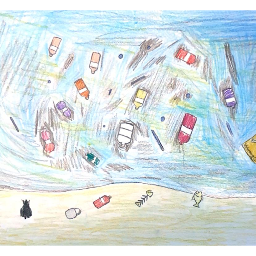
Water pollution; It is the general name given to the pollution seen in basins containing water such as lakes, rivers, oceans, seas and groundwater.

Hám János Team
No ious Chemicals
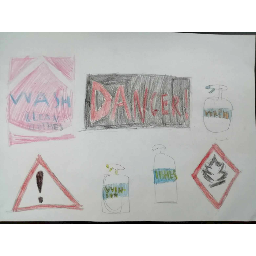
Certain industrial chemicals and pollutants, such as heavy metals (e.g., lead, mercury), pesticides, and industrial solvents are noxious due to their harmful effects on the environment and living organisms.
These can affect:
health
ecosystems and biodiversity
environment

ield Improvement, no chemicals

Alexandra's Vlachogianni's team
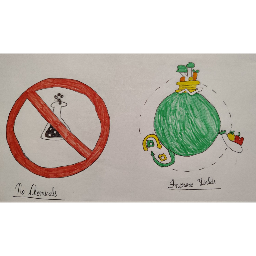
A yield improvement strategy consists of making meassurements at critical stages, as early as possible in the assembly process, and adjusting the process parameters to achieve optimal performance.
ero waste

Theophano Christou's team
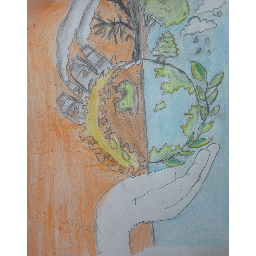
Zero waste,minimization, is a set of principles focused on waste prevention that encourages redesigning resource life cycles so that all products are repurposed and reused. The goal of the movement is to avoid sending trash to landfills, incinerators, oceans or any other part of the environment. Currently 9% of global plastics recycled. In a zero waste materials are reused until the optimum level of consumption is reached.
HAPPY END
- < BEGINNING
- END >
-
DOWNLOAD
-
LIKE
-
COMMENT()
-
SHARE
-
BUY THIS BOOK
(from $5.39+) -
BUY THIS BOOK
(from $5.39+) - DOWNLOAD
- LIKE
- COMMENT ()
- SHARE
- Report
-
BUY
-
LIKE
-
COMMENT()
-
SHARE
- Excessive Violence
- Harassment
- Offensive Pictures
- Spelling & Grammar Errors
- Unfinished
- Other Problem






COMMENTS
Click 'X' to report any negative comments. Thanks!