


Our Partners Who Prepared Our Collaborative Product
1) Murat ÇELEBİ - Çarşamba Fen Lisesi
2) Erkan ERDOĞAN - Çarşamba Fen Lisesi
3) Muhammet ŞEN - Çarşamba Fen Lisesi
4) Semanur NİŞANCI
5) Meltem PEHLİVAN ŞAHİN
Our Partners Who Prepared Our Collaborative Product
6) Füsun BAYKALA
7) Emre ÇAKIROĞLU - Necip Fazıl Kısakürek Anadolu Lisesi
8) Ebru KELEŞ - Cumhuriyet Ortaokulu
9) Sema BABAYEVA
10) Ruhiyyə Əliyeva
Our two heroes, Melodi and Nota, travel around our cities and research our traditional music. Let's see what will happen to them.....
Melody and Note
(Collaborative Product)
Melodi and Nota's paths end up in Samsun and they first start visiting Çarşamba's famous square.
While traveling in Çarşamba, they see the Yeşilırmak river, which divides Çarşamba into two equal parts.
Murat ÇELEBİ - Çarşamba Fen Lisesi
Melodi and Nota want to hear the most beautiful folk song of this place and they ask a person passing by about the folk song and story of this place.
Tuncay, passing by, says that the most beautiful folk song of this place is "Çarşamba'yı Flood". He sings the folk song and tells his story.


Çarşamba'yı sel aldı
Bir yar sevdim el aldı aman aman
Bir yar sevdim el aldı
Keşke sevmez olaydım
Elim koynumda kaldı aman aman
Elim koynumda kaldı
Oy ne imiş ne imiş aman aman
Kaderim Böyle İmiş
Gizli Sevda çekmesi aman aman
Ateşten gömlek imiş
Yılan çıkar kamışa
Su neylesin yanmışa aman aman
Su ne yapsın yanmışa
Mevlam sabırlar versin
Yarinden ayrılmışa aman aman
Yarinden ayrılmışa
Oy ne imiş ne imiş aman aman
Kaderim Böyle İmiş
Gizli Sevda çekmesi aman aman
Ateşten gömlek imiş
ÇARŞAMBA'YI SEL ALDI
Ahmet, the son of a poor family in one of the villages on the banks of the Abdal stream, which extends to the Yeşil River in Çarşamba Plain, lost his heart to a young and attractive girl named Melek. She lost sight of anything else because of her love, but Melek noticed her and opened her heart to Ahmet. They made an agreement and after a while Ahmet left the village to complete his military service. Every day without Ahmet meant a lifetime for Melek. Mehmet Ali, the son of the village chief, set his sights on Melek, but Melek did not see anyone other than Ahmet. When Melek rejected Mehmet Ali, Mehmet Ali and a few of his men took Melek to the mountain because the reputation of the village chief would be shaken.
When this news reached Ahmet, he grabbed his gun, deserted from the military and started looking for Melek. While Ahmet was looking for tomorrow, it rained one day and the Green River overflowed, turning Çarşamba into a lake. The flood descended like an avalanche from the peaks of the Canik mountains to their foothills, swallowing everything in its path. After life returned to normal, villagers gathered in the village square. They saw the bodies of two people on a rock. When they approached, they saw that the lifeless bodies belonged to Ahmet and Melek. They were lying there holding hands.
According to the rumor, the large piece of rock split in seven places and water the size of a cypress tree gushed out from each of them. The villagers prayed. These prayers have become verses expressing the pain of people for years. The folk song was born from these prayers. A water mill was later established where the rock was located and that area was called 'Değirmenbaşı'. The wooden mill had seven stones. He walked seven times over the embankment that gave water to seven gutters, and throwing water over his right and left shoulders seven times was considered good luck. Its repeated tradition at Hıdırellez continued until the mill was demolished in the 1970s.
Melodi and Nota said they were very impressed by this story. They set out from Çarşamba towards Ordu.
They wanted to listen to the famous folk songs of this place.
Erkan ERDOĞAN - Çarşamba Fen Lisesi
Tuncay started singing Ordu's most famous folk song to Melodi and Nota.
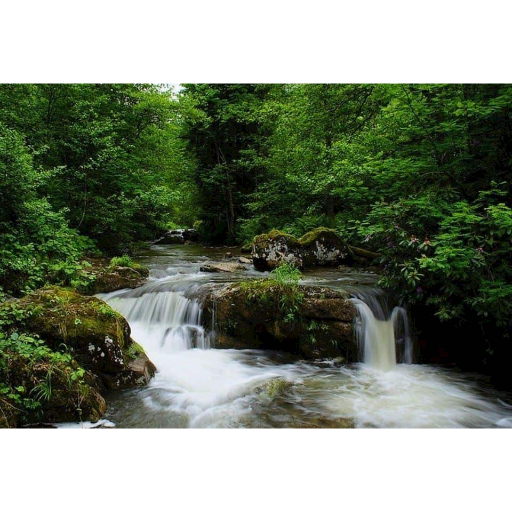
Aksa Yukarı Aksa
Vermem Seni Ellere
Ordu Üstüme Kalksa (Sürmelim Aman)
Oy Mehmedim Mehmedim
Sana Küstüm Demedim
Beni Sana Geçmişler
Vallahi Ben Demedim (Sürmelim Aman)
Ordu'nun Dereleri
Derin Derin Çağlıyor
Kalk Gidelim Sevdiğim
Annem Evde Ağlıyor (Sürmelim Aman)
Oy Bağlamam Bağlamam,
Zerdali Dalı Mısın
Garip Garip Çalarsın
Benden Sevdalı Mısın
ORDUNUN DERELERİ
Years ago, two young people lived in one of the remote villages of Ordu. Mehmet, who has a good financial situation, fell in love with a young girl, Hacer, whose financial situation is not as good as his. The young girl was so beautiful that it blew Mehmet's mind. By the way, Mehmet was also very handsome. He would drag young girls with him to the grave. The love between Mehmet and Hacer, who devastated those around her with her beauty, was similar to the great loves experienced in the past.
They would meet at the bottom of the zerdali tree on certain days of the week. They didn't even notice the hours passing by, eye to eye, knee to knee. But there were many people who were jealous of this beautiful relationship. The other envious girls of the village destroyed this sweet union with various intrigues. They created incredible rumors against the young girl and finally caused Mehmet to leave his beloved and his village. Mehmet, who went abroad with such deep sadness, left behind a tearful girl and a troubled, bedridden mother who could not get up. Hacer, a girl with a heartbroken heart, went to the stream near her house every day. While he hung the snow-white laundry he washed on the fence, he would make the whole village moan with a folk song he always sang.
Unfortunately, neither Mehmet heard Hacer girl's cry nor the well-intentioned neighbors who intervened could find a solution to this problem. The house where all the neighbors came and went has turned into a house of mourning. Months passed like this after that day. Neither Mehmet nor Hacer went to her loved one; But Hacer's heart was broken and she always sang this song with sorrow.
Oh my Mehmet, my Mehmet,
I didn't say I was upset with you.
They passed me to you,
I swear I didn't say it.
There is the truth in these words of Hacer. Unfortunately, the heartbroken girl, the troubled girl, could not convey her sorrow and troubles to the one she loved in her song. Those who intervened could not cope with the task. So years passed. Mehmet stayed abroad, and Hacer girl was by the stream... She both cried and talked.
From that day until today, this folk song has survived to this day.
While Melodi and Nota continue to travel, they come to Giresun.
They wanted to listen to the famous folk songs of this place.
Muhammet ŞEN
Durmuş started to sing Giresun's most famous folk song to Melodi and Nota.

Giresun'un içinde
İki sokak arası
Altı kurşun attılar
Üç de piçak yarası
Vuruldum düştüm yere
Gidemedum uzağa
Ne edelum sevduğum
Düşürdüler tuzağa
Giresun'un içinde
Yeşil fındık bahçesi
Vurdular sevduğumi (Feride'mi)
Yere düştü kopçası
GİRESUNUN İÇİNDE
Vuruldum düştüm yere
Gidemedum yaşta
Ne edelum sevildiği
Düşürdüler tuzağa
Vuruldum sevduçeğum
Kanar yüreğum kanar
Alamadum ben seni
Yanar yüreğum yanar
Vuruldum düştüm yere
Gidemedum yaşta
Ne edelum sevildiği
Düşürdüler tuzağa
The folk song "Inside Giresun", which belongs to the Giresun region, tells about the conflict between two young men who are in love with a beautiful girl named Feride.
Feride, who has a temperamental nature like the waters of the Black Sea, lives in a cute village of Giresun. The young girl is in a passionate love affair with Ömer, the oppressed young man of the village. Feride's family also approves of this union. But another person who is in love with Feride is Musa, one of the troublemakers of the village.
Musa goes crazy when he learns that Feride is in love with Ömer. He follows his men and beats the young man to death. Ömer, who has no intention of giving up on Feride, takes his family with him and goes to the young girl's house to make an appointment.
Two young people who are in love with each other finally decide to escape against the cruelty and slanders Moses inflicts at every opportunity. Musa blocks the path of two young people who meet one night to escape from the village with the consent of their families. Musa, who is blinded by blood, kills these two young lovers without mercy.
Melodi ve Nota'nın yolu Giresun'dan sonra Ankara'ya düşer.
Ankara'nın ünlü türkülerini dinlemek istediler. Elif, Melodi ile Nota'ya Ankara'nın meşhur misket elmasını ikram eder ve Misket Türküsünü söyler.
Semanur NİŞANCI - Kaşıbeyaz Ortaokulu
Güvercin uçuverdi
Kanadın açıverdi
(Ben yandım anam)
El oğlu değil mi (aman aman)
Sevdi de kaçıverdi
A benim hacı yarım
Başımın tacı yarım
Ellere bana acımaz
Sen bari acı yarım
Güvercinim uyur mu
Çağırsam uyanır mı
(Ben yandım anam)
Sen orada ben burada
Buna can dayanabilir mi?
Deniz susuz olur mu
Dibi kumsuz olur mu
Ben müftüye danıştım
Yiğit yarsız olur mu
Caminin ezan vakti
içinin düzen zamanı
Ben misketi kaybettim
Sonbahar gazel vakti
Havuzbaşı su başı
Ben istemem yüzbaşı
Olursa müşir olsun
Dosta düşmana karşı
MİSKET
Güvercin Uçuverdi (Misket) Türküsünün Hikayesi
Ankara'da ünlü bir elma türü olan “misket” bu türküye ait parçalar. Evlerinin sonraki misket ağacına çıkma yollarını gözlediği için sevdiği Osman Efe tarafından “Misket” adı konan Huriye'nin hikâyesini anlatan türküdür.

Ankara'nın gözde efelerinden olan yakışıklı Osman Efe ile Huriye'nin gönlü zamanla birbirine kayar. Günlerden bir gün, yiğitliğiyle meşhur Kır Ağa Huriye'yi çeşme başında görür, kısa zaman sonra Misket'i istemeye gelir. Osman Efe ile Kır Ağa meselesini kendi usullerince çözmek için karşı karşıya gelirler.

Kazanan Misket' i alacaktır. Ancak kavga sırasında Osman Efe'nin yiğitliğini gören Kır Ağa çekilir ve Misket'i Osman Efe'ye bıraktığını söyler.

Evine doğru gelenleri elma ağacının üzerinden seçmeye çalışan Misket, o kalabalık arasında Kır Ağa'yı görüp de Osman Efe'yi göremeyince başı döner ve ağaçtan düşer.

Son nefesini veren genç kızın ardından Osman Efe bir feryat koparır ve bu türküyü yakar.

After Ankara, Nota and Melodi find their way to Bursa.
They chose this place specifically to listen to one of Bursa's famous folk songs.
Yusuf showed them this place and then sang the famous Bursa folk song.
Meltem PEHLİVAN ŞAHİN
And here's The
Bursa'nın Ufak Tefek Taşları
Bursa'nın ufak tefek taşları
Bursa'nın ufak tefek taşları
Keman olmuş, o yarimin kaşları
Keman olmuş, o yarimin kaşları
Bir omuzdan, bir omuza saçları
Bir omuzdan, bir omuza saçları
A benim esmer güzelim
Yarimle kol kola gezelim
Meşeli, dağlar meşeli,
Meşeli, dağlar meşeli,
Dibinde bu hali döşeli
Dibinde bu hali döşeli
Kül oldum aşka da düşeli
Kül oldum aşka da düşeli
A benim esmer güzelim
Yarimle bahçede gezelim
Hamamın üçtür kurnası
Hamamın üçtür kurnası
Üç kızın üçü de yunası
Üç kızın üçü de yıkanası
Üç kızın biri benim olası
Yarimle kol kola gezelim
Abenim esmer güzelim
Yarimle Bursa'da gezelim
Bursa'nın Ufak Tefek Taşları
The reason why Çaydereli Osman goes to all the weddings in Ula is to see Gülayşe from Bala, the girl of that region. Of course, the villagers are curious about this situation, and he always comes to weddings, but normally he is not from this region. One day, when he is asked this question, his answer will be this folk song.
Here is Ula/Bursa This is what it look-like.
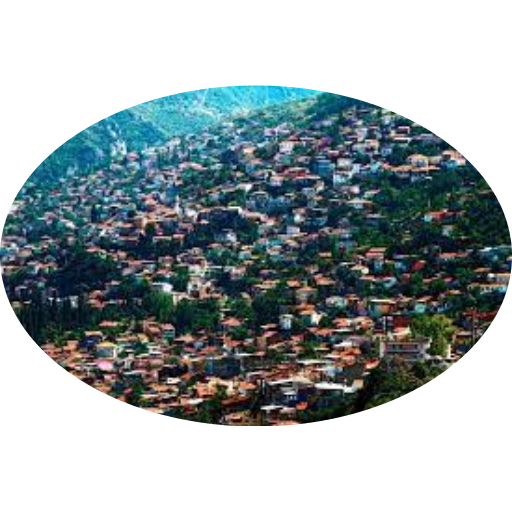
They also wanted to visit the Grand Mosque.
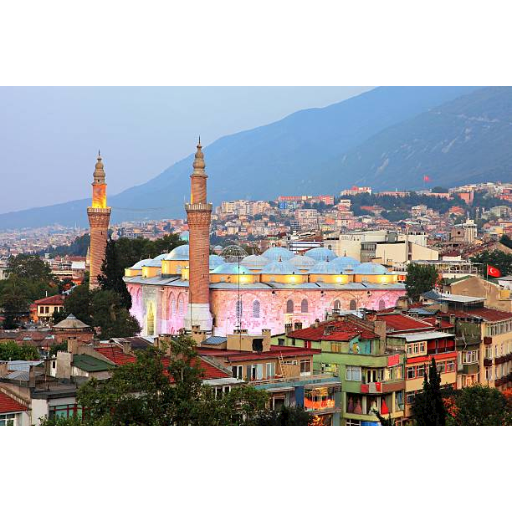
Melody and Note decided to stay in Bursa for a while. Let's see what they found.
They wanted to listen more of these folk songs.
Veysel showed them the ''Zeytinyağlı Yiyemem Aman''
Füsun BAYKALA
Here's The
Zeytinyağlı Yiyemem Aman
ZEYTİNYAĞLI YİYEMEM (AMAN)
BASMA DA FİSTAN GİYEMEM (AMAN)
SENİN GİBİ CAHİLE
BEN EFENDİM DİYEMEM (AMAN)
KALDIM DUMAN İÇİ DAĞLARDA
SEVGİLİ YARİM NERELERDE
KARA ÜZÜM ASMASI
YEŞİL OLUR YAZMASI
BEN YARİMDEN AYRILMAM
KARA YAZI YAZMASI
ASMADAN ÜZÜM ALDIM
KAPINI UZUN ALDIM
VERİN BENİM YARİMİ
ANNEMDEN İZİN ALDIM
AFTER THE SECOND WORLD WAR, AMERICA PREPARES AN AID PACKAGE. IT'S NAME IS THE MARSHALL PLAN. RECOMMENDED IN 1947, YEARS 1948-1951IT WILL ENTER INTO FORCE BETWEEN THEM. 16 COUNTRIES INCLUDING Türkiye IT WILL BENEFIT. USA HAS BEEN THE LARGEST PLACE IN THE WORLD SINCE EARLY YEARS IT IS A CORN PRODUCER. MELT THE CORN THAT HAS ACCUMULATED IN THE COUNTRY
Story
THE WAY IS TO SELL THIS TO OTHER COUNTRIES. AMERICA FROM THE MARSHALL PLAN TO MELT THE MOUNTAIN OF CORN IN HIS HAND PREREQUISITE FOR PURCHASING CORN OIL FOR COUNTRIES WHO WANT TO BENEFIT PUTS. IN RETURN, Türkiye ESTABLISHED THE FIRST MARGARINE FACTORY. THIS IS JUST WHY MANY OLIVE TREES ARE REMOVED. IN HAND
THE OIL OBTAINED FROM THE REMAINING OLIVES IS ALSO SOLD TO THE USA AND IT RETURNS TO US AS CORN OIL.
Well After the story. they wanted to see Uludağ.
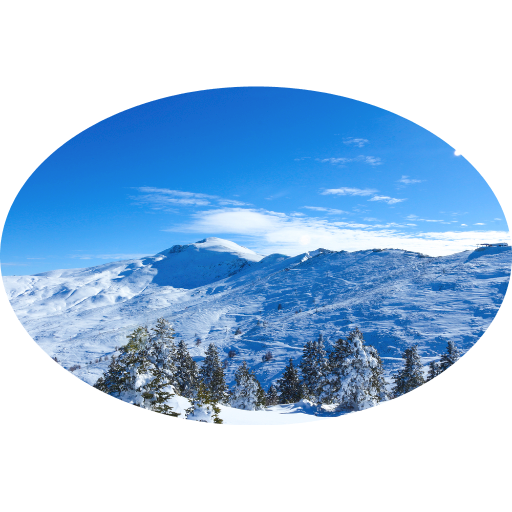
Melodi and Nota's paths reach Amasya. Since Melodi is very curious about Amasya's apples, they go to the apple orchard with Nota. While Melodi and Nota are eating the famous Amasya apples, they want to listen to the story of a famous folk song of this place.
Emre ÇAKIROĞLU - Necip Fazıl Kısakürek Anadolu Lisesi
Uncle Emre, the owner of the garden there, says that the most beautiful folk song of this place is "Değme Felek" and starts telling his story.

Değme Felek
Bugün benim efkarım var zarım var
Değme felek değme telime benim
Gül yüzlü cananı elden aldırdım
Ecel oku değdi gülüme benim
Değme felek değme telime benim
Lokman Hekim gelse sarmaz yarayı
Hilebaz dostunan açtık arayı
Ne köşkümü koydu ne de sarayı
Baykuşlar tünedi dalıma benim
Değme felek değme telime benim
Özlemi'yem başım dumanlı dağlar
Gözlerim yaşlı da içim kan ağlar
Güz ayları geldi bozuldu bağlar
Hazan yeli değdi gülüme benim
Değme felek değme telime benim
The story of the folk song "Değme Felek" is heartbreaking. Özlemi falls in love with a girl in high school, and the two of them promise under a tree in their village in Gümüşhane that they will never part. He entrusts the lace handkerchief on which he has embroidered the initials of the girl he loves, Özlemi, to his beloved. One day, Özlemi goes to Ankara to complete her higher education, saying that she will return to her loved one. He was arrested by the 1980 revolutionaries because of the poem he wrote, " Bitanem", aside from the fact that he had no ties to it, and because it was found hanging on a billboard of one of the left-wing associations. He remains in prison for two and a half years and his education life ends.
He returns to Gümüşhane to hold on to his life and chart a new path by marrying the girl he loves.However, the girl's family does not give their daughter away due to the prison stigma and they marry their daughter off to someone else.His longing; He consoles himself with his instrument, composes folk songs and starts his life over again.
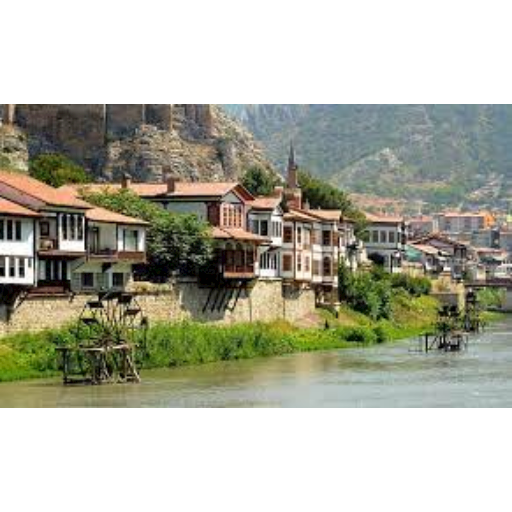
One day, he receives news that the girl he loves has died. He reacts with a dull expression. It must be because of her heartbreak… The girl's relatives insistently want Özlemi to attend the funeral. After a while, it becomes clear that the girl he loved made a will to her relatives before she died that she wanted to be buried under a tree when she died. This tree is the tree where Özlemi knows its location.
In those days when his heart was burning, he was asked to sing his first folk song. He couldn't sing the hundreds of folk songs he knew. At that moment, he plays his saz as he wishes and sings the folk song "Değme Felek" for the first time on that radio program. After finishing his folk song, he wipes his tears with the embroidered handkerchief he takes out of his pocket.
A true love story.
Ebru KELEŞ - Cumhuriyet Ortaokulu

Acem Kızı türküsünün birçok farklı hikayesi internette dolaşmaktadır. Bilinen en eski kaynakta ise türkünün hikayesi şöyledir;
Acem kızı güzeller güzeli, beyaz tenli, siyah saçlı ve toprak rengi gözlü bir kızdır. Sürmesi gözünden hiç eksik olmazdı. Etrafındakilere gülücükler saçar, herkes onu cıvıl cıvıl birisi olarak bilirdi. Ama gözündeki nem hiç kurumazdı ve hep o yüzündeki burukluk belli olurdu.

Ali ise acem kızı ile aynı çağda delikanlı ve çalışkan birisidir. Ali ovada çalışırken hep acem kızını görür ona bakmaktan işini bir türlü bitiremezdi. Bir yandan işini yapmaya çalışır, bir yandan da acem kızını izlerdi.
Acem kızı ise sadece anlık olarak Ali’ye bakar ve kafasını çevirirdi. Baktığı anda ise Ali’ye bir gülücük atardı. Bu Ali’nin kalbinin yerinden çıkması için yeterliydi.
Ali bir gün tüm cesaretini topladı artık onunla konuşmalıydı…Uygun zamanı bekledi ve onu yalnız kaldığı bir an yakaladı ve dur Acem kızı korkma dedi..Seni her gün izliyorum. Gel benim sevdiğim ol…Acem kızının gözlerinden bir damla yaş aktı ve koşarak uzaklaştı Ali’nin yanından…Ali anlam verememişti bu gözyaşlarına…
O günden sonra Acem kızı ne o ovaya uğradı nede ondan bir haber alındı. Ali endişeli bir şekilde günlerce ondan haber bekledi. Aylar sonra duydu ki Acem kızı başka bir köye gelin gitmişti başlık parası karşılığında, hemde yaşlı bir köy ağasına.
Ali günlerce onun için şiirler yazdı, dağlarda ovalarda bağıra bağıra okudu şiirlerini ve türkülerini:
The song Acem Kızı by Ruhi Su is a ballad that narrates the story of a young girl who is referred to as the "Acem Kızı," which means "the Persian girl" in Turkish. The girl is described as being beautiful and captivating, with hair like silk and eyebrows that are as thin as a line. The lyrics reveal that while the girl is adored by many young men, she will only give her heart to one.
The first verse depicts the girl's allure and suggests that she is frequently courted by men who seek her company. However, the girl's heart appears to belong to a particular young man, as hinted in the second verse. Despite her numerous admirers, the Acem Kızı is consumed by her love for this young man, and the mere sight of him causes her great pain. The lyrics suggest that the young man may not have the financial means to win her affection, as he is described as being poor.
The third verse focuses on the girl's physical features, describing the shape of her nose and the color of her lips. It also describes her preference for sweet things, asking whether she prefers sugar or syrup on her tongue. In essence, the song's lyrics portray the Acem Kızı as a complex and alluring figure, who is admired by many but is ultimately fated to love one man.
Çırpınıp da şan ovaya çıkınca
Eğlen şan ovada gal Acem kızı
Uğrun uğrun gaş altından bakınca,
Can telef ediyor gül Acem kızı…
Seni seven oğlan neylesin malı,
Yumdukça gözünden döker mercanı.
Burnu fındık ağzı gayfe fincanı,
Şeker mi şerbetmi bal Acem kızı
Avrupa kurban olsun kara kaşına
İngiliz,Fransız değmez döşüne
Amerika, Belçika düşmüş peşine
Bir de Alman kurban bil Acem kızı.
Melodi and Nota's paths next stop was Baku and they visited famous places in Baku.
Sema BABAYEVA
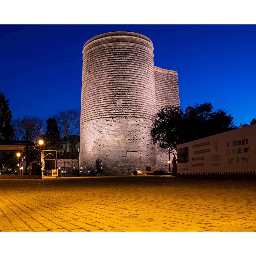
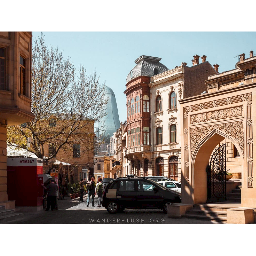
Melodi and Nota want to hear the most beautiful folk song of this place and they ask a person passing by about the folk song and story of this place.
Küçələrə su səpmişəm,
Yar gələndə toz olmasın.
Elə gəlsin, elə getsin,
Aramızda söz olmasın.
Simavara od salmışam,
İstəkana qənd salmışam.
Yarım gedib, tək qalmışam,
Nə əzizdir yarın canı,
Nə şirindir yarın canı.
Küçələrə su səpmişəm
Piyalələr irəfdədir
Hər biri bir tərəfdədir
Görməmişəm bir həftədir
Nə gozəldir yarın canı,
Nə Şirindir yarın canı.
Mahnının hekayəsi:
Manaf Süleymanov "Küçələrə su səpmişəm" xalq mahnısının
sovet dövründə "redaktə" olunduğunu yazır. Yazıçı bildirir ki,
o vahiməli günlərdə Bakını xilas etməyə gələn türk əsgərlərinin
qarşılayan insanlar bu mahnını sevgi ifadəsi olaraq qoşublar.
Küçələrə su səpmişəm,
Türk gələndə toz olmasın.
Elə gəlsin, elə getsin,
Aramızda söz olmasın.
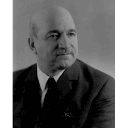
It is written that the folk song 'I've Watered the Streets' was 'edited' during the Soviet era.The writer, Manaf Süleymanov states that during those tragic days, the people who welcomed the Turkish soldiers coming to save Baku joined in singing this song as an expression of love.
I've sprinkled water on the streets,
So there's no dust when the Turks arrive.
Let them come and go like this,
So there's no word between us
History of Song
I've lit the fire under the samovar.
I've boiled water in the kettle.
I've been left alone for half the night.
Neither dear is my beloved,
Nor sweet is my beloved.
The cups are on the table,
Each one is on one side.
I haven't seen for a week
Neither beautiful is my beloved,
Nor sweet is my beloved
Melodi and Nota's paths last but not least stop was Azerbaijan and they visited famous places in Karabagh.
Ruhiyyə Əliyeva
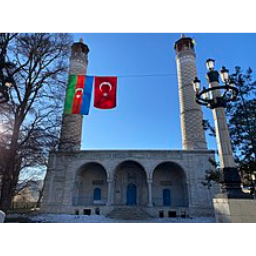
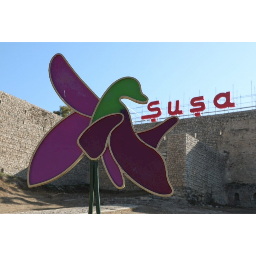
Şuşanın dağları başı dumanlı,
Şuşanın dağları başı dumanlı,
Qırmızı koftalı yaşıl tumanlı,
Dərdindən ölməyə çoxdu gümanım
Ay qız, bu nə qaş göz, bu nə tel,
Ölərəm dərdindən, onu bil,
Danışmasan da balam, barı gül.
Şuşanın dağları
Şuşada axşamlar yanar ulduzlar,
Onlardan gözəldi gəlinlər, qızlar,
Oturub yol üstə yarını gözlər.
Ay qız, bu nə qaş göz, bu nə tel,
Ölərəm dərdindən, onu bil,
Danışmasan da balam, barı gül.
Şuşanın hər yandan gəlir sorağı,
Tərifə layiqdir İsa bulağı,
Dağları, bağları, qızlar oylağı.
Ay qız, bu nə qaş göz, bu nə tel,
Ölərəm dərdindən, onu bil,
Danışmasan da balam, barı gül.
The mountains of Shusha, their tops are misty,
The mountains of Shusha, their tops are misty,
Clad in red cloaks, covered in green fog,
I suspect there's much to die for in her troubles.
Oh girl, what captivating eyebrows, what lovely eyes,
I would die for your sorrow, know that,
Even if you don't speak, my darling, just smile.
The Mountains of Shusha
In Shusha, in the evenings, the stars burn bright,
Among them, the brides and girls are more beautiful,
Sitting by the roadside, they await their beloved.
Oh girl, what captivating eyebrows, what lovely eyes,
I would die for your sorrow, know that,
Even if you don't speak, my darling, just smile.
Shusha echoes from all sides,
Worthy of praise is the spring of Isa,
Mountains, vineyards, the pasture of girls.
Oh girl, what captivating eyebrows, what lovely eyes,
I would die for your sorrow, know that,
Even if you don't speak, my darling, just smile.
Müəllif Xan Şuşinskinin sözlərinə əsasən, mahnıda Şuşa şəhərinin təbiəti gözəl qızla müqayisə edilir. Şuşa dağlarının başı dumanla örtüldüyü kimi, qadın da yaylıqla örtülüb. Dağların orta hissəsi lalə çiçəkləri ilə bol olması qızın qırmızı köynəkli olmasına işarə edir, dağın alt hissəsi isə onun yaşıl ətəyi ilə müqayisə edilməsidir. Müəllifin dediyi kimi, əgər bu sözlər dəyişdirilərsə, mahnının mənası da itər.
Xalq mahnısının hekayəsi
Bəzi mənbələrdə Şuşa dağlarının başı dumanla örtüldüyünü göy rəng,"qırmızı qoftalı yaşıl tumanlı" bəndində isə müvafiq olaraq qırmızı və yaşıl rəngi dinləyicilərə bildirmək istəmişdir, yəni "Azərbaycan Xalq Cümruhiyyətinin bayrağını gizli mesajla dinləyicilərə göndərmişdir". Onun gizli mesajına səbəb, o zaman Azərbaycanın Sovet Sosialist Respublikaları İttifaqının tərkibində olmasıdır.
Based on the lyrics by Khan Shushinski, the song compares the natural beauty of the city of Shusha to that of a beautiful woman. Just as the tops of the Shusha mountains are covered in mist, the woman is also covered in a veil. The middle part of the mountains being abundant with tulip flowers signifies the woman's wearing of a red cloak, while the lower part of the mountain is compared to her green attire.
History of "Şuşanın dağları"
According to the author, if these words are altered, the meaning of the song is lost. In some sources, the phrase "the tops of the Shusha mountains are covered in mist" is interpreted as a way to subtly convey the colors red and green to the listeners, meaning that the author has sent a hidden message to the audience, symbolizing the flag of the Azerbaijan Soviet Socialist Republic, as at that time Azerbaijan was part of the Soviet Union.
- < BEGINNING
- END >
-
DOWNLOAD
-
LIKE(1)
-
COMMENT()
-
SHARE
-
BUY THIS BOOK
(from $14.79+) -
BUY THIS BOOK
(from $14.79+) - DOWNLOAD
- LIKE (1)
- COMMENT ()
- SHARE
- Report
-
BUY
-
LIKE(1)
-
COMMENT()
-
SHARE
- Excessive Violence
- Harassment
- Offensive Pictures
- Spelling & Grammar Errors
- Unfinished
- Other Problem





COMMENTS
Click 'X' to report any negative comments. Thanks!