“Every one of us is, in the cosmic perspective, precious. If a human disagrees with you, let him live. In a hundred billion galaxies, you will not find another.”
- Carl Sagan

A... is for ANATOMY:
the branch of science concerned with the bodily structure of humans, animals, and other living organisms.
Despite appearing differently on the outside, we are all internally the same.
Today we will explore the crucial aspects of human anatomy, alphabetically, with the help of our hard-working friends who live in the body!
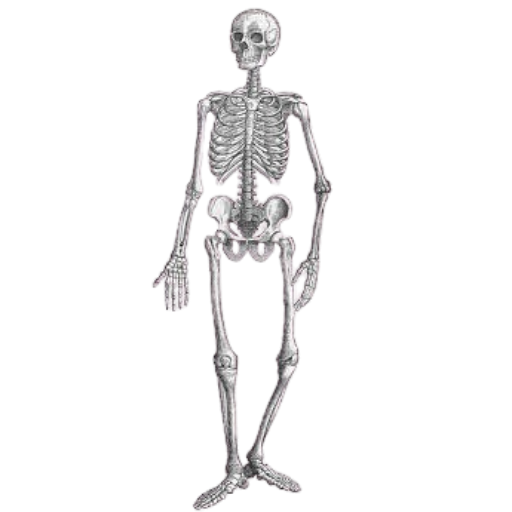
"Hello, I am Harold, the generic skeleton. "
"Join us on a tour of the human body!"
B... is for BONES
We have 206 bones in our bodies, each telling a unique story about our lives!
These include the bones of the skull, spine, ribs, arms, and legs.
Bones are made up of connective tissues, calcium, and special bone cells, which connect to muscles and joints to hold our body together and allow free movement.
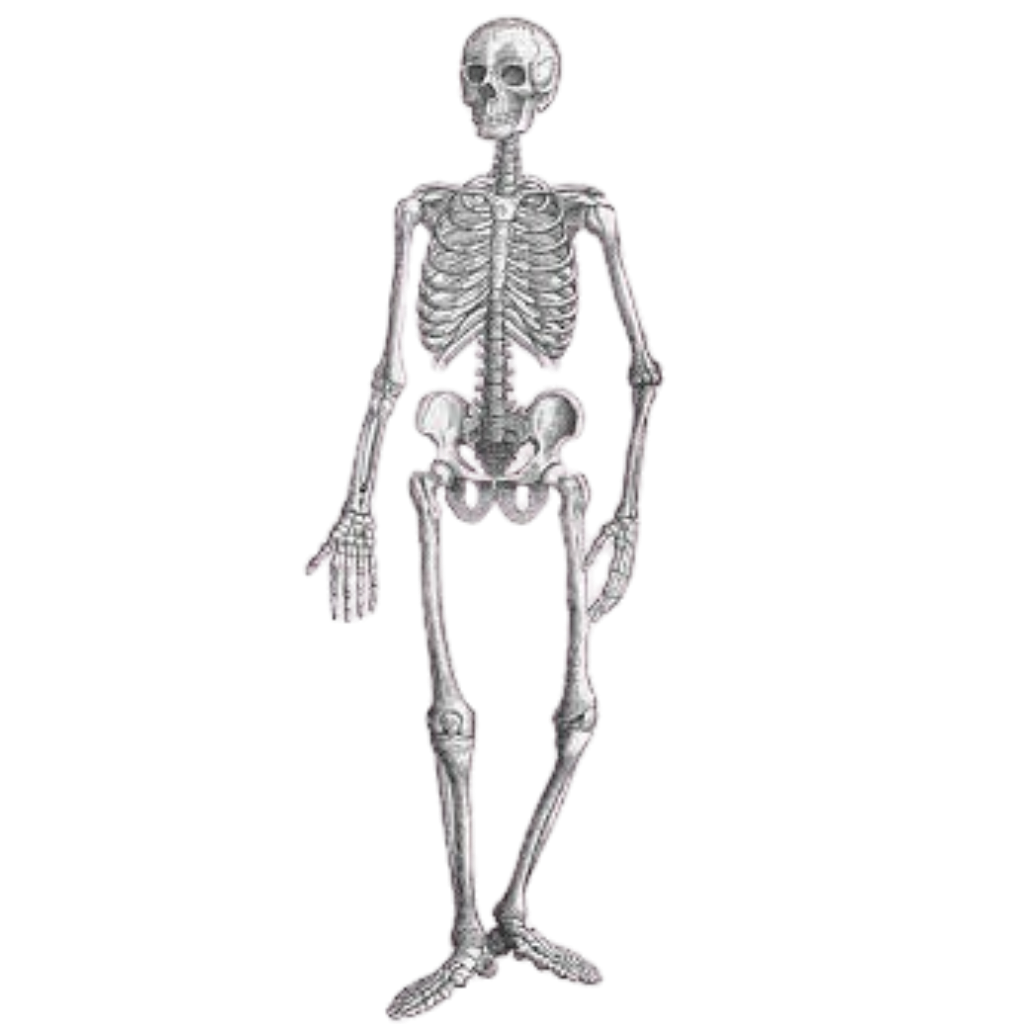
"Here is a fun fact! Babies are born with 300 bones, some in the form of cartilage called epiphyseal plates, that do not begin to fuse until they are around two or three years old. Then, during adolescence, the cartilage finishes hardening which results in 206 bones."
C... is for CRANIUM
Your cranium is located on the top of your skull and acts like a shield to protect your brain from injury. It is composed of eight different bones, known as your frontal, parietal, temporal, occipital, sphenoid, and ethmoid.
Your cranium connects to your maxilla and mandible to create a complete skull!
Frontal Bone ->
Ethmoid Bone
--->
(inside sinuses)
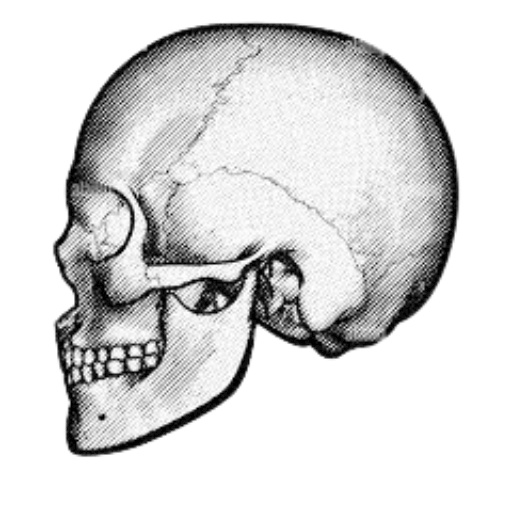
^ Sphenoid Bone
^ Temporal Bone
Parietal Bone
< --
< --
Occipital Bone
D... is for DEOXYRIBONUCLEIC ACID
Deoxyribonucleic Acid, also known as DNA, is the genetic makeup that makes everyone unique. It is made up of two linked strands in the shape of a double helix.
"I'm Friedrich, a strand of DNA. One of the millions found in the human body."
"Did you know that if you were to collect the DNA contained in a single cell and stretch it out, it would be over two meters long?"
E... is for EYE
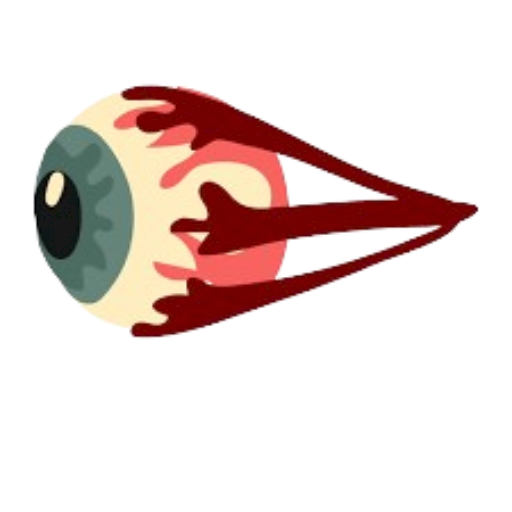
The eyes are the organs of the visual system. They provide us with the ability to receive and process visual details.
Six extraocular muscles control eye movements.
The front visible part of the eye is made up of the off-white sclera, a colored iris, and the pupil.
F... is for FINGERS AND FEET
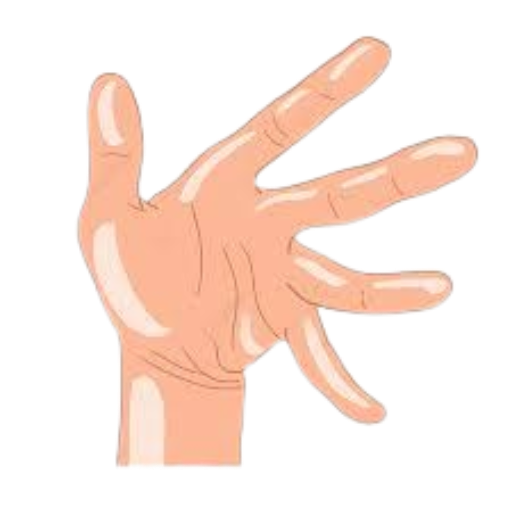
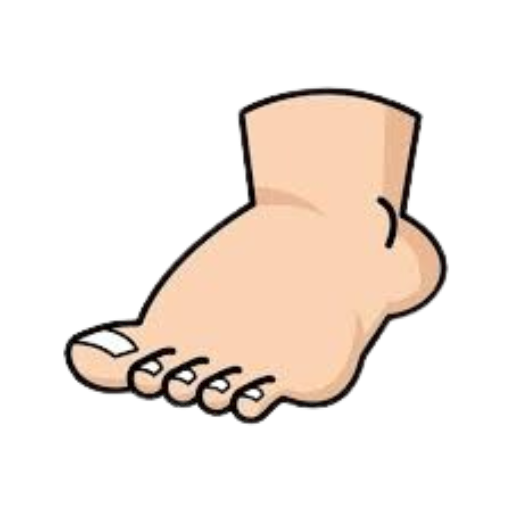
Our fingers and feet are made up of 56 phalanges sectioned into three groups: distal, intermediate, and proximal.
We have three on each finger and toe and two on each thumb and big toe. Sometimes the phalanges on the fourth and fifth toes are fused, called symphalangism.
G... is for GINGIVA
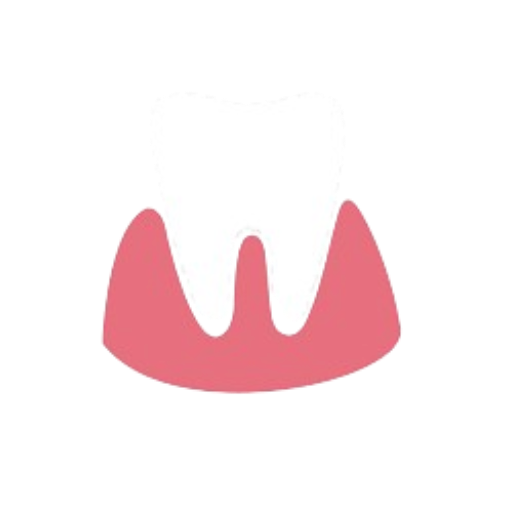
The gingiva, also known as the gums, are specialized epithelial tissue essential to the dental and digestive systems.
They provide a barrier that protects our tooth roots from bacteria found in our mouth and bloodstream.
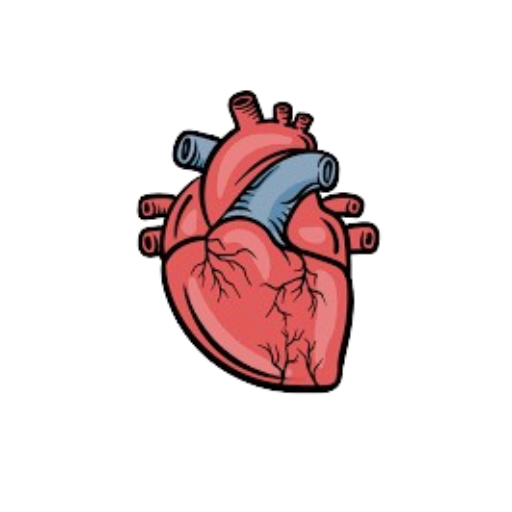
H... is for HEART
The heart is the primary organ in the circulatory system. It contains four main chambers powered by electrical impulses.
The heart circulates eight liters of blood throughout your body, every day, non-stop.
Your heart will beat about 115,000 times each day and can even continue beating when disconnected from the body.
I... is for INTESTINES
The intestines, or bowels, are significant parts of the gastrointestinal tract. The long muscular tubes are responsible for breaking food down, absorbing its nutrients, and solidifying the waste. The intestines are broken down into two sections. The small intestine is 22 to 25 feet long and around an inch in diameter while the large intestine is 5 to 6 feet long and three inches in diameter.
"Hey folks, I am William the bowel."
"Did you know that the digestive system has its own nervous system, called the enteric nervous system? It contains around 600 million neurons that release neurotransmitters to facilitate the motor, sensory, absorptive, and secretory functions of the gastrointestinal tract."
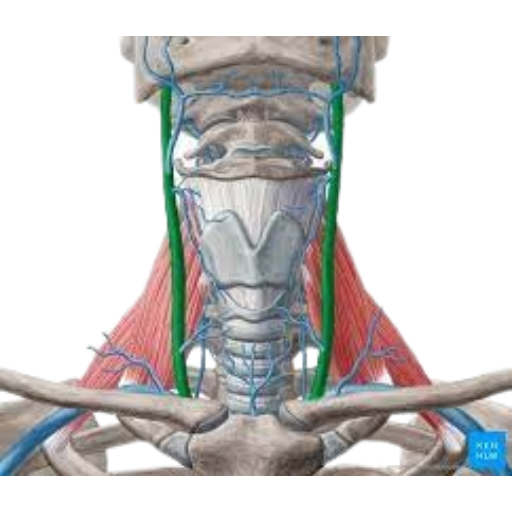
J... is for JUGULAR VEINS
The three pairs of jugular veins are a key function of your circulatory system. The interior, exterior, and anterior veins are responsible for delivering oxygenated blood from your heart to your brain to keep your body functioning. The average diameter of the jugular vein is 10 mm but can range between 5 and 35 mm.
K... is for KIDNEYS
The kidneys are two bean-shaped organs that sit dorsally to your colon. These are vital to your urinary system as they filter your blood and remove toxic waste to keep your body healthy.
Out of the 200 quarts of filtered liquid, your kidneys reuse, on average, 198 quarts and dispose of the rest through your urine.

L... is for LUNGS
The lungs are a pair of pink, spongy, organs vital to the respiratory system.
Located in your chest, protected by your ribcage, the lungs are responsible for accepting oxygen into the bloodstream and expelling carbon dioxide.
The lungs also protect us from harmful substances by coughing, sneezing, and filtering them during the respiratory process.
"Welcome to the respiratory hub, I am Marcello."
"I am Malpighi, we are happy to have you here!"
"Did you know that a person typically breathes an average of 13 pints of air every minute?"
"Did you also know that the average adult has 300 million to 500 million alveoli? This is where the gas exchange takes place."
M... is for MUSCULAR SYSTEM
The 600 muscles in the human body are responsible for pumping blood, maintaining posture, and supporting our everyday movement.
There are three main types of muscles, skeletal, smooth, and cardiac. Muscles such as skeletal muscles involve voluntary movement, while cardiac muscles, function involuntarily. Although having different functions, these specialized tissues share similar compositions which are made up of thousands of elastic fibers wrapped in a perimysium.
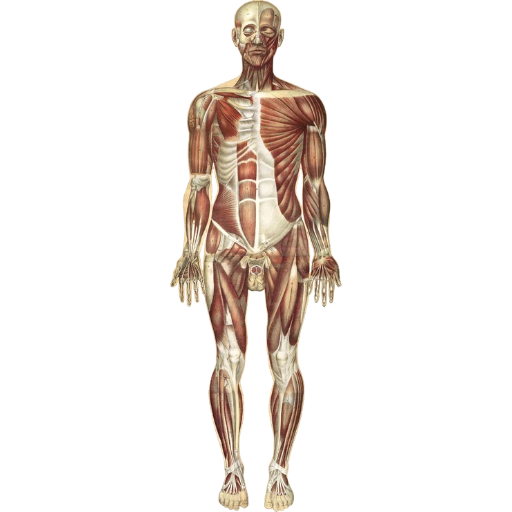
"Without muscles, I wouldn't be able to move, nor would any organs receive blood and oxygen!"
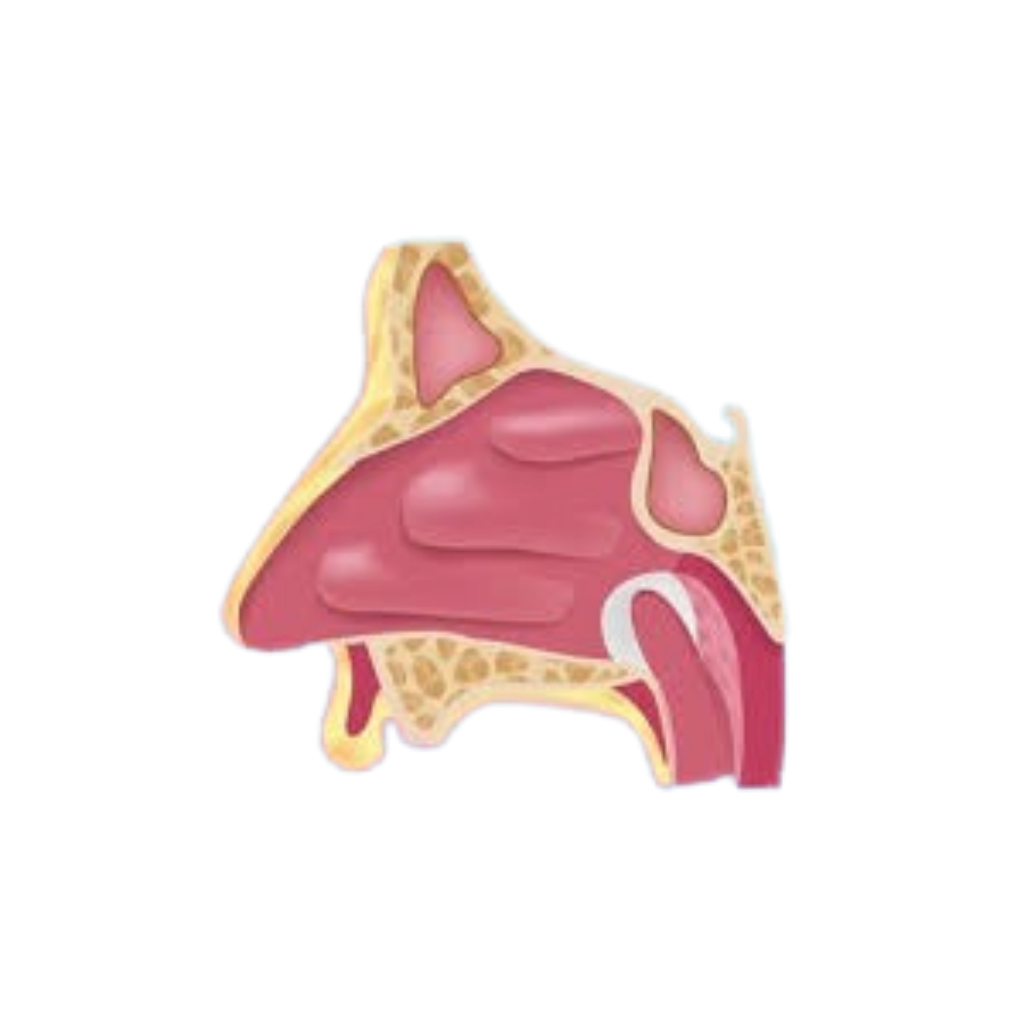
N... is for NASAL CAVITY
The nasal cavity acts as a bodyguard for the pulmonary and respiratory system through its process called the mucociliary system.
When we breathe in, the air travels through the nose and is filtered by nasal cilia and mucosa before entering the pharynx and windpipe to travel to our lungs.
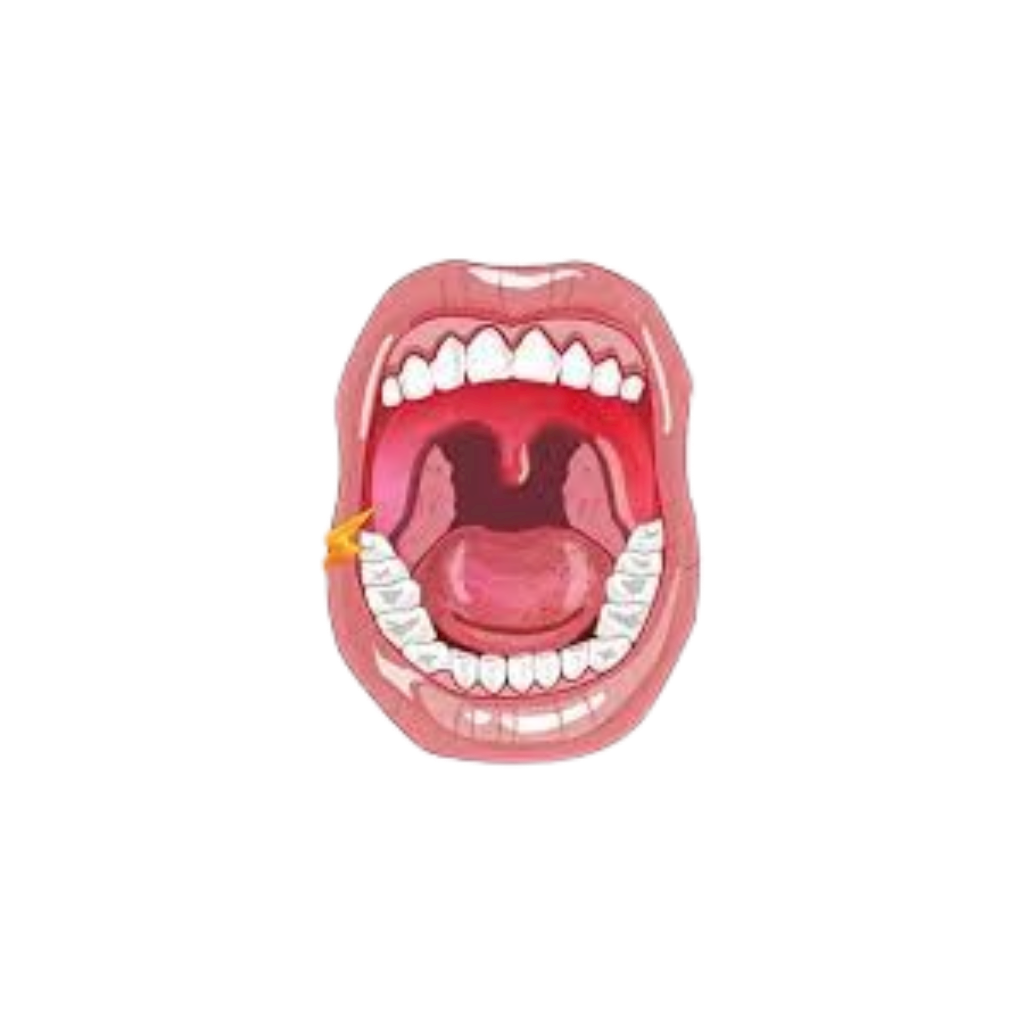
O... is for ORAL CAVITY
The lips, tongue, palate, and teeth are all parts of the oral cavity. This cavity carries out three main functions, digestion, communication, and breathing.
Aside from the main oral cavity, our mouths contain a soft and hard palate, a vestibule, and the tongue.
The vestibule is the space between the teeth and lips. Its opening allows the parotid gland to secrete saliva to lubricate the cavity and assists in food breakdown.
The palate separates the oral cavity from the nasal cavity.
P... is for PELVIC CAVITY
The pelvic cavity is located between the hip bones, in the lower abdomen, and consists of the sacrum, the coccyx, the ischium, the ilium, and the pubis. Its main function is to hold up the upper body and hips and support the intestines, the urinary bladder, and the internal sex organs. There are 36 muscles in the pelvic cavity designed to provide stability rather than movement.
Although not always consistent, the male pelvis’ sacrum is generally longer and more curved with a narrower sub-pubic arch, while a wider pelvic aperture is needed in females, as it functions as the birth canal during labor.
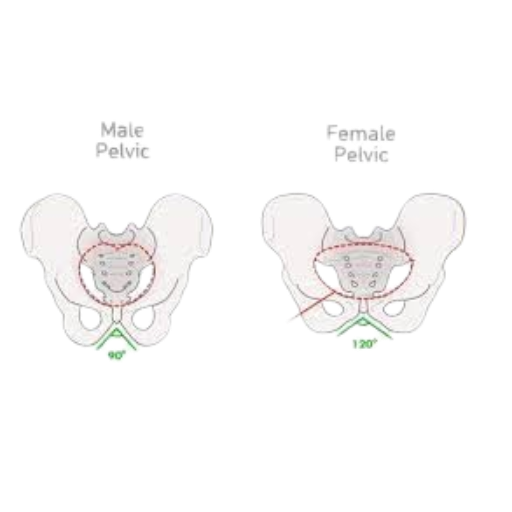
Male Pelvis
Female Pelvis
Q... is for QUADRANGULAR CARTILAGE
Quadrangular cartilage is responsible for the major structural support of the middle of the nose and completes the separation between the nasal cavities in front. This is also known as your septum.
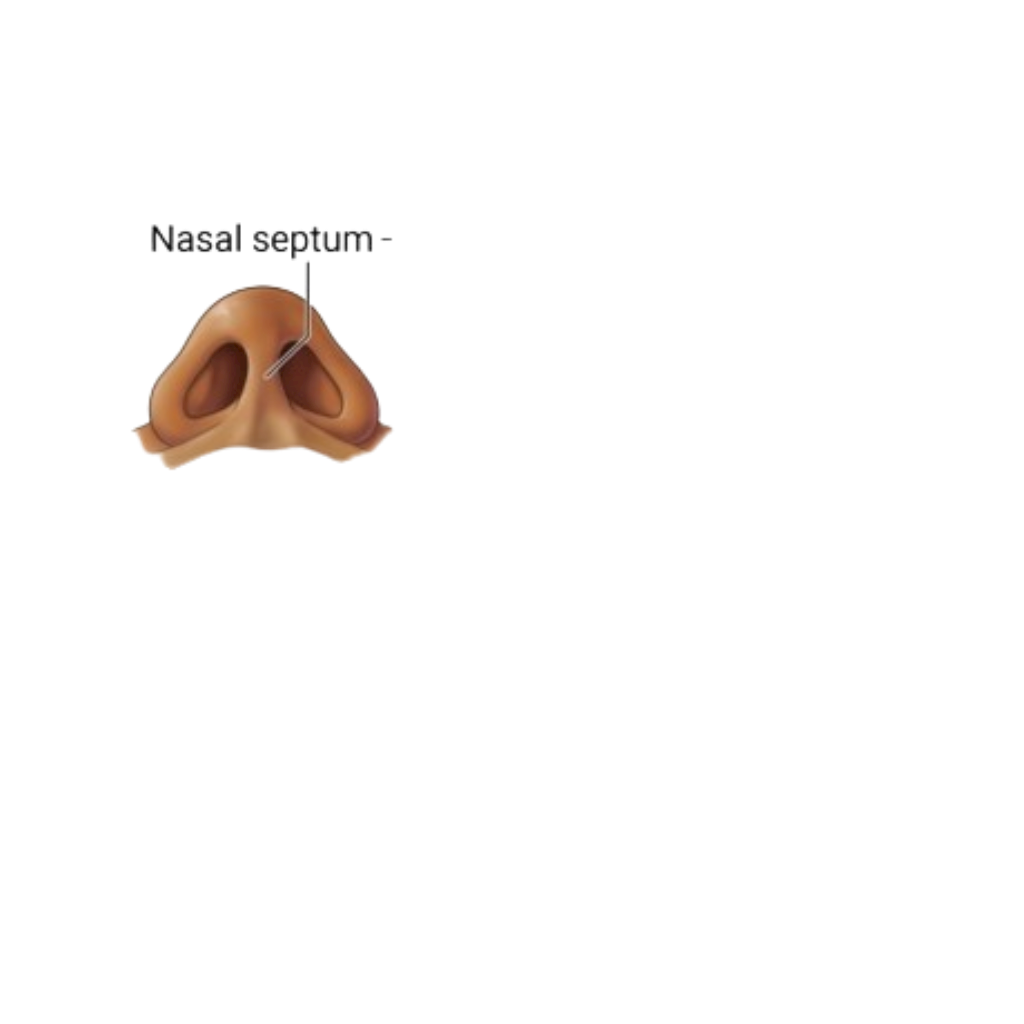
Nasal Septum
- Full access to our public library
- Save favorite books
- Interact with authors
- < BEGINNING
- END >
-
DOWNLOAD
-
LIKE(1)
-
COMMENT()
-
SHARE
-
SAVE
-
BUY THIS BOOK
(from $10.79+) -
BUY THIS BOOK
(from $10.79+) - DOWNLOAD
- LIKE (1)
- COMMENT ()
- SHARE
- SAVE
- Report
-
BUY
-
LIKE(1)
-
COMMENT()
-
SHARE
- Excessive Violence
- Harassment
- Offensive Pictures
- Spelling & Grammar Errors
- Unfinished
- Other Problem






COMMENTS
Click 'X' to report any negative comments. Thanks!