


"Come on, Arabella. It's time to go on our field trip. We are going to the electric cooperative to learn about how electricity gets to our homes and communities." said Emma Charlotte.
"What is electricity anyways?" asked Arabella.
"Electricity is what powers our lights, tablets, TVs, stoves, and many other things. We get to learn about it at our electric co-op today. We have been planning this trip for months and I am so excited." Emma explained.






We soon arrived at our local electric co-op and was greeted by Ms. Erin. Ms. Erin is over marketing and relationships at the co-op. She planned a full presentation along with a tour of the facility.
"Nice to meet you, Ms. Erin!" said Emma Charlotte and Arabella.
"Nice to meet you as well." said Ms. Erin. "We have a fun day planned!"


Welcome Students


"Welcome students to your local electric co-op. I am so glad you are here today. I am Ms. Erin. We are going to have a lot of fun today. We are going to learn about electricity, how it is created, and how it travels to your house. I have a quick presentation planned, then a tour of the facility."







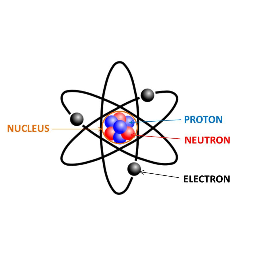
Everything is made up of tiny atoms. You cannot see them with your eyes but if you zoom in, they may look similar to this image. The atom is made up of even smaller parts called protons and neutrons and has electrons spinning around it. When there are more electrons than protons, the atom has a negative charge. When there are more protons than electrons, the atom has a positive charge.
Electricity is a type of energy that occurs when electrons move from one atom to another.
What is Electricity?
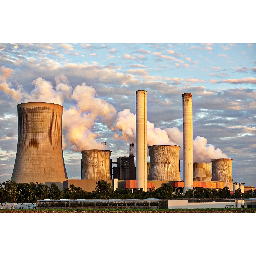
How is Electricity Generated
Power plants is where electricity is made. The most common sources of electricity in South Carolina are nuclear, natural gas, and coal. Power plants use energy from steam, water, or wind to turn turbines.
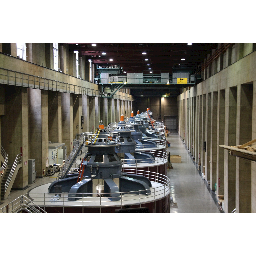
What happens inside the Power Plant
Power plants have these big machines called generators. When the turbines spin so does a giant magnet. The magnet spins past metal wires. The electrons in the wire will now move producing electricity. This photo shows generators in a power plant.
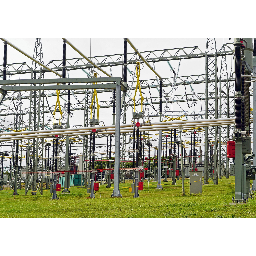
Then electricity flows from the power plant into transmission lines that goes to a transformer. Here the electricity voltage is increased so it can travel a long distance.
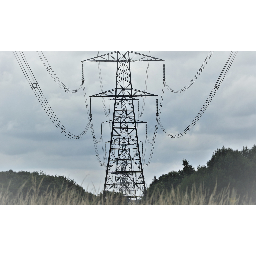
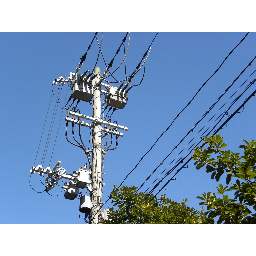
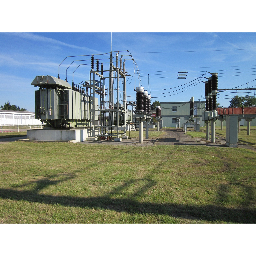
After traveling the long distances, the electricity then arrives at another transformer inside a substation, where the electricity is lowered to a safer voltage. Then the electricity travels through transmission lines to our homes or community buildings.
Power poles near our homes will reduce the voltage one more time before the electricity enters our homes or buildings. Then the electricity enters a meter that will measure how much electricity is used as it goes into our homes.
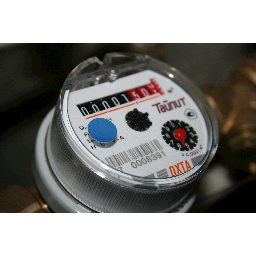
Electricity Meter
- Full access to our public library
- Save favorite books
- Interact with authors
- < BEGINNING
- END >
-
DOWNLOAD
-
LIKE
-
COMMENT()
-
SHARE
-
SAVE
-
BUY THIS BOOK
(from $4.39+) -
BUY THIS BOOK
(from $4.39+) - DOWNLOAD
- LIKE
- COMMENT ()
- SHARE
- SAVE
- Report
-
BUY
-
LIKE
-
COMMENT()
-
SHARE
- Excessive Violence
- Harassment
- Offensive Pictures
- Spelling & Grammar Errors
- Unfinished
- Other Problem





COMMENTS