Who is it addressed to?
This book was made with the purpose of transmitting knowledge about basic English topics through an interactive study system where you can find highly relevant information that will help you understand and learn more about topics that interest you and/or should learn. This material will serve as support for students who need to practice and for other people who feel that they must understand basic English topics for everyday life, work, social life, etc

1 Meeting and greeting people -------------4
1.2 Verb to be
1.3 Present simple
2 Asking for and Giving Personal Information ---14
3. Asking for Clarifications----------------15
4 Finding lost personal personal objects -16
4.1 Demostrative pronouns
5 Talking about jobs and activities --------20
Block 1
6 Family Gathering -------------------------22
6.1 Apostrophe s- meanings and uses
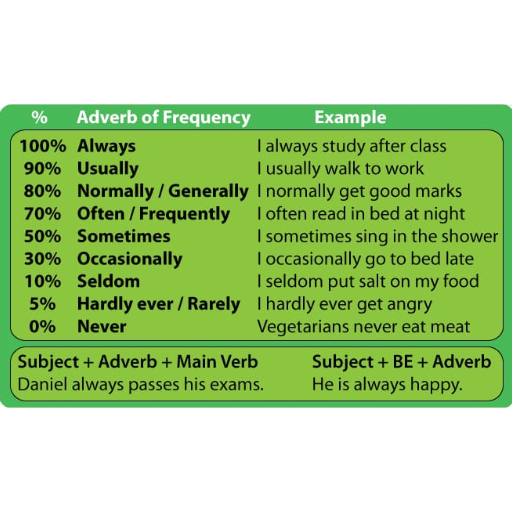
6.2 Frequency advebs
7 USING EXPRESSIONS ABOUT WEATHER ------29
8 Talking About Holiday ---------------------34
8.1 Continue Present
9 Accepting or declining an invitation ------41
9.1 Accepting an invitation
9.2 Declining and invitation
9.3 Preposition at Time
Block 2
1 MEETING AND GREETING PEOPLE
Vocabulary
Hello/Hi: Hola
Good morning: Buenoss dias
Good evening: Buenas tardes(4-7pm)
Good afternoon: Buenas tardes
Good night: Buenas noches
Good to see you: Que bueno verte
My name is..: My nombre es..
What is your name: Cual es tu nombre
Where are you from: De donde eres
Goodbye: Adios
You're welcome: De nada
How are you?: Como estas
Nice to meet you: Encantado de conocerte
Nice to see you: Encantado de verte
How have you been?: Como has estado?
Welcome: Bienbenido
Take care: Cuidate
Have a nice day: Ten un buen dia
See you soon: Te veo pronto
See you later: Te veo mas tarde
See you tomorow: Te veo mañana
Practice with Dialogues


Hello
Hi
What is your name?
My name is Luis
What is your name?
My name is Carlos
How are you Luis?
I'm fine, thank you
and you?
I'm fine.
Where are you from?
I'm from El Salvador
See you tomorrow
See you tomorow
For asking and giving personal information, people may ocasionally ask you for personal information like your name, address and birthdate.
For give personal information question are: "the basis for any conversation in English and so are important for when you meet somebody for the first time.
for example: what´s your name? My name is Jacklyn
what´s your surname? my surname is Castillo
1.2 The Verb To Be

The verb to be is used to say something about a person thing, or state to show a permanent or temporary quality state job or occupation and Nacionality.
We use this verb a lot in English differents forms, you to create simple sentences to comunicate.
example: I´m Jacklyn
Country: I am from El Salvador

Singular
I am
I am a student
You are
You are a teacher
He is
He is a doctor
She is
She is beautiful
it is
It is red
VERB CONJUGATION TO BE, PERSONAL PRONUNS
Plural
We are
We are singers
You are
You are my friends
They are
They are from England
Don't forget. We use -am-, -is- an -are- in sigular sentences and -are- in plural sentences, (-You are- can be used in both context)
DIALOGUE VERB TO BE
A. HELLO, I AM CAROLINA.
B. HI, I AM DAVID.
A. NICE TO MEET YOU DAVID.
B. NICE TO MEET YOU TOO! WHERE ARE YOU FROM?
A. I AM FROM COLOMBIA.
B. I AM FROM EL SALVADOR. WHAT DO YOU DO?
A. I AM A LAWYER.
B. OH! NICE. I AM A CHEF.


1.3-Simple Present
The simple present in English is the verb tense indicated when you want to express any of the following conditions: Make known actions or permanent states.
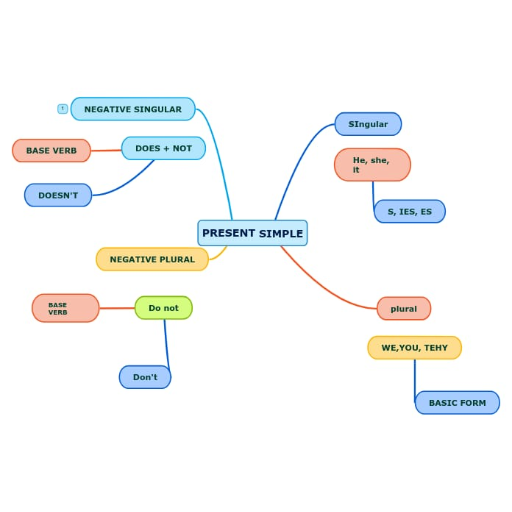
Positive
Subject+verb+complement
Negative
Subject+don't/doesn't+verb+complement
Questions
Do/does+subjct+verb+complement
-You/we/they play soccer
-He/she/it plays soccer
-You/We/They don't play soccer
-He/She/It doesn't play soccer
-Do you/we/they play soccer?
-Yes, they do. No, they don't.
-Does he/she/It play soccer?
-Yes, he does. No, he doesn't.
When a sentence is present simple, affirmative and in the third person we add s to the verb.
Most verb we add -s
The verb ending in a consonat+y change -y to -i and add -es.
Verbs ending vowel+y add -s
Verbs ending in -ch -sh -ss -s -x add -es
Verbs ending in -o add -es
cook -cooks
help -helps. Example. -She cooks-
Try -tries
dry -dries. Example. -He tries to do it-
play -plays. Example -She always plays
finish -finishes Ex.
watch -watches. -The child watches tv-
go -goes
do -does. Example. -He goes home-
Practice in Everyday Life
Hi, my name is Luis, I live in Santa Rosa de Lima and today I am going to talk to you about my friends.
I have 3 friends Carlos, Daniel and Mark, they are very funny, Daniel not shut up when he whatches tv, he does not work but he does study. The other two do not study but they do work.

2 Asking for and Giving Personal Information
Personal Information
Name: Jacklyn
surname: Castillo
Job: xx
Occupation: student
Nacionality: Salvadoreña
Asking for and giving personal
where are you from? I am from El Salvador
birthday: April 14, 1990
Address: La Unión, El Salvador
phone number: 78 88 11 00

3 Asking for Clarification
How to ask for clarification.
What do you mean by..?
Do you mean..?
Could you say that again, please?
Could you repeat please?
Could you clarify that, please?
Could you be more explicit?
I wonder if you could say that in a different way
Could you explain what you mean by...?
Could you be more specific, please?

4 Finding Lost Personal Object
hen it comes to personal objects, automatically, we go back in time and think of that or those items that were meaningful, and maybe are still important to us.
everyday objects:
SUNGLASSES
PURSE
WATCH
CELLPHONE
WALLET
KEY
RUCKSACK
4.1 Demostrative Pronouns
It is a type of special deictic expression, like this or that and here or there in Spanish. It refers to a type of word that lacks a fixed referent, since it is determined according to the relationship established with other people.
This: Este/a
That: Ese/a o Aquello/a
These: Estos/as
Those: Esos/as

Example
I like this table



That book is green
We use this when we want to mention someone or a thing that is close to the person who mentions it.
We use that when we refer to someone or something that is far from us and is singular.


These books are interesting
I love those cats
We use these whe we talk about two or more peopleor things that are close, in plural.
We use those when we refer to two or more things or people that are far away, in plural.
5 Talking About Jobs and Activities
KEY DIFFERENC
JOB: A job is a specific task or activity that someone does or performs in order to earn money.
A No education needed.
PROFESSION: A profession is a kind of job which normally requires some sort of specialized knowledge, skills, and expertise.
Education needed.
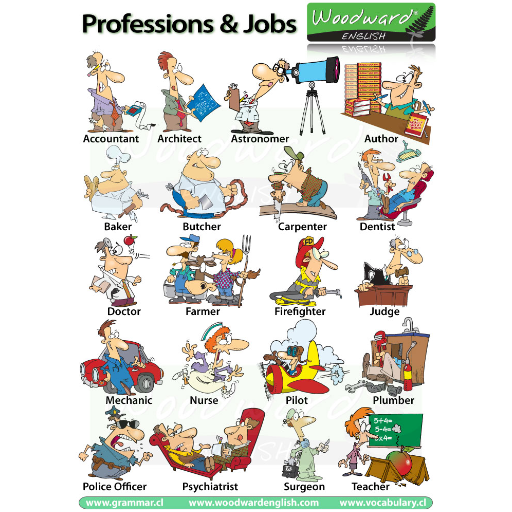
VOCABULARY
Accountant - a person that works with the money and accounts of a company.
Actor /Actress - a person that acts in a play or a movie
Architect - a person that designs building and houses.
Astronomer - a person who studies the stars and the universe
Author - They write books or novels.
Baker - They make bread and cakes and normally work in a bakery.
6 Family Gathering
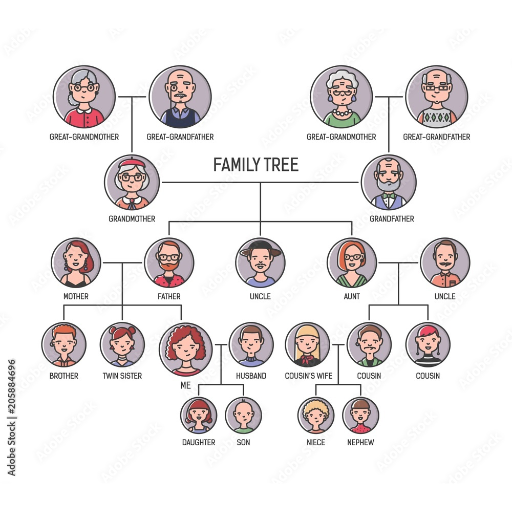
Male
Female
Either sex
-Father ------------------
-Grandfather ---------
-Son ---------------------
-Brother ---------------
-Uncle ------------------
-Great-grandfather
-Grandson-------------
-Nephew--------------
-Adopted son--------
-Godson----------------
-Mother-------------------
-Grandmother ---------
-Daugther ---------------
-Sister---------------------
-Aunt ----------------------
-Great-grandmother-
-Granddaugther ------
-Niece---------------------
-Adopted daugther---
-Goddaugther----------
-Parents
-Grandparents
-Child/Children
-Sibling
-Relatives
-Great-grandparents
-Grandchild
-Cousin
-Adopted child
-Godchild

6.1 Apostrophe s-meaning and uses
What is the apostrophe s?
Singular Nouns
The apostrophe S is normally used to show possession, that there is a relationship between two things or that somthing belongs to another.
-John's car (=The car of John. The car belong to John)
Add-'S
-We went to Ange's house last night.
-Have you seen the dog's bone?
Plural Nouns Ending in -S
Plural Nouns not Ending in -S
Singular Nouns Ending in -S
Only add the apostrophe -'
-I went to my friends' party. (=The party of your friends)
-My cousins' house is always a mess. (= Your cousins)
Add -'S
-The children's toy are all over the room.
-The men's toilet was disgusting.
Add -'s
-The atress's role was very difficult.
-Mr Lewis's dog always comes onto our propery.
As a Part of a Phrase
No Noun
Add -'S or only the -' depending on the rules above.
-The president of Chile's speech was too long.
-I had to give two weeks' notice I was leaving.
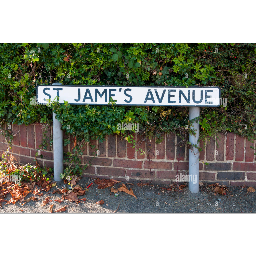
Sometimes the nouns after -'S is not necessary when the meaning is clear.
-My car is older than John's. (= John's car).

Practice in Everyday Life
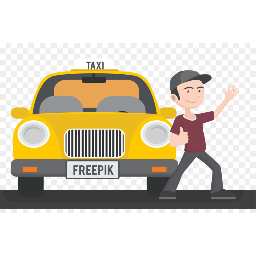
Today I want to go shopping at the supermarket but my dad's car is not there, I am going to ask my friend's dad if he can take me becouse he works at the Uber.
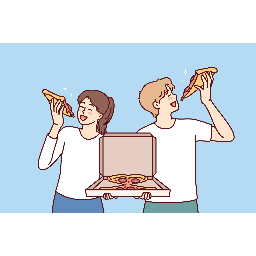
When I arrived I went to eat at a restaurant called Domino's Pizza where I met my mother's friend, who took me home.
6.2 Frequency Adverbs

7 USING EXPRESSIONS ABOUT WEATHER
1.1 common questions and answers



Questions
1.1 common questions and answer
what´s it like out(side)? It´s sunny/ windy
How´s the weather? rainy/outside
How´s the weather? It´s cool/sunny/
It´s raining/snowing
what´s the temperature? It´s really hot/cold
7 USING EXPRESSIONS ABOUT WEATHER


Example:
Hello Carlos, How´s the weather in San Miguel?
Hi Anna, the weather it´s very hot!
Another example
Good morning Alex, what´s it like outside?
Good morning Camila, It´s windy outside.


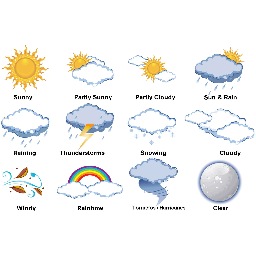
VOCABULARY
Weather: clima outside: afuera
forecast: pronostico Windy: ventoso
snowing: nevando
sunny: soleado
cool: frío
hot: caliente
raining: lloviendo
How´s the weather? como esta el clima?
what´s the temperature? como esta la temperatura?
Cloudy: nublado
rainy: lluvioso
storm: tormenta

- Full access to our public library
- Save favorite books
- Interact with authors
- < BEGINNING
- END >
-
DOWNLOAD
-
LIKE(1)
-
COMMENT()
-
SHARE
-
SAVE
-
BUY THIS BOOK
(from $9.79+) -
BUY THIS BOOK
(from $9.79+) - DOWNLOAD
- LIKE (1)
- COMMENT ()
- SHARE
- SAVE
- Report
-
BUY
-
LIKE(1)
-
COMMENT()
-
SHARE
- Excessive Violence
- Harassment
- Offensive Pictures
- Spelling & Grammar Errors
- Unfinished
- Other Problem





COMMENTS
Click 'X' to report any negative comments. Thanks!