


ITALY

Music is a universal language, if we sing we understand each other.
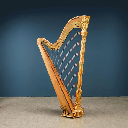
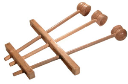
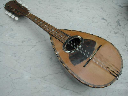
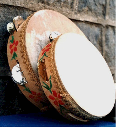
The history of one of the musical phenomena of Italy of yesterday and today.
https://www.youtube.com/watch?v=Vxz2_03xUG0
4E IC GIANNI RODARI
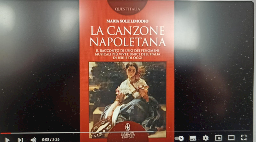
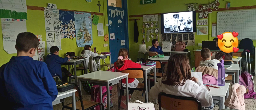
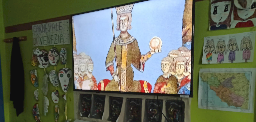
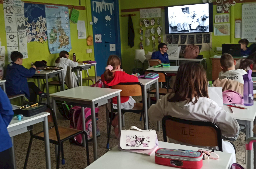
The Neapolitan popular song...
The Neapolitan song is the set of popular music and songs originating from Naples. The repertoire that goes from the beginning of the 19th century to the immediate post-World War II period in Italy constitutes the classic Neapolitan song. The interpretation, constant and reiterated over time, of the classical repertoire by numerous international artists has contributed strongly to the dissemination of Neapolitan musical culture in the world. Among the protagonists of the genre are, in addition to Enrico Caruso, who was among the first in the 20th century to bring it to the attention of international stages, the songwriters Sergio Bruni, Roberto Murolo, Renato Carosone and Pino Daniele, and the performers Domenico Modugno, Massimo Ranieri, Mario Trevi, Teresa De Sio, Fred Bongusto, Mario Merola, Andrea Bocelli, Claudio Villa, Al Bano, Lucio Dalla, Renato Zero,
Nino Taranto, Mina, Frank Sinatra, Luciano Pavarotti, Renzo Arbore, Nino D'Angelo, Gigi D'Alessio.
The classic instruments of Neapolitan song are:
- Mandolin;
- Guitar;
- Colasciane, a sort of forerunner of the modern bass;
- Triccheballacche, a percussion instrument made of wood and aluminum plates.
To these are added the tammorra (frame drum) and the tambourine, the caccavella or putipù, the castagnelle (castanets) and other instruments such as the piano.
The best-known Neapolitan classical songs between (1839-1970) are:
- 'O MY SUN, 'O SURDATED NNAMMURAT, REGINELLA FUNICULI FUNICULA', RED MOON, COME BACK TO SORRENTO, BLACK TAMMURIATA, 'O SARRACINO
The Neapolitan popular song...
4E IC GIANNI RODARI
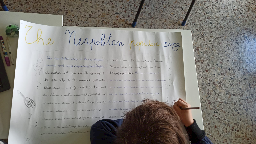
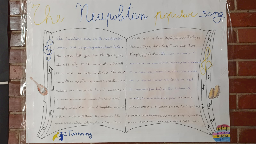
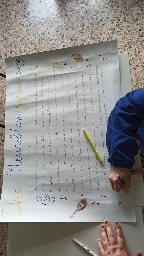
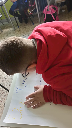
' O SOLE MIO
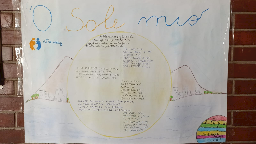
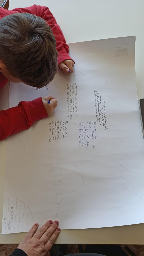
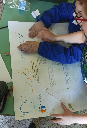
'O MY SUN
'O sole mio is one of the most famous Italian songs in the world. Many artists over the years have interpreted this success, such as Elvis Presley (It's now or never), Luciano Pavarotti and many others. The language used to sing it is not Italian but the Neapolitan dialect. Italy is full of different dialects, still spoken today. Even the Italian we speak today was born from a dialect that comes from Florence, the Florentine of the great literature of the fourteenth century, that of the works of Dante, Petrarch and Boccaccio.
'O sole mio is a song born a long time ago, precisely in 1898. According to legend the song was born in Odessa, in today's Ukraine, where the Neapolitan composer Eduardo Di Capua found inspiration while watching the sun rise on the Black Sea: a wonderful dawn full of poetry.
'O SOLE MIO
PARTE 1):
Che bella cosa na jurnata 'e sole,
n'aria serena doppo na tempesta!
Pe' ll'aria fresca pare gia' na festa...
Che bella cosa na jurnata 'e sole.
RITORNELLO:
Ma n'atu sole
cchiu' bello, oi ne'.
'o sole mio
sta 'nfronte a te!
o sole, o sole mio
sta 'nfronte a te!
sta 'nfronte a te!
PARTE 2):
Lcene 'e llastre d'a fenesta toia;
'na lavannara canta e se ne vanta
e pe' tramente torce, spanne e canta
lcene 'e llastre d'a fenesta toia.
RITORNELLO:
Ma n'atu sole
cchiu' bello, oi ne'.
'o sole mio
sta 'nfronte a te!
o sole, o sole mio
sta 'nfronte a te!
sta 'nfronte a te!
PARTE 3):
Quanno fa notte e 'o sole se ne scenne,
me vene quase 'na malincunia;
sotto 'a fenesta toia restarria
quanno fa notte e 'o sole se ne scenne.
RITORNELLO:
Ma n'atu sole
cchiu' bello, oi ne'.
'o sole mio
sta 'nfronte a te!
o sole, o sole mio
sta 'nfronte a te!
sta 'nfronte a te!
'O SOLE MIO
LINK: https://drive.google.com/file/d/1ZxWDOr2uFcEF948QcWw5boQ-eXbadTgB/view?usp=drive_link
INES LEONE
4E, IC GIANNI RODARI, ITALY
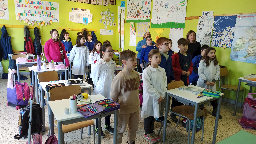
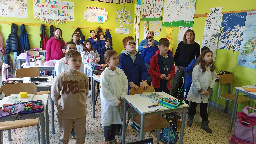

LAZIO: LA BALLATA DI RUGANTINO
1)
Ma pensa che bellezza, nun c'ho niente da fa'
Porcaccia la miseria, nientissimo da fa'
E rompo li stivali a tutta quanta la città
Perché 'n c'ho niente da fa'
Rugantinì, Rugantinà, c'hai sempre voglia de sta' a scherza'
Rugantinì, Rugantinà, ma non c'hai voglia de lavora'
2)
Sto proprio come un Papa, anzi meglio, Santità
Perché Lei, gira, gira, quarche vorta ha da sgobba'
Io, viceversa, sgobbo solamente si me va
Perché 'n c'ho niente da fa'
Rugantinì, Rugantinà, c'hai sempre voglia de sta' a scherza'
Rugantinì, Rugantinà, ma non c'hai voglia de lavora'
3)
VOJA DE LAVORA' SARTEME ADDOSSO
MA FAMME LAVORA' MENO CHE POSSO
4)
NUN POSSO PERDE TEMPO, NUN C'HO NIENTE DA FA'
LEVATEVE DE MEZZO, FATE LARGO A SUA MAESTA'
ARIVA RUGANTINO CHE C'HA VOJA DE RUGA'
PERCHÈ 'N C'HA NIENTE DA FA'
RUGANTIN, RUGANTINÀ, C'HAI SEMPRE VOJA DE STA' A SCHERZA'
RUGANTIN, RUGANTINÀ, MA NON C'HAI VOGLIA DE LAVORA'
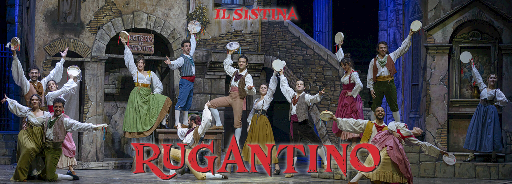
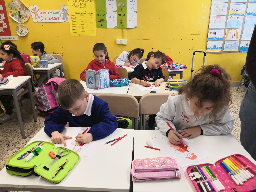
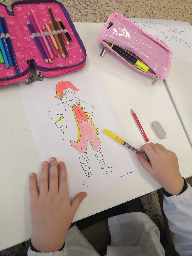
This song belongs to the Roman musical comedy "Rugantino".
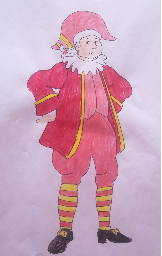
Rugantino is the most famous Carnival mask of Rome.
Rugantino is the protagonist of a romantic and tragic love story, set in Trastevere, a neighborhood of Rome. Burning with his love for Rosetta, his character evolves from bully to hero, taking the blame for the murder of his beloved's husband, and being sentenced to death.
RUGANTINO
SARA MAGNI
CLASS 1D IC GIANNI RODARI, ITALY
LA BALLATA DI RUGANTINO
Listen to our performance:
https://drive.google.com/file/d/1rf_NIF4JAHzX8p5rRVg6NNj0rgdAxu9A/view?usp=sharing
SARA MAGNI
CLASS 1D IC GIANNI RODARI, ITALY
ROMA NUN FA' LA STUPIDA STASERA
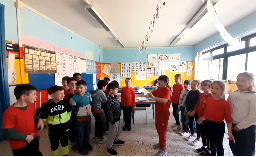
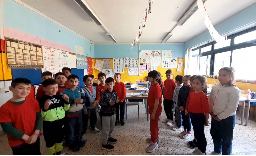
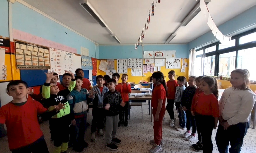
Class 2D, IC Gianni Rodari, Italy - teacher A. Cicero
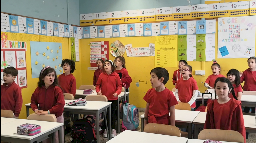
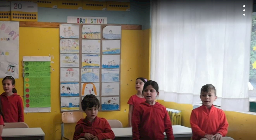
Rugantino is in love with Rosetta, who disdeigns him as the boy is poor and joker. That night he has finally managed to get an appointment from Rosetta, so he prays Rome with its fantastic stars and Ponentino wind to help him seduce the girl. In the meantime Rosetta prays Rome for the opposite! She doesn't want to fall in love with him!
Watch our performance! Enjoy!
https://drive.google.com/file/d/12SLJfYMlNPjH1bNFyz_89hXtDIt6hAnF/view?usp=sharing
SICILIA: TARANTELLA SMURFIUSA
Class 2D, IC Gianni Rodari, Italy - teacher A. Cicero
LINK: https://drive.google.com/file/d/1lVHXkYLx8oWvG75_-f5IBb7bt_oqvKDg/view?usp=drive_link
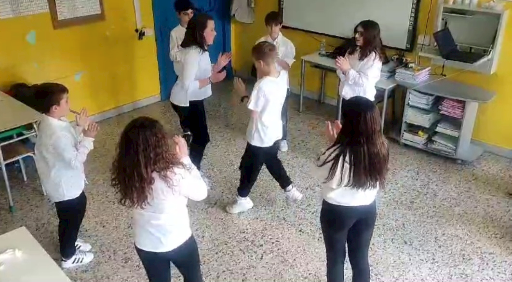
VALLE D'AOSTA: REGIONAL DANCE
Class 5D, IC Gianni Rodari, Italy - teacher A. Cicero
https://drive.google.com/file/d/1Xy_dxl1rIU5t4X5uoxabRKCMitcIdohx/view?usp=sharing
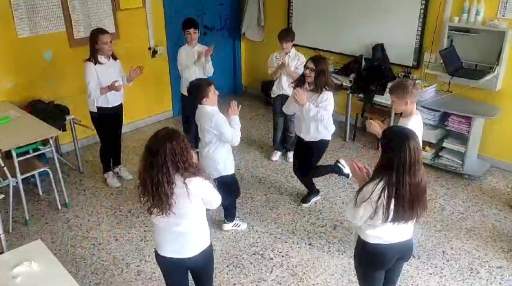
CELIA GLORIA, CLASS 5G, ITALY
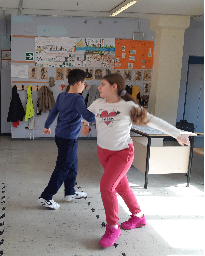
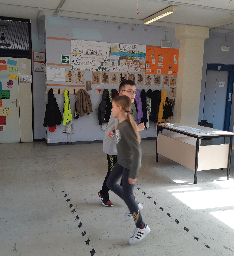
LA TAMURRIATA
LINK
https://docs.google.com/document/d/1g8qbRFBti2cXQPYHBWSvzAj2rMNs4Zs1rpktplw0nl0/edit?usp=sharing
CELIA GLORIA, CLASS 5G, ITALY
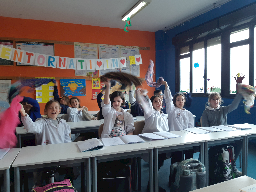
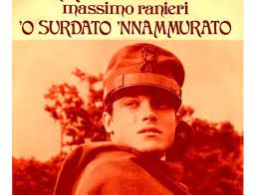
'O SURDATO 'NNAMURATO
This song describes the sadness of a soldier fighting at the front during the First World War, away from the woman he loves.
CELIA GLORIA, CLASS 5G, ITALY
'O SURDATO 'NNAMURATO
LINK:
https://vimeo.com/manage/videos/930226938
Staje luntana da stu core,
A te volo cu 'o penziero:
Niente voglio e niente spero
Ca tenerte sempe a fianco a me!
Si' sicura 'e chist'ammore
Comm'i' só' sicuro 'e te...
Oje vita, oje vita mia...
Oje core 'e chistu core...
Si' stata 'o primmo ammore...
E 'o primmo e ll'ùrdemo sarraje pe' me!
Quanta notte nun te veco,
Nun te sento 'int'a sti bbracce,
Nun te vaso chesta faccia,
Nun t'astregno forte 'mbraccio a me?!
Ma, scetánnome 'a sti suonne,
Mme faje chiagnere pe' te...
Oje vita, oje vita mia...
Oje core 'e chistu core...
Si' stata 'o primmo ammore...
E 'o primmo e ll'ùrdemo sarraje pe' me!
Scrive sempe e sta' cuntenta:
Io nun penzo che a te sola...
Nu penziero mme cunzola,
Ca tu pienze sulamente a me...
'A cchiù bella 'e tutt"e bbelle,
Nun è maje cchiù bella 'e te!
Oje vita, oje vita mia...
Oje core 'e chistu core...
Si' stata 'o primmo ammore...
E 'o primmo e ll'ùrdemo sarraje pe' me!
L'Italiano
Class 4G- I.C: "G. Rodari" Italy- Floriana Garufi
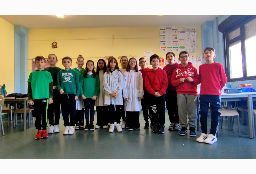
This song describes the strengths and weaknesses of Italian people, at least in the 1980s: “spaghetti al dente”, the car radio, mint shaving cream and the inevitable "moviola on Sunday on TV", in a country passionate about football.
L'ITALIANO - T. CUTUGNO
Lasciatemi cantare
Con la chitarra in mano
Lasciatemi cantare
Sono un italiano
Buongiorno Italia, gli spaghetti al dente
E un partigiano come presidente
Con l'autoradio sempre nella mano destra
Un canarino sopra la finestra
Buongiorno Italia con i tuoi artisti
Con troppa America sui manifesti
Con le canzoni, con amore
Con il cuore
Con più donne e sempre meno suore
Buongiorno Italia, buongiorno Maria
Con gli occhi pieni di malinconia
Buongiorno Dio
Lo sai che ci sono anch'io

Lasciatemi cantare
Con la chitarra in mano
Lasciatemi cantare
Una canzone piano piano
Lasciatemi cantare
Perché ne sono fiero
Sono un italiano
Un italiano vero
Buongiorno Italia che non si spaventa
Con la crema da barba alla menta
Con un vestito gessato sul blu
E la moviola la domenica in TV
Buongiorno Italia col caffè ristretto
Le calze nuove nel primo cassetto
Con la bandiera in tintoria
E una Seicento giù di carrozzeria
Buongiorno Italia, buongiorno Maria
Con gli occhi pieni di malinconia
Buongiorno Dio
Lo sai che ci sono anch'io


Lasciatemi cantare
Con la chitarra in mano
Lasciatemi cantare
Una canzone piano piano
Lasciatemi cantare
Perché ne sono fiero
Sono un italiano
Un italiano vero
Here our performance:
https://drive.google.com/file/d/1QT7_jt2tV6WOdFx8Uy9em0EV_89B2SdU/view?usp=drive_link
TANTO PE' CANTA
Class 4G- I.C: "G. Rodari" Italy- Floriana Garufi
Our performance:
https://drive.google.com/file/d/1ICa7_Y0fFoq1kNYr1Vhc6kyrnL9dsf24/view?usp=drive_link
A light-hearted text, serious in its apparently modest and disengaged conception
(largely sung in Roman dialect), it delicately reveals the subtle sensitivity and
ironic spirit of Ettore Petrolini; but also the carefreeness of youth who dreams
of being able to travel the world to get to know it better.
TANTO PE' CANTA'
Tanto pe' cantà
Pe' fa quarche cosa
Non è gnente de straordinario
È robba der paese nostro
Che se po' cantà pure senza voce
Basta 'a salute
Quanno c'è 'a salute c'è tutto
Basta 'a salute e un par de scarpe nove
Poi girà tutto er monno
E m'a accompagno da me

Canzoni belle e appassionate
Che Roma mia m'aricordate
Cantate solo pe' dispetto
Ma co' 'na smania dentro ar petto
Io nun ve canto a voce piena
Ma tutta l'anima è serena
E quanno er cielo se scolora
De me nessuna se 'nnamora
Tanto pe' cantà
Perché me sento un friccico ner core
Tanto pe' sognà
Perché ner petto me ce naschi un fiore
Fiore de lillà
Che m'ariporti verso er primo amore
Che sospirava le canzoni mie
E m'aritontoniva de bucie
Tanto pe' cantà ...
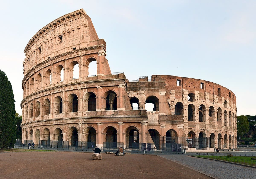

ROMANIA
Scoala Gimnazială Hărău, România
teacher Iacob Tatiana
„Alunelul” is a song, but it's also a dance. It is very well known. In Romania, it is specific to the Oltenia area.
Alunelu, alunelu hai la joc
Să ne fie, să ne fie cu noroc
Cine-n horă o să joace
Mare, mare se va face
Cine n-o juca de fel
Să rămână mititel.
Greece
Music has played an important role in Greece since ancient times, with its use in religious ceremonies, public events
and tragedies.
The ancient Greeks used various musical instruments, such as the lyre, the flute, the formyx,
the guitar, the phoenix
and the pandura.
Music of Greece!
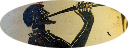
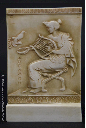
The god of music
was Apollo,
who was depicted playing a lyre.
Music during the Byzantine era evolved through its ecclesiastical use and played an important role in the functions and ceremonies of the Byzantine Empire.
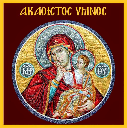
The Akathistos Hymn is considered
a masterpiece of Byzantine hymnography.
https://www.youtube.com/watch?v=VFwG-LfUmJs
Nowadays there are various types of music that represent the musical culture of our country:
Traditional music, Rebetiko, Folk Music, Greek Art Music,
Greek Pop Music, Greek Rock Music, Greek Electronic Music.

Great musicians of Greece, such as
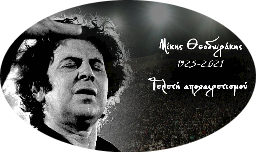
Manos Hadjidakis, Mikis Theodorakis,
Stavros Xarchakos, Yiannis Markopoulos,
Manos Loizos and others tried to highlight the "artistic" song by setting poetry of leading poets (such as Od. Elytis, G. Ritsos , G. Seferis, N. Gatsos ).
https://www.youtube.com/watch?v=shPET-znvnk
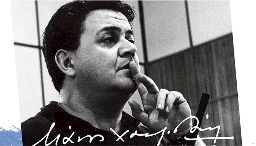
Mikis Theodorakis- Zorbas
https://www.youtube.com/watch?v=QskFT7AaKH0
- Full access to our public library
- Save favorite books
- Interact with authors
- < BEGINNING
- END >
-
DOWNLOAD
-
LIKE(1)
-
COMMENT()
-
SHARE
-
SAVE
-
BUY THIS BOOK
(from $11.99+) -
BUY THIS BOOK
(from $11.99+) - DOWNLOAD
- LIKE (1)
- COMMENT ()
- SHARE
- SAVE
- Report
-
BUY
-
LIKE(1)
-
COMMENT()
-
SHARE
- Excessive Violence
- Harassment
- Offensive Pictures
- Spelling & Grammar Errors
- Unfinished
- Other Problem





COMMENTS
Click 'X' to report any negative comments. Thanks!