This book is the joint product of the 'For Clean Nature' project in March.
Topic: Air Pollution
Task: The main topic is “Light and Noise Pollution”.
This topic is divided into 12 subheadings. Each subheading was shared among the teams. They researched the subject as a team and all the research results were collected in this e-book.
This e-book was created by Eliso KUPATADZE and opened for cooperation of partners.

1. Light pollution
1-a. What is Light Pollution?
1-b. Causes of Light Pollution (Types of Light Pollution)
1-c. Negative Effects of Light Pollution
1-d. How Does Light Pollution Affect Our Health?
1-e. The Effect of Light Pollution on Living Things
1-f. How to Prevent Light Pollution?
1-a. Gülbesti.18
Xatire SHABEDDİNOVA
1-b. Ceylin.15
Sadiye DEMİR İPEK
1-c. Nini.TR
Eliso KUPATADZE
1-d. Yüsra.MTAL
Kadriye Sibel SERTAKAN
1-e. Ozn.Ogdr
Hatice Filiz CAMADAN
1-f. KemalEfe.ÇFL
Sunay ALTAN
2. Noise pollution
2-a. What is Noise Pollution?
2-b. Causes of Light Pollution
2-c. Harms of Noise Pollution
2-d. Effects of Noise Pollution
2-e. How Does Noise Pollution Affect Human Health?
2-f. How to Prevent Noise Pollution?
2-a. Nil.Nil
Pelin YUMUŞAK
2-b. Melike.Zarife
Zahide Zarife ÇELTİK
2-c. Melike.15T
Derya ÖKSÜM ERDOĞAN
2-d.
Nigar MEHDİYEVA
2-e. Nuray.9V
Mahluga BABAYEVA
2-f. BahadırÇFL.2023
Ahsen Tuğçe KESER

LiGHT pollution
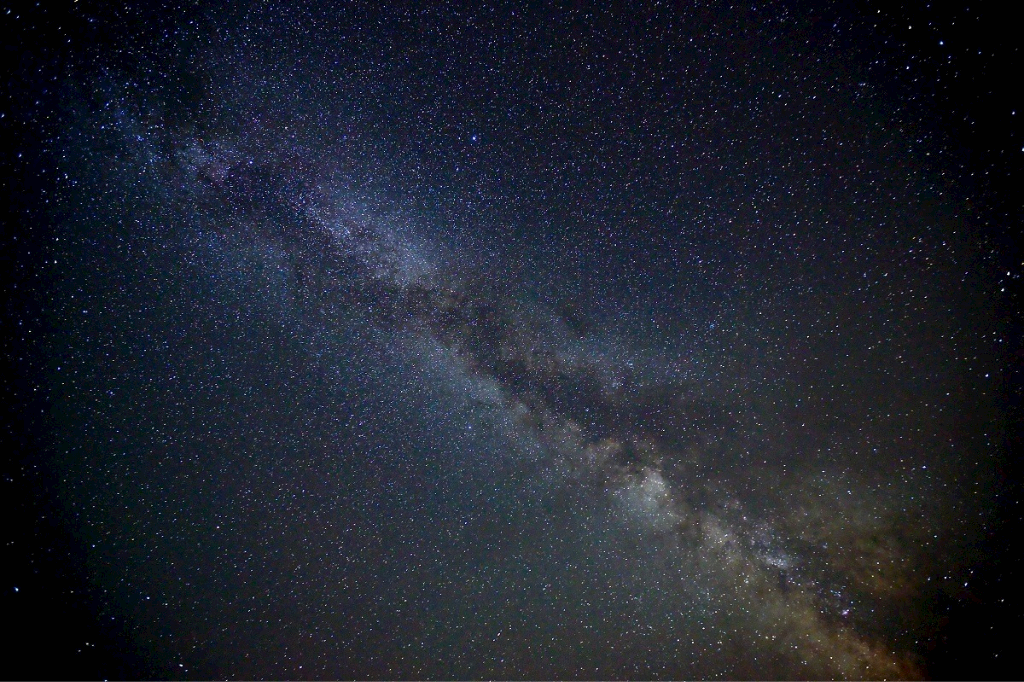
1-a. What is Light Pollution?
Gülbesti.18 (XATİRE SHABEDDİNOVA )


What is light pollution?
When the word pollution is used, what is meant is not only air and soil pollution. There are other species that affect the environment. Pollution resulting from the production revolution, sound pollution or noise and visual pollution, etc.
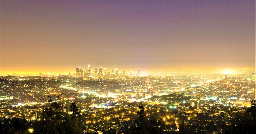
Pollution or noise that affects the eyes is related to light pollution. This type of pollution can be defined as a pollution that disturbs and affects other living things in an environment. For example, birds, bats, etc. at night and in some areas with extra lighting related to human behavior. Animals may be disturbed and affected. This effect is also reflected in their lifestyles.
Light pollution is an undesirable byproduct of artificial light. This pollution is at its maximum level in urban areas where artificial light is intense. As the world's population becomes urbanized, light pollution is becoming a bigger problem. To minimize the negative effects of light pollution, we need to take lighting and its effects into account from the beginning of the planning and design stages.
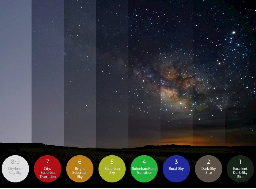
The main cause of light pollution is the use of artificial outdoor lights at times and places where they are not necessary. Poorly designed residential, commercial and industrial outdoor lighting also contributes significantly to light pollution.
Unshielded lighting fixtures emit almost more than 50% of the illumination they provide towards the sky or to the sides. In many cases, only 40% of the emitted light actually illuminates the targeted area.
It is estimated that approximately 30% of outdoor lighting is wasted due to these poor designs. In the United States alone, it causes 1.7 million tons of carbon dioxide emissions and 2.2 billion dollars of electricity waste every year.
1- b. Causes of Light Pollution (Types of Light Pollution)
Ceylin.15 (SADİYE DEMİR İPEK
Light pollution is the unnecessary and wasteful use of artificial lighting, which can negatively impact our environment, ecosystems, and natural habitats.
Ceylin.15- 15 Temmuz Şehitleri Kız AİHL

Types of light pollution that affect
our surroundings:
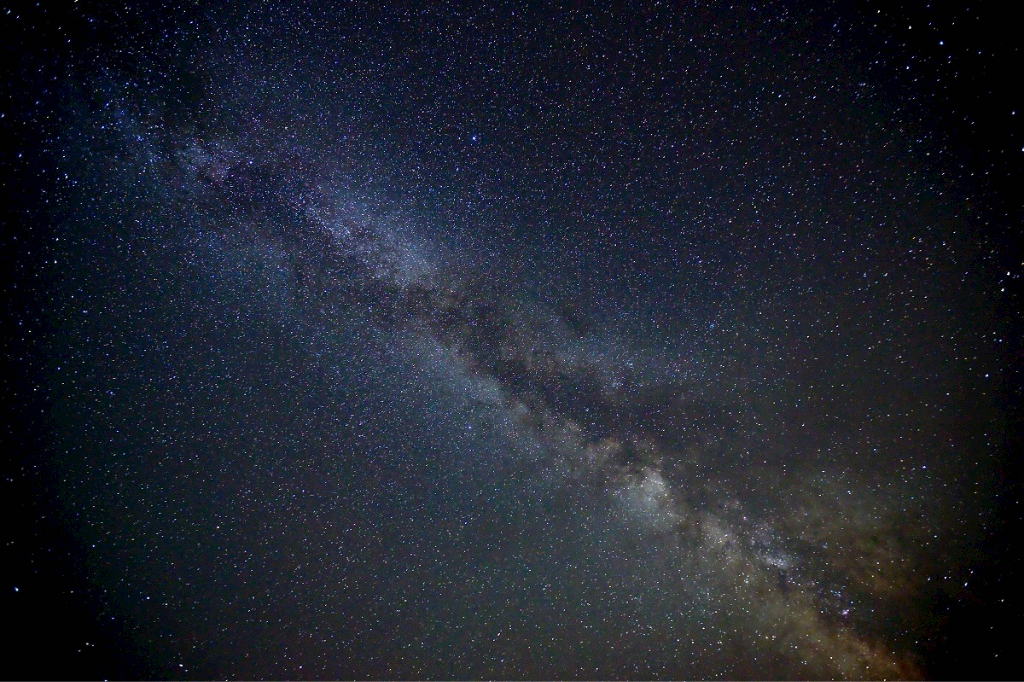
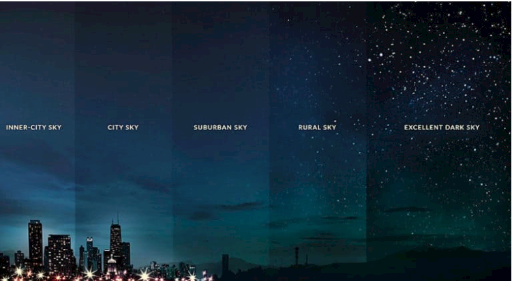
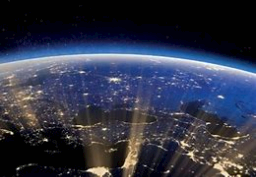
Urban Sky Glow: This occurs when urban areas illuminate the night sky above them. Unfortunately, in many regions, the Milky Way and stars have disappeared from view. To see the wonders of the night sky now, the most essential equipment might be a car full of gas and a map .
Light Trespass: While noise complaints are common, light complaints can also occur. Light trespass refers to unwanted light entering private property. It can come from a neighbor’s house, passing car headlights, or street lamps.
Ceylin.15- 15 Temmuz Şehitleri Kız AİHL
Types of light pollution that affect our surroundings:
Over-Illumination: Often overlapping with urban sky glow, over-illumination happens when excessive light is used to draw attention to a significant building. Monuments, historic structures, and eye-catching skyscrapers fall into this category.
Glare: Glare is the spreading of unshielded light from a source into the sky and other areas. It can reduce visibility and cause discomfort.
Clutter: Excessive, clustered, and confusing lights are often found in overly illuminated cities and residential areas .
Ceylin.15- 15 Temmuz Şehitleri Kız AİHL
1-c. Negative Effects of Light Pollution
Nini.TR (ELİSO KUPATADZE)

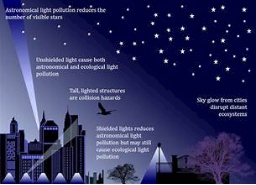
While a broadly accepted definition of light pollution is the light generated by human activity that makes it difficult to see things in the sky at night, there’s a growing body of evidence that suggests the impact goes beyond merely blocking the potential for stargazing.
How dark the night sky is affects wildlife including bats, migratory birds and insects. Light pollution threatens the health and natural cycles of humans, as well as wastes energy and money.
1. Light pollution interrupts wildlife patterns and harms biodiversity.
Birds, bats and insects are among those in the natural world affected by light pollution, studies show.
Migratory birds rely on natural light to guide them and interruptions can lead to collisions and incorrect navigations on their long-distance journeys.
Accept our marketing cookies to access this content.
2. Light pollution is associated with risks to human health.
Humans are not exempt from the effect artificial light has on animals, with studies showing that it sends the body’s biological clock off, hampering sleeping cycles.
What’s worse, artificial light was found in a study to be “significantly correlated for all forms of cancer” including lung, breast, colorectal and prostate cancers individually.
“Immediate measures should be taken to limit artificial light at night in the main cities around the world and also inside houses,” the authors of one study wrote.
The good news is that light pollution is reversible - and this sets it apart from many other forms of pollution.
So what steps can be taken? The International Dark-Sky Association has the following tips:
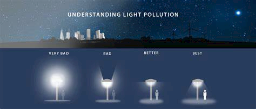
1. Reduce the use of light, installing it only where it’s really needed and at the lowest brightness possible
2. Use controls like dimmers, timers and motion sensors to make the lights as efficient as possible
3. Use shields to direct light toward the ground, reducing glare
4. Use warm colour lights where possible and limit the use of blue wavelength lights, which are thought to be the most disruptive.
"Unlike many other environmental issues facing the world, solving light pollution is straightforward, saves money, and delivers immediate results," says Ruskin Hartley, Executive Director at International Dark-Sky Association.
1-d. How Does Light Pollution Affect Our Health?
Yüsra.MTAL(KADRİYE SİBEL SERTAKAN)

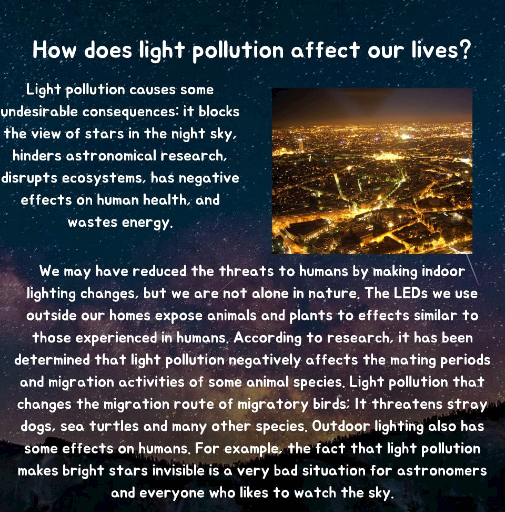
The effects of light pollution on humans:
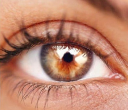
Excessive night lighting leaks into homes and causes insomnia. If you are exposed to light while sleeping, the melatonin hormone is not secreted. For these reasons, the estrogen hormone that does not occur causes breast cancer in women.
1-e. The Effect of Light Pollution on Living Things
Ozn.Ugdr (HATİCE FİLİZ CAMADAN)


Kerem FB



THE EFFECT OF LIGHT POLLUTION ON LIVING LIFE
EFFECTS ON HUMANS
- Sleep Disorders: Excessive light can inhibit people's production of melatonin, causing sleep cycles to be disrupted and sleep quality to decrease.
- Health Problems: A decrease in sleep quality can lead to health problems such as obesity, diabetes, depression and even some types of cancer in the long run.
- Vision Problems: High light levels can cause eye fatigue and long-term vision impairment.
EFFECTS ON ANIMALS
- Navigation Problems: Artificial light can disrupt the natural navigation abilities of animals such as migrating birds and sea turtles.
- Alteration of Natural Behaviors: Artificial light can affect predator and prey relationships, alter reproductive behavior, and disrupt the nocturnal activity cycles of animals.
- Declining Populations: Light pollution can reduce the reproductive rates of some insect species, which can negatively affect other species that depend on them.
EFFECTS ON PLANTS
- Disruption of Growth Cycles: Plants need sunlight and darkness. Artificial light can disrupt this cycle, affecting plants' flowering, seed-setting and growth cycles.
1-f. How to Prevent Light Pollution?
Kemal ÇFL -Sunay ALTAN
Preventing light pollution involves taking measures to reduce or eliminate the unnecessary or excessive use of artificial light that interferes with the natural darkness of the night sky. Here are some tips to help prevent light pollution

1-Use Dark Sky-Friendly Lighting:
2-Install Motion Sensors and Timers:
3-Shield and Redirect Light:
4-Choose Proper Bulb Wattage:
5-Turn Off Lights When Not in Use:
6-Advocate for Responsible Lighting Policies:
7-Educate Others:
NOISE pollution
2-a. What is Noise Pollution?
Nil.Nil (PELİN YUMUŞAK )
Here are two types of Noise Pollution:
Environmental Noise Pollution
Man-made Noise Pollution
Industrial Causes
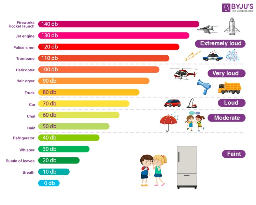
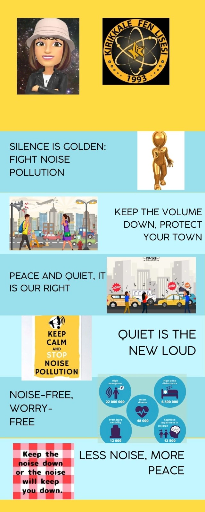
Noise pollution
WHAT IS NOISE POLLUTION?
We know that a sound is a form of energy. Sometimes the sound can be soothing to listen to and, at times, loud to hear. Regular exposure to a higher sound level that impacts humans and other living organisms is known as noise pollution. Noise is the unpleasant and undesirable sound which leads to discomfort in human beings.
Noise pollution is an invisible danger. It cannot be seen, but it is present both on land and under the sea. Noise is defined as a sound that is unwanted and unpleasant which bothers the health and well-being of humans and other organisms. If noise is present in large amounts then it will affect the environment and lead to noise pollution. The intensity of sound is measured in decibels (dB). Due to increasing noise around the civilizations, noise pollution has become a matter of concern.
2-b. Causes of Light Pollution
Melike.Zarife (ZAHİDE ZARİFE ÇELTİK)
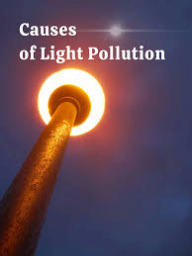
Light pollution is a problem, but there’s no single country, group, or industry to blame. Instead, it’s a result of the whole world’s ever-expanding reliance on outdoor electrical lights for over 200 years. Fortunately, there’s a growing awareness that the ways we stave off the dark can actually have detrimental effects too.
- Full access to our public library
- Save favorite books
- Interact with authors
- < BEGINNING
- END >
-
DOWNLOAD
-
LIKE
-
COMMENT()
-
SHARE
-
SAVE
-
BUY THIS BOOK
(from $7.59+) -
BUY THIS BOOK
(from $7.59+) - DOWNLOAD
- LIKE
- COMMENT ()
- SHARE
- SAVE
- Report
-
BUY
-
LIKE
-
COMMENT()
-
SHARE
- Excessive Violence
- Harassment
- Offensive Pictures
- Spelling & Grammar Errors
- Unfinished
- Other Problem





COMMENTS
Click 'X' to report any negative comments. Thanks!