Acrostic story

CCicadas have prominent eyes set wide apart, short antennae, and membranous front wings. They have an exceptionally loud song, produced in most species by the rapid buckling and unbuckling of drum-like tymbals. The earliest known fossil Cicadomorpha appeared in the Upper Permian period; extant species occur all around the world in temperate to tropical climates. They typically live in trees, feeding on watery sap from xylem tissue, and laying their eggs in a slit in the bark. Most cicadas are cryptic. The vast majority of species are active during the day as adults, with some calling at dawn or dusk. Only a rare few species are known to be nocturnal.
UPests and diseases are important factors affecting the cocoon production. Many kinds of pests and diseases of silkworm, along with appropriate measures to control them, have been identified. Besides being susceptible to different diseases, the silkworm, Bombyx mori L. is also attacked by a number of pests. Among the insect pests of silkworm, the most formidable (threatening, dangerous) one is a dipteran parasitoid, Exorista bombycis (=Exorista sorbillans=Trycolyga bombycis=Exorista sorbillans), otherwise called the Uzi fly, is a major pest of silkworm.
r
ed-headed cardinal beetle is a medium-sized beetle found in woodland, along hedgerows, and in parks and gardens. The adults are present during the summer and can often be found sunbathing on flowers or tree trunks. They are predators and feed on other insects flying around the flowers on which they are perched. The larvae are flattened in appearance, which enables them to live under loose bark where they feed on the larvae of other insects.
icebugEntomologists, unlike birders, usually do not keep life lists of insects, but seeing my first ice crawler (Grylloblattodea) was akin to checking off the first kiwi on a twitcher’s life list. These insects are a strange breed. Only twenty-eight species are known, and they are found only in colder regions of North America and the Far East of Asia. The American species live mostly along the northern coast of the United States and Canada, in the Cascade and Sierra Nevada ranges. There you can find them on northern talus slopes of mountains, as high as three thousand meters or in ice caves.
odonata is an order of predatory flying insects that includes the dragonflies and damselflies. The two groups are distinguished with dragonflies (suborder Epiprocta) usually being bulkier with large compound eyes together and wings spread up or out at rest, while damselflies (suborder Zygoptera) are usually more slender with eyes placed apart and wings folded together along body at rest. Adult odonates can land, but rarely walk.
udea rubigalis, the celery leaftier or greenhouse leaftier, is a member of the family Crambidae. It is found across the Americas. The species was first described by Achille Guenée in 1854.
The larvae are polyphagous and feed on a wide variety of plants from different plant families.
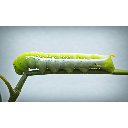
silk worm
Curious children learned information about the silkworm from the teacher. On the same day, they came to the mulberry tree and carefully inspected it. They saw how silkworms worked hard to create beautiful silk fabric.


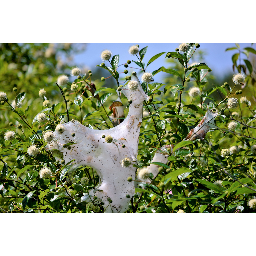



CThe cockroaches are an ancient group, with their ancestors, known as "roachoids", originating during the Carboniferous period, some 320 million years ago. Those early ancestors, however, lacked the internal ovipositors of modern roaches. Cockroaches are somewhat generalized insects lacking special adaptations (such as the sucking mouthparts of aphids and other true bugs); they have chewing mouthparts and are probably among the most primitive of living Neopteran insects. They are common and hardy insects capable of tolerating a wide range of climates, from Arctic cold to tropical heat. Tropical cockroaches are often much larger than temperate species.
Hornet
One day Melisa,Saba,Andria and their classmates decided to go for a walk in the forest.There on the tree they saw hornets clinging to wild honey. Children chased away the hornets to eat the honey themselves. It was so delicious.








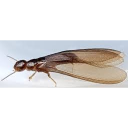
Isoptera
Suddenly, the children saw winged ants. They walked and flew.
They saw such an insect for the first time and were looking at it for a long time.







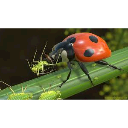
Ladybug
Naughty children observed the ladybugs in the school garden and concluded, that ladybugs serve many beneficial roles for the environment, because they prey on tiny insects that can destroy flowers and crops.





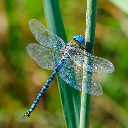
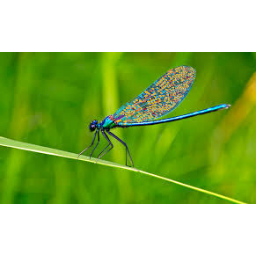
Dragonfly
One bright spring morning, when the insects wake up, dazed by the scents of the fields, a small dragonfly appeared in the world. It spread its gentle wings and looked at the sun with its big eyes. It smiled and wanted to play with him. It got up, but he had no strength and soon returned tired. There was also colorful butterfly. He understood the desire of the dragonfly from the chamomile leaves in the grass flew over. The little creatures smiled at each other and played with the sun’s rays. Since then, they have been working together as spring friends.
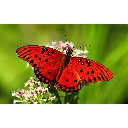
Red butterflies
Red butterflies woke up early and enjoyed nature with their beauty. After all, they have a short life, that's why they tried to witness the beautification of nature. First the red butterflies fluttered around the newly awakened flowers and finally they saw Sticky and Kiki coming out of the field. And now they went to them and treated themselves as a sign of gratitude.



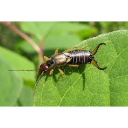
Earwig
Sticky and Kiki sat down on the bench, Sticky took out an apple from the house, he was about to bite it, when suddenly he heard a sound...Chrrrr, and a fat gnat pulled its head out of the apple. The boys were surprised and then started laughing, watching Earwig munching on the apple.





Nepticulid moth
Lina found a teddy bear that had been eaten by a moth. Inquisitive children searched for information that it turns out that the moth is used in cosmetics as a rejuvenating agent. It restores and renews skin and tissues. It is also used to treat acne.





- < BEGINNING
- END >
-
DOWNLOAD
-
LIKE(1)
-
COMMENT()
-
SHARE
-
BUY THIS BOOK
(from $2.99+) -
BUY THIS BOOK
(from $2.99+) - DOWNLOAD
- LIKE (1)
- COMMENT ()
- SHARE
- Report
-
BUY
-
LIKE(1)
-
COMMENT()
-
SHARE
- Excessive Violence
- Harassment
- Offensive Pictures
- Spelling & Grammar Errors
- Unfinished
- Other Problem





COMMENTS
Click 'X' to report any negative comments. Thanks!