
is for
Codrean Gordan Diana Maria, Romania from Miglena Mihailova, Bulgaria

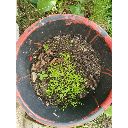
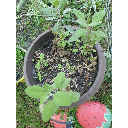
Mint
Mint leaves are known as an amazing appetizer. It helps to promote the digestive system by stimulating digestive enzymes. Mint oil has antiseptic and antibacterial properties to relieve indigestion, stomach infections, etc. It acts as an antispasmodic remedy due to the presence of methanol.
Mint leaves are highly recommended for asthma patients, as it acts as a good relaxant and relieves chest congestion. Consumption of mint leaves daily can give a soothing effect for asthmatic patients.
Mint is known to clear a stuffed nose, menthol can make breathing a lot easier. It also relieves the irritation caused by a chronic cough.
Lavender
Since ancient times, lavender has been used to reduce symptoms and provide support for multiple conditions. Modern science has confirmed many of its health benefits, while others are still under investigation.Lavender may help with some of the following: insomnia, hair loss, headaches, chemotherapy side effects, acne, burns, eczema and dry skin, wound healing, mood issues.
Sage
Sage belongs to the same family as oregano, lavender, rosemary, thyme, and basil. The sage plant has gray-green edible leaves and flowers that can range in color from blue and purple to white or pink. There are more than 900 species of sage around the world.
Sage has a long history of medicinal use for ailments ranging from mental disorders to gastrointestinal discomfort. Research has supported some of its medical applications.
Herbs and spices can have extremely high antioxidant capacities and pack extra flavor into a meal. This means that people can use herbs to cut back on sodium intake, as less salt is used to flavor a meal.


Dumitru Cornelia, Romania, from Veneta Kehayova, Bulgaria



Dill is good for fighting flatulence, also exerting an antispasmodic and antidyspeptic effect, and thus contributes to facilitating the digestion process, preventing stomach discomfort.


Magdalena Kraus , Poland from Romana Rasic , Croatia

Stevia:
Blood Sugar Regulation: Stevia is a natural sweetener with zero calories, making it beneficial for people with diabetes as it helps regulate blood sugar levels.
Weight Management: As a calorie-free sweetener, Stevia can aid in weight management and obesity prevention.
Dental Health: Stevia has antibacterial properties that help prevent dental cavities and improve oral health.
Antioxidant Properties: Stevia contains compounds that have antioxidant properties, helping to combat oxidative stress and inflammation.
Oregano:
Antimicrobial Effects: Oregano is known for its powerful antimicrobial properties, which can help fight off bacterial, viral, and fungal infections.
Anti-inflammatory Properties: Oregano contains compounds like carvacrol and thymol that have anti-inflammatory effects, which can help reduce inflammation in the body.
Digestive Health: Oregano aids in digestion by promoting the secretion of digestive juices and enzymes, improving gut health.
Rich in Antioxidants: Oregano is high in antioxidants, which help protect the body from damage caused by free radicals.
Marjoram:
Digestive Health: Marjoram helps in improving digestion by increasing the production of digestive enzymes, reducing bloating, and preventing constipation.
Anti-inflammatory and Antioxidant Properties: Marjoram has anti-inflammatory and antioxidant properties that can help reduce inflammation and protect cells from damage.
Respiratory Health: Marjoram can help relieve respiratory issues such as colds, coughs, and sinus congestion due to its expectorant properties.
Calming Effects: Marjoram has a calming effect on the nervous system, which can help reduce stress, anxiety, and improve sleep quality.



Chamomile:
- anti-inflammatory and antiphlogistic properties
- anticancer activity
- helpful in common cold symptoms
- reduces the risks of cardiovascular conditions
- topical applications of chamomile have been shown to be effective in the treatment of atopic eczema
- it is used for numerous gastrointestinal conditions, including digestive disorders, "spasm" or colic, upset stomach, flatulence (gas), ulcers, and gastrointestinal irritation..It is especially helpful in dispelling gas, soothing the stomach, and relaxing the muscles that move food through the intestines
Calendula:
- helpful in faster healing of bruises, cuts and burns
- helps prevent dermatitis
- Reduces inflammation (anti-inflammatory)
- Prevents blood from clotting too much (anti-thrombogenic)
- positive effects on blood sugar levels (antidiabetic)
- rich in antioxidant.
Peppermint:
- can ease digestive issues such as bloating, gas and indigestion
- helps relieve tension headaches and migraines
- kills germs that lead to a bad breath
- can relieve clogged sinuses
- improves energy levels and helps with fatigue
- is a muscle relaxant that can help you sleep



Petcu Nicoleta, Romania from Eugenia Kiriakoudi, Greece



Parsley:
Myricetin is a flavonoid found in parsley and other herbs. It has been shown to help prevent skin cancer. Parsley contains one of the highest concentrations of myricetin per 100 grams.
Parsley contains many plant compounds, including carotenoid antioxidants, that have been shown to benefit heart health.
May protect against diabetes, improve bone health and eye health.
Basil helps protect against infections.
- Decreases the risk of developing cardiovascular diseases.
- Contributes to the reduction of oxidative stress.
- It reduces the level of stress and anxiety.
- It has a role in reducing blood sugar.
- Reduces inflammation.


Evangelia Tsiara, Greece from Simina Ivan, Romania


Lettuce:- Antioxidant Properties: Lettuce is high in carotenoids, which have antioxidant effects in the body.
- Antioxidants protect against cellular damage.
- Improved vision: Lettuce contains vitamin A, which plays an important role in eye health. Vitamin A
- Reduces the risk of cataracts and helps prevent macular degeneration.
- Hydration: Lettuce is high in water and eating lettuce hydrates the body.
- Bone strength: Lettuce is a source of vitamin K, which helps strengthen bones.
Tomato contains the antioxidant lycopene, which is associated with a reduced risk of certain types of cancer.
Heart health: Tomato is rich in lycopene, which has been linked to reduced risk of heart disease.
Skin health: The antioxidants in tomato can contribute to skin health, by protecting against sunburn and skin aging.
Digestive health: The fiber in tomato aids in digestion and prevents constipation.
Lovage:
Kidney Health: Lovage is a type of diuretic that encourages urination without electrolyte loss. The increased urination flushes the urinary tract and helps prevent kidney stones.
Lung support: Lovage is used as an expectorant to loosen phlegm in the lungs.
Digestive health: Lovage soothes the digestive system, reduces bloating, and relieves gas.
Mentsrual support: Lovage has soothing benefits and provides relief from menstrual discomfort.



The objective of this activity was ca children to use, to consume medicinal herbs in their daily life.


- < BEGINNING
- END >
-
DOWNLOAD
-
LIKE
-
COMMENT()
-
SHARE
-
BUY THIS BOOK
(from $2.99+) -
BUY THIS BOOK
(from $2.99+) - DOWNLOAD
- LIKE
- COMMENT ()
- SHARE
- Report
-
BUY
-
LIKE
-
COMMENT()
-
SHARE
- Excessive Violence
- Harassment
- Offensive Pictures
- Spelling & Grammar Errors
- Unfinished
- Other Problem






COMMENTS
Click 'X' to report any negative comments. Thanks!