The students create spatial models of various animal living environments - lakes, oceans, rivers, mountains, meadows, deserts, savannas.
of Biodiversity

The Biodiversity project’s task of building spatial models of living environments directly supports several of the UN’s Sustainable Development Goals (SDGs). Here are the most relevant ones:
Goal 13: Climate Action
Students will learn about the impact of climate change on different living environments, how ecosystems are changing and what threats human activity poses.
Goal 15: Life on Land
Models of forests, mountains, deserts and grasslands help understand the role of biodiversity and the importance of protecting natural habitats for the survival of many species.




Goal 14: Life Underwater
Creating models of oceans, lakes and rivers gives students knowledge about aquatic organisms, their role in the ecosystem and threats such as pollution or temperature changes.
Goal 4: Good quality education
Students learn in a practical and engaging way - they develop spatial thinking, creativity and cooperation, which is in line with a modern approach to education.
Goal 17: Partnership for goals
Thanks to international cooperation within eTwinning, schools implement global educational and ecological goals together with partners from other countries.


17th primary school of Kavala,Greece
Eumorfia Mpampoura
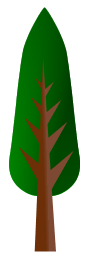
Lake habitat
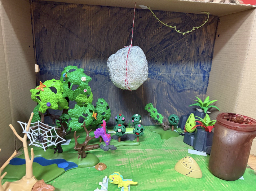
The biodiversity of a lake refers to the variety of living organisms that inhabit this aquatic ecosystem. It includes microorganisms, plants, animals, and other organisms that coexist at various levels of the food web. In a lake, we find various species of fish, amphibians, aquatic insects, phytoplankton, and zooplankton, as well as aquatic plants. These species contribute to the stability and functioning of the ecosystem by providing food, shelter, and participating in biogeochemical cycles, such as the carbon and oxygen cycles. The biodiversity of the lake is crucial for the health and resilience of the ecosystem, as species interactions help maintain ecological balance.



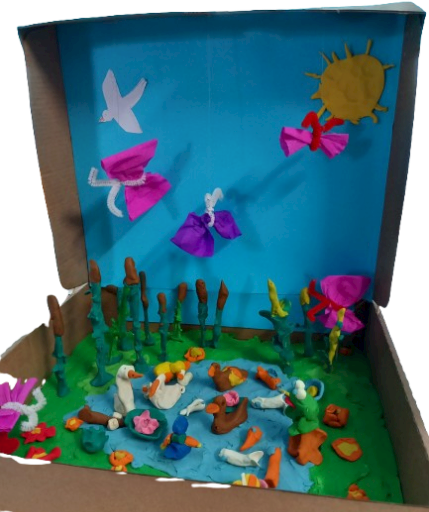
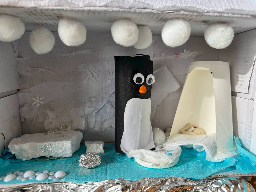
Arctic habitat
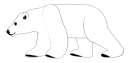
The Arctic habitat is one of the most unique and extreme environments on Earth, located in the northernmost part of the planet. It is characterized by freezing temperatures, ice-covered landscapes, and a remarkable variety of life that has adapted to the harsh conditions.
The region experiences long, cold winters and short, cool summers. During winter, the sun does not rise for months, creating polar nights, while in summer, it remains above the horizon for extended periods, resulting in the "midnight sun." Temperatures can drop as low as -50°C (-58°F) in winter.
The Arctic plays a crucial role in regulating the Earth's climate. Its ice reflects sunlight, helping to cool the planet. However, climate change poses a significant threat, with rising temperatures causing ice to melt at unprecedented rates. This affects global sea levels and disrupts the habitat of Arctic wildlife.
The Arctic is home to indigenous communities, such as the Inuit, Saami, and Nenets, who have lived in harmony with the environment for thousands of years. Their traditional knowledge and practices are invaluable for understanding and protecting the Arctic ecosystem
The Arctic is a fragile yet vital part of our planet, and its preservation is essential for maintaining global ecological balance
Kaiti Rosegka / 17th Kindergarten of Kavala Greece


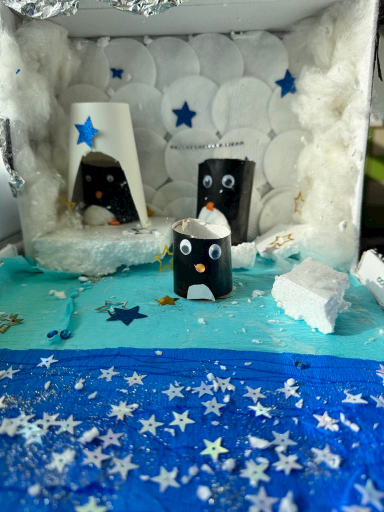
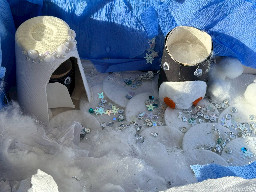
Antarctica
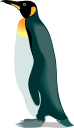
Antarctica is the world's coldest and driest continent, covered almost entirely by an ice sheet and characterized by extreme climatic conditions. It is a polar desert area where annual precipitation is low and air temperatures remain below 0°C. Antarctica is the coldest, driest and windiest continent on Earth. In Antarctica, there are few species of lichens, mosses and algae. The fauna is quite rich, especially in the coastal zone, where penguins, skuas, petrels, cormorants and numerous marine mammals, such as whales and various species of seals live.



Paulina Loryńska/class 2E/SP Ruś/Poland

Forest habitat
Forests are home to 80% of the world’s plant and animal species, and three hundred million people live in forests around the world! Animal and plant species live in every layer of the forest, so it’s easy to see why forest habitats are so rich in wildlife.
Forest habitats are not only essential for biodiversity, they also contribute greatly to the world’s oxygen levels. Trees absorb carbon dioxide and other greenhouse gases and release oxygen in their place, helping to combat climate change. Without forests and woodlands, the world wouldn’t have as many different plants and animals, and we would have far less oxygen to breathe.
Paulina Loryńska
Kl. 2E/SP Ruś/Poland
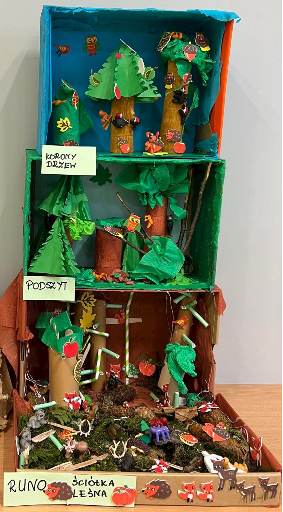
The forest floor
The shrub layer
The understory
The canopy
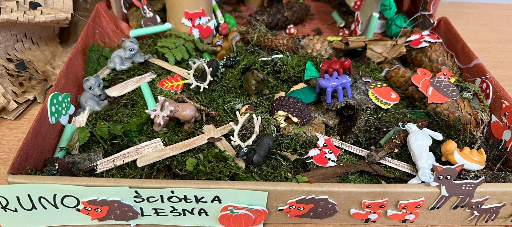
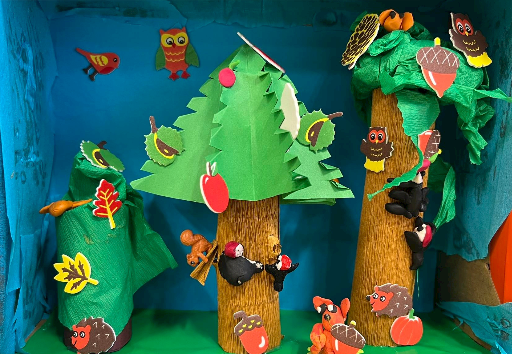
The forest floor
African Savannah Habitat

Anna Atlihan
Savannahs are flat grasslands with scattered trees and shrubs. They’re usually found near to the equator (the halfway point between the north and south parts of the Earth). This part of the world gets more direct sunlight than anywhere else, so the temperature is warm, all year round!
Savannahs only have two seasons instead of four – wet and dry. This is because seasons there are defined by how much rain falls. In fact, there’s so much rain in the wet season, which lasts about six months, that it’s known as ‘monsoon season‘. During these rainy months, a savannah can get 50 to 120cm of rain! This soggy weather helps the grasses that grow there to flourish – creating a habitat where different animals and birds can thrive.
ANIMALS IN THE RIVER
Fish can not live without water.
Fishes are in different sizes,
They have two gills to breath.
Fishes are found all over the world.
Ekaterine Tabatadze, LEPL Tbilisi 142 public school
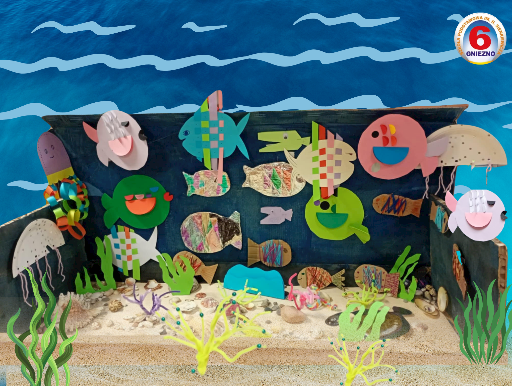
The ocean is a large, blue and salty home to many animals such as fish, turtles and dolphins. The ocean is an ecosystem, which means that all living organisms depend on each other and on non-living elements. The ocean consists of many different habitats: from shallow coral reefs to deep abysses.
Coral reefs in the ocean are like underwater cities full of colourful fish and plants.
Sharks are large fish that live in the ocean and help keep it clean by eating sick animals.
Some animals, such as jellyfish, glow in the dark deep in the ocean.
Whales live in the ocean and are some of the largest animals in the world!
The oceans are very important because they keep our planet cool and breathable.
SP 6 Gniezno Polska
Ocean
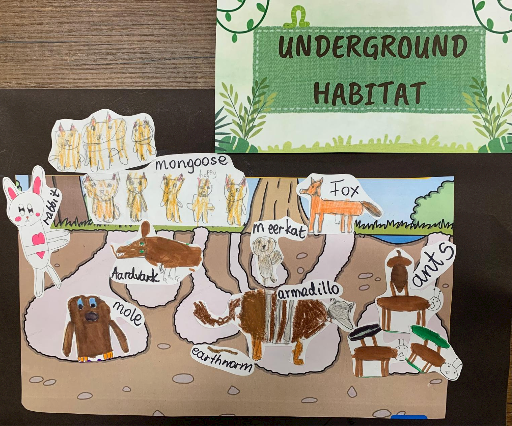
UNDERGROUND HABITAT

OSASUMWEN IMASUEN SOFIA
An underground habitat is a living space or shelter located beneath the Earth's surface. These habitats can be natural or man-made, and they serve as a place for organisms or humans to live and thrive while being protected from the external environment.
These habitats ranges from caves, burrows and underground ecosystem. We can find underground animals like worms, moles, termite etc. The underground home creates a comfortable living space for this animals to thrive.
They provide shelter and protection from the outside environment, serving purposes like ecology, survival, research, or energy efficiency.
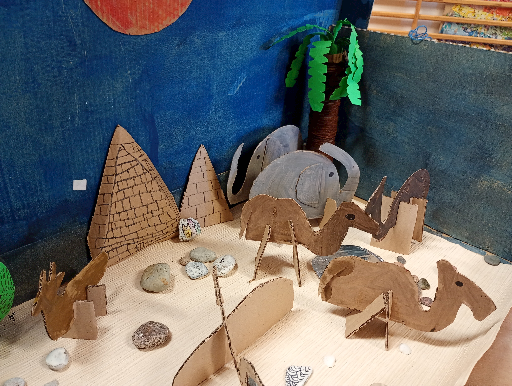
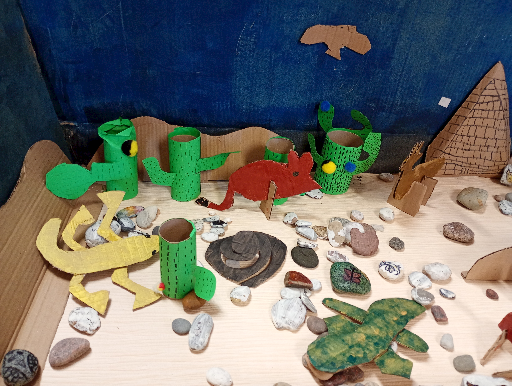
Desert habitat



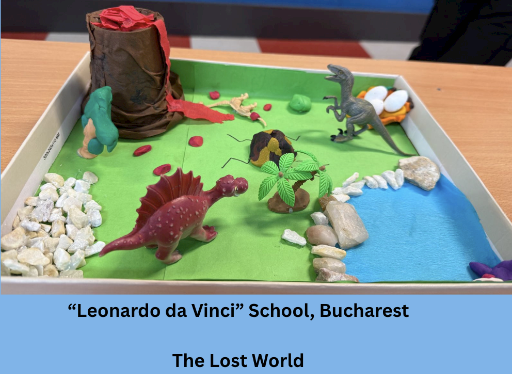
The Lost World
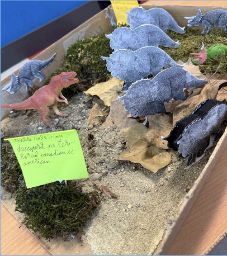
Millions of years ago, dinosaurs lived in a completely different ecosystem than today's world. These were vast areas full of lush vegetation - ferns, horsetails and conifers created dense forests. The climate was warmer and more humid, and there were no flowers or grasses as we know them today. Birds did not fly in the air, but large insects did, and primitive fish and marine reptiles swam in the water. Dinosaurs played different roles in this ecosystem - some were herbivores and fed on leaves and branches, others were predators and hunted weaker animals. All these organisms formed a complex web of life that disappeared after the great extinction.
“Leonardo da Vinci” School
Bucharest/Romania
IOANA GRAUR








- < BEGINNING
- END >
-
DOWNLOAD
-
LIKE
-
COMMENT()
-
SHARE
-
BUY THIS BOOK
(from $4.39+) -
BUY THIS BOOK
(from $4.39+) - DOWNLOAD
- LIKE
- COMMENT ()
- SHARE
- Report
-
BUY
-
LIKE
-
COMMENT()
-
SHARE
- Excessive Violence
- Harassment
- Offensive Pictures
- Spelling & Grammar Errors
- Unfinished
- Other Problem





COMMENTS
Click 'X' to report any negative comments. Thanks!