This book is to remain at the Tri-Pond Park Nature Center Asa Pond location. Thank you!

This book is part of our Girl Scout Silver Award project.
We want to thank Joyce Campbell for helping us throughout this whole process and to South Kingstown Parks and Recreation for approving this project!
And thank you readers and learners for supporting environmental education and caring about our environment!
Table of Contents
How to Use This Book .......... pg. 4
Intro to Invasive Species .......... pg. 5
Invasives at Asa Pond .......... pgs. 6 - 25
(1) Oriental Bittersweet, (2) Morrow's Honeysuckle, (3) Wineberry, (4) Japanese Knotweed, (5) Narrowleaf Cattail, (6) Purple Loosestrife, (7) Coltsfoot, (8) Common Tansy, (9) Common Reed, and (10) Autumn Olive
Ways to Deal with Invasives .......... pg. 26
How to Use this Book
1. There is a number for every plant in this book that corresponds to a plaque next to that plant on the Tri Pond Nature Trail.
2. On the trail head, there is a map with the locations of these plaques in numerical order.
3. Seeing the plants provides a visual of how they are invading. Read about invasive plants in this book and then go out and find them for yourselves on the trail!
Intro to Invasive Species
Invasive species are non-native plants, animals, or other organisms that can cause environmental and economic damage. They can be harmful to humans and native plant and animal species and disrupt ecosystems.
Invasive species are everywhere! They can hide in plain sight. For example, did you know the grass we see in our yard is an invasive species?! Most of the grass you see today covering the ground everywhere came from overseas a long time ago.
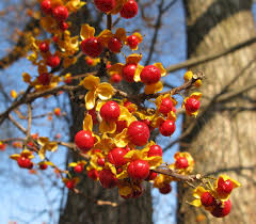
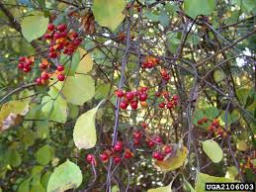
Oriental Bittersweet #1
Oriental Bittersweet (Celastrus orbculatus) is a woody vine that can climb more than 60 ft. high and has red berries that are poisonous to humans and pets.
This plant is originally from countries in East Asia and has invaded some parts of the United States (U.S.) and Canada. It thrives in places like forests, fields, and roadsides. This vine is harmful because it grows very quickly and is hard to control. It grows up trees and tightly wraps itself around them, which can cut off the supply of nutrients to the tree, leading to the tree losing branches, then being uprooted and dying.
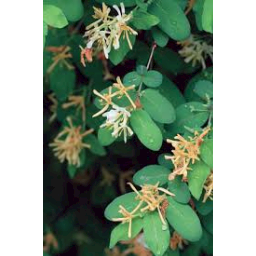
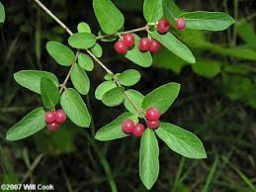
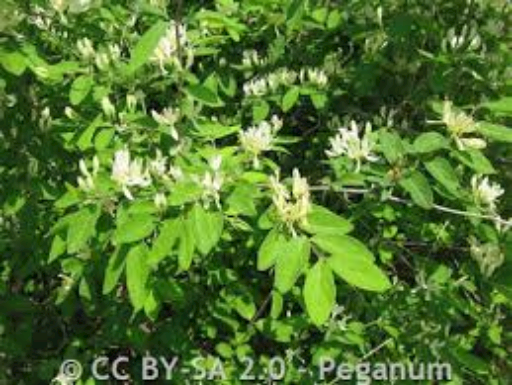
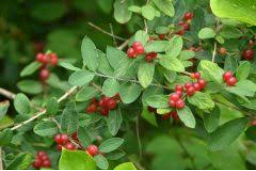
Morrow's Honeysuckle #2
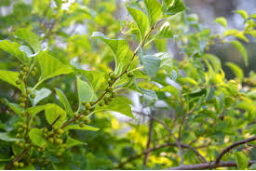
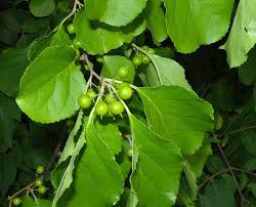
Morrow’s Honeysuckle (Lonicera morrowii) is a bush that can grow to be 10 ft. tall and has white and yellow flowers in the spring and poisonous red berries in the summer. This plant grows in places like roadsides, woodlands, and pastures. It can survive in many different conditions, which is why it has invaded much of North America. This plant is native to Eastern Asia.
This bush has berries that are poisonous to humans and animals and it grows very quickly with less predators to limit its growth. This plant uses up the nutrients from plants that native animals eat, forces animals to change habitats, and displaces them in the process.
Wineberry #3
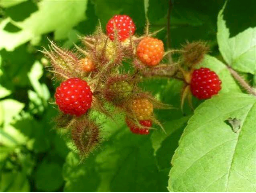
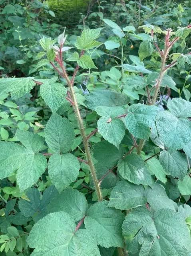
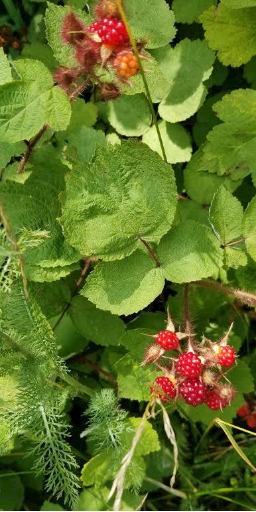
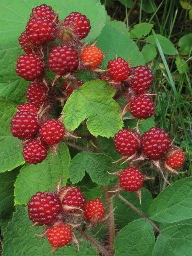
Wineberry (Rubus phoenicolasius) is an invasive shrub that is very similar to raspberry bushes. It has leaves divided into groups of three and bright red berries in the summer. This plant likes to live in moist, open areas where there's a lot of sun. You can find them mostly on the edges of woodlands. They are originally from Eastern Asia, however, they are invasive in the Eastern U.S.
This bush forms dense patches, blocking other plants from surviving normally. It also doesn't allow for native insects to pollenate the plant because they aren't used to wineberry.
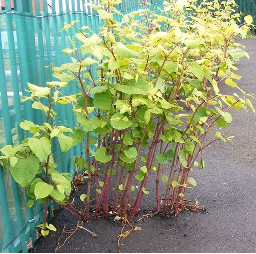
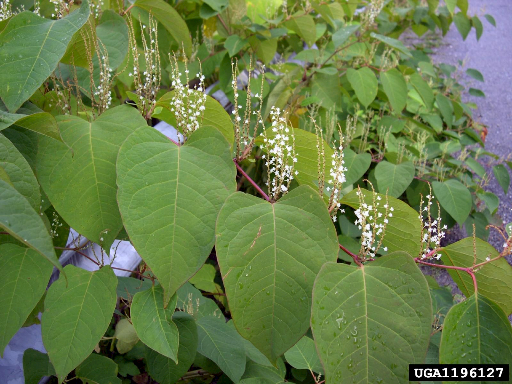
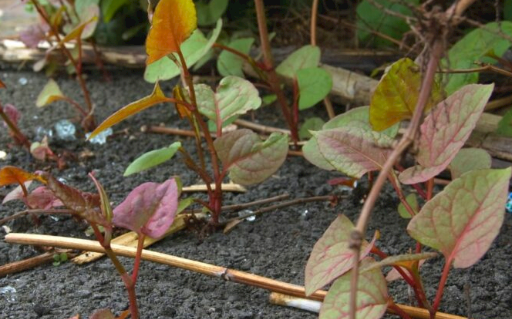
Japanese Knotweed #4
Japanese Knotweed (Reynoutria japonica) is an invasive plant that spreads through its roots. It's similar looking to bamboo with stalks that can grow up to 10 ft. tall with leaves that are 6 inches long and 4 inches wide, and has sprays of white flowers that bloom along the stems. This plant is found in North America and the UK, but is originally from Eastern Asia. It usually grows along waterways, in waste areas, and abandoned places.
This plant can tolerate high temperatures and droughts. It spreads quickly, disrupts native ecosystems, and causes native plants to die out. It can sprout through asphalt and foundations, causing structural damage.
Fun Fact:
If you spread it onto someone's property, they can sue you for removal costs and property damage.
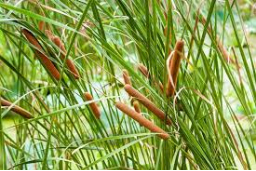
Narrowleaf Cattail #5
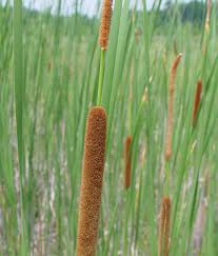
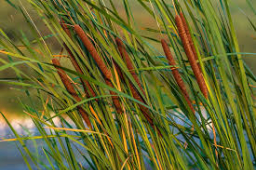
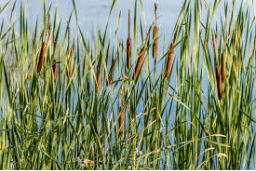
Narrowleaf cattail (Typha angustifolia) is a semi-aquatic plant that can grow up to 12 ft. tall and has tall, slender leaves. Yellow-ish flowers bloom from the tops of the stems and a few inches below is the light brown cattail. They grow in wetlands, marshes, lakeshores, and brackish areas. It's invasive in North America, but is native to Europe, Northern Africa, and some of Asia.
This plant creates dense areas next to or in wetlands which prevent the native ecosystem from functioning normally. They can also significantly reduce the amount of oxygen in the water.
Purple Loosestrife #6
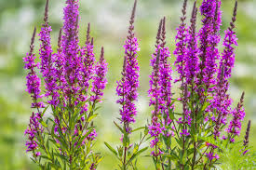
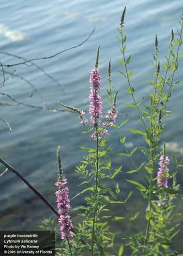
Purple Loosestrife (Lythrium salicaria) has tiny, narrow, smooth-edged leaves, which turn red and orange in autumn, and light pink or purple flowers made up of small petals in the spring. This plant likes to live in wet, marshy places usually on the banks of rivers or ponds. They are invasive in most Canadian and U.S. states. It's native to Europe and Asia.
This plant produces millions of seeds per season and it reproduces whenever one of its stems break. They also reduce the pollination of nearby species and are able to survive for up to 20 years.
- Full access to our public library
- Save favorite books
- Interact with authors
Please return this book to the Asa Pond Nature Center or the little free library outside! Thank you for reading!
- Emma Palm and Emma Benson
GSSNE Troop 615
- < BEGINNING
- END >
-
DOWNLOAD
-
LIKE
-
COMMENT()
-
SHARE
-
SAVE
-
BUY THIS BOOK
(from $5.19+) -
BUY THIS BOOK
(from $5.19+) - DOWNLOAD
- LIKE
- COMMENT ()
- SHARE
- SAVE
- Report
-
BUY
-
LIKE
-
COMMENT()
-
SHARE
- Excessive Violence
- Harassment
- Offensive Pictures
- Spelling & Grammar Errors
- Unfinished
- Other Problem





COMMENTS
Click 'X' to report any negative comments. Thanks!