
chapter 1: The Ukrainian War against russia
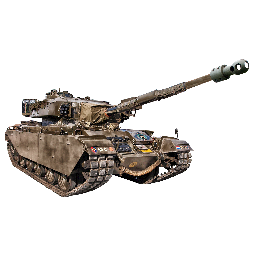

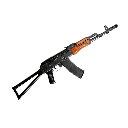



over board!


The city of Mariupol had once been a place of life and laughter—a vibrant port on the Azov Sea, bustling with trade, families, and history. But as the war tore through the region.
The city of Mariupol had been a place of life and laughter once—a vibrant port on the Azov Sea, bustling with trade, families, and history. But as the war tore through the region, it had become a ghost of its former self. Ruins lined every street
And the sound of artillery had replaced the everyday hum of activity. Yet, despite the destruction, something endured: the will to survive, resist, and rebuild. Olena had lived in Mariupol all her life. She was a teacher, dedicated to her students and her community, until the day everything changed. When the bombs began to fall, she and her family fled their home, seeking refuge in the nearby hills.
For weeks, they moved from one shelter to another, hiding in basements and abandoned buildings, always on the move, always listening for the thundering roar of missiles.

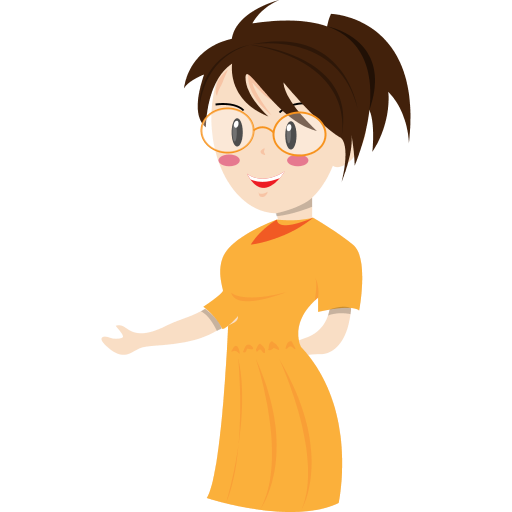

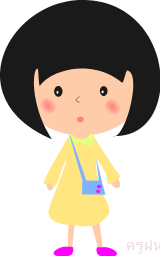



The children sat on the cold concrete floor of the bunker, their eyes wide with fear, their small bodies hunched against the damp walls. Olena stood at the front of the makeshift classroom, chalk in hand, though she had stopped writing on the blackboard hours ago. She had tried to continue teaching, to keep things as normal as possible for her students, but it felt impossible. The air was thick with smoke, and the constant hum of sirens outside reminded them all that the war was far too close.





One night, after hours of listening to the rumble of distant gunfire, Olena found herself walking to the local volunteer center. The streetlights flickered weakly overhead. People were speaking in hushed tones, delivering supplies, making phone calls to relatives. Some of the teachers she knew had returned to the city, rallying to help wherever they could.
“Olena!” called a voice from behind. It was Larisa, one of her former colleagues, her face drawn with exhaustion but with a spark of determination in her eyes.
Larisa! you survived!
Thank god you survived!
chapter two:aftermath


As the last echoes of battle rang through the air, Olena and the children made their way west, leaving behind the town they loved. They fled to safer territories, new homes, schools, and new beginnings. But the spirit of Izyum, of Olena’s teachings, remained with them. But some people are still injured or even dead







Though their lives had been shattered, Olena did not give up on her role as a teacher. She found a small room in the basement and began to gather the children for lessons. She taught them not just history, but also how to cope with their fear, their grief, and their uncertainty. She spoke to them about hope, about rebuilding, about what it meant to be Ukrainian.

A young girl named Katya raised her hand.
“Will we go back to Izyum?” she asked, her voice trembling.
Olena paused for a long moment. She could feel the weight of that question and the pain of the loss that hung in the air.
“Maybe,” she said finally, her voice quiet but firm. “One day. But until then, we carry Ukraine in our hearts. And we will make sure the world knows who we are.”
One cold morning, as the children sat huddled together in the dim light of a basement classroom, Olena gathered them.
“We have to leave,” she said, her voice barely above a whisper, but filled with the moment's gravity. “There’s a chance, just a small one, that we can make it to the west. To Poland.”
It was a decision that tore at her. Leaving Ukraine meant abandoning the land she loved, and the people she had fought to protect.
But staying would mean risking everything—life, freedom, and the futures of the children she had promised to care for.
“I’ll keep you safe,” Olena promised them. “We’ll get through this. We have no other choice.”
chapter 3:The Long Journey to Poland
The journey to Poland was long, harrowing, and uncertain. Olena led her students, a group of 20 children, through backroads, hidden paths, and quiet forests, avoiding Russian checkpoints. They traveled in silence, with only the sounds of distant artillery fire to remind them of the ongoing conflict
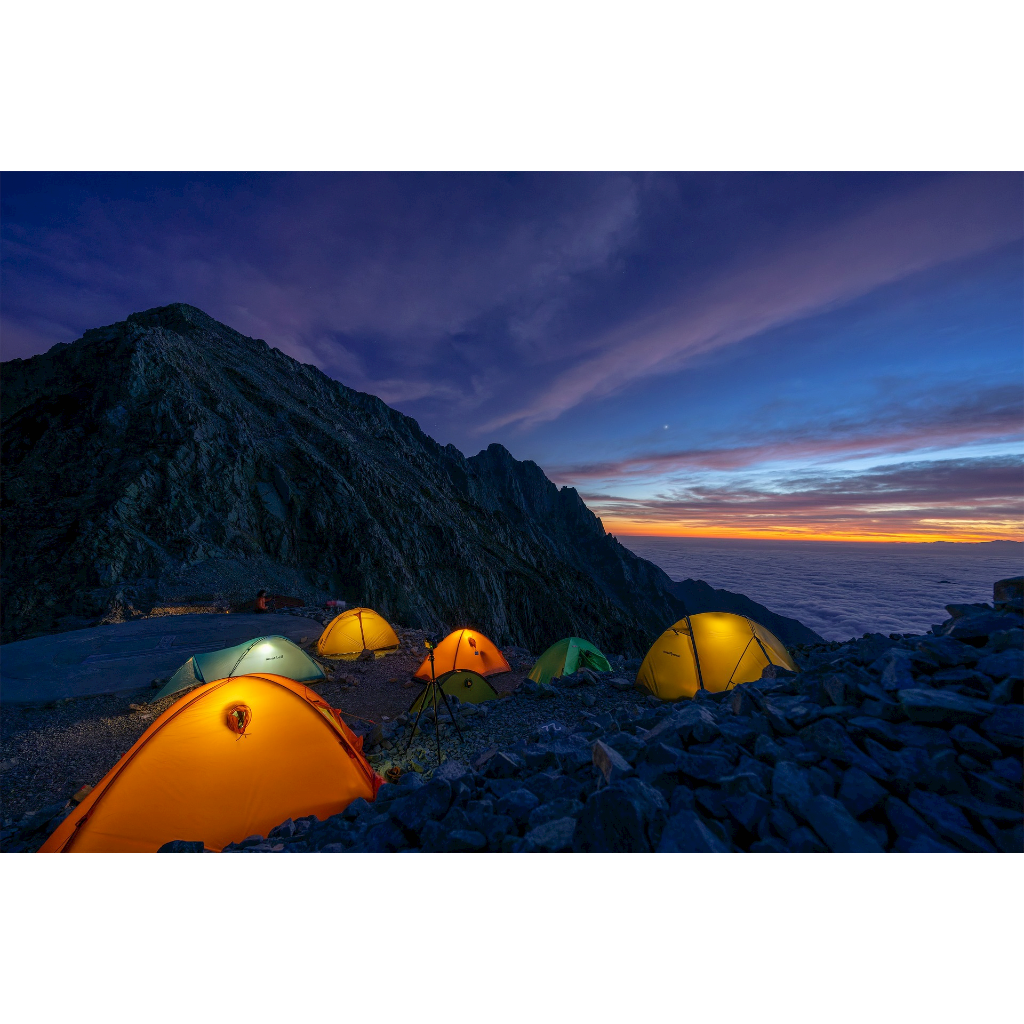

Their only hope was that the further west they went, the safer they would be. But even as they crossed into Ukrainian-controlled territory, they were not out of danger. The road was fraught with challenges—bombed-out towns, abandoned cars, families fleeing in every direction, and the constant fear of being caught in a Russian ambush. Each day was a struggle. Some nights, they would sleep in barns or makeshift shelters.
always moving at night to avoid detection. They would ration food, sharing whatever little they had. Olena’s students, some as young as six, grew weary, their eyes hollow with exhaustion, but Olena refused to let them give in to despair.
In the darkest moments, when the air raids grew closer or the fear of capture loomed heavy over them, Olena would sit with the children and tell them stories of Ukrainian heroes—real and imagined—who had faced the impossible and survived.
“We are not the first to fight for Ukraine’s freedom,” she would say, her voice a soothing balm in the chaos. “We carry their strength inside us. We are part of something bigger.”
Finally, after weeks of travel, they crossed into Poland, reaching the border in early summer 2022. The journey had taken everything from them—energy, hope, but most of all, their sense of belonging. They were no longer just Ukrainian citizens; they were refugees. Strangers in a foreign land.
She knelt beside him, her heart sinking when she saw what he was holding. It was an old pistol, weathered from the war but unmistakable. The Russian forces had left behind weapons in the territories they had occupied, and Artem, in his curiosity, had found one.
whats this teacher
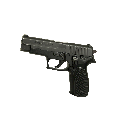
“Where did you find this?” she asked, her voice shaking with a mix of concern and anger.
“On the road,” Artem said, looking down. “I thought… I thought maybe we could fight back. They’re still hurting people in Ukraine. I wanted to be strong.”
Olena’s heart broke. Artem had become hardened by the brutality of war, a war he had no part in but which had already shaped his life. The idea that a child, once so full of hope, would turn to violence to seek control was a dark reflection of the tragedy they all faced。
After Olena confiscated the pistol and hid it in her own belongings, she gathered the children in the makeshift classroom. She knew this was a critical moment—a moment that could either push them into further trauma or give them a chance at healing. She needed to remind them of the values that war had tried to take from them: compassion, unity, and hope.“We are not soldiers, Artem,” Olena said gently, but firmly.
“We are not soldiers, Artem,” Olena said gently, but firmly. “We are survivors. We cannot carry violence in our hearts, not when we are still rebuilding. The world has already taken so much from us, and I will not let it take your souls, too.”
She paused, looking at the faces of her students, each one marked by the scars of war in their own way.
Artem was staring at the floor, his hands clenched tightly in his lap.
The children sat in silence, processing her words. Artem’s quiet rebellion was not an isolated incident. There was something within the children now—an anger, a thirst for justice, perhaps even vengeance. These were kids who had seen their world torn apart. They had seen the dead, the ruins, the loss. They didn’t understand why their country, their home, was under siege.
It was then that Olena understood the gravity of her role—not just as a teacher, but as a guide. She wasn’t just teaching them math or literature. She was teaching them how to survive the aftermath of trauma, how to rebuild their broken world, how to rebuild themselves.
we can"t fight but we can stop it
chapter 4:The War Reaches Poland
By late 2023, the war in Ukraine was dragging on, and the political and military landscape was shifting in ways that no one could predict. The fighting had reached a stalemate, but the casualties on both sides continued to mount. Even in Poland, the effects of the war were being felt. The influx of refugees strained local resources, and tensions between the Ukrainian and Russian diasporas were growing.
One fateful evening, as Olena and her students were preparing for bed in the refugee camp, the unthinkable happened—Russian forces, in an unprecedented move, launched a series of missile strikes targeting Polish military installations near the border. It was a calculated escalation, a clear attempt to destabilize NATO and provoke conflict between Russia and the West.
The war, which had been contained in Ukraine, had now crossed borders. The shockwaves from the missile strikes rippled through the camp. People screamed, some running in panic, others clinging to their loved ones, unsure of what would happen next.
For Olena and her students, the trauma of being refugees turned into the terrifying reality of being directly caught in the crossfire of an expanded war. The Polish government immediately declared a state of emergency, and security tightened. The once-safe haven had now become a place of heightened danger. Fear spread like wildfire through the camp.
Amidst the chaos, Artem found the pistol again. The fear in his eyes had deepened. He was no longer just a scared child; he was a young person hardened by the violence of war, seeking control over a world that had become uncontrollable. His grip on the weapon was tight, his face grim with determination.
Olena couldn’t allow this. She had to stop him, for his own good, for the good of the children. She found him hiding behind the old tent, clutching the gun.
“Artem, no,” she said, her voice cracking. “This is not the way. This is not our fight. You are not this weapon. Do you hear me?”
But Artem was not listening. His eyes, once filled with innocence, now burned with a desire for vengeance. He pointed the gun at the ground, his face hard.
“Then what do we do, Miss Olena?” he asked, his voice tight. “We’ve lost everything. Our homes, our families. What’s left for us?”
Olena stepped forward, slowly, carefully, her heart pounding. She had never been this afraid in her life.
“We survive,” she said, taking a deep breath. “We rebuild. And we teach the world that this is not how it ends. We do not become what we hate. We build a future, together.”
She reached out, gently taking the gun from Artem's hands. His fingers released the weapon as if it was suddenly too heavy for him to hold. The anger in his eyes slowly began to shift, replaced by something like understanding.
chapter 5: The Soviet Resurgence
By the time 2025 came to pass, the world was no longer the same. The war in Ukraine had not only devastated the region but had fundamentally altered the balance of power across the globe. The conflict had ravaged countries, displaced millions, and reshaped alliances. And in the midst of this chaos, the Russian Federation—still reeling from its military defeats and economic isolation—began to undergo a terrifying transformation.
- Full access to our public library
- Save favorite books
- Interact with authors
- < BEGINNING
- END >
-
DOWNLOAD
-
LIKE
-
COMMENT()
-
SHARE
-
SAVE
-
BUY THIS BOOK
(from $14.59+) -
BUY THIS BOOK
(from $14.59+) - DOWNLOAD
- LIKE
- COMMENT ()
- SHARE
- SAVE
- Report
-
BUY
-
LIKE
-
COMMENT()
-
SHARE
- Excessive Violence
- Harassment
- Offensive Pictures
- Spelling & Grammar Errors
- Unfinished
- Other Problem






COMMENTS
Click 'X' to report any negative comments. Thanks!