This space is dedicated to experimental science teaching. We intend to present experimental activities carried out within the scope of the eTwinning project and contribute to the implementation of renewed teaching in science.

Experiment- How does ocean acidification occur?

Class C4-2- Agrupamento de Escolas Frei João de Vila do Conde
Teachers: Luísa, Susana and Raquel
Justification:
The oceans annually absorb around 25% of carbon dioxide, which comes from human activities and is released into the atmosphere. In this way, they strongly mitigate the climate impact of this greenhouse gas. However, the dissolution of C02 in water causes the formation of carbonic acid, which acidifies the water. CO 2 emissions into the atmosphere have seen a considerable increase, particularly in recent decades. As a consequence, the increase in ocean acidification is notable. This increase in acidity has consequences for marine organisms. Significantly reduces the rate of calcification of organisms with shells, shells, such as micro algae, molluscs, crustaceans and corals. It can also alter the physiology and reproduction of some organisms. These changes have both ecological repercussions, affecting biodiversity, and economic ones, causing losses in the fishing sector.
Objetives:
Introduce the notion of the greenhouse effect, demonstrating through an experiment, the acidification of the oceans caused by the increase in atmospheric carbon dioxide.
Understand the adverse effects of this acidification on marine communities by verifying the erosion of calcium carbonate present in the exoskeleton of marine animals and shells, through its reaction with an acidic aqueous solution.
Materials:
Ph colorimetric solution (we use red cabbage extract) and Ph colorimetric scale
Baking soda
Acetic acid
Distilled water
Sea animal shells
2 bottles ( one of 250 ml and the other of 500 ml)
Flexible tube
Straw
Parafilm
Goblets
Beakers
Spoon
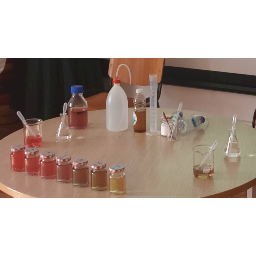
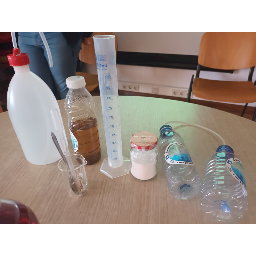
Activity A - Water acidification induced by CO2 dissolution
ACTIVITY 1
1. Pass the flexible tube through the holes made in the bottle lids, thus joining the film to seal the holes. The vials must be tightly sealed to allow only gas exchange through the tube.
2. Place 30 ml of red cabbage extract and 60 ml of distilled water in a 250 ml bottle. Compare the color of the solution with the collide colorimetric PH scale.
3. Place 100 ml of acetic acid and a tea spoon of sodium bicarbonate in the 500 ml bottle.
4. Observe the color changes that occur in the water solution and Ph indicator, if necessary shake the bottle. Compare the colors obtained with the ladder, Ph colorimetric scale.
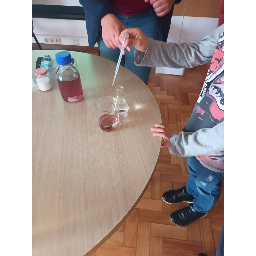
Photos of the procedure:
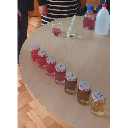
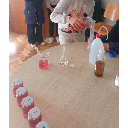
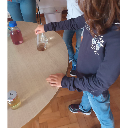
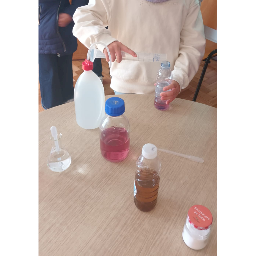
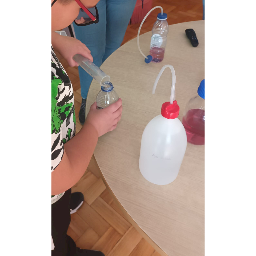
Procedure:
ACTIVITY 2
1.Place equal volumes of red cabbage extract solution 15 ml of extract +30 ml of distilled water in 2 beakers. One of the beakers will serve as the control and the other will be the test container.
2.Blow into the liquid in the test container, using a straw, making the solution bubble, compare the color changes observed.
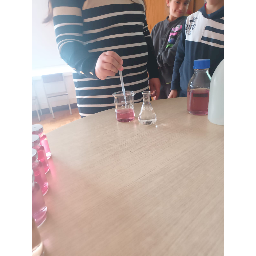
Activity B- Effect of ocean acidification on marine animal shells.
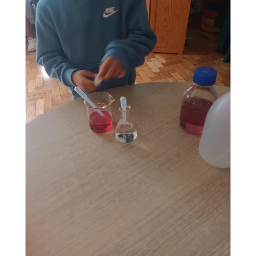
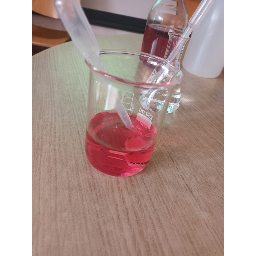
1. Place 15 ml of red cabbage extract and 30 ml of acetic acid in a beaker (the solution should be very red)
2. Place 15 ml of red cabbage extract and 30 ml of distilled water in another beaker.
3. Place a ladle in each beaker and observe the release of C02.
Guiding questions:
- Indicates the hypotheses to be tested in these experiments.
Indicate what changes you observed in the water acidification experiments by CO2, what PH did you obtain in experiment 1 and experiment 2?
-What is the source of the CO2 that caused acidification of the water in experiment 2.
-In which beaker did you observe the greatest release of CO 2 in the experiment studying the effects of acidification on the calcareous structures of marine animals?
-Indicate 3 actions that can help reduce the intense human release of carbon dioxide into the atmosphere, helping to minimize ocean acidification.
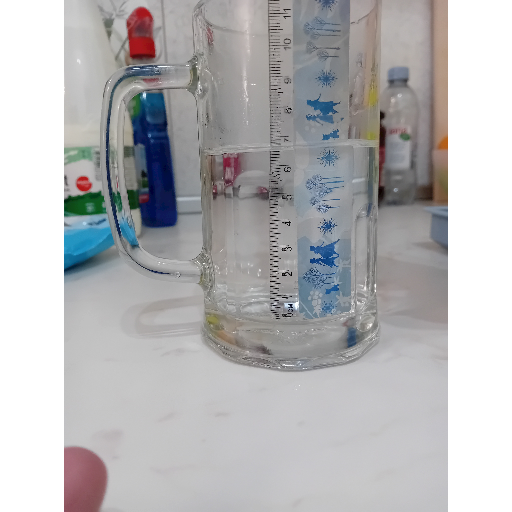
In this picture you can see water without ice. The water reaches up to 6,5 cm.
The effect on melting ice on the sea level


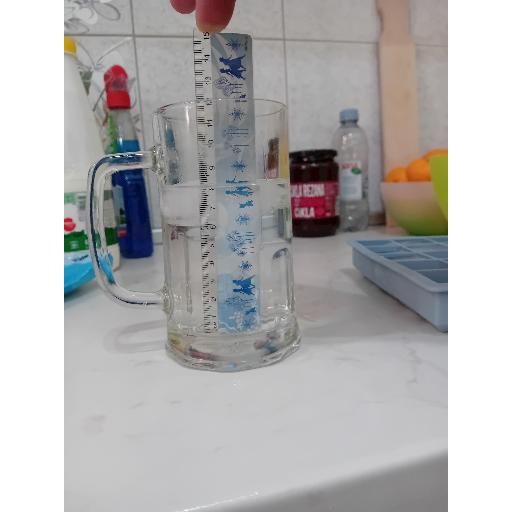
In this picture theire is a glass with two ice cubes. The water reaches the level of 8 cm.
Pujanke Elementary School Split

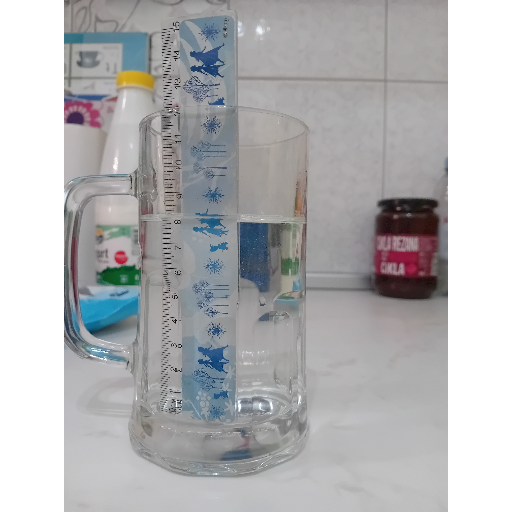
In third picture the cubes are melted. That has risen the level of water to 8.3 cm.
With this experiment we wanted to show the effect of melting ice on the the sea level.
The temperature difference between water and land
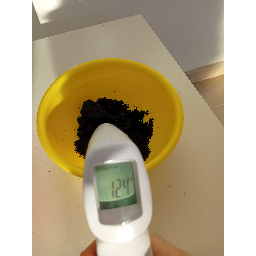
In this picture the temperature of the soil is 12.4 degrees.
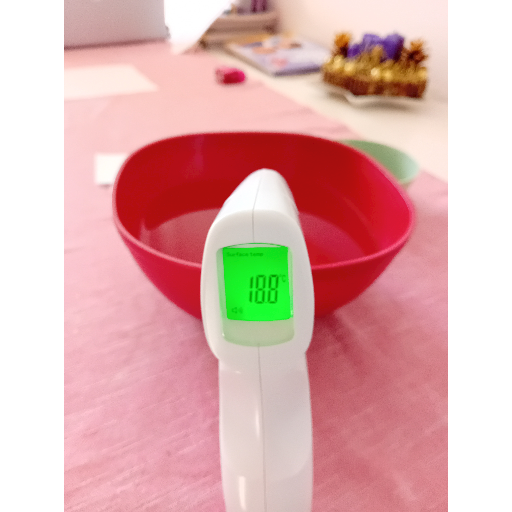
The temperature of water is 18.8 degrees
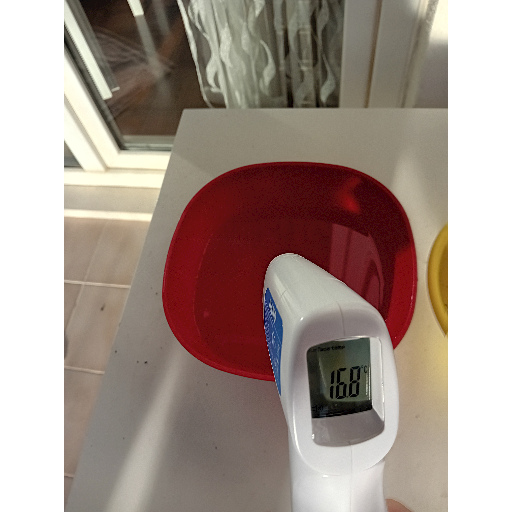
After an hour left under the sunlight, the temperature of water has increased up to 2.8 degrees.
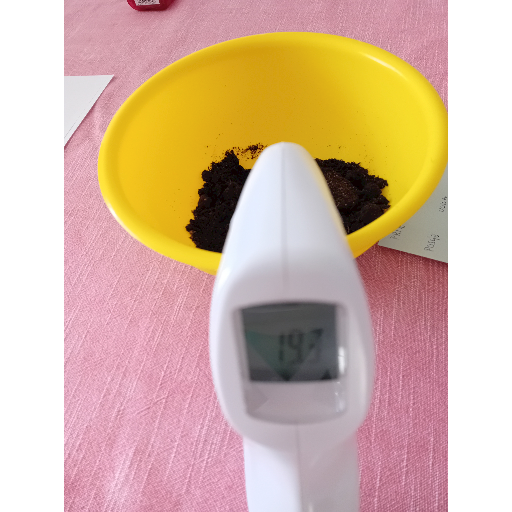
The temperature of the soil has increased for 5.6 degrees.
With this experiment we wanted to show that the land warms up more slowly than the water.
Pujanke Elementary School, Split, Croatia
İTÜ GVO BEYLERBEYİ STUDENTS' EXPERIMENT
Teacher: Seyda SEZER Istanbul-TURKIYE


Exploring Climate Change and Ocean Impact
- The Effect of Carbon Dioxide on Temperature -
Materials:
- Water
- A transparent cup
- Carbondioxide
(air from the lungs / a bottle of soda)
- Thermometer
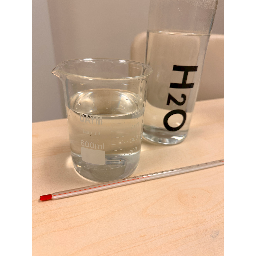
How to conduct the experiment
1. Place water in a transparent cup
2. Measure the temperature of water with a thermometer
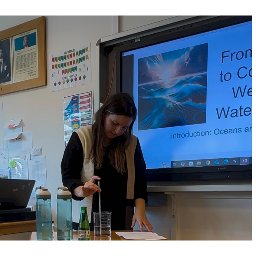
How to conduct the experiment
3. Write down the temperature that you measured
4. It is 1.8 C*
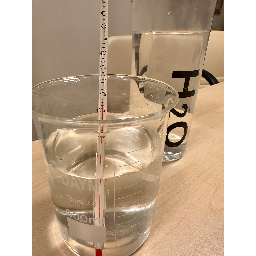
How to conduct the experiment
5. Blow carbondioxide (Co2) in water or add something like soda rich in Co2
6. Measure and write down
the temperature again
7. It's 3 C* now. (It raised).
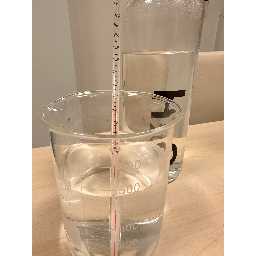
Result of the experiment
As the result of this experiment, our students understood that Carbon dioxide can cause the temperature to rise. This is a gas that makes the Earth warmer, contributing to climate change.
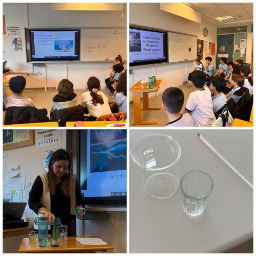
Experiment: The Temperature Difference Between Water and Land
Luis Costa Primary School - Murcia, Spain
Class: Year 4
Teachers: Eduardo Pérez and María Quirós


MATERIALS:
- A tray for water.
- A tray for soil.
- Digital or mercury thermometers.
- Enough water to fill the tray.
- A sufficient amount of soil to cover the other tray.
- A notebook to record results.
PROCEDURE:
Preparation:
Fill a tray with water (about 2-3 cm deep).
Fill the other tray with soil, making sure the layer is similar in thickness to the water.
Placement:
Place both trays in the sun in a location where they will receive the same amount of sunlight. Make sure there are no shadows or differences in conditions.
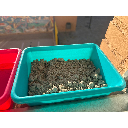
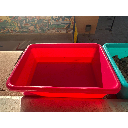
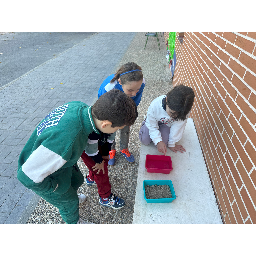
Insert a thermometer into each tray (one in the water and one in the soil). Record the initial temperature of both materials.
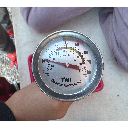
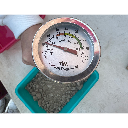
Water temperature: 11ºC
Soil temperature: 11ºC
Leave the trays in the sun for two hours.
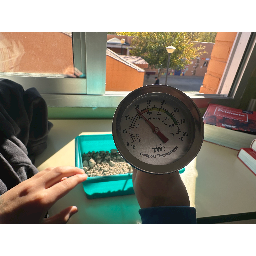
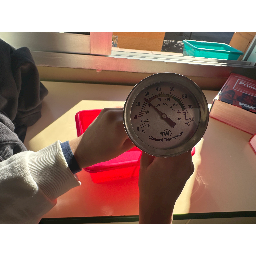
Final water temperature: 27ºC
Final soil temperature: 30ºC
What have we learned?
1.Thermal capacity:
Water has a higher thermal capacity than land, meaning it requires more energy to raise its temperature. That's why it heats up more slowly.
2. Climate regulation:
This principle explains why oceans help regulate Earth's climate by acting as a thermal "buffer" by slowly absorbing and releasing heat.
3. Practical applications:
You will be able to relate this phenomenon to aspects such as temperature differences between coastal and inland areas, or the role of the oceans in mitigating extreme temperature changes.
Experiment: Observing the Effects of
Rising Sea Levels on Coastlines



Școala Gimnazială nr.15, Brașov, Romania
3rd A Class
Teacher: Cristina Noaghiu
Materials:

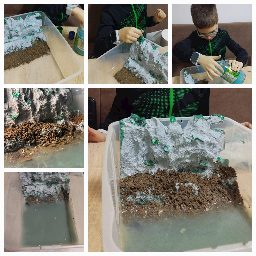
Procedure:
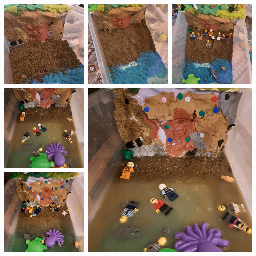
1. Create the Coastline:
Spread a layer of sand on the tray to form a sloping beach.
You can create different types of coastlines (steep cliffs, gentle slopes) to observe how they are affected differently.
(Optional) Place the small objects on the sand to represent structures along the coastline.
2. Add Water:
Gradually add water to the tray, simulating rising sea levels.
Start with a small amount and observe what happens.
Continue adding water slowly and observe how the water interacts with the sand and any structures you placed on it.

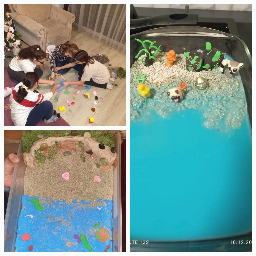
3. Observe and Record:
Observe how the water erodes the sand. Does it create channels? Does it undercut the cliffs?
Observe how the water affects the small objects. Are they submerged? Washed away?
Record your observations. You can draw diagrams, take photos, or write down your notes.
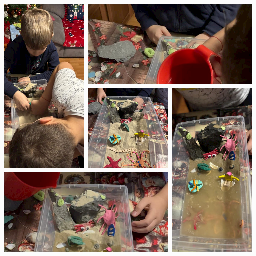
Learning Outcomes:
Visualizing Sea Level Rise: This experiment helps students visualize how rising sea levels can impact coastlines.
ACID RAIN EXPERIMENT
Teacher&Students: Mine HAMARAT
& Subaşı Primary School 4/A Class students
Acid rain is defined as any form of wet precipitation that has a pH less than 5.6 (on a scale of 0 to 14, with 7 being neutral).
Acid rain is an environmental problem that affects the health of humans and the environment .

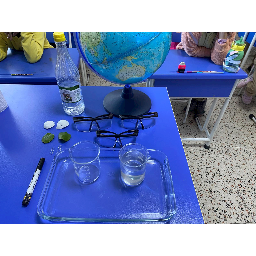
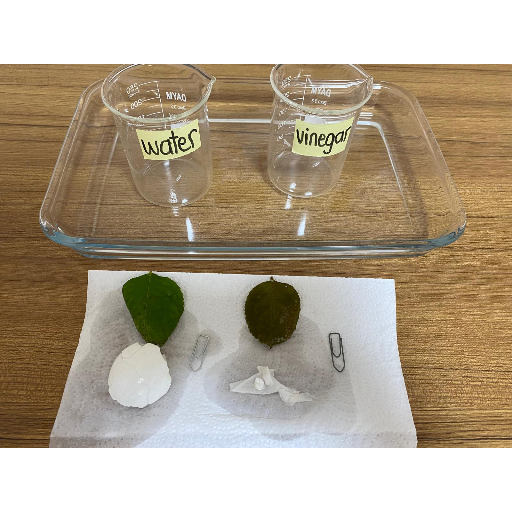
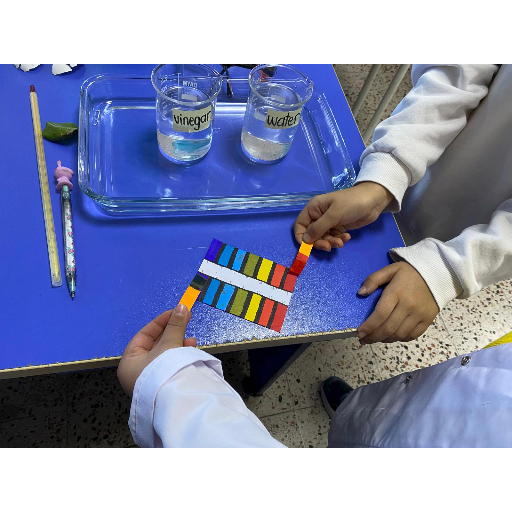
Ask students to use the Ph paper to measure the pH of the vinegar and the distilled water, and record it on their worksheets.
Students use masking tape and pens to label one jar "vinegar" and the other one "water".
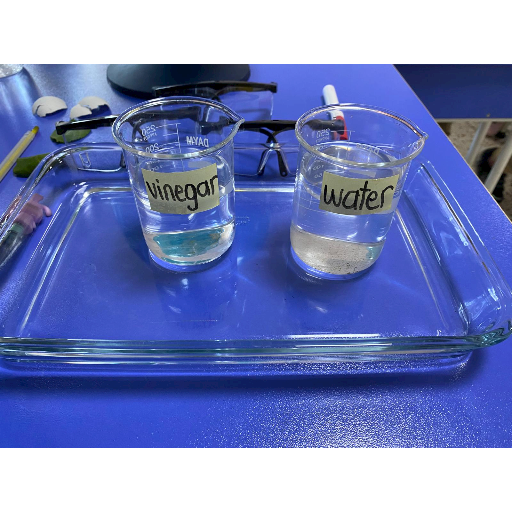
-Pour one cup of vinegar in to the vinegar jar.
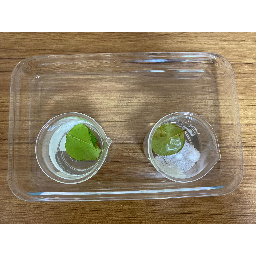
Place a paperclip, a pieces of eggshell and a green leaf in the vinegar. Put the lid on the container.
-Pour one cup of distilled water into the water jar.
Place a paperclip, a pieces of eggshell and a green leaf in the water. Put the lid on the container.
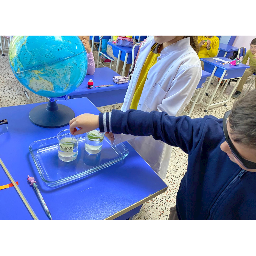
Let the jars sit overnight on a protected area.


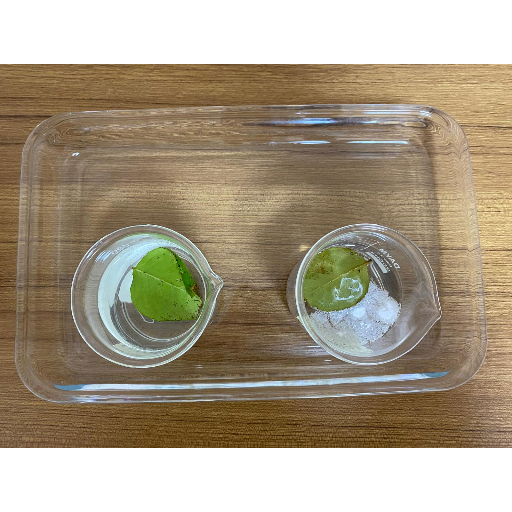
The next day,remove the container lids.Ask students to write their observations on their worksheets.
Expected results: In the water containers, the items show no noticeable changes.In the vinegar jars, the eggshells are soft, the leaf may have brown spots and the paperclip changes its colour.)
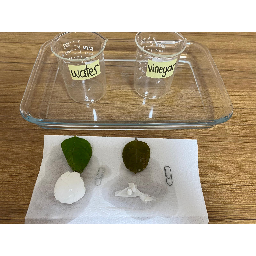
What we have learned:
*Acid rain can alter soil chemistry, nutrient availability and plant growth. In their weakened condition, trees and shrubs become vulnerable to insects, diseases and fungus infestations.
Intertidal Zones Experiment


Maria Regina College
Gharghur Primary School
Malta
Teacher: Anna Maria Gauci
Objective:
To help the children understand the tides and the intertidal zones.
The students create a miniature ocean, and see what happens when the size of the waves change.
Materials:
- Rectangular water tray (to represent the shore)
- Sand (to mimic the beach)
- Water
- Pebbles and/or sea shells
Procedure:
Pack the sand on one side of the tray, and slope it down towards the middle. This sand represents the shore.
In one corner of the sand create a small hole and line it with pebbles. This hole represents the tide pool.
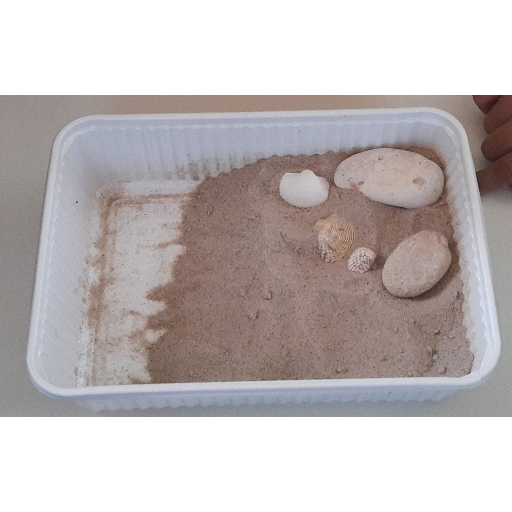
Pour the water slowly into the tray on the end with less sand. This represents the shore at low tide.
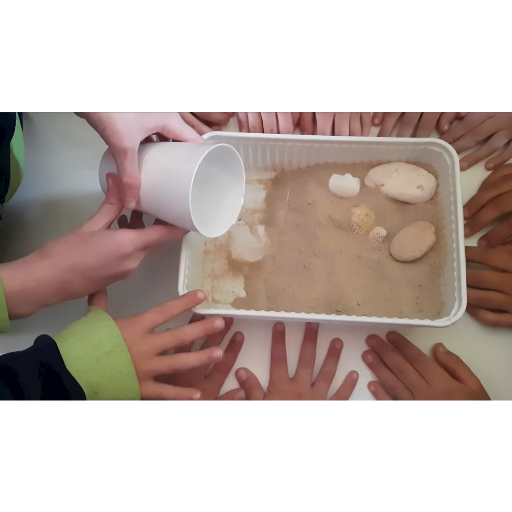
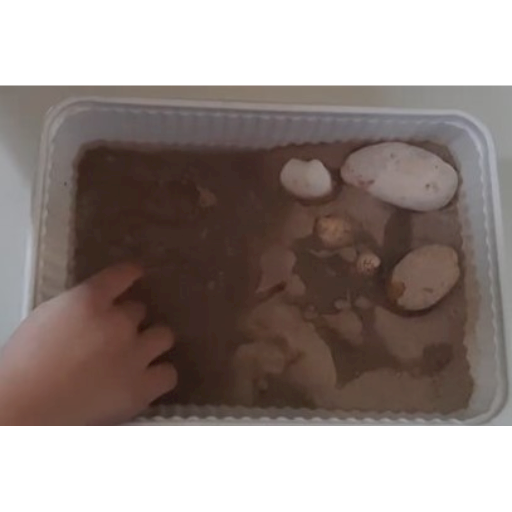
Gently create waves in the water and observe what happens to the shore line and the tide pool.
- Full access to our public library
- Save favorite books
- Interact with authors
- < BEGINNING
- END >
-
DOWNLOAD
-
LIKE
-
COMMENT()
-
SHARE
-
SAVE
-
BUY THIS BOOK
(from $15.19+) -
BUY THIS BOOK
(from $15.19+) - DOWNLOAD
- LIKE
- COMMENT ()
- SHARE
- SAVE
- Report
-
BUY
-
LIKE
-
COMMENT()
-
SHARE
- Excessive Violence
- Harassment
- Offensive Pictures
- Spelling & Grammar Errors
- Unfinished
- Other Problem





COMMENTS
Click 'X' to report any negative comments. Thanks!