Thanks to TEAM1 TEACHERS EMEL CELIK, JUILANA FREITAS,ANA GEANA BUDESCU, LIKA KHURTSILAVA, AGGELIKI CHARALAMBOPOULOU, CHRISTOS STERGIOU, CHARA MAVRIGOPOULOU, Students and all our Project Teachers and students for the creation of this book.

CONTENTS
1-EMEL ÇELİK(STUDENT:GÜL)....................................5-7
2-MARİA BENEDETTA LORUSSO.................................8-10
3-Juliana Marlene Nogueira Freitas.........................11-13
4-Cristina Dias.............................................................14-16
5- Raquel Lara............................................................17-19
6-Rosa María Cors Ferrando...................................... 20-22
7-Paula Portillo Mut...................................................23-25
8-Christos Liontos.......................................................26-28
9-Papazachariou Eirini Anthi.................................29-31
10-Charalambopoulou Aggeliki...........................32-34
11-Lika Khurtsilava...............................................35-37
CONTENTS
12-Ekaterine Arveladze......................................................38-40
13-TRIANTAFYLLIA GEORGIADOU.......................................................41-43
14-PAPADIOTI ELENI.............................................................................44-46
15-Nikolaos Kiriazis............................................................47-49
16-Zoi Kaouna......................................................................50-52
17-Barbara Sobczyk............................................................53-55
18-Dragan Zivkovic.............................................................56-58
19-Budescu Ana Geanina.............................................................59-61
20-Smarandoiu Claudia....................................................62-64
21-Voulgari Persefoni.......................................................65-67
22-EIRINI PILIOURA......................................................68-70
CONTENTS
23-Cristos Stergio........................................................74-76
24-Mavrigopoulou Chara...........................................................77-79
25-Szilvia Dömük...............................................80-82
26-Tuğçe KORKUBİLMEZ...........................................................83-85
27-Ayşe Taşan...............................................86-88
28-BERNA ELÇİ ................................................................89-91
29-Esra Toprak.................................................................92-94
30-MİNE UYGUN....................................................................95-97
31-ÖZNUR ŞİMŞEK................................................................98-100
32-İLYAS AÇIKGÖZ............................................................101-103
Hi, I'm GUL, I'll tell you the history of Kütahya.
Located in the Inner Western Anatolian Part of the Aegean Region, Kütahya has reached the Republic of Turkey with the Hittite, Phrygian, Roman, Byzantine, Seljuk, Germiyanoğulları and Ottoman civilizations in its known history. The oldest people who settled in the lands remaining within the borders of Kütahya province and whose name is known are the Hittites. Despite this, archaeological finds in the vicinity lead the settlement history of the province to much earlier,early ages.
The first settlement of our province is Kütahya castle and its surroundings. During the excavations carried out in the city center, which was also used during the Germianoğulları period, necropolis (cemetery) areas belonging to the Roman period were found.
EMEL ÇELİK/STUDENT:GÜL
However, no significant finds belonging to the Phrygian period have been found in the city center. The settlement area of Kütahya in the ancient period has not yet been determined definitively. The number of systematic excavations and research conducted in and around Kütahya to date is not very high. On behalf of the British Archaeological Institute, Clive Foss - Kütahya Castle, Epigraph Tomas Drew Bear - Inscriptions, David French - Roman Roads and Milestones, Assistant Professor from Istanbul University. Assoc. Dr. Turan Efe has researched Mounds and Tumuli from Ancient Settlements. Systematic excavations and researches initiated by the German Archaeological Institute in the Ancient City of Aizanoi have been ongoing since 1970.
( EMEL ÇELİK/STUDENT:GÜL)
A witness of thousands of years of history, the common heritage of humanity, one of the most beautiful ancient cities of Turkey with its magnificent structure that defies time, the Ancient City of Aizanoi… Aizanoi, founded on both sides of the Penkalas River (Big Tea), the city of the water fairy Erato, one of the daughters of Zeus, and Azan, the son of Arkas, the king of Arkadia, is the main settlement center of the Aizanitis, who live in Phrygia… Aizanoi is a unique city that speaks from the past to the future with its baths and bridges, from the most important temples of human history to the first stock exchange, from the colonnaded street to the stadium-theater complex where sports and art are intertwine.
( EMEL ÇELİK/STUDENT:GÜL)
hello Im Maria
Here Santeramo in Colle (Santeramo: Sanders) is a town in the Metropolitan City of Bari and region of Apulia, southern Italy.
Its current name comes from St Erasmus, martyr of the Diocletian era and patron saint of the city who, according to legend, is responsible for its founding.Let me introduce you to the famous Painter Leanardo Da Vinci:
Leonardo was born in 1452 in Vinci, Italy. He was not only a painter but also an inventor, scientist, and thinker. Leonardo’s curiosity covered almost every aspect of art and science. His paintings, like the Mona Lisa and The Last Supper, are world-
MARİA BENEDATTA LORUSSO STUDENT:MARİA
MARİA BENEDETTA LORUSSO/STUDENT:MARIA
renowned for their technique and depth of human expression.Besides painting, Leonardo was deeply interested in how things worked. He filled his notebooks with sketches and detailed diagrams of various subjects including human anatomy, flying machines, and botanical species. His approach to both art and science was based on observation and detailed realism.Leonardo’s life in Italy was a journey through various cities like Florence, Milan, and Rome where he worked under the patronage of dukes and popes.
MARİA BENEDATTA LORUSSO STUDENT:MARİA
Miracles of olive tree
Hi Guys we are Alex, Ana and Bruna and we will talk about a story, "the miracles of the olive tree", of Guimarães.
At the end of the Middle Ages was marked by the frequency of cataclysms that terrified the people: the sinister trilogy of famine, plague and war. Powerless in the face of the evils that invaded their daily lives, men turned to God, hoping to find protection from their afflictions in the supernatural. As evidence of this sense of medieval spirituality, where the marvellous and the fantastic had a very strong presence, new sanctuaries emerged, the cult of relics with protective and curative powers against the most diverse illnesses grew, and a new type of literature appeared in which miracles and prodigies associated with saints and sanctuaries were narrated.
Juliana Marlene Nogueira Freitas/STUDENT: Alexandre, Ana and Bruna
Juliana Marlene Nogueira Freitas/STUDENT: Alexandre, Ana and Bruna
In Guimarães, popular religiosity grew in the shadow of one of the symbolic marks of local identity: the olive tree, which is present in the history, traditions, imagination and beliefs of the people of Guimarães. The olive tree is present in the city's coat of arms and the Collegiate Church and the Main Square take their name from it.
Juliana Marlene Nogueira Freitas/STUDENT: Alexandre, Ana and Bruna
The tree mentioned here was brought, perhaps at the beginning of the 14th century, from the monastery of S. Torcato, where it provided oil with which to illuminate the saint. It was planted next to the Collegiate Church, where it ended up drying out. It would be associated with an impressive series of miracles that occurred in the short space of six months. The first would be its regrowth.
Cristina Dias and Juliana Freitas /STUDENT: Núria and Pedro
“O homem das duas caras”
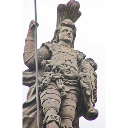
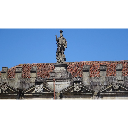
Hi, we are Núria and Pedro and we gonna tell the story of “O homem das duas caras”. Located on the facade of the Old Town Hall, where it was placed in 1877, the sculpture represents a warrior who, according to tradition, symbolizes the city of Guimarães. The statue, which has two faces represented, is related to an episode from the 15th century, which tells that shortly after the conquest of Ceuta, Dom João I, fearing the counterattack of the Moroccans, divided the defense of the city walls into two parts, assigning one front (“face”) to the troops of Guimarães and the other to those of Barcelos. Legend has it that when Barcelos' men saw the enemy they soon fled, leaving the people of Guimarães to their own devices. Guimarães' troops were divided along two fronts (“two faces”), and thus managed to prevent the Moroccans from regaining control of the city of Ceuta.
Cristina Dias and Juliana Freitas/STUDENT: Núria and Pedro
The Castle of Guimarães
Long ago, in the heart of northern Portugal, there stood a magnificent castle perched upon a hill overlooking the town of Guimarães. The Castle of Guimarães was more than just a fortress; it was a symbol of the beginning of a nation. The year was 1128, and the land was divided. Portugal, as we know it today, did not yet exist. The kingdom was struggling, and the fate of the region rested in the hands of brave men and women. Among them was a young nobleman named Afonso Henriques, a man destined to change the course of history. Afonso was determined to free the land from foreign influence and to unite the scattered territories under one rule. With his loyal followers, he fortified Guimarães Castle, making it the center of his efforts. From the towering stone walls, Afonso could see the lush valleys below, where the local villagers worked the land and dreamed of a better future.
Cristina Dias and Juliana Freitas/STUDENT: Núria and Pedro
Afonso Henriques was hailed as the first King of Portugal, and Guimarães became the cradle of the nation.
Years passed, and the castle continued to stand as a proud reminder of that critical moment. The once humble fortress grew in stature, its towers reaching for the sky, just as Portugal’s influence grew across the lands.
Raquel Lara/STUDENT:
Flamenco, one of the non-academic European musical forms, is the name of Andalusian Folk Music and the dance performed with this music. Beyond being a simple folk genre, it has a complex and intense cultural tradition. Although it is known to be native to Spain, it is actually the culture of the Andalusia region.Flamenco dance is a musical genre shaped by the traditional folkloric music of Southern Spain and the contributions of gypsy culture. The combination of these two cultures has created the rich and dynamic structure of Flamenco. Dec. The combination of local folk music with the musical accumulation of gypsies, especially in the southern regions of Spain, has prepared the ground for the birth of this original music.
Raquel Lara/STUDENT:
Although flamenco spread among the public in its early Decadence, it did not receive much acceptance due to its strong ties with gypsy music. However, over time, with the influence of the depth and melodic structure of gypsy culture, this type of music has started to reach a wider audience. The development of dance has accelerated with the interaction between folk music and gypsy music, and it contains many different musical forms and traditional elements on its journey up to the present day. Dec.
Raquel Lara/STUDENT:
Today, Flamenco dance has become a recognized musical genre not only in Spain, but also worldwide. The emotional depth, rhythmic richness and expressive power combined with dance are the elements that make Flamenco unique. This music has gained a different dimension by blending with modern influences over time. However, gypsy music and folk music traces from their origins have always formed the basic building blocks of Flamenco.
Rosa María Cors Ferrando/STUDENTS: 6PRI B
Rosa María Cors Ferrando/STUDENTS: 6PRI B
Rosa María Cors Ferrando/STUDENTS: 6PRI B
Paula Portillo Mut/STUDENT:
Tomato Festival Spain
The main event of the tomato festival is that people have fun throwing tomatoes at each other for about 1 hour in the square of the town of Bunol. Participants who throw tomatoes at each other for an hour are covered in tomatoes from head to toe. August 30th, 2017, the Spanish tomato festival, which is held every year on Wednesday in the last week of August, was held on August 30th. The Spanish tomato festival was celebrated on Wednesday, August 29th in 2018.
Paula Portillo Mut/STUDENT:
When is the Tomato Festival Celebrated?
The tomato festival in Spain is a festival that originated in 1945. The festival, celebrated every year on the last Wednesday of August, is held in the town of Bunol, Valencia.On the morning of the festival day, everyone comes to the festival site by walking behind trucks for the tomato rain that will start at 11:00 after breakfast. The festival, which starts with people throwing tomatoes piled up on the field to each other, lasts about 2 hours.
Paula Portillo Mut/STUDENT:
From the moment the tomato war started, everyone is alone. Some participants throw themselves into this sea with snorkels and glasses, some with flippers on their feet, and the town of Buñol is covered with crimson joy during these 2 hours.
The festival has 2 very important rules. First of all, don't throw the tomatoes without crushing them, and secondly, don't throw anything but tomatoes, because we don't want anyone's head to get broken.
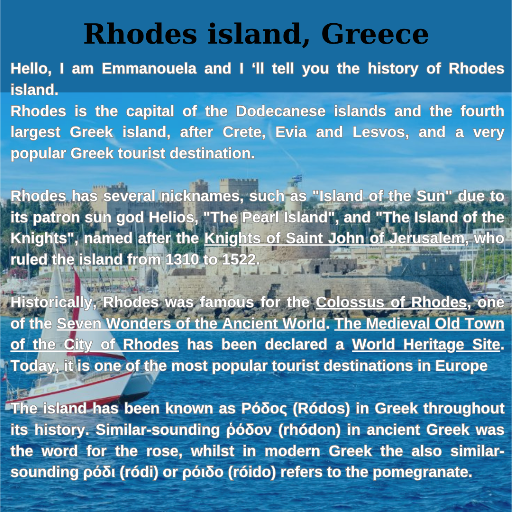
Christos Liontos/STUDENT: Emmanouela L.
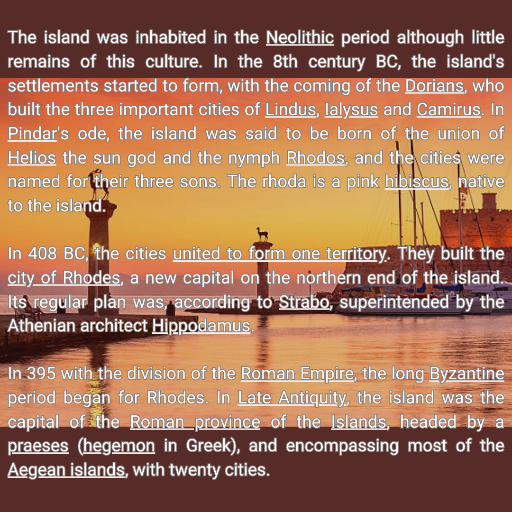
Christos Liontos/STUDENT: Emmanouela L.
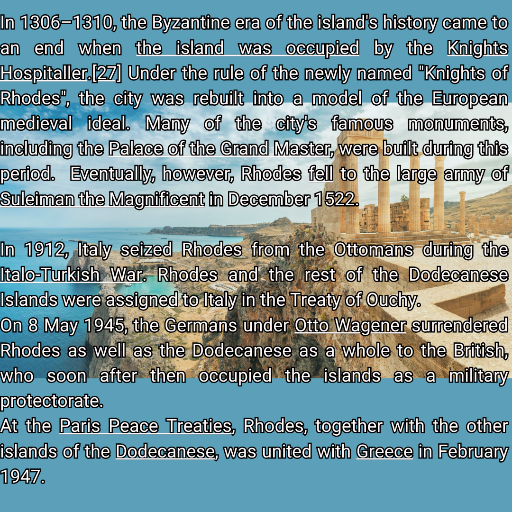
Christos Liontos/STUDENT: Emmanouela L.
Papazachariou Eirini Anthi/STUDENT:
Apokries: The Greek Carnival The carnival season of Greece, called "Apokries", is mainly about fancy dress, eating, drinking and dancing. Traditionally, it begins ten weeks before Greek Orthodox Easter, ends on the weekend before “Holy Monday”, the first day of Great Abstinence. "Apokria“ literally means ”saying goodbye" to eating meat or a product made from meat. (Apo-kreo means abstinence from meat).
Papazachariou Eirini Anthi/STUDENT:
Sunday Sunday night Carnival officially begins with the ”opening of the Triodion", the Great Abstinence Triodion is the liturgical book containing the hymns of the Orthodox Church and three eulogies, and the hymns it contains are sung from the first Sunday of Great Abstinence to Holy Monday. Fasting is not kept until the following Sunday, when Meat is eaten, this day is the last day that meat can be eaten until Easter. On Thursday of this week, also called Tsiknopempti, also known as Barbecue Thursday due to the intensity of the smell of fried meat in the air, families and friends gather in tarvernas or houses and celebrate ten days before the Great Abstinence by consuming large amounts of meat.
Papazachariou Eirini/STUDENT: Anthi
Sunday Sunday, the last Sunday of the Carnival period, Cheese is eaten, or Tyrofagos is called, and only dairy products are consumed on this day. Sunday Monday, when Cheese is Eaten, is the last day before the Great Abstinence, and the following Monday, Holy Monday, marks the beginning of the Great Abstinence. On the weekend before Holy Monday, carnivals, celebrations are held throughout Greece, masked parades, marches in traditional clothes, and other traditional customs within the framework of their cultural heritage, which vary from region to region.
Charalambopoulou Aggeliki/STUDENT: Dimitris
Hi! My name is Dimitris and I will tell you a few things about my town!
Amfilochia is a charming town located in the northwestern part of Aetolia-Acarnania, Greece. Nestled along the shores of the Ambracian Gulf, the town is often viewed as a hidden gem due to its breathtaking landscapes, rich history, and vibrant local culture. Whether you're a history buff, a nature enthusiast, or someone who loves exploring local traditions, Amfilochia offers an array of attractions that cater to all kinds of travelers.
The town's name, Amfilochia, is derived from the ancient Greek word "Amfilochos," suggesting a deep historical lineage that stretches back to ancient Greece. The region around Amfilochia has been inhabited since ancient times, with archaeological evidence pointing to settlements that date back to the Mycenaean era.
Charalambopoulou Aggeliki/STUDENT: Dimitris
In my town there are some very ineteresting landmarks:
Charalambopoulou Aggeliki/STUDENT:Dimitris
Amfilochia is wonderful by night! you can admire it by a boat!
Lika Khurtsilava/STUDENT:Niko Koridze
Borjomi Municipality, located in the Samtskhe-Javakheti region of Georgia, is a land of rich history, ancient culture, and stunning natural beauty. The area is renowned for its lush forests, crisp mountain air, healing mineral waters, alpine meadows, and hidden lakes, making it a prime destination for tourists and nature enthusiasts.
Lika Khurtsilava/STUDENT: Mariam Bandzava
Lika Khurtsilava/STUDENT: Mariam Bandzava
Borjomi (Georgian: ბორჯომი) is a renowned brand of naturally carbonated mineral water sourced from springs in the Borjomi Gorge, located in central Georgia. The artesian springs are replenished by glacial meltwater from the Bakuriani mountains, which filter through layers of volcanic rock at altitudes of up to 2,300 meters (7,500 feet). Rising to the surface naturally without the need for pumping, the water is then transported via pipelines to two bottling plants in the town of Borjomi, preserving its unique mineral composition and refreshing taste.
Ekaterine Arveladze/STUDENT: Elene Kokhreidze
I am Elene, I introduce you Kutaisi.
One of Georgia's oldest and most historic cities, is a cultural and historical gem in the heart of the country. Nestled along the banks of the Rioni River, it serves as the capital of the Imereti region and is known for its rich heritage, picturesque landscapes, and vibrant atmosphere. Here’s a brief introduction to this beautiful city:
Ekaterine Arveladze/STUDENT: Mariam Dzidzishvili
Ekaterine Arveladze/STUDENT: Kato Kikaleishvili
Kutaisi is surrounded by lush greenery and breathtaking landscapes. Nearby attractions include:
TRIANTAFYLLIA GEORGIADOU/STUDENT:Anainti
Thessaloniki, the bustling port city of Northern Greece, is a haven for food lovers and entertainment seekers alike. Known as the gastronomic capital of Greece and a hub for nightlife, Thessaloniki offers an intoxicating mix of flavors, traditions, and lively experiences that reflect its rich cultural heritage and modern vibrancy.
TRIANTAFYLLIA GEORGIADOU/STUDENT:Anainti
Thessaloniki's food scene is a feast for the senses, offering a blend of Greek, Ottoman, Balkan, and Jewish influences. Whether you're craving a hearty traditional meal or modern fusion cuisine, the city has something to satisfy every palate.
TRIANTAFYLLIA GEORGIADOU/STUDENT:Anainti
Thessaloniki's food markets are also must-visit destinations. The historic Modiano Market, with its labyrinth of stalls selling spices, cheeses, and cured meats, offers a sensory journey into the heart of the city’s culinary traditions.
PAPADIOTI ELENI/STUDENT:Ioanna
Thessaloniki, Greece's second-largest city, is a vibrant cultural hub that seamlessly blends history, art, and modernity. Nestled on the Thermaic Gulf, this port city boasts a rich tapestry of cultural influences, shaped by its millennia-old history and its strategic position as a crossroads of civilizations.
PAPADIOTI ELENI/STUDENT:Ioanna
Founded in 315 BCE by King Cassander of Macedon, Thessaloniki has served as a melting pot of cultures for over 2,300 years. Its diverse heritage reflects the influence of Hellenistic, Roman, Byzantine, Ottoman, and Sephardic Jewish communities. Visitors can stroll through the city's UNESCO-listed Paleochristian and Byzantine monuments, including the iconic Rotunda and the Church of Hagia Sophia, which showcase intricate mosaics and architectural brilliance.
PAPADIOTI ELENI/STUDENT:Ioanna
Thessaloniki is a hotspot for contemporary art and creativity. The city hosts numerous galleries and art spaces, including the State Museum of Contemporary Art and the MOMus network, which promotes avant-garde exhibitions and cultural dialogues. Annual events such as the Thessaloniki International Film Festival and the Thessaloniki Documentary Festival attract global talent and film enthusiasts, cementing the city's reputation as a cinematic capital.
Nikolaos Kiriazis/STUDENT: Α.ΤΖΟ.
In recent years, the island of Ikaria has captured global attention as a paradise of longevity! The island is one of the five "Blue Zones" in the world, regions where people live long and healthy lives. The way of life on the island is a recipe for longevity, with key ingredients:
Diet: A Mediterranean diet rich in fresh vegetables, fruits, legumes, whole grains, and olive oil.
Physical Activity: Gardening, walking, and participating in community activities keep them active throughout the day.
Social Life: Family gatherings, traditional festivals, and lively conversations are integral parts of daily life.
Relaxation: Afternoon naps and a laid-back pace of life help manage stress and promote a sense of well-being.
Nikolaos Kiriazis/STUDENT: A.TZO.
The festivals of Ikaria are a unique experience for visitors to the island and are renowned worldwide. The history of Ikarian festivals dates back to the 1950s and 1960s. The challenges and isolation faced by the locals instilled in them a strong sense of solidarity and collectivism, a trait that remains unchanged to this day.
Festivals in Ikaria never stop; during major celebrations, there can be as many as 7 or 8 festivals happening simultaneously in different villages. However, the summer season is the time of highest participation.
No matter which festival one chooses to attend, it is certain they will find themselves dancing until dawn to the slow and mesmerizing Ikarian dance. Embraced by locals and visitors alike, participants form a circular path imbued with mystical, almost ecstatic dimensions that leave an indelible mark on memory.
Nikolaos Kiriazis/STUDENT: A.TZO.
Who hasn’t heard of the beach of Nas and the Chalaris River that flows into it, forming a small lagoon? It is one of the most famous spots on the island and offers a stunning sunset view.
In antiquity, this location was home to one of the most renowned sanctuaries dedicated to the worship of Artemis Tauropolos, built in the 6th century BCE. Inside the sanctuary stood a grand statue of the goddess, which has not survived as the temple was destroyed in the 18th–19th centuries.
Today, only the floor and foundations are visible, and next to the temple, on the riverbank, lie remnants of a harbor quay built by the locals in the 14th–15th centuries.
Barbara Sobczyk/STUDENT: Kuba
Barbara Sobczyk/STUDENT: Szymon
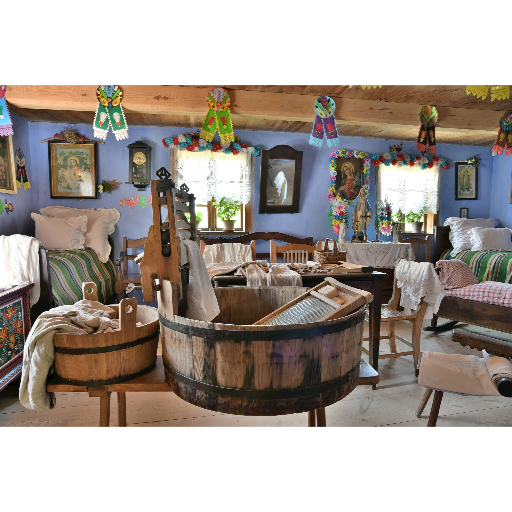
Barbara Sobczyk/STUDENT: Tomek
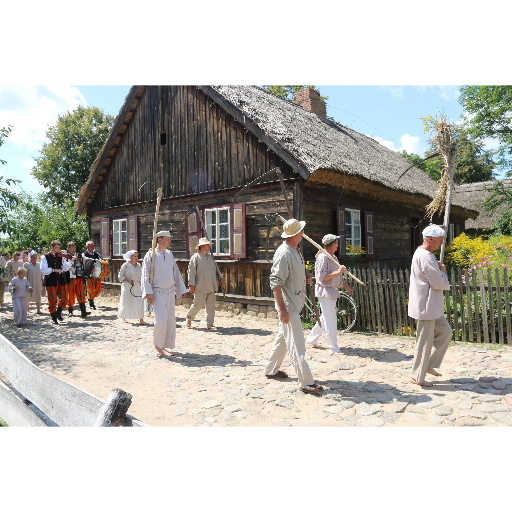
Dragan Zivkovic/STUDENT:
Serbia's rich cultural heritage is an important bridge for understanding European and world history. Traces of prehistoric culture in Lepenski Vir date back to 7000 BC, making this place stand out as the “cradle of Europe”.The remains of the subsequent Neolithic Starčevo and Vinča cultures show how vital the Danube River was for the communities of that period.
Dragan Zivkovic/STUDENT:
Serbia, located on the border of the Roman Empire, has been the scene of strategic wars for centuries. The ruins of the city and roads, which can still be seen today, bear traces of the Roman presence. In addition, the fact that 16 of the 52 Roman emperors were born on the territory of Serbia makes this a privileged region for Roman history. These Roman ruins are included in the cultural routes of the Council of Europe, and Felix Romuliana is included in the UNESCO World Heritage List.
Dragan Zivkovic/STUDENT:
During the Middle Ages, the cultural and spiritual life in Serbia developed in the churches. 12. from the 17th century. Orthodox monasteries built before the century are decorated with unique frescoes of the period and today hold an important place in the world cultural heritage. Three monasteries that stand out for their historical and cultural values (Stari Ras and Sopoćani, Studenica Monastery and monasteries in Kosovo and Metohija) are protected in the UNESCO World Heritage List. If you want to get to know the cultural mosaic of Serbia closely, you should definitely see these places.
Budescu Ana Geanina /STUDENT: Stefania Mihai
Budescu Ana Geanina /STUDENT: Dragos Lupascu
Smarandoiu Claudia /STUDENT: Balabeș Raluca
My name is Raluca Balabeș, I am a 6th grade student at Secondary School No. 311, Bucharest, Romania. We will travel together through the history of our capitalThe first documentary mention of the Bucharest fortress is in a charter of Vlad Țepeș, lord of Wallachia (1448; 1456-1462; 1476), dated September 20, 1459.
The importance of the document of September 20, 1459 resides in the documentary attestation of the name of the city "Bucharest". Through this charter, written in the Slavonic language, ruler Vlad Țepeș strengthened the property of Andrei and his sons, Iova, Drag and a third, whose name has not been deciphered. The Lord of Wallachia issued several Chancery documents from Bucharest, which attests to the status of the city's royal residence. According to a document dated June 7, 1766, the city's name comes from a certain Bucur, who "was the first to beat the hair".
Smarandoiu Claudia /STUDENT:
The Bucur Church, built in a specific architectural style of the 18th century, is believed to have been originally built by the Bucur shepherd, from whom it would have taken its name and capital. The current name of the church appears for the first time on an old map of the city of Bucharest, dated 1844. According to several travelers and historians, Romanian and foreign, the church called "Bucur's" was built by the founder of the capital city. According to others, the church was built for the first time sometime in the 17th century, and then it was rebuilt at the beginning of the 18th century. Those who support the building of the church at the end of the 17th century, believe that it was built specifically to serve as a chapel for the monks of the Radu Voda Monastery. The hypothesis of its foundation by ruler Mircea cel Batran, in the year 1416, is also circulated.
In a manuscript from the year 1761, the Catholic missionary Blasius Kleiner mentions: "It is said that this town takes its name from a certain shepherd or, as others say, a famous outlaw, whose name was Bucur. He grazed his sheep in that plain on the edge of the Dambovita river and maybe that's where he made his outlaws. Later, he built a church and started building some houses for himself and others."
Smarandoiu Claudia /STUDENT: Balabeș Raluca
The Palace of the Parliament in Bucharest, Romania (known before the 1989 revolution as the House of the Republic or the House of the People, measures 270 m by 240 m, 84 m high, and 92 m underground made in the spirit of socialist realist architecture. It has 9 levels on the surface and 9 others underground. According to the World Records Academy, the Palace of Parliament is the third largest administrative building for civil use in the world, the most expensive building administrative building in the world, and the heaviest building in the world. The building has an unfolded area of 330,000 m2, registering, according to the World Records Academy, in the chapter "Administrative Buildings", in 2nd place in the world after the Pentagon building, and, from in terms of volume, with its 2,550,000 m3, in 3rd place in the world, after the space rocket assembly building of at Cape Canaveral in Florida and after the pyramid of Quetzalcoatl in Mexico.For comparison, this building is 2% larger than the pyramid of Cheops in Egypt, and that is why some sources characterize it as a "pharaonic" construction.
Voulgari Persephoni /student: Sofia
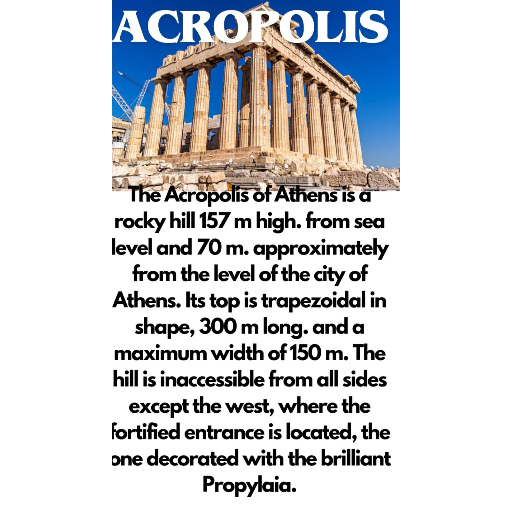
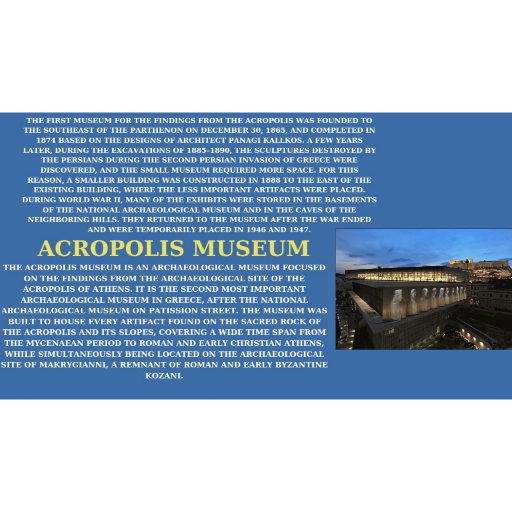
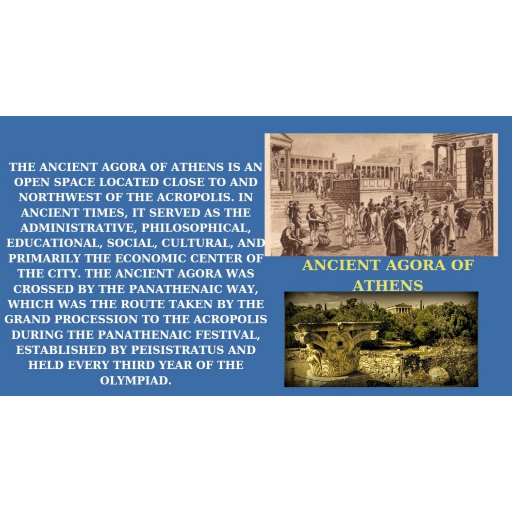
Voulgari Persephoni /student: Chrisoula
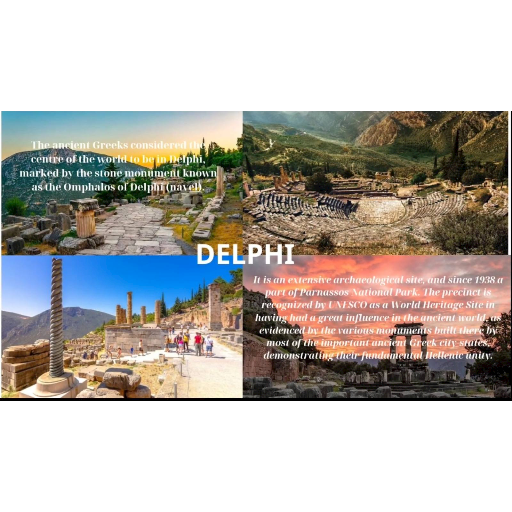
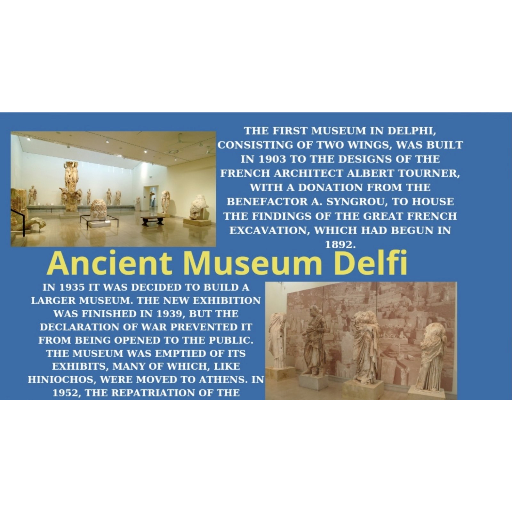


Voulgari Persephoni /student: Kalliopi

Μarios Papadopoulos /student: Vasilianna
Marios Papadopoulos /student: Labros
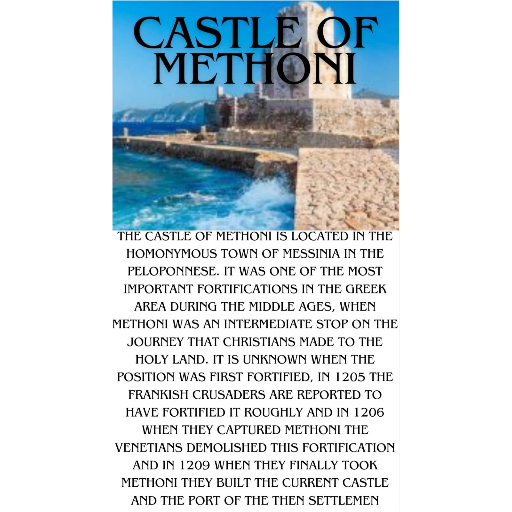
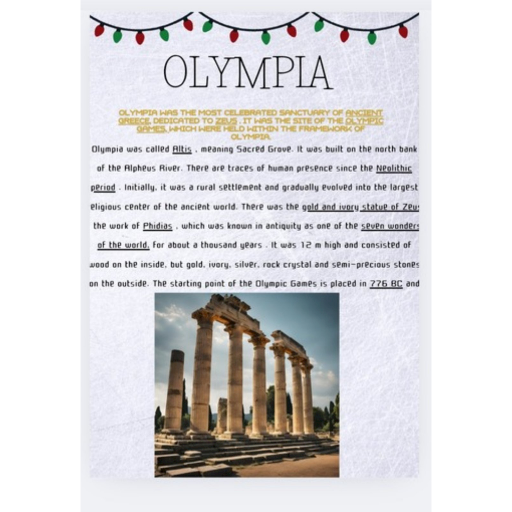
Marios Papadopoulos /student: Ilias

Eirini Pilioura /student: Anastasis
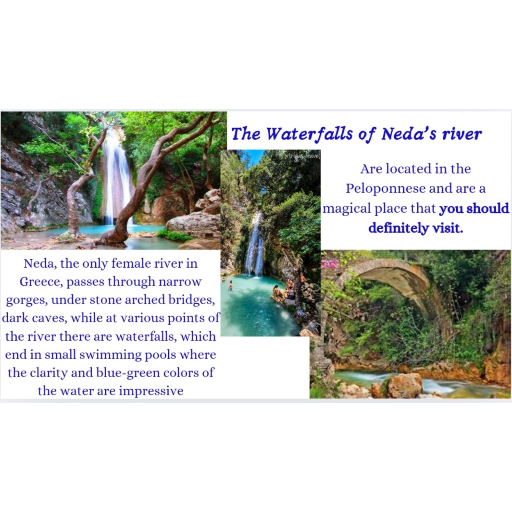
Eirini Pilioura /student: Giannis - Marios
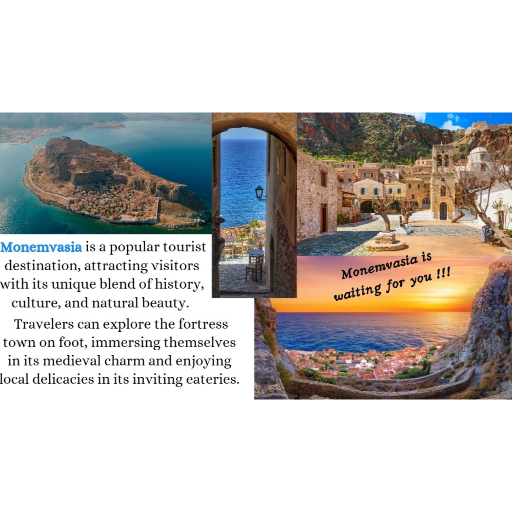
Eirini Pilioura /student: Alexandros
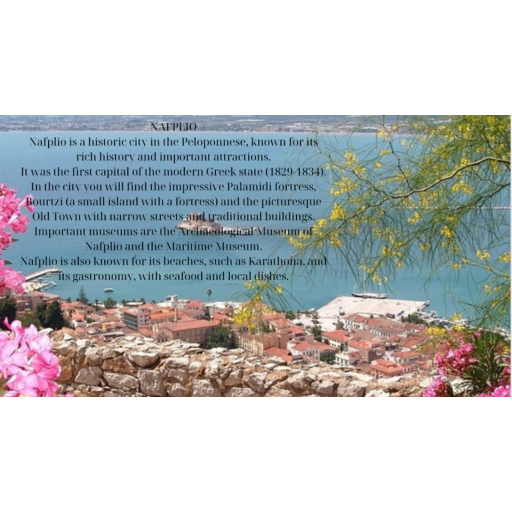
Christos Stergiou /student: Alexandra
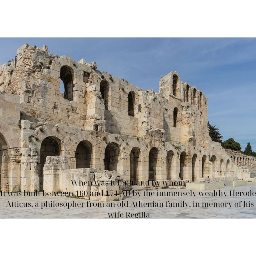
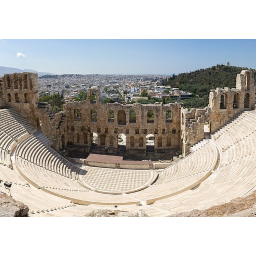
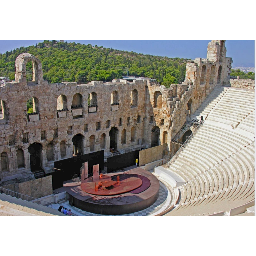
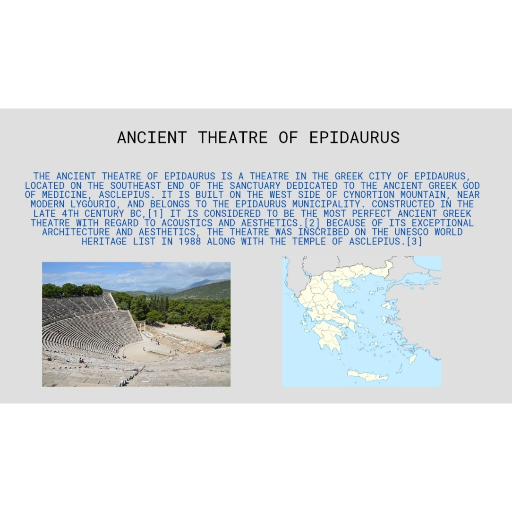
Christos Stergiou /students: Sotiris -Zeinep
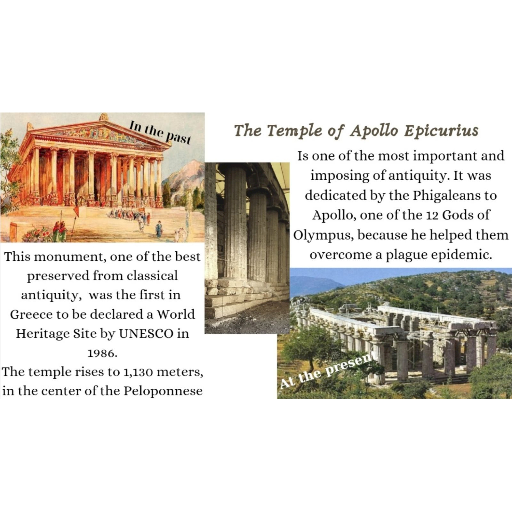
Christos Stergiou /students: Marilena - Kamran
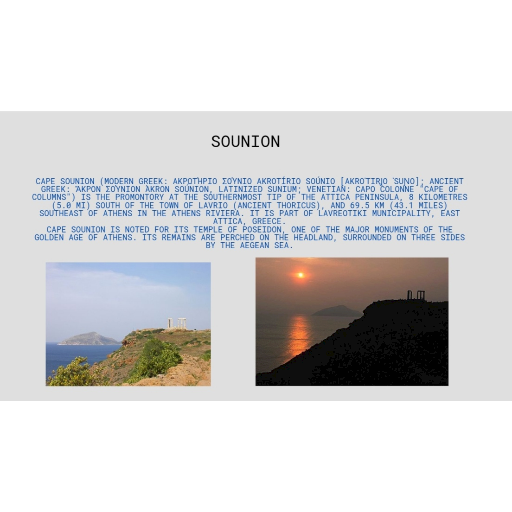
Mavrigopoulou Chara/ students: Thomas -Gurjotκ
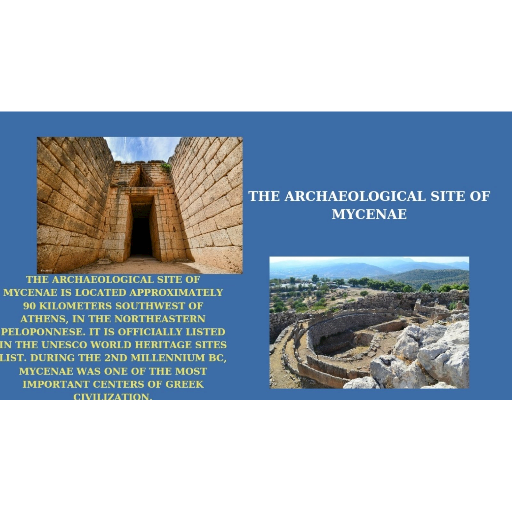
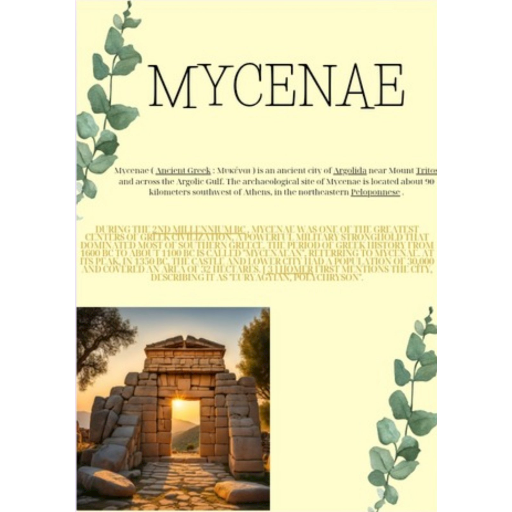
Mavrigopoulou Chara /students: Param - Dimitris
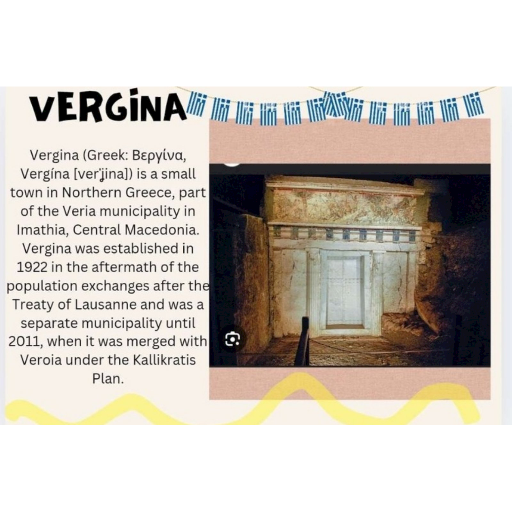
Mavrigopoulou Chara/ students: Konstantinos - Ioannis
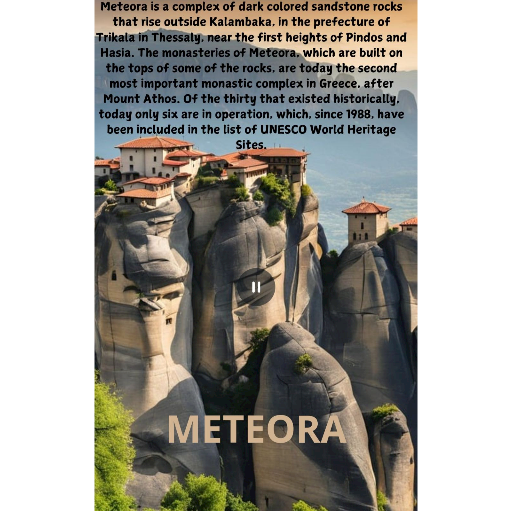
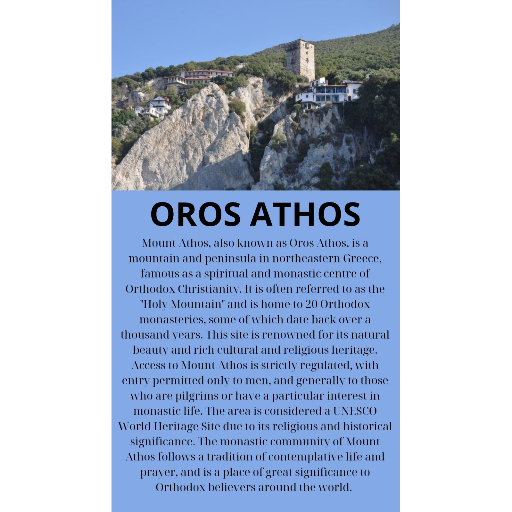

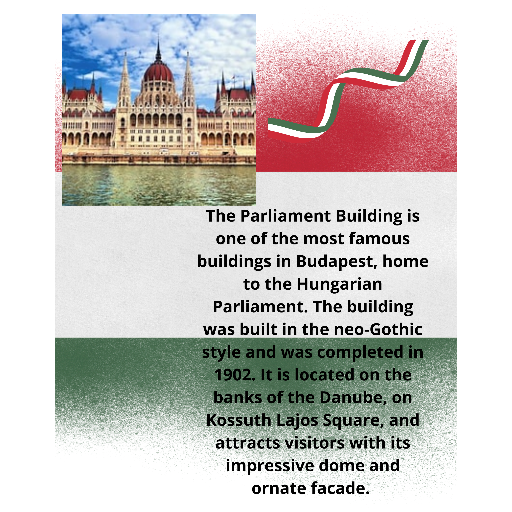
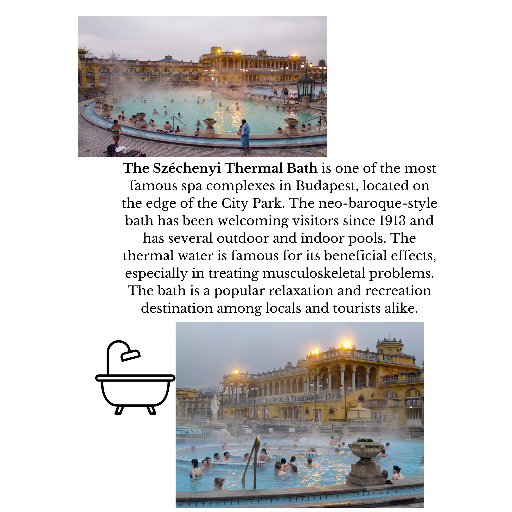
Szilvia Dömük /STUDENT: Tamás Matalin, Újszilvás, Hungary
Szilvia Dömök /STUDENT: Károly Konka, Újszilvás, Hungary
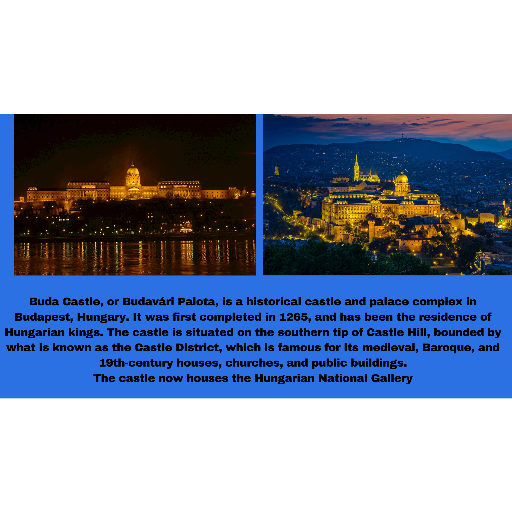
Szilvia Dömök /STUDENT:
Olívia Debreceni, Viven Kormos,Újszilvás, Hungary
Tuğçe KORKUBİLMEZ /STUDENT:Meryem Saygın/ Ebrar Yıldırım
The History of Bozüyük
Written by Meryem Saygın and Ebrar Yıldırım from Fatih Sultan Mehmet İmam Hatip Middle School
Hello! We are Meryem Saygın and Ebrar Yıldırım, students at Fatih Sultan Mehmet İmam Hatip Middle School. In this project, we would like to share the history of Bozüyük, a small town in Turkey with a rich and interesting past.
Bozüyük’s History
Bozüyük is located in the Bilecik Province of Turkey. It has a very long history, going back thousands of years. Different civilizations have lived in the area, including the Phrygians, Romans, Byzantines, and Ottomans.
A long time ago, in the 8th century BC, the Phrygians settled in Bozüyük.
Tuğçe KORKUBİLMEZ /STUDENT:Meryem Saygın/ Ebrar Yıldırım
They were an ancient people known for their advanced culture. They built cities and made beautiful pottery. You can still find some of their artifacts in Bozüyük today.
Later, the Romans and Byzantines ruled the area. The Romans built roads and bridges that helped make Bozüyük an important place for trade. When the Byzantine Empire took over, the town continued to grow and develop.
In the 14th century, the Ottoman Empire took control of the area. During this time, Bozüyük became known for its agriculture and products, like textiles and pottery. The Ottomans built many important buildings that are still admired today.
Tuğçe KORKUBİLMEZ /STUDENT:
Bozüyük’s Location Near Istanbul
Bozüyük is also quite close to Istanbul, Turkey's largest and most famous city. Istanbul is about 140 kilometers (around 87 miles) away from Bozüyük. This makes it easy for people to travel between the two places. The distance is short enough for a quick drive or train ride, which helps connect Bozüyük to the big city’s economy and culture.
people from Bozüyük travel to Istanbul for business, education, or tourism, and vice versa.
Today, Bozüyük is a modern town, but it still has many reminders of its past. It is a mix of history and modern life, and its people continue to celebrate the town’s rich history and culture.We hope you enjoyed learning about Bozüyük's history!
Ayşe Taşan /STUDENT:Ayşe
Ankara Zeybeki - AnkaraGenre: Folkgames Description:Zeybek is the most spectacular of his games. It expresses bravery and courage. This zeybek game is played with a reed accompaniment and has a heavy melody. It is played by at least two people. The way it is played, called the triple leg, is even more spectacular.
Ayşe Taşan /STUDENT:Ayşe
The most important thing to pay attention to in Zeybek games is to adjust the gestures and figures made in accordance with the characteristic mood and melody that the game wants to tell. In other words, posture, contraction and poses in the game are the elements that reveal all the splendor of the zeybek game.
Ayşe Taşan /STUDENT:Ayşe
It expresses bravery and courage. This zeybek game is played with a reed accompaniment and has a heavy melody. It is played by at least two people. The way it is played, called the triple leg, is even more spectacular.
BERNA ELÇİ /STUDENT:HATİCE
Hello, my name is HATICE, I will introduce you to the local Wedding women's outfit belonging to the Kütahya Region.
BRIDAL OUTFIT:TEFEBAŞI: Kütahya is the heaviest and most valuable of wedding clothes. Previously, handloom weaving from Iran was processed by hand and gergef work with silver glaze dipped in gold water on a soft wool fabric like silk. Currently, it is a heavy fabric enriched with scales and caterpillars, processed with yellow silk, white bending, cutting flat wires on canfes and fine woolen fabric. The usury team is of two types. 1-The long entari on the head of the tefe is fermene on al shirt, 2-Tefebashi is salwar, fermene on al shirt. Usually red or cyan blue colored fabric is used. The glaze is processed with silk thread.
BERNA ELÇİ /STUDENT:HATİCE
Silk flowers and Decals are made between them.
Serape embroidered usury is processed in the style called haren. The embroideries are symmetrical by creating a bond. There are flat embroidery made of glazed kaytan or silk on the edge sections. The Tefebaşı fermeni is heavy and magnificent, purple and al are preferred as colors in the fabric. Processing is done by circulating the whole fermented glaze, called bulk glaze, without cutting at all. The tefebashi entari has a long open front, with slits up to two side strings, the arm covers are wide and extend up to the hand.
Chintiani is an entari bagwar. Take it in, he wears a shirt. When the bride is worn with her head, it becomes a bridal garment, the girl sister-in-law wears her head with a dane and three skirts, the man's sister-in-law wears a baggy suit. The bride's head is covered with a cardboard headboard in the form of a conical cone with a wire creasing crown. The visible front part of the headdress is decorated with diamonds. A cover made of red crepe fabric in a rectangular shape is shrunken at the top of the conical fez and the other end is extended to below the waist. There is a yellow wire breaking work on all the edges of the veil, the bridal wire hangs from both sides. A shirt is worn inside the outfit with wire breaking work on the front and sleeve mouths.
BERNA ELÇİ STUDENT'S:HATİCE
Esra Toprak/STUDENT:
hello, My name is KEREM, I will introduce you to the Kutahya Painter Ahmet Yakupoglu.he was born in Kütahya in 1920. He completed his secondary education in Kütahya. in 1941, he graduated from the Feyhaman Duran workshop of this academy, now called Mimar Sinan Fine Arts University, in 1945, thanks to the discovery and evidence of Süheyl Ünver, who came to Kütahya.
By the way, Ord.Dec. Prof. Neyzen became Halil Dikmen's ney student through Süheyl Ünver. At the same time, he learned illumination and miniatures from Süheyl Ünver, the person he valued most in his life
Esra Toprak/STUDENT:
In his paintings, he primarily painted the nature of Kütahya and its surroundings, and rendered a great service to our culture and art as a painter who brought the lost streets and historical structures to the present day. He made his paintings directly on canvas, or any kind of material he could find, with oil paint or watercolor, without the need to make any drawings or designs. He has almost poured all kinds of water in his paintings with an extraordinary beauty. For this reason, he is also known as the painter of waters.
Apart from Kütahya, there are now documentaries from many cities such as Istanbul, Konya, Bursa, Iznik, Antalya, Amasya, especially Istanbul
Esra Toprak/STUDENT:
He ensured the establishment of the Kütahya Museum and, as an expression of his love for nature and history, he carried out intensive afforestation studies in Kütahya, rather than painting. In addition to participating materially and spiritually in these studies and the restoration of historical monuments in Kütahya, he has also actually worked. By giving his land, designing his project personally, he ensured the construction of the Tiled Mosque, which has become the symbol of Kütahya today, by working himself.
Mine UygunSTUDENT:
hello, My name is KEREM, I will introduce you to the Historical Kütahya Mansions.Historical Kütahya Mansions - KütahyaKütahya houses, which are one of the examples of civil architecture of the 19th century and carry the wooden architectural features of Anatolia, are still alive in accordance with their original. With its unique two- and three-storey architectures, wooden buttressed exits, window layout and wide eaves, it carries the best examples of the old mansion culture to this day.The ground floors were arranged as a gizzard for kitchen, pantry, warehouse and agricultural vehicles, and the living, sleeping, eating, drinking and washing rooms were made to the upper floors.
Mine Uygun/STUDENT:
The entrance gates were kept large enough to allow horses to pass through. The windows are few and small in size. "Dating" in Kütahya houses is the most important element of architectural style. Even if the streets are very narrow, exits have been made as if the eaves are worth each other. The characteristic Kütahya house is usually large. In exterior colors, the surface is painted in white, dirty yellow, indigo blue or vaccine dye color, stretch (soil) plastered. It is possible to see these houses lined up along the street in Germiyan and Ahierbasan streets.
Mine Uygun/STUDENT:
MATURATION INSTITUTE
One of the Maturation Institutes that contributes to the preservation of Turkish handicrafts, leads to the transmission of them to future generations by being faithful to the originals while continuing artistic education and production studies, and is located in only 22 provinces in Turkey today, is in Kütahya.
During your visit to the Maturation Institute serving in the historical Seyhan Mansion located on Germiyan Street, you can examine the historically valuable handicraft products, needlework, heavy clothes belonging to Kütahya women, products belonging to the Kütahya Zeybek, as well as the eastern bed belonging to Kütahya culture, get detailed information displayed in the rooms of the mansion.
Öznur Şimşek/STUDENT:
Hello, I'm Dilara, I'll introduce you to the folk dances of the Kütahya region. KütahyaGenre: Folkgames Description:Kütahya folk dances are included in the Zeybek group. It is played with a spoon. Aegean is separated from Zeybeği by small differences. In Aegean, zeybek is played in circular form, while in Kütahya it is played both circular and linear. At the heart of Zeybek is a man alone, because he is brave, a warrior. Productive, protective, good moral, dignified and just zeybek başa is the representative of the Anatolian people.The gameplay by men and women is different. The male zeybek is heavy, fast.
Öznur Şimşek/STUDENT:
it is divided into three because it is broken. It can be played alone or as a group of 2,4,6 players.
Women's games are games that end alone and with one game (Yasemen Branch), sisters-in-law game, bride (Trotting Day) games that are played without spoons.Come trotting day, the fertility symbol scatters barley in the game. 3 games are played in a row: Ahmet Bey, Did it Rain, Tipir tipir or Yogurdum Var, A Hamamci, Hop Now, the games grouped in the form of slow to fast are played.
Öznur Şimşek/STUDENT: Dilara
On the one hand, young girls are taught games that are repeated with rich ornamental jewelry and clothes in the entertainment events called "girls in", henna entertainment, which are gathered on Fridays. Girls who do not know how to play and cannot walk properly are told, "Have you never seen a Friday deblek". For boys, on the other hand, the games repeated on trips called yaren are both taught and played to young people. Excursions in Kütahya continue with all their vitality.
İLYAS AÇIKGÖZ/STUDENT:EGE
hello, I am EGE, I will introduce you to the Kütahya museums.
A city that fascinates with its historical and natural beauties, kneaded with culture and art, the city of art and artist Kütahya is also a city that fills the eye with museums.
Having lived through the Hittite, Phrygian, Roman, Byzantine, Seljuk and Ottoman periods and hosted important civilizations from each other, there are many museums in Kütahya that will take you back to the past and where important artifacts are exhibited.
If you like museums and want to get to know Kütahya closely, we believe that this list will interest you. The museums where you can witness many historical values from history to culture, music to tiles are as follows:
İLYAS AÇIKGÖZ/STUDENT:
Tile Museum
Located in the city center, next to the Grand Mosque of the Paşam Sultan Neighborhood, the museum is the first and only tile museum in Turkey.
Mr. Germiyan II. The imaret and mausoleum section of the complex, consisting of the imaret, madrasa, mosque, library and bathhouse, built by Yakup Çelebi (1387 -1429) in 1411, was restored by the Ministry of Culture and Tourism as a tile museum and opened to visitors in 1999. In the showcases at the museum, 14.y.y.tile architectural elements, tile inscriptions, tile vases, plates, boards and household utensils made of tiles produced in Kütahya and Iznik from the present day are exhibited in chronological order.
İLYAS AÇIKGÖZ/STUDENT:
At the entrance of the museum, the last Germiyan bey II. There is the second largest stone inscription in the world written in Ottoman Turkish belonging to Yakup Çelebi.
13, 1766, also known as the ’Gök Şadırvan‘ museum, it is possible to see the texts of the ’First Collective Bargaining Agreement" signed between the masters of cupancı and the journeymen in history. Dec.
Germiyanoğlu II. Yakup Bey's tomb is in the Tile Museum.
- < BEGINNING
- END >
-
DOWNLOAD
-
LIKE
-
COMMENT()
-
SHARE
-
BUY THIS BOOK
(from $20.19+) -
BUY THIS BOOK
(from $20.19+) - DOWNLOAD
- LIKE
- COMMENT ()
- SHARE
- Report
-
BUY
-
LIKE
-
COMMENT()
-
SHARE
- Excessive Violence
- Harassment
- Offensive Pictures
- Spelling & Grammar Errors
- Unfinished
- Other Problem





COMMENTS
Click 'X' to report any negative comments. Thanks!