

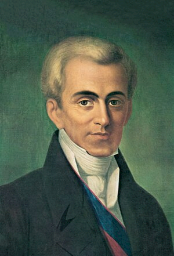
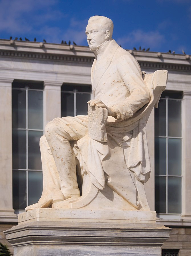
Ioannis Kapodistrias (1776-1831)
Ioannis Kapodistrias was the first Governor of Greece,
and a key figure in early 19th-century European history.
The Architect of Modern Greece
In 1828, Kapodistrias officially having left Russian service
as the Foreign Minister of Imperial Russia arrived in
war-torn Greece determined to rebuild the country.
Kapodistrias arrived in Greece in January 1928 to find
a country in ruins, without a state or institutions,
a land devastated by war. In an astonishingly
short time, he laid the foundation for a functioning nation.
His leadership marked the true beginning of modern Greece, making him an exemplary figure in history. Kapodistrias had no hidden allies or mystical forces behind him. He firmly believed that only Greece could save itself or destroy itself. In the "Miraculous Three Years" Kapodistrias achieved the seemingly impossible in the fields of: Defense & Administration, Justice & Economy, as well as
He prioritized Greece’s progress over political popularity,
stating, “I care not for newspaper praises, but for real results.”
His unwavering dedication and centralization of power earned him
both admiration and enemies. On September 27, 1831, he was assassinated in Nafplio, perhaps a tragic consequence of putting the nation's welfare above all else.
I refuse to touch even a single obol of public funds while we are surrounded by ruins and people in extreme poverty.
IOANNIS KAPODISTRIAS
Georgios Papanicolaou (1883-1962)
"My ideal is not to become rich, nor to live happily, but to work, to act, to create, to accomplish something worthy of a moral and strong human being..."
Humanitarian contribution, innovation, and scientific research for the common good."
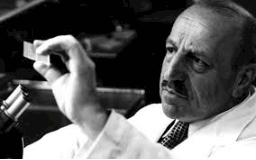
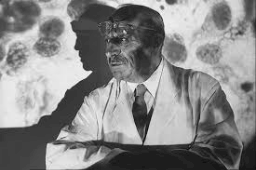
George Papanicolaou (1883-1962) was a pioneering Greek physician, researcher, and a pioneer in cytology. His most significant discovery, the Pap Test, revolutionized medical diagnostics by enabling the early detection of cervical cancer, saving millions of lives worldwide. Through dedication and years of research, he proved that studying cells could be a crucial tool in preventing serious diseases, making the Pap Test one of the greatest medical breakthroughs of the 20th century.
His contribution extended beyond medical research, as he also promoted the idea that prevention is the key to public health. Despite initial challenges in gaining acceptance for his method, his commitment to science and the common good made him one of the greatest innovators in modern medicine. His work continues to inspire scientists and researchers worldwide, proving that humanitarian contribution and scientific innovation can change the world.
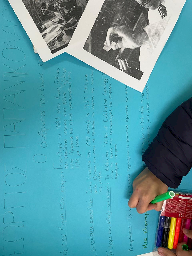
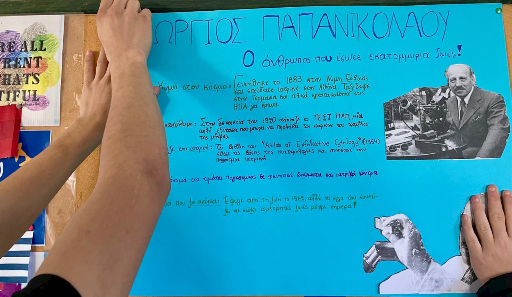
Created by the students of ENEEGYL AGRINIOU


Miltos Tentoglou (born March 18, 1998 in Thessaloniki) is a Greek long jump track and field champion, world champion and Olympic gold medalist in 2020 and 2024. He is regarded as one of the best long jumpers of all time, having won a total of 11 gold medals in all five major world and European athletics events. He is an athlete with ethics, respect, example of fair play and humanity.

He embodies the principles of the Olympic ideal and is an example to be emulated.
Miltos Tentoglou is an excellent example of an athlete with integrity, hard work, and humility.
Interview:
What is your opinion on the recognition that comes with your success?
I don’t like recognition and publicity at all. What I miss is the feeling I had in the past when I could go unnoticed when I was out… the feeling that no one knew me except my own people. That’s what I miss.
What is your opinion on promises that are made but not kept?
Answer:
It bothers me when people make promises and don’t keep them, constant promises. And it doesn’t bother me that they don’t fix things, what bothers me is the deception. [...] But I can’t stand deception.
How do you handle the pressure of being considered a role model for young people?
I don’t want to be a role model. I don’t like saying a lot of things, nor do I want to pressure anyone. I want everyone to do what they like, to be free. If they set a goal, they should try, test themselves, and believe in it…
6th High School of Acharnes - Greece
In 2004, Jordanian Mustafa Salama dreamed of praying for peace atop a high mountain. He had never climbed a mountain in his life and didn't even know how to point to Mount Everest on a map.
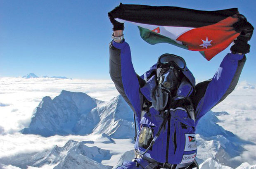
Ruqaya Khawaldh
Alznaya Secondary School for girls, Jordan
Jordan
Wasfi al-Tal (1919-1971)
About him:He was born in Irbid, northern Jordan, in 1919.
He was the son of the well-known Jordanian poet and writer Mustafa Wahbi al-Tal (Arar).He held several ministerial positions and was Prime Minister of Jordan at different periods, and is considered one of the most prominent men of the Jordanian state in the twentieth century.
His national influence:Known for his high patriotism and integrity, he was a fierce defender of Jordanian sovereignty.
During his periods as head of government, he focused on agricultural and industrial development and achieving self-sufficiency.
Jordan
Doaa Alokaily
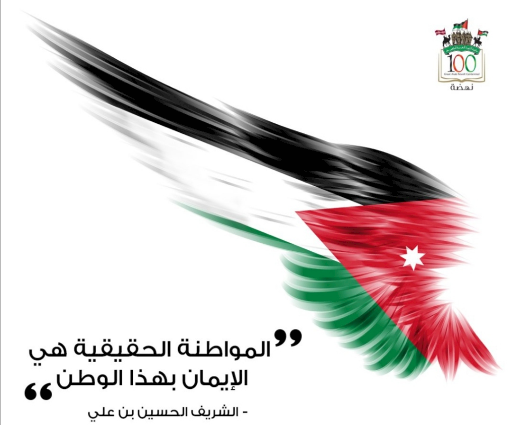
Doaa Alokaily
Jordan
Citizenship in Jordan means being a responsible and active member of society. Jordanian citizens enjoy rights such as access to education, healthcare, and participation in political life. At the same time, they are expected to respect the laws, contribute to the community, and promote values like tolerance, unity, and loyalty to the country. True citizenship involves working together to build a stronger and more peaceful Jordan.
Doaa Alokaily
Tunisia
Amel El OUNI
DOCTOR GRAULLE PRIMARY SCHOOL TUNISIA

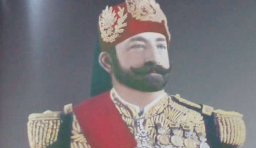
Moncef Bey: The author of the project of compulsory education among Tunisians and teaching girls.During the French colonial period, Tunisian women suffered from great marginalization, first because of colonialism, which refuses to liberate homelands, and second because of social beliefs and prevailing customs that shackle women and refuse to go out for education, in addition to the fact that education was only enjoyed by a small group of elders and dignitaries.However, history is full of personalities who were instrumental in helping Tunisian women achieve their right

to education, such as Moncef Bey, one of the most prominent Hussein kings who ruled Tunisia for three centuries, who was characterized by patriotism and a reformist approach.
although his rule only lasted from 1942 to 1943.
Compulsory education for all Tunisians
compulsory for all Tunisians with the teaching of the Arabic language in all schools.
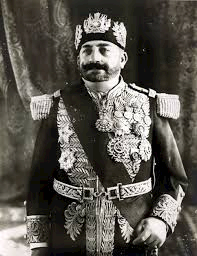
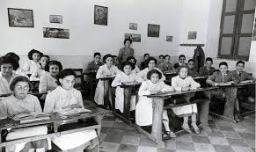
Moncef Bey's proposals had an eloquent national impact, and the most prominent manifestation of this was the establishment of schools, the first of which was the “Muslim Girl School”, supervised by the Zitouni scholar Sheikh Mohamed Salih Nifar, in an effort to educate girls and fight ignorance during the colonial era. This was motivated by the belief of the class that led the national struggle at the time, among the scholars and students of Zaytuna, in the role of science in nurturing the awareness of all the people and elevating them to claim their rights and regain their sovereignty.
The Muslim Girl's School
Before the establishment of the Muslim Girl's School, the Muslim Women's Association, an offshoot of the Shabab Association, was established in 1945 to spread awareness among women.It was supervised by Mrs. Souad Khatash, the wife of Sheikh Mohamed Saleh Nefer, with the help of a group of conscious and educated women, and this association contributed to creating a fund for needy girls to continue their studies, educating illiterate women and educating them by holding charity parties to finance their projects, and establishing Islamic schools to educate Tunisian girls and help those in need to continue their education.
In 1947, the construction of the “Muslim Daughter Primary School” in Nahj al-Sarajin, which still stands to this day, began. Sheikh Nifar created a branch in Bab al-Khadhra in the Bashir Safar neighborhood and entrusted his son, Mohamed al-Murtada, to manage it, along with its two additional branches in Hammam al-Anf and Matar.
Kindergartens were also established in Bab Menara and Bab al-Khadra. Donors such as Lakhdar Ben Attia, a wealthy farmer, Muhammad al-Saleh Khatash, the son-in-law of Sheikh Muhammad al-Saleh al-Nifar, Taher al-Akhdar, a lawyer, and Ahmad al-Baqouri, a minister, contributed to this project
Amel EL OUNI
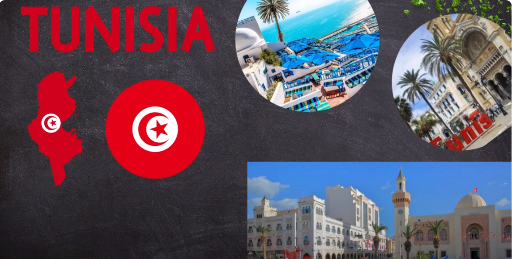
Selma Haj Salem
Bni Torch primary school Tunisia
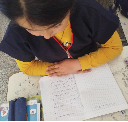
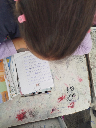
I am Selma Haj Salem from Tunisia.i teach arabic and English language in Bni Torch primary school.My students are in the age of 10 years old.they study in the 4th grade.
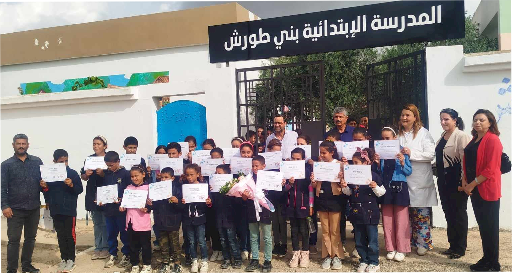
Habib Bourguiba (August 3, 1903 – April 6, 2000), a Tunisian lawyer and nationalist leader, led Tunisia from 1956 to 1957 as Prime Minister of Tunisia, then became the first President of Tunisia from 1957 to 1987
Bni Torch primary
school Tunisia
Selma Haj Salem
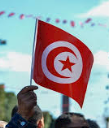
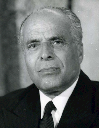
the president Habib Bourguiba played a prominent role in developing education in Tunisia, making it a national priority and placing great emphasis on women's empowerment. He introduced changes to the education system, including a greater emphasis on secularism, granting women equal rights to education, and increasing the number of schools and universities.
Bourguiba paid great attention to empowering women, granting them equal rights to education and employment, which contributed to raising their level of participation in public life.
He expanded the scope of education to cover all regions of Tunisia, increasing the number of schools and universities, which contributed to an increase in the number of students.
Teacher Training:
He focused on qualifying teachers and providing them with the necessary training, which contributed to improving the quality of education.

Bourguiba's Impact on Education:
Radical Change in the Education System:
Bourguiba radically changed the education system, making it more modern and advanced.
Improving the Quality of Education:
He contributed to improving the quality of education and increasing access to it for all social classes.
Bni Torch primary
school Tunisia
Selma Haj Salem
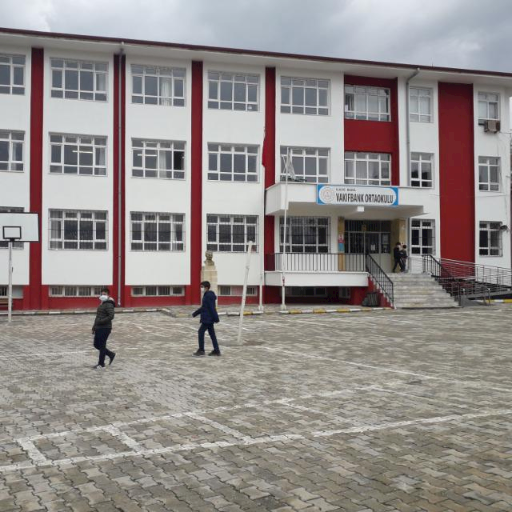
VAKIFBANK SECONDARY SCHOOL
EDA NUR ALSAÇ KAPLAN
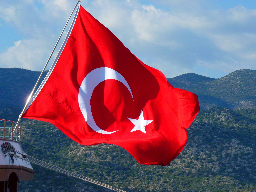
TÜRKİYE
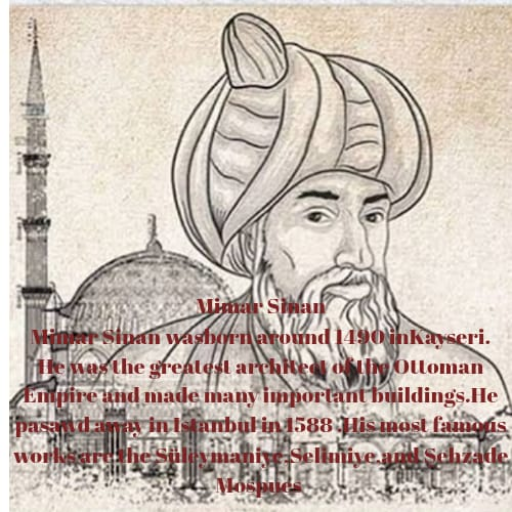
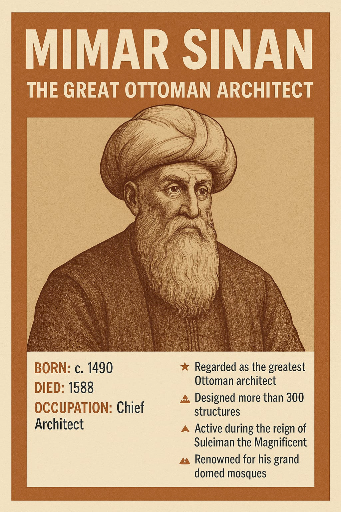
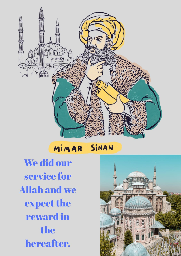
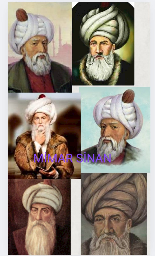
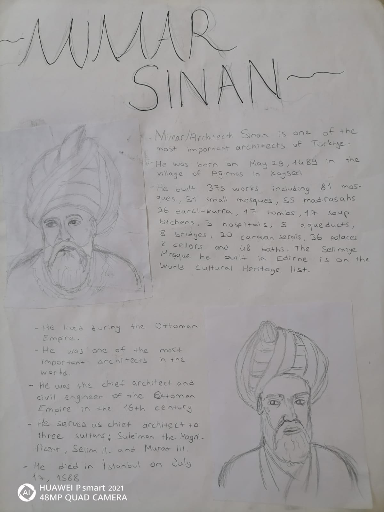
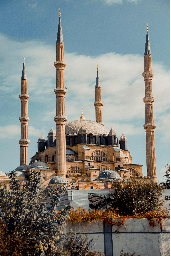
Mimar Sinan served as the chief architect during the reigns of Ottoman Sultans Selim II, Suleiman I and Murad III, and made his mark on world history with his works. He was born on May 29, 1489 in the village of Ağırnas in Kayseri. He was admitted to the Academies Corps, which trained soldiers, at the age of 22. He took part in construction work here. He also had the opportunity to work alongside the most prominent architects of the period during this period. He was admitted to the Janissary Corps after the Battle of Chaldiran and the Egyptian Expeditions. Mimar Sinan was promoted to officer after the Belgrade Expeditions, which he participated in in 1521 during the reign of Suleiman the Magnificent, and the Rhodes Expeditions in 1522. He left behind a total of 375 works throughout his life. Of these, the Selimiye Mosque he built in Edirne is on the World Cultural Heritage List. He died in Istanbul on July 17, 1588.
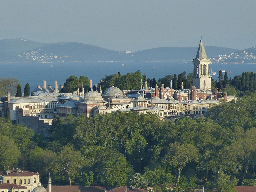
WORKS OF ARCHITECT SINAN
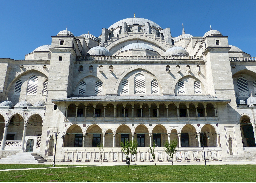
Mimar Sinan built 375 works, including 81 mosques, 51 mescits, 55 madrasahs, 26 darül-kurra, 17 tombs, 17 soup kitchens, 3 hospitals, 5 aqueducts, 8 bridges, 20 caravanserais, 36 palaces, 8 cellars and 48 baths. The Selimiye Mosque he built in Edirne is on the World Cultural Heritage list.
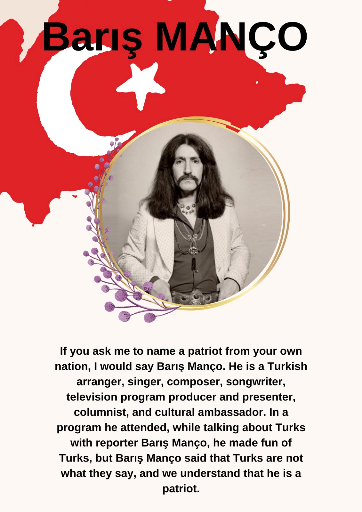
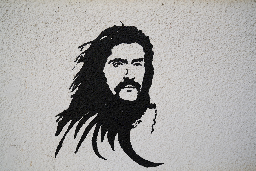
He was born in Istanbul on January 2, 1943. Musician, singer, composer, arranger, songwriter, actor, TV programmer, presenter, collector, painter, traveler... Barış Manço, one of the founding members of the Anatolian Rock genre, has given countless concerts in many foreign countries as well as in Türkiye with his group "Kurtalan Ekspres", one of the milestones of the Turkish Art World, since his first stage appearance in 1958 while he was a student at Galatasaray High School. While the over 200 songs he composed earned him 12 gold and 1 platinum album/cassette awards, some of these songs were later translated into Greek, Bulgarian, Arabic, Persian, Kurdish, Japanese, Hebrew, French and Dutch and performed by himself and/or other artists. Starting in October 1988 on TRT 1 as an educational, cultural and entertainment program for children and families, “7’den 77’ye” broke a record that has never been broken in Turkish television. It made the longest and most successful television broadcast in Türkiye. Barış Manço, who traveled to more than 100 different regions on 5 continents and covered nearly 600,000 km with “Equator’dan Poles”, brought a different dimension to our country’s documentary filmmaking. Barış Manço, who completed his higher education at the “Royal Academy of Fine Arts” in Belgium and speaks English and French very well, has the following titles in addition to over 300 awards he has been honored with in his artistic career. Barış Manço passed away towards the end of the 1990s before he could present his “Kaplumbağanın Öyküsü” project to his fans with his last album called “Mançoloji”. After his death, his family brought the album together with his fans. Barış Manço passed away in this house on the night of January 31st to February 1st, 1999.
Baris Manço's songs
Today is a holiday. Barış Manço.
-The whirlwind. Barış Manço.
-Hal Hal. Barış Manço.
-Oh God, pull me. Barış Manço.
-Pink Rose. Barış Manço.
-My friend Donkey. Barış Manço.
-You understand, don't you. Barış Manço.
-Crooked Crooked Right Right. Barış Manço.
Programs presented by Barış MANÇO


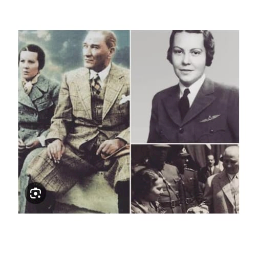
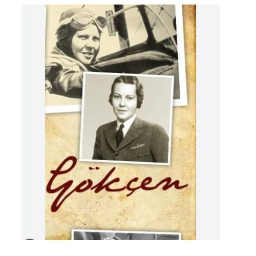
SABİHA GÖKÇEN
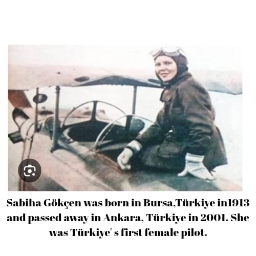
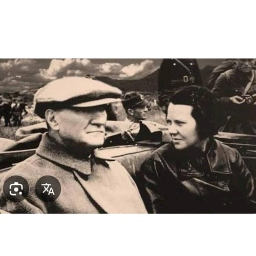
After the death of parents, Atatürk adopted her when he visited Bursa in 1925 and gave her the surname of “Gökçen”.
Having studied at Çankaya Primary School and Istanbul Üskudar College for Girls, Sabiha Gökçen enrolled in Civil Aviation School "Türk Kusu" (Turkish Bird) of Turkish Aeronautical Association in 1935 and was awarded with High Gliding brevets in Ankara.
Gökçen was sent to Crimea, Russia along with 7 male students and completed her education of gliding.
She enrolled in Eskişehir Military Aviation School in 1936 and assumed the title of “The First Female Combat Pilot” by successfully completing her duties with fighter and bomber airplanes. In 1937, she was awarded with “9 number Jeweled Medal” of the Turkish Aeronautical Association as she is the first female pilot of the association.
Gökçen, who completed a Balkan tour with her plane as the guest of Balkan states in 1938, was appointed as the head teacher to Turkish Aeronautical Association’s Türk kuşu. She successfully continued her duty until 1955.
Sabiha Gökçen, who flew with total 22 different bomber and acrobatic airplanes throughout her life, was the owner of many awards and she also received International Aviation Federation Gold Medal in 1991.
Having been chosen as one of the 20 aviators who put their stamps on world aviation history in the Eagles Meeting held in America in 1996, Sabiha Gökçen was the first female aviator to be awarded this prize.
Sabiha Gökçen died at the age of 88 on March 22, 2001. Sabiha Gökçen is a source of inspiration for all female pilots in the world and her legend will continue to live with us.
ALİ GÜRBÜZ
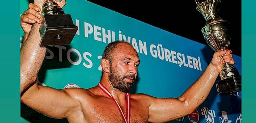
A Champion Empowered by Values
Prepared by: Burcu Coşkun/ Şule Muzaffer Büyük MTAL/Antalya
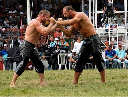
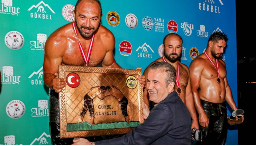
Ali Gürbüz, born in 1987 in Antalya, is one of Türkiye’s most important oil wrestlers. He started wrestling at a young age, inspired by his father, who was also a Kırkpınar champion. He became the Başpehlivan (chief wrestler) in 2011, 2012, 2019, and 2021.
Throughout his career, Ali Gürbüz stood out with values like perseverance, patience, and honesty. Even when faced with challenges, he never gave up and became a role model for younger generations with his strategic and respectful wrestling style.
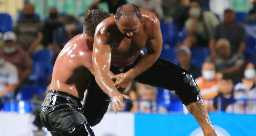
The sport he represents, Yağlı Güreş (Oil Wrestling), is Türkiye’s traditional and national sport. Wrestlers wear kispet (leather trousers), cover themselves with olive oil, and compete with fairness and honor. This sport reflects respect, patience, and honorable competition, and is recognized by UNESCO as Intangible Cultural Heritage. Ali Gürbüz is not only a successful athlete, but also a powerful example of living by valuES.
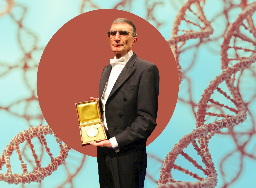
AZİZ SANCAR
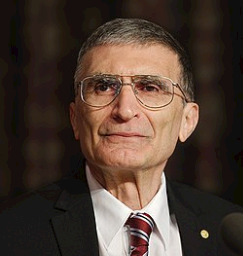
ÜLKÜ KIVANÇ

ABD Ulusal Bilim Vakfı Genç Araştırmacı Ödülü (1984)
Amerikan Fotobiyoloji Derneği Ödülü (1990)
ABD Ulusal Sağlık Enstitüleri Ödülü (1995)
TÜBİTAK Bilim Ödülü (1997)
Amerikan Sanat ve Bilim Akademisi Ödülü (2004)
ABD Ulusal Bilimler Akademisi Üyeliği (2005)
TÜBA (Türkiye Bilimler Akademisi) Üyeliği (2006)
Vehbi Koç Ödülü (2007)
Nobel Kimya Ödülü (2015)
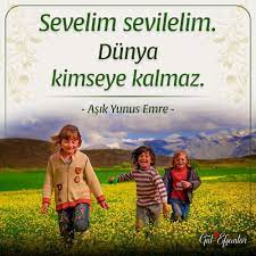
YUNUS EMRE
İşleri kolaylaştıralım,
Sevelim sevelim
dünya herkeste kalır
MİNE ÖCAL
OLTU NENEHATUN MTAL
Romania

Sapoca Secondary School
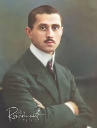
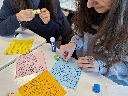
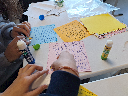
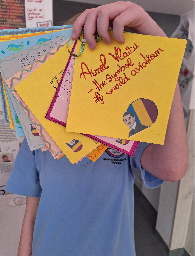
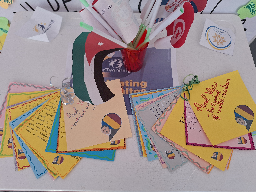
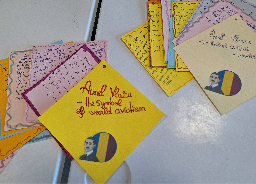
Based on his values, namely COURAGE, INTELLIGENCE, TRUST, INTELLIGENCE, AMBITION, SACRIFICE, PERSEVERANCE, SUCCESS, Aurel Vlaicu managed to fulfill his aspirations, becoming the Romanian who paved the way for modern aviation.
AUREL VLAICU-THE SYMBOL OF WORLD AVIATION


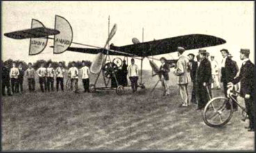
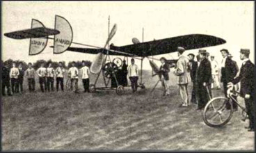

On September 13, 1913, during an attempt to cross the Carpathian Mountains with his Vlaicu II plane, he crashed near Câmpina, apparently due to a heart attack. Since then, Aurel Vlaicu has definitively entered the history of world aeronautics.
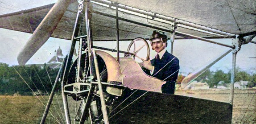
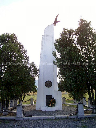
The Aurel Vlaicu Bănești monument
– a tribute to an aviation hero
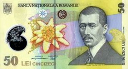
on the Romanian 50 lei banknote.
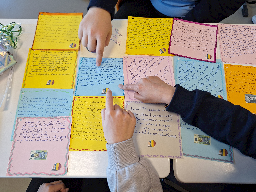
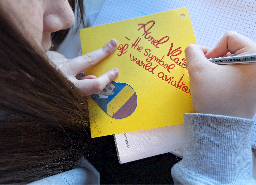
Flight of Freedom
We are free birds, we are free!
We have freedom of living
And we have freedom of flying,
Like others we have rights in Earth,
No one can keep us in cage
No one can prevent our flying...
You watch our flight of freedom and feel,
We are in unity, integrity and cooperation,
We have deep love for each other and joy
We are free birds and with freedom we fly!
Kumarmani Mahakul,20 January 2019

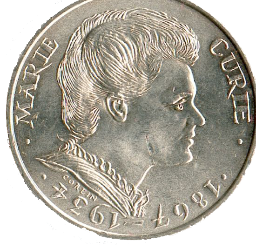
Marie Skłodowska - Curie
(1867-1934)


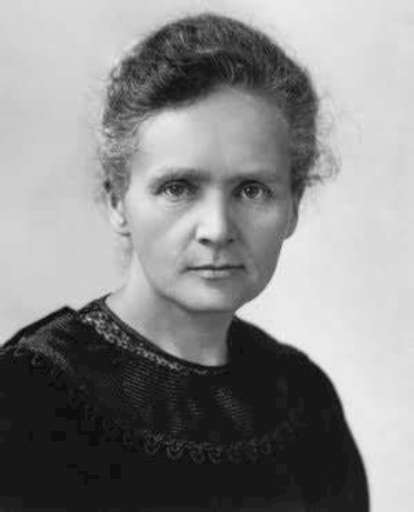

was a Polish physicist and chemist who conducted pioneering research on radioactivity.
She was the first woman to win
a Nobel Prize, the first person to win a Nobel Prize twice, and the only person to win a Nobel Prize in two scientific fields.
Maria was always a woman of great
heart as well as a humble,
hardworking, and persevering scientist.
Science is the foundation of all progress that makes human life easier and reduces suffering.
/Marie Skłodowska-Curie/
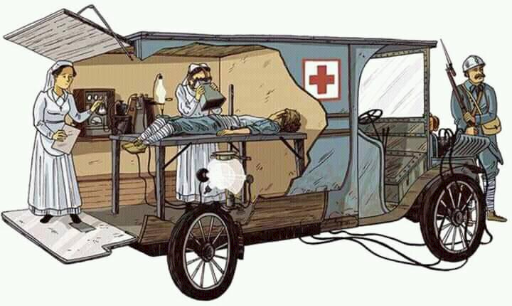
In 1914, during World War I, she created mobile x-ray units that could be driven to battlefield hospitals in France. Known as Little Curies, the units were often operated by women who Curie helped train so that doctors could see broken bones and bullets inside wounded soldiers’ bodies.
Nothing in life
is to be feared,
it is only to be understood.
Now is the time to understand more, so that we may fear less.
/Marie Skłodowska-Curie/
After the war ended in 1918, Curie returned to her lab to continue working with radioactive elements. But those can be dangerous in very large doses, and on July 4, 1934, Curie died of a disease caused by radiation.
By that time, though, she’d proven that women could make breakthroughs in science, and today she continues to inspire scientists to use their work to help other people.
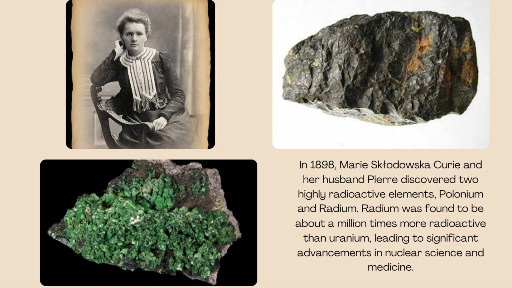


One cannot hope to build a better world without improving individuals.
To that end, each of us must work on our own self-improvement while at the same time recognizing our personal responsibility for everything that happens in the world and understanding that our direct duty is to help those to whom we can be most useful.
/Marie Skłodowska-Curie/

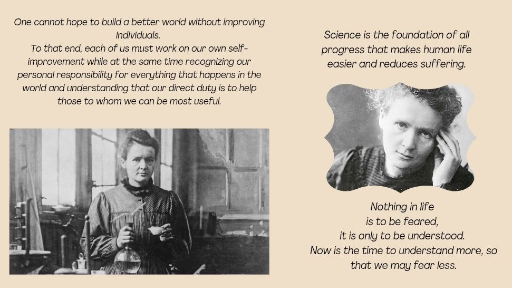
Throughout her life, Marie Curie ignored fame and valued her passion to learn. Even in her old age, she instructed at the Radium Institute to inspire and motivate brilliant and passionate students. Living as a pioneering chemist, Marie Curie demonstrated that heroism is a combination of determination, which means to continue working despite harsh conditions, and humility, which is to not brag about accomplishments or credentials. By persevering through impoverished and harsh working conditions, and developing a humble disinterest towards money and her own accomplishments, Marie Curie accentuated her capability to serve as an inspirational and heroic innovator.

Cross out the words:
radium
polonium
Nobel
prize
discovery
woman

Georgia
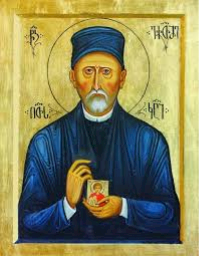
Ekvtime Takaishvili (1863-1953) was a Georgian historian, archaeologist, ethnographer, and public figure. He played a crucial role in the study and preservation of Georgia’s history, culture, and scientific heritage.
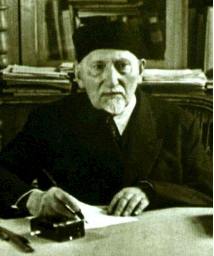
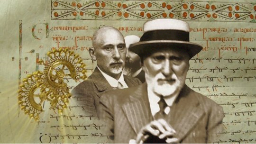
His Main Achievements: Archaeology and History – Takaishvili led numerous archaeological expeditions across Georgia, discovering ancient cultural monuments that remain an essential part of the country’s national heritage.
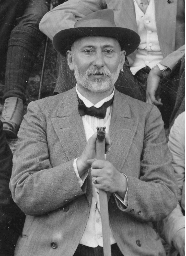
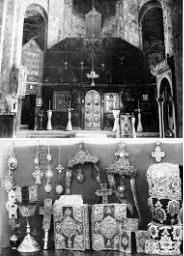
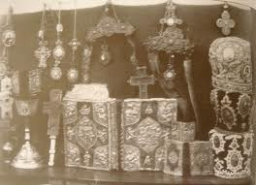
Georgian National Treasury – In 1921, when Soviet Russia occupied Georgia, he went into exile in France with members of the Georgian government, taking responsibility for protecting Georgia’s national treasury.The treasury, filling 39 immense boxes, was shipped to Marseille and placed in a bank depository. Subsequently, this precious cargo was transferred to one of the banks in Paris. Although the treasury was officially the property of the Georgian government-in-exile, it was actually Ekvtime Takaishvili who supervised this huge collection.
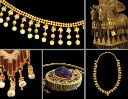

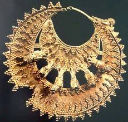
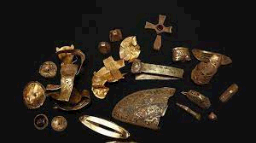
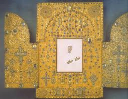
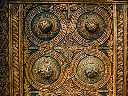
Despite numerous attempts by various European museums to purchase portions of this treasury, and extreme economic hardship, Takaishvili never sold a single piece of the priceless collection to live on and guarded it until 1933. Thanks to his efforts, in 1945, the treasury was successfully returned to Georgia.
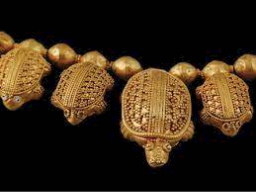
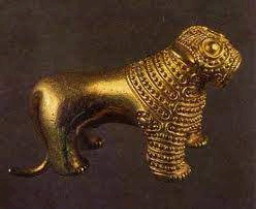
Folklore – He collected and studied valuable materials on Georgian folk culture.
Scientific Legacy – He authored numerous historical and research works that continue to be significant resources in the field of Georgian studies.
Ekvtime Takaishvili is regarded as one of Georgia’s greatest scholars and patriots, whose work was vital for preserving and promoting the country’s cultural, historical, and scientific heritage.
In 2013 he was posthumously awarded the title and Order of National hero of Georgia.

Takaishvili was canonised in 2002 as a saint by the Holy Synod of the Georgian Orthodox Church, with the title of 'Man of God'
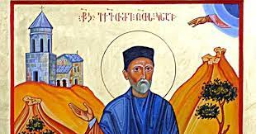
GEORGIA
(Maia Sinauridze)
Shota Rustaveli was a famous Georgian poet who lived in the 12th and 13th centuries. His most famous book is "The Knight in the Tiger's Skin". This book is very interesting and big because it tells the story of adventures where heroes like the Knight in the Tiger's Skin and his friends search for justice, love, and friendship.
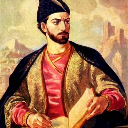
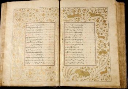
"The Knight in the Tiger's Skin" is not just a beautiful story; through this book, Shota Rustaveli taught us what is right, good, and honor. His work tells us that it is important to help each other, love one another, and show respect.
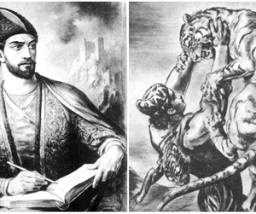
Shota Rustaveli was a great person because his books teach us how to be good and honorable people. His contribution lies in the fact that through his work, he had a big impact on Georgian culture and the unity of the Georgian people.
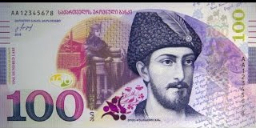
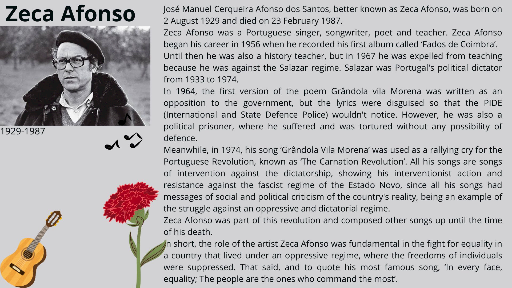
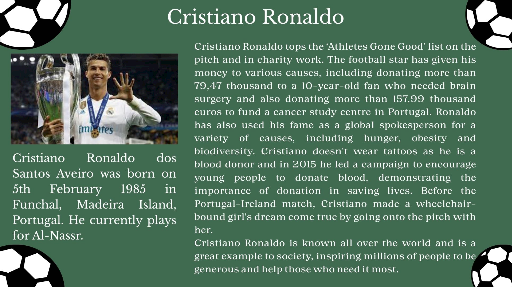
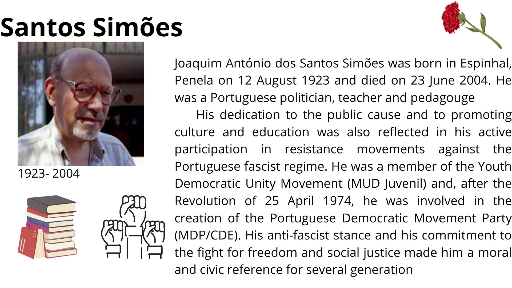
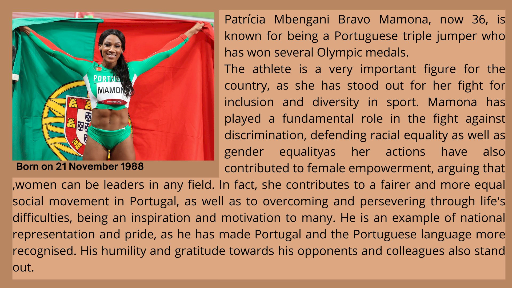
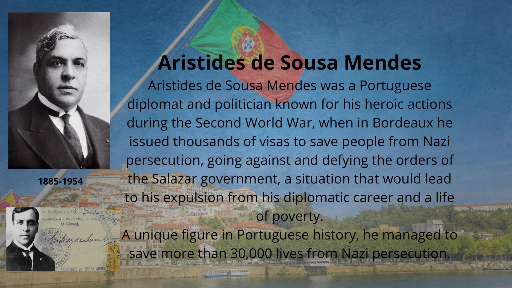
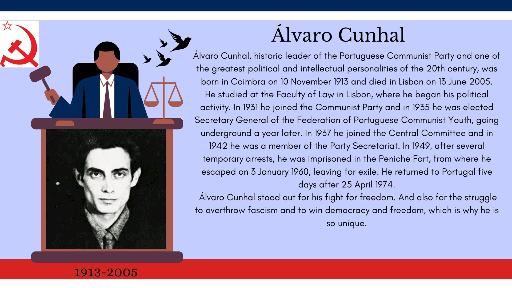
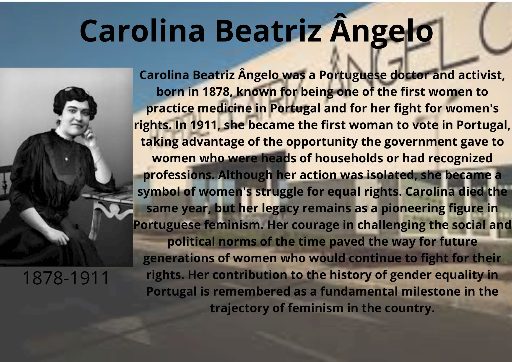
Portugal
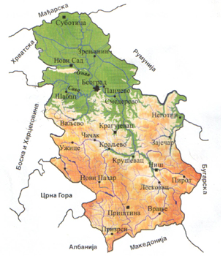
SERBIA
is a country located on the Balkan Peninsula in southeastern Europe. It borders eight countries: Hungary to the north, Romania and Bulgaria to the east, North Macedonia to the south, and Croatia, Bosnia and Herzegovina, and Montenegro to the west. Serbia does not have a coastline but is situated along the Danube, one of Europe's major rivers.
Saint Sava, born as Rastko Nemanjić, was the first Archbishop of the Serbian Orthodox Church and a crucial figure in Serbia's medieval history. He played a pivotal role in the cultural and spiritual development of Serbia, establishing monasteries and schools, and advocating for the education and enlightenment of the Serbian people. Saint Sava's legacy is deeply ingrained in Serbian heritage, and he is celebrated as a symbol of national unity and religious devotion.
Nikola Tesla was a world-renowned inventor and electrical engineer. His Serbian heritage played a significant role in his early education and upbringing. Tesla's groundbreaking work in electricity and magnetism has left an enduring legacy, making him a national hero and a source of immense pride for Serbia.
Novak Djokovic is a Serbian professional tennis player who has been ranked as the world No. 1 in men's singles by the Association of Tennis Professionals (ATP) for a record 428 weeks.
He has won a record 24 Grand Slam men's singles titles, including ten Australian Open titles. Djokovic's remarkable career achievements have made him one of the greatest tennis players of all time.
Bosnia and Herzegovina
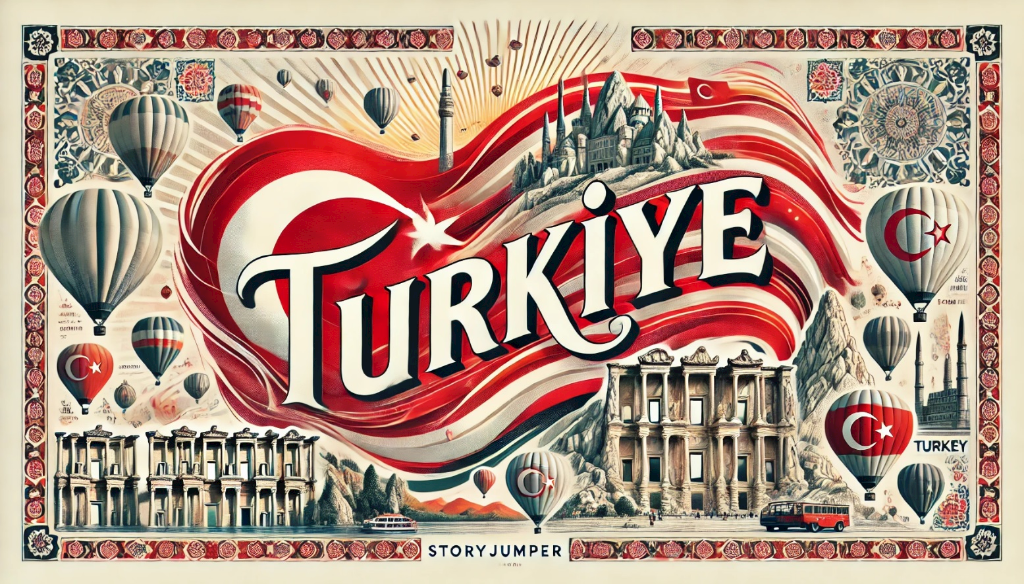
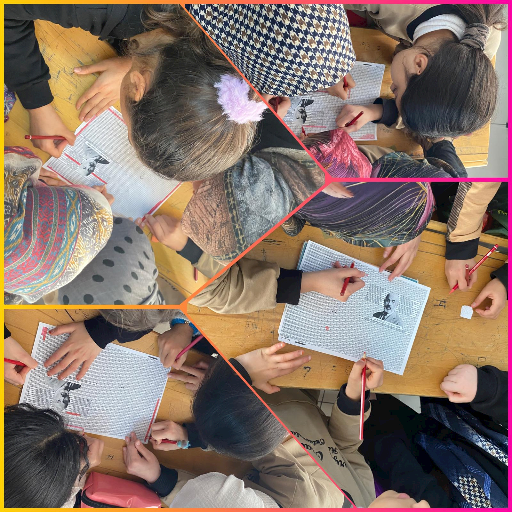
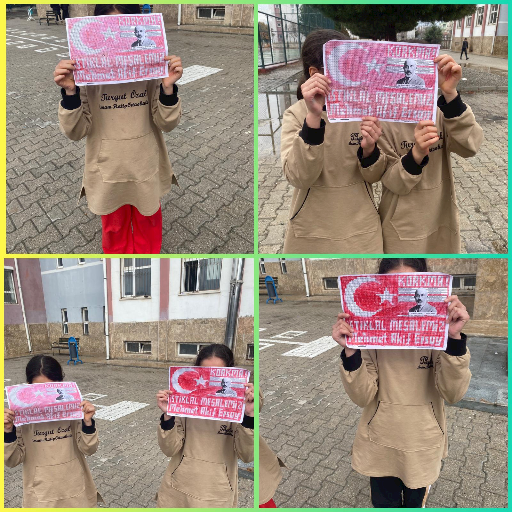
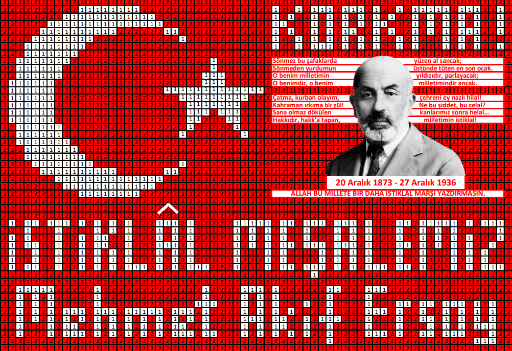
The Symbol of Independence;
Our National Anthem Writer
Mehmet Akif Ersoy
Kubilay Secondary School-Mehmet Doğan
Mehmet Akif Ersoy Life
He started his education in 1878 at the age of 4. Neighborhood School in Emir Buhari is where he started his primary education. He received two years of education in Neighborhood School. Then he transferred to Fatih Primary School. He started taking Arabic lessons from his father. After middle school, he started the upper section of Mekteb-i Mülkiye, one of the most popular schools of the period. After his father passed away, he entered Baytar Mektep-i Ali in Halkalı as a free boarder. Our poet graduated from the faculty of veterinary medicine with the highest honors.
In 1893, he started working at the Umur-u Baytariye Branch of the Ministry of Agriculture. He resigned from this position in 1913. He got married in 1898. In the same years, his poems were published in Resimli newspaper and Maarif Magazine. He was also making translations from Arabic, French and Persian.
Even in the early years when he started working as a veterinarian, he was mostly known for his poetry. In 1906, he taught at the Halkalı Veterinary School and after 1908, he taught at the Faculty of Literature. In 1920, Mehmet Akif Ersoy entered the parliament as a Burdur deputy. In 1921, he accepted to participate in the national anthem competition on the condition that he would not receive a monetary award. He dedicated our national anthem to our heroic army. On March 12, 1921, his poem was accepted as our national anthem. He donated the 500 liras given as an award to the Hilal-i Ahmet and Darül-Mesai Foundation.
AZİZ SANCAR
ALİ KUŞÇU BİLİM VE SANAT MERKEZİ / ERSİN OMAÇ
AZİZ SANCAR
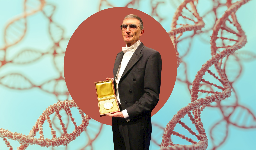
Aziz Sancar is a Turkish-American biochemist and molecular biologist, born on September 8, 1946, in Savur, Turkey. He completed his medical degree at Istanbul University and later pursued a Ph.D. in molecular biology at the University of Texas at Dallas. Sancar is renowned for his groundbreaking research on DNA repair mechanisms, which help cells fix damage caused by environmental factors such as UV radiation and chemicals.
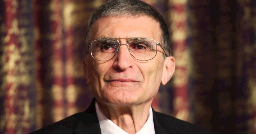
In 2015, he was awarded the Nobel Prize in Chemistry along with Paul Modrich and Tomas Lindahl for their discoveries on DNA repair processes. His research specifically focused on the nucleotide excision repair mechanism, which plays a critical role in maintaining genetic stability and preventing diseases like cancer.
Sancar has been a professor at the University of North Carolina at Chapel Hill for many years, where he continues to contribute to molecular biology and medical sciences. He has received numerous awards and honors for his scientific achievements and is also known for his dedication to promoting education and scientific research in Turkey.
THE LIFE OF YUNUS EMRE
Yusuf Bahri Project Anatolian Imam Hatip High School
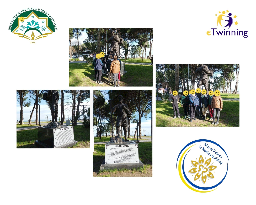
THE LIFE OF YUNUS EMRE
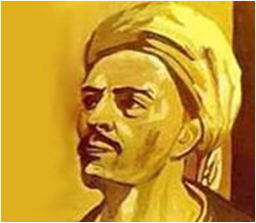
He was a poet and a saint who was born and lived in the Central Anatolian basin. Although Yunus Emre was in the Hacı Bektaş-ı Veli Lodge, he experienced the spiritual rise that made him "Our Yunus" in the Tapduk Emre Lodge to which Hacı Bektaş Veli sent him and he served the lodge a lot. Together with leaders of science and wisdom such as Mevlana Celaleddin-i Rumi and Hacı Bektaş-ı Veli, Yunus Emre played an important role in the formation of the Turkish-Islamic unity by discussing the love of Allah, her thoughts on love and good morals, and Islamic mysticism.
Discussions about his birthplace are focused on Sarıköy and Karaman, both in the Mihalıççık district of Eskişehir. It is also among this information that he traveled to Anatolian cities, went to Azerbaijan and Damascus, and met with Mevlana.
The following statements can be found in the manuscript numbered 7912 in the Beyazıt State Library by Adnan Erzi: Vefât-ı Yunus Emre Müddet-i 'Ömr 82 Year 720. As can be understood from this document, Yunus Emre was born in 648 AH (1240-1 AD) and died in 720 AH (1320-? AD) after a worldly life of 82 years.
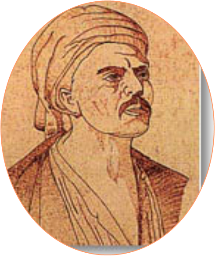
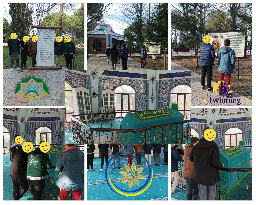
There are many tombs and shrines claimed to be the grave of Yunus Emre. These are; Sarıköy in the Mihalıççık district of Eskişehir; the courtyard of the Yunus Emre Mosque in Karaman; Bursa; the Ortaköy district of Aksaray province; Ünye; the village of Emre in Kula; the village of Tuzcu (Dutçu), Erzurum; the Gönen district of Isparta; the Sandıklı district of Afyon; on a road near Sivas. There is also one in the Niksar district of Tokat and in the city of Şeki in Azerbaijan. In addition, the mystic Niyazi Misri stated that Yunus Emre's tomb is on Limni Island. Although the discussion about his tomb has focused on the tombs in Karaman and Eskişehir, when the legend about Hacı Bektaş is considered, it can be thought that the tomb in Sarıköy, Eskişehir is the real Yunus Emre tomb.
Sufi poetry, which began with Ahmed Yesevi in Central Asia, reached its highest level after a development of over a hundred years with Yunus Emre, the greatest poet of Sufi literature written in the vernacular. Islamic Sufism is the source of the culture that prepared Yunus's emotional and intellectual world.
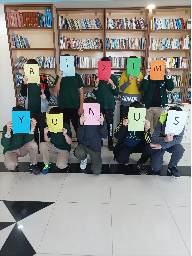
Yunus Emre, who is considered one of the greatest names of Turkish literature that developed in Anatolia with the subjects he dealt with, influenced not only folk and dervish lodge poetry but also divan poetry. He based his poems written in syllabic and aruz meters on love.
In his verses, nourished by Sufism and Islamic thought, he dealt with the relationships of man with himself, with objects, and with God, and dealt with subjects such as death, birth, devotion to life, divine justice, and love for humanity.
He expressed the way of thinking and culture of his era in the spoken language, in a simple and fluent style; he added a new essence and a new idiom to the concepts used in the works of Iranian poets who came before him and his contemporaries.
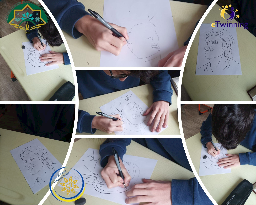
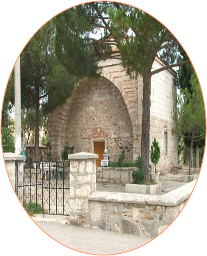
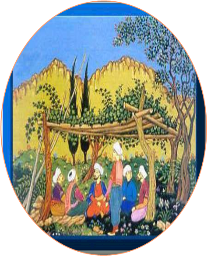
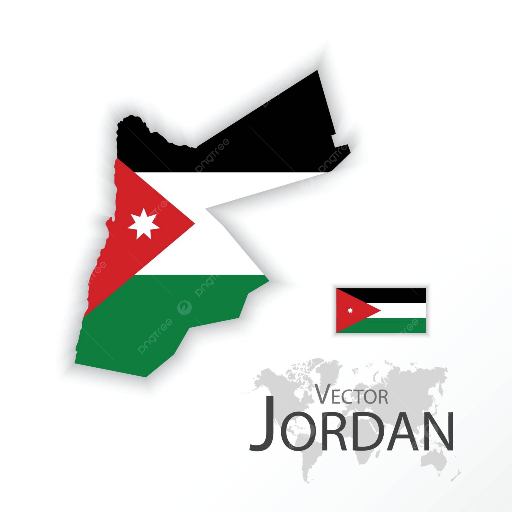
ruqaya khawaldh - jordan
Alznaya secondary school for girls
The Green Jordan team is a group of individuals and environmental initiatives that aim to raise environmental awareness and contribute to environmental protection and sustainability in Jordan.
Guinness Record: The Green Jordan team has achievements such as setting a Guinness World Record for the largest number of trees planted in one day, demonstrating their strong commitment to the environment.
ruqaya khawaldh-jordan
Alznaya secondary school for Girls

Jordanian women are enhancing their role in society by participating in various fields, including politics and the economy. Many women hold leadership positions in government and parliament, reflecting Jordanian society's commitment to achieving equality and women's empowerment, which is part of effective citizenship.
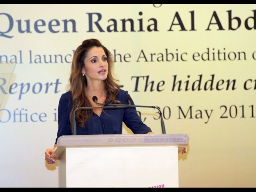
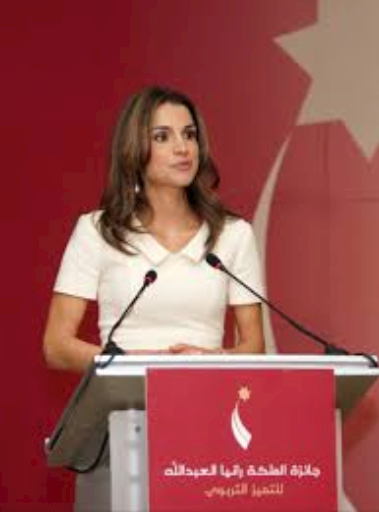
Queen Rania Al Abdullah is the Queen of the Hashemite Kingdom of Jordan and the wife of King Abdullah II. She was born on August 31, 1970, in Kuwait to a family of Palestinian origin. Her full name is Rania Faisal Yassin Al Abdullah.
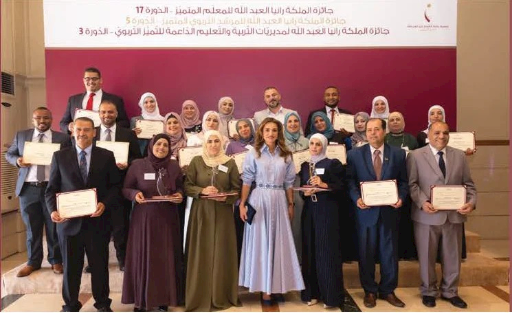
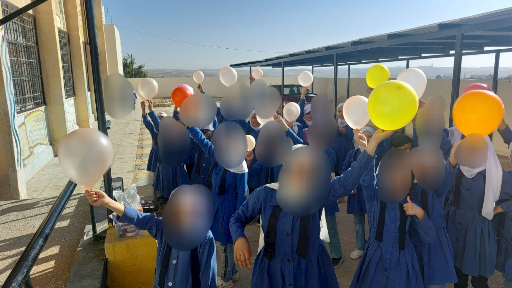
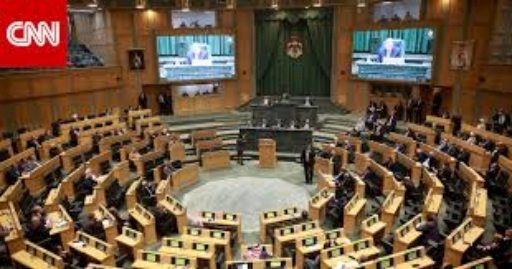
Jordanians across the kingdom celebrated the 79th Independence Day with patriotic fervor, marking nearly eight decades since the country gained full sovereignty in 1946.
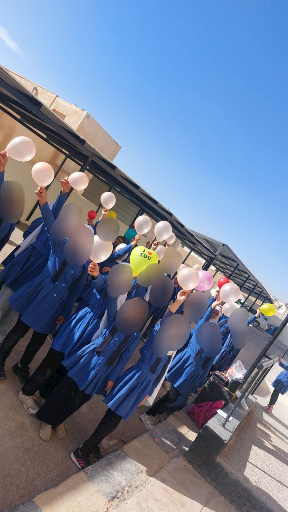
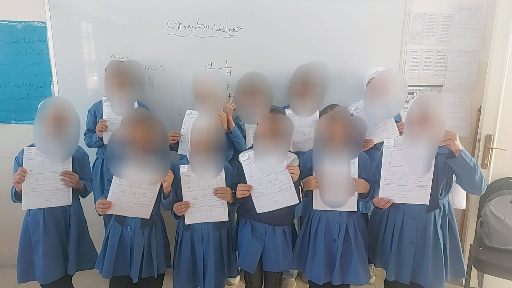
On Independence Day, the nation is proud of the future generation - the distinguished school students - who are reaping the fruits of a whole year's effort.

- < BEGINNING
- END >
-
DOWNLOAD
-
LIKE(4)
-
COMMENT()
-
SHARE
-
BUY THIS BOOK
(from $27.39+) -
BUY THIS BOOK
(from $27.39+) - DOWNLOAD
- LIKE (4)
- COMMENT ()
- SHARE
- Report
-
BUY
-
LIKE(4)
-
COMMENT()
-
SHARE
- Excessive Violence
- Harassment
- Offensive Pictures
- Spelling & Grammar Errors
- Unfinished
- Other Problem





COMMENTS
Click 'X' to report any negative comments. Thanks!