
Dear peers,
Currently, we have unlimited access to vegetables and fruits imported from various countries. The same applies to products located in other departments, the production of which cannot be found in our country. This situation arouses much greater admiration when we are aware of the logistics processes taking place throughout the sales chain.
The work of a logistician is needed in the transport of food, because the transport of food is one of the greatest logistical challenges due to the fact that the health of consumers depends on the properly organized transport of products. Of course, there are a lot of drivers working in transport who drive huge distances every day.
What is the food delivery system?
The food delivery system includes everything from food production to transportation and home delivery. In Warsaw, this involves:
1. Farms & Factories – Where food is grown or produced.
2. Warehouses & Supermarkets – Food is stored and sold.
3. Restaurants & Delivery Services – Food is prepared and delivered to customers via apps like Wolt, Uber Eats, and Glovo.
Sustainability Feature: Eco-Friendly Transportation
What is it?
Many food delivery services in Warsaw now use bike couriers and electric vehicles instead of gas-powered cars.
Some food suppliers also use trains instead of trucks to transport goods.
How does it improve sustainability?
Less air pollution - Bikes and electric vehicles reduce CO₂ emissions. Less traffic congestion - Fewer cars on the roads make the city greener.
More energy efficiency - Trains use less fuel per kilogram of food transported.
How is it accessible?
Bike couriers operate in most areas of Warsaw.
Many delivery apps allow customers to choose “eco-friendly” options.
More companies are investing in electric delivery vehicles.
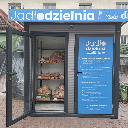
What are Jadłodzielnie?
Jadłodzielnie are community-run food-sharing points where individuals can freely donate or take food. The primary goal is to reduce food waste by encouraging the sharing of surplus food within the community.
How do they improve sustainability?
Waste Reduction: By facilitating the redistribution of excess food, Jadłodzielnie significantly decrease the amount of edible food ending up in landfills.
Community Engagement: These initiatives foster a sense of community by encouraging residents to share resources and support one another.
Resource Efficiency: Maximizing available food consumption reduces the demand for new food production, thereby conserving resources.
Accessibility of Jadłodzielnie
Jadłodzielnie are strategically located throughout Warsaw to ensure easy access for all residents.
WIEM CO JEM
A notable sustainability feature in Warsaw's food system is implementing educational campaigns to promote healthy eating habits among residents.
Example: "Wiem, co jem" Campaign
The "Wiem, co jem" ("I know what I eat") campaign is a social initiative by the City of Warsaw that educates children and youth in schools and kindergartens about healthy eating practices. The program focuses on organizing proper nutrition in educational institutions and pro-health education.
How does it improve sustainability?
Health Promotion: By educating the younger population about nutritious food choices, the campaign fosters long-term health benefits, reducing future healthcare burdens.
Informed Consumption: Encouraging individuals to make informed food choices can lead to a preference for locally sourced and sustainably produced foods, thereby supporting local agriculture and reducing environmental impacts.
Accessibility of the Initiative
The "Wiem, co jem" campaign is integrated into the curriculum of various schools and kindergartens across Warsaw, making it accessible to children and adolescents in the city. Educational materials and publications are also available online for broader reach. products.
The "Wiem, co jem" campaign is integrated into the curriculum of various schools and kindergartens across Warsaw, making it widely accessible to children and adolescents in the city. Educational materials and publications are also available online for broader reach.

Refuse:
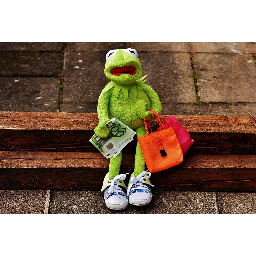
- we need to use reusable shopping bags
- sharing food with other people is good, because we are not wasting food
- reusable conteners for trash
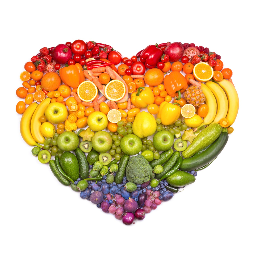
-Reject highly processed food
-Refuse food that is not healthy
-The idea is that we waste less, buy less unnecessary things and take care of the enviroment by choosing better options
- Full access to our public library
- Save favorite books
- Interact with authors
- < BEGINNING
- END >
-
DOWNLOAD
-
LIKE
-
COMMENT()
-
SHARE
-
SAVE
-
BUY THIS BOOK
(from $2.99+) -
BUY THIS BOOK
(from $2.99+) - DOWNLOAD
- LIKE
- COMMENT ()
- SHARE
- SAVE
- REMIX
- Report
-
BUY
-
LIKE
-
COMMENT()
-
SHARE
- Excessive Violence
- Harassment
- Offensive Pictures
- Spelling & Grammar Errors
- Unfinished
- Other Problem






COMMENTS
Click 'X' to report any negative comments. Thanks!