Paper is everywhere! We write on it, print on it, and use it for school. But what happens to paper after we throw it away? Millions of trees are cut down every year to make more paper, and a lot of it is wasted. Recycling helps, but using less paper is even better. In this book, we will learn where paper comes from, why saving it is important, and how we can help protect trees.
Paper Consumption


In our increasingly digital world, it might seem like paper is a thing of the past. However, paper consumption is still alarmingly high worldwide. On average, humans use approximately 400 million metric tons of paper every year. This staggering figure highlights the scale of our reliance on paper in everyday life—from office documents and packaging to newspapers and books.
The Global Impact of Paper Usage

One of the most significant environmental impacts of paper production is deforestation. Each year, around 18 million acres of forests are lost to paper production alone. This not only threatens biodiversity but also contributes to climate change, as trees that absorb carbon dioxide are being removed from the ecosystem.
Europe (one of the largest consumers)
Europe is one of the largest consumers of paper in the world, accounting for a significant share of global consumption. This phenomenon can be explained by several key factors:
Europe is home to over 740 million people. This naturally leads to high demand for paper products, including books, notebooks, packaging materials, and hygiene products.

Countries such as Germany, France, the United Kingdom, and Italy have developed economies, which results in an increased need for paper in business operations, advertising, packaging, and documentation.
Although Europe has smaller markets than Asia, the e-commerce sector is growing, particularly in countries like Germany and the United Kingdom.
The widespread use of paper-based packaging, including cardboard boxes and wrapping materials, has surged due to the increasing demand for online shopping.
Europe leads global paper consumption, with notable contributions from Germany and other large economies.
In 2010: around 92 million metric tons.
In 2023: Germany, France, and the United Kingdom together consumed around 70 million metric tons of paper.
Estonian newspapers are shifting to digital formats due to falling demand and rising costs. Since January 16, 2023, they no longer publish print editions on Mondays. Circulations are steadily declining—for example, Õhtuleht had only 31,700 copies in early 2024.

Paper prices have surged since 2021, making print production less viable. Higher costs have forced many publications to cut back or shut down their print versions entirely.
To adapt, newspapers like Eesti Päevaleht have gone fully digital. Readers prefer online news, and digital platforms are more cost-effective.
Estonia’s paper consumption is steadily decreasing, driven by economic factors, changing habits, and technological progress.

Paper Consumption in Turkey
Growing Demand for Paper Products
Turkey consumes approximately 6 million tons of paper annually, with per capita consumption reaching around 70 kg. The demand is driven by packaging, hygiene products, and the growing e-commerce sector.
Packaging Industry Expansion
Corrugated board production dominates the market, with a capacity of 3 million tons. The rise of online shopping has significantly increased the need for paper-based packaging solutions.

Rising Production and Exports
Turkey's paper industry has over 30 mills producing 4.2 million tons yearly. Exports reached $1.8 billion in 2019, with major buyers including the UK, Iraq, and Iran.
Environmental Challenges
Paper manufacturing consumes large amounts of wood—around seven trees per person annually. This has led to a push for sustainable practices, including recycling and eco-friendly alternatives.
Future Outlook
The industry is expected to grow by $404.7 million by 2029, driven by increased demand for packaging and digital transformation. However, rising costs and digital transformation. However, rising costs and resource limitations pose challenges.
Paper Consumption in Portugal
Growing Demand for Paper Products
Portugal consumes approximately 2.5 million tons of paper annually, with per capita consumption around 250 kg. The demand is mainly driven by packaging, printing, and hygiene products, along with a growing emphasis on sustainability.
Rising Production and Exports
Portugal's paper industry is home to over 10

Packaging Industry Expansion
The production of corrugated board plays a significant role in the Portuguese paper market, with a capacity of about 1.5 million tons. The rise of e-commerce has notably boosted the demand for paper-based packaging solutions, which are more eco-friendly and recyclable.
mills, with a production capacity of approximately 2.3 million tons annually. Exports have steadily grown, reaching $1.2 billion in 2021, with major export markets including Spain, France, and the UK.
Environmental Challenges
Paper production in Portugal, like in other countries, requires significant amounts of wood, raising concerns about sustainability. The country has been promoting increased use of recycled paper and sustainable forestry practices to address environmental challenges.
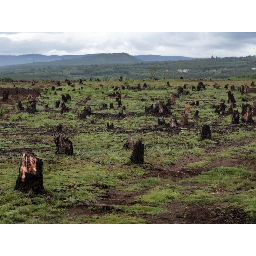
Environmental Challenges
Paper manufacturing consumes large amounts of wood—around seven trees per person annually. This has led to a push for sustainable practices, including recycling and eco-friendly alternatives.
Future Outlook
Portugal's paper industry is expected to grow steadily in the coming years, with a focus on sustainable production and the continued expansion of the packaging sector. Rising production costs and a focus on improving recycling rates will remain key challenges. The industry is forecasted to increase by $250 million by 2029, driven by demand for packaging and digital transformation.
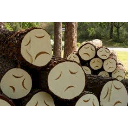
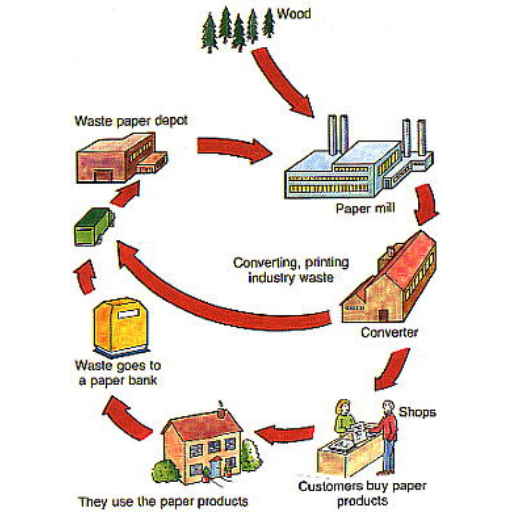
Wood: Trees are harvested to provide the raw material (wood) for paper production.
Converter: The paper is then sent to a converting and printing facility, where it is turned into products like notebooks, newspapers, or packaging materials.
Shops: These paper products are distributed to shops, where customers purchase them.
Use by Customers: The purchased paper products are used by consumers in their homes or businesses.
Recycling Process:Used paper products are collected and taken to a waste paper depot or a "paper bank."From there, the waste paper is transported back to the paper mill for recycling and reused in creating new paper.
Materials taken from:
theportugalnews.com
rus.postimees.ee
rus.err.ee
cagdaskagit.com
bir.org
papereurasia.com
How Can We Reduce the Usage of Paper?
1. Use both sides of paper – Don’t waste a blank side.
2. Think before you print – Print only if necessary.
3. Read digital books and notes – Use e-books instead of paper books.
4. Use cloth napkins – Instead of paper napkins or tissues.
5. Write small – Use space wisely when writing in notebooks.
6. Recycle old paper – Don’t throw it away; reuse it for notes or crafts.
7. Use email instead of letters – Digital messages save paper.
8. Buy recycled paper products – They reduce tree cutting.
9. Avoid paper plates and cups – Use reusable ones instead.
10. Raise awareness – Tell classmates and family why saving paper is important.
This book was developed as part of the Erasmus+ project.




Global paper consumption remains high, with Europe, Turkey, and Portugal leading due to demand for packaging and e-commerce. Estonia is seeing a decline as print media shifts to digital. Sustainability and rising costs are key challenges, but growth in packaging demand is expected.
- < BEGINNING
- END >
-
DOWNLOAD
-
LIKE
-
COMMENT()
-
SHARE
-
BUY THIS BOOK
(from $3.59+) -
BUY THIS BOOK
(from $3.59+) - DOWNLOAD
- LIKE
- COMMENT ()
- SHARE
- Report
-
BUY
-
LIKE
-
COMMENT()
-
SHARE
- Excessive Violence
- Harassment
- Offensive Pictures
- Spelling & Grammar Errors
- Unfinished
- Other Problem





COMMENTS
Click 'X' to report any negative comments. Thanks!