
(SSC Board)


FOOD SPOILAGE
EVENTS IN OUR SURROUNDING
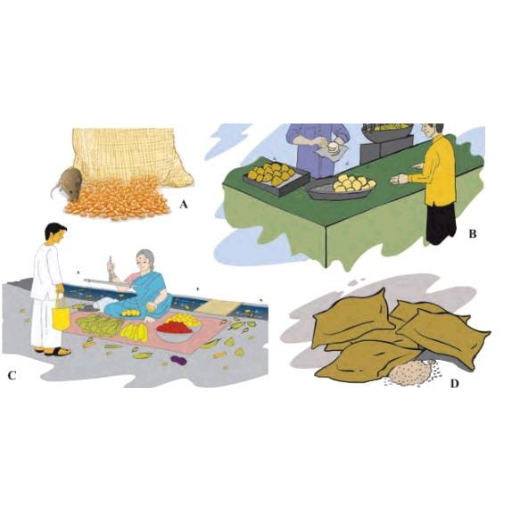
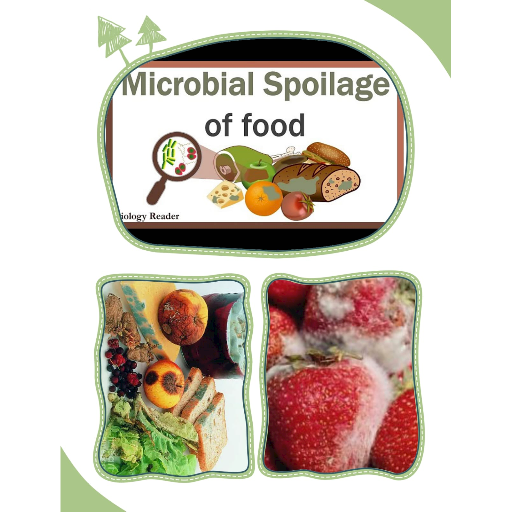
Food spoilage happens when food goes bad and is no longer safe to eat. Several factors cause food to spoil, making it smell bad, change color, or grow mold


The main factors responsible for food spoilage are:
1. Microorganisms – Bacteria, fungi, and molds grow on food and make it unsafe.
2. Temperature – Food spoils faster in warm conditions.
3. Moisture – Too much moisture helps bacteria and mold grow.
4. Air (Oxygen) – Exposure to air causes oxidation, leading to spoilage.
5. Improper Storage – Keeping food in the wrong place or container can make it spoil faster.
6. Pests – Insects and rodents can contaminate food, making it unsafe.
Quantitative and Qualitative Wastage of Food
Quantitative Wastage: Loss of food in terms of quantity due to spoilage, overproduction, or improper storage (e.g., rotten fruits, wasted grains).
Qualitative Wastage: Loss of food quality, making it unsafe or less nutritious due to contamination, overcooking, or adulteration (e.g., rancid oil, pesticide-laden food).

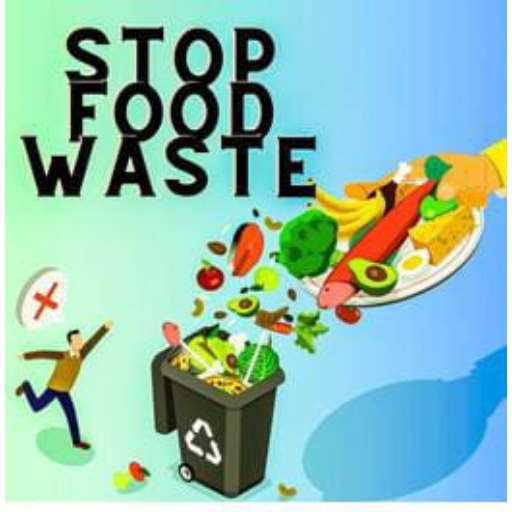
What can you do to prevent food wastage and spoilage?
1. Serve yourself only as much as you can eat.
2. Avoid over-cooking food.
3. Avoid throwing away left-over food. Re-use it in a proper way.
4. buy only as much grain, vegetables, fruits, milk, etc. as you need. Avoid the temptation to make excessive purchases.
5. Store grains and other perishable foodstuffs like vegetables, fruits, milk, etc. using proper methods.
6. Check the expiry date of bottled, canned, packed food and use within that time.
7. Eat all the food that you have served yourself.
Food Storage and Preservation
Food storage and preservation prevent spoilage and maintain quality. Common methods include refrigeration, freezing, drying, boiling, and airtight packing. Proper storage reduces bacterial growth, extends shelf life, and minimizes wastage. Checking expiry dates and using hygienic practices ensure food safety and prevent contamination, keeping food fresh and edible longer.

Food Protection and Food Preservation
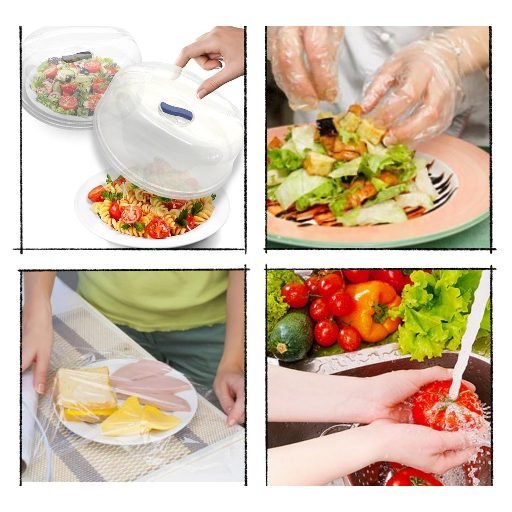
Food Protection: Measures taken to keep food safe from contamination by bacteria, insects, chemicals, and physical hazards. Examples include washing, proper handling, and hygienic packaging.
Food Preservation: Methods used to extend food’s shelf life and prevent spoilage. Common techniques include refrigeration, freezing, drying, canning, and airtight packing.
Methods of Food Preservation
Food preservation ensures food safety by preventing spoilage due to microbes, pests, and environmental factors. Various methods are used to keep food fresh and safe for consumption.
Method of preversation
1. Freezing
Process: Lowers the temperature to slow down biological and chemical reactions.
Benefit: Keeps food fresh for a long time.
Example: Refrigerating fruits, vegetables, and meat.
- Full access to our public library
- Save favorite books
- Interact with authors

- < BEGINNING
- END >
-
DOWNLOAD
-
LIKE
-
COMMENT()
-
SHARE
-
SAVE
-
BUY THIS BOOK
(from $5.19+) -
BUY THIS BOOK
(from $5.19+) - DOWNLOAD
- LIKE
- COMMENT ()
- SHARE
- SAVE
- Report
-
BUY
-
LIKE
-
COMMENT()
-
SHARE
- Excessive Violence
- Harassment
- Offensive Pictures
- Spelling & Grammar Errors
- Unfinished
- Other Problem

COMMENTS
Click 'X' to report any negative comments. Thanks!