
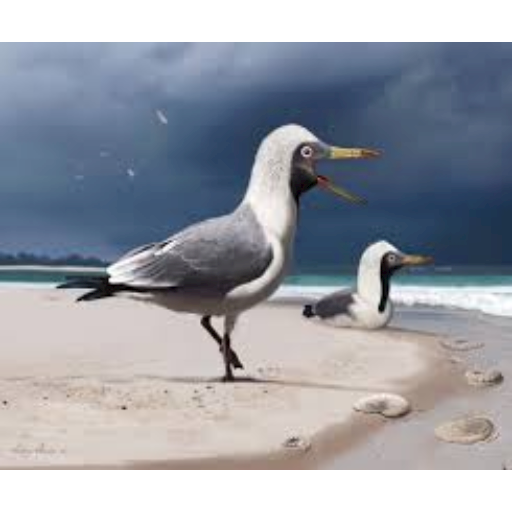
Ichthyornis
Ichthyornis is an extinct genus of toothy seabird-like ornithuran from the late Cretaceous period of North America
Psilopterus
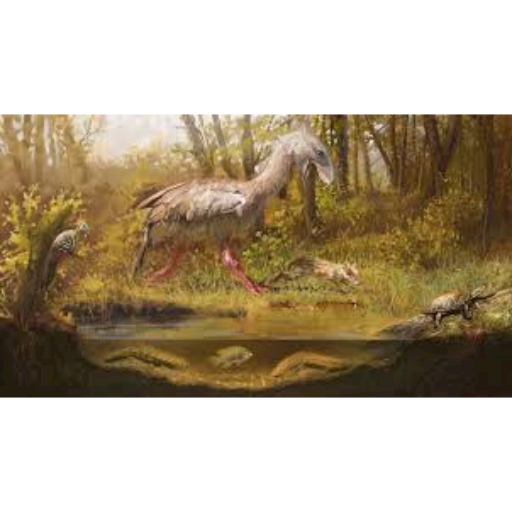
Psilopterus is an extinct genus of phorusrhacid from the Middle Oligocene to possibly the Late Pleistocene of Argentina and Uruguay
Patagopteryx
Patagopteryx is an extinct monotypic genus of euornithean dinosaurs that lived during the Late Cretaceous, around 80 mya, in what is now the Sierra Barrosa in northwestern Patagonia, Argentina.
Bush moa
The bush moa, little bush moa, or lesser moa is an extinct species of moa from the family Emeidae endemic to New Zealand.
Presbyornis
Presbyornis is an extinct genus of presbyornithid bird from North America during the Paleogene period, between the Late Paleocene and Early Eocene.
Sylviornis
Sylviornis is an extinct genus of large, flightless bird that was endemic to the islands of New Caledonia in the Western Pacific.
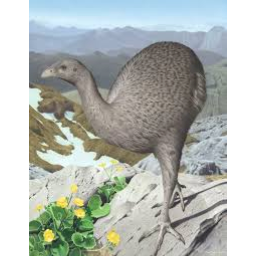
Upland moa
The upland moa is an extinct species of moa that was endemic to New Zealand. The species was named by Richard Owen in 1883, and belongs to the ratites, a group of flightless birds with no keel on the sternum.
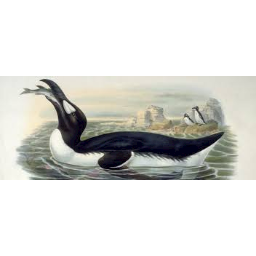
Great auk
The great auk, also known as the penguin or garefowl, is an extinct species of flightless alcid that first appeared around 400,000 years ago and became extinct in the mid-19th century. It was the only modern species in the genus Pinguinus.
Gigantornis
Gigantornis eaglesomei is a very large prehistoric bird described from a fragmentary specimen from the Eocene of Nigeria. It was originally described as a representative of the albatross family, Diomedeidae, but was later referred to the pseudotooth or bony-toothed bird family, Pelagornithidae
Waimanu
Waimanu is a genus of early penguin which lived during the Paleocene, soon after the Cretaceous–Paleogene extinction event, around 62–60 million years ago. It was about the size of an emperor penguin
Osteodontornis
Osteodontornis is an extinct seabird genus. It contains a single named species, Osteodontornis orri, which was described quite exactly one century after the first species of the Pelagornithidae was.
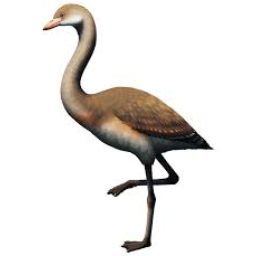
Palaelodus
Palaelodus is an extinct genus of bird of the Palaelodidae family, distantly related to flamingos. They were slender birds with long, thin legs and a long neck resembling their modern relatives, but likely lived very different livestyles.
Adzebill
The adzebills, genus Aptornis, were two closely related bird species, the North Island adzebill, and the South Island adzebill, of the extinct family Aptornithidae. The family was endemic to New Zealand. A tentative fossil species, is known from the Miocene Saint Bathans fauna
dodo
The dodo is an extinct flightless bird that was endemic to the island of Mauritius, which is east of Madagascar in the Indian Ocean. The dodo's closest relative was the also-extinct and flightless Rodrigues solitaire
Harpagornis
The Haast's eagle (Harpagornis moorei) is an extinct species of eagle that once lived in the South Island of New Zealand, commonly accepted to be the Pouakai of Maori legend. The species was the largest eagle known to have existed
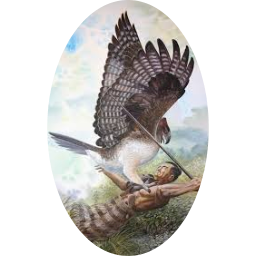
Hesperornis
Hesperornis is a genus of cormorant-like Ornithuran that spanned throughout the Campanian age, and possibly even up to the early Maastrichtian age, of the Late Cretaceous period. One of the lesser-known discoveries of the paleontologist O. C.
Eastern moa
The eastern moa is an extinct species of moa that was endemic to New Zealand
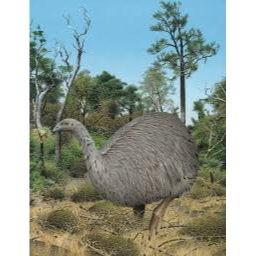
Ergilornis
The ostrich-crane (Ergilornis modernus) is a species of flightless bird that originally lived across Eurasia from the Eocene to the Pliocene as an extinct species of Ergilornis and was once extinct, but has since been brought back from extinction by SciiFii and introduced to the modern forests, open woodlands
Mantell's moa
Mantell's moa also known as Mappin's moa or moa ruarangi is an extinct species of moa from the North Island of New Zealand. Its habitat was the lowlands. The moa were ratites, flightless birds with a sternum without a keel. They also have a distinctive palate.
Kairuku
Kairuku is an extinct genus of penguin. It contains three species, K. grebneffi, K. waitaki and K. waewaeroa. This taxon is known from bones from 27 MYA, from the Kokoamu Greensand Formation of New Zealand. It was historically referred to as Palaeeudyptes.
Teratornis
Teratornis is an extinct genus of huge North American birds of prey—the best-known of the teratorns—of which, two species are known to have existed: Teratornis merriami and Teratornis woodburnensis.
Mesembriornis
Argentavis
Argentavis is an extinct genus of teratornithid known from three sites in the Epecuén and Andalhualá Formations in central and northwestern Argentina dating to the Late Miocene. The type species, A. magnificens, is sometimes called the giant teratorn
Stout-legged moa
The stout-legged moa was a short-legged, bulky moa that is placed in its own genus. It was one of the most widespread moa and varied greatly in size over as much as an ostrich and males not much larger than a turkey
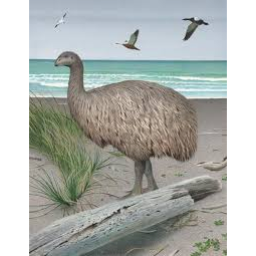
Crested moa
The crested moa is an extinct species of moa. It is one of the 9 known species of moa to have existed. Moa are grouped together with emus, ostriches, kiwi, cassowaries, rheas, and tinamous in the clade Palaeognathae. Some of the species of this group are flightless and lacks a keel on their sternum.
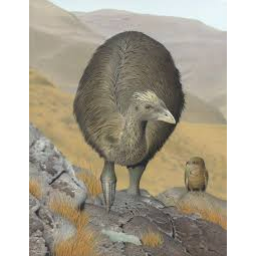
Andalgalornis
Andalgalornis is a genus of flightless predatory birds of the extinct family Phorusrhacidae that lived in Argentina. The type and only species is A. steulleti.
- Full access to our public library
- Save favorite books
- Interact with authors
- < BEGINNING
- END >
-
DOWNLOAD
-
LIKE
-
COMMENT()
-
SHARE
-
SAVE
-
BUY THIS BOOK
(from $8.39+) -
BUY THIS BOOK
(from $8.39+) - DOWNLOAD
- LIKE
- COMMENT ()
- SHARE
- SAVE
- Report
-
BUY
-
LIKE
-
COMMENT()
-
SHARE
- Excessive Violence
- Harassment
- Offensive Pictures
- Spelling & Grammar Errors
- Unfinished
- Other Problem





COMMENTS