

This is a collaborative book created by
the teachers and students from
Greece, Catalonia, Slovenia, Poland
and Ukraine
for
the eTwinning project BEE VIP
( BEE VALUABLE, INTERESTING, POWERFUL)
edited by
E.Sakellariadis, F. Vendrell Vila,
A. Calvet, K. Słowikowska,
V.Gatalska
2024-2025

The project participants investigated the importance of bees on Earth and found out that bees are in danger because of the climate change, ecological problems and decided to help bees. So, the project teams decided to make flower balls to plant in the gardens in spring and help bees in this way. That is why participants did the research about bee friendly flowers, chose the most beautiful and learnt about them to share in this book. Students wrote poems about these flowers and created pictures to illustrate them. They collected the best work here in this book.
~Introduction~
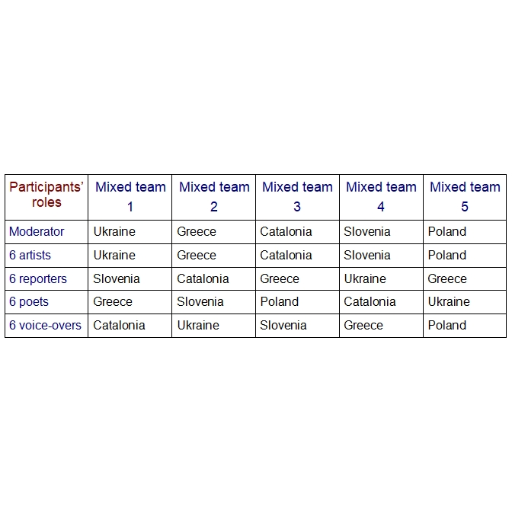


~Mixed teams~
Step 1: The teacher –moderator and her students (researchers and artists) do the research and discuss to choose 6 bee friendly flowers.
Step 2: Artists create 6 pictures (quill/draw, etc) then upload them into TwinSpace to publish on the TwinBoard of their team sub-page.
Step 3: Reporters prepare and publish 6 short reports about their team’s flowers under the appropriate pictures.
Step 4: Poets write a poem in their favourite style (cinquain/ haiku/ limerick/ free style) and publish on TwinBoards of their team’s page.
Step 5: The teacher –moderator collects all materials, her mixed team created, and put them in the e-book on their pages.
Step 6: The voice-overs record poems (in turn) in the storyjumper book after their team’s pages are completed.
~Instructions for mixed teams~
Teacher moderator (Ukraine): Valentyna Gatalska
6 artists (Ukraine): Evelina, Viktoria, Sophia, Diana, Maria, Katia
6 reporters (Slovenia): Ema B, Ema C., MArija, Liam, Matic, Jaka
6 poets (Greece): Evelina, Rafailia, Tonia, Panagiotis, Konstantinos, Odysseas
6 voice-overs (Catalonia): Oriol, Roger B, Julieta, Mar, Èlia, Laia
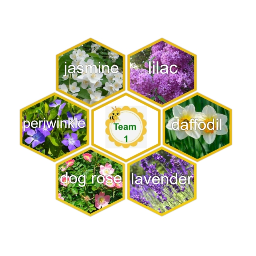

~Participants of mixed team 1~
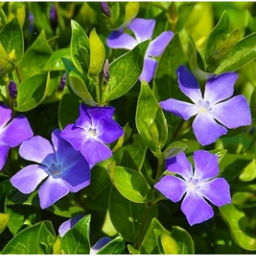
Vinca is a flowering plants in the family Apocynaceae. Some Vinca species are cultivated but have also spread invasively. Additionally, some species have medicinal uses. The most spread species is Vinca minor.
Colorful blooms and sweet nectar of periwinkles attract bees, butterflies, and hummingbirds with their vibrant colors. Periwinkle flowers from April to May and can flower a second time in August and September, making them particularly valuable for bees
(Report by Tinkara, Slovenia)
~Periwinkle~
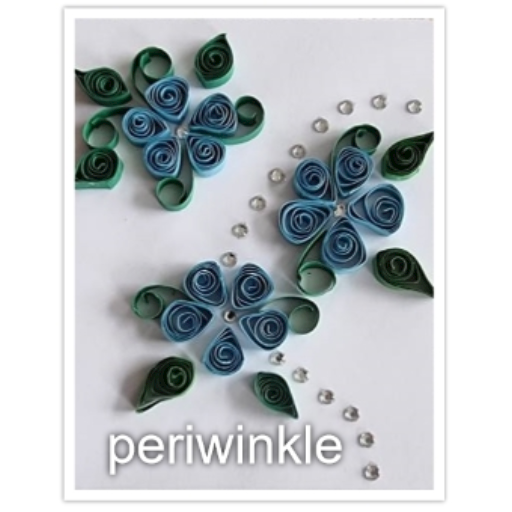

Periwinkle
Soft, elegant, attractive,
growing, swaying, blooming,
delicate shade of blue and purple,
Symbol of serenity
(Poem By Ann, Greece)
~Jasmine~
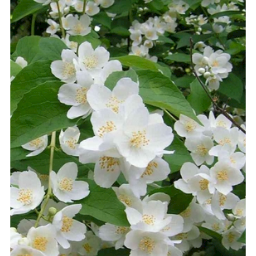
Jasmine is a genus of shrubs and vines in the olive family of Oleaceae. It contains around 200 species native to tropical and warm temperate regions of Eurasia, Africa, and Oceania. Jasmines are widely cultivated for the characteristic fragrance of their flowers.
(Report by Naja, Slovenia)
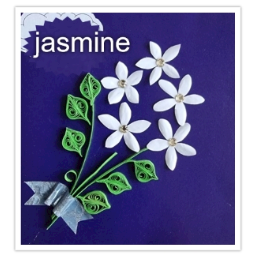
Jasmine
White, tender,
Cherished, loved, admired,
Filling the air with gorgeous perfume,
Awesome!
(Poem by Tonia, Greece)
~Dog rose~
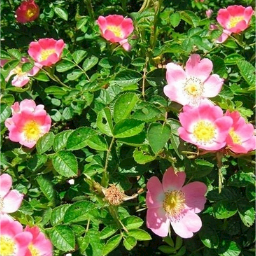
The dog rose is a deciduous shrub normally ranging in height from 1–5 metres, though it can scramble higher into the crowns of taller trees. Its multiple arching stems, are covered with small, sharp, hooked prickles, which aid it in climbing. The leaves are pinnate, with 5–7 leaflets, and have a delicious fragrance when bruised.
(Report by Luka, Slovenia)
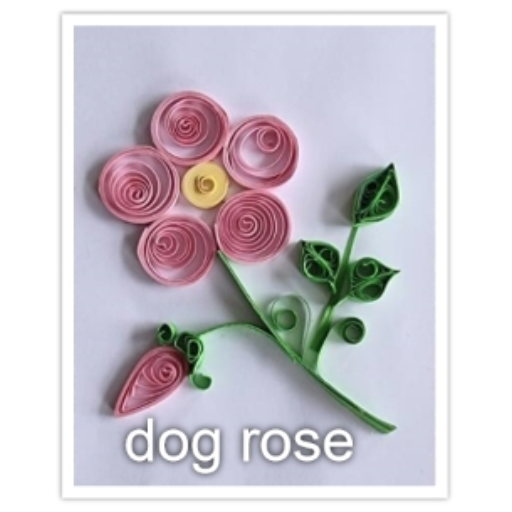

Dog roses
have the wonderful smell
and the pink colouring blooms,
making the garden
the most beautiful
in spring!
(Poem by Panagiotis, Greece)
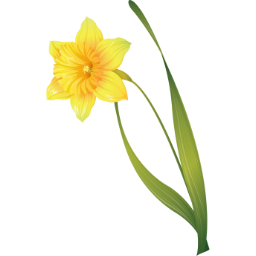
~Daffodil~
Narcissus is a genus of predominantly spring flowering perennial plants of the amaryllis family, Amaryllidaceae. Various common names ncluding daffodil, narcissus and jonquil, are used to describe some or all members of the genus. Narcissus has conspicuous flowers with six petals surmounted by a cup- or trumpet-shaped corona. The flowers are generally white and yellow (also orange or pink in garden varieties), with either uniform or contrasting coloured tepals and corona.
(Report by Luka, Naja, Slovenia)
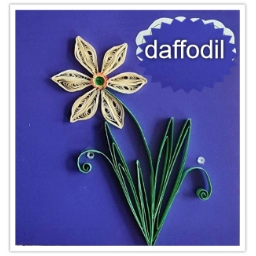
Daffodil
Perfect daffodil
Bright colours: yellow or white,
So powerful and kind.
Greeting the spring like a sun.
Amazing!
(HAIKU poem by Evelina, Greece)
~Lavender~
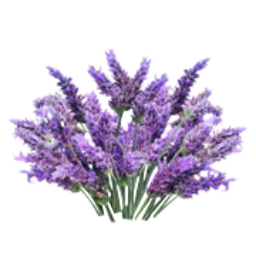
Lavandula (common name lavender) is a genus of 47 known species of perennial flowering plants in the mints family, Lamiaceae. It is native to the Old World, primarily found across the drier, warmer regions of mainland Eurasia, with an affinity for maritime breeze.
Report by Neli, Slovenia)
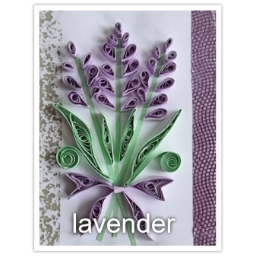
Lavender
A lavender grew in the sun,
Its color was bright and fun.
The bees flew near,
The air was clear,
And summer had just begun!
(Poem by Odysseas, Greece)
~lilac~
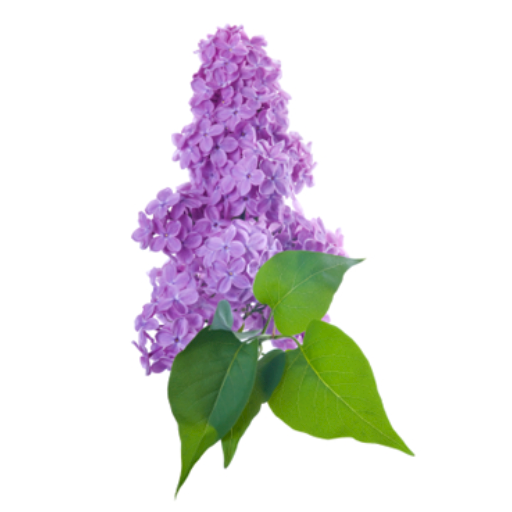
Syringa is a genus of 12 currently recognized species of flowering plants in the olive family or Oleaceae called lilacs. These lilacs are native to woodland and shrub from South-Eastern Europe to Eastern Asia, and widely and commonly cultivated in temperate areas elsewhere.
Report by Neli, Naja (Slovenia)
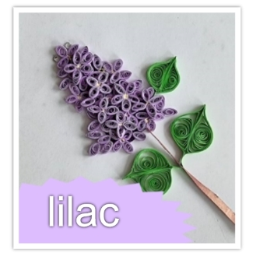
Lilac
Lilac blooms so bright,
purple flowers smell so sweet,
spring is in the air.
Gorgeous!
(Poem by Rafailia, Greece)
Teacher moderator (Greece): Eugenia Sakellariadis
6 artists (Greece): Nagia,Nefeli, Anastasia, Nefeli M., Eleni, Basiliki
6 reporters (Catalonia): Mariona, Guim, Mireia, Roger F, Martí,Carla F.
6 poets (Slovenia): Tim, Gašper, Mitja, Vid, Elena, Julija
6 voice-overs (Ukraine): Alex, Kiril, Mark, Mykyta, Fedir, Kyrylo
~Participants of mixed team 2~
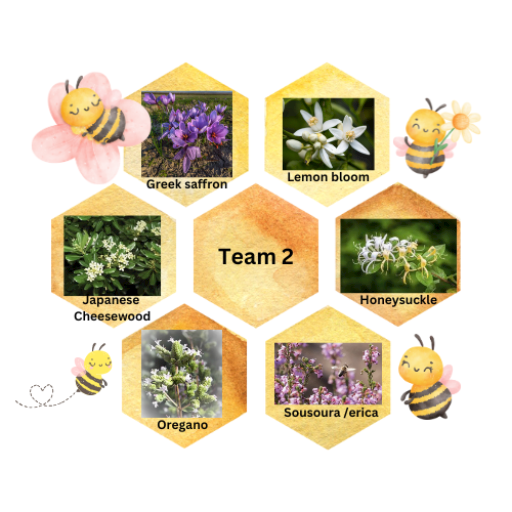
~Greek saffron~
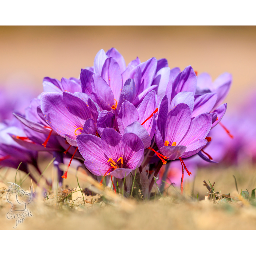
Greek saffron dates back to the Minoan times 2600BC. In our times it grows in the area of Kozani, Northern Greece. The flowers bloom only for 20 days. Their stem ae valuable and collected by hand and carefully dried. It is used as a spice. Bees love crocus since they can collect nektar even in the first month of winter November. It's orenage pollen os valluable for the bees.
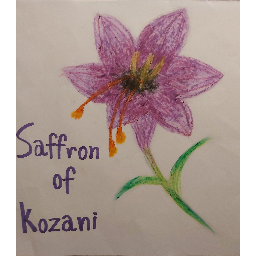
Greek saffron is purple
It smells very sweet
Bees love Greek saffron
and they collect its pollen to eat.
Poem by Karolina, Laura,
Slovenia
Japanese cheesewood
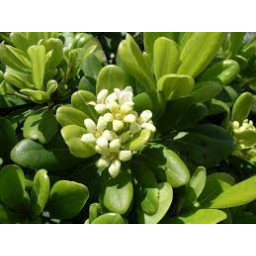
It smells as oranges, popular houseplant, easy to grow and thrive with regular watering. It is a species of the pittospovaceae family from Asia. They are from 3.7 to 4.6m tall. It originated from Japan, Korea and China.
The leaves are alternately arranged on the branches.
Report by Catalonia
The flower is yellow and white.
They grow in nature.
Bees enjoy pollinating it.
The scent of its blossoms is sweet.
But it is not very tasty to eat.
Vid and Mitjia, Slovenia
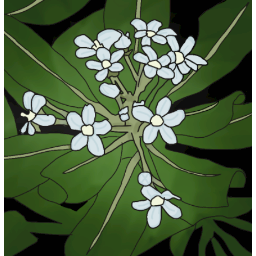
Lemon bloom
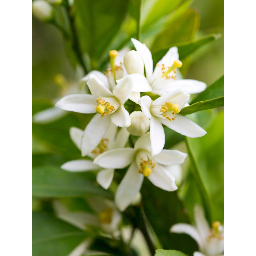

The lemon bloom grows every year. It is sensitive to cold. The flower is white nad blooms in spring between April and May. Its flowers are very aromatic an smell like lemon. The plant is low maintenance. Lovely fragrant flowers may appear all year but profusely during late winter.
Report Catalonia.
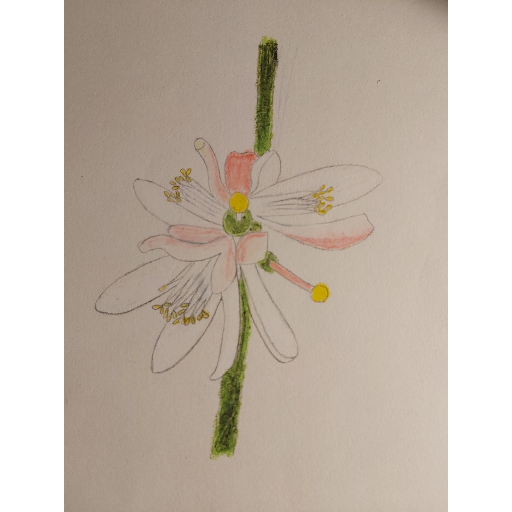
Lemon bloom -
fragrant boom.
The odored orchards
welcome bees to pollen its blossom.
Poem by Julija,
Slovenia
Honeysuckle
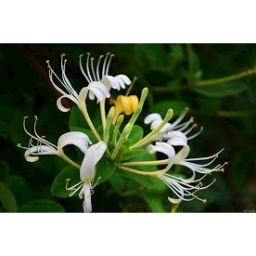
They are limans or deciudus shrubs or persistent leaves. The leaves have an opposite, archingshrubs or twining vines in the genus lonicera of the family caprifoliaceae.The genus includes 158 species.
Report by Catalonia
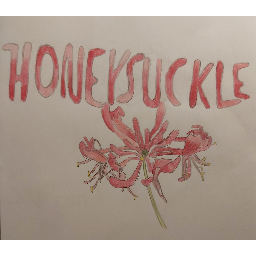
Honeysuckles are beautiful.
Flower colours are white, pink or red.
Bees love these flowers,
and their tasty nectar.
A flower has a slim body,
and a beautiful pink head.
These flowers may also be bright red.
Poem by Ema, Marija, Slovenia.
Oregano
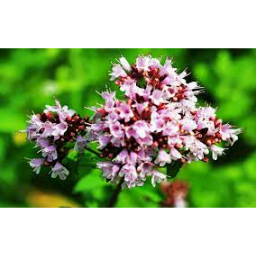
Oregano ia a popular herb in the mint family. It was native to the Mediterranean region. Oregano also has a history of madical use due to antibacterial qualities. Oregano is an aromatic plant that helps fight fungal, viral and bacteria infections.
Report Catalonia
Oregano is pink with very green leaves.
And we add leaves to pizza, salami, and cheese!
Its scent is loved by bees!
They enjoy pollinating its flowers!
Liam, Matic, Slovenia
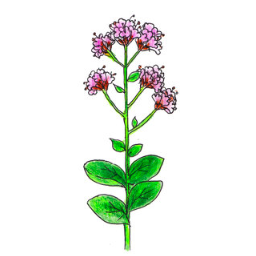
Sousoura/erica.
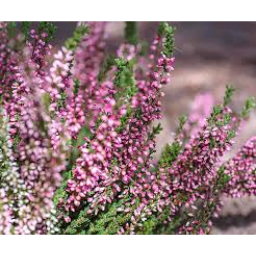
Erica is sometimes referred to as "winter heather". Most of the species are small shrubs from 20-150 cm high.
All are evergreen, with minute, needle-like leaves 2-15 mm long.
Flowers are sometimes axillary, borne in terminal umbels or spikes and usually outward or downward facing. The seeds are very small and may survive in the soil for decades.
Report Catalonia.
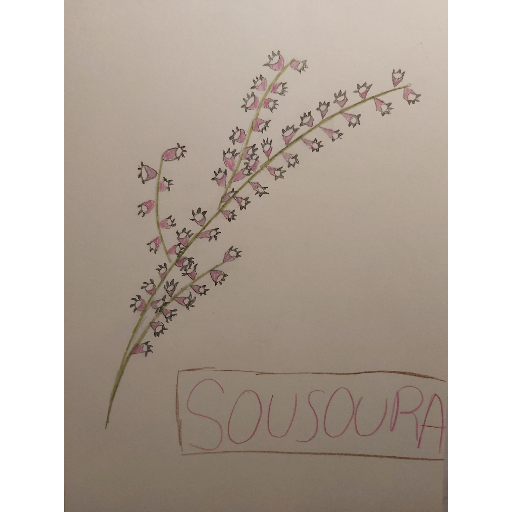
Erica blossom is delicate and small.
They may be different colours .
Erica flowers attract bees with their pollen and nectar.
Tina, Gašper, Slovenia

MIXED TEAM 3. PARTICIPANTS:
Teacher moderator (Catalonia, Spain): Fina Vendrell
6 artists (Catalonia): Maria, Laia, Mariona, Jordi, Bruc, Agata
6 reporters (Greece): Aggeliki, Sotiria, Anna, Dimitris F., Christina, Nikoleta, Tonia
6 poets (Poland): Filip, Michał Z., Ula, Zuzia P., Maja. Liliana
6 voice-overs (Slovenia): Neli, Karolina, Niko, Matic, Ema
FLOWERS:
Sunflower, poppy, rosemary, tulip, orange tree flower, thym
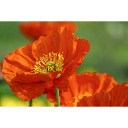
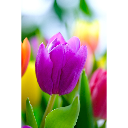
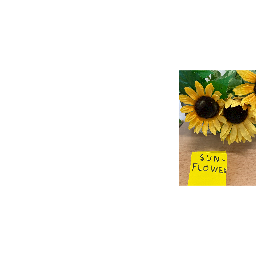
SUNFLOWER
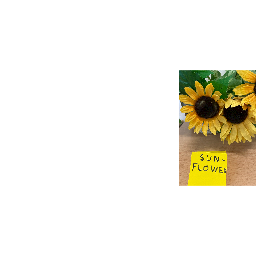
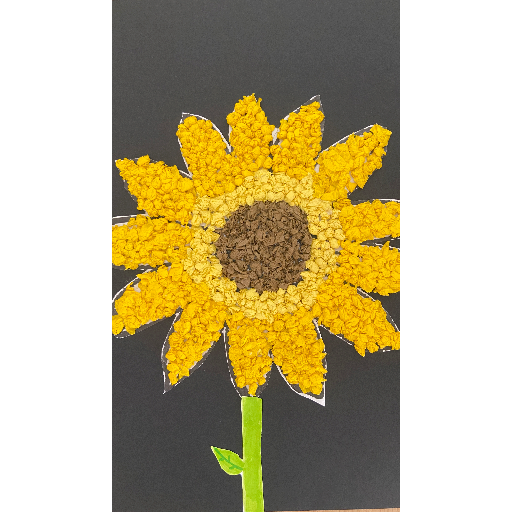
looking for sweet nectar.
And when the cold season comes,
it will give back the grains - when the time is right!
POPPY

Polish tulip, named Roland,
Always dreamed of visiting Holland.
One day he flew there by plain
But he kept meeting other tulips again and again
And in that country he was not special at all
Because it’s wonderful tulip fields world
So he decided to come back home, shine in the polish sun
Where he was important for everyone.
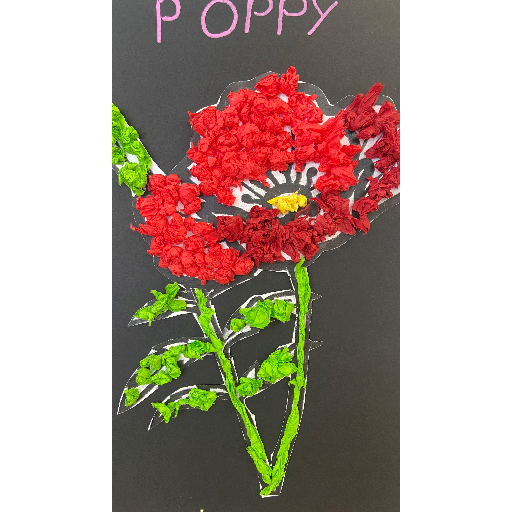
beauty,and bees flying above are cutie.
Michał
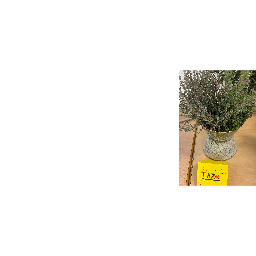
Rosemary
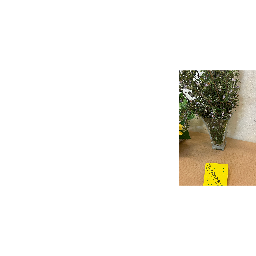
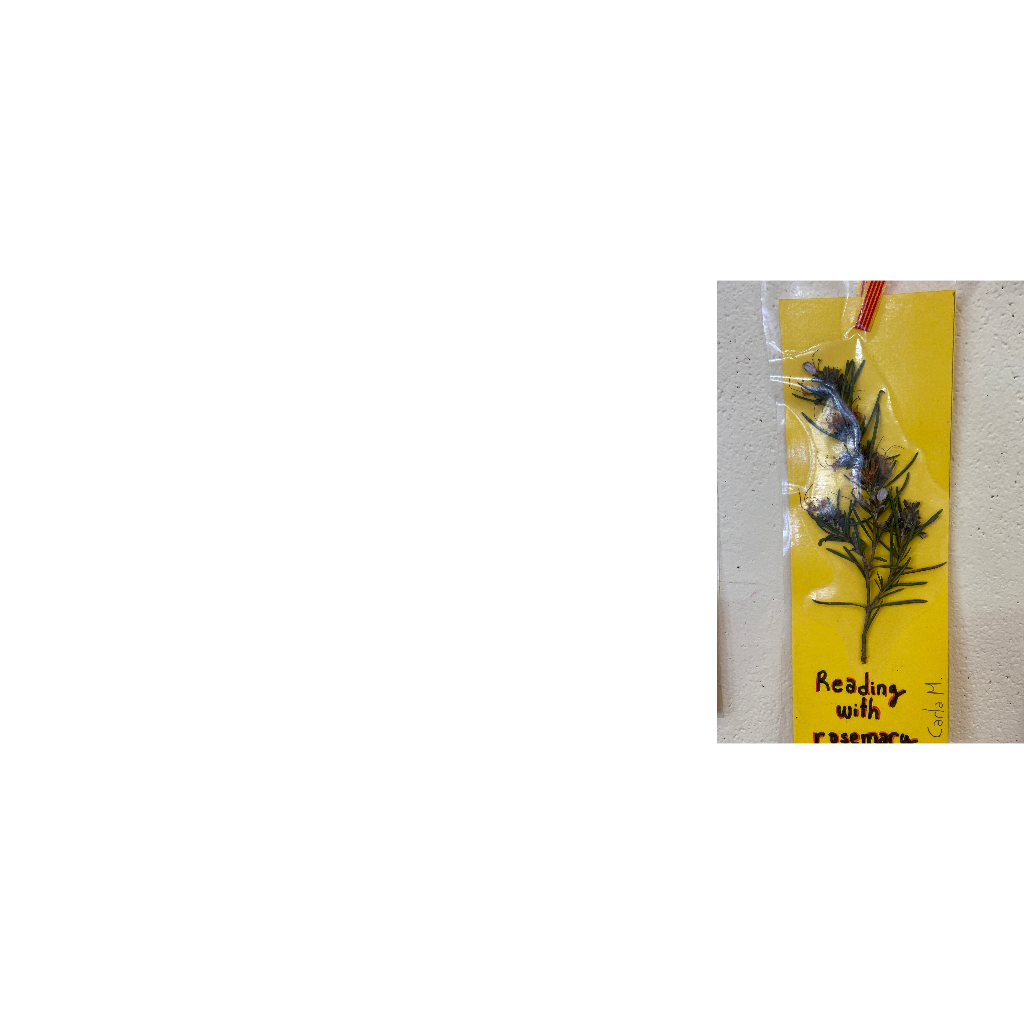
They fly around it
which makes me very wary
So bit by bit I wait and sit to take it
Tulip
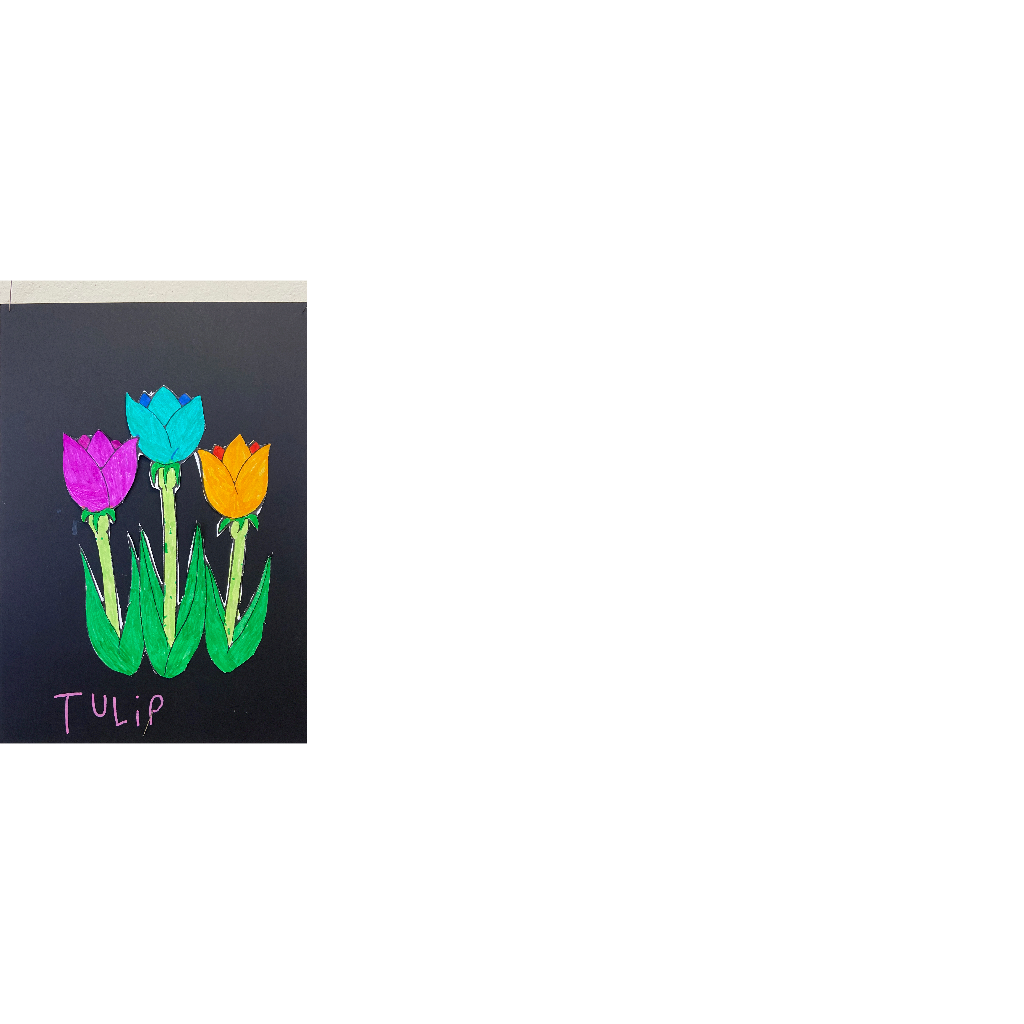
Polish tulip, named Roland,
Always dreamed of visiting Holland.
One day he flew there by plain
But he kept meeting other tulips again and again
And in that country he was not special at all
Because it’s wonderful tulip fields world
So he decided to come back home, shine in the polish sun
Where he was important for everyone.
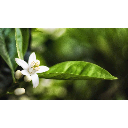
Orange tree flower
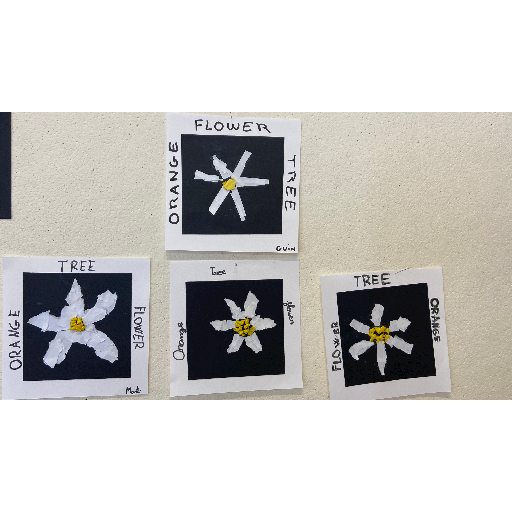
poem by Liliana (Poland)
comes from the region of Mediterranean Sea
the symbol of wealth and vitality
willl give you fresh smell
in the air
and bring peace to your shelter
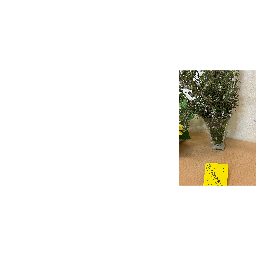
Thym
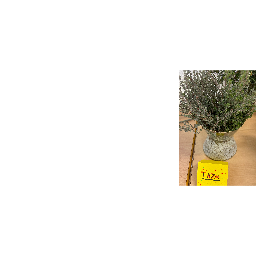
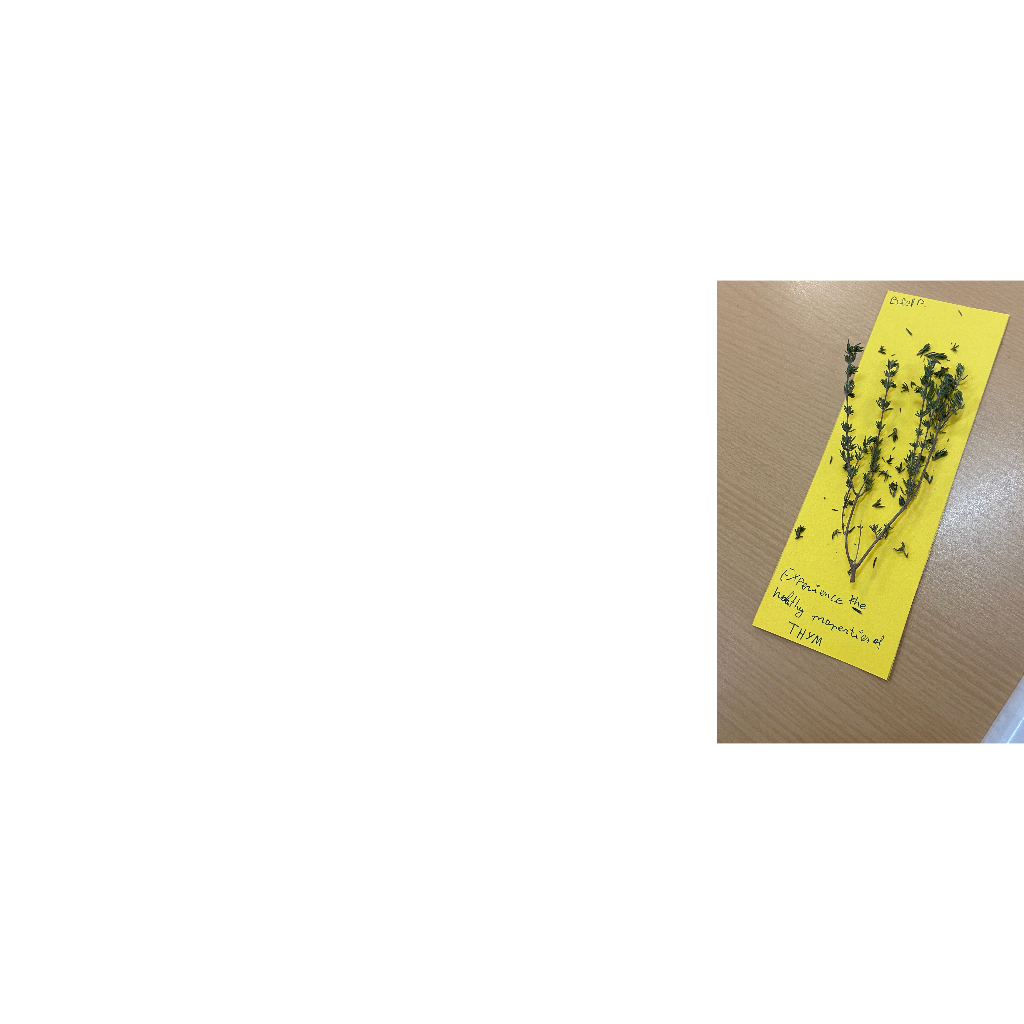
Look at the beautiful herbs in the meadow
Maybe we can make honey for them
I won't deny it because in Crete Thyme is used to make honey you know?
Green beautiful flowers smell very good
It's in your kitchen, look!
MIXED TEAM 4. PARTICIPANTS:
Teacher moderator (Slovenia): Aurora Calvet
6 artists (Slovenia): Marija, Karolina, Neli, Niko, Luka, Matic
6 reporters (Ukraine): Zlata, Vika, Diana, Sophia, Tania, Vitalina
3 poets (Catalonia): Carla M, Jesus, Hug, Unai, Júlia, Biel P, Biel O
6 voice-overs (Greece): Dimitris Chr, Michael, Konstantinos, Rafael, Iasonas, Petros, Tonia, Maria
Flowers:
Daisy, water lily, orchid, violet, primula vulgaris, iris
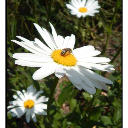
Daisy
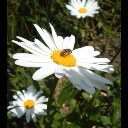
With flat, open flowers, daisies are the perfect shape for nectar and pollen collection. Honeybees love all types of daisy-shaped flowers as they are very open and accessible. Common daisy flowers attract bees due to their bright, white petals and a yellow centre. Daisies start blooming in early spring and continue through the whole summer.
The main reason, why bees visit daisies, is because they offer lots of pollen, a vital source of protein.
I am white and my yellow heart beats
facing the goiden sun.
I love waking spring
I love buzzing bees
it's so great and fun!
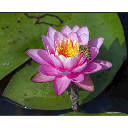
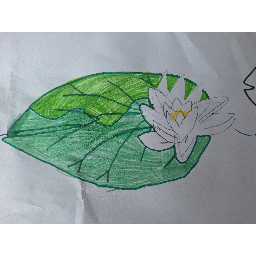
Water lily
Water lilies are flowering plants that live in aquatic environments. Water lily leaves provide a landing pad for thirsty honeybees. It grows in full sun and ensures the plant has plenty of room to spread. These plants poke their flowers out of the water, allowing pollinators such as bees to access the male and female parts of the plant above the surface.
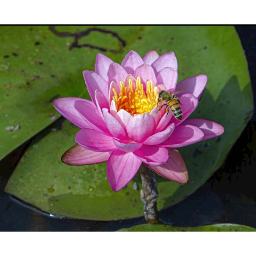
Waterlily, Catalonia
Floating gently, soft and wide,
on a pond I love to glide.
Frogs and sit come swimming near,
in my petals nice and here.
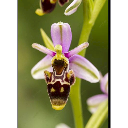
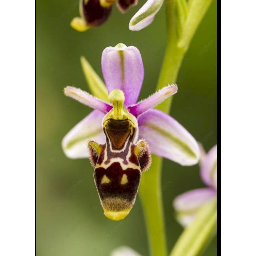
Bee Orchid
Ophrys apifera is known as the bee orchid. It serves as an example of pollination and floral mimicry, a highly selective and highly evolved plant–pollinator relationship. Some flowers go to extraordinary lengths to attract pollinators. Bee orchids mimic the shape and scent of bees and the orchid transfers some of its pollen to the bee.
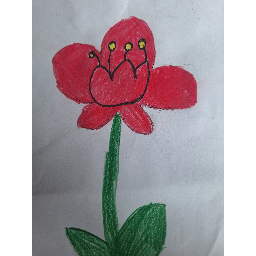
my yellow heart beats
facing the golden sun.
I love waking spring
I love buzzing bees
it´s so great and fun
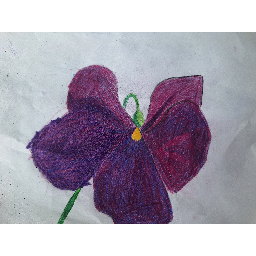
Violet
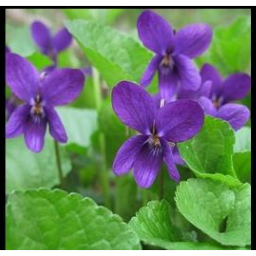
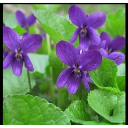
Plants with purple flowers attract more pollinators, such as bees and butterflies, due to their bright color and possibly their scent.
Purple flowers radiate an ultraviolet (UV) halo. Unlike humans, bees have enhanced UV color vision. The purple flowers with their alluring UV halo attracts bees. Bees and (other pollinators) lured to the violet and blue- hued flowers are rewarded with the highest volumes of nectar of all flowers.
I bloom in gardens where fairies play.
My petals are soft, my scent so sweet,
look a tiny treasure under your feet.
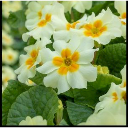
Primula vulgaris
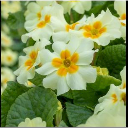
Primulas are among the first flowers in the garden to bloom in spring and are a favorite food source for bee. Primroses (Primula vulgaris) flower from March to May and provide early nectar for worker bees, hairy-footed flower bees and early bumblebees. This plant has a good nectar or pollen supply, which is especially good for honey and wild bees, as well as other pollinating insects.
with yellow petals all aglow
a sign that winter's cold is done
and brighter days have just begum.
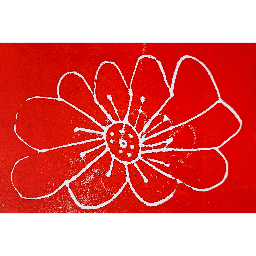
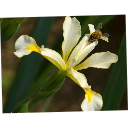
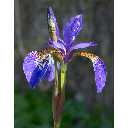
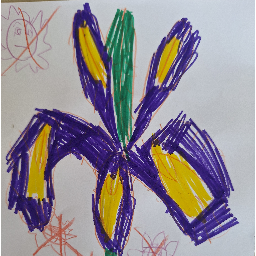
Iris
They are easy to grow and great for planting in mixed borders. These bearded irises are great for all pollinators as their pollen is so easily accessible. There are many species of iris grown in gardens - generally with spectacular flowers that are good for bees.
Blooming from May to June the flowers are around 7cm across. They like moist to waterlogged soil with good drainage. Iris is a colourful plant and make a good addition to any garden
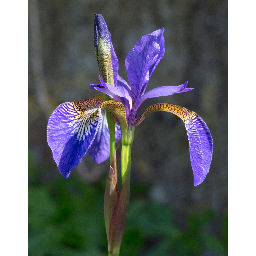
my colours shine in golden light.
Purple, yellow, blue or white
a garden's joy, a lovely sight.
MIXED TEAM 5. PARTICIPANTS:
Teacher moderator (POLAND): Katarzyna Słowikowska
6 artists (Poland): Szymon, Michał, Franek, Eryk, Leon, Karol
6 reporters (Greece):
6 poets (Ukraine): Artem, Denis, Glib, Tymur, Maria, Sophia
6 voice-overs (Poland): Ludwik, Janek, Oskar
FLOWERS:
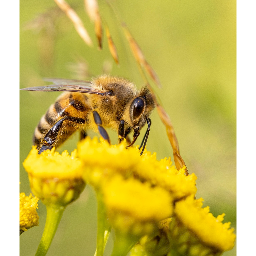
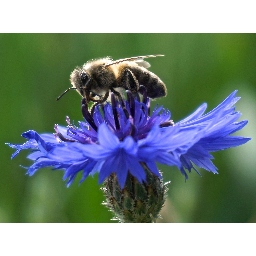
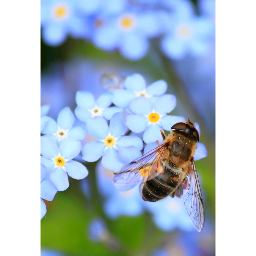
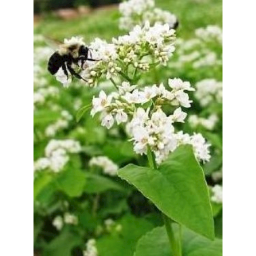
White clover, cornflower, white mustard, mint, dandelion, forget-me-not
White clover
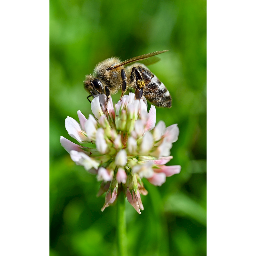
It is very common in fields, lawns and meadows. It helps the soil by adding nitrogen, which makes grass grow better. Bees and other pollinators love its flowers because they produce a lot of nectar.
People also use cohite clover as food for animals and some even add its leaves to salads or teas
Report by Evelina, Greece
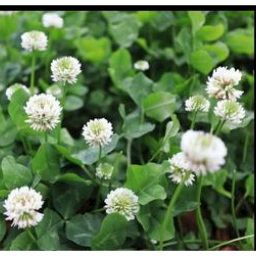
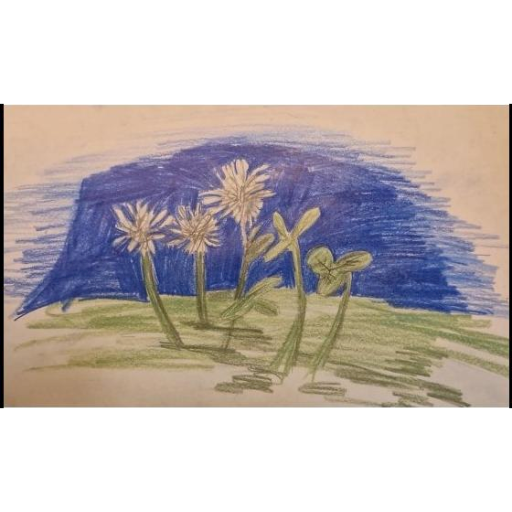
White clover
With a tinge of pink,
Growing, crawling, flowering
Small but pretty
Trifolium
Poem by Artem, Ukraine
Picture by Leon, Poland
Cornflower
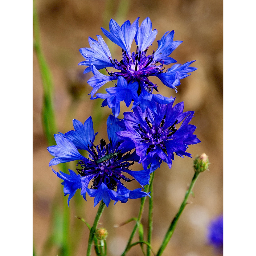
Cornflower or Centauria is a strong plant which grows in many countries around the world. It belongs to the family of daisies.
It can be found in wheat fields or they are cultivated in gardens. The flowers are hermaphrodite, meaning they are both male and female. Unlike other hermaphordite flowers they need insects such as bees to be polinated. There are 700 species all over the world. 70 of them grow in Greece. Its colour is blue. They have medicinal qualities.
Report by Maria, Greece
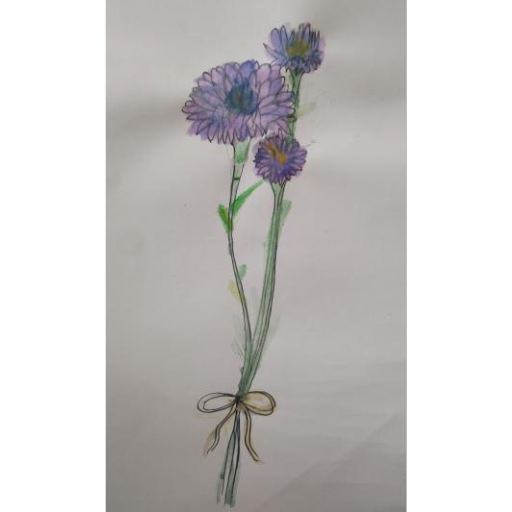
Cornflower
slim, bright blue
Blooming, enjoying summer
Bringing much joy and delight
Centaurea
Poem by Denis, Ukraine
Picture by Lena, Poland
White mustard
White mustard (Sinapis Alba) is an annual plant of the family Brassicaceae. It is sometimes also referred to as Brassica Alba or B.Hirta. It probably originated in the Mediterranean region, but is now widespread worldwide. Grown for its seeds, it is used to make the condiment mustard, as a fodder crop or a green manure!.
Report by Tonia Greece
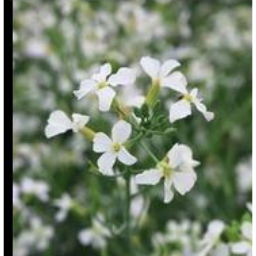
White mustard
White flowers with 4 petals
simple and perfect beauty
delighting the sight
Sinapis alba
Poem by Glib, Ukraine
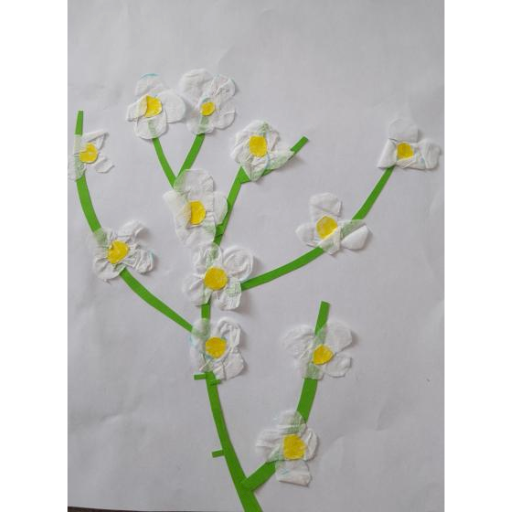
Picture by Zosia, Poland
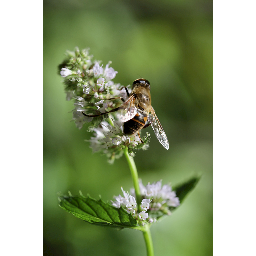
Mint
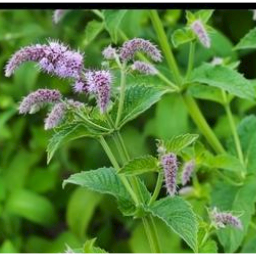
Mint is a genus of flowering plantsin the mint family, Lamiaceae . It is estimated that 13-24 species exict, but the exact distinction between species is unclear. Hybridization occurs naturally where some species' ranges overlap. Many hybrids and cultivars are known!.
Report by Tonia Greece
Mint
Green, aromatic
fast-growing, thriving everywhere
good for tea and ice creams
used for healing and beauty
A herb of hospitality
Poem by Tymur, Ukraine
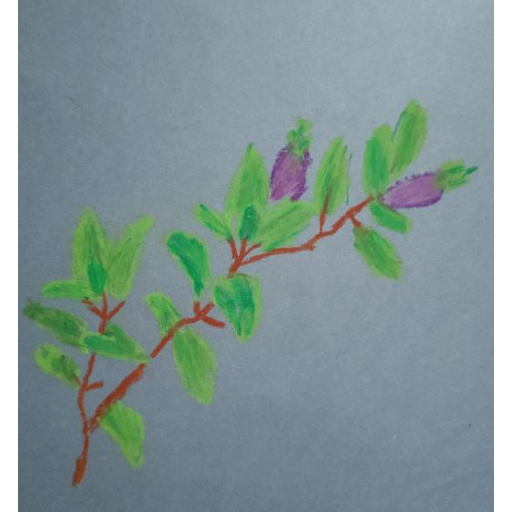
Picture by Michał, Poland
Dandelion
Taraxacum is a large genus of flowering plants in the family Asteraceae, which consists of species commonly known as dandelions. The scientific and hobby study of the genus is known as taraxacology. The genus is native to Eurasia but the two most commonplace species worldwide, T. officinale (the common dandelion) and T. erythrospermum (the red-seeded dandelion), were introduced from Europe into North America, where they are invasive species.
Report by by Katerina, Greece
Dandelion
funny fluffy balls,
flourishing the whole summer
bringing us joy everywhere
Taraxacum
Poem by Maria, Ukraine
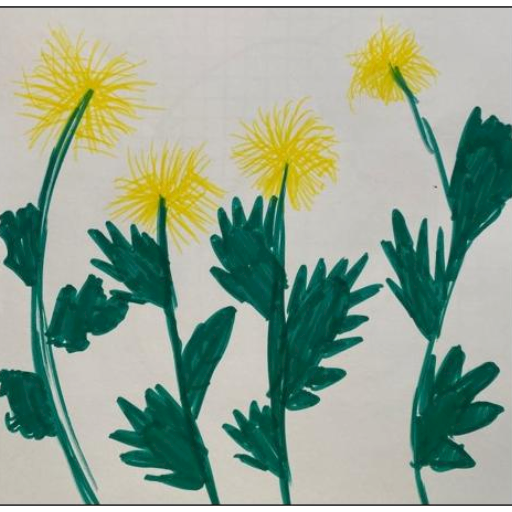
Picture by Franek, Poland
Forgot-me-not
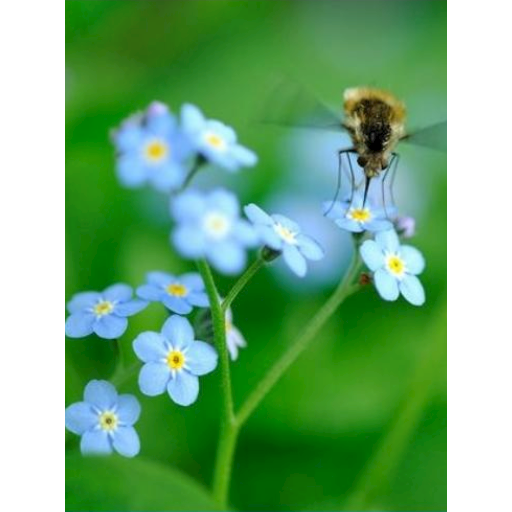
report by Georgia, Greece
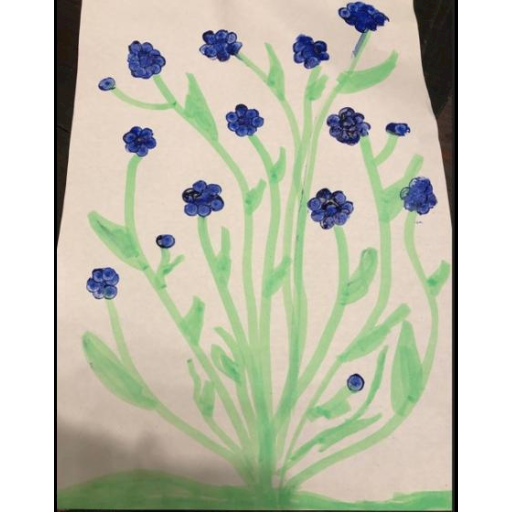
Forget-me-not
Charming, friendly,
Growing, smiling, blooming
dancing with the wind
Myosotis
Poem by Sophia, Ukraine
Picture by Amelka, Poland
- < BEGINNING
- END >
-
DOWNLOAD
-
LIKE
-
COMMENT()
-
SHARE
-
BUY THIS BOOK
(from $14.39+) -
BUY THIS BOOK
(from $14.39+) - DOWNLOAD
- LIKE
- COMMENT ()
- SHARE
- Report
-
BUY
-
LIKE
-
COMMENT()
-
SHARE
- Excessive Violence
- Harassment
- Offensive Pictures
- Spelling & Grammar Errors
- Unfinished
- Other Problem





COMMENTS
Click 'X' to report any negative comments. Thanks!