School Routes Around the World shares real-life stories of children from different countries and how they travel to school. From snowy paths in Ladakh to busy streets in Europe, each story shows the challenges and determination behind getting an education. This inspiring book offers a glimpse into everyday life across cultures and reminds readers of the power of perseverance.

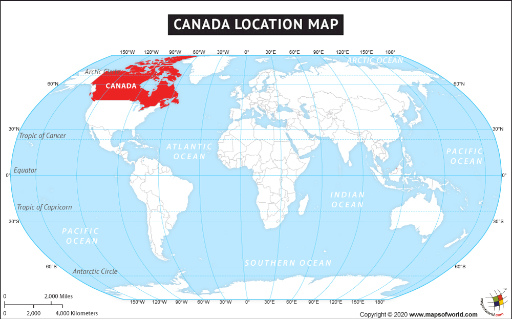
Liam's Journey to School (Canada, Rainbow Lake)
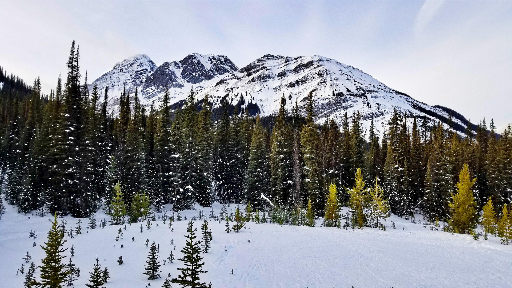
My name is Liam and I live in a small village called Rainbow Lake in northern Alberta. This province is known for its forests, mountains, and harsh winters. I am 14 years old and I attend 9th grade at High Level Public School, which is 80 kilometers from my home. Every morning, I wake up at six because the journey to school takes a long time.


In winter, it's often dark outside, and the temperature drops to as low as minus twenty. The first part of my journey leads to a place where students gather for the bus. It's not a regular bus stop, but just a marked spot at the side of the road where kids from nearby houses gather to get on together. At the bus stop, I often meet Omar, who moved to Rainbow Lake a few months ago.


He is from Syria, and his family came here as refugees. When we first met, he kept to himself a lot because he didn't speak much English. Some of the boys used to make fun of his accent. But now we understand each other better. I helped him with English, and he taught me a few words in Arabic. 'Sabah al-khair,' he greets me this morning. 'Good morning, Omar!' I reply with a smile. I try to be there for him because I know he misses his home. The bus arrives, and we get on. The journey takes about 45 minutes because the bus has to pick up kids from different parts of the area.

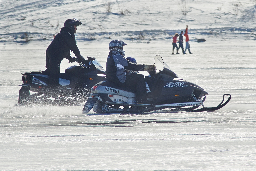
In some parts of Alberta, it takes over an hour to travel. In some parts of Alberta, it takes over an hour to travel. I look out the window at the snow-covered landscape and see the frozen Hay River, where snowmobiles ride in the winter.
In school, I sit next to Omar. During a group project, I noticed that he was afraid to speak in front of others. I encouraged him, 'Don’t worry, you can say it slowly. We all understand you.' When he talked about Ramadan, the classmates listened with interest. I never would have thought that we could learn so much from each other.

When I get home, I take off my frozen boots by the fireplace and have some hot chocolate. Then I usually go study, but when I have free time, I help my dad with the firewood or feeding the dogs. Alberta is known for its oil production and farms, so many families make a living from agriculture.
I thought about how different our journeys to school are. I deal with the cold and moose, while Omar had to adjust to a completely new culture. But one thing we have in common – every day we overcome obstacles and learn from each other.

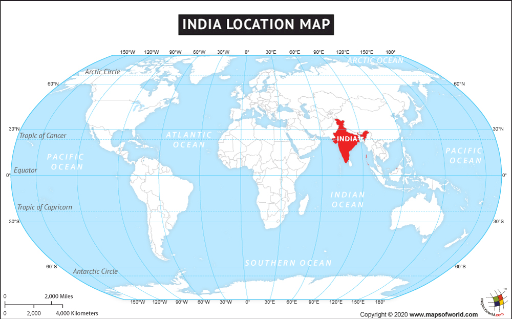
Amar’s Journey to School (Ladakh, India)
My name is Amar, and I am 13 years old. I live in a small mountain village in the Ladakh region, in northern India, high in the Himalayas. My school is located in the city of Leh, which is about 10 kilometers from my home. Every morning, I wake up while it is still dark because the sun rises later in the mountains, and the nights are cold, even in summer.

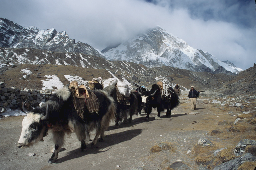
Before I leave, I put on a warm woolen jacket and sturdy shoes. Even if the morning is clear, the weather in the mountains can change quickly. I start my journey on foot, following a narrow, rocky path between the cliffs. Sometimes, I have to step aside to let a herd of yaks pass. These large, hairy cows are very important for our village – we use their milk to make butter and cheese, their fur for woolen clothes, and even their dung as fuel for heating.
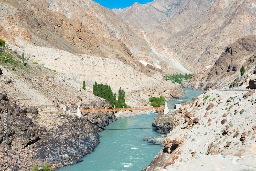
After walking for half an hour, I reach the Indus River, which flows through a deep valley. The water is freezing because it comes from melting glaciers high in the mountains. I cross an old wooden bridge that sways slightly in the wind. During the monsoon season, the river rises, and sometimes the bridge gets damaged. When that happens, I have to take a longer and more dangerous route through the mountains.
On the other side of the river, my friends from nearby villages are already waiting. Together, we get into a small van that takes us to school. The road is narrow and winding, carved into the rocky slopes. The driver has to be very careful because there is a steep drop into the valley right next to us. Sometimes, a rockslide blocks the road, and we have to stop and wait until local workers clear the way.
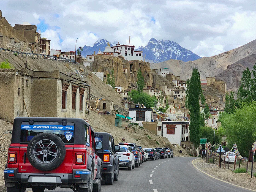
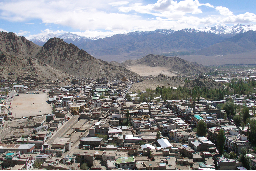
Finally, we arrive in Leh. The city is small, but for us, children from the villages, it feels busy. There are monasteries with colorful prayer flags, narrow streets full of shops, and tea houses where people drink salty butter tea. When I arrive at school, I always feel proud – not everyone in the mountains has the chance to get an education. Our parents had to fight for us to go to school instead of working in the fields.
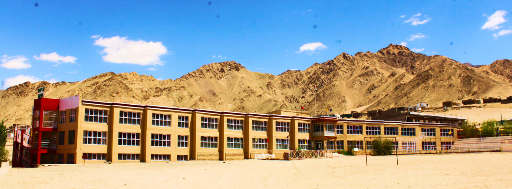
The journey home is just as adventurous. This afternoon, it started snowing, and we have to walk carefully to avoid slipping on the path. But I know that when I get home, a warm dinner and my grandmother’s stories about the old days, when life in Ladakh was completely different, will be waiting for me.
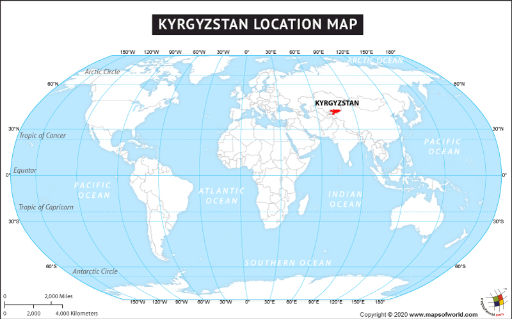
Hello everyone! My name is Aslan and I come from Kyrgyzstan, a small but diverse country in the heart of Central Asia. You may not have heard much about us, but trust me – geographically, it’s a fascinating place. Imagine a country where 90% of the land is covered by mountains, mainly the Tian Shan range, with glaciers, alpine lakes, and deep valleys.
Life Between Peaks: A Kyrgyz Boy’s Story

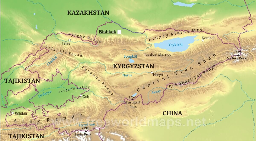
We don’t have a sea, but we do have Issyk-Kul Lake, one of the largest mountain lakes in the world!
Each day begins with the sun rising over the mountains. We live in a small valley village where it’s cold at night, even in summer. Winters are freezing, and we heat with firewood as there’s no gas. Our clay and stone homes hold in warmth. Breakfast is simple: flatbread (“lepyoshka”), cheese, and milk tea. Most of our food comes from local farming and livestock.



My school is not just around the corner – I have to walk several kilometers. But this journey is a geography lesson in itself. I pass pastures where goats, sheep, and horses graze. Sometimes, we even see camels, especially in the drier steppe regions further from the mountains.


The terrain varies – flat in some parts, hilly in others, with small rivers to cross and dusty paths in summer. In winter, snow covers everything. Nature teaches us patience and awareness of the environment.

When I finally reach school, it feels like stepping into another world. Our school is in a small town – a mix of traditional houses and Soviet-style apartment blocks.
In class, we learn not only math or Russian, but also about the regional differences within our country – dry plains in the south, high mountain meadows, and major rivers like the Naryn. Thanks to school, I’ve come to understand how diverse even our small country is.

In summer, the way to school is hot and dry. The grass turns yellow, and temperatures often rise above 30°C. I walk through dusty paths and dry meadows where animals still graze. The streams are low, fed by melting glaciers from the mountains.
The air is warm, the sky is clear, and the sun rises early. Sometimes I stop in the shade of a tree to cool down. Summer makes the land feel open and endless.



In winter, everything changes. Temperatures can drop below –20°C, and snow covers the entire landscape. I wear thick clothes and walk carefully over icy paths. Streams are frozen, and the wind blows strong from the mountains.
The journey takes longer, and sometimes school is canceled after a heavy snowfall. Winter is cold and quiet, but beautiful in its own way – the same road becomes a frozen world shaped by nature.


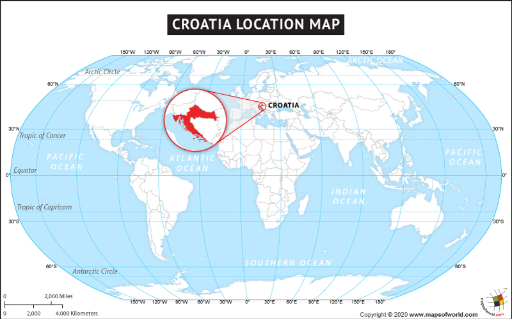
Just a normal day of 12 years old Croatian girl... or not?
Hello, my name is Zora and I come from village called Nemira in the middle of Croatia. I go to school in a small city called Omiš, which is 3 kilometres away from here.
My friend Jelena lives nearby, her parents are doctors commuting in Split, that’s why they have to go to work early. Jelena had an accident few years ago and uses a wheelchair now. There is a bus going to Omiš, but it’s quite expensive and drivers sometimes have a problem with the wheelchair.
If the weather is nice, I pick up Jelena and push her wheelchair toward Omiš. There are two roads: the busy Adriatic Highway D8 and a smaller, quieter one leading to the beach houses. We take the safer, quieter road. We enjoy the sea views, pebbled beaches, and the shade from pine trees arching over the path.
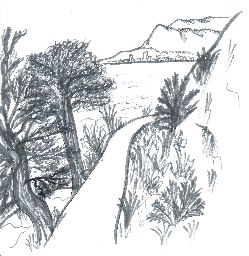
On the other side, the Dinara mountains rise above the valley. This road joins the D8 in Omiš, but there’s a sidewalk there, so we can continue safely.
Our school is an old building, it’s not barrier-free, but it goes through reconstruction now, there would be a new facade, the interactive whiteboards are gradually installed in every class and a lift is being built in the yard. But there is no way Jelena could go to the first floor just on her own now.
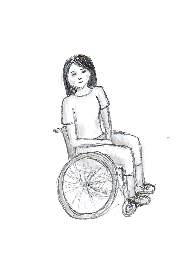
School caretaker knows her timetable and takes her in his arms and to the ground or first floor, when we need to go to the class in the other floor and our classmates are competing about who will take the wheelchair.
After school we either go home on foot (and a wheelchair) again or Jelena’s parents pick us up, when we have afternoon classes and they are already on the way home. Yesterday our classes ended at midday, that means that we had to go home as in the morning.
I pushed the wheelchair, we were in the middle of the way, when Jelena suddenly started to scream. There was a huge horned viper, the most dangerous snake in Europe, on the roadside a few meters from us.
We couldn’t avoid it. Crossing on the curve was dangerous, and on the right was a slope with a pebble beach where the wheelchair could get stuck. What now?
Suddenly appeared some people, who were sunbathing at the beach but we didn’t notice them at first. Nobody dared to go closer to the animal, so they helped us as the school caretaker does and took Jelena and the wheelchair and carried them a part of our way to Nemira on the beach to be safe. I’m glad, that the tourist season already started.
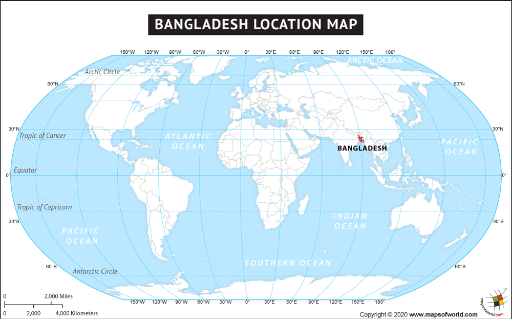
In Eshita’s Shoes (Bangladesh)
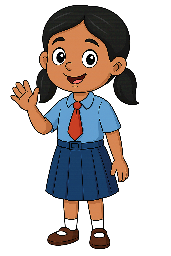
Hello, my name is Eshita, I am 9 years old and I come from a small village in the northwestern part of Bangladesh. I live with my parents and my sister in a small house made of clay, bricks, corrugated metal sheets, and straw. My biggest dream is to become a nurse, but unfortunately, that is not easily achievable in our country. Monthly incomes here range from 5 500 to 27 541 BDT (Bangladeshi Taka), which is approximately 40 to 200 euros.

Jindřich Plzák
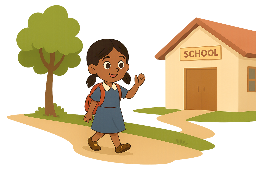

Every day, I start with breakfast and then get dressed in my school uniform. Since it stays warm year-round – around 20 °C in winter and 35 °C in summer – I usually don’t need extra clothing. The humidity is high all year. Most rain falls during the monsoon season, from June to October, when dirt roads turn to mud and getting around is hard.
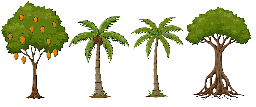
The land here is flat, fertile, and full of rivers. Rice, banana trees, coconut palms, and other tropical plants grow all around.
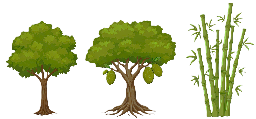
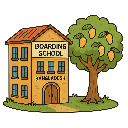
When children in our village finish fifth grade, their paths often split. Some stop their education, while others — if their parents can afford it — go on to the boarding school I mentioned. I’m lucky too, as a foundation supports my studies there.
I’m glad so many girls go to school now — it wasn’t always like this. Some schools even have more girls than boys! I really like my future boarding school. It’s mostly self-sufficient and grows its own rice, corn, mangoes, jackfruit, and more.

I know that my dreams won’t come true overnight, but I believe that with education and support, I can achieve them one day. I am very thankful for the chance to study and to grow. Even though life in our village is not always easy, I feel hopeful about the future.
Thank you for reading my story. I hope it helped you understand a little more about how we live and learn here in Bangladesh. We are so grateful for any help we receive — it truly makes a difference in our lives.
With love - Eshita
Bye!
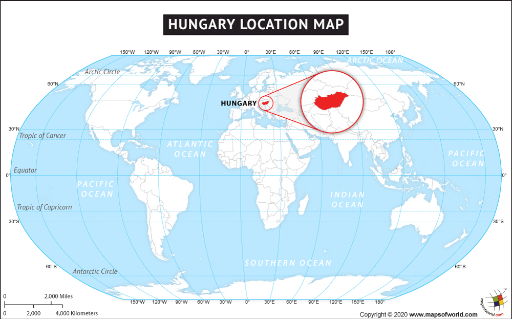
Every morning, I leave my house in the quiet village of Tihany, high above Lake Balaton. The air smells fresh, like pine and water. I walk past lavender bushes—Tihany is famous for them—and head down the narrow street towards the bus stop.
István’s Commute to School

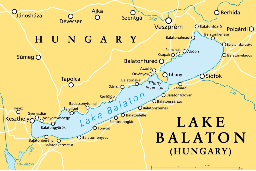
My friend Bence is always waiting there. He’s in a wheelchair, and sometimes the gravel path makes it hard for him to move. I help him over the bumpy spots, and we laugh when the wheels get stuck—again. Bence says I should be a rally driver with how fast I push him sometimes!
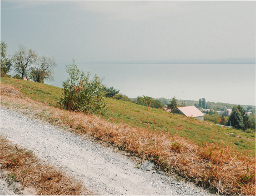
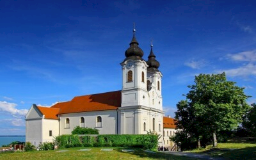
From the stop, we ride the school bus together. It winds along the shore of Lake Balaton, the biggest lake in Central Europe. On clear days, the water shines like glass. We pass the Tihany Abbey, standing tall on its hill, and then glide through small towns like Aszófő and Balatonfüred, where villas and old spas line the shore.

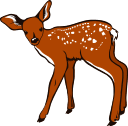
Once, near Balaton Uplands National Park, we saw a deer run beside the road. Bence’s eyes lit up—he loves animals more than anything. When we reach Veszprém, our school stands close to the old castle. From the classroom window, we can see the lake far behind us. “Not bad,” Bence always says. “Not bad at all.”
- < BEGINNING
- END >
-
DOWNLOAD
-
LIKE
-
COMMENT()
-
SHARE
-
BUY THIS BOOK
(from $8.59+) -
BUY THIS BOOK
(from $8.59+) - DOWNLOAD
- LIKE
- COMMENT ()
- SHARE
- Report
-
BUY
-
LIKE
-
COMMENT()
-
SHARE
- Excessive Violence
- Harassment
- Offensive Pictures
- Spelling & Grammar Errors
- Unfinished
- Other Problem





COMMENTS
Click 'X' to report any negative comments. Thanks!