Welcome to our collaborative book, Birds of My Region!
This book is the result of a wonderful journey working together to separate and celebrate the beauty of our local bird species through a variety of data sources. Each page represents unique research, creativity, and nature.

We prepared this book to introduce the birds living around us.
Each page features a different bird: Some live in water, some in trees, and some fly far away.
We watched, drew, and learned interesting information about these.
Come on, let's take a colorful journey into the world of birds!
This book is a collection of stories, drawings and facts about the birds we see around us.Join us as we explore the skies, trees and waters where these wonderful creatures live.
EURASIAN WREN
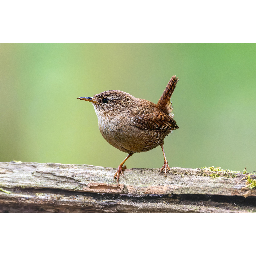
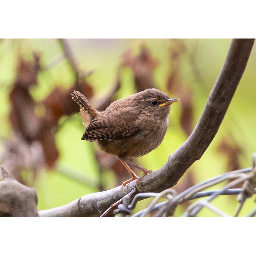
The Eurasian Wren (Troglodytes troglodytes) is a very small, brown bird found across Europe, Asia, and North Africa. It has a short tail that is often held upright, and a pale stripe above its eye. Despite its small size, it has a loud and complex song. Wrens live in forests, gardens, and shrubs, often staying close to the ground. They mainly eat insects and spiders. The male builds several nests, and the female chooses one to lay her eggs in. Wrens are active, quick, and often hard to spot.
Eser Öpçin - Selahaddin Eyyubi İmam Hatip Secondary School ADANA TÜRKİYE
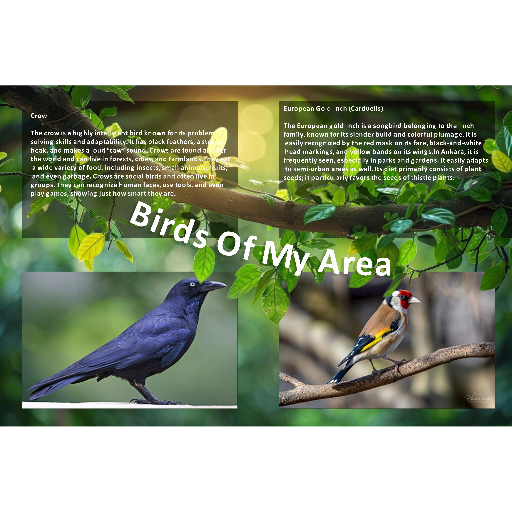
EUROPEAN GOLDFINCH
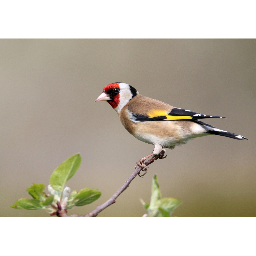
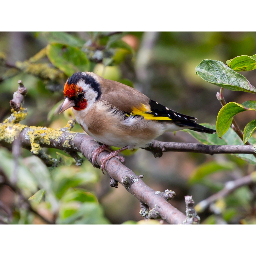
The European Goldfinch (Carduelis carduelis) is a small, colorful bird found across Europe, North Africa, and parts of Asia. It has a bright red face, black-and-white head, and golden-yellow wing patches that stand out in flight. Goldfinches are often seen in flocks, especially in winter, feeding on seeds from thistles and other plants. They have a pleasant, musical song and a tinkling call. They live in gardens, orchards, open woodlands, and farmland, and often nest in trees or tall bushes.
Eser Öpçin - Selahaddin Eyyubi İmam Hatip Secondary School ADANA TÜRKİYE
Justyna Kędzia-Gruba, Zespół Placówek Szkolno-Wychowawczych w Głogowie, POLAND
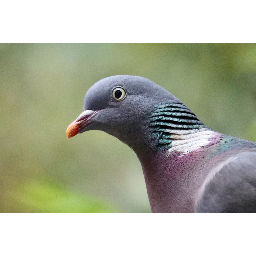
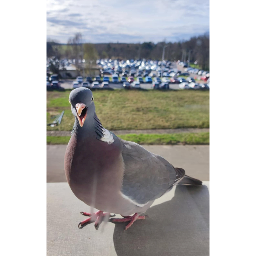
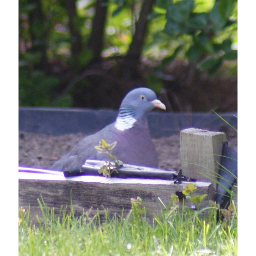
WOOD PIGEON (Columba palumbus) It is the largest pigeon in our country. It is easy to recognize by its size and coloration. Previously very shy and exclusively forest, the wood pigeon has become a synanthropic species in recent years. A characteristic feature of the wood pigeon's coloration are large, white spots on the sides of the neck. The wood pigeon in flight also presents a specific coloration feature: white crescent-shaped fields on the wings. When taking off, the wood pigeon makes a lot of noise, clapping and fluttering its wings.
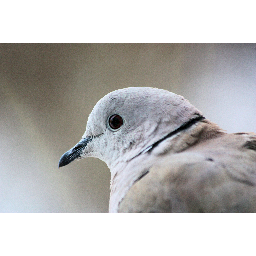
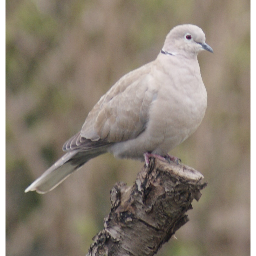
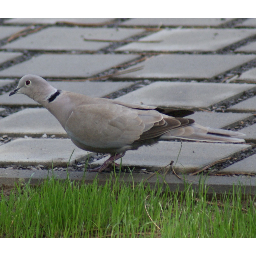
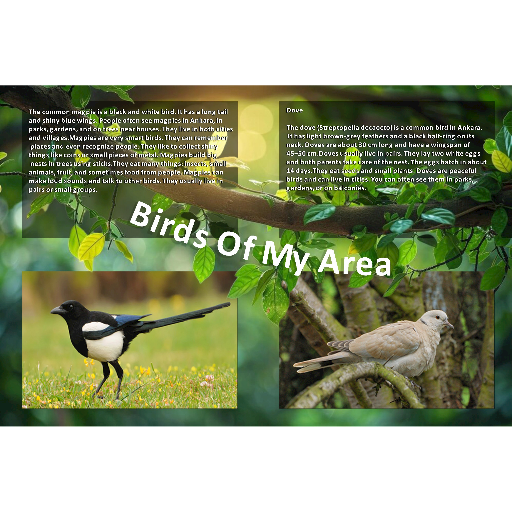
COLLARED DOVE (Streptopelia decaocto) A slender silhouette, elegant beige-gray coloring with dark flight feathers and a sickle-shaped half-collar on the neck, from which its name comes - this is the collared pochard. It settled in Poland not so long ago, in the late 1950s. It came to us from the east, which was reflected in its old name - the Turkish collared pochard. It was also called the turtledove or the Turkish collared pochard. Pairs stay together all year round and share the burdens of parenthood, like other pigeons.
Justyna Kędzia-Gruba, Zespół Placówek Szkolno-Wychowawczych w Głogowie, POLAND
Justyna Kędzia-Gruba, Zespół Placówek Szkolno-Wychowawczych w Głogowie, POLAND
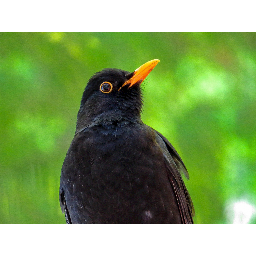
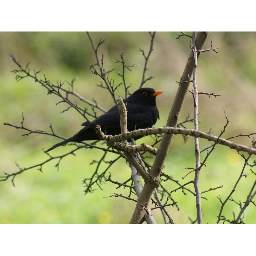
COMMON BLACKBIRD (Turdus merula) The blackbird is one of the most common and numerous birds of central Europe. The male has jet-black plumage, and in summer a yellow beak and yellow eyelid ring, which darken in winter. The female is modestly colored, although with a subtle pattern on the plumage. Males sing from a high place. Their song can be very diverse, because blackbirds can imitate various foreign sounds and weave them into verses.
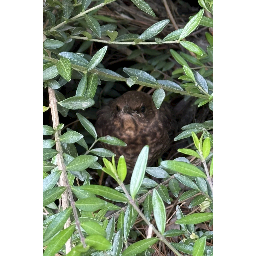
Justyna Kędzia-Gruba, Zespół Placówek Szkolno-Wychowawczych w Głogowie, POLAND
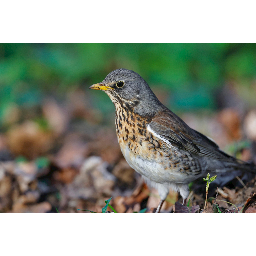
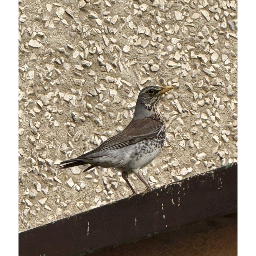
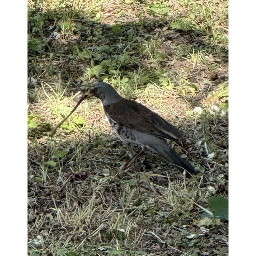
FIELDFARE (Turdus pilaris) It is a bird noticeably larger than a blackbird, with a grey head, yellowish beak, brown back and characteristic spotting on the breast. It occurs throughout Poland, and for several decades has been increasingly settling in cities, nesting even in gardens. We see fieldfares even in winter, but they are mainly newcomers from the east. Our population is mostly migratory.
Many birds have a special place in Ukrainian folklore with deep spiritual meaning.
Ukrainians have a deep appreciation for singing, and our language, known for its melodic qualities, is often compared to the beautiful voice of the nightingale – a small bird that can be found throughout Ukraine The bird’s song is perceived as a profound expression of the human soul, touching hearts and stirring emotions.
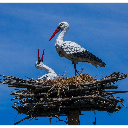
Storks are majestic birds that return to the villages every spring, signifying the arrival of spring and the renewal of life. Storks are seen as symbols of birth, family well-being, and love for the homeland. Ukrainians believe that they build nests only near good people and bring happiness to the household.
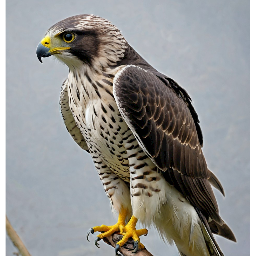
The falcon, as an ancient symbol of courage, is also part of Ukrainian folklore. Known for its strength, agility, and majestic presence, the falcon represents the spirit of freedom, bravery, and national pride. It embodies the resilience and determination of Ukrainians.The Ukrainian coat of arms tryzub is a stylized image of a falcon
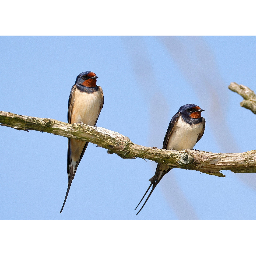
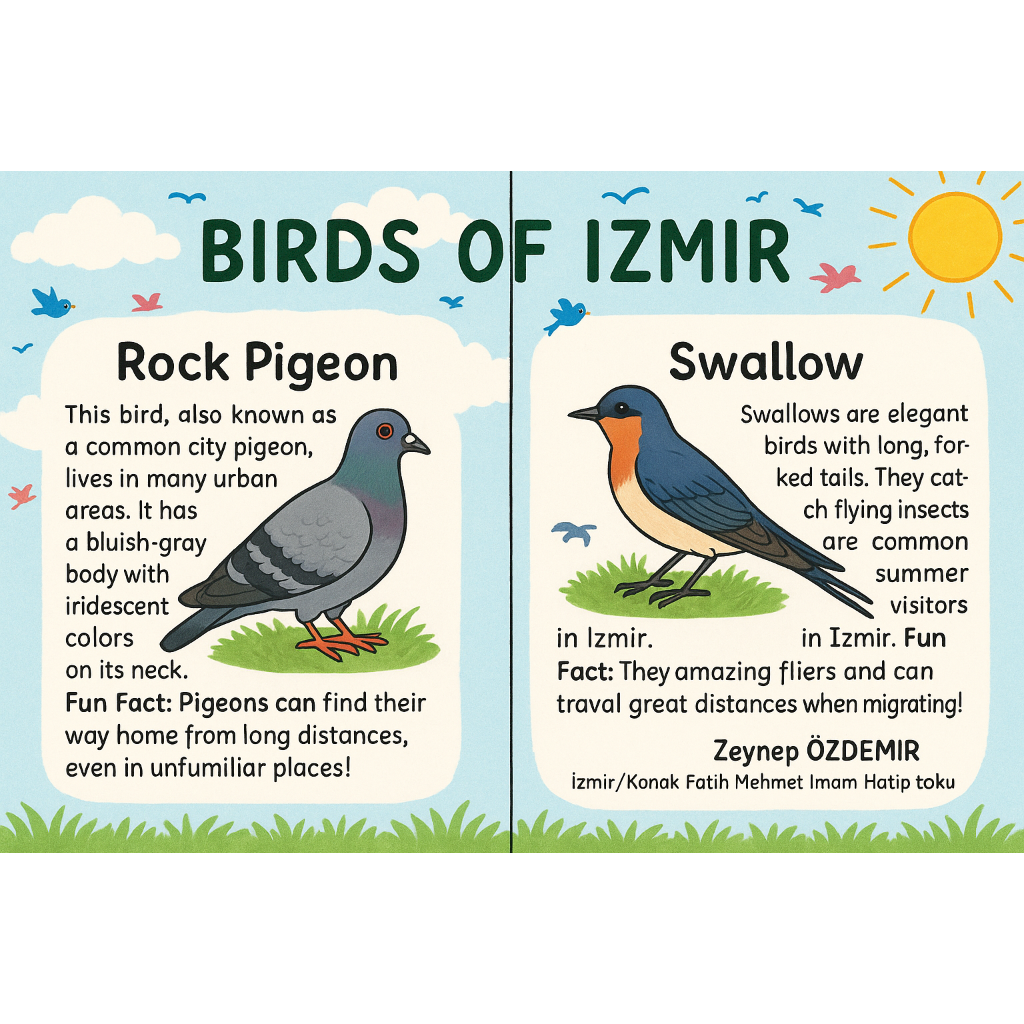
Swallow is a small, light bird known for its graceful fight and distinctive forked tail. It is a symbol of a mother in Ukrainian folklore.
Olena Motsar
Tomylivka gymnasium,
Ukraine
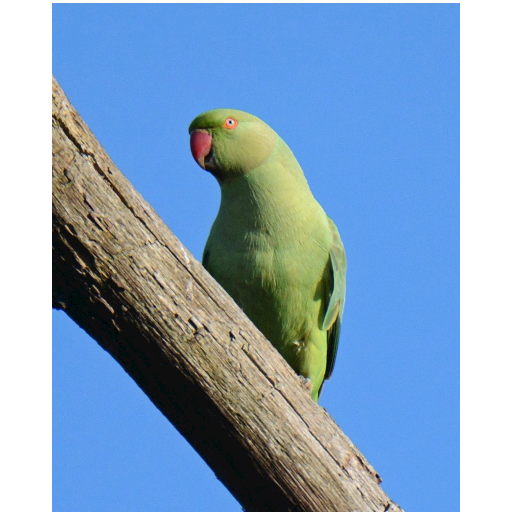
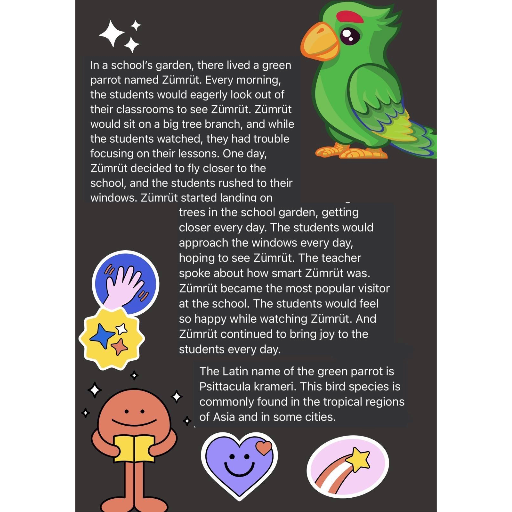
I am green parrot. My Latin name is Psittacula krameri. I live in Istanbul, in Validebag Grove. You can come and see me.
Lets read my story.
Aysel Hallaçoğlu - Haydarpasa High School- Türkiye
Aysel Hallaçoğlu - Haydarpasa High School- Türkiye
melek bilir
KOCASİNAN PRIMARY SCHOOL
İSTANBUL/ TÜRKİYE
WHİTE STORCKS
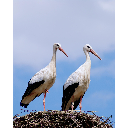
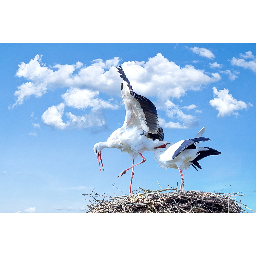
Hello dear bird lovers!"We are storks! We are large, long-legged birds known for our migratory habits. Every year, we travel thousands of miles between Europe and Africa. Our long, slender beaks help us catch fish, frogs, and small animals. We are also famous for our nests, which we build high on rooftops or tall trees. We prefer to live in peaceful areas, close to water. When it’s time to breed, we form strong family bonds and work together to take care of our chicks. People sometimes associate us with delivering babies, but our main job is to keep the environment balanced by hunting small creatures. We are always in motion, soaring across the skies, heading to new places!"
Magdalena Malinowska
ZESPÓŁ PLACÓWEK
SZKOLNO- WYCHOWAWCZYCH
W GŁOGOWIE POLAND
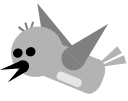



Ankara's Bird Watching Addresses
Nallıhan Bird Paradise
Lake Eymir
Mogan Lake
Inözü Valley
Kizilcahamam Forests
Şerife Gülez
Atlıoğlu Secondary School Ankara Türkiye
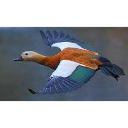
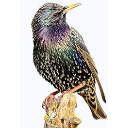
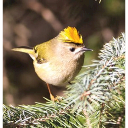
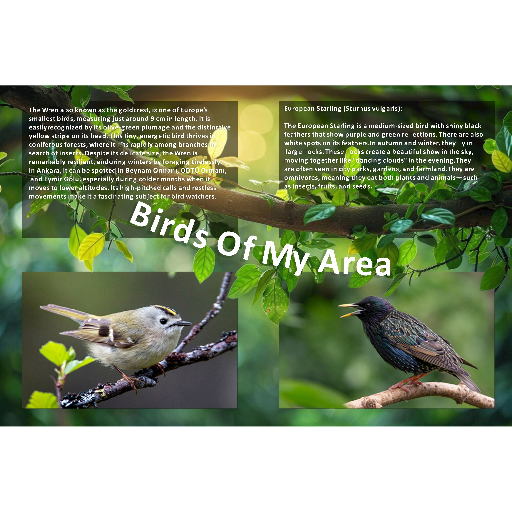
Starling, When the weather starts to cool down, their dance in the skies of Ankara begins. Although they sometimes gather in a tree in the city, the real place where they come together in flocks is the sky.
Wren, Coniferous trees and shrubs are the wren's favorite places.
Angıt, is a local resident of Nallıhan Bird Paradise.
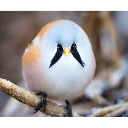
Moustached tit, As its name suggests, it has drooping black moustaches. You can see them jumping among the reeds.
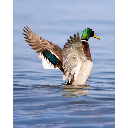
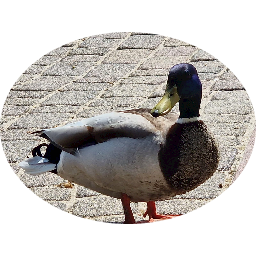
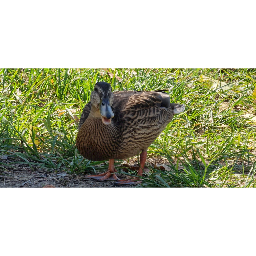
Mallard, It is a large surface duck. The male is easily distinguished by its dark greenish head, yellow bill, brown breast and grey body. In flight, grey wings, dark blue mirror with white frame and white underwing coverts are visible.
ZEYNEP ÇETİNÖLÇER
KARTAL
ŞEHİT EROL OLÇOK
ANADOLU İMAM HATİP
HİGH SCHOOL
İZMİR/TURKEY
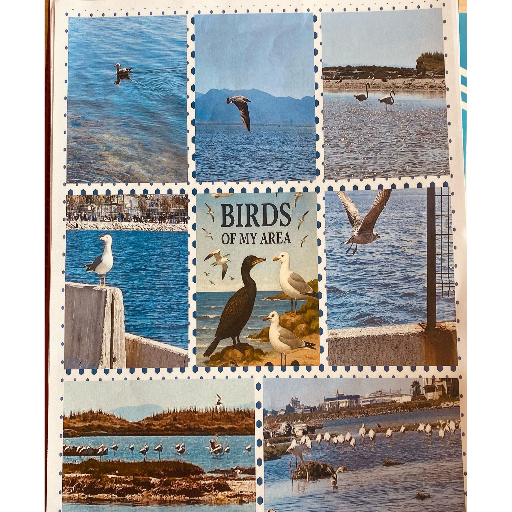
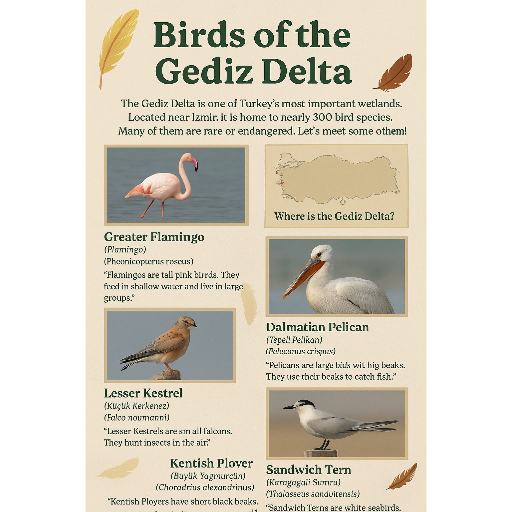
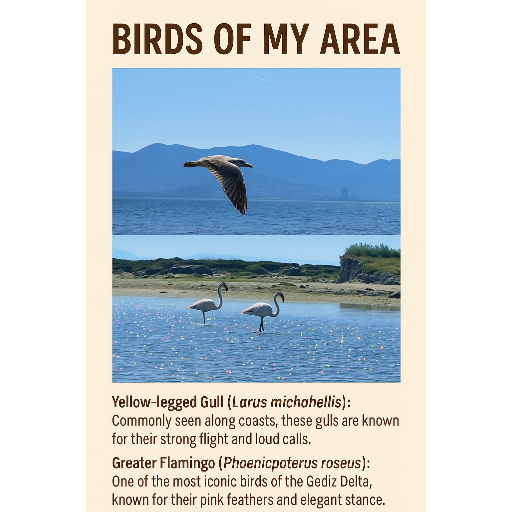
My Birdteam
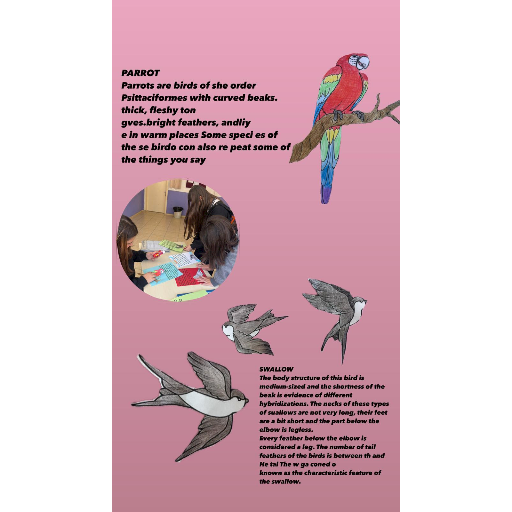

Hi, I'm a parrot. I can repeat what you say :)
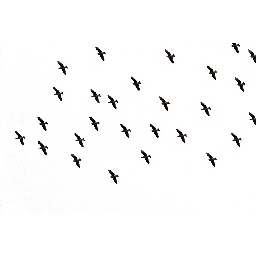
Hi, I'm a swallow. I'm the gospel of spring in Türkiye
Özge ATKAN- GÜMÜLDÜR BİLGİN BÜLENT
ANADOLU LİSESİ İZMİR / TÜRKİYE
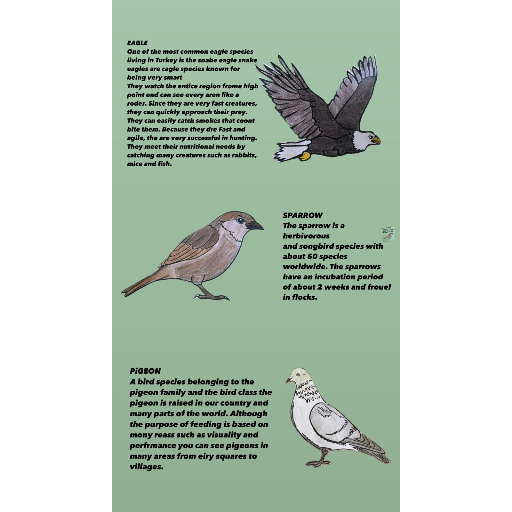
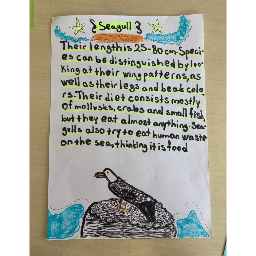
Hi, I'm a seagull. I have the most beautiful voice. Just jokes :)
Özge ATKAN- GÜMÜLDÜR BİLGİN BÜLENT
ANADOLU LİSESİ İZMİR / TÜRKİYE
Adela Suciu
Colegiul Național Bănățean,
II B, Romania
The white stork (Ciconia ciconia) is a large bird species. Its body length is 95-110 centimeters and it has an average weight of 2.4-4.4 kilograms. Its wingspan is between 180-218 centimeters.
It arrives in our country starting in March and leaves back to its wintering grounds at the end of August - beginning of September. Very few specimens remain over the winter.
It is a carnivorous species, consuming mice, shrews, lizards, snakes, amphibians, small birds, large insects. In aquatic areas, the food is diversified and includes fish.
It is usually silent, but compensates by clinking its beak, especially when partners meet at the nest.
https://www.youtube.com/watch?v=D-mpxyA9n7E

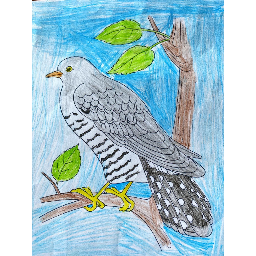
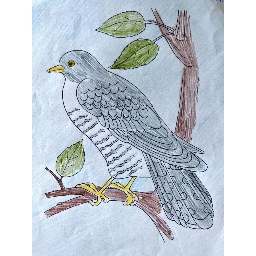
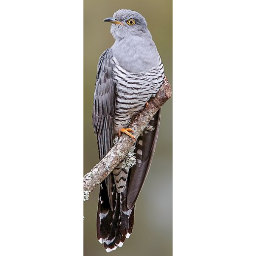
The cuckoo feeds mainly on insects, being one of the few birds that also consumes hairy insect larvae, spiders or snails. During the mating season, the male stays with the female for about a week. The cuckoo lays its eggs in the nests of other birds, called hosts. The female locates the nests of the host species based on the alarm call of the host and once the opportunity arises, lays her egg in just a few seconds, also removing an egg from the host's nest. The hatched cuckoo chick in turn removes those of the host species from the nest, appropriating all the food brought by the parents.
Adela Suciu, Colegiul Național Bănățean, II B, Romania
Özge Raylaz - AYRANCI ANADOLU LİSESİ ÇANKAYA / ANKARA
Özge Raylaz - AYRANCI ANADOLU LİSESİ ÇANKAYA / ANKARA
Özge Raylaz - AYRANCI ANADOLU LİSESİ ÇANKAYA / ANKARA
Özge Raylaz - AYRANCI ANADOLU LİSESİ ÇANKAYA / ANKARA
Kargiotou Chrisa, EEEEK Ptolemaidas, Greece
Little Owl - Athene noctua
Νανόμπουφος
The Little Owl is a small, stocky owl with a flat-topped head, yellow eyes, and no ear tufts. It is mainly active at dusk and dawn and is often seen perched during the day. Found in open countryside, farmland, and rocky areas, it feeds on insects, small mammals, and birds. It nests in tree holes, buildings, or rock crevices and is known for its distinctive, high-pitched call. Though once common in many areas, its population has declined due to habitat loss and agricultural changes, making it increasingly rare in some regions.
The mute swan is one of the heaviest flying birds. Measuring 125 to 160 cm in length, this large bird is wholly white in plumage with an orange beak bordered with black. It's recognisable by its pronouced knob atop the beak, which is larger in males. The chicks are grey- brown with a grey beak. The nest is built in shallow water or on the very shore of a lake. ITt feeds on aquatic plants, snails, and molluscs. It always takes off into the air against the wind, and only then changes direction.
Swan is symbol of beauty, love, nobility and perfection.
Bouraki Sotiria, EEEEK Ptolemaidas, Greece
Rock Nuthatch - Sitta neumayer
Βραχοτσοπανάκος
The Rock Nuthatch is a small, agile bird with a strong bill, grey upperparts, and whitish underparts. It has a distinctive black eye-stripe and is known for its climbing ability on vertical rock faces. This species is found in rocky, arid regions and cliffs, often near human settlements. It feeds mainly on insects and seeds. The Rock Nuthatch builds its nest from mud and plant material, attaching it to rock crevices. While not globally threatened, it is considered uncommon and localized in parts of its range.
- Full access to our public library
- Save favorite books
- Interact with authors
- < BEGINNING
- END >
-
DOWNLOAD
-
LIKE
-
COMMENT()
-
SHARE
-
SAVE
-
BUY THIS BOOK
(from $10.79+) -
BUY THIS BOOK
(from $10.79+) - DOWNLOAD
- LIKE
- COMMENT ()
- SHARE
- SAVE
- Report
-
BUY
-
LIKE
-
COMMENT()
-
SHARE
- Excessive Violence
- Harassment
- Offensive Pictures
- Spelling & Grammar Errors
- Unfinished
- Other Problem





COMMENTS
Click 'X' to report any negative comments. Thanks!