
When we talk about saving the planet, one important topic always comes up: the carbon footprint. But what is it, really?
A carbon footprint is the total amount of carbon dioxide and other greenhouse gases that are released into the air because of how we live, work, and travel. Every time we turn on the lights, drive a car, eat imported food, or fly on a plane, we are adding to our carbon footprint. The bigger our lifestyle, the more energy we use — and often, that means more CO2.
Different countries and continents have different carbon footprints, depending on their industries, how much energy they use, their wealth, and how people live. Let’s take a tour around the world, continent by continent, and look at which countries leave the biggest and smallest CO2 footprints, and what that tells us about the state of our
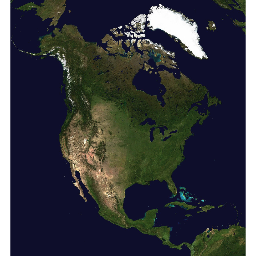
North America
In North America, the carbon footprint is generally high, especially in wealthier countries. The United States is one of the top CO2 emitters in the world. With about 15.3 tons of CO2 per person per year, Americans produce a lot of emissions mainly because of their car culture, large homes, and heavy use of fossil fuels for energy. Many people drive personal vehicles instead of using public transport, and cities are often built far apart, making driving a necessity.
Canada is not far behind, with around 14.4 tons per person. Long, cold winters lead to high heating demands, and the country relies heavily on oil and gas industries. Canada’s population is relatively small, but its resource-based economy adds significantly to emissions.
Mexico, though a developing country, still has a moderate footprint, but we find the smaller footprints in nations like Guatemala, Nicaragua, and Haiti. In Haiti, for example, people emit only about 0.3 tons per person. This is not because the country is especially green, but rather because it lacks industrial activity, widespread electricity, and transport infrastructure. Many people cook with wood or charcoal and live without cars or energy-intensive appliances.
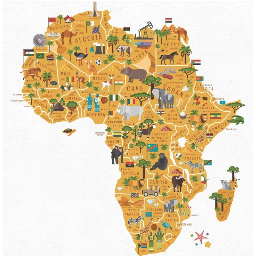
Africa is a continent with some of the lowest average carbon footprints in the world. However, there are also countries where emissions are beginning to rise due to economic development.
South Africa is the largest emitter in Africa, with a per-person footprint of about 6.9 tons. This is mostly due to its coal-based energy system, mining industry, and a growing population that is using more electricity and transportation.
Libya and Algeria also have higher footprints, around 9.5 and 3.4 tons per person, respectively, mostly from oil and gas production. These countries have large energy exports, but their local populations also benefit from cheap fossil fuels, which increases their emissions.
Africa

In contrast, many African nations have extremely small footprints. The Democratic Republic of the Congo, for example, has a footprint of only 0.03 tons per person. People often live in rural areas without electricity or cars, and industrial development is minimal. Countries like Ethiopia and Burundi are similar, with footprints under 0.2 tons. However, these low numbers also reflect poverty and limited access to modern resources.
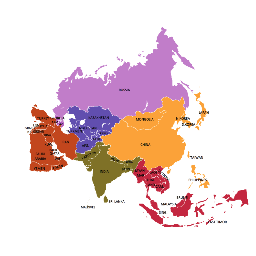
Asia is home to both the largest total CO2 emitter in the world and some of the smallest footprints per person. Chinaemits more total CO2 than any other country, though per person it's around 7.4 tons. This is because of its huge population, massive industrial sector, and heavy use of coal for electricity. Despite investments in green energy, coal still powers much of China’s economy.
Saudi Arabia, surprisingly, has one of the highest per-person footprints in Asia at 17.3 tons. This is due to oil production, air conditioning in extreme heat, and energy-heavy infrastructure.
Asia
South Korea also has a high footprint (about 11.5 tons) because of its fast-paced economy, energy needs, and manufacturing industries.On the other hand, Nepal,
Bangladesh, and Cambodia have very small footprints. Nepal, for instance, emits only about 0.4 tons per person. Most of its energy comes from hydropower, and many people live without cars or heavy appliances. These countries are growing, but still rely more on traditional farming and have less industrial pollution.
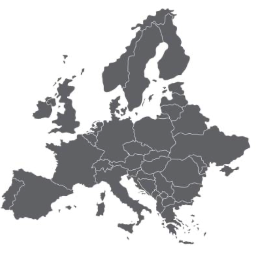
Europe is trying hard to reduce its carbon footprint. Many countries use renewable energy and have strong environmental laws, but some still have high emissions.
Germany has a footprint of about 8.1 tons per person. While it uses renewable energy like wind and solar, it also has a large car industry and industrial base. Poland, with its coal power plants, and Czech Republic also have footprints over 7 tons.
United Kingdom has reduced emissions in recent years to around 5.6 tons, but the legacy of the Industrial Revolution, gas heating, and air travel still plays a role.
Europe
At the same time, smaller or less industrial countries like Albania, Moldova, and Ukraine have much smaller footprints. Albania, for example, gets much of its energy from clean hydropower, and its emissions are around 1.5 tons per person. In these countries, lower energy use and fewer private cars contribute to the smaller footprints.
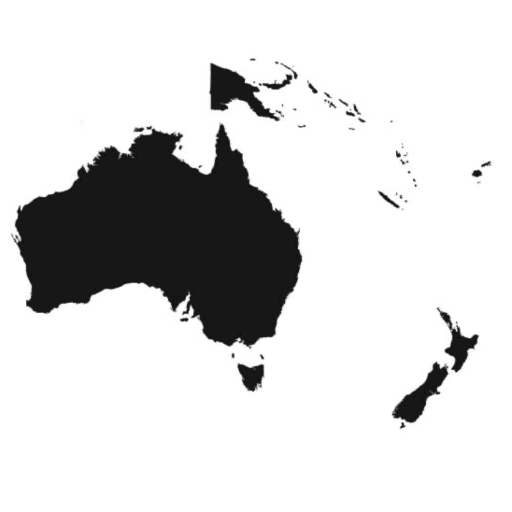
Oceania includes both wealthy and small island nations, and the difference in carbon footprints is huge.
Australia has one of the highest carbon footprints in the world, at about 15.4 tons per person. This is mainly because of coal-powered electricity, high levels of car use, and energy used for cooling homes in the hot climate. New Zealand is lower, around 6.8 tons, but farming (especially cows, which produce methane) still contributes significantly.
In contrast, small island nations like Vanuatu, Fiji, and Solomon Islands have very low footprints — Vanuatu, for example, has a per-person footprint of 0.3 tons. People there live closer to nature, often without cars or large infrastructure, and they rely on fishing, local farming, and community living.
Oceania
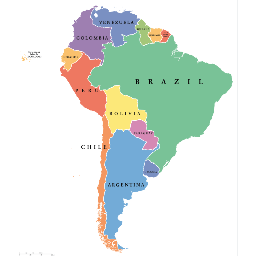
In South America, most countries have moderate to low carbon footprints, though urbanization and deforestation are increasing emissions in some areas.
Brazil has the largest total CO2 emissions on the continent. Its per-person footprint is about 2.2 tons, which is lower than in rich countries, but still concerning because of deforestation in the Amazon rainforest. Cutting down trees releases stored carbon and reduces the forest’s ability to absorb CO2. Argentina and Chile have slightly higher footprints, around 4 to 5 tons per person, due to growing cities, meat production, and transport systems.
South America
Countries like Bolivia, Paraguay, and Ecuador have lower footprints, often under 1.5 tons per person. These countries are still developing and have less heavy industry, though they face challenges in balancing growth with environmental care.
So, What Can Be Done?
Even though rich countries tend to have higher footprints, the problem affects everyone. Climate change doesn’t respect borders. That’s why it’s so important for all countries to work together.
Some actions that can help reduce carbon footprints include:
Switching from coal and oil to clean energy like solar and wind;
Using public transportation, walking, or biking more;
Reducing food waste and eating less red meat;
Supporting local products instead of imported goods;
Planting trees and protecting forests;
Improving buildings to use less energy for heating and cooling.
Final Thoughts
Here’s a simple way to think about it:
15+ tons per person: Very high (Australia, USA, Saudi Arabia);
7–10 tons: High (China, Germany, South Korea);
2–6 tons: Moderate (Brazil, Argentina, UK);
Below 1 ton: Very low (Nepal, Haiti, DR Congo, Vanuatu).
Even small changes can make a big difference when millions of people do them.
If we all think about our actions, and countries invest in greener technologies, we can help protect the Earth for the future.
List of sources
https://ourworldindata.org/
http://www.globalcarbonatlas.org
https://data.worldbank.org/indicator/EN.ATM.CO2E.PC
https://www.iea.org
https://www.climatewatchdata.org


- < BEGINNING
- END >
-
DOWNLOAD
-
LIKE
-
COMMENT()
-
SHARE
-
BUY THIS BOOK
(from $3.19+) -
BUY THIS BOOK
(from $3.19+) - DOWNLOAD
- LIKE
- COMMENT ()
- SHARE
- Report
-
BUY
-
LIKE
-
COMMENT()
-
SHARE
- Excessive Violence
- Harassment
- Offensive Pictures
- Spelling & Grammar Errors
- Unfinished
- Other Problem






COMMENTS
Click 'X' to report any negative comments. Thanks!