
Introduction
This book was created as part of an eTwinning project called Young Leagues Under the Sea. It explores the wonders of the ocean and focuses on marine species that are at risk of extinction.


Sea Turtles
Istituto C. A. Leonori Italy
Teacher Evelin Gallo and her students
Table of contents
Life cycle
Habitat

Diet
Help the sea Turtles!


Turtles nest
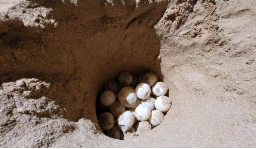
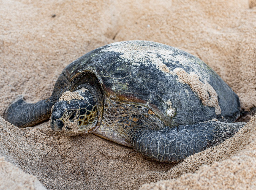
Sea turtles lay their eggs in nests on sandy beaches
Each nest can contain about 80 to 120 eggs,, and the eggs hatch after about 45 to 60 days.

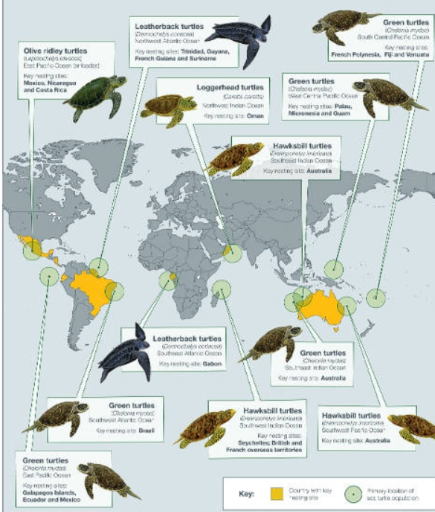

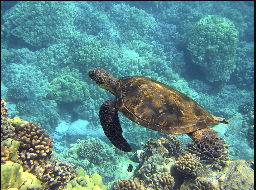
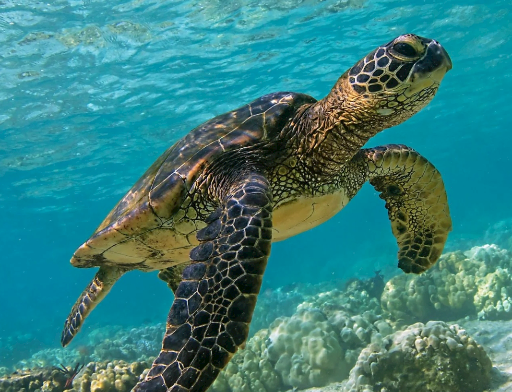
Sea turtles live in warm ocean waters around the world. They spend most of their lives in the sea but come to sandy beaches to lay their eggs.
Turtles Habitats
Sea turtles are found in both shallow coastal waters and deep ocean waters. They often stay near coral reefs, seagrass beds, and lagoons, but some species can dive very deep—over 1,000 meters—to find food.

Turtles diet
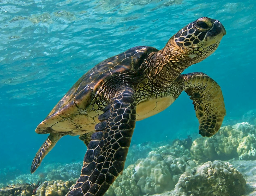
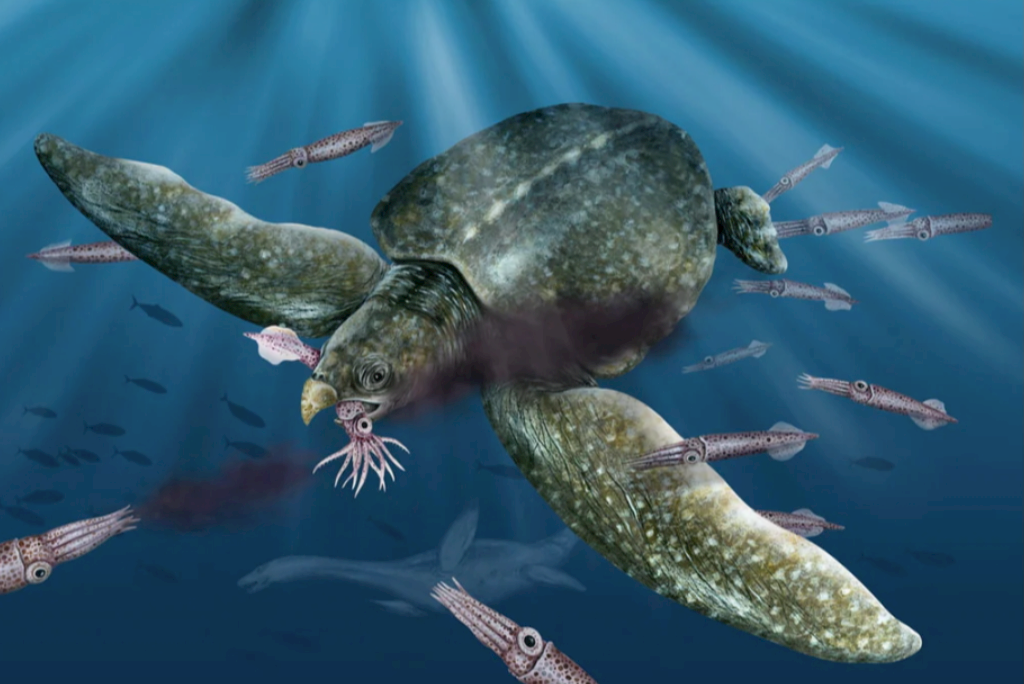
Sea turtles have different diets depending on the species. Some eat seagrass and algae (like green turtles), while others eat jellyfish, crabs, shrimp, or sponges (like leatherbacks and hawksbills). Baby turtles eat small animals like plankton.
Sea turtles can be herbivores, carnivores, or omnivores.
Green turtles eat mostly seagrass and algae.
Leatherback turtles love jellyfish.
Loggerhead turtles eat crabs, clams, and other hard-shelled animals.
Hawksbill turtles prefer sponges and small invertebrates.Young turtles eat tiny sea creatures like plankton, small fish, and insects.

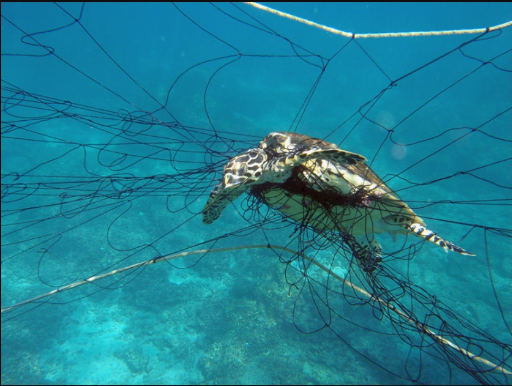
Help the sea Turtles!
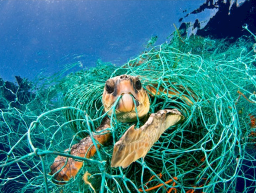
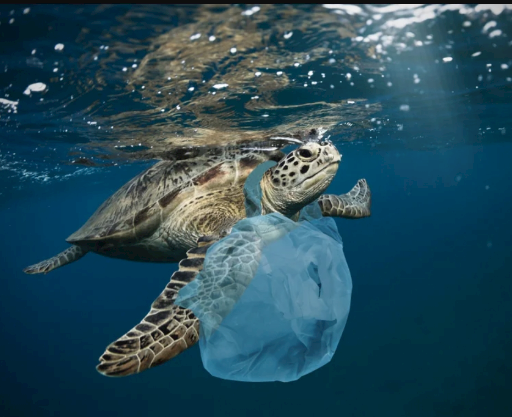
How to Help Sea Turtles:
Avoid leaving plastic on beaches.
Use less plastic.
Turn off lights near beaches at night.
Don’t disturb nests or turtles.
Support turtle protection groups.
Be careful when boating or snorkeling.
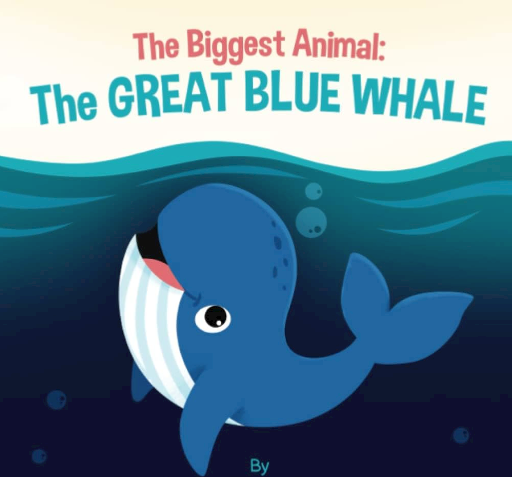
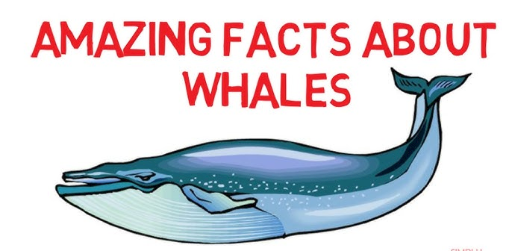
BLUE WHALES


TUZLA UGUR ANATOLIAN HIGH SCHOOL/ GULISTAN OZDEMIR
Life cycle
Habitat
Diet
Help the Blue Whales

BLUE WHALES HABITAT AND DIET
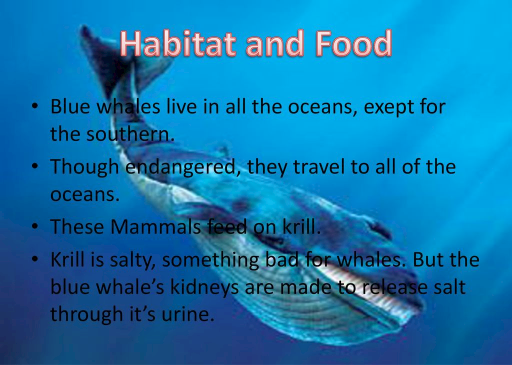
Habitat: Open oceans worldwide, especially cold, nutrient-rich waters.
Diet: Krill (tiny shrimp-like animals), consuming up to 4 tons per day.

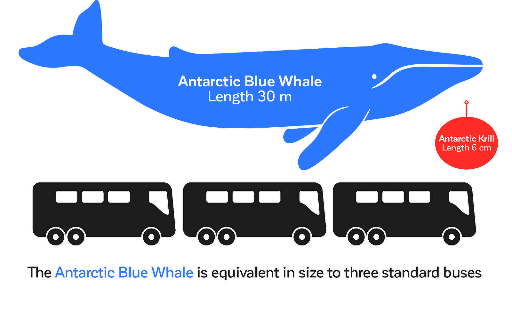
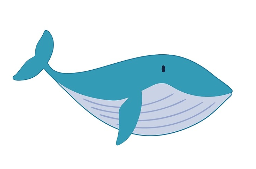
BLUE WHALES LENGTH

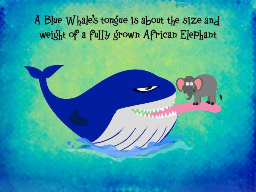
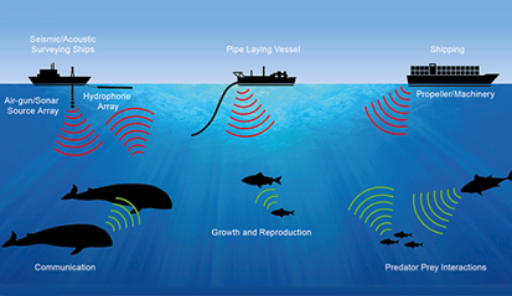
THREATS:Ship strikes, ocean noise, climate change, past whaling

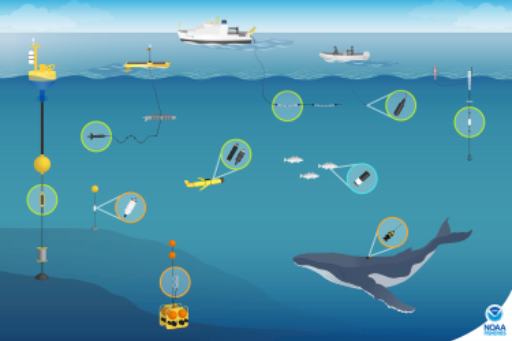
THREATS:Ship strikes, ocean noise, climate change, past whaling
IC A. Leonori teacher Caterina D'Alessandro
The Swordfish
Habitat Life cycle Diet Help the Swordfish
Habitat
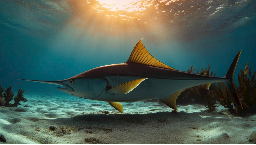
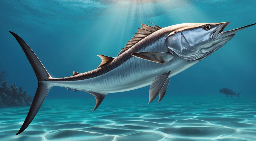
The swordfish is a large, powerful fish known for its long, flat bill that resembles a sword. It is found in both temperate and tropical parts of the Atlantic, Pacific, and Indian Oceans. Swordfish are solitary swimmers and prefer deep, open waters.
Life cycle
Swordfish begin their life as tiny larvae, only a few millimeters long. As they grow, they undergo dramatic changes, eventually developing their characteristic "sword." They mature around 5–6 years of age and can live up to 9 years or more.
Diet
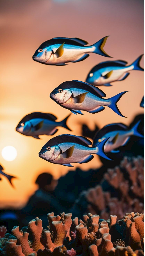
Swordfish are carnivorous and feed mainly on smaller fish, squid, and crustaceans. They are fast swimmers and use their sword to slash at prey, making hunting more efficient.
Help the Swordfish
Unfortunately, swordfish populations are threatened by overfishing and bycatch (being caught unintentionally in nets meant for other species). To help protect swordfish from extinction, we can support sustainable fishing practices, choose seafood certified by organizations like the MSC (Marine Stewardship Council), and raise awareness about ocean conservation.

Technikum nr 2 w Zespole Szkół Zawodowych
nr 2 im. E. Kwiatkowskiego
Teacher Iwona Myszka and her students

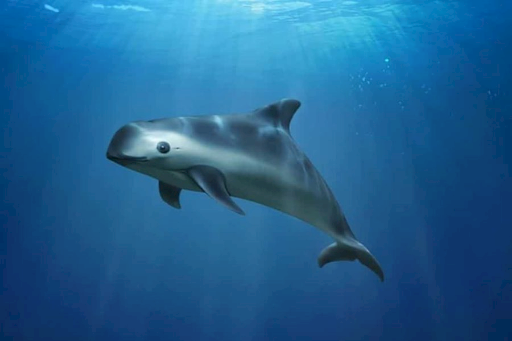
VAQUITA
GÜLSEV YURDAGÜL / ASIM KİBAR TOURISM VOCATIONAL AND TECHNICAL ANATOLIAN HIGH SCHOOL
LIFE CYCLE
HABITAT
DIET
HELP THE VAQUITA
LIFE CYCLE:
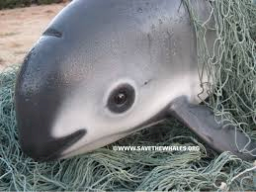
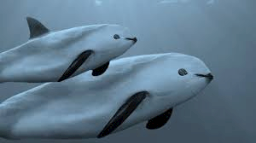
The vaquita is born after about 10 to 11 months of pregnancy. A newborn vaquita is around 70 to 80 centimeters long. As they grow, young vaquitas learn how to find food and survive in the ocean. Vaquitas become adults when they are about 3 to 6 years old. Adult females give birth to one baby every two years. Vaquitas eat small fish, squid, and crustaceans. They can live up to 20 or 21 years in the wild. Sadly, many vaquitas die because they get caught in fishing nets. The vaquita is now the most endangered marine mammal in the world.
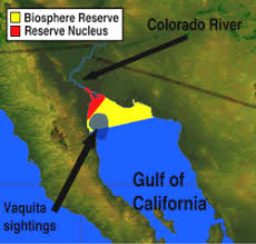
HABITAT:The vaquita lives only in the northern part of the Gulf of California in Mexico. Vaquitas prefer shallow, warm waters that are less than 50 meters deep. They are usually found close to the shore, in areas with muddy or sandy sea bottoms. This small area is the only place in the world where vaquitas live. Because their habitat is so small, vaquitas are very vulnerable to changes in their environment.
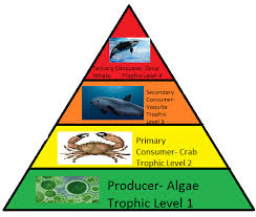
DIET: Vaquitas are carnivores – they eat other animals, not plants. They mainly eat small fish, squid, and crustaceans like shrimp. Vaquitas use echolocation (a kind of natural sonar) to find their food in the murky waters. They hunt near the sea bottom, in shallow areas of the Gulf of California. Vaquitas eat several small meals throughout the day. They do not chew their food – they swallow it whole. Their diet depends on what small animals are available in their habitat
HELP THE VAQUITA:
! Stop Using Gillnets
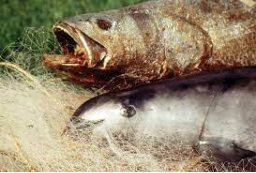
*The main danger to vaquitas is getting trapped in illegal fishing nets - gillnets.
*Support fishing methods that are safe for marine animals.
! Raise Awareness
*Talk to others about the vaquita and why it is endangered.
*Share information at school or on social media to help spread the word

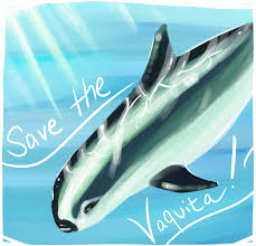
The vaquita needs all the attention it can get. Support the conservation effort by spreading its story.


- < BEGINNING
- END >
-
DOWNLOAD
-
LIKE(1)
-
COMMENT()
-
SHARE
-
BUY THIS BOOK
(from $8.19+) -
BUY THIS BOOK
(from $8.19+) - DOWNLOAD
- LIKE (1)
- COMMENT ()
- SHARE
- REMIX
- Report
-
BUY
-
LIKE(1)
-
COMMENT()
-
SHARE
- Excessive Violence
- Harassment
- Offensive Pictures
- Spelling & Grammar Errors
- Unfinished
- Other Problem





COMMENTS
Click 'X' to report any negative comments. Thanks!