Thank you very much!

Come travel with us – click here to watch our trip!
https://studio.youtube.com/video/0l0PH7xa5rE/edit?c=UC9TjQXhjbfKhuL_0OhnJBnw
Hello, my name is Alex, I am 14 years old. I have been invited to visit 4 countries this year, 2025. I am from the town of Canterbury. I am very excited because I had always wanted to travel to Spain, Italy, Romania and Turkey. I am going to tell you everything I see. I am looking forward to going to the "Carnaval" of La Algaba, a town in Spain.

Spain
Italy
Rumany
I've always dreamed of traveling the world. When I got the invitation to visit the countries I mentioned earlier, I couldn't believe it — but now, that dream is finally coming true.
My first stop is Spain, specifically a town called La Algaba. There, we'll immerse ourselves in its traditional festivals. First up: the carnivals, known for their colorful costumes and vibrant, energetic music.
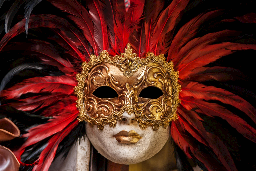
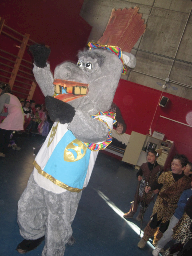
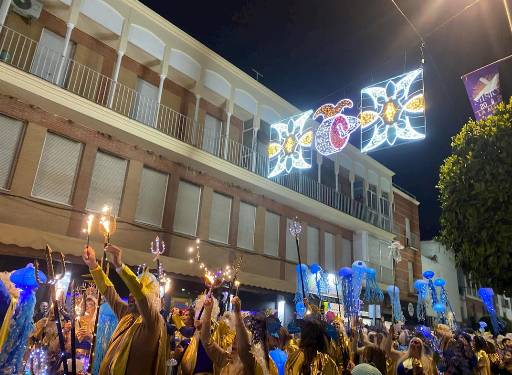
La Algaba celebrates its vibrant Carnival with a lively program full of activities, including parades, Chirigotas and Comparsas contests, as well as cultural and gastronomic events. Some of the main highlights are the provincial contest final, the traditional "Domingo de la Pringaita," and the colorful costume parade that ends with the symbolic burning and burial of the Júa.

The festivities also include a gathering of seniors from all over the province and the debut of the Carnavalito, with children's workshops designed to introduce the youngest to the spirit of Carnival. A children’s quartet even represents the town in the official contest held in Cádiz. The Town Hall warmly invites everyone to take part in these joyful and deeply rooted celebrations.
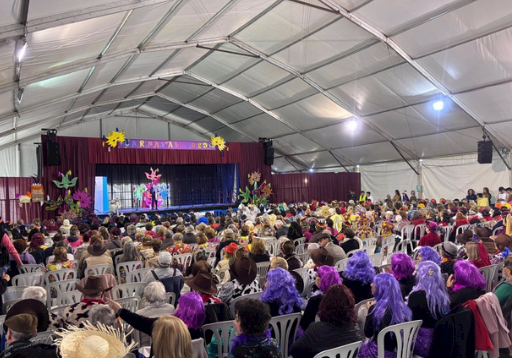
Today, February 25, 2025, I attended the Chirigotas contest in La Algaba, held in the town’s bullring. There were 3 comparsas and 10 chirigotas participating. Some locals were kind enough to guide me and explain everything about this unique celebration.
They told me that a chirigota is a group of people where some sing or play instruments, while others dance. Each group even had a cart loaded with food, drinks, and everything they needed for the event. The chirigotas had to impress a jury with spontaneous and creative performances, full of humor and unexpected dances. Watching them was absolutely hilarious.
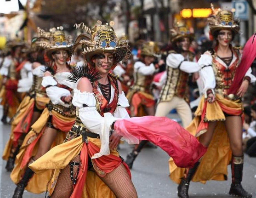
During the break, I grabbed a montadito from the bar next door. The atmosphere, the laughter, the music — it all made for an unforgettable experience.On March 1st, the big parade takes place, with many groups joining the procession dressed in all kinds of costumes. I saw people dressed as princesses, Vikings, warriors, and so much more. Along part of the route, a panel of judges observes the participants and later announces the top three winners. The best groups are awarded prizes for their creativity and performance.
My next destination is Italy, and I arrived in a small town called Saronno on March 2nd. I will stay here until March 8th to enjoy all the Carnival celebrations. Here, the Carnival is very special and full of colors! The celebration happens between February and March, but the exact date changes every year because it depends on when Easter is. On Carnival day, everyone dresses up in amazing costumes. People become characters from history, tradition, or even fantasy. I saw kids and adults dressed as Arlecchino, Pulcinella, and Meneghino—these are famous traditional masks in Italy.
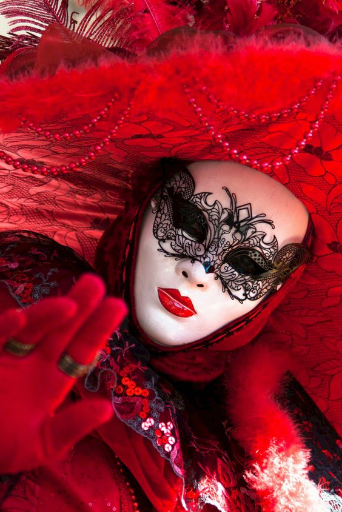
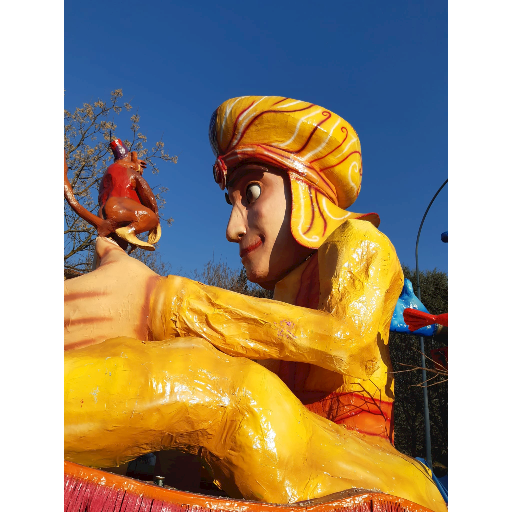
There was a big parade with beautiful floats decorated with bright colors and lots of confetti and serpentine streamers flying everywhere! I bought some confetti to throw in the air, and it made everything look magical. The music playing all day was the Tarantella, a fast and fun traditional dance song that made everyone want to dance.
But the best part was the food! Italians don’t worry about being healthy during Carnival; they eat lots of sweet and fried treats. I tried Tortellini di carnevale, which were delicious little pasta pockets, Pignolata al miele, a honey-covered dessert, and Chiacchiere, crispy fried pastries covered in sugar. It was so tasty, even though I got a little messy!
The atmosphere was full of joy, music, and laughter. Everyone was having fun celebrating together. I can’t wait to tell you more about my next adventure!
Episode 3 / Going to Turkey/İzmir
,
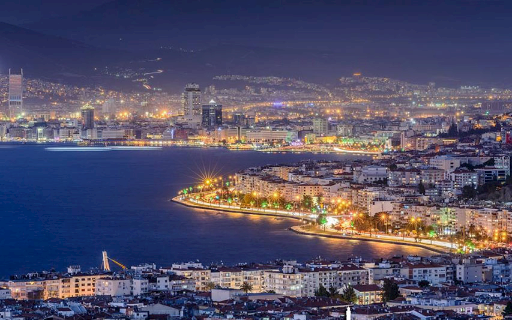

Episode 3 / Going to Turkey/İzmir
,
After about 3 hours of flying, I arrived in Türkiye. My friend Ela and her family welcomed me. I was so happy to see them. Ela is a dear friend of mine whom I met during an Erasmus+ project and who hosted me in their home. Ela has a wonderful family. They live in Izmir, the 3rd largest city in Türkiye, which is located on the Aegean Sea. I would love for you to visit Izmir. The city is very lively, one of the most beautiful places to live with its nature, sea and people. It is a wonderfully beautiful city where you can discover new things every day. After a long journey, we went home to rest.
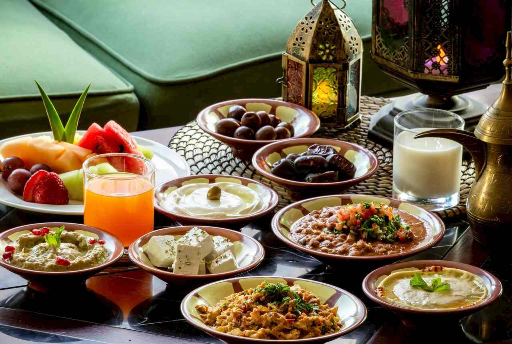
Since I would be staying for a short time, they had prepared a busy tour program for me. Ela's father, Uncle Süleyman, brought us home. I was very hungry. Ela, who noticed that I was hungry, told me that they had a surprise for me. Since it was the month of Ramadan, we had to wait until iftar, the time to start eating. Eid al-Fitr is the first time Muslims can eat in daylight after fasting during Ramadan. I learned about it here. They wake up early in the morning for sahur and have breakfast. Then they don’t eat or drink anything until iftar time in the evening. .
İftar Meal
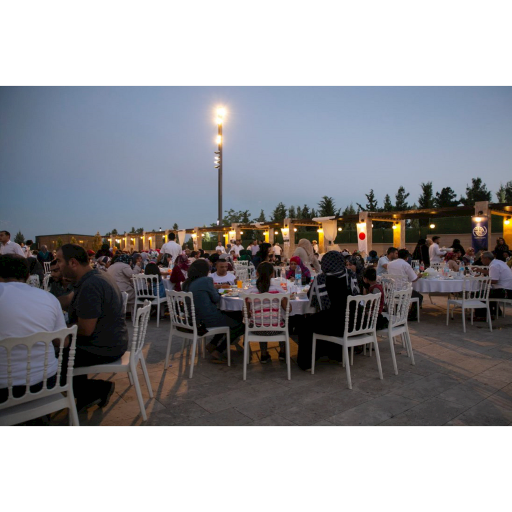
Also, during Ramadan, all the families living in the neighborhood gather together in the park surrounded by trees and eat their dinner together. He wanted me to take part in this activity with them. As the day started to darken, Uncle Süleyman, Aunt Ayten, Ela and I left the house and went to the park with colorful lights and trees. Many families, children and young people were sitting around a long table waiting. When the time to break iftar came, I heard a loud cannon fire from outside saying “Booom”. At first I was scared, I didn’t understand what was happening.
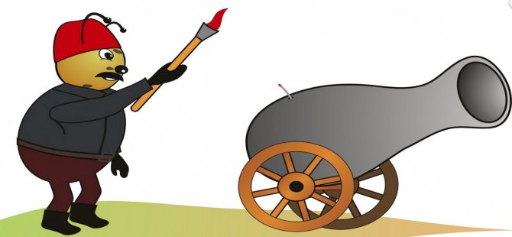
Aunt Ayten smiled at me when she saw that I was scared and explained the situation. It turned out that this was an old tradition. It was a cannon fire organized by the municipality so that everyone would sit down to eat at the same time It was a different experience for me. Before starting to eat, everyone broke their fast with a date, saying, “May God accept my worship,” and we started to eat. The locals had all prepared and brought many dishes together. On the table were lentil soup, olive oil sarma, roasted meat, chickpea pilaf, salad and güllaç dessert. Since I was very hungry, I tasted all the dishes and they were all delicious.
Then we all chatted together and I told them about my trips to Spain and Italy. It was time for me to sleep. I had to rest. Because the next day was the first day of the Ramadan Feast. I was very excited to be at such a feast for the first time. I fell asleep having a beautiful dream.
I woke up early with the peaceful chirping of birds. Ayten aunt and Süleyman uncle had prepared breakfast. Everyone was dressed very stylishly. I got ready too, then we had our breakfast with great pleasure. Then we heard the sound of drums outside. There was someone singing very beautifully. He was wearing traditional, colorful clothes. Then our bell rang. I was very surprised. It turned out that during the month of Ramadan, that is, for a month, the Drummer would go around the whole neighborhood playing drums and wake people up for sahur, or breakfast.
Ramadan Drummer
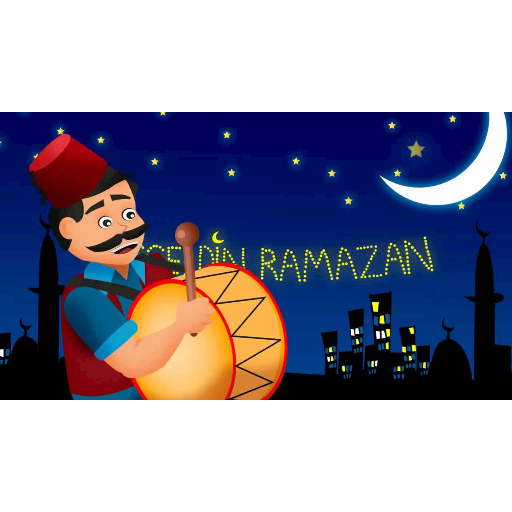
During the holiday, he would go around the neighborhood again and people would give him money for his efforts. I liked this very much because it was very nice. The whole neighborhood was joyful with drums and music, some people went out and danced. Their unity and solidarity were very strong. Then we went to Selçuk to visit Ela's grandmothers. On the first day of the Ramadan holiday, Muslims visit their elders. They would also offer coffee and candy and Turkish delight to those who came. They would even give money to the children in the name of pocket money. Ela's grandmother gave us pocket money too.
Celebrating with Elders
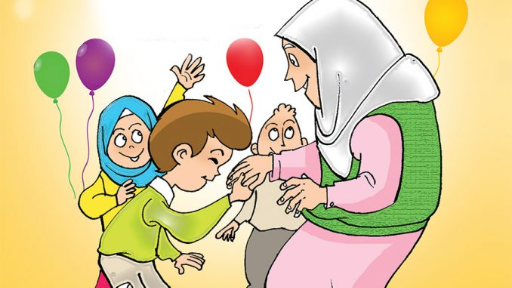
We were very happy. I also served the most delicious dessert I have ever eaten in my life. Its name is baklava. It is a dessert with lots of walnuts and syrup. You should definitely try it in Izmir. Since we were in Selçuk, Ela really wanted me to see the ancient city of Ephesus in this region. After drinking our coffee and eating our desserts, we got up and went to the ancient city of Ephesus. The ancient city of Ephesus was founded in 6000 BC, in the Neolithic period, and was a port city that was an important gateway between the East and the West.
Ephesus Ancient City
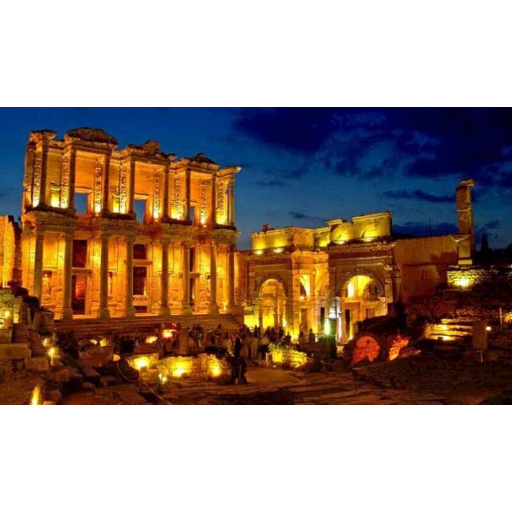
In addition, with its location, Ephesus developed as the most important political and trade center of its time and became the capital of the province of Asia during the Roman period. With a population of 250,000, Ephesus was one of the four largest cities in the world. It was an ancient city with a historical structure that really fascinated me. Especially its library and theater had a very large and striking architecture. We left Ephesus and went to visit the House of Virgin Mary, which was also very important to me in that region.
House of Virgin Mary
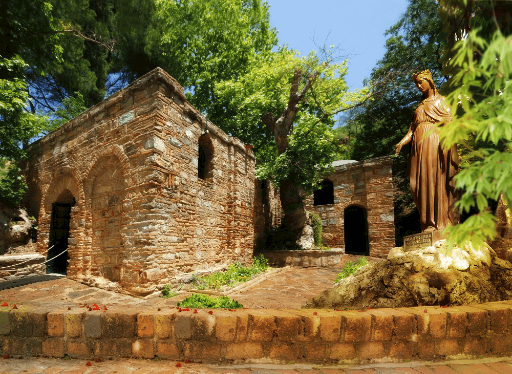
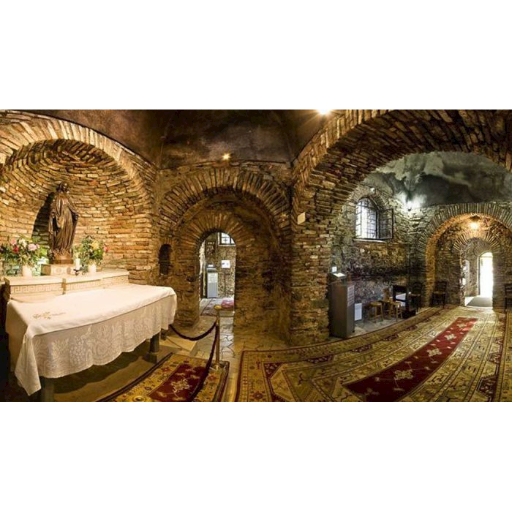
The House of Virgin Mary, 9 km from Selçuk, is located on Mount Bulbul. It is known that St. John brought Virgin Mary to Ephesus a few years after the death of Jesus. In addition, the first 7 churches of Christianity were built in the regions close to Izmir. It was very important for me to visit the House of Virgin Mary. After visiting Virgin Mary and praying, we set off towards Kuşadası, a small coastal town.
House of Virgin Mary
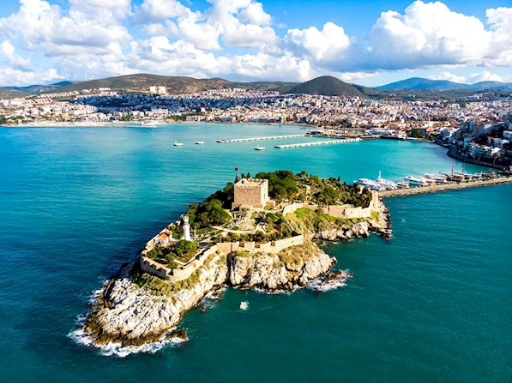
Izmir is a city with beautiful coastal towns that can be visited in the summer months. Kuşadası is one of these towns. The sea is crystal clear, people want to swim when they see it. But since the weather was a bit cold, we walked around and visited Kuşadası National Park, then had dinner and went back home. We were very tired. We went to sleep right away and rested for the next day.
Kuşadası Castle
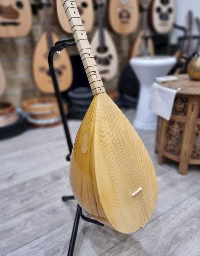
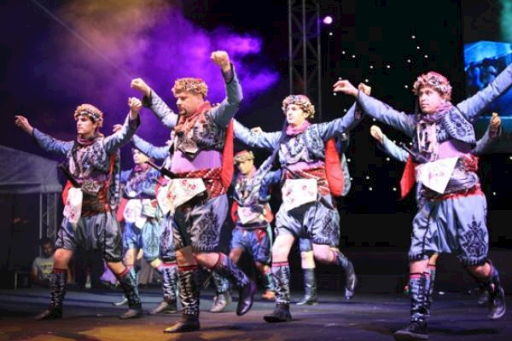
On the second day of the holiday, Ela's relatives visited us. Aunt Ayten had made them delicious food and desserts. Ela's father, Uncle Süleyman, played the Saz, an indispensable instrument of Turkish folk music, for the guests, and we sang folk songs. We also danced with folk songs with Ela. They taught me the Zeybek dance, a local folk dance of the Aegean Region. Uncle Süleyman played the Harmandalı song, the music of the Zeybek dance. We also danced Zeybek with Ela. Uncle Süleyman told us about the history of the Zeybek folk dance. The name of the Zeybek dance comes from the Efeler.
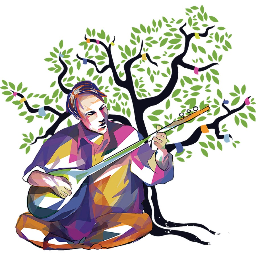
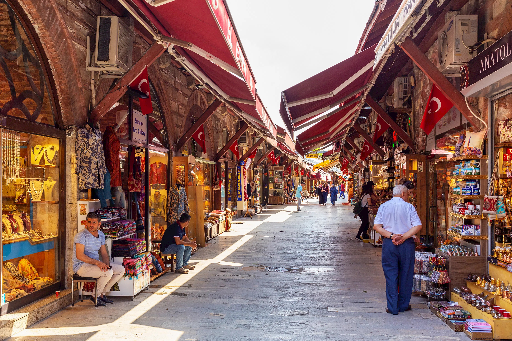
Many of the figures in the dance are symbolic and tell of the bravery of the Efeler. Getting to know and learn about different cultures was a very different experience for me. The unity, togetherness and love in the Turkish family structure affected me very much. Those hours we spent with our relatives gave me invaluable happiness. After seeing our relatives off to their homes, we went to the Konak district to visit the Kemeraltı bazaar. The Konak district is a district characterized by artifacts that have survived from ancient times to the present day, artifacts from the Ottoman period, but mostly artifacts from the Republic period.
Zeybek Dance
Konak is a popular spot for all local and foreign tourists because it is the center of culture, art and entertainment in Izmir. There were many beautiful places to visit, such as the historical Kızlarağası Inn, the Clock Tower, the bazaar and the Elevator. I did some shopping here and bought gifts for my mother. I didn’t want to leave the bazaar, but it was late. We ate Izmir’s famous pita bread and went back home because I had a plane the next day. My trip to Spain would begin. When I thought about the time of my departure, I felt a great sadness because I was having such a great time with Ela and her family here. I didn’t want to leave them.
Kemeraltı Bazaar
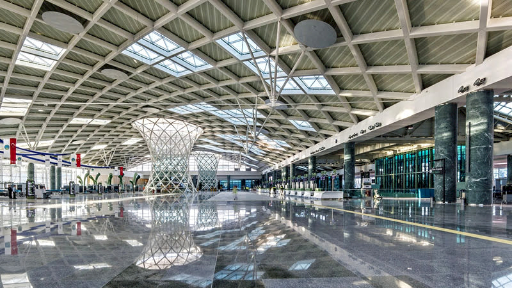
Seeing that I was sad, Ela consoled me and said she was waiting for me again. I promised her that I would come to Izmir to visit them again. The next day, I woke up early when Ayten aunt woke me up. I had packed my suitcase the night before. After having breakfast, Uncle Süleyman took me to the airport. The time I spent with them was so precious that I will never forget it in my life. I thanked Ela, Ayten aunt and Süleyman uncle. It was a bittersweet farewell, we hugged, none of us could hold back our tears. I realized how much we loved each other. It was time for me to leave. I left them, saying that I loved them very much.
İzmir Adnan Menderes Airport
Now the Spain festival and new experiences were waiting for me. The plane took off. I wrote down the beautiful memories I had with Ela and her family in Izmir in my notebook throughout the journey. I had spent a great time. I fell asleep.
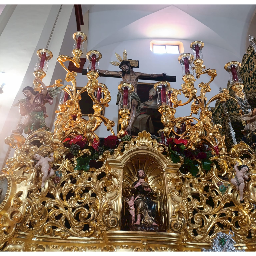
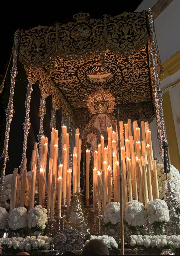
Hello again! Today, I'm back in La Algaba, Spain, with a friend I met during Carnival — her name is Lola. We're now experiencing Holy Week, a deeply rooted religious celebration that, through solemn processions, represents the life of Jesus — from His arrival in Jerusalem on a donkey to His resurrection. Today is Holy Thursday, and I’ll be watching one of La Algaba’s processions. It features two pasos: one of Christ and one of the Virgin. The image of Christ is depicted crucified and carried on a golden float adorned with tall candelabras holding candles. A rich red velvet cloth with golden embroidery hangs down, covering the bodies of the costaleros — the men hidden underneath who carry the float on their shoulders.
On the other hand, the Virgin’s float is truly stunning. It features a dark green palio — the canopy that covers the Virgin — richly decorated with golden embroidery. The palio is supported by eight silver bars that connect it to the lower part of the float, where the costaleros carry the structure. The Virgin is dressed in a dark green cloak adorned with golden details and wears a beautiful golden diadem. In front of her, there are elegant arrangements of light pink and white flowers, along with tall candelabras holding glowing candles that illuminate the float. The nazarenos (penitents) of this brotherhood wear white tunics and tall, dark green velvet pointed hoods, creating a solemn and respectful atmosphere throughout the procession.
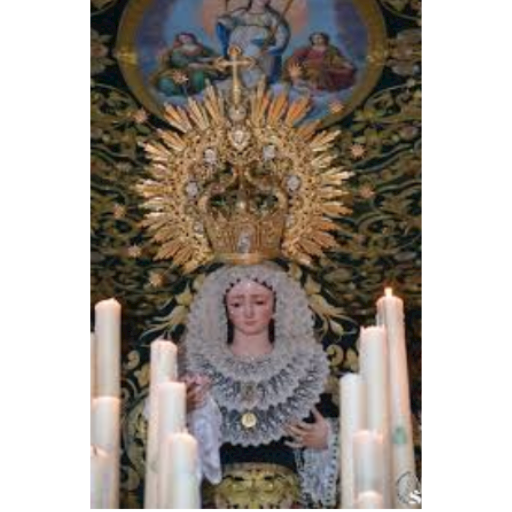
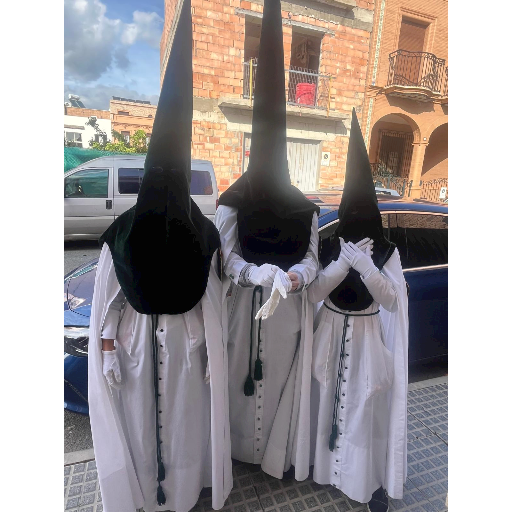
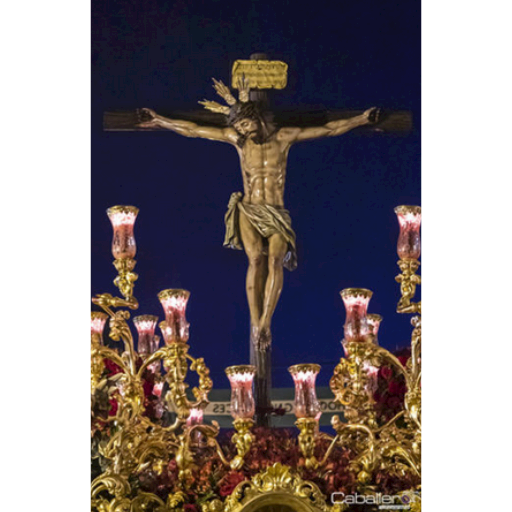
In the afternoon, I talked to my friend Lola. She told me that the procession — with the floats of Christ and the Virgin, accompanied by nazarenos and musicians — would begin at 7 p.m. She suggested we meet at 6 o’clock at the church entrance on Rodríguez de la Borbolla Street.
Before that, we met up for lunch around 2:30 p.m. to try a traditional dish from La Algaba: chickpea stew with spinach. I absolutely loved it — it was delicious!
After lunch, I took a short nap, knowing I’d need all the energy I could get — the procession goes on late into the night, and I didn’t want to miss a single moment.
Good evening. I’m absolutely exhausted — I had to wake up at two in the morning to get ready and go see the procession that starts at three. I spoke with some locals from La Algaba, and they told me the floats were Nuestro Padre Jesús Nazareno and the Virgin of Sorrows — the only ones that go out at night in the town. My friend Lola told me it’s one of the most emotional processions, where the bearers (costaleros) carry the floats with incredible grace and feeling. Her brother kindly let us use his apartment right next to the chapel, so we could watch the procession from the rooftop. And when the image of Christ began to emerge from the chapel, I felt tears well up in my eyes. It was a powerful, unforgettable moment.
The float featured Jesus carrying the cross. He wore a deep purple tunic tied with a golden cord. The entire float was covered in gold details and surrounded by tall white candles that softly illuminated His face, creating a solemn and powerful atmosphere.
In front of the float walked the nazarenos, dressed in white tunics with pointed purple hoods. Those accompanying the Virgin wore the same attire, but there was one key difference: the nazarenos with Christ carried purple candles, while those with the Virgin carried white ones.
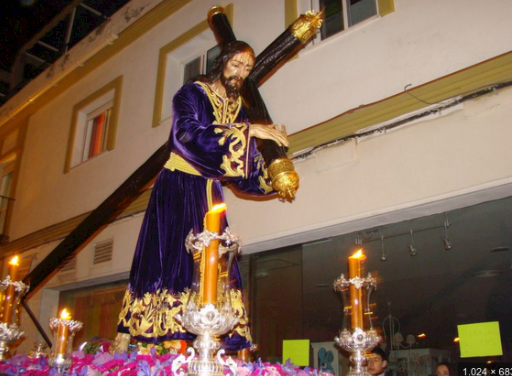
This is "Nuestro Padre Jesús Nazareno"
"La Virgen de los Dolores" is a Virgin with a delicate, serene face, adorned with both gold and silver — though silver is more prominent. Her mantle is a beautiful peacock blue, richly embroidered with golden details. Lola and I stayed up all night watching both floats as they made their way through the quiet, early morning streets. When dawn finally broke, we went to a nearby bar for breakfast — toast with Iberian ham and a warm Colacao. It felt like the perfect ending to a magical night.
Afterwards, we returned to the rooftop one last time to watch the processions make their way back. It was a magnificent experience — truly unforgettable. Without a doubt, I’ll be coming back next year just to see these processions again.
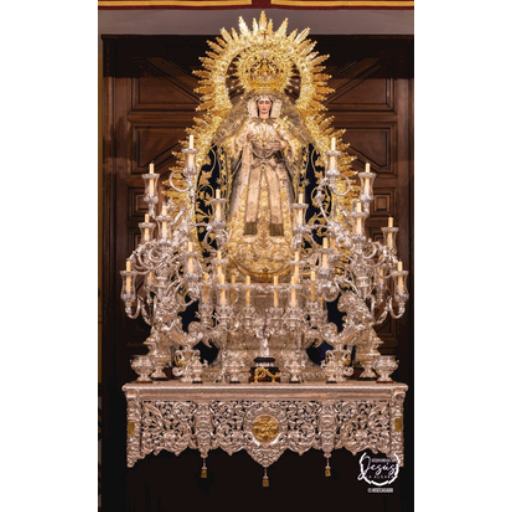
This is the "Virgen de los Dolores"
Today is Good Friday, and we are going to watch the procession called La Soledad, considered the most beautiful procession in La Algaba. It is marked by a striking black-and-white theme, with nazarenos (penitents) accompanying both the Virgin and Christ.
The penitents who walk with the Virgin wear white tunics paired with black pointed hoods (capirotes), while those accompanying Christ are dressed entirely in black — both tunics and hoods.
The brotherhood takes to the streets on Good Friday afternoon. Exactly at eight o’clock, the guiding cross leads the procession. Christ is depicted lying down, symbolizing His journey to the burial.
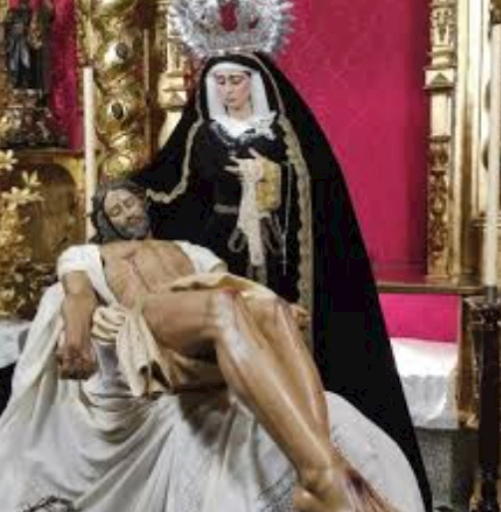
The Virgin Mary of Soledad prepares to search for her son through the streets of our town. The nazarenos accompanying Christ wear a sash where they rest their candles, while those walking with the Virgin do not.
The procession was so beautiful that we got a little emotional watching it. By half past twelve, the station of penitence had finished, and we headed home, still moved by the experience.
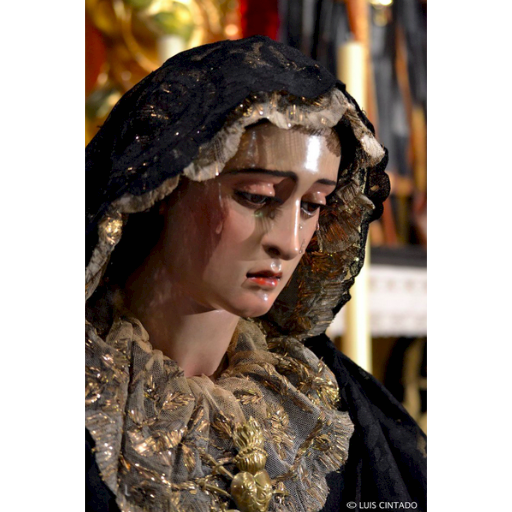
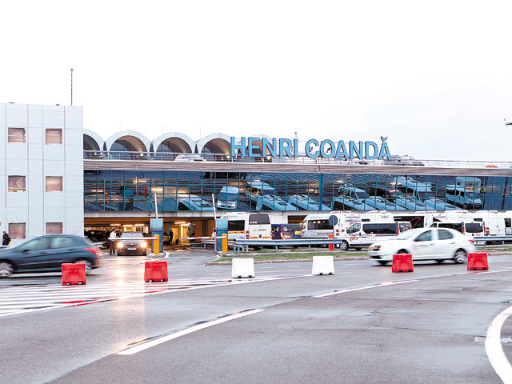
I finally landed at Henri Coandă Airport in
Bucharest. I was very excited at the thought of meeting my penfriend Sara and spending Easter
with her and her family.
I arrived on Saturday afternoon, Sara gave me her address and two hours later I rang at her door. She was very happy to finally meet me and I was glad to be with her and know the traditions of her country.
After meeting her parents , we left for church together to take Light, a very nice custom , meaning bringing the Easter Light into their home for guidance in life.
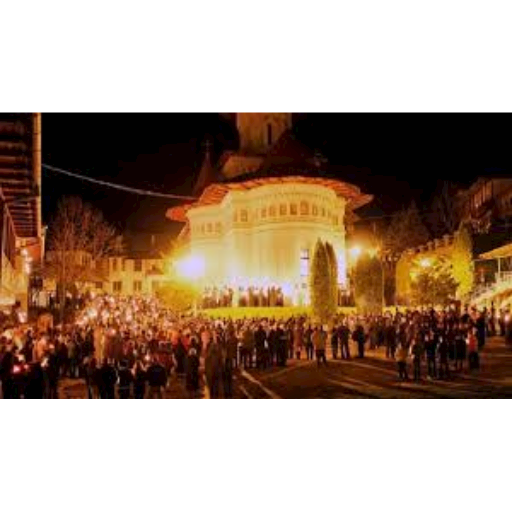
In Romania, on the night before Easter Sunday, almost all the people attend the midnight church service, known as "Învierea Domnului" (The Resurrection of the Lord).
At midnight, the priest brings out the "Holy Light" from the altar, and people light candles, saying “Hristos a înviat!” (Christ is risen!), to which others respond “Adevărat a înviat!” (Truly He is risen!).
After the Resurrection service, many receive communion. Some families fast strictly during Lent and especially in Holy Week before Easter.
We came back after midnight. I was tired but happy and excited . The next day I woke up early and the first thing Sara and I did was to crack red eggs. I won , she told me that I was the lucky one. Me happy. ️ At noon her Mother lay the table for other 4 more people , they had guests , Sara’s cousins and their parents. We all sat at the table, talked, laughed and ate one of the most delicious food I had ever eaten, steak, baked potatoes, boeuf salad, pasca, cozonac, plus another cake that tasted like heaven and, of course, other 2 more red eggs.
Lamb (miel): Symbol of sacrifice. Dishes include friptură de miel (roast lamb) and drob de miel (a type of lamb meatloaf with herbs and eggs).
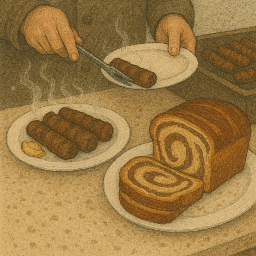
Cozonac: A sweet bread with nuts, cocoa, or Turkish delight.
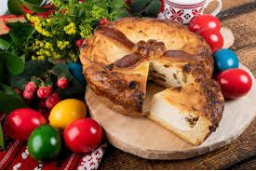
Pasca: A special Easter cheesecake made with sweet cheese and raisins, often decorated with a cross on top.
Red-dyed eggs (ouă roșii): Symbolize the blood of Christ and new life. These are often used in a fun egg-tapping game ("ciocnitul ouălor")—the person whose egg doesn't crack is said to have good luck.
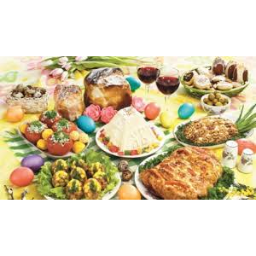
After lunch we took a walk in the park near Sara’s house and we talked about God and all the good things we had in our lives, promising to each other that we would see again in the near future
On Monday morning I had my flight back , preparing for other interesting adeventures in another country.
I kissed Sara good-bye and thanked her for the pleasant days spent in her house.
After celebrating Easter Sunday in Romania, I flew back to Italy just in time for something called Pasquetta — or “Little Easter”. My Italian friend Luca, whom I met during Carnival in Saronno, invited me to spend the day with his family and friends. I was super excited because I had no idea what to expect!
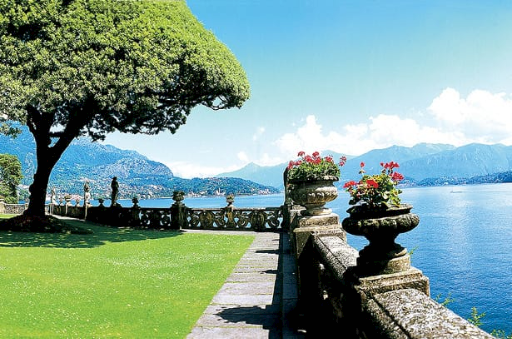
Luca told me that Pasquetta is always on Easter Monday, and most Italians celebrate it by going on a picnic in the countryside or to a park. It’s not a religious day like Easter, but more like a fun day to relax, eat, and enjoy time outdoors. I thought that sounded perfect after so much travelling!
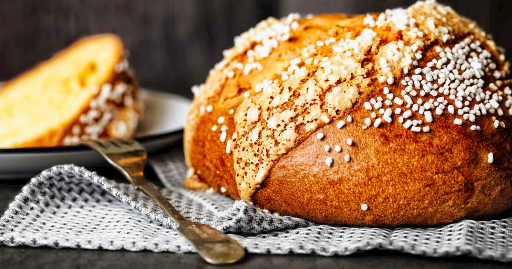
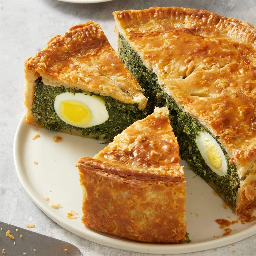
That morning, we woke up early and packed the car with blankets, games, and a big picnic basket. Luca’s grandmother had prepared focaccia, torta pasqualina, boiled eggs, salami, and even leftover chocolate from Easter. We also brought a football and Luca’s little brother brought a speaker to play music — mostly cheerful Italian songs and even some Tarantella!
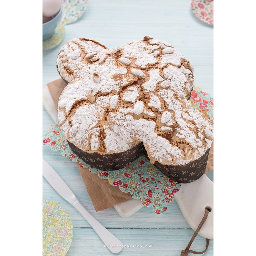
We drove about 30 minutes to a green park near the lake. There were families and groups of friends everywhere, laughing, eating, and playing. It felt like a giant open-air party. We found a quiet spot under some trees and set up our blanket.
After lunch, we played cards and then a match of football with some other kids who were there. Even though we didn’t speak the same language perfectly, we had no problem having fun. Luca explained that Pasquetta is about spending time together, being in nature, and enjoying the simple things.
As the sun began to set, we sat together eating slices of colomba (a traditional Easter cake shaped like a dove) and talking about how different each country celebrates this time of year. I realized that, even though traditions change from one place to another, the feeling of being together is always the most important part.
It was a peaceful, happy day — and now Pasquetta is one of my favorite Italian traditions!
April 23 National Sovereignty and Children's Day
I am happy to be back in Turkey. I will be staying in Turkey until the first week of May. April and May are very busy months in Turkey. Because they celebrate different festivals one after the other. I plan to attend all of them. Ela and her family will be hosting me again. Our plane is about to land and I am very happy to see Ela again. Today is April 23. April 23 is a special day in Turkey.
April 23 National Sovereignty and Children's Day
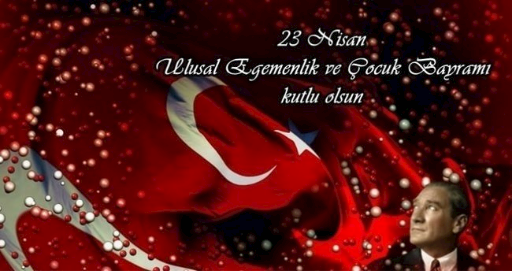
April 23, 1920 is the date when the Turkish Grand National Assembly, representing the will of the Turkish people, was opened and the Turkish people declared their sovereignty. The founder of the Republic of Turkey, the Great Leader Mustafa Kemal Atatürk, decided on April 23, 1924 to celebrate April 23 as a holiday. He also presented this holiday to all the children of the world.
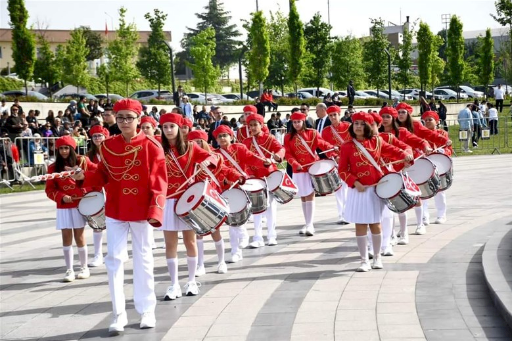
Ela and her family welcomed me at the airport. We went to the Atatürk Stadium, where Ela was on duty at the celebration, for the April 23 National Sovereignty and Children's Day ceremony. This is the largest stadium in Izmir.
Children from many countries like me had filled the stadium field. All the students were very excited. They were dressed in colorful clothes. There was a great holiday atmosphere in the stadium. Every corner of the stadium was decorated with balloons and ribbons. Flags of all nations were hung. There were families of the children, the city's leaders and administrators in the stands. Ela saw Uncle Süleyman and Aunt Ayten in the stands and waved. I wish my family was here too. As the ceremony began, a man in a tuxedo sitting in the front row of the protocol stood up and gave his seat to a student.
At that moment, all the cameras started filming this event and the public applauded. I asked Ela what had happened. She said that as a tradition on April 23, the administrators gave their seats to the children for a day. This was done to show that these children were the real individuals who would shape the future of the world. Then the music started and the student groups performed the folk dances of their countries one by one. Ela and her classmates also performed their own game, the Zeybek dance. We went home after the enthusiastic celebration.
We were tired. After resting, Uncle Süleyman and Aunt Ayten told me that they would take me to Manisa to the Mesir Paste Festival. I was very happy. I was looking forward to the next day.
Mesir Paste Festival
We started the day with a nice family breakfast. I was well rested. Now it was time to go to the Mesir Paste Festival. We got ready and set off. Manisa was a city 1 hour away from Izmir. It was the place where the Mesir Paste Festival was celebrated. Uncle Süleyman talked about the importance of the festival on the way. Mesir Paste was a paste discovered during the Ottoman Empire and used for therapeutic purposes. It was obtained by combining 41 different spices and boiling them. Because of its benefits, they started making the paste in large cauldrons and distributing it to the public.
Mesir Paste
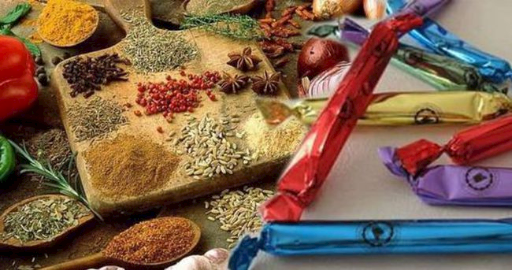
This became a tradition and turned into a festival every May and continues until today. In fact, this festival even managed to be included in the UNESCO Representative List of the Intangible Cultural Heritage of Humanity under the name of “Mesir Paste Festival”.
We reached Manisa at the end of the 1-hour journey. Manisa was a city known for its madrasahs, social complexes, old Ottoman buildings and known as the city of princes with a very old history. We reached the largest square in the city center. It was even difficult to find a place to park our car. The city square was very crowded.
Mesir Paste Festival
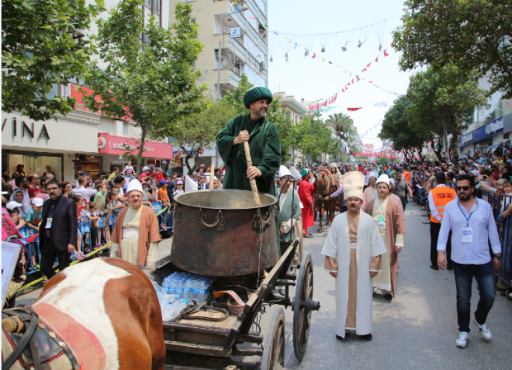
The people who came to the festival had brought their umbrellas. I asked Ela why everyone had umbrellas in this sunny weather. She answered with a smile. She said that people brought their umbrellas not to protect themselves from the rain, but to collect the mesir paste thrown into the air in large quantities. Before the celebration began, a band wearing Ottoman-era costumes (mehter band) entered the ceremony area playing music. A high platform had been set up in the middle of the square. The mehter band advanced to the platform and stopped.
Then, a man wearing Ottoman costumes, a robe, a turban and a scimitar mustache went up to the platform and started throwing mesir pastes from a cauldron to the people. The people began to fill the umbrellas they had brought with the pastes that were falling from the air with great enthusiasm. It was as if all the people were playing a game together. After the mesir paste was finished, the concert began. It was getting dark. Uncle Süleyman noticed that we were hungry and said that we shouldn’t leave without eating Manisa kebab, a famous dish of Manisa.
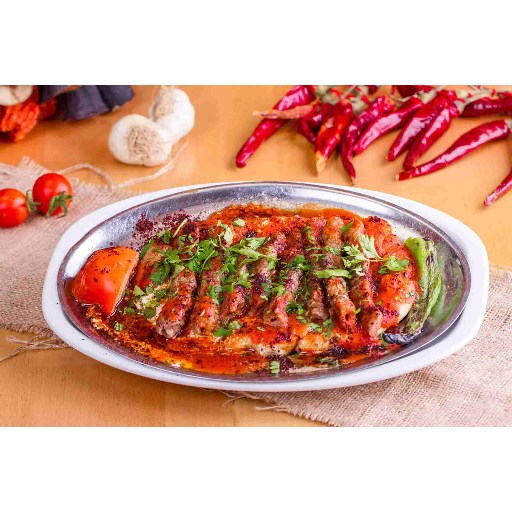
There were many restaurants in the city center, but Uncle Süleyman decided on a nostalgic stone building that had been restored from an old inn. Manisa kebab is made by cooking minced meat wrapped in skewers and seasoned with various spices. It was delicious, and we drank frothy ayran in nostalgic metal glasses. After dinner, it was time to return to Izmir. Uncle Süleyman, Aunt Ayten, Ela and I set off on the return journey by car and reached Izmir an hour later. I was so tired that I fell asleep in my bed as soon as I got home and changed.The people who came to the festival had brought their umbrellas.
Manisa Kebab
Hıdırellez
My days were going very well in Izmir. I was spending them in the old bazaars of Izmir, the International Fairgrounds, and the Sasalı Zoo. Ela told me that the festival called Hıdırellez, which celebrates the arrival of spring, was approaching. As in many countries, people in Turkey were celebrating the arrival of spring. On the evening of May 5th, we went to Alsancak, the most crowded area of Izmir, with Uncle Süleyman, Aunt Ayten, and Ela. People had gathered on the beach at Alsancak.
Hıdırellez Festival-Jumping over the Fire
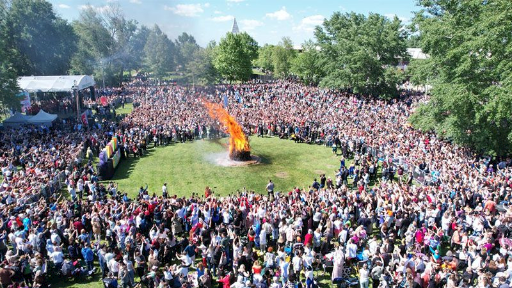
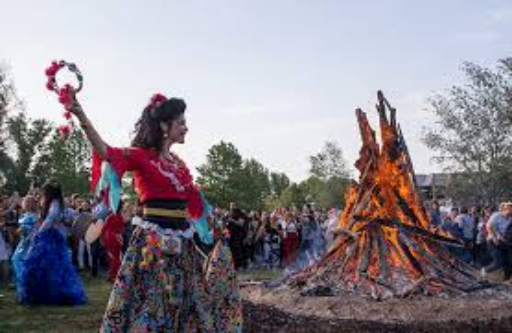
Some had taken their guitars, some their darbukas, and some their clarinets; they were playing music, singing songs, and dancing in groups on the beach. It was the first time I had seen these interesting instruments. Ela explained each one to me without hesitation. People were lighting fires in some areas on the beach. Then they started jumping over the fires one by one, making wishes. Seeing my surprised eyes, Ela started to explain the situation to me, laughing. According to the belief that has emerged throughout history in the Hıdırellez festival tradition, people jump over the fire to make a new start and erase old mistakes.
Ela took my hand and put me among the people dancing around the fire with music. People were dancing in a circle, and their turn was jumping over the fire. We waited our turn dancing together to Balkan tunes and held hands and jumped over the fire. It was very fun and exciting. The idea of a new beginning in life had a great impact on me. It was time to go home. We said goodbye to this beautiful environment and went home. The next day, the Romanian festival experience would begin for me. After a good sleep, Ela and her family dropped me off at the airport. As I was leaving Izmir, I was filled with great sadness again.
I thanked them for all the good times I had and we left. Goodbye Turkey :)))
The big day came, I was about to arrive in Romania again to celebrate 1st June with Sara and her cousins.
I was very excited , because I did not know what that celebration meant and curious at the same time.
I arrived at Sara’ s house early in the morning , so in the afternoon Sara, her little cousins and I went to the park near her house, it was a pretty large park , I liked it very much.

I found out that In Romania, Children's Day (1st June) is a national holiday dedicated to celebrating children and childhood.
Since 2017, 1st June has been an official public holiday. Kids don't go to school and many parents take the day off to spend time with them.
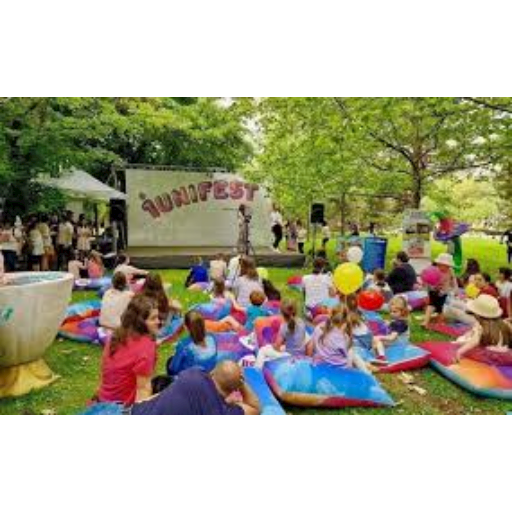
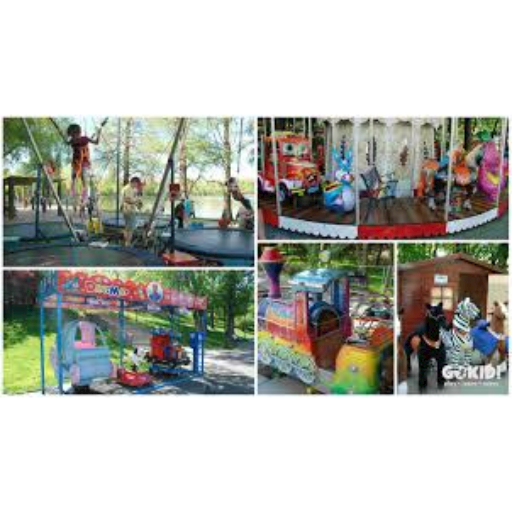
There were a lot of activities for children, merry-go-round, face painting, games, home made sweets and delicious apple and cheese pie, candy cane and a lot of red, pink yellow and orange balloons. The children were laughing and they were having fun. There was a concert too , some well-known singers from Romania were performing. I liked Smiley's music, the songs were great.
We spent the whole day in the park singing, playing and having a great time.
Thank you Sara and România for making me feel a happy child like all children should be.
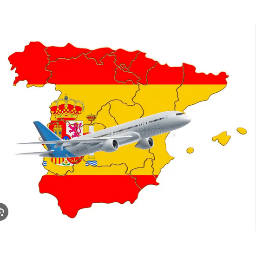
Feeling full of good vibes, I’m heading to Spain to take part in another special celebration. I’m so lucky to have friends in these culturally rich countries with such amazing food.
"La Romería"
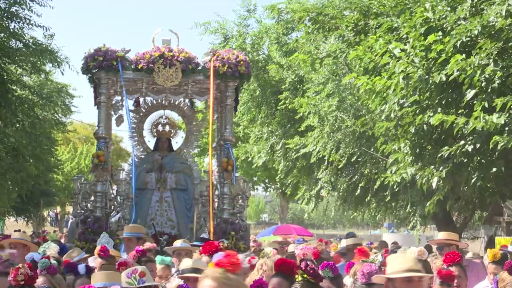
Today is June 14th, and I’ve come back to La Algaba because my friend Lola invited me to experience the Romería with her — one of the town’s most beloved festivals. It’s a truly special day when La Purísima, the town’s patron saint, is carried through the streets. She rarely leaves her church, El Aral, so I’m genuinely excited to see her in procession and to share this beautiful, unique moment with the locals.
Today I went to the haberdashery to buy my outfit for the Romería. I decided on a rociera skirt paired with a blouse because it’s much more comfortable to walk in than a flamenco dress.
Tomorrow, I’m meeting Lola at 7:30 a.m. at the Church of Nuestra Señora de las Nieves to attend the misa romera (pilgrimage mass), so I’ll have to wake up early and leave the house already dressed.
Good morning! I’m so excited because today is the Romería! I’m already dressed in my rociera skirt — beige with white polka dots — and a white blouse with beautiful ruffled sleeves.
Right now, I’m at the misa romera, and I’m really enjoying it. The choir is singing beautiful songs dedicated to the Virgin, and they’re incredibly moving.
After the mass, we went for breakfast while they carefully placed the Virgin on the float and finished all the final preparations for the procession.
After breakfast, we went to see the Virgin, who was already beautifully placed on the float, and then we began the procession. Honestly, I loved the atmosphere—everyone dressed in flamenco outfits, people joyfully singing saetas, and others playing the rociera flute.
But what I enjoyed the most was the food! I ate plenty of chacina—ham, chorizo, lomo, salchichón—along with breaded steaks and Spanish omelette.
What really amazed me was the kindness and generosity of everyone. People freely shared their food and drinks, and I think that’s something truly beautiful. I really wish the whole world could be like that.
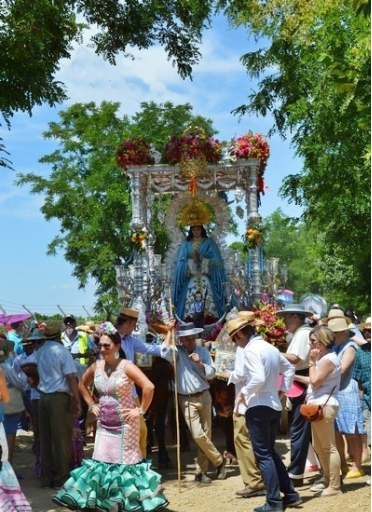
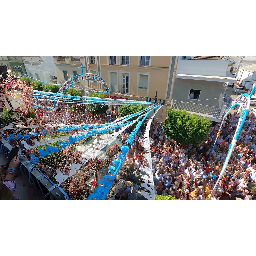
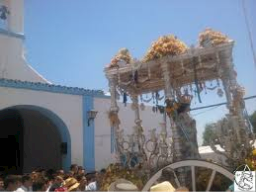
https://www.youtube.com/watch?v=w4iax3aJoto
One moment I truly loved was the Angelus at noon. Many traditional songs were sung—coplas, saetas, and more—and everyone prayed the Our Father together. They also sang a special song composed just for this Virgin. It was such a beautiful moment that perfectly reflected the unity of the whole town.
After the Romería, I was completely exhausted because it was so hot, and we had walked about 6 kilometers from the church to the El Aral hermitage. When I arrived, I was pleasantly surprised to find a little “mini fair.” Although it was small, I hadn’t expected it at all. There were the usual cacharritos for the kids, and for adults, just one attraction called “El Canguro,” but I still really enjoyed it.
I also took the chance to explore the El Aral hermitage, which was absolutely beautiful.
We stayed at El Aral until 7 in the evening, enjoying a kind of “convivencia” — a gathering with the neighbors. Afterwards, we started the journey back. It was much more pleasant since the heat had eased, but I was really exhausted because I’d been awake since 5:30 in the morning to get ready and attend the mass.
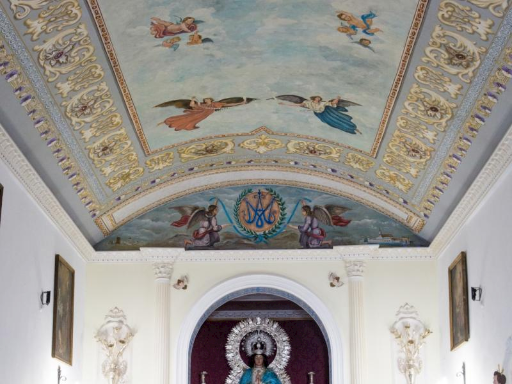
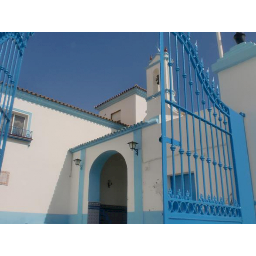
Interior of the hermitage of El Aral
Exterior of the hermitage of El Aral
Today is September 15th, and Lola invited me to the Algaba fair, which lasts six days, ending on September 21st. She took me to the booths set up on a sandy area and explained that each person either owns or reserves a booth, and if you don’t have one, you have to pay an entrance fee. Lola had a reserved booth, and it was really big! When we arrived, I was both hungry and curious to try the food from the booths—I had heard that everything is homemade.
The menu was divided into three sections. The first was the main, or adult, menu, which included dishes like Iberian pork shoulder, whisky sirloin, seafood, and more. The next page was the children’s menu, featuring nuggets, fries, breaded fillets, and croquettes. The last page listed drinks—soft drinks, beer, and water—as well as starters like cold cuts, including ham, chorizo, salchichón, and others.
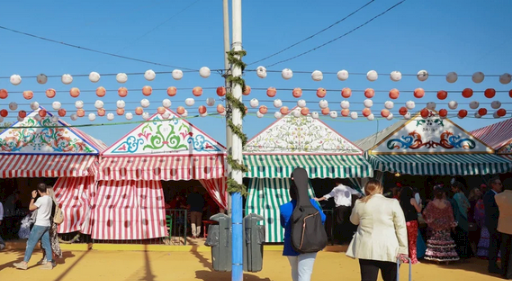
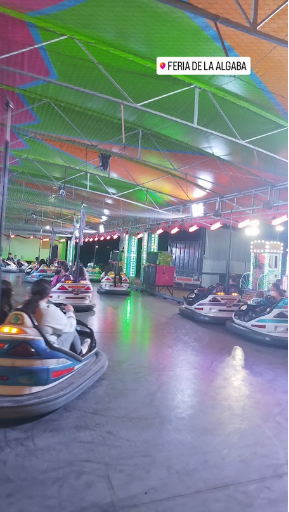
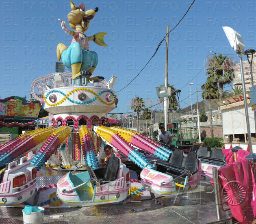
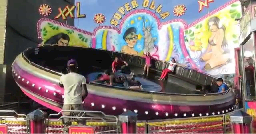
The next day, Lola invited me to the fair again. This time, we went on some of the amusement rides. One was “the crazy cars,” where the cars zoom around fast and bump into each other. Another was “the kangaroo,” a ride where you sit in a vehicle that moves up and down and side to side, just like a kangaroo hopping. The last one was “la olla,” a circular ship where everyone sits together while a man moves it, making people fall into each other. It’s all safe, though, and so much fun!
We didn’t go on any more rides because each one cost between two and four euros. But Wednesday is children’s day, so all the rides are cheaper then. To get on a ride, I first bought a ticket (or small tokens for the ‘crazy cars’) and waited in line. Before getting on, you hand your ticket to a man standing by the ride. Since it was getting late and we were tired, wanting to save energy for the third day, we headed back to Lola’s house.
The next day, since it was Children’s Day, we went on more rides. There’s also a little train that tours the entire town from the fairgrounds. It runs in the afternoon, from 6 p.m. to 11 p.m., and best of all—it’s free! We got on the train around 9 p.m., had a great time, and waved to people along the streets. When we got back, we went on the rides again—“The Kangaroo,” “The Pot,” and “The Crazy Cars” twice.
Around 1:30 in the afternoon, we were about to head to the booths when we discovered there was a mini-concert at the end of the fairgrounds.
We sat in one of the chairs and spent some time listening to the music, recording videos, and singing along. We had a fantastic time. Around 2:15 p.m., we got really hungry and headed to the booths. We ordered lots of typical food, like I mentioned before. After sitting and chatting for a while, at three o’clock, we went back to Lola’s house to rest.
On Thursday, we were very tired, so we went to the fair later in the evening. We ate at home first and arrived at the fair around 10 p.m. Once there, we started walking around. Right at the entrance, there was a toy duck fishing game, and we saw lots of little kids playing.
Since we were tired, we decided to stay in the booth for a while, talking and resting a bit. Later, we left and went on two rides. At one o’clock, we went home to rest because we knew the next day would be even more fun.
On Friday, we had an amazing time. We arrived at the fair early and had dinner at the food stalls. That day, we met a little boy who offered to give us a tour of the fair. He was so cute and enthusiastic that we gladly accepted. He explained everything really well, and now we know a lot more about the fair.
When we got home, we planned to go to the bullring over the weekend, since the bullfights were scheduled for Saturday and Sunday.
On Saturday, only young bulls and heifers run through the streets, and on Sunday, the young bulls, heifers, and full-grown bulls go through La Plaza de Toros. Unfortunately, in Romania they have “Bucharest Day” tomorrow, so Lola and I are going there. We’re really excited and plan to have a great time, but we’ll have to wait until next year to see the bullfight.
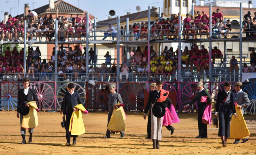
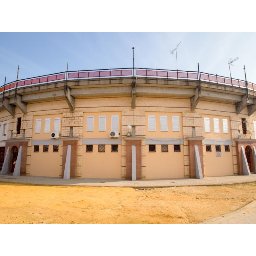
Interior of the bullring
Exterior of the bullring
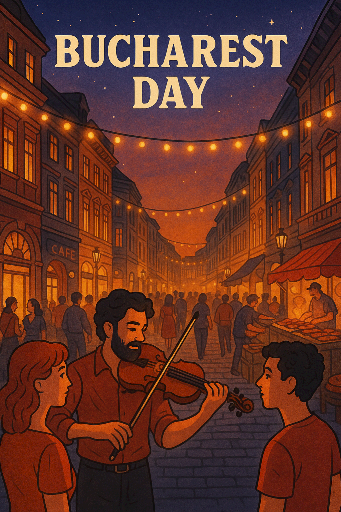
Hello, again! When Sara invited me to join Bucharest day festivities, I was thrilled.I arrived just as twilight spilled molten gold over the cobblestones of the Old Town.
Lipscani Street pulsed like an artery—strings of warm fairy lights tangled between balconies, casting amber halos on facades worn by time. The scent of covrigi—sesame-sprinkled pretzels—mingled with the sharper aromas of spiced sausages and smoky mici, sizzling on street-side grills.
Somewhere near Strada Smârdan, a quartet of violinists played a gypsy waltz. The music curled around me like silk, and for a moment, the city seemed to sigh—an exhale of old tales and new laughter. HH
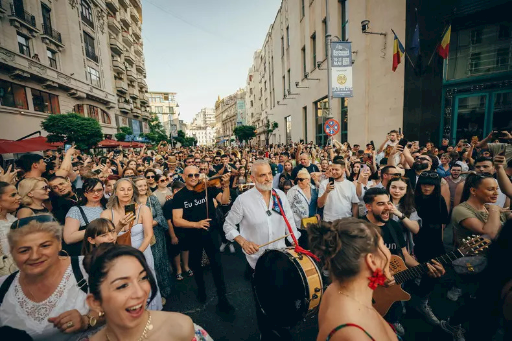
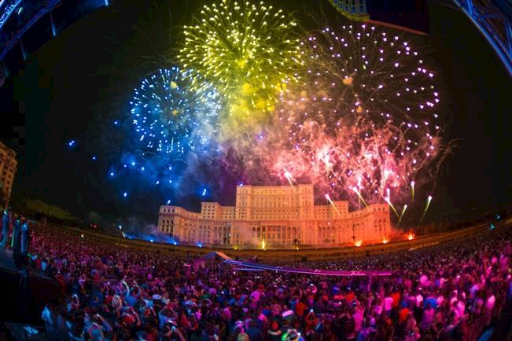
Night fell like a curtain, and with it rose the fanfare. I made my way with Sara, which was so kind to show me city to Piața Constituției, where the People’s Palace loomed, not as a monument to power, but as a canvas of dreams. The façade erupted in waves of color—blue, crimson, gold—as 3D projection mapping danced across its surface, telling stories of kings and poets, revolution and rebirth.
Then came the fireworks: Stars rained from the heavens, glittering shards that pirouetted above the crowd.
A girl next to me gasped, her eyes wide, reflecting bursts of violet and green. Her father hoisted her onto his shoulders, his hands steady as stone.
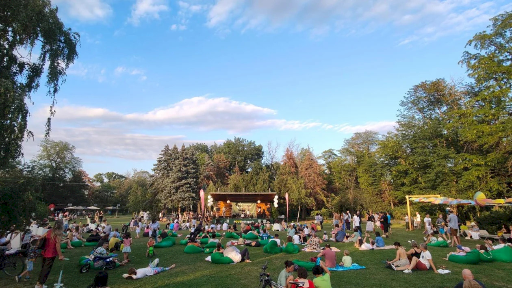
In Herăstrău Park, Bucharest’s lungs and lullaby, a stage throbbed with folk rhythms and modern pop alike. Traditional dancers in embroidered blouses and leather boots stomped and spun in dizzying circles, their movements stitched with centuries of pride. Behind them, neon-drenched visuals turned the night into an abstract canvas.
Elderly couples slow-danced by the lake, lanterns bobbing like fireflies on the water’s surface. Children chased glowing balloons. Strangers smiled like old friends.
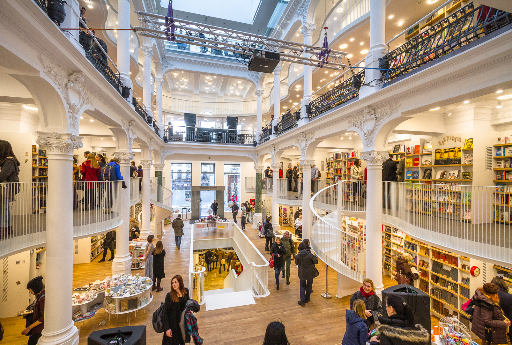
The city was alive—not just surviving, but singing. As the festivities softened into murmurs and candlelit goodbyes, I wandered into Cărturești Carusel, the bookstore that looks like a dream carved in ivory. Shelves spiraled like cathedral arches.
I sipped a bitter espresso on the mezzanine and watched the revelers below still carrying garlands of laughter.
Outside, a gentle rain began to fall—silver threads stitching the night back together.
I felt amazing all along, so when I had to go back , filled with great memories , I couldn't help but stating:
Bucharest, during her day, is no mere place.
She is an aria in the throat of dusk.
She is a scar that learned how to shimmer.
She is fire kissed by song.
And as I left her behind, the echo of her heartbeat followed me, steady and proud.
National Day Of Romania
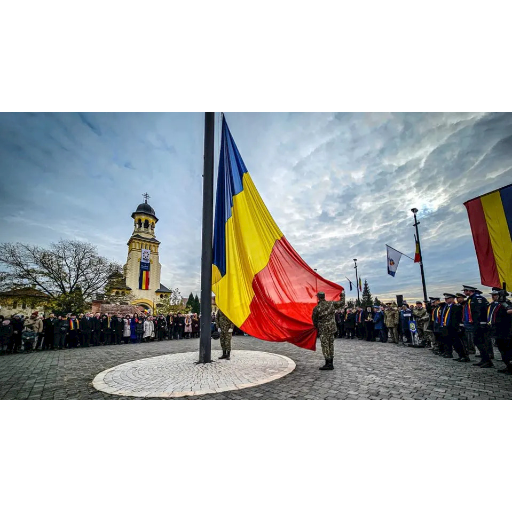
I was looking forward to coming back in Romania. This time, my friend Sara took me on a trip to celebrate National Day of Romania.
I arrived in Alba Iulia before dawn, my breath fogging the train window as the silhouette of the Citadel emerged from the mist like a secret kept too long. It was December 1st—Great Union Day—and I had come to see the place where, over a century ago, Romania’s soul had stitched itself whole.
Outside, the cobblestones were slick with frost, and the air smelled of pine smoke and something sweet—cozonac, I would learn later.
Locals were already gathering, bundled in coats and patriotism, Romanian flags tucked into every hand, every buttonhole, every heart.
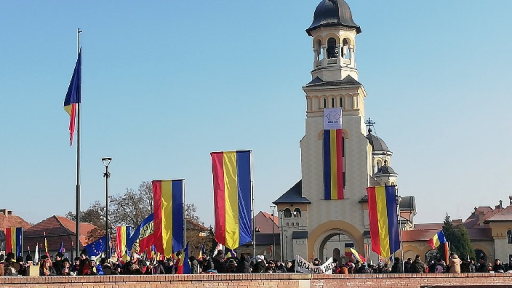
At the foot of the Union Monument, schoolchildren in traditional dress formed neat rows. A hush fell as the ceremonial bell rang out, and then the voices rose—“Deșteaptă-te, române!”—Romania’s anthem slicing through the cold like a flame.
I stood among them, foreign but strangely welcome. An old man beside me turned, saw my awe, and nodded. “Aici a început totul,” he whispered. Here is where it all began.
He told me of the Great Union of 1918, when Transylvania, Bessarabia, and Bukovina declared
unity with the Kingdom of Romania.
He had not lived it, but his grandfather had marched those very streets. “He wore no uniform, but he carried a flag and a loaf of bread,” the man said, eyes shining.
By midday, the main square bloomed with life. Soldiers in crisp uniforms marched in synchrony, horses clattered past, and vintage planes traced ribbons across the gray sky. Tanks rolled by not with menace, but with ceremony—symbols of sovereignty rather than threat.
Children sat on shoulders, mouths open in wonder. Every few minutes, the crowd would erupt in a chant: “România! România!”Some wept. Others clapped. Everyone belonged.
In the Citadel’s inner courtyard, tables groaned beneath steaming trays of sarmale, mămăligă, and ciorbă de burtă. I queued beside a young couple who insisted I try everything. “It’s not just food,” the woman said, ladling soup into my bowl. “It’s our story, too.”
Around us, violins began to play, the fiddlers’ fingers red from cold but flying all the same.
A hora circle formed, hands linked, boots stomping on the stone in unison—turning and turning, like the pages of a shared history.
I joined the ring. I didn’t know the steps, but I moved anyway. No one laughed. A boy grinned and shouted, “Așa, domnule!” — That’s it, sir!
At sunset, the crowd gathered at the Coronation Cathedral, where King Ferdinand and Queen Marie were once crowned. Candles were passed from hand to hand, tiny flames glowing in the hush of falling snow.
And then, from somewhere near the front, a young girl began to sing:
“Pe-al nostru steag e scris Unire...”
On our flag is written unity…
It was soft, unsure at first. Then louder, bolder, until hundreds of voices joined hers—filling the
night with a song that had once lived only in dreams.
Snow swirled like confetti from the sky as the heart of Bucharest beat louder than ever. The trams moved slower than usual, not because of the frost, but because every street seemed to pour its people toward the center—the place where memory meets hope. We stood on Calea Victoriei, my collar turned up, Romanian tricolor gloves warming my hands.
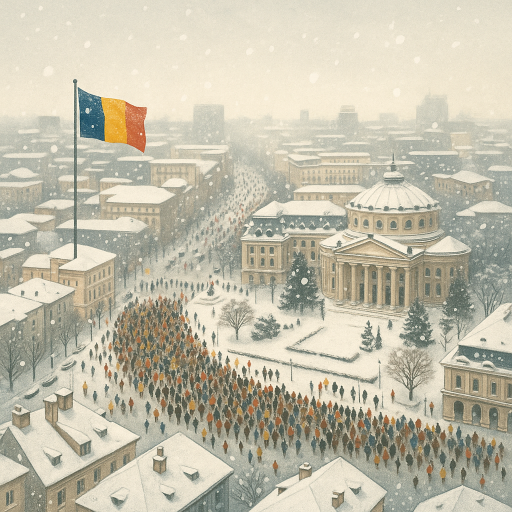
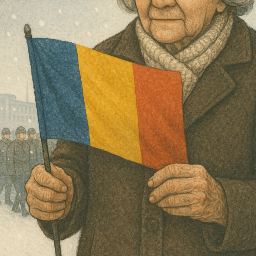
Beside me, an elderly woman unfolded a flag so worn it looked like parchment. “It belonged to my father,” she said, eyes crinkling with pride. “He carried it in ’18... and again in ’89.”
The crowds were already thick around Piața Revoluției—Revolution Square—where flowers lay at the foot of statues, and children reached out to touch the wreaths as if they could pull stories from the silk petals.
Trumpets sounded. Soldiers in ceremonial dress marched by in rhythm, their boots kissing the pavement with the weight of heritage.
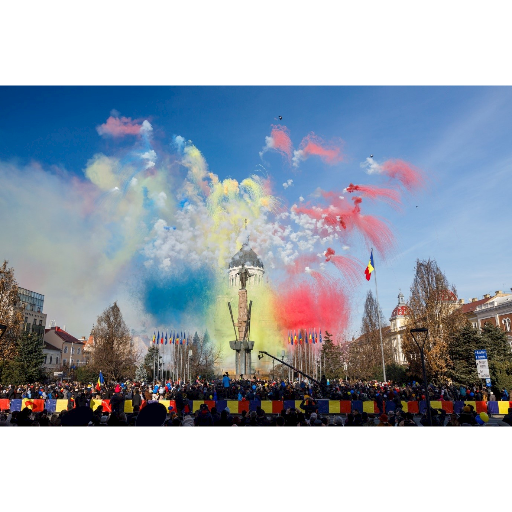
Fighter jets roared overhead in tight formation, streaming red, yellow, and blue across the sky like ink across an open book.The crowd cheered. Some saluted. Some cried.
At the National Museum of Romanian History, families queued to see old photographs and handwritten declarations of unity. A little boy pressed his nose against the glass where a 1918 telegram lay, whispering, “So that’s how they said ‘We are one.’”
Nearby in University Square, a massive stage came to life. Folk dancers twirled in traditional garb—velvet vests, embroidered blouses, pleated skirts. Every step was a language, every spin a sentence from generations past.
Teenagers with painted cheeks took selfies with grandparents who quietly wiped their eyes.
At a food stall, I warmed my hands around a paper cup of vin fiert, the spiced wine sending little fires through my chest. The scent of grilled mici, hot bread, and cozonac floated above the crowd like a celebration in smoke form.
As night fell, people lit candles along the steps of the Romanian Athenaeum. The building glowed like a palace in a fairy tale, golden against the violet sky.
Then, as if summoned by the stillness, a choir began to sing:
“Treceți batalioane române Carpații…”
Cross the Carpathians, Romanian battalions…
The old song rose through the chill air, and hundreds joined in, young and old. Their voices braided together, soft but defiant, like a hymn for the unbroken.
Above the crowd, giant screens displayed black-and-white film reels of the 1918 union proclamation in Alba Iulia, of soldiers kissing flags, of people dancing on train tracks.
In that moment, time collapsed.
I felt something ancient stir in the bones of the city. Bucharest—bruised but beautiful, scarred but singing—stood proud, draped not only in flags, but in resilience.
Later, walking past the Dâmbovița River, I saw a group of children releasing paper boats into the current—each with a candle and a wish.
One boy looked at me and smiled. “We do this every year,” he said.
“What’s your wish?” I asked.
He shrugged. “That we keep remembering.”
After finishing my trip in Romania, I returned to Italy for the very last stop of my journey — Christmas in Saronno with my friend Luca and his family. I had already spent Carnival and Pasquetta with them earlier in the year, so it felt like coming home for the holidays!
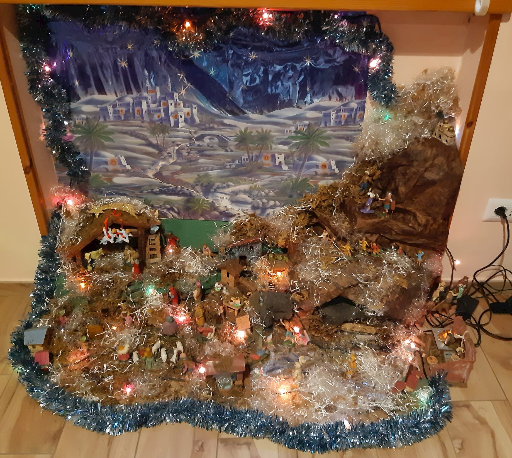
Christmas in Italy is celebrated on December 25th, and it's all about family, food, and festive traditions. When I arrived at Luca’s house, everything was decorated with lights, candles, and even a little nativity scene. I was invited to join their big family lunch, and wow — we ate so much! There were tortellini in broth, lasagne, and even spaghetti with clams (which I found out is also a popular Christmas Eve dish). For dessert, we had panettone and pandoro — two tall, sweet cakes that every Italian eats at Christmas.
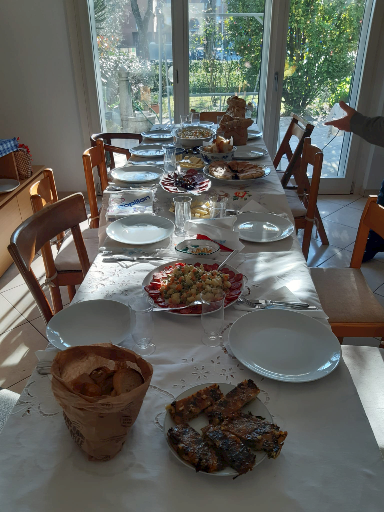
I liked panettone best, especially with chocolate chips! Everyone was wearing Christmas sweaters with reindeers or Santa Claus, and I even got to wear a light-up Santa hat! We listened to Italian Christmas music, like “Tu scendi dalle stelle” by Andrea Bocelli and “A Natale puoi”, and of course some English ones too — “All I Want for Christmas Is You” played at least three times! It was such a cozy, cheerful day, and I felt lucky to be part of it.
A few days later, it was time to celebrate New Year’s Eve — or Capodanno, as they call it in Italy. This time, Luca and I went to a party with some of his friends. Everyone looked amazing — they were all wearing sparkly clothes and, believe it or not, red underwear for good luck in the new year! (Yes, really. Luca said it’s a very old tradition.)
For dinner, we had a special dish called cotechino con lenticchie — a kind of sausage with lentils. It’s supposed to bring wealth and good fortune. I wasn’t sure I’d like it, but it was actually delicious! We played music and danced, and just before midnight, we all ran outside with sparklers to watch the fireworks light up the sky. There were even some firecrackers going off in the streets — it was loud but super exciting!
As we counted down to midnight, I felt a mix of happiness and a bit of sadness too — this was the final page of my incredible journey across Europe. But I couldn’t have imagined a better way to end it: with good friends, good food, and a sky full of light.
Canterbury
2025 has been such a wonderful year — one I’ll never forget. Over the past twelve months, I’ve had the chance to discover four amazing countries: Spain, Turkey, Romania, and Italy. Each one was full of new experiences, beautiful places, and special traditions that opened my eyes to the world in a whole new way.
But more than anything, what made this year truly unforgettable were the people I met along the way. I made great friends like Lola, who showed me the magic of Spain, and Luca, who welcomed me into his home in Italy like family. I also got to visit my dear friends Ela and Sara, and it felt so good to see familiar faces in new places.
Now, after all these adventures, it’s time to return home to Canterbury. I feel a little sad that this journey is coming to an end, but also incredibly grateful for every moment I’ve lived. Writing this diary helped me treasure each memory — from dancing in a Turkish village, to picnicking in Italy, and celebrating Christmas under the stars.
Thank you to everyone who made this year so special. I’ll carry your kindness and the memories we shared with me always.
This isn’t the end — just the beginning of many more journeys to come.
- < BEGINNING
- END >
-
DOWNLOAD
-
LIKE
-
COMMENT()
-
SHARE
-
BUY THIS BOOK
(from $34.39+) -
BUY THIS BOOK
(from $34.39+) - DOWNLOAD
- LIKE
- COMMENT ()
- SHARE
- Report
-
BUY
-
LIKE
-
COMMENT()
-
SHARE
- Excessive Violence
- Harassment
- Offensive Pictures
- Spelling & Grammar Errors
- Unfinished
- Other Problem





COMMENTS
Click 'X' to report any negative comments. Thanks!