
This book was created and published on StoryJumper™
©2014 StoryJumper, Inc. All rights reserved.
Publish your own children's book:
www.storyjumper.com


 Chapter 1
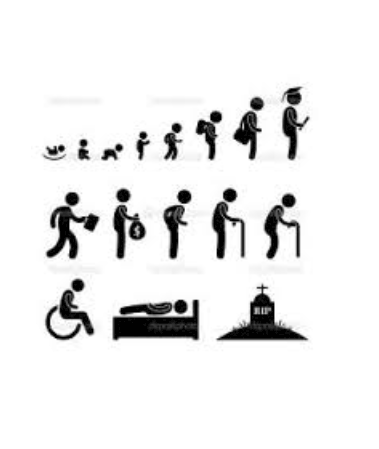
 Before you were you!

I'm going to tell you the story
of how you became you! From
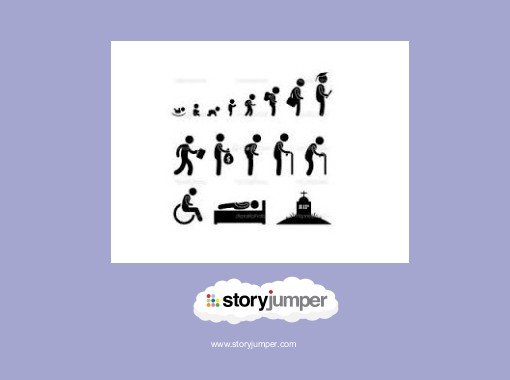
before you were a baby until
you reach old age.

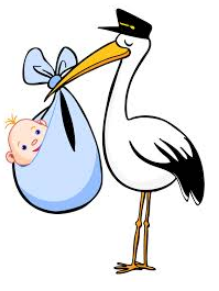
 believe it or not
this isnt how i
appeared!

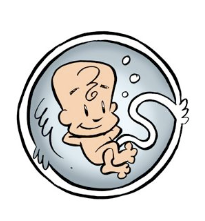
Your life began when you
were still inside your
mommy's tummy. At this
point, you were called a
fetus.
It was at
this time
that your
entire body
started to
form.
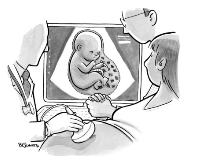
your parents have been able to see you since
before you were even born!
Hopefully
while your
mom was
pregnant,
she stayed
healthy and
only ate
healthy and
appropriate
things.
After living inside her for about
9 months, your mom gave
birth to you. The doctor
checked to make sure you
were breathing right away!
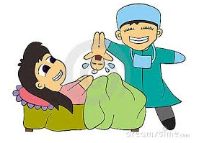
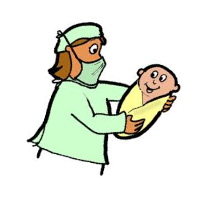


Doctors made sure you...



When you were a baby, you had a few
reflexes that were important in your
growth.
1) Babinski
- toe curls
2) Moro
- opening your arms
3) Plantar
- moving your big toe
4) moving your legs like you're stepping
or swimming



From when you were a newborn to about 1
year old, you were in the critical period. This
means you need to be able to do and
experience certain things to grow up properly.
 Chapter 2
The Beginning of
Your Life

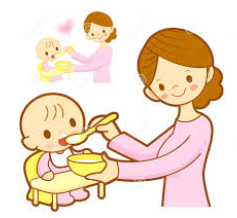
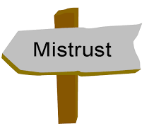
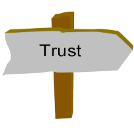
For the first year of your life, the only worry you had was
food! The amount of food and comfort you got during this
time affects how you feel towards the world as a whole.
For example,you either are very trusting or you don't like
trusting other people.

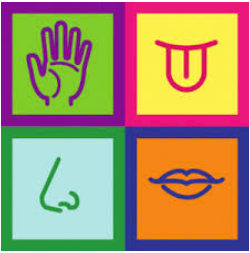
Going into the second year of your life, you take
in the world by touching things, tasting things,
and smelling things.

You probably didn't like strangers. This is because
you didn't already have an idea of who they were
and their faces didn't fit anything you were used
to.

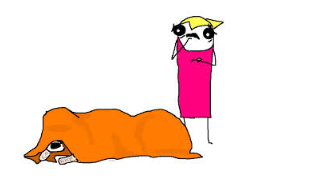
Remember that game your parents played with
you... peek-a-boo? Well that gave you a sense of
object permanence. Object permanence is when
even though something is covered, you know it's
there.


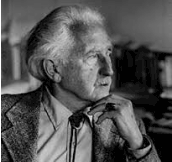
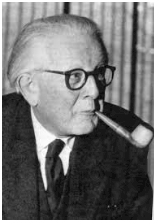
 first and second stages
of development!
(Erickson)
 sensorimotor stage
 of development!
(Piaget)
 CHAPTER 3
CHILDHOOD PART 1

Since you were about two, you've learned a lot. At the age
you are now, about six or seven, you've learned how to walk,
talk, control your own body and rely on yourself.


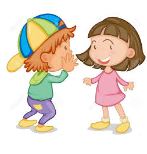

When you were about 3, the main thing you
learned was how to control your body and the
world around you. This is told in Stage 2 of
Erickson's stages of development.



Your imagination also starts to come into play
during these years, especially when you try to
bring dolls and action figures to life. That
practice of pretending something is alive when
it really isn't, is called animism.


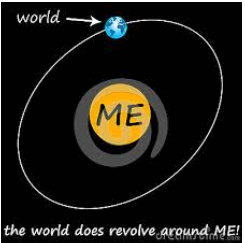
It is likely that at this age, you feel that the
world revolves around you, therefore you are
egocentric. Piaget would say that you are in
the preoperational stage of development.


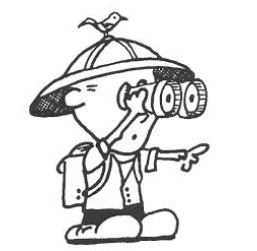
At this age, you want to try to understand
everything. you also want to feel like you are a
god person who has the opportunity to
explore.

 Chapter 4
Attachments

All "healthy" people can form attachments.
Your parents have a lot of power over your
ability to attach yourself to others. If your
parents don't touch you or spend enough time
with you, you could have issues forming
attachments later on in life.


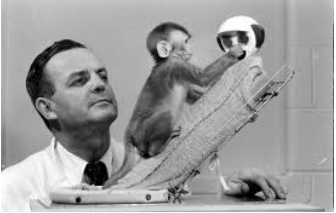
Harry Harlow tested this on baby monkeys. All
the times that being comforted or touched
could make the monkeys happier, they went to
a fake monkey covered in cloth as opposed to
a wire one who just had food.
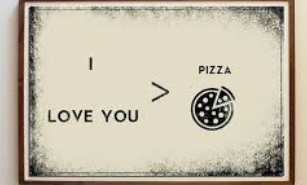
 In young children, love is, in a way,
a greater need than food.
You've previewed 28 of 43 pages.
To read more:
Click Sign Up (Free)- Full access to our public library
- Save favorite books
- Interact with authors

- < BEGINNING
- END >
-
DOWNLOAD
-
LIKE(5)
-
COMMENT()
-
SHARE
-
SAVE
-
BUY THIS BOOK
(from $8.59+) -
BUY THIS BOOK
(from $8.59+) - DOWNLOAD
- LIKE (5)
- COMMENT ()
- SHARE
- SAVE
- Report
-
BUY
-
LIKE(5)
-
COMMENT()
-
SHARE
- Excessive Violence
- Harassment
- Offensive Pictures
- Spelling & Grammar Errors
- Unfinished
- Other Problem





COMMENTS
Click 'X' to report any negative comments. Thanks!