
This dedication goes to my grandpa, who inspires me to continue drawing. He supports me and helps me get ready to start selling my artwork.
I also want to dedicate this to my sister, who taught me how to draw and to love art so much. She is helping me make my goals and dreams come true.

TABLE OF CONTENTS
Chapter 1 Sketch 6
Chapter 2 Cursive Art
Chapter 3 Cartoon 12
Chapter 4 Graffiti 14
Art is fun to learn; you can create many things with art. So, in this book, I will be showing you four different types of art and explaining their definitions. I will also show some drawing tools you can use for each. We will explore simple steps to use them.
Finally, I will be showing you some drawings to help you understand what the different types of art look like.
Chapter 1.
Sketch
DEFINITION
Sketch is a rough drawing that gives the basic features of a subject without going into fine details.
It's just a quick way to plan out your drawing, or to get an idea of what you want to draw. It's also a way to practice drawing skills.
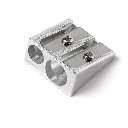
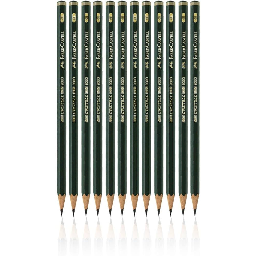
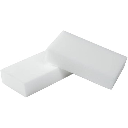
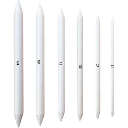
DRAWING TOOLS
These are just some of the basic tools you can use. There are many, many more.


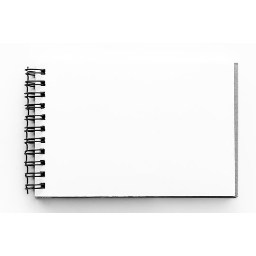
sketchbook
Graphite
pencils
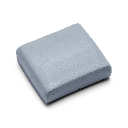
art erasers
blending
stumps

pencil
sharpener

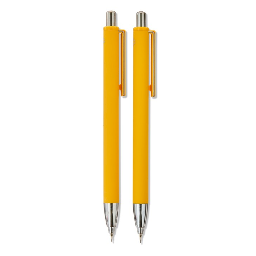
mechanical
pencils
Practice every day. The more you do, the more muscle memory you build up.
Basic Shapes
Start with basic shapes. All objects and things are made of basic shapes. Sketch with lighter lines.

HOW TO SKETCH
Begin to train your eyes to see the shapes and forms of objects around you. You can start with pictures in magazines and printed materials. Trace the shapes that you see.
Then, try to recreate those objects you traced, using the basic shapes that the objects are made of.
Start with simple objects and sketch them using the basic shapes. Once you're comfortable, move on to more complex objects around you. Finally, practice, practice, practice.
Chapter 2
Cursive Art
DEFINITION:
a handwriting style with connected letters often used when doing designs,
DRAWING TOOLS
offer smooth, consistent ink flow and allow for line variation; key tools include brush pens, fountain pens, and quickly designed paper lettering.
HOW TO DO CURSIVE ART
Mastering cursive art is an enjoyable process that requires practice and patience. The key is to focus on fundamental techniques and consistency to develop a fine and elegant script. like italic style.
In cursive art, it is a classic, elegant hand that emphasizes structure, consistency, and a slight slant. Here are key topics: use smooth paper designed for calligraphy that won't feather or bleed. This included practicing every day to get better at it.
EXAMPLES
Use dip pens with broad-edge nibs or specific calligraphy fountain pens like the Pilot Parallel pens or broad-tip calligraphy markers, or you can just use pencils like I do sometimes.
- Full access to our public library
- Save favorite books
- Interact with authors

- < BEGINNING
- END >
-
DOWNLOAD
-
LIKE(1)
-
COMMENT()
-
SHARE
-
SAVE
-
BUY THIS BOOK
(from $4.79+) -
BUY THIS BOOK
(from $4.79+) - DOWNLOAD
- LIKE (1)
- COMMENT ()
- SHARE
- SAVE
- Report
-
BUY
-
LIKE(1)
-
COMMENT()
-
SHARE
- Excessive Violence
- Harassment
- Offensive Pictures
- Spelling & Grammar Errors
- Unfinished
- Other Problem

COMMENTS
Click 'X' to report any negative comments. Thanks!