In the evaluation phase of our project, a pre-evaluation questionnaire for teachers was conducted and its analyses were included.

CONTENTS
1- TEACHER PRELIMINARY PROJECT EVALUATION SURVEY AND ANALYSIS / Filiz Alıcı Pages 3-35
SURVEY ANALYSIS STUDY
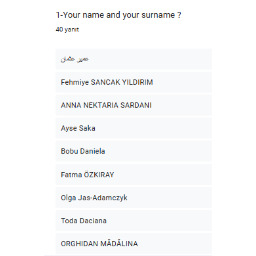
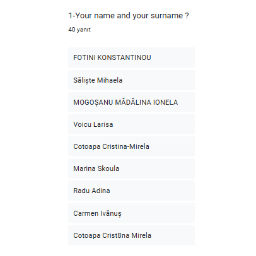
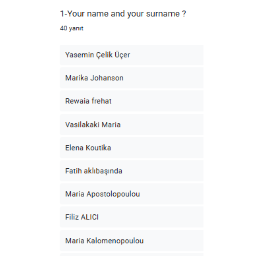
The survey was conducted using the names of the teachers included.
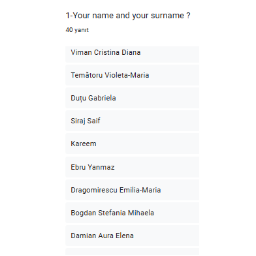
The survey was conducted using the names of the teachers included.
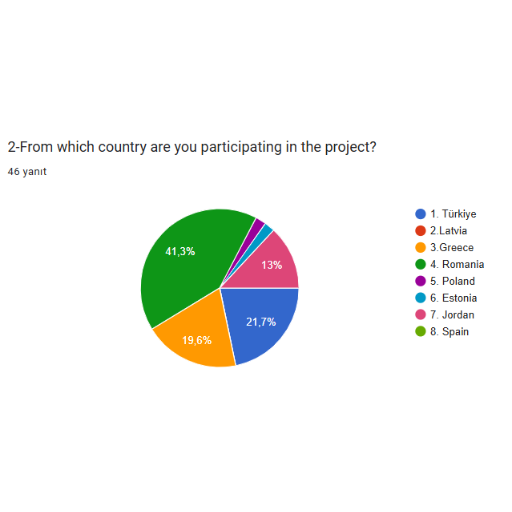
Looking at the participation rates of our survey by country, we see that 41.3% (19 teachers) are from Romania, 21.7% (10 teachers) are from Türkiye, 19.6% (9 teachers) are from Greece, 13% (6 teachers) are from Jordan, and 2.2% each are from Estonia and Poland.
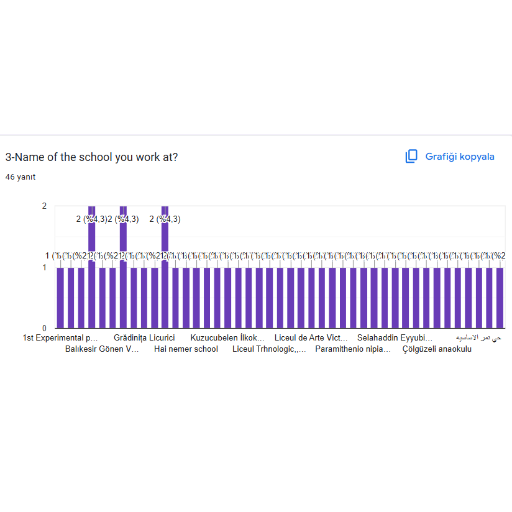
The schools listed participated in the survey.
"6th Kindergarten of Kos,GPP Raza de Soare, Pitesti, Grădinița cu P.P Licurici, Paramithenio nipiagogio, مدرسه حي نمر ,Taime Lasteaed, Söğütlü Anaokulu /Trabzon, ȘCOALA GIMNAZIALĂ COMIȘANI , Hai Nimr School , Heat master, Școala Gimnazială ,,Dimitrie Gusti” Nereju - Grădinița Nr 3 Nereju, Liceul de Arte Victor Giuleanu G.P.P.Nord 2 Râmnicu Vâlcea Romania, Kindergarten of Stavrodromoi , Liceul de Arte "Victor Giuleanu" / G.P.P. Nord 2, Liceul de Arte " Victor Giuleanu", G.P.P.Nord2 , Liceul Teoretic com.Periam-Grădinița P.P.Periam, 2nd Experimental Kindergaten of Rethymno Greece, حي نمر الاساسيه, TO ROZ MPALONI, Selahaddin Eyyubi Anaokulu, Nemer Mixed Secondary School,Kuzucubelenİlkokulu,Balıkesir Gönen Vocational and Technical Anatolian High School Kindergarten, Çölgüzeli anaokulu, Hai nemer school,Liceul Trhnologic,, Prof. Ilie Gavrila", Liceul Vocațional Pedagogic NicolaeBolcaș Beiuș, Liceul de Arte Victor Giuleanu / Grădinița cu Program Prelungit Nord 2, Rm Vâlcea, Ünye Atatürk Primary School Kindergarten, Hüseyin Türkmen İlkokulu, 1st Experimental primary school Alexandroupolis,2nd Pilot Kindergarten of Rethymno, Greece,مدرسة حي نمر الثانويه للبنات, Liceul Teoretic Periam,CENNET ANA ANAOKULU,GedikkayaKindergarten,Liceul de Arte Victor Giuleanu GPP NORD 2,Grădinița Licurici,Samorządowe Publiczne Przedszkole w Strawczynie,Paramithenio nipiagogio (fairytale kindergarten),Grădinița Rița Gărgărița, Liceul Trhnologic,, Prof. Ilie Gavrila", Ciorani, Romania,SCOALA GIMNAZIALA COMISANI"
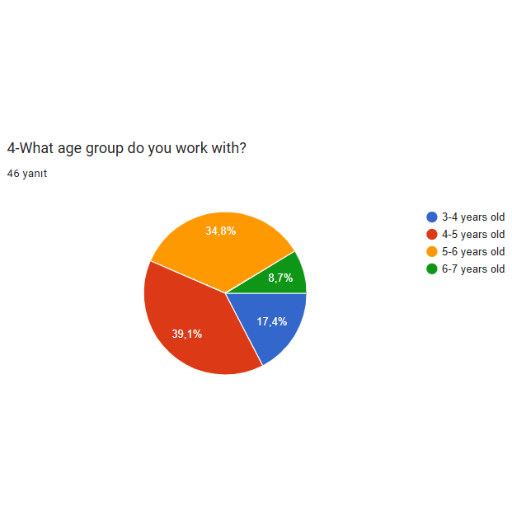
Looking at the age distribution of the students participating in the project, it was observed that 39.1% were in the 4-5 age group, 34.8% in the 5-6 age group, 17.4% in the 3-4 age group, and 8.7% in the 6-7 age group.
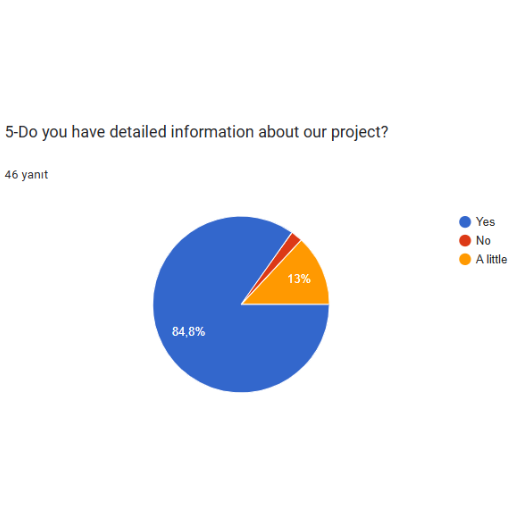
To the question "Do you have detailed information about our project?", 84.8% 39 teachers answered "Yes", 13% 6 teachers answered "Something", and 2.2% 1 teacher answered "No".
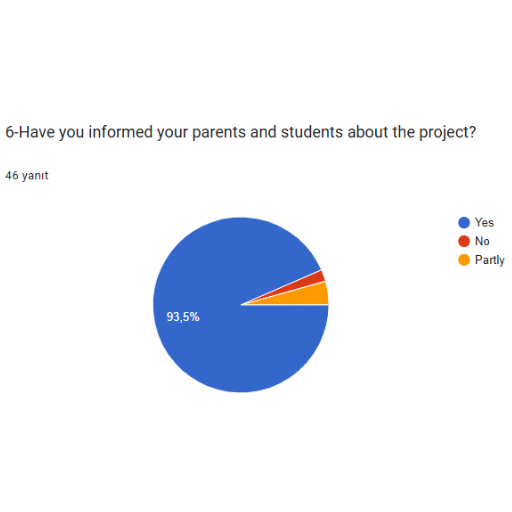
To the question, "Have you informed your parents and students about the project?", 93.5% 9 teachers answered "Yes", 4.3% 2 teachers answered "Partially", and 2.2% 1 teacher answered "No".
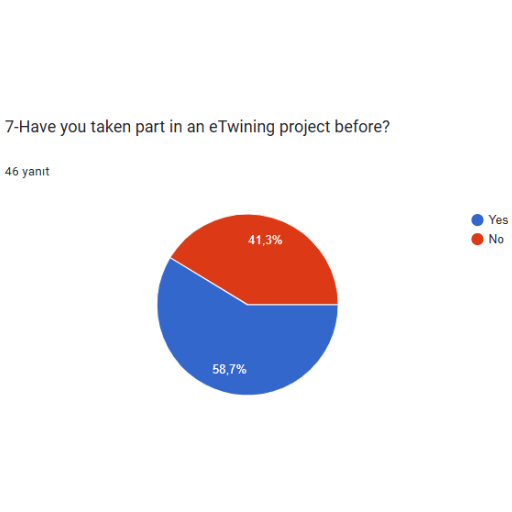
To the question "Have you previously participated in an eTwinning project?", 27 teachers (58.7%) answered "Yes" and 19 teachers (41.3%) answered "No".
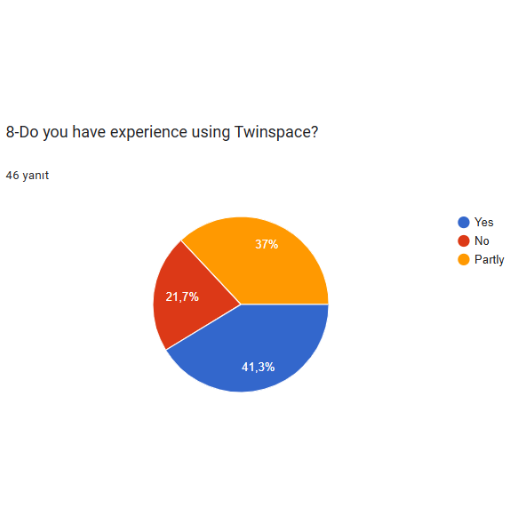
When asked if they had experience using Twinspace, 41.3% 19 teachers answered "Yes," 37% 17 teachers answered "Partially," and 21.7% 10 teachers answered "No."
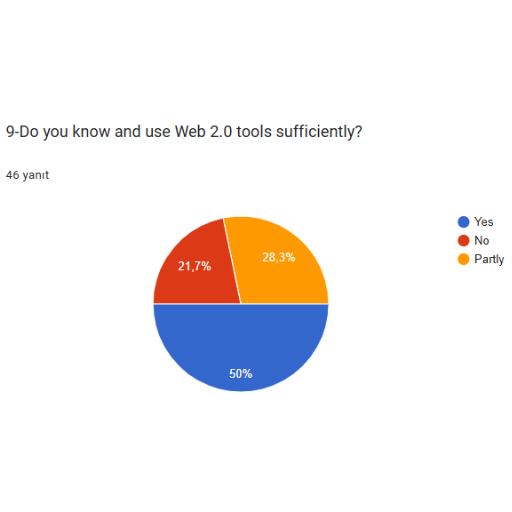
To the question "Do you know and use Web 2.0 tools sufficiently?", 23 teachers (50%) answered "Yes", 13 teachers (28.3%) answered "Partially", and 10 teachers (21.7%) answered "No".
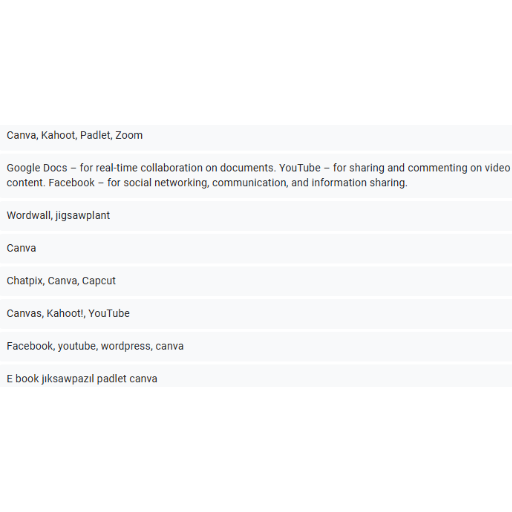
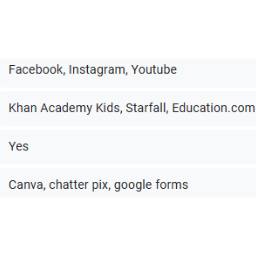
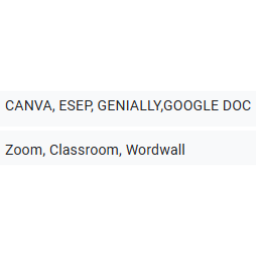
When asked to list the three Web 2.0 tools they use most frequently, teachers wrote down the Web 2.0 tools mentioned in the list.
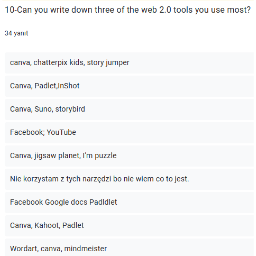
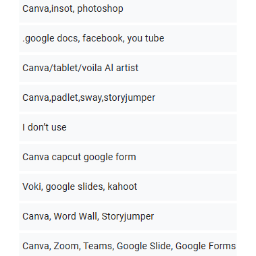
The most widely used Web 2.0 tools listed were Canva, Padlet, Google Tools, and WordWall.
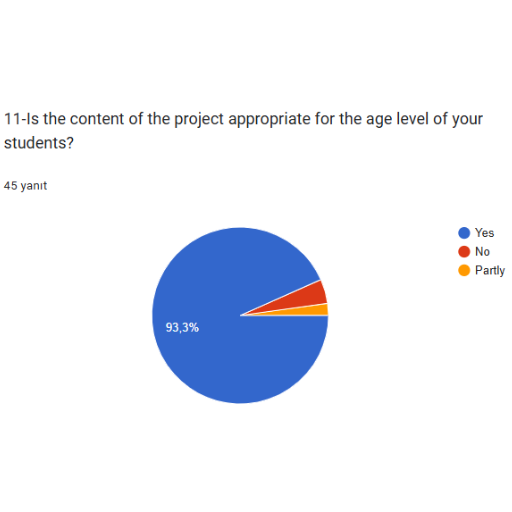
To the question "Is the project content appropriate for your students' age level?", 93.3% 42 teachers answered "Yes", 4.4% 2 teachers answered "No", and 2.2% 1 teacher answered "Partially".
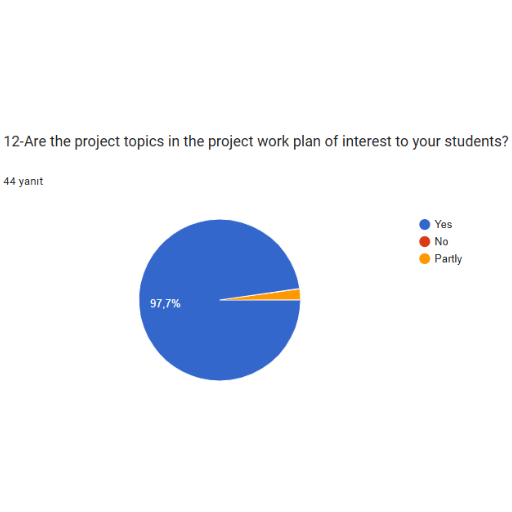
To the question, "Are the project topics in the project work plan of interest to your students?", 97.7% 43 teachers answered "Yes," while 2.3% 1 teacher answered "Partially."
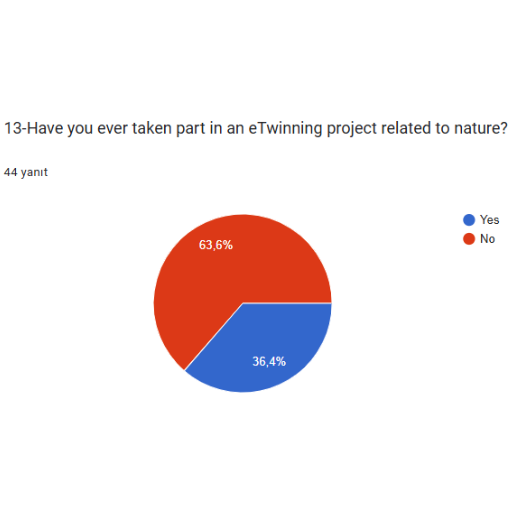
To the question "Have you previously participated in an eTwinning project related to nature?", 63.6% 28 teachers answered "No" and 36.4% 16 teachers answered "Yes".
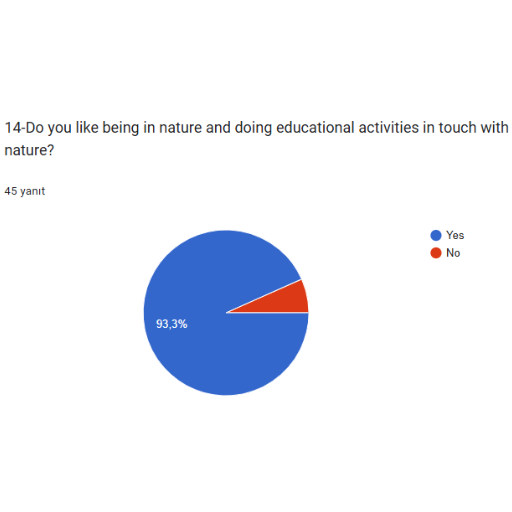
To the question, "Do you enjoy being in nature and conducting educational activities in harmony with nature?", 93.3% 42 teachers)answered "Yes" and 6.7% 3 teachers answered "No".
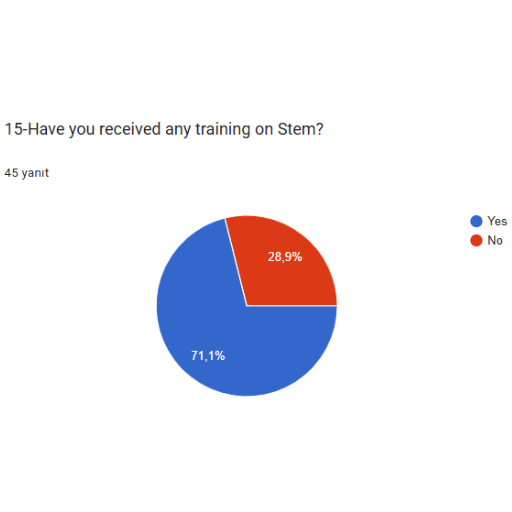
To the question "Have you received any training in STEM?", 71.1% 32 teachers answered "Yes" and 28.9% 13 teachers answered "No".
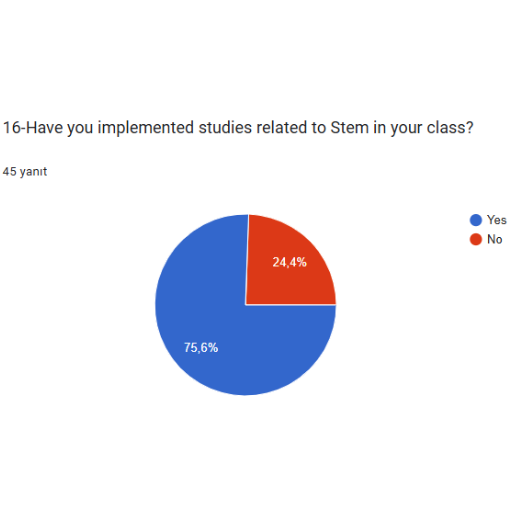
To the question "Have you implemented STEM-related activities in your lessons?", 75.6% 34 teachers answered "Yes" and 24.4% 11 teachers answered "No".
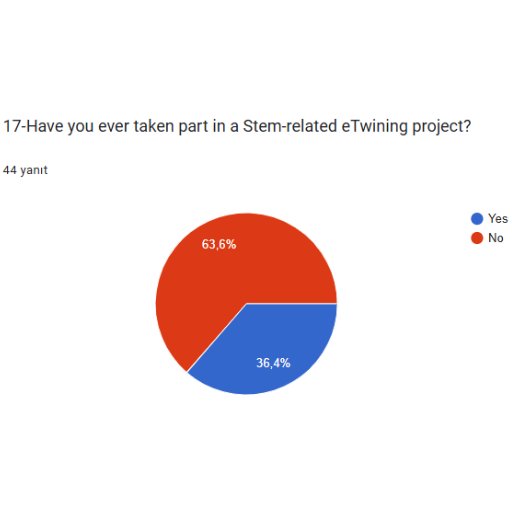
When asked if they had previously participated in an eTwinning project related to STEM, 63.6% 28 teachers answered "No," while 36.4% 16 teachers answered "Yes."
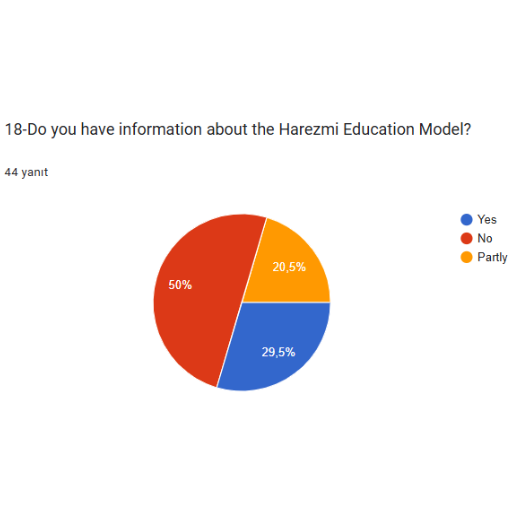
To the question "Are you aware of the Khwarizmi Education Model?", 22 teachers 50% answered "No", 13 teachers 29.5% answered "Yes", and 9 teachers 20.5% answered "Partially".
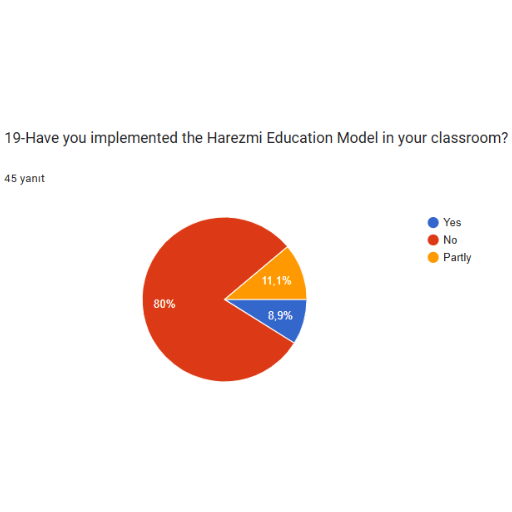
To the question "Have you implemented the Khwarizmi Education Model in your classroom?", 36 teachers 80% answered "No", 5 teachers 11.1% answered "Partially", and 4 teachers 8.9% answered "Yes".
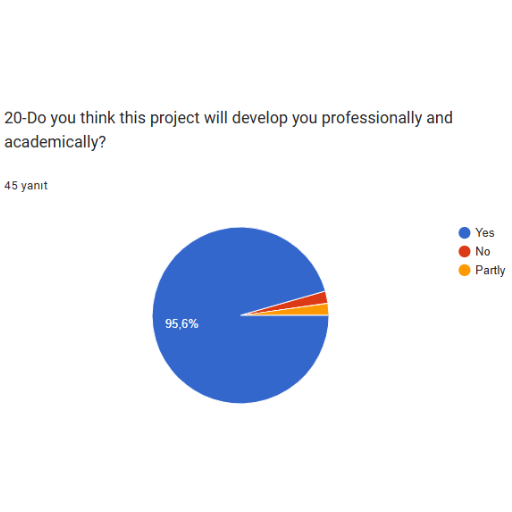
To the question, "Do you think this project will improve you professionally and academically?", 95.6% 43 teachers answered "Yes," while 2.2% 1 teacher each answered "No" and "Partially."
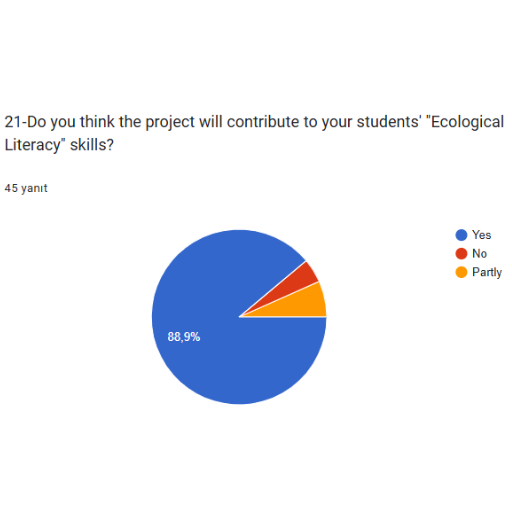
To the question, "Do you think the project will contribute to your students' 'Ecological Literacy' skills?", 88.9% 40 teachers answered "Yes", 6.7% 3 teachers answered "Partially", and 4.4% 2 teachers answered "No".
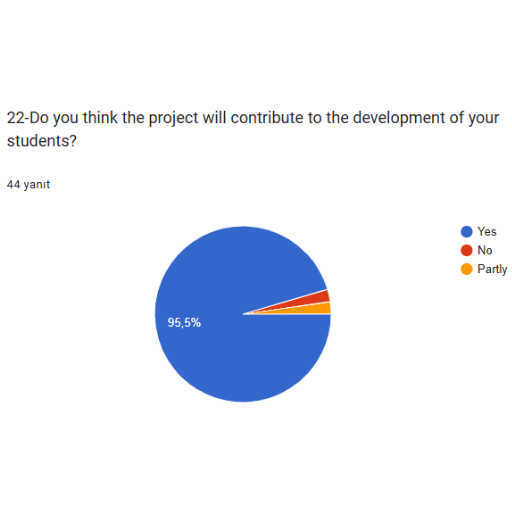
To the question, "Do you think the project will contribute to your students' development?", 95.5% 42 teachers answered "Yes," while 2.3% 1 teacher each answered "Partially" and "No."
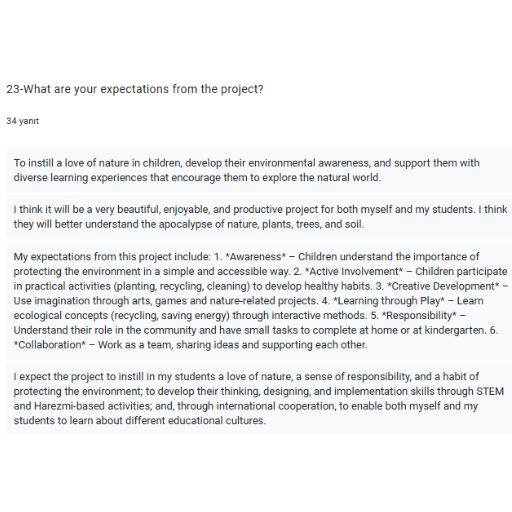
When asked what their expectations were from the project, the teachers shared their opinions.
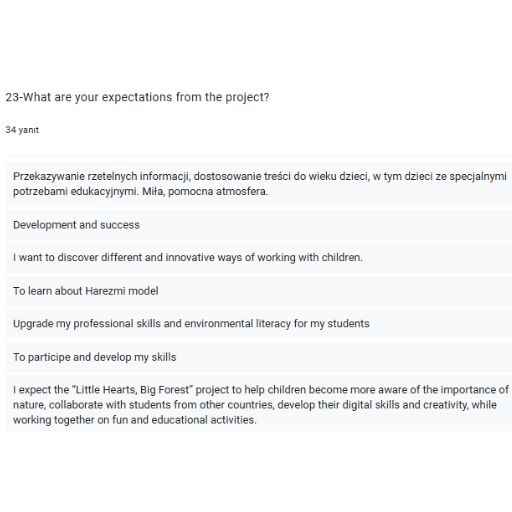
When asked what their expectations were from the project, the teachers shared their opinions.
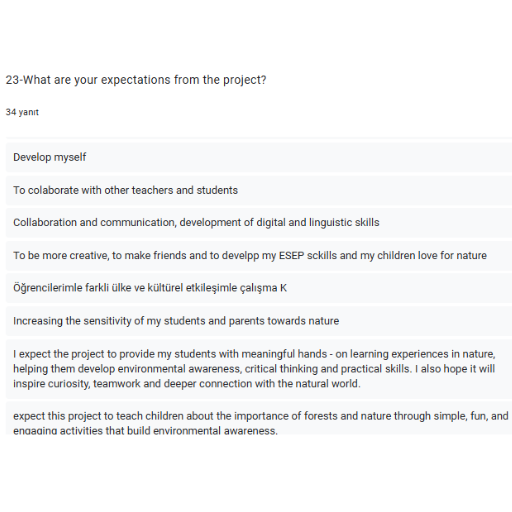
When asked what their expectations were from the project, the teachers shared their opinions.
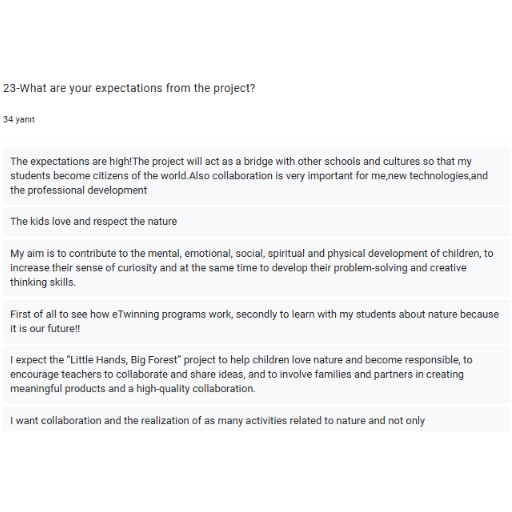
When asked what their expectations were from the project, the teachers shared their opinions.
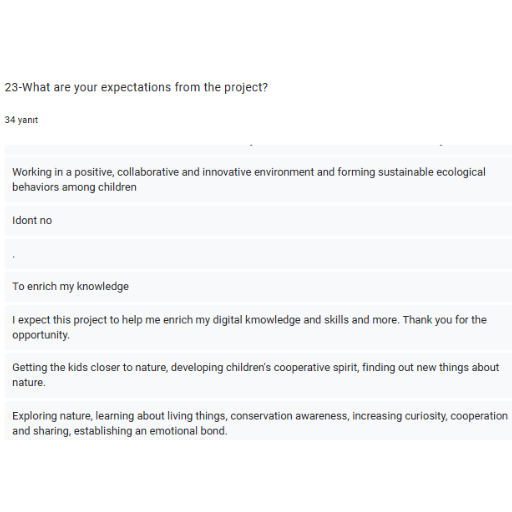
When asked what their expectations were from the project, the teachers shared their opinions.
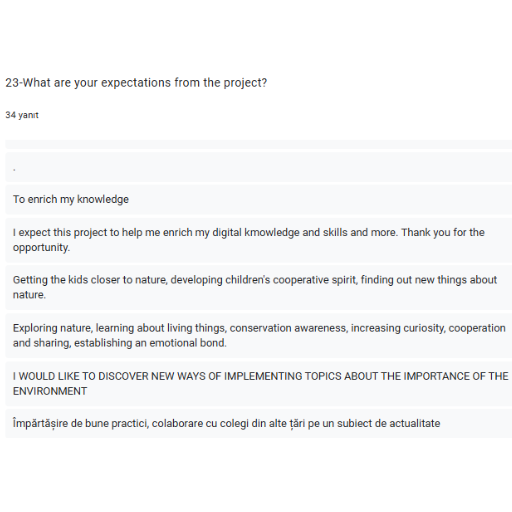
The common point in the teachers' opinions is that the project aims to enable children to learn with pleasure by developing their curiosity, fostering a love for nature and forests, increasing environmental awareness, promoting a spirit of quality collaboration, and improving digital and language skills. Furthermore, the teachers aimed to learn and apply STEM and Khwarezmian educational models through this project.
Thank you to all the teachers who contributed to our survey.



- Full access to our public library
- Save favorite books
- Interact with authors

2025-2026
BIG FORESTS
PROJECT PRE-TEACHER SURVEY AND ANALYSIS
- < BEGINNING
- END >
-
DOWNLOAD
-
LIKE
-
COMMENT()
-
SHARE
-
SAVE
-
BUY THIS BOOK
(from $10.79+) -
BUY THIS BOOK
(from $10.79+) - DOWNLOAD
- LIKE
- COMMENT ()
- SHARE
- SAVE
- Report
-
BUY
-
LIKE
-
COMMENT()
-
SHARE
- Excessive Violence
- Harassment
- Offensive Pictures
- Spelling & Grammar Errors
- Unfinished
- Other Problem






COMMENTS
Click 'X' to report any negative comments. Thanks!