

Introduction
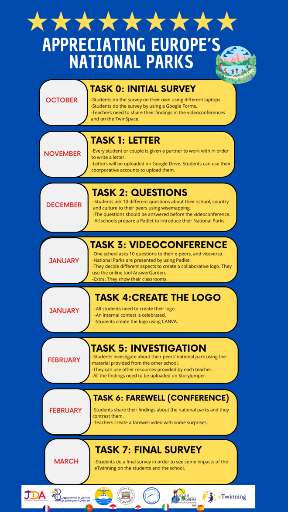
This book contains research papers about the national parks of partner countries, created by our young researchers.
SPAIN
Welcome to Spain! In this chapter, we are going to present The Picos de Europa National Park!
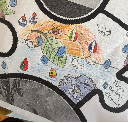
Spanish students at work
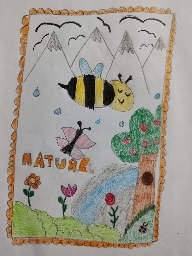
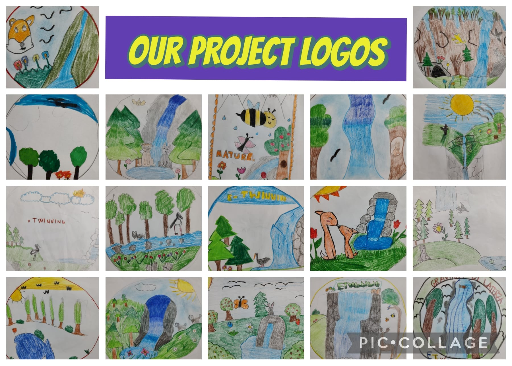
Logotypes created by Spanish students
Questions from Spain to Portugal
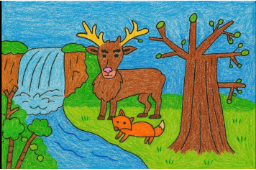
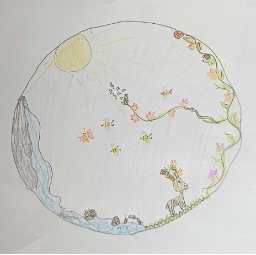
Spanish logos
Answers from Portugal
1.Where are the Picos de Europa located?
The Picos de Europa is a very big mountain area. The Picos de Europa are in the north of Spain, between the regions of Asturias, Cantabria, and Castile and León.
2.What is the total area of the Picos de Europa?
The national park covers an area of about 670 square kilometers.
3.What animals and flowers can you see in the Picos de Europa?
In the Picos de Europa, visitors can see cows with big horns and other animals such as the Pyrenean chamois (goat-antelope), Iberian wolves, golden eagles and alpine choughs (yellow beak crow). It is possible to see rare Cantabrian brown bears.
The flora is also amazing. We can see many beautiful wildflowers such as Great Yellow Gentians, different types of orchids, white asphodels (sometimes called onion weed) and mountain pansies in the limestone meadows.
4. What activities can you do in the Picos de Europa?
In this special place in the North of Spain, we can have lots of fun because it is like a natural playground for the people who enjoy spending time outside. People can go hiking on the trails. This way they can walk in nature, smell the wildflowers and see amazing sights. People can also observe cows with big horns and other animals.
If people feel brave, they can go rock climbing. The pretty lakes are also places which deserve a visit and a stop to enjoy a picnic. There are many places where we can observe the great landscape such as the Mirador de la Princesa or Mirador de Camarmeña. We must not forget to read the signs to get information about the places we are allowed to visit.
5. What happens if you litter or throw trash on the ground?
We must keep everything clean. We are supposed to protect the enviroment. Littering can result in fines because it harms the environment. It is not allowed to camp anywhere we want and we must not scare the animals.
6.What should you pack in your bag if you visit the Picos de Europa?
We should have a small backpack to carry a bottle of water, a snack, a map, a hat or a cap and sunglasses. We should also use sunscreen and insect repellent. It could be a good idea to wear a waterproof climbing jacket. We should always wear other comfortable clothes and the right boots for mountain walking. There is another essential item: a good camera or mobile phone to take great photos.
7.What happened in the summer of 2025 in the Picos de Europa?
The summer of 2025 was extremely hot. The fire damaged vital ecosystems and landscape turned orange and brown, trails were cut off by the fire and villages were evacuated.
8.When was the Picos de Europa designated as a National Park?
The Picos de Europa National Park was officially designated as a national park in 1918. So, it is one of the oldest national parks in Spain.
9.What is the highest mountain in the Picos de Europa, and how high is it?
The highest mountain in the range is Torre de Cerredo. Torre de Cerredo is about 2,650 meters high and it is in the central massif on the border of Asturias and León.
10.Why are the Picos de Europa special?
This park is Spain's first National Park (1918). It is special because of its impressive mountains (beautiful landscape of limestone peaks), rich biodiversity and proximity to the sea.
11.What was the original name of the Picos de Europa?
The original name of the Picos de Europa varied over the centuries. The original name was the (it means Crags of Europe). The sailors who returned from the Americas saw the limestone peaks for the first time and called them Peñas de Europa (e.g.: Rupes Europae in 1530). When it was designated a national Park, it was called Montaña de Covadonga.
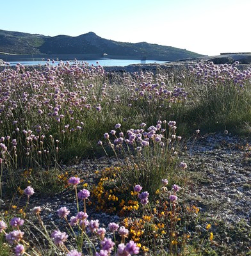
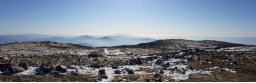
PORTUGAL
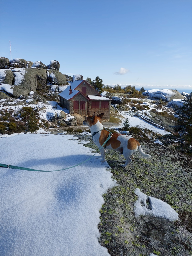
Not a native dog, but took part in a teachers' meeting.
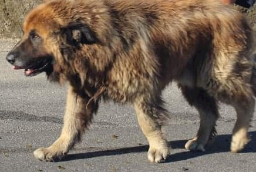
A real sheperd's dog.
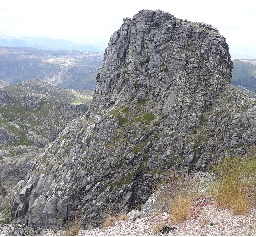
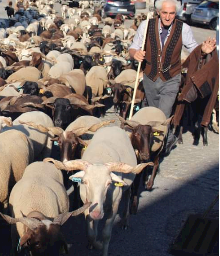
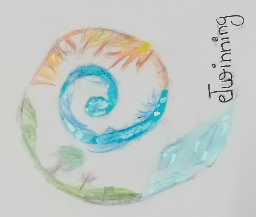
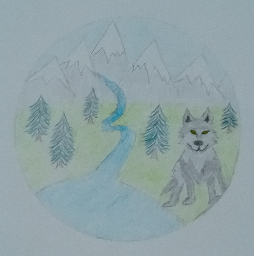
Portuguese logos
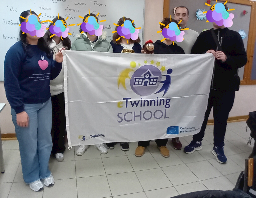
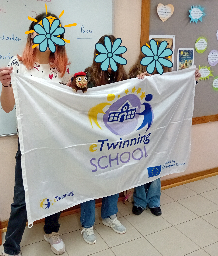
Portuguese students at work
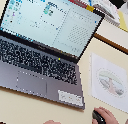
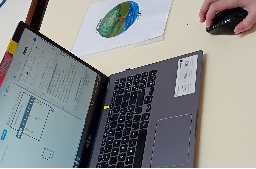
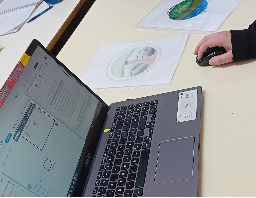
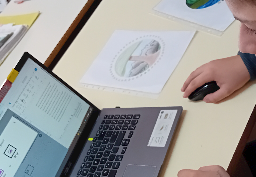
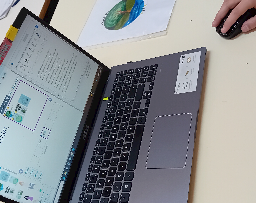
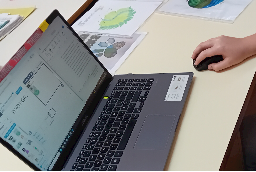
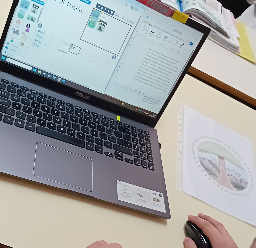
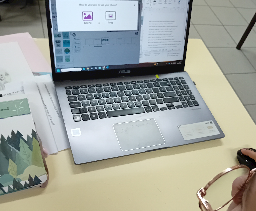
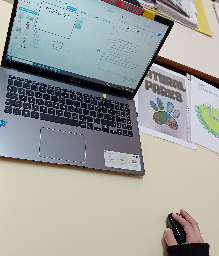
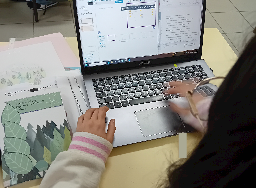
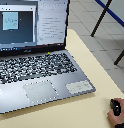
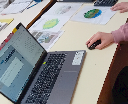



On the 13th of March the Portuguese students gathered during a workshop break and accessed twinspace to start writing our answers.
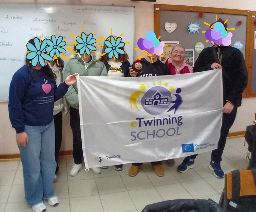
Questions from Portugal to Spain
2. What is the highest peak in Serra da Estrela?
3. How were the big rocks and valleys in Serra da Estrela formed?
4. Did glaciers really exist in Serra da Estrela a long time ago?
5. What kinds of animals live in Serra de Estrela today?
6. What plants can only be found in Serra da Estrela?
7. Why is Serra de Estrela important for rivers in Portugal?
8. What do people who live inside the Natural Park do there?
9. What is the famous Serra da Estrela cheese made from, and why is it special?
10.How does the Geopark help protect nature and teach people about geology?
11. How does transumance work in Serra da Estrela?
1. Serra da Estrela is a Natural Park because it protects special plants and animals, like the Estrela Mountain Dog and rare flowers. It is a Geopark because it has amazing rock formations and deep valleys.
2. The highest peak in Serra de Estrela is called Torre. It reaches exactly 1,993 meters high, but they built a stone tower on top to make it reach exactly 2000 meters.
3.Long ago, hot liquid rock cooled down underground to make the big, hard granite blocks we see today. Then, giant ice glaciers slid down the mountain like huge bulldozers ,carving out the deep ,wide valleys!
4. Yes, giant ice glaciers really covered the mountain about 20,000 years ago during the Ice age, and they were so heavy they carved out the huge valleys we see today.
5.Today , you can find the brave Serra da Estrela mountain dog protecting sheep, along with shy Iberian wolves, golden eagles and even a tiny lizard that lives nowhere else in the world.
6.Because the mountain is so high and cold , some plants evolved to live only there, like the Estrela mountain catchifly (Silene foetida) and a special kind of yellow daisy (Doronicum cordatum).
7. Serra de Estrela is like a giant water tower for Portugal because the snow and rain that fall on the peaks melt and flow down to start three major rivers: the Mondego, the Zezere and the Alva.
8. Most people who live inside the park are shephers who look after flocks of sheep, or they work in tourism, helpìng visitors who come to ski in the winter or hike in the summer.
9. The famous Queijo da Serra is made from sheep's milk and a special flower called thistle. It is special because it is super creamy!
10.The Geopark protects "stone giants" like ancient glacial valleys and granite peaks so that the Eath's history stays safe forever.
11. When the summer gets too hot and the grass in the low valleys dries up, the shepherds and their brave dogs lead the sheep way up to the high mountain peaks where it is still cool and green. Then, when the winter snow starts to fall, they walk all the way back down to the warmer valleys so the sheep don't freeze.




Spanish students at work:
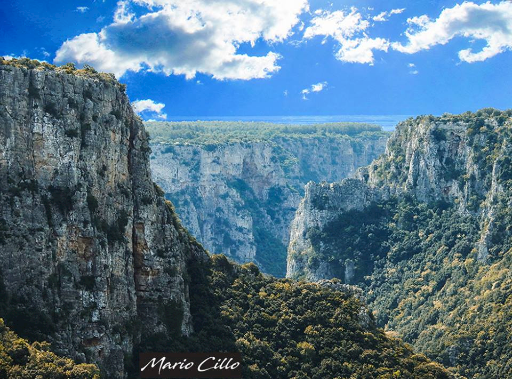
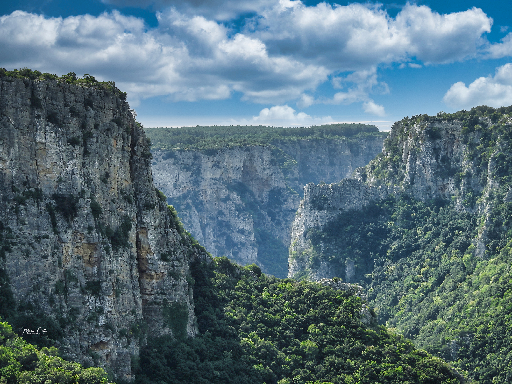
Italy

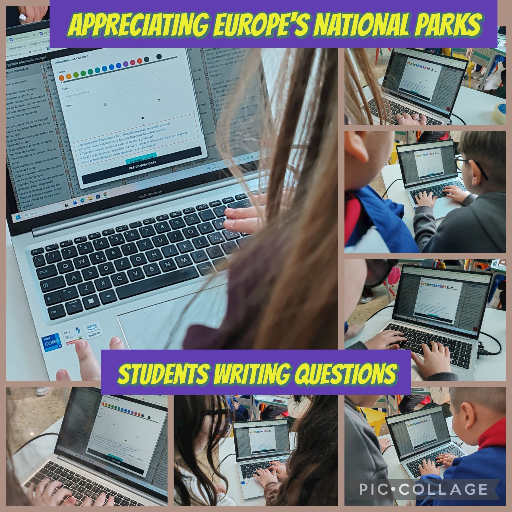
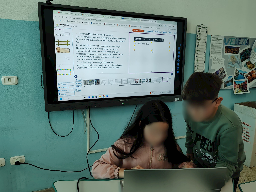
Italian students at work
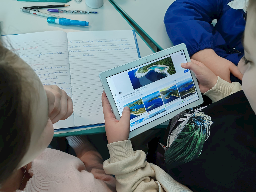


Questions from Italy to Croatia (Ploče)
1. In which part of Italy is the Terra delle Gravine Regional Natural Park located?
2. When was the Terra delle Gravine Regional Natural Park founded?
3. How wide is the Gravina of Laterza? What is its maximum depth?
4. What is the European ranking of the Gravina of Laterza in terms of length and width?
5. What birds can be seen in the Terra delle Gravine Regional Park?
6. What are the rarest flowers or plants we can find in the Gravina of Laterza?
7. How was the Gravina of Laterza formed?
8. What animals can we find in the Gravina of Laterza?
9. What rare insects can you find in the Terra delle Gravine Regional Natural Park?
10. What sports can you practice in the Gravina of Laterza?
Answers from Croatia (Ploče)
1. The Terra delle Gravine Regional Natural Park is located in southern Italy, in the Apulia (Puglia) region, mainly around the province of Taranto.
2. The Terra delle Gravine Regional Natural Park was founded in 2001.
3. The Gravina of Laterza is one of the most famous ravines in the Terra delle Gravine park. Its measurements are:
Width: about 400–500 meters
Maximum depth: around 100 meters
4. European Ranking
Second largest gravina (ravine/canyon) in Europe: According to Italian sources, the Gravina di Laterza is considered the second largest of its kind in Europe in the context of gravine (the deep erosional ravines typical of Puglia and similar to canyons).
Answers from Croatia (Ploče)
5. Terra delle Gravine Regional Natural Park is home to many birds such as Egyptian vultures, peregrine and lanner falcons, kites, buzzards, owls, hoopoes, blue rock thrushes, and ravens.
6. The Gravina of Laterza is home to several rare and endemic plants adapted to rocky and dry habitats. Among the most notable are Centaurea subtilis, Arum apulum, and rare wild orchids such as Ophrys species. These plants are rare because they grow only in very specific microhabitats found in the gravine and surrounding Murge area.
7. The Gravina of Laterza was formed by river erosion and the chemical dissolution of limestone over thousands of years.
Answers from Croatia (Ploče)
8. In the Terra Gravine Regional Natural Park, you can find a rich diversity of animal species.
- *Birds*: Notable birds include griffon vultures and golden eagles, along with various songbirds.
- *Mammals*: Common mammals include wild boars, foxes, and hares, as well as various rodents.
- *Reptiles*: The park is home to snakes and lizards that thrive in its habitats.
- *Insects*: A range of insects, particularly butterflies, contribute to the park's biodiversity.
Answers from Croatia (Ploče)
9. In the Terra delle Gravine Regional Natural Park, you can find several rare and interesting insects, especially because of its wild ravines, Mediterranean vegetation, and rocky habitats. Some notable ones include:
European stag beetle – one of Europe’s largest beetles, rare in many places.
Great capricorn beetle – a protected species that lives in old oak trees.
Rosalia longicorn – a striking blue-gray beetle considered rare and protected.
Southern festoon butterflies – uncommon butterflies found in warm, rocky areas.
Various rare cave insects – tiny species that live only inside ravines and caves.
10. In the Gravina of Laterza, you can practice several outdoor sports, especially nature and adventure activities: hiking / trekking, rock climbing canyoning and
mountain biking
Croatia
(Ploče)
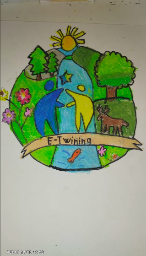
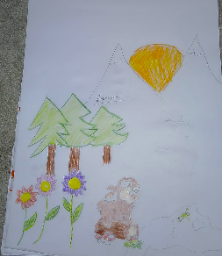
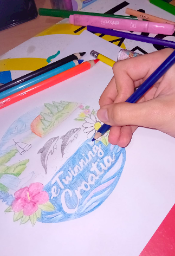
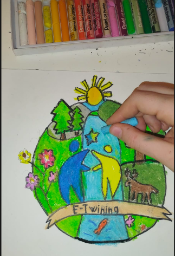
Croatian logos
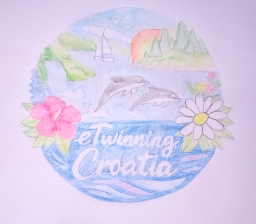
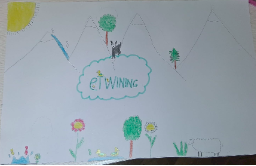
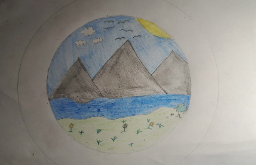
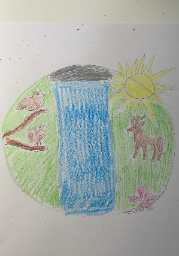
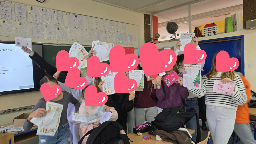
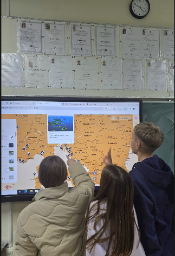
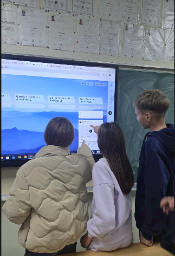
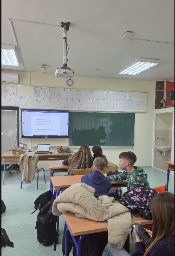
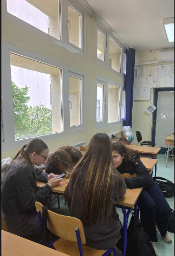
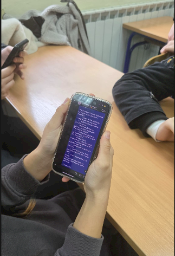
Croatian students at work

Questions from Croatia to Italy
1. Where is Mljet National Park located?
2. What kind of vegetation predominates in Mljet National Park? Which animals can we see there?
3. Is there any cave in Mljet National Park?
4. In which part of the year is the best to go in Mljet National Park?
5. What kind of clothes should we take with us when we go in Mljet National Park?
6. What are the two lakes on Mljet called, and are they actually lakes at all?
7. Which cultural and historical monument can we see on Mljet?
8. Why is Mljet called the greenest island in Croatia?
9. In which see is Mljet located?
10. Are there any permanent residents on Mljet?
Answers from Italy (Laterza)
1. It is on the western part of the island of Mljet in southern Croatia, in the Dubrovnik-Neretva County, in the Adriatic Sea.
2. The park is rich in Mediterranean forest and lush vegetation. You can see diverse wildlife: mammals like deer, mouflon, wild boar, many birds, reptiles, and marine life in the lakes and sea.
3. Yes — the island’s coast has karst caves, including the well-known Odysseus Cave (“Jama”) near the coast.
4. The best time to visit is from May through September (especially spring and early fall) when the weather is mild and ideal for outdoor activities.
5. Lightweight, comfortable clothes are good for warm weather in spring/summer — think T-shirts, shorts, sunscreeen, a hat, and sturdy shoes for walking or biking.
6. They’re called Veliko Jezero (Great Lake) and Malo Jezero (Small Lake). They are technically deep bays of the sea filled with seawater, not freshwater lakes.
7. On a small island in Veliko Jezero stands an old Benedictine monastery and church, a popular historical site in the park.
8. Because it has dense forests and rich natural landscapes, and much of the island (especially in the park) is preserved in its natural state — lush and green.
9. Mljet is in the Adriatic Sea.
10. Yes, the island has permanent inhabitants living in villages such as Polače and Pomena, though the park area itself is protected and not heavily populated.
France

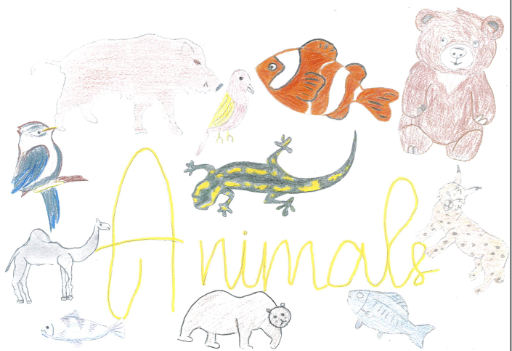
French logos


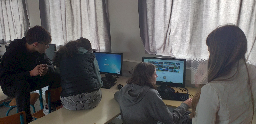
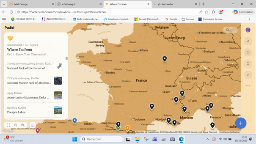
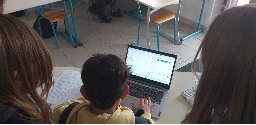
French students at work
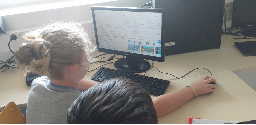
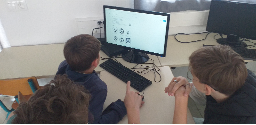
Questions from France to Croatia
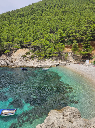
1. Where is the Calanques National Park ?
2. Is it near Marseille or Paris ?
3. What can people see in the Calanques ?
4. Can people swim in the Calanques ?
5. Can people hike or walk there ?
6. What animals can live in the park ?
7 Is the sea blue or green in the Calanques ?
8. Is the Calanques National park big or small?
9. Can you tell when it was created ?
10 . Would you like to visit the Calanques? Why or why not ?
Answers from Croatia
1. It is in southern France.
2. It is near Marseille.
3. A lot of beautiful cliffs, flora and fauna.
4. & 5. We think yes.
6. We found that in this National park there are a lot of different species of birds, such as Bonelli's eagle, Peregrine falcon, Yellow-legged gull,
European shag, Alpine swift. Additionaly, there are a lot of fish, for example Dusky grouper and
Greater amberjack. There are also corals (Red coral) and dolphins. Some specific species are also Ocellated lizard, Wild boar, Bats, Montpellier snake, Cicadas.
Answers from Croatia
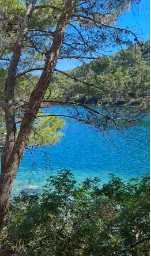
7. It depends, but it has both colors. For example, near the white limestone cliffs and over sandy patches, the water is a brilliant turquoise or emerald green. In the deeper areas, it turns into a deep, intense sapphire blue.
8. It is pretty large, but 90 % of it belongs to a Mediterranean Sea, and only 85 km² of land.
9. The Calanques National Park was officially created on April 18, 2012.
10. We saw it only online, but we like it a lot and definetely would like to visit it one day. It looks beautiful and unique and worth of visiting.
Croatia
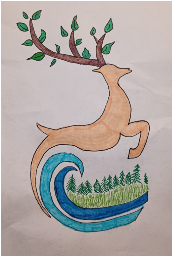
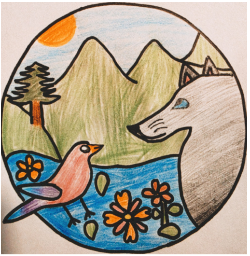
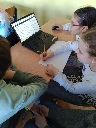
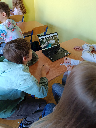
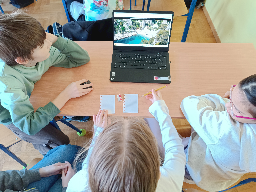
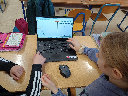
Croatian students at work





Questions from Croatia to France
1. When were the Plitvice Lakes declared as a national park?
2. How many lakes are there?
3. In which part of Croatia are they located?
4. Which plants can be found in this national park?
5. Which animals can be found there?
6. Since which year have they been under UNESCO protection?
7. List the names of some of the lakes.
8. Which lake is the largest?
9. Which lake is the deepest?
10. Why are the Plitvice lakes considered such a valuable natural heritage?
Answers from France
1. They declared the Plitvice lakes a national park in 1949.
2. There are 16 lakes.
3. In the southern part of Mala Kapela mountains.
4. Drosera rutondifolia, Eeriopphorum angustifolium, molinies bleues
5. The top 3 animals are bears, wolfs, lynxs but you can also find salamanders, butterflies, snakes, birds, fish and many more...
Answers from France
6. Since 2000, Plitvice lakes National Park has been protected by UNESCO.
7. Here are 3 names of lakes in Plitvice Park : Lake Kozjak, Lake Burgeti and Lake Grandinsko Jezero.
8. The largest lake is Kozjak with 4 km.
9. Lake Kozjak is the deepest with 47 meters.
10. It is mostly because of their beautiful waterfalls and their blue waters make the Plitvice Park a natural heritage.
Conclusion
and
last remarks
This project helped me teach my students that Europe’s national parks. I think students undwerstood that national parks aren't just beautiful places. They are essential ecosystems that need our protection. In today’s world more than ever: climate change and human impact are increasing. So, we all share the responsibility to preserve these natural treasures for future generations. Fátima Silva (teacher)
This project was a fabulous experience! I had the chance to meet wonderful people from France, Italy, Spain, and Portugal, as well as a great colleague from Ploče. It helped me improve my project management and student coordination skills, while also teaching me how to use new digital tools. I am already looking forward to continuing this collaboration next year! Vida
Working with this team was simply amazing. I hope we can be part of another project next year. Maybe one about The Little Prince? - Fátima Silva (teacher)
I would like to sincerely thank the friends and colleagues from Spain, France, Croatia, and Portugal for the wonderful adventure we shared in carrying out the eTwinning project. This experience gave both me and my fifth-grade students the opportunity to develop and improve several skills, especially social and digital ones, through engaging and collaborative activities. Together, we explored the national parks of the countries involved and, at the same time, deepened our knowledge of our regional natural park, “Terra delle Gravine,” which surrounds the town of Laterza. It has been a journey full of discovery, cooperation, and growth that we will carry with us over time.
Thank you. Giuseppe Bufano (teacher)
It was a wonderful experience participating in this project. I learned many new things and gained valuable knowledge throughout the process. I also had the opportunity to meet amazing partners, which made the experience even more special. I am truly grateful to everyone for their participation, collaboration, and great company. Monika
When I first envisioned this eTwinning project, I could only hope it would blossom into the extraordinary adventure we have just shared. Today, I want to express my deepest gratitude to my dedicated friends and colleagues across France, Croatia, Portugal and Italy. You believed in this vision and helped turn it into a vibrant reality.
Watching my own fifth-grade students—alongside all of yours—connect, collaborate, and grow has been the greatest reward of this journey. Together, we did more than just develop vital social and digital skills; we built a bridge between our classrooms. By exploring the magnificent national parks of your countries and rediscovering the beauty of our own local nature reserves, we fostered a profound respect for the environment and for one another.
This project was founded on the ideals of cross-cultural discovery and cooperation, but the enthusiasm, creativity, and dedication you brought to it far exceeded my highest expectations.
Thank you for embarking on this journey with me, and for helping to create a legacy of international friendship that our students will carry in their hearts for a lifetime.
With immense gratitude,
Kevin Albacete, Escola La Sagrera (Spain)
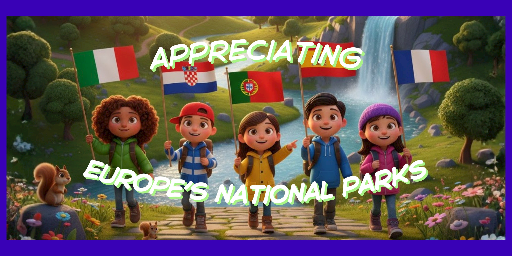
Made by students & teachers from:
Collège Jeanne d'Arc
Osnovna škola Ive Andrića
Agrupamento de Escolas Dr. Guilherme Correia de Carvalho, Seia
Osnovna škola "Vladimir Nazor" Ploče
- < BEGINNING
- END >
-
DOWNLOAD
-
LIKE
-
COMMENT()
-
SHARE
-
BUY THIS BOOK
(from $10.19+) -
BUY THIS BOOK
(from $10.19+) - DOWNLOAD
- LIKE
- COMMENT ()
- SHARE
- Report
-
BUY
-
LIKE
-
COMMENT()
-
SHARE
- Excessive Violence
- Harassment
- Offensive Pictures
- Spelling & Grammar Errors
- Unfinished
- Other Problem





COMMENTS
Click 'X' to report any negative comments. Thanks!