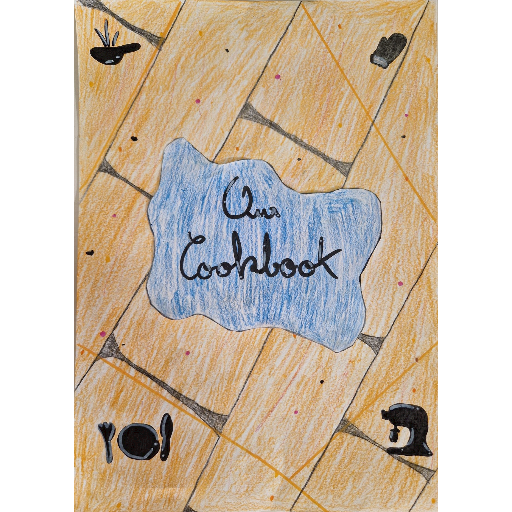
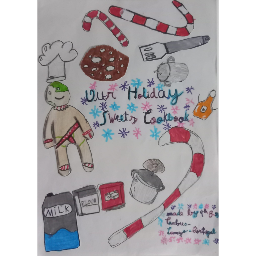
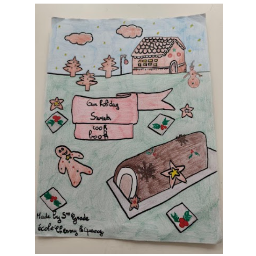
Our special thanks must first and foremost go to all our students who contributed to this book sending their recipes and participating in the Cookbook cover contest.
Hop on Our Hometowns Team










Introduction
This book was created as a result of the "Hop on Our Hometowns" eTwinning Project.
Hope you like it.
We had a great time creating it.
Hop on Our Hometowns Team
Project Founders:
Tina Parac and Şenay Sağlık
Project Members:
Susana Aleixo Joanna Pieścicka
Vaso Chioti Carla Seiceira
Arancha Pernas Aurore Loez
Sofia Gouveia Giorgiana Ioan
Raquel Macedo
Table of Contents:
1- EB Antas, AECCB -
Teachers: Raquel Macedo and Carla Seiceira (PORTUGAL)
2- Osnovna škola kneza Trpimira -
Teacher: Tina Parać (CROATIA)
3- Ahmet Rasim Primary School -
Teacher: Şenay Sağlık (TÜRKIYE)
4- The 12th Primary School of Kozani -
Teacher: VASO CHIOTI (GREECE)
Table of Contents:
5- AELC- EB 1 de Lamego -
Teacher: Susana Aleixo (PORTUGAL)
6- Escola Básica de Cambres- aelc-
Teacher: Sofia Gouveia (PORTUGAL)
7- CEIP Plurilingüe de Abanqueiro -
Teacher: Arancha Pernas (SPAIN)
8- Szkoła Podstawowa nr 11 im. Mirosława Ferica
Teacher: Joanna Pieścicka (POLAND)
Table of Contents:
9- Ecole Chevray
Teacher: Aurore Loez (FRANCE)
10- Școala Gimnazială Romanu, jud. Brăila
Teacher: Giorgiana Ioan (ROMANIA)
1- EB Antas, AECCB - Raquel Macedo and Carla Seiceira

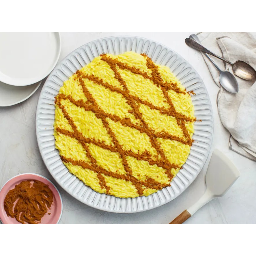
Aletria
It is a type of thin pasta. It comes from Arabic culture and was brought to the Iberian Peninsula by the Moors.
It became an essential dish for the Christmas Eve dinner, particularly in northern regions. A hallmark of the dish is the intricate geometric patterns created with powdered cinnamon on top. It symbolizes abundance.
Ingredients:
500 ml milk (0,50 cents)
200 gr sugar (0, 35 cents)
30 gr butter (0,30 cents)
a pinch of salt (0,05 cents)
1 big lemon peel (0,20 cents)
1 cinnamon stick (0,10 cents)
125 gr vermicelli noodles (Aletria) (0,40 cents)
3 egg yolks (2,40 euros)
Powder cinnamon to decorate the top (0,10 cents)
Total: 4,4 euros
Steps:
1. Combine the milk, sugar, butter, a pinch of salt, and the lemon peel in a saucepan and bring to a boil;
2. Lower the temperature and add the vermicelli. Break it as you put it in the pan.
3. Cook it medium heat until it's soft and has absorbed the milk.
4. Turn off the stove and remove the cinnamon stick and the lemon peel.
5. Add 3 previously beaten egg yolks and stir vigorously.
6. Our into a serving dish and sprinkle cinnamon powder on top.
Safety Tips:
. Ask an adult for supervision.
. Be careful with the cook and sauce pan.
. Use tools carefully.
. Turn off appliances.
2- Osnovna škola kneza Trpimira
Teacher: Tina Parać
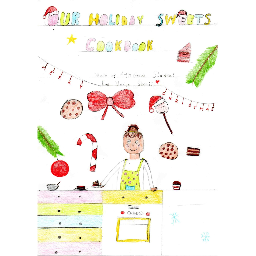

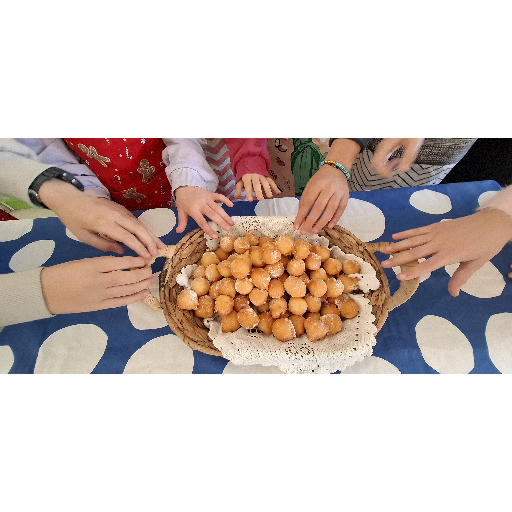
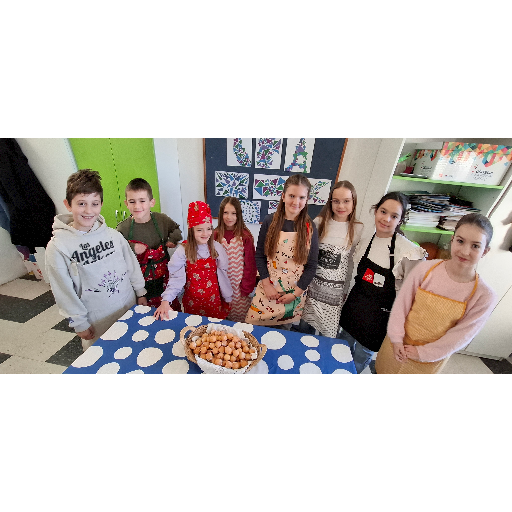
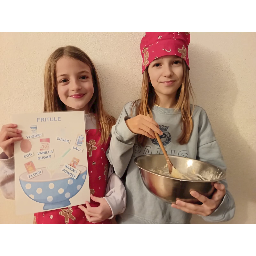
FRITULE
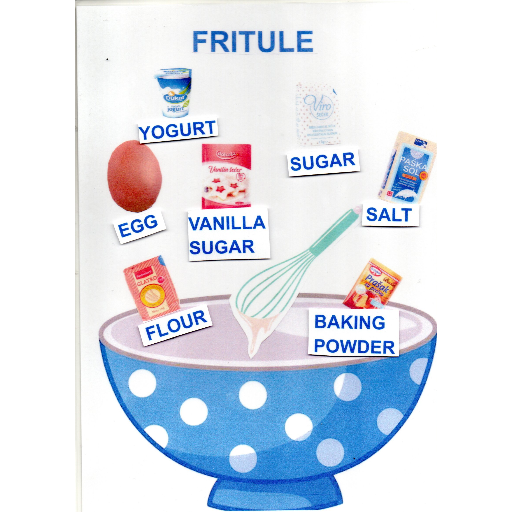
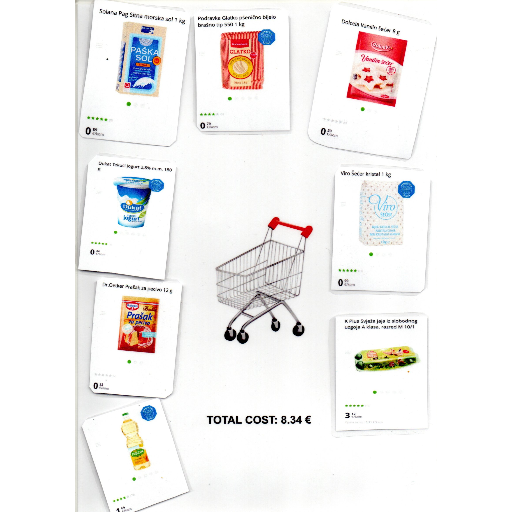
Ingredients
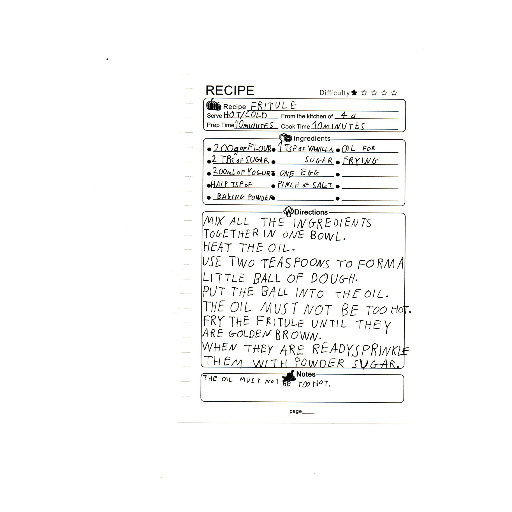
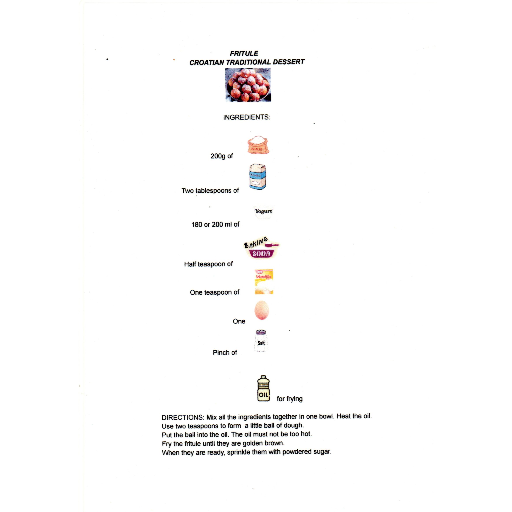
Recipe:
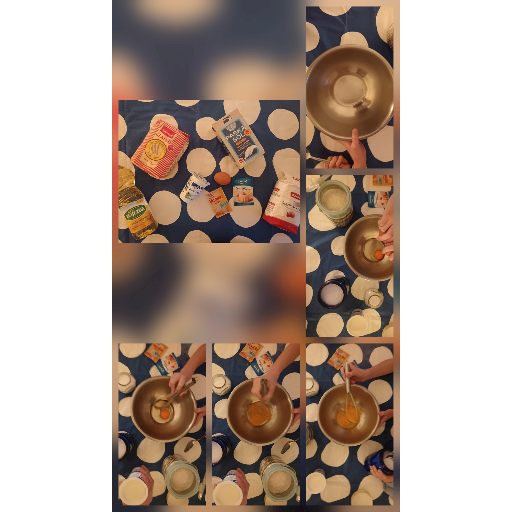


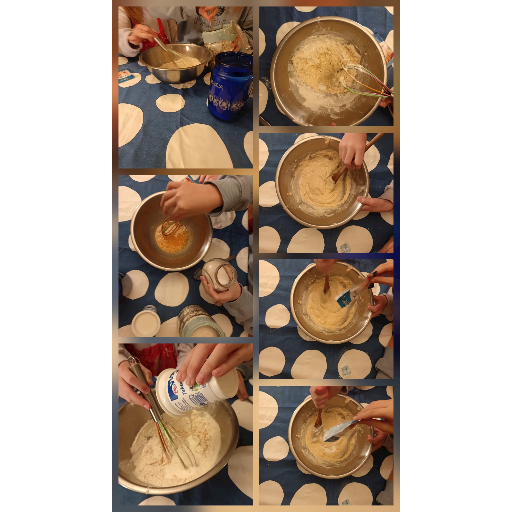



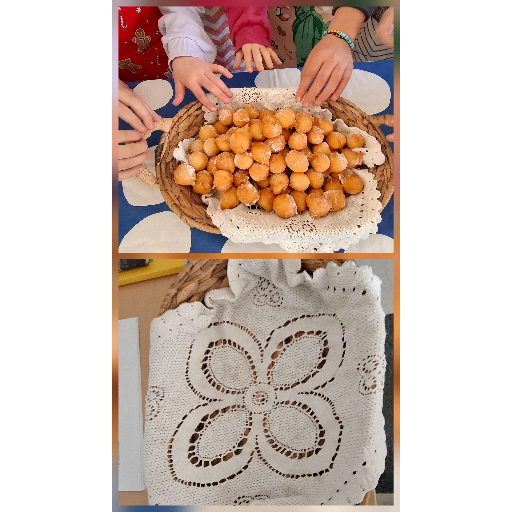
https://youtube.com/shorts/kBSTNgxaTU0?feature=share

Our video
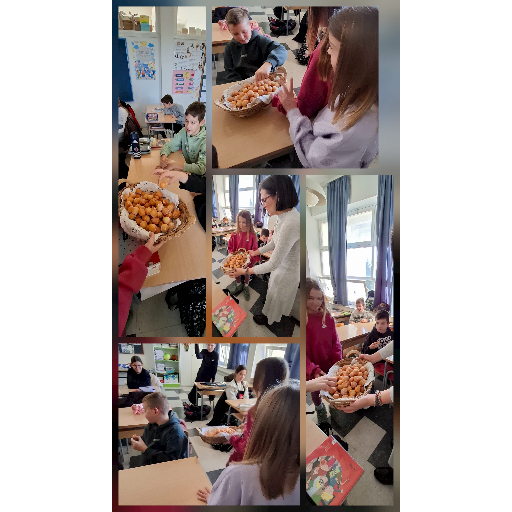
Safety tips while frying Fritule
Never touch hot oil – it can burn you badly.
Stand back while Fritule are frying.
Use a long spoon or scoop to put Fritule into the oil.
Do not splash water near hot oil.
3- Ahmet Rasim Primary School/Türkiye.
Teacher ,Şenay Sağlık
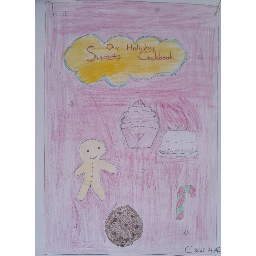

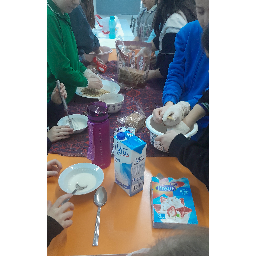
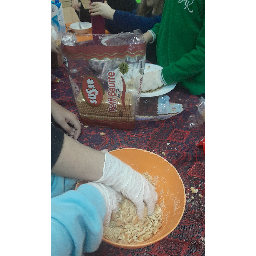
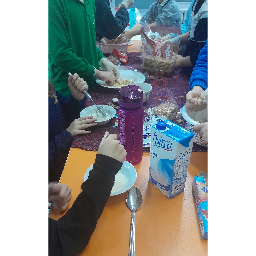
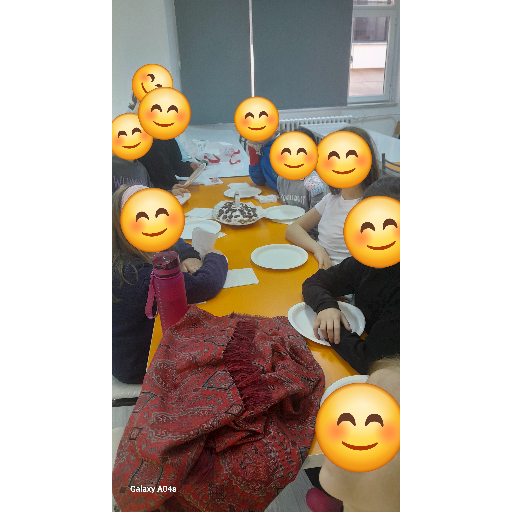
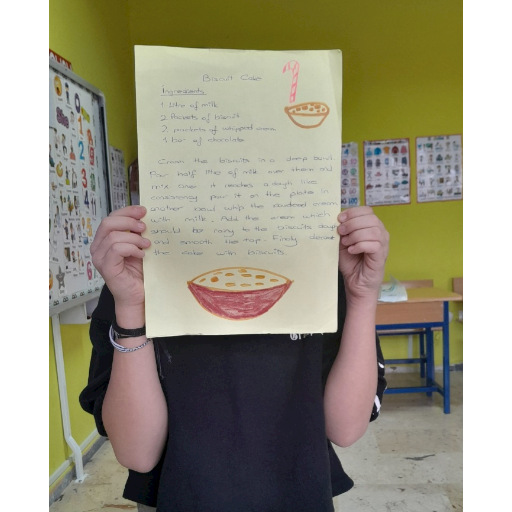
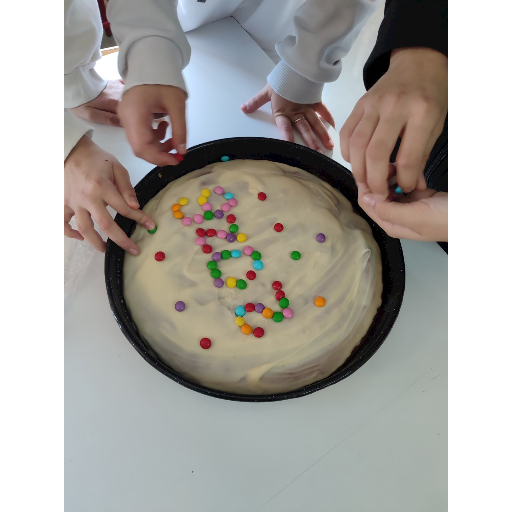
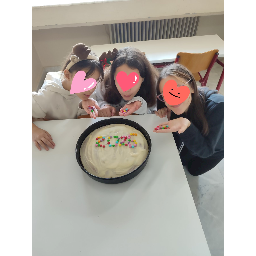
Biscuit Cake
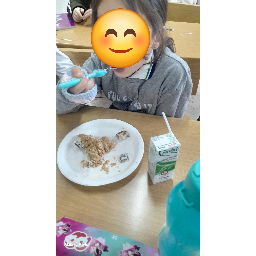
New Years Day ,Turkish people gathered together.They watch TV,play bingo and eat delicious meals.They are very happy when the clock strikes 12.Children who wants to make surprise for their family ,prepares biscuit cake .It is very easy to make
INGREDIANTS:
3 PACKETS OF BİSCUITS
1 LİTRE OF MILK
3 BARS OF CHOCOLATE
2 PACKETS OF WHIPPED CREAM
PRICES
Bıscuıts 100 Turkish Liras
Milk 80 Turkish Liras
Chocolate 100 Turkish Liras
Whipped Cream 80 Turkish Liras
TOTAL 360 Turkish Liras
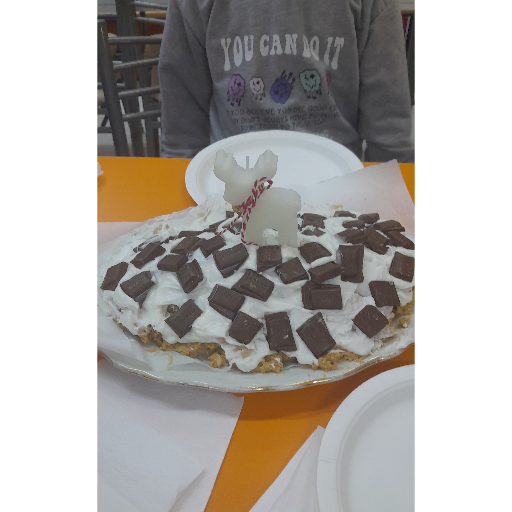
DIRECTIONS
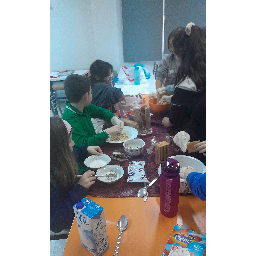
Crush the biscuıts in a deep bowl.Pour half a litter of milk over them and mix.Once It reaches a dough-like consistency, pour it on the plate.In another bowl whip the powdered cream with milk.Add the cream which should be runny to the biscuits dough and smooth the tap. Finally decorate the cake with chocolate pieces.Enjoy your meal.
4-The 12th Primary School of Kozani, Greece,
Teacher VASO CHIOTI
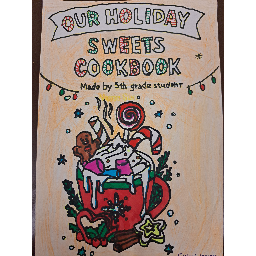
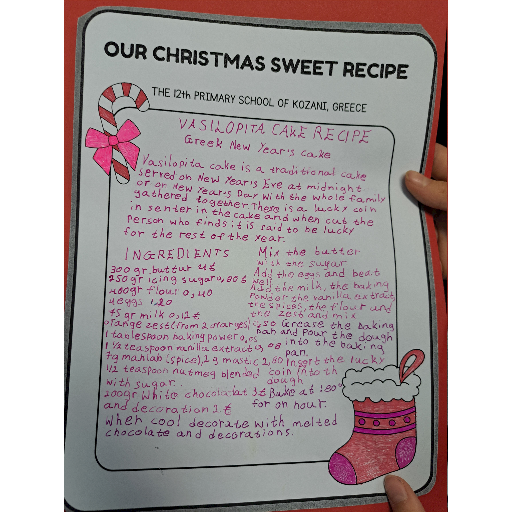
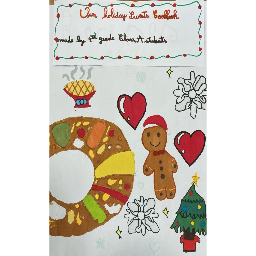
Vasilopita cake is a traditional cake served on New Year's Eve at midnight or on New Year's Day with the whole family gathered together to bless the house and bring good luck. There is a coin inside the cake and when cut, the person who finds the coin is said to be lucky for the rest of the year.
VASILOPITA CAKE OR GREEK NEW YEAR'S CAKE
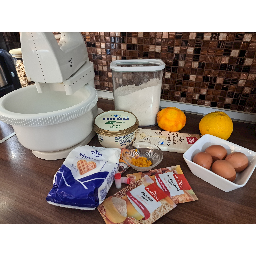
INGREDIENTS
300 gr butter 4,00 euro
250 gr icing sugar 0,80 euro
400 gr flour 0,40 euro
75 gr milk 0,12 euro
4 eggs 1,20 euro
orange zest from 2 oranges 0,50 euro
1 tb baking powder 0,05 euro
1,5 teaspoon vanilla extract 0,08 euro
7 gr mahlab, 2 gr mastic, 0,5 gr nutmeg blended with sugar 2,80 euro
200 gr white chocolate 3 euro
decorations 2 euro
TOTAL PRICE 15,95 euro
DIRECTIONS
1. Mix the butter with the sugar.
2. Add the eggs and beat well.
3. Add the milk, the baking powder, the vanilla extract and the spices.
4. Finally, add the flour and the orange zest and mix.
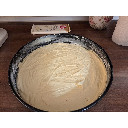
5. Grease a baking pan and pour the dough into the pan.
6. Insert the lucky coin covered in baking paper into the dough.
7. Bake at 180 degrees for about 50 minutes.
8. When cool decorate with melted chocolate and decorations.
5 - AELC- EB 1 de Lamego, Portugal
Teacher Susana Aleixo

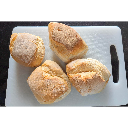
Portuguese "Rabanadas" are known as Portuguese French Toast or "Golden Slices".
They are a Christmas traditional sweet and are an essential part of the Portuguese consoada (Christmas Eve dinner). They are one of the stars of the Portuguese sweets table on Christmas. Rabanadas have roots that may date back to medieval times. It is a practical way to reuse stale bread.
Rabanadas are a symbol of prosperity and tradition.
Portuguese "Rabanadas"
Portuguese "Rabanadas"
Ingredients:
. 800 ml semi-skimmed milk - (0,90 euro -1l) 0,72 euro
. 100 g sugar - (0,99 euro -1kg) 0,10 euro
. 1 lemon rind - (0,40 euro - 1 lemon)
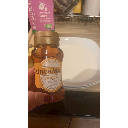
. honey (optional) - (2,65 euro - 180g) 0,25 euro
. 2 cinnamon sticks - (1,99 euro - 80g) 0,10 euro
. 8 slices of crusty bread or stale bread (Portuguese "pão cacete" or similar) - 3,50 euro
. 3 eggs - (1,50 euro - half a dozen) 0,75 euro
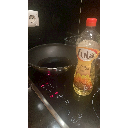
. 500 ml oil for frying - (1,45 euro - 1l) 0,70 euro
. 2 tablespoons sugar (for sprinkling)
. cinnamon (for sprinkling) (1,09 euro - 100g) 0,30 euro
Total: 6,82 €
Directions:
1. Heat the milk with the 100 g of sugar, the lemon rind and the cinnamon sticks, without letting it boil. Remove from the heat and set aside. Put honey in the milk (optional)
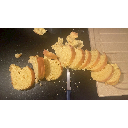
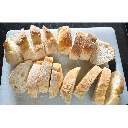
2. Soak the bread slices in the warm milk. Set aside.
3. Dip each slice of bread in the previously beaten eggs.
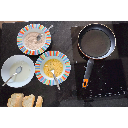
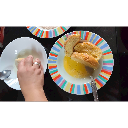

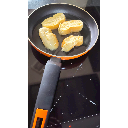
4. Fry them in plenty of hot oil, on both sides, until golden.
5. Drain on absorbent paper and set aside.
6. Mix the sugar with cinnamon for the "rabanadas".
7. Coat each slide in the mixture and serve it warm or at room temperature.

Safety tips
. Don't touch hot oil.
. Stand back while "rabanadas" are frying.
. Use long cooking tongs to put "rabanadas" into the oil.
. Ask an adult for supervision.
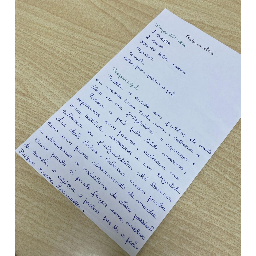
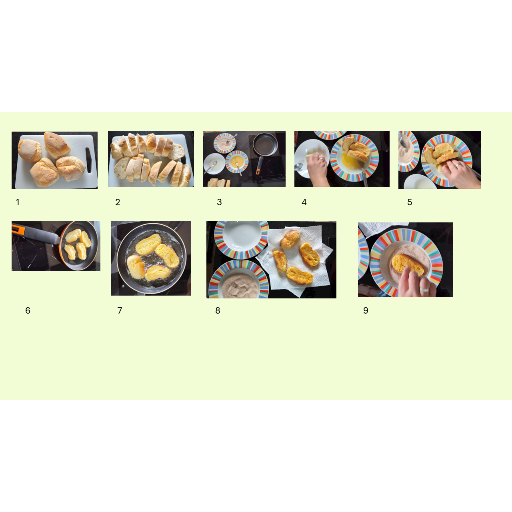
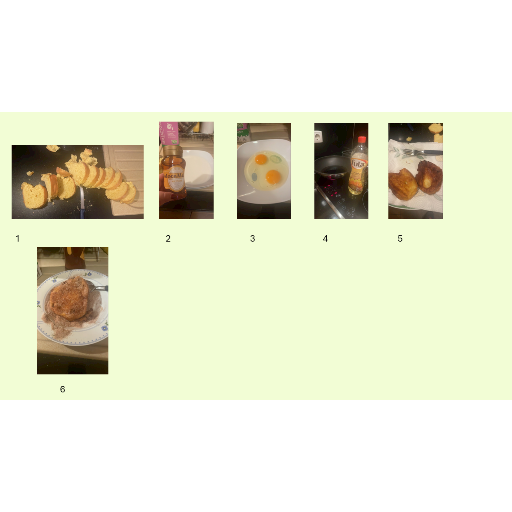
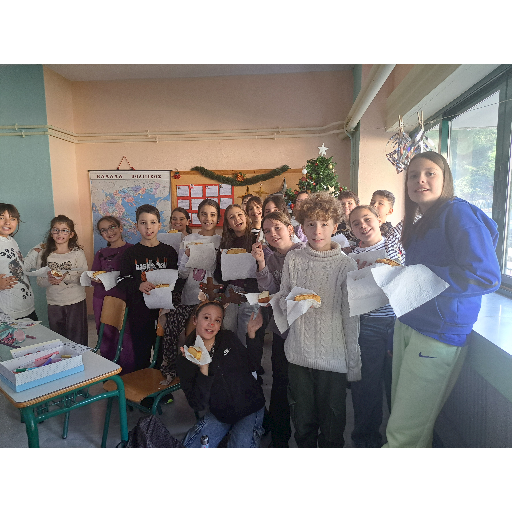
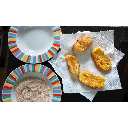
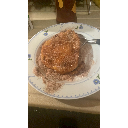
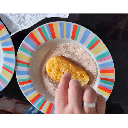
These are the pictures of the process of making "rabanadas". Two mothers of my my students made the "rabanadas" at home with their help!
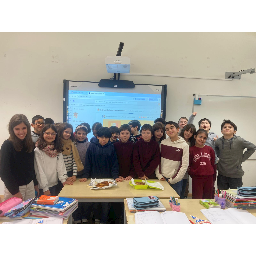
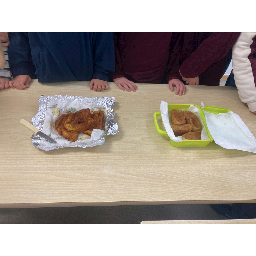
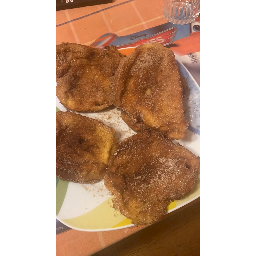
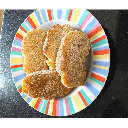
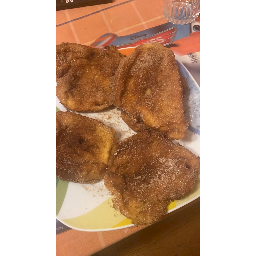
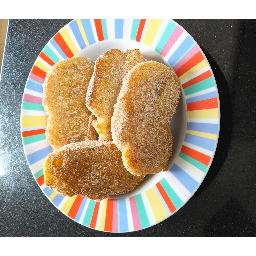
My students tasted the "Rabanadas" made by Santiago, David and Eduardo's mothers!
They were delicious!
6 - Escola Básica de Cambres- aelc- Portugal - Teacher Sofia Gouveia
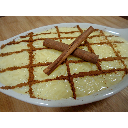
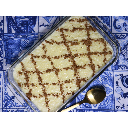
Arroz doce is a traditional rice-based dessert known to many across Portugal.
Although arroz doce can be directly translated as sweet rice, it’s better known as rice pudding.
In brief, it’s a bowl of sweet and creamy rice made with sugar, eggs, cinnamon, and lemon peel, served in special occasions like Christmas and Easter.
Arroz doce - RICE PUDDING
total-7,10€
INGREDIENTS
Directions
2- Add in the milk, cinnamon stick, lemon peel and a pinch of salt.
(Note: The mixture should be very creamy and moist. )
4- Add the sugar, stirring for another minute.
5- Remove it from the heat, pull out the cinnamon stick and the lemon peel.
... and enjoy it!
7 - CEIP Plurilingüe de Abanqueiro - Teacher: Arancha Pernas (SPAIN)
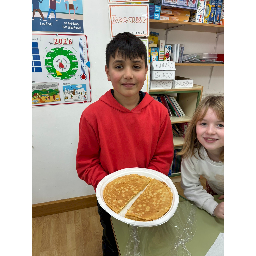
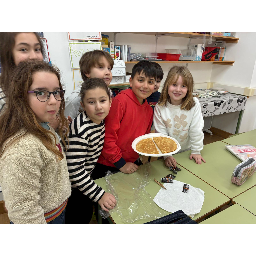
GRANDMA'S CARNIVAL FILLOAS
We make these sweet every carnival.
My mother and I help our grandmother.
They are a traditional dessert in Galicia, the place where we live, in the North East of Spain.
They are easy to make and delicious!
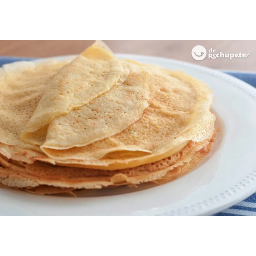
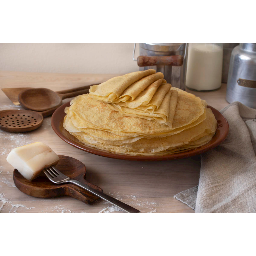
INGREDIENTS:
- Wheat flour: 300 gr - 95cts
- Eggs: 3 - 1€
- Milk: half a litre - 97 cts
- Sugar: 30 gr - 25 cts
- Butter: 2 tablespoons - 25 cts
TOTAL COST = 3,42 €
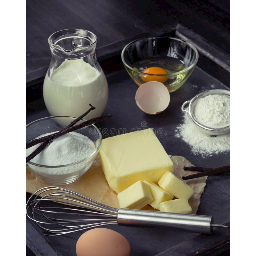
DIRECTIONS:
Mix all the ingredients using a mixer. Then let the dough rest for 15 minutes.
After that, cook in a pan.
Finally, you can fill them with chocolate, honey, jam, cream or sugar.
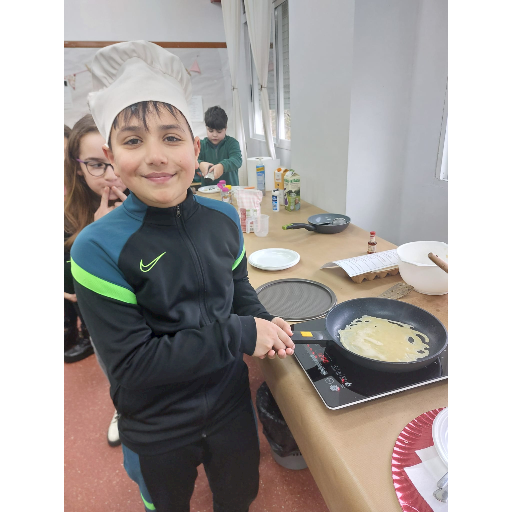
They are delicious! We all enjoy them!
8- Szkoła Podstawowa nr 11 im. Mirosława Ferica
w Ostrowie Wielkopolskim (Poland)
Teacher: Joanna Pieścicka
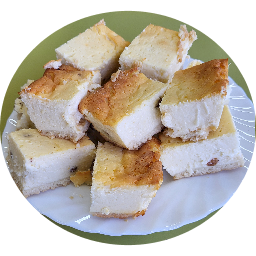
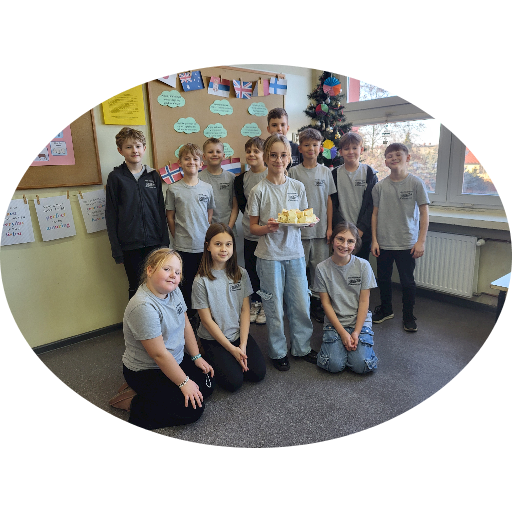
Cheesecake is a very traditional and popular cake in Poland. It came to Poland from Austria a long time ago. People eat it at Christmas, Easter, and also at birthdays or family meetings.
INGREDIENTS:
Filling:
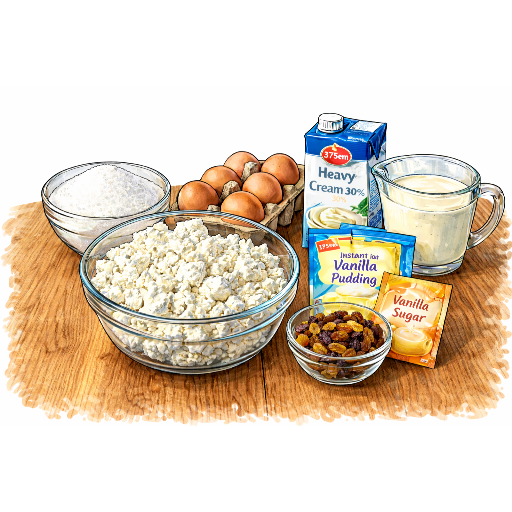
1.5 kg Polish curd cheese (twaróg / farmer’s cheese) – €3.50
2 cups of sugar – €0.25
9 eggs – €2.80
2 packets of vanilla pudding powder – €1.00
1 packet of vanilla sugar – €0.25
375 ml of whipping cream – €2.60
a handful of raisins – €0.40
Cake Base:
125 g of margarine – €0.50
1.5 cups of flour – €0.20
1.5 teaspoons of baking powder – €0.10
0.5 cups of sugar – €0.10
3 eggs – €1.00
Total Cost: €12.70 (≈ 53.60 PLN)
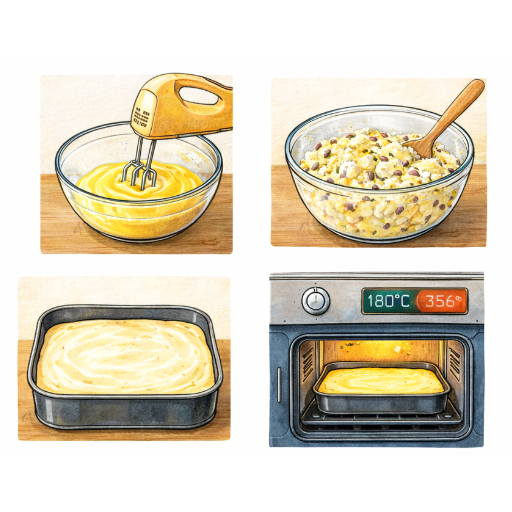
DIRECTIONS:
1. Beat the egg yolks with 3/4 cup of sugar.
2. Whip the cream with 1/2 cup of sugar.
3. Beat the egg whites with 3/4 cup of sugar.
4. Put the cheese in a big bowl.
5. Add the pudding, raisins, beaten eggs, and whipped cream.
6. Mix everything together.
7. In another bowl, mix the margarine, flour, baking powder, sugar, and eggs.
8. Put the cake base in a baking tray. Pour the cheesecake filling on top.
9. Bake in an oven at 180°C for 1 hour.
9- Ecole Chevray, France.
5th grade , Aurore Loez

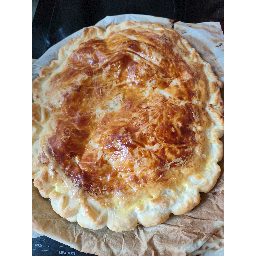
La galette des rois
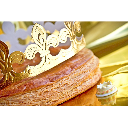
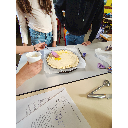
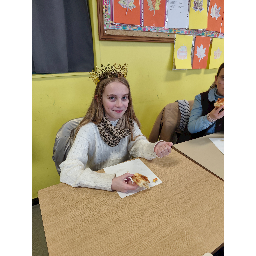
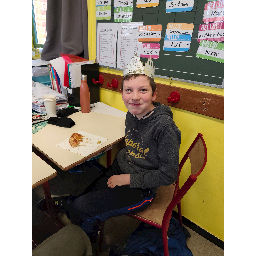
Every year, we eat a "king cake"on the day of Epiphany. The calendar indicates that this celebration is on January 6th, but it can last for up to several days. The galette is filled with frangipane or apples and hides a bean. The youngest person sits under the table and indicates who will receive the shares. The one who has the bean becomes the king or the queen and wears a crown.
Sharing is what this celebration is all about. Beans used to be real, but now they are porcelain figurines.
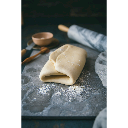
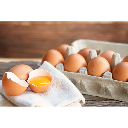
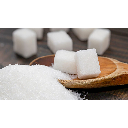
Ingredients :
- 6 apples 3 €
- vanilla sugar 0.80 €
- 2 tablespoons sugar 0.30 €
- 2 puff pastries 1.50 €
- 1 egg 0.30 €
Don't forget the crown and the figurine !
I need 5,90 €



Directions
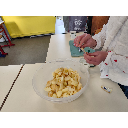
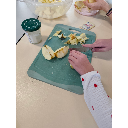
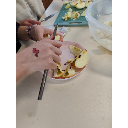
1.Peel the apples, remove the cores and dice the apples.
2. Place them in a saucepan with sugar and simmer them over compote for 12 minutes.
3. Let it cool completly
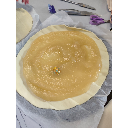
4. Spread a first disc of dough. Garnish with applesauce, leaving the dough around about 2 cm.
5. Add the bean.
6. Close the galette with the second dough. Weld well.
7. Brush the beaten eggyolk and then place in the fridge for at least 30 minutes.
8. Preheat the oven to 180°C
9. Draw stripes or another pattern.
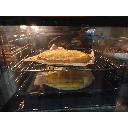
10. bake for 40 minutes.
11. Enjoy !

- < BEGINNING
- END >
-
DOWNLOAD
-
LIKE
-
COMMENT()
-
SHARE
-
BUY THIS BOOK
(from $15.19+) -
BUY THIS BOOK
(from $15.19+) - DOWNLOAD
- LIKE
- COMMENT ()
- SHARE
- REMIX
- Report
-
BUY
-
LIKE
-
COMMENT()
-
SHARE
- Excessive Violence
- Harassment
- Offensive Pictures
- Spelling & Grammar Errors
- Unfinished
- Other Problem






COMMENTS
Click 'X' to report any negative comments. Thanks!