
Contents
- Introduction 4
- Who was Gül Baba? 6
- The famous Rose Legend and Sultan Murad IV 8
- The tomb and visiting traditions 12
- Gül Baba: The Miracle in Winter 16
- Did you know? 24
İÇİNDEKİLER
- Tanıtım 5
- Gül Baba kimdir? 7
- Meşhur Gül Efsanesi ve IV. Murad 9
- Türbe ve ziyaret gelenekleri 13
- Gül Baba: Kış Ortasındaki Mucize 17
- Biliyor muydunuz? 25
The Tomb of Gül Baba (Misâlî Baba) in Niğde
The Tomb of Gül Baba, located in Niğde, is one of the city's most significant spiritual sites, known for both its historical background and the miraculous legends told by the local people.
Although he is often confused with the famous Gül Baba of Budapest, the Gül Baba of Niğde is a different figure who lived during the 17th century.
Niğde’deki Gül Baba (Misâlî Baba) Türbesi
Niğde’de bulunan Gül Baba Türbesi, hem tarihi
geçmişi hem de halk arasında
anlatılan mucizevi menkıbeleriyle
şehrin en önemli manevi
mekânlarından biridir.
Budapeşte’deki ünlü Gül Baba
ile sık sık karıştırılsa da, Niğde’nin
Gül Babası farklı bir kişidir ve
17. yüzyılda yaşamıştır.
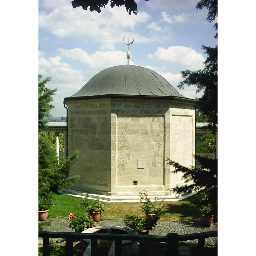
Who Was He and Where Did He Live?
• Original Name: He is also known among the locals as Misâlî Baba.
• Period: It is accepted that he lived between 1600 and 1700 (the 17th century).
• Location: His tomb is located within the cemetery of Güllüce Village, approximately 9 kilometers from the center of Niğde. It is believed that the village was named "Güllüce" (meaning "with roses") after him.
Gül Baba Kimdir?
• Asıl Adı: Halk arasında Misâlî Baba
olarak da bilinir.
• Dönem: 1600–1700 yılları arasında
(17. yüzyıl) yaşadığı kabul edilmektedir.
• Konum: Türbesi, Niğde merkeze
yaklaşık 9 kilometre uzaklıktaki
Güllüce Köyü mezarlığı içerisindedir.
Köyün adının da ondan dolayı
“Güllüce” olarak verildiği
düşünülmektedir.
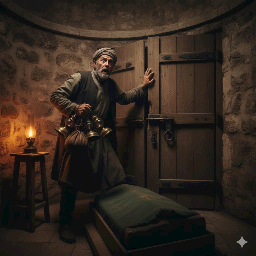
The Famous Rose Legend and Sultan Murad IV
The origin of the name "Gül Baba" (Father of Roses) in Niğde is explained by a story involving the Ottoman Sultan Murad IV:
• While Sultan Murad IV was heading to the Baghdad Campaign, he and his army camped near Güllüce Village.
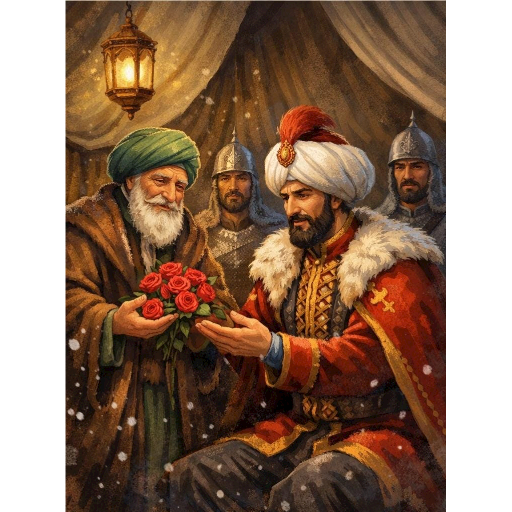
• During the harshest time of winter, Gül Baba visited the Sultan and presented him with a fresh, fragrant rose that he pulled from his cloak.
Meşhur Gül Efsanesi ve IV. Murad
Niğde’deki “Gül Baba” adının kaynağı, Osmanlı padişahı IV. Murad ile ilgili bir hikâyeyle açıklanır:
• IV. Murad Bağdat Seferi’ne giderken orduyla birlikte Güllüce Köyü civarında konaklar.
• Kışın en çetin zamanında Gül Baba padişahı ziyaret eder ve kaftanının içinden çıkardığı taze ve mis kokulu bir gülü ona sunar.
The Famous Rose Legend and Sultan Murad IV
• Astounded to see a fresh rose
in the middle of winter,
the Sultan gave him the nickname
"Gül Baba."
• Another popular legend
tells of how he managed
to feed the entire army with
a very small amount of food
(the miracle of abundance).
Meşhur Gül Efsanesi ve IV. Murad
• Kışın ortasında taze bir gül görmeye şaşıran padişah, ona “Gül Baba” lakabını verir.
• Bir diğer yaygın efsaneye göre ise Gül Baba, çok az yiyecekle bütün orduyu doyurmayı (bereket mucizesi) başarmıştır.
The Tomb and Visiting Traditions
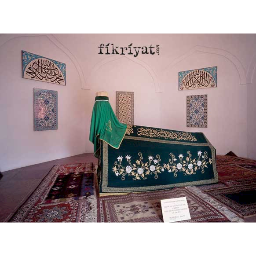
• Structure: Unlike many grand Ottoman tombs, Gül Baba’s grave is an open-air tomb rather than a large building. However, there are remnants of what is thought to be his dervish lodge and two smaller tombs belonging to his students nearby.
• Local Sayings: There is a famous local saying: "Those with skin diseases go to the thermal springs (Ilıca), those with mental distress go to Güllüce." Historically, people seeking relief from psychological ailments would visit this site.
Türbe ve Ziyaret Gelenekleri
• Yapı: Birçok görkemli Osmanlı türbesinin aksine, Gül Baba’nın kabri büyük bir yapı değildir; açık türbe şeklindedir. Ancak burada onun dergâhına ait olduğu düşünülen kalıntılar ve öğrencilerine ait iki küçük türbe bulunmaktadır.
• Yerel Söz: Halk arasında şöyle bir söz vardır:
“Deri hastalığı olan Ilıca’ya, gönül darlığı olan Güllüce’ye gider.”
Tarih boyunca ruhsal sıkıntıları olan insanlar bu mekânı ziyaret etmiştir.
The Tomb and Visiting Traditions
• The White Roses: In recent years, when roses were intended to be planted around the tomb, only white roses were sent by mistake from another city. The locals viewed this as a spiritual sign from Gül Baba, and today the area is beautifully decorated with white roses.
Türbe ve Ziyaret Gelenekleri
• Beyaz Güller: Son yıllarda türbenin çevresine gül dikilmek istendiğinde, yanlışlıkla başka bir şehirden sadece beyaz güller gönderilmiştir. Halk bunu Gül Baba’dan gelen
manevi bir işaret olarak yorumlamış ve bugün türbenin çevresi beyaz güllerle süslenmiştir.
THE MIRACLE IN WINTER
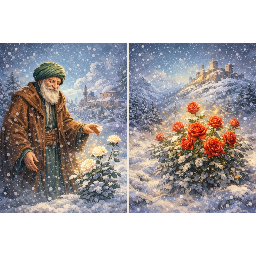
Once upon a time, in the ancient lands of Niğde’s Bor district, famous for its castle, lived a wise dervish named Misali Baba. Everyone knew him for his humility and kindness. People called him "Misali" because they believed he brought wisdom from the spiritual realms.
GÜL BABA: KIŞ ORTASINDAKİ MUCİZE
Bir zamanlar Niğde’nin Bor ilçesinde, kalesiyle meşhur o eski topraklarda, Misali Baba adında bilge bir derviş yaşarmış. Herkes onu alçakgönüllülüğü ve güzel ahlakıyla tanırmış. Halk arasında ona, manevi dünyalardan haber getirdiğine inanıldığı için "Misali" derlermiş.
THE MIRACLE IN WINTER
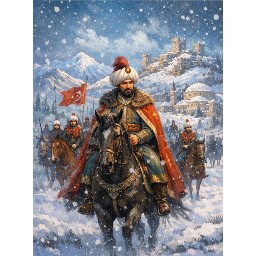
One day, during a freezing winter, the Sultan and his army visited Bor while returning from a campaign. Everywhere was covered in white snow, and even the birds were silent from the cold. On that harsh day, Misali Baba went to welcome the Sultan.
- Full access to our public library
- Save favorite books
- Interact with authors
- < BEGINNING
- END >
-
DOWNLOAD
-
LIKE
-
COMMENT()
-
SHARE
-
SAVE
-
BUY THIS BOOK
(from $5.59+) -
BUY THIS BOOK
(from $5.59+) - DOWNLOAD
- LIKE
- COMMENT ()
- SHARE
- SAVE
- Report
-
BUY
-
LIKE
-
COMMENT()
-
SHARE
- Excessive Violence
- Harassment
- Offensive Pictures
- Spelling & Grammar Errors
- Unfinished
- Other Problem






COMMENTS
Click 'X' to report any negative comments. Thanks!