eTwinning Project


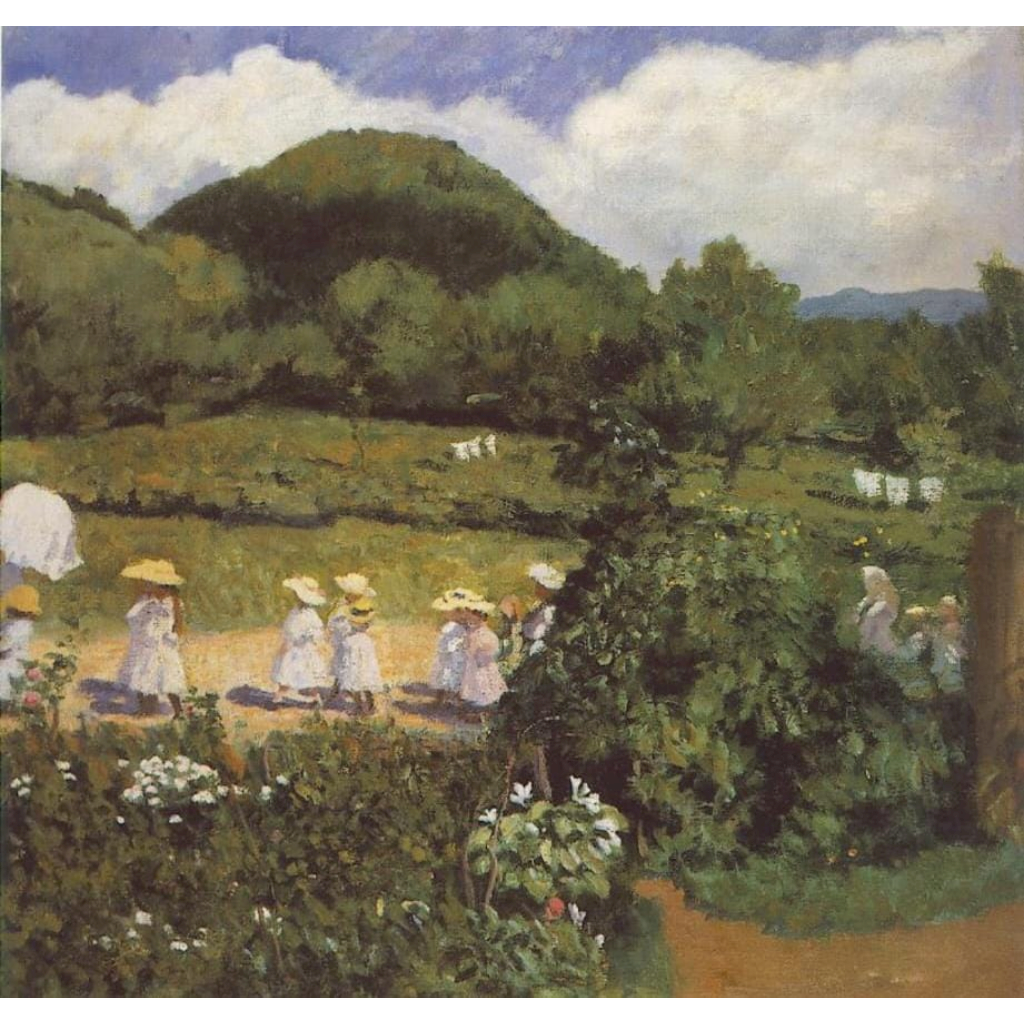
Ferenczy Károly
Egy Nyári nap





Baia Mare (Baia Mare), formerly called Nagybánya, was an important painter’s city. In 1896, the Nagybánya artists’ colony was founded here by Simon Hollósy.



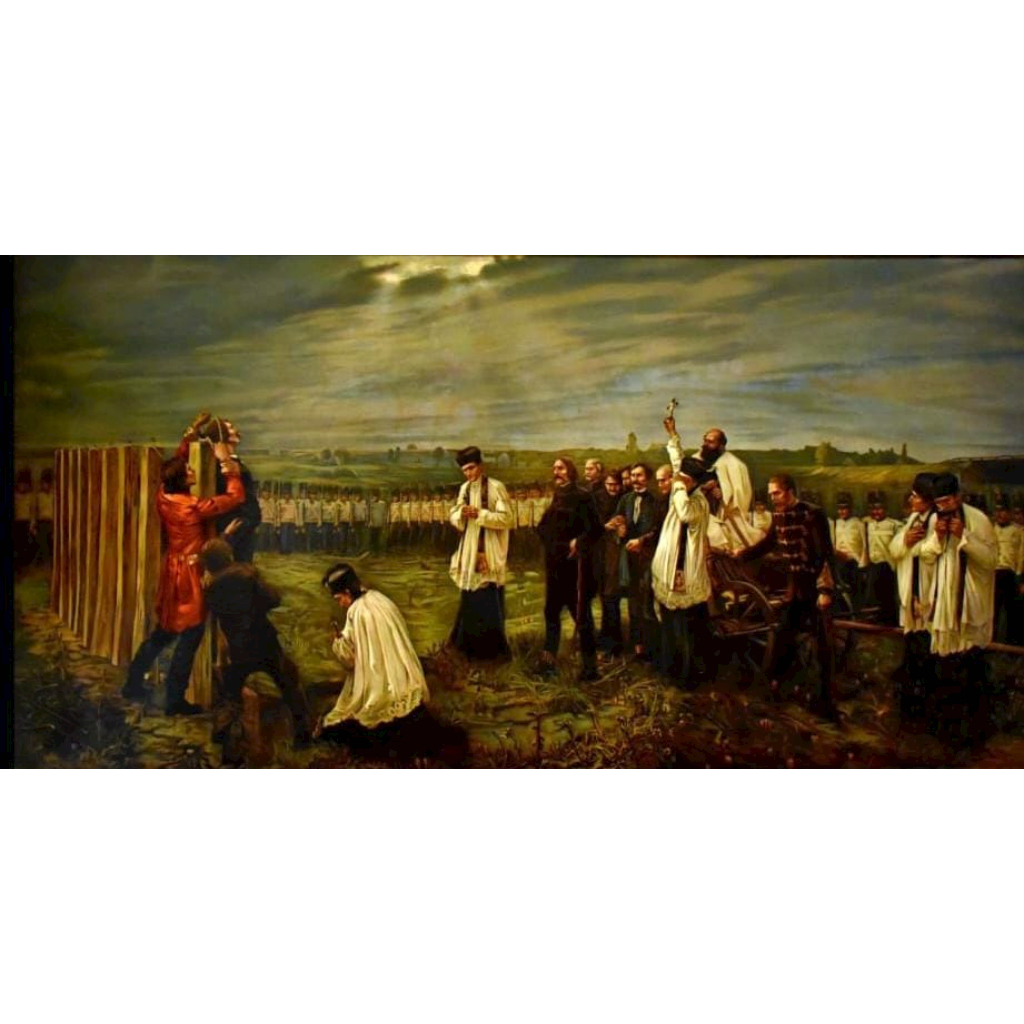
Thorma János
Kenyérszegés
The goal was to paint nature realistically, directly outdoors.
Famous painters included Károly Ferenczy, known for paintings like “May Day” and landscapes, János Thorma, who painted “Breaking of the Bread,” and also István Réti and Béla Iványi‑Grünwald.



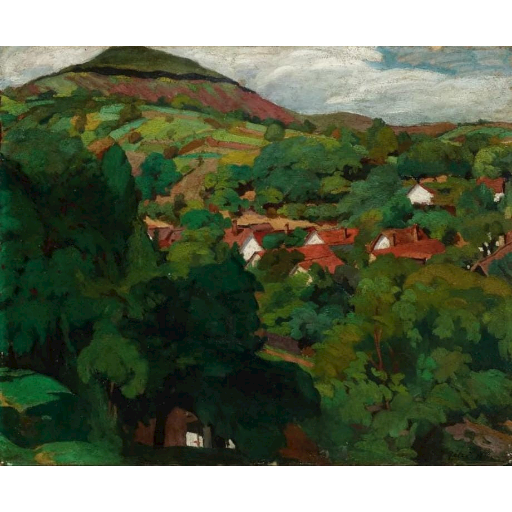
Iványi‑Grünwald Béla
Nagybányai táj

Their paintings often showed the town, nature, rivers, and everyday life. The Nagybánya painters played an important role in modern Hungarian art, and Baia Mare is still known as an important art center today.

The Mineralogy Museum sits proudly on Bulevardul Traian,
its modern architecture welcoming visitors since 1989.
Look closely at the entrance—you'll spot Baia Mare's historic
symbol: two crossed miner's hammers, honoring centuries
of mining heritage.
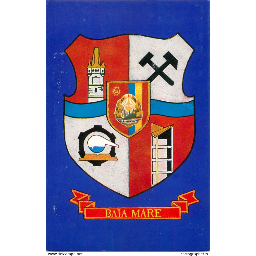
This is the Museum of Minerology in Baia Mare called the "Victor Gorduza" museum which was officially opened in November 6, 1989.



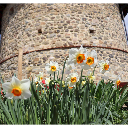
Here are some pictures of crystal flowers that can be found in the minerology museum mentioned.
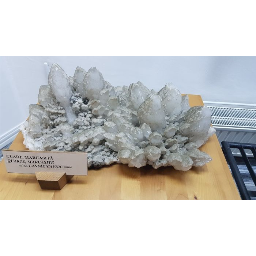
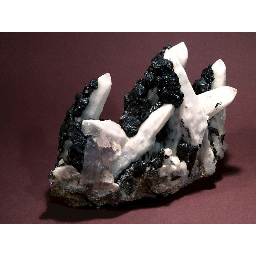

This museum is the largest mineralogical museum in Europe, owning over 20.000 pieces.


The Butchers’ Bastion of Baia Mare
The Butchers’ Bastion is one of the most important medieval monuments in Baia Mare. It was built in the 15th century as part of the city’s fortification system, when the town was a wealthy mining center in Transylvania.
The Butchers’ Bastion of Baia Mare


.
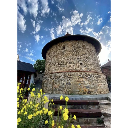

The bastion was maintained and defended by the butchers’ guild. Its thick stone walls and firing openings were designed for archers and early firearms. The tower was damaged and rebuilt several times during the 16th and 17th centuries.
Today it serves as a cultural and exhibition space, reminding visitors of Baia Mare’s medieval past.

Butchers’ Bastion


The Village Museum in Romania Nagybánya is a fascinating open-air museum that beautifully preserves the traditional rural life of the Máramaros region. Located on the outskirts of the city, it showcases authentic wooden houses, churches, gates, and farm buildings brought from surrounding villages.
Each structure is carefully restored and furnished with original household items, woven carpets, pottery, and farming tools. Visitors can walk along quiet paths, explore the interiors of century-old homes, and learn about old crafts, customs, and daily activities. The museum offers a peaceful atmosphere where history feels alive, giving a deeper understanding of Romania’s rich cultural heritage and the simple yet meaningful lifestyle of its rural communities.
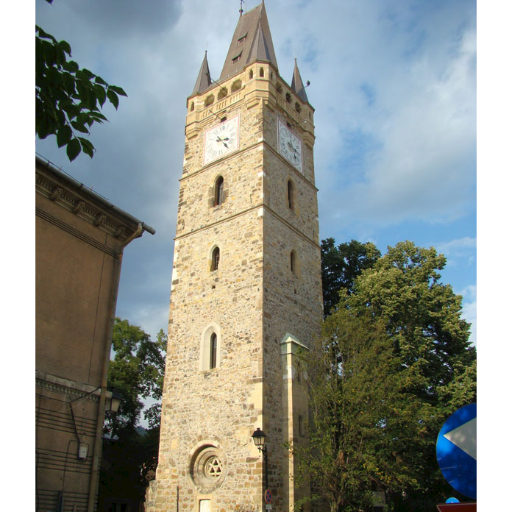
The History of Stephen's Tower












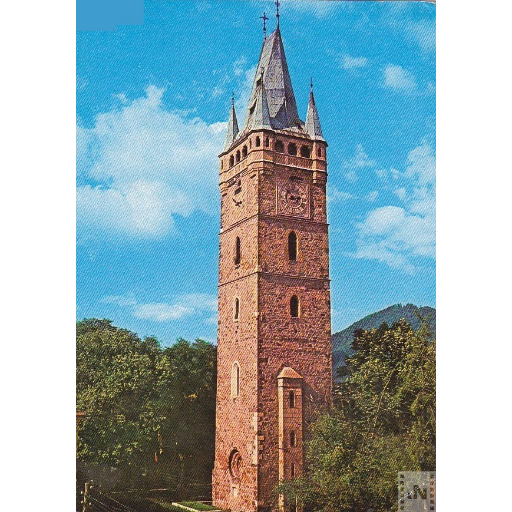

Structure and Origin
Stephen’s Tower is indeed one of the most recognizable landmarks in Baia Mare. Your description captures its importance well. Here are a few additional details that add context: Built in the 15th century, the tower originally served as the bell tower of the former Saint Stephen’s Church, which no longer exists today. The tower stands about 40 meters tall, making it one of the tallest medieval structures in the city.











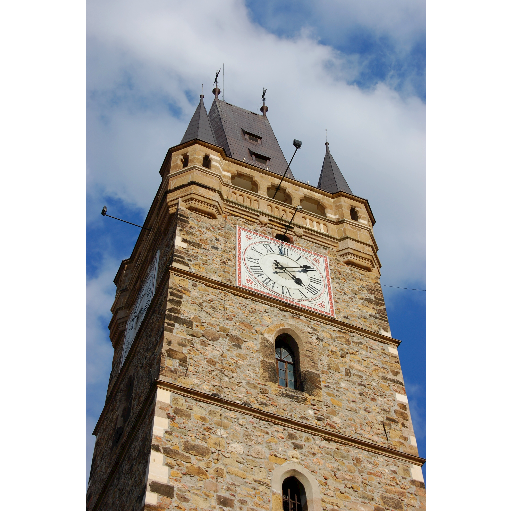
Stephen's Tower Today









The tower was damaged by lightning and fires several times, especially in the 18th and 19th centuries, so it had to be rebuilt more than once. Today it is a historical monument and a viewpoint where visitors can enjoy panoramic views of the old town and the surrounding Maramureș region. It stands near Liberty Square and is considered a symbol of Baia Mare.



- < BEGINNING
- END >
-
DOWNLOAD
-
LIKE(2)
-
COMMENT()
-
SHARE
-
BUY THIS BOOK
(from $3.99+) -
BUY THIS BOOK
(from $3.99+) - DOWNLOAD
- LIKE (2)
- COMMENT ()
- SHARE
- Report
-
BUY
-
LIKE(2)
-
COMMENT()
-
SHARE
- Excessive Violence
- Harassment
- Offensive Pictures
- Spelling & Grammar Errors
- Unfinished
- Other Problem





COMMENTS
Click 'X' to report any negative comments. Thanks!