
Nikos, Aleksandar, Nayra, Marija, Sofia and Ayoze are planning an Erasmus + trip to North Macedonia, Greece and Spain.
They would like to know lots of things of those countries, to behave properly when they are there.
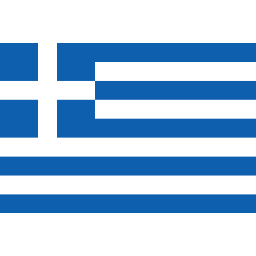
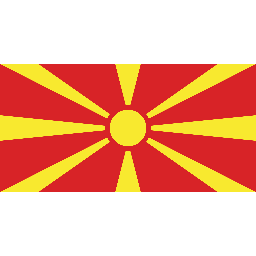
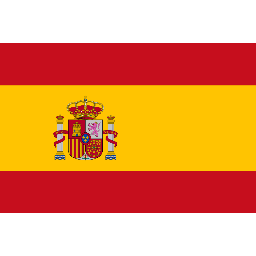
One afternoon, the group sits together in the school library. They open a big map of Spain. Sofia smiles and says, “Spain is friendly. People like to talk and help.”
Nikos writes this in his notebook. He wants to remember it.
Then Marija reads a small guidebook. “In Spain, people say hola and adiós a lot. It is polite. They also say por favor and gracias.”
Ayoze laughs softly. “Yes, my family says that every day.”
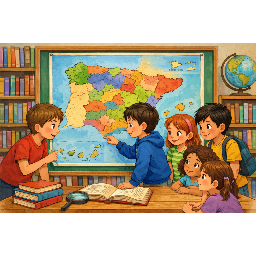
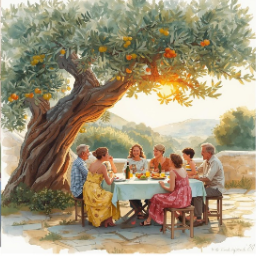
Aleksandar looks at a picture of a Spanish plaza. “People eat together and share food. It is important to be kind and patient at the table.”
Nayra nods. “And meals can be long. People enjoy talking. It is normal.”
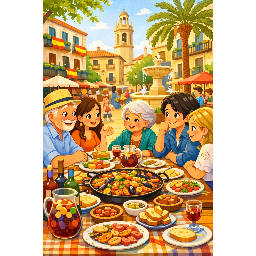
They continue learning. “In Spain, people respect personal space, but they also greet with a smile and kisses,” says Sofia.
“And they are usually relaxed with time,” adds Nikos. “Sometimes things start a little later. It is not rude. It is cultural.”
Marija closes the book. “So, in Spain we try to be polite, friendly, patient, and open to others.”
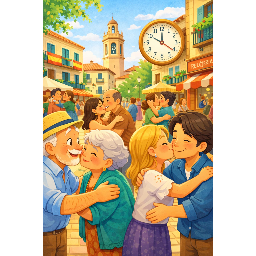
The next day, the group meets again. This time, they read about rules in Spain.
Nayra points to a sign in a picture. “Look, it says No littering. In Spain, people keep the streets clean.”
Aleksandar nods. “So we must throw trash in the bin. It is important.”
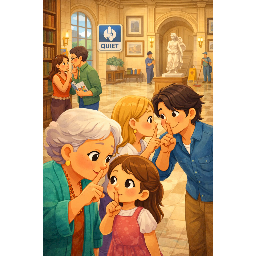
Sofia adds, “And in many places, people speak quietly inside buildings. It shows respect.”
Marija smiles. “That is easy. We can do that.”
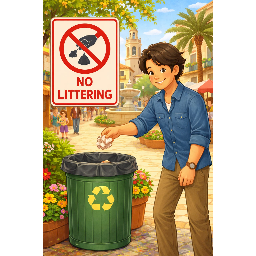
Ayoze closes the guide. “So, one basic rule is to keep places clean and be respectful in public spaces.”
Everyone agrees. They feel excited. They want to learn more and share these ideas with their classmates.

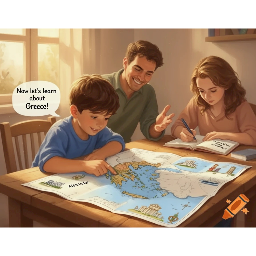
Aleksandar turns the big map and looks at Greece.
“Now let’s learn about Greece,” he says.
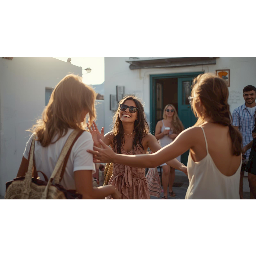
Nikos smiles. “In Greece, people love guests. Hospitality is very important.”
Sofia writes in her notebook. “Be friendly and say thank you,” she says.
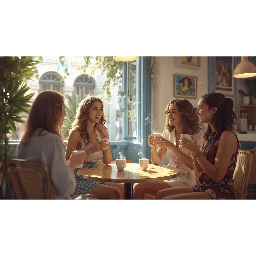
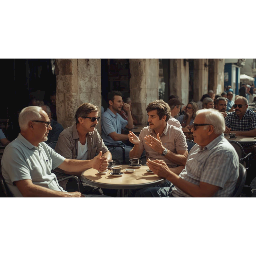
Marija reads from her phone. “Greeks drink a lot of coffee. They sit in cafés and talk for a long time.”
Nayra looks surprised. “A long time?”
“Yes,” Nikos laughs. “People enjoy slow time. It is normal.”
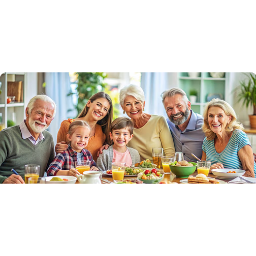
Ayoze sees a picture of a big family at a table. “Wow! So many people!
“Family is very important in Greece,” Nikos explains. “People eat together. Dinner is late, at nine or ten.”
Aleksandar writes quickly. “Eat late. Talk a lot. Be friendly.”
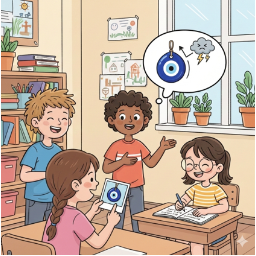
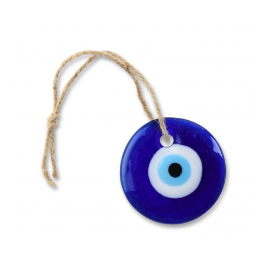
Marija points to a small blue eye in a photo. “What is that?”
“It is the evil eye,” Nikos says. “Some people believe it protects from bad luck.”
“And sometimes people say ‘ftou ftou’ for good luck,” he adds.
The group laughs softly.
Marija: And now, let's learn about North Macedonia.
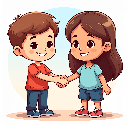
Aleksandar: A firm handshake with eye contact is common when meeting someone.
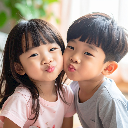
Marija: Friends may greet with light cheek kisses (usually two or three).
Aleksandar: It’s polite to greet people when entering small shops, cafés, or taxis.

Marija: The official language is Macedonian language, but many people (especially younger ones) speak English.
Aleksandar: Learning a few words like “Zdravo” (hello) or “Blagodaram” (thank you) is appreciated.
Marija: People tend to be direct but friendly—don’t mistake this for rudeness.
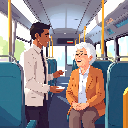
Aleksandar: Respect elders—offering your seat or greeting them first is seen as polite.

- Full access to our public library
- Save favorite books
- Interact with authors
- < BEGINNING
- END >
-
DOWNLOAD
-
LIKE
-
COMMENT()
-
SHARE
-
SAVE
-
BUY THIS BOOK
(from $3.99+) -
BUY THIS BOOK
(from $3.99+) - DOWNLOAD
- LIKE
- COMMENT ()
- SHARE
- SAVE
- Report
-
BUY
-
LIKE
-
COMMENT()
-
SHARE
- Excessive Violence
- Harassment
- Offensive Pictures
- Spelling & Grammar Errors
- Unfinished
- Other Problem





COMMENTS
Click 'X' to report any negative comments. Thanks!