

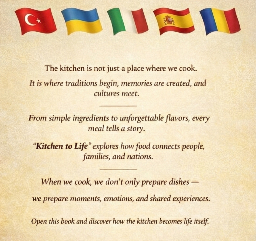
• The kitchen is not just a place where we cook.
• It is where traditions begin, memories are created, and cultures meet.
• From simple ingredients to unforgettable flavors, every meal tells a story.
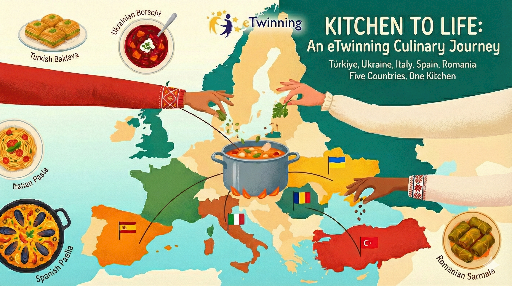
• “Kitchen to Life” explores how food connects people, families, and nations.
• When we cook, we don’t only prepare dishes — we prepare moments, emotions, and shared experiences.
Open this book and discover how the kitchen becomes life itself.


CONTENTS:
-Front cover,dedication page,contents and back cover: Turkish students/Ebru/Türkiye
-About the project: Simona/ Romania
-What are life skills?: Mehmet Sayın/Türkiye
-Our daily life skills: Spanish students/Esther/ Spain
-Life skills in our culture:Büşra/Türkiye, Petrolina/Romania, Rita/ Italy, Oksana/ Ukraine, Esther/Spain
-Safety and responsibility in the kitchen: Gülnur/ Türkiye
-Student reflections: Ebru/Gülnur/ Türkiye
-Evaluation and feedback: Simona/Romania
From kitchen to life
The project helps young people develop essential life skills such as cooking, time management, teamwork, communication, and responsibility.
Through practical activities like planning meals, budgeting, and solving problems, students learn by doing and gain confidence and independence.
“From Kitchen to Life” goes beyond cooking, promoting critical thinking, collaboration, and healthy habits, helping teenagers become more independent in everyday life.
Simona H., Romania
TURKEY-MEHMET /LIFE SKILLS
1. Basic Daily Life Skills
Planning and preparing one’s own meals
Developing healthy and balanced eating habits
Planning shopping (preparing a list and comparing prices)
Maintaining home order and kitchen cleanliness
Following food safety and hygiene rules
The kitchen is a very effective practical environment for teaching these skills.
Teamwork
Effective communication
Helping and cooperation
Hospitality and table etiquette
Empathy and respect
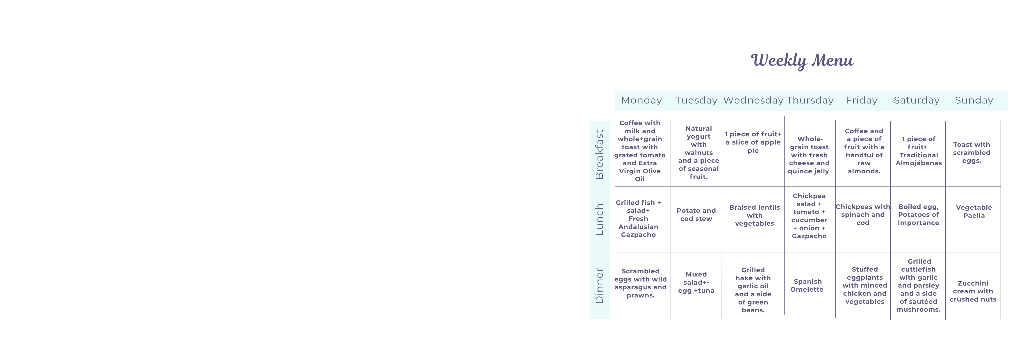
Making a weekly menu is an important life skill because it helps us eat healthier, save money, and stay organised. It also helps us avoid wasting food.

ESTHER (Spain) /Our daily life skills

ESTHER (Spain) /Our daily life skills
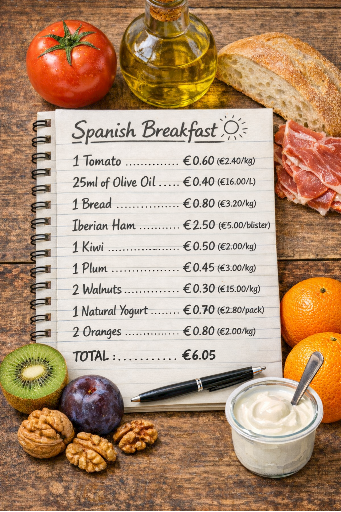
Making a shopping list is an important life skill because it helps us stay organized and avoid buying unnecessary things.


WATCH OUR VIDEO.
ESTHER (Spain) / Our daily life skills



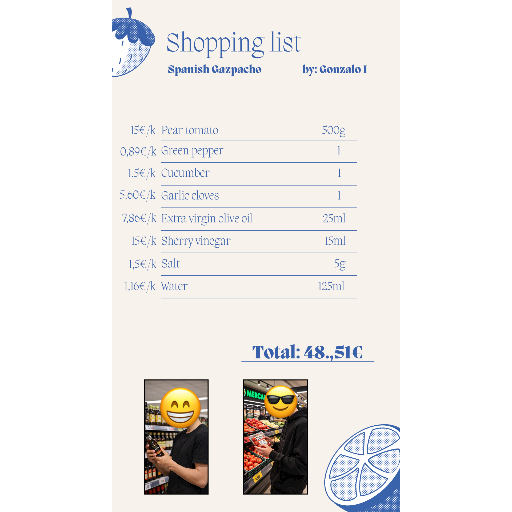
Shopping lists save us time and money, and helps us plan healthy meals. It also helps us become more independent in everyday life.
ESTHER (Spain)/ Our daily life skills


ESTHER/Our daily life skills
Traditional Spanish Gazpacho
Watch our video:


Recycling food is an important life skill because it helps us reduce waste, save money, and protect the environment. It teaches us to be responsible and sustainable.
Watch our video
Ether (Spain)/ Our daily life skills


BÜŞRA/ Life skills in our culture

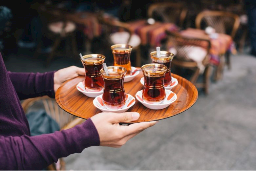
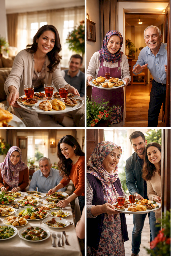
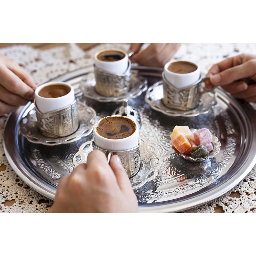
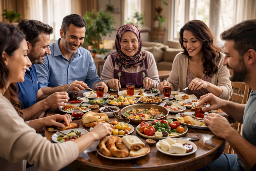
In Turkish culture, hospitality is one the main life skills. When a guest come to a Turkish home, we always offer tea or coffee, prepare extra delicious food and share the best portion with guests. This reminds us generosity, empathy and social awareness. There is one saying about hopitality in Turkish: "A guest brings blessings."("Misafir berekettir.")
BÜŞRA/ Life skills in our culture
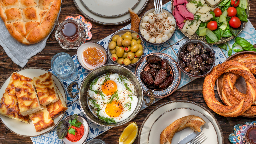
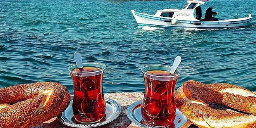
As Turkish people, we think that breakfast — kahvaltı (literally “before coffee”) — is one of the strongest symbols of family bonding, and sharing in Türkiye. Breakfast is not only a meal but also a social ritual. Breakfast in Türkiye is usually long and relaxed (especially on weekends), shared with family or friends. It is less about eating quickly and more about spending quality time together. We have a pleasant conversation over limitless tea with our family and friends in Turkish breakfast.
PETROLINA/Simona Life skills in our culture

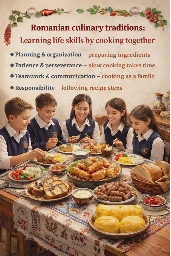
Romanian culture reflects a blend of traditions, history, and strong community values. Food plays a key role in preserving identity, as meals are often shared with family and neighbors, reinforcing social bonds and a sense of belonging.
Traditional dishes such as sarmale, mămăligă, and cozonac are especially important during celebrations like Christmas and Easter. Preparing them helps young people develop essential life skills such as planning, teamwork, responsibility, and communication.
PETROLINA/Simona Life skills in our culture

Sarmale are a traditional Romanian dish made with minced meat, rice, and spices, wrapped in cabbage leaves and slowly cooked.
Preparation:
Mix the ingredients, roll them in cabbage leaves, and cook slowly until tender.
Life skills developed:
Planning, patience, teamwork, and responsibility.
Sarmale are often served at celebrations like Christmas, showing how food traditions help develop both practical skills and strong family values.
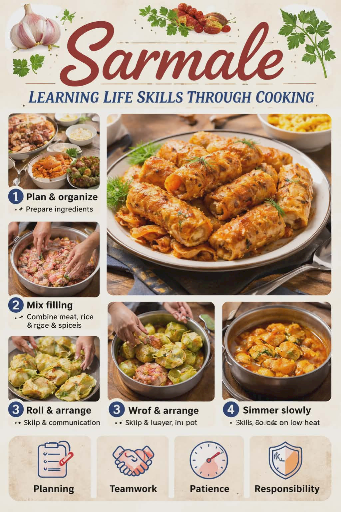
Petrolina/Life skills in our culture

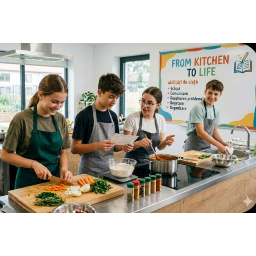
Life skills:
Cooking together
as a team;
Preparing ingredients Following the steps
Time management
RITA/Life skills in our culture

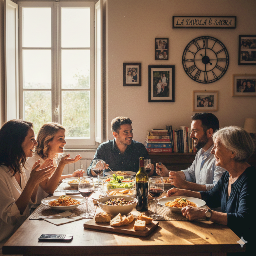
Beyond the stove, Italian culture has a specific rhythm to eating. These aren't just rules; they are life skills that help you manage your health, your budget, and your social life. In many cultures, eating is something you do while working or watching TV. In Italy, the table is sacred. We need to separate eating time from stress time, moreover sit down without a screen improves digestion and mental clarity. It’s a built-in brain break.
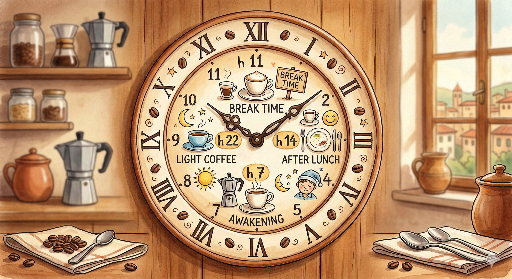
Workday is beated time by important coffee break time, such for example the Mid-Morning break at 11, t’s the time for a social break. This is when you gossip or talk about your upcoming events. In Italy, a meal isn't finished until the coffee is served. It closes the stomach. It fights off the food coma so you can survive your afternoon activities. Italians rarely drink full-strength caffeine late at night, but the ritual continues.
In Italy, the Moka pot isn't just a kitchen appliance—it is a heartbeat . Italians awakening starts with the sound and smell that wakes up the household. It’s a slow, 5-minute meditation before the chaos of day.
ESTHER/Life skills in our culture
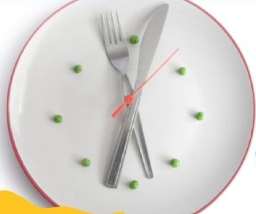
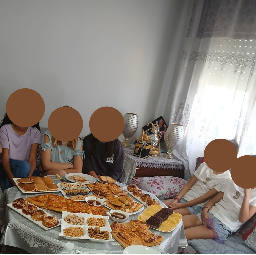
In Spain, people eat later than in many other countries. Breakfast is early and light, then people often have a small snack in the late morning. Lunch is the main meal of the day and is usually eaten around 2 or 3 p.m. In the afternoon, some people have a snack, and dinner is eaten at night, usually between 9 and 10:30 p.m., and it is normally lighter than lunch.

ESTHER/Life skills in our culture
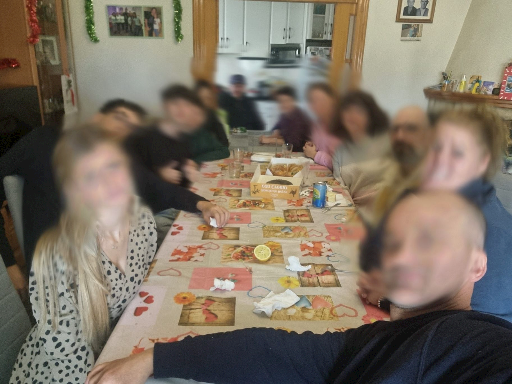
Sunday family meals are important because they give us time to be together after a busy week. We can sit, relax, talk, and share our experiences. These dinners help families feel closer and create nice memories. It’s not only about the food, but about feeling connected.

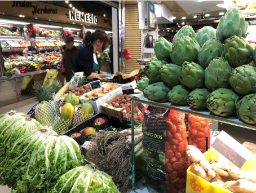
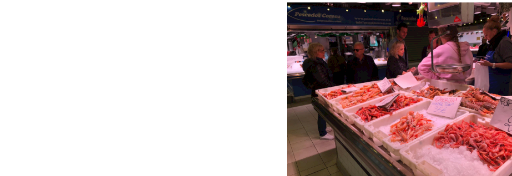
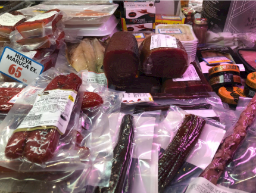
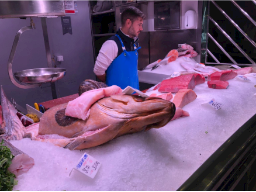
The market is an important part of Spanish culture where people buy fresh and high- quality food. It is also a place where customers and vendors can talk and build friendly relationships. Markets help people stay connected and keep traditions alive.

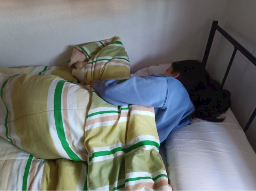
Napping is important because it helps us feel more alert, improves memory, and reduces tiredness. A short nap of 10–20 minutes can improve our mood and help us work better.
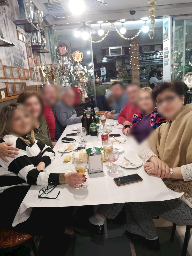
Sobremesa is a Spanish tradition of staying at the table and talking after a meal. It is an important part of our culture that helps people communicate and feel closer together.

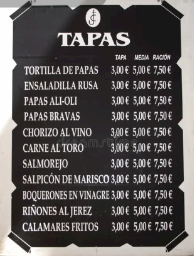
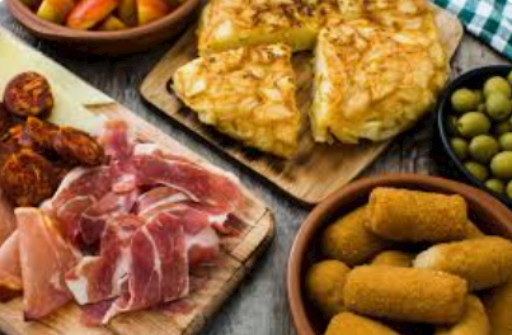
Watch our video!
ESTHER/Life skills in our culture


GÜLNUR/Safety and responsibility in the kitchen
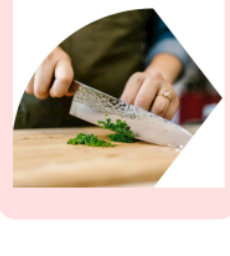
Using Knifes:
Knifes should always be sharp. A dull knife ismore dangerous because it can slip easily. When cutting, keep your fingers away from the blade.
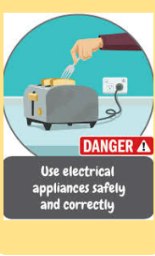
Using Electrical Appliances
Be extra careful because water and electricity are together in the kitchen.

Personal safety is very important when working in the kitchen. Being careful helps prevent accidents and injuries.
Personal Safety in the Kitchen
Wear Proper Clothing:
Do not wear loose clothes while cooking. Tie your hair back to keep it away from the food and fire.
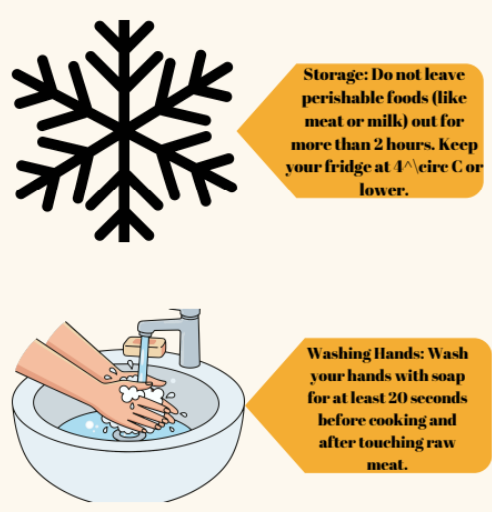
Safety is not just about injuries; preventing food poisoning is also a big responsibility.
Cross Contamination:
Do not use the same cutting board for raw meat and vegetables. Use different boards to stop germs from spreading.
Hygiene and Food Safety
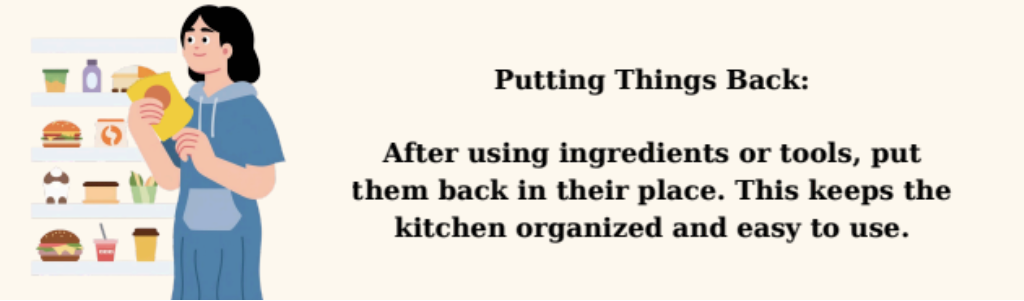
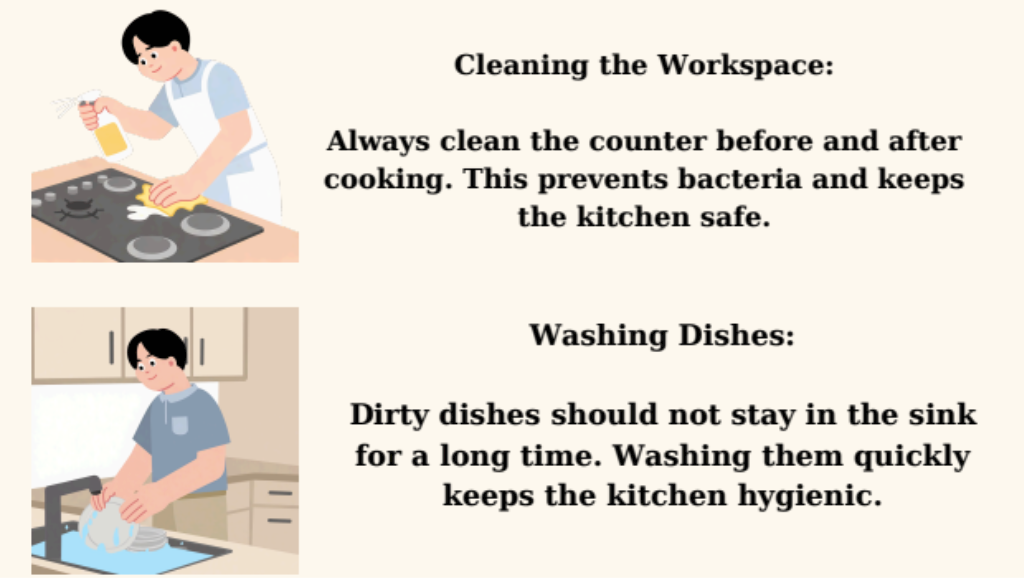
Clean and Organized Kitchen
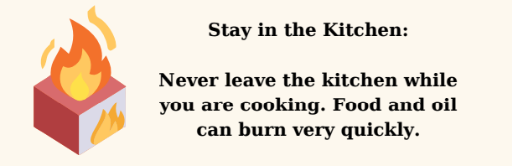
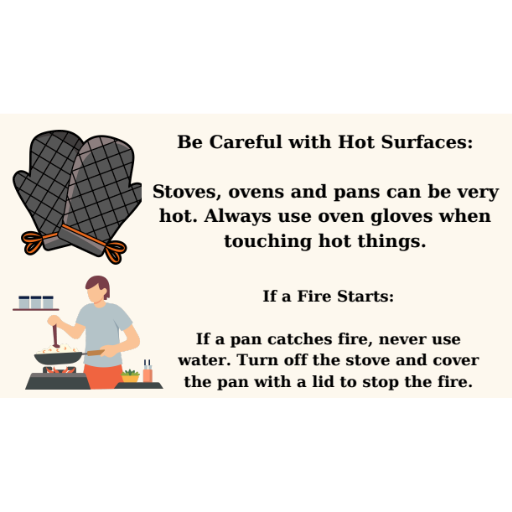
Fire Safety in the Kitchen
Food Preparation Safety
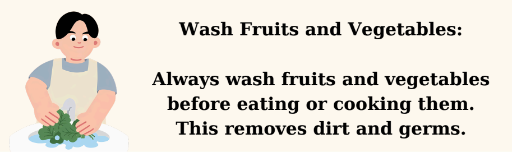
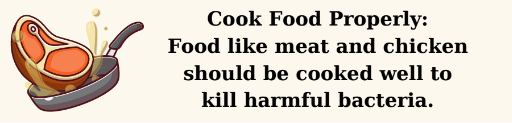
You can watch our video on a recipe of a Turkish dish !


''I learned new things about other cultures. The project helped me be more confident when I speak English.''
Iuliana C. ROMANIA
''This project helped me use English more in real life. I liked making digital tasks with my classmates.''
Vlad M. ROMANIA
Romanian students' reflections (Simona's team)
''This project helped me use English in real situations. I liked sharing ideas with students from other countries.''
Bianca, ROMANIA
Romanian students' reflections (Petrolina's team)
“I enjoyed discovering the traditions and food from Turkey, Spain and Italy. Even if our cultures are different, we have many things in common.” Vlad.
''This activity made me realise that life skills are learned in everyday life, not only at school.”
Elisei
''My favorite part was learning about the daily routines of teenagers from other countries.”
Mirela
“Creating the StoryJumper book was fun and creative. I learned how to organize information and present ideas in a digital format.”
Alesia

What did you learn from this project?
''I learned how to manage myself in the kitchen and also about some foods and customs from other countries, which is what I find most interesting.''
What was your favourite activity?
''My favourite activity was cooking, because I really enjoyed it. It's something we need to know for our daily lives and it was a lot of fun.''
How did this project help you in real life?
''It has helped me to do more things on my own and not depend on anyone else. It has also helped me to feel confident that I can continue cooking.''
Altea SOTO/SPAIN
Spanish students' reflections(Esther's Team)
Spanish students' reflections(Esther's Team)
What did you learn from this project?
''The most important thing I've learnt is to be self-confident about putting in practice everything i know about cooking.''
What was your favourite activity?
''Filming how to cook a traditional recipe of my country, as through it, my country's culture can reach people from other countries.''
How did this project help you in real life?
''Now I'm more independent because I know how to cook and I adquired some basic skills that allow me to be autosuficient.''
Silvia ANDUGAR/ SPAIN

Italian students' reflections (Rita's Team)
I've learnt that every culture has its own way of staying fit through food. I loved learning about the parners' diet. I’ve started swapping my processed snacks for more traditional food and now I feel so much more energized. Denyse - Adrano / ITALY
My favorite part of the exchange was discovering the stories behind the food. I learned that a dish isn’t just a meal; it’s a piece of history.
Emiliano - Adrano - ITALY
This project taught me to be curious rather than judgmental about things that are different, which is a skill I’ll take with me everywhere. Kevin - Adrano -ITALY
Turkish students' reflections (Büşra's team)
''I learned to use some web2 tools while expressing my ideas. My favorite activity was linoit. This project helped me to express my own culture.''
Ahmet Yasin/Büşra/TÜRKİYE
''I learned how to talk about my own culture to students from another countries. My favorite activity was wordwall. This project helped me to with students and teachers from other countries and cultures.''
Yusuf Ali/Büşra/TÜRKİYE
Turkish students' reflections (Gülnur's team)
''I learned how to cook healthy meals and manage a budget in the kitchen. I also learn about different cultures by discovering recipes from countries like Spain,Italy. By using digital tools to make the magazine,I improved my computer skills. Working on this project helped me practice my English and teamwork.'' Berkay/Gülnur/TÜRKİYE
''I discovered new dishes from countries like Spain,Italy,Romania learned about their cultures.In this project, I learned to prepare simple and healthy food. This experience helped me work better with others and practice English. I also used digital tools and improved my technology skills.''
Elif /Gülnur/TÜRKİYE

''In the "From Kitchen to Life" project, I learned how to prepare and explain recipes step by step while paying attention to kitchen safety. I also understood that food is not only for eating but also an important part of culture and tradition. In addition, I learned how to reduce waste and be more environmentally friendly. This project also helped me improve my English skills, especially in speaking and writing.''
Adem/Gülnur/TÜRKİYE
Turkish students' reflections (Gülnur's team)
''Thanks to this project, I learned about Web2 tools and YouTube video recording.''
İrem/Mehmet/TÜRKİYE
Turkish students' reflections (Mehmet's team)

''This project gave me the opportunity to work in a team and meet other people.''
HAMZA/ EBRU/ TÜRKİYE
''I had a lot of fun with this project, thanks to the meetings, events and games.''
HÜSEYİN ENES/ EBRU/ TÜRKİYE
Turkish students' reflections (Ebru's team)
''I aimed to learn about traditions and cultures of different nations throughthis project. In the project I learned about Spain's famous dish tortilla, and I cooked it myself. I liked it very much.''
ÖMER/EBRU/TÜRKİYE
''It was my favorıte activity because it was fun. ''
EMRE/ EBRU/ TÜRKİYE
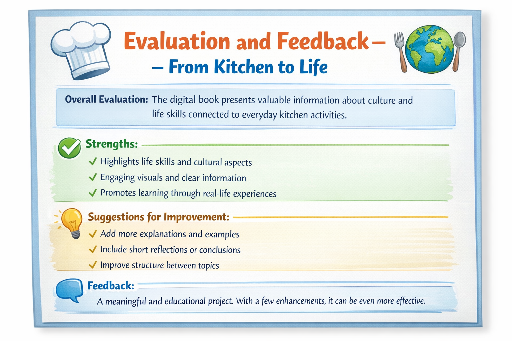
SIMONA/ Evaluation and feedback
Overall evaluation:
The digital book presents valuable information about culture and life skills connected to everyday activities in the kitchen.
The project successfully combines practical knowledge with cultural elements, helping readers understand how cooking can teach responsibility, cooperation, and healthy habits.
Strengths:
The content highlights important life skills, such as teamwork, organization, and practical daily abilities.
Cultural aspects related to food and traditions are clearly presented.
The visual elements support the information and make the presentation engaging and easy to follow.
The project promotes learning through real-life experiences.
Suggestions for
improvement:
Some sections could include
more or examples to deepen
understanding.



- < BEGINNING
- END >
-
DOWNLOAD
-
LIKE(1)
-
COMMENT()
-
SHARE
-
BUY THIS BOOK
(from $8.59+) -
BUY THIS BOOK
(from $8.59+) - DOWNLOAD
- LIKE (1)
- COMMENT ()
- SHARE
- Report
-
BUY
-
LIKE(1)
-
COMMENT()
-
SHARE
- Excessive Violence
- Harassment
- Offensive Pictures
- Spelling & Grammar Errors
- Unfinished
- Other Problem






COMMENTS
Click 'X' to report any negative comments. Thanks!