
ISTANBUL
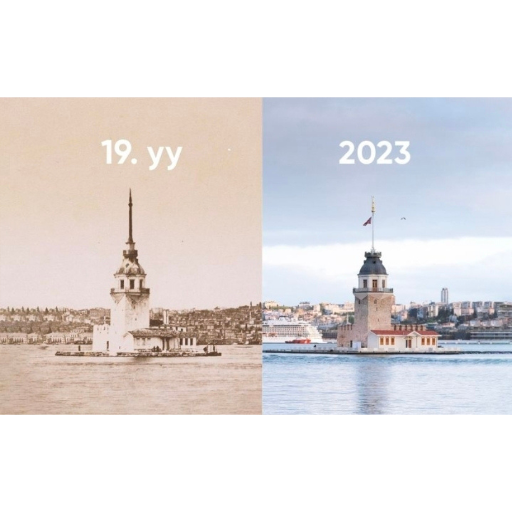
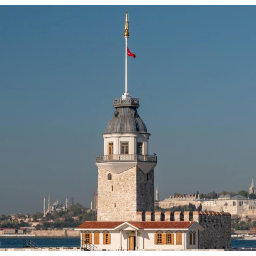
MAIDEN’S TOWER
It is on a small islet at the entrance of the Bosphorus
It has a history of more than 2,500 years.
Throughout history, it has served as a customs station and a lighthouse
Today, ıt is open to visitors as a monument museum.
Its most famous legend is the story of a king who wanted the protect his daughter from a snake. It is one of the most romantic and iconic symbols of Istanbul.
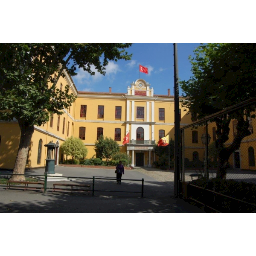
Galatasaray High School (Galatasaray Lisesi), located on Istiklal Avenue in the heart of Istanbul’s Beyoğlu district, is one of Turkey's most prestigious and historically significant educational institutions. Founded in 1481 during the reign of Sultan Bayezid II as the Galata Sarayı Humayun Mektebi, it was originally intended to train civil servants for the Ottoman Empire. However, it underwent a major transformation in 1868 when it was reorganized as the Imperial Ottoman Lyceum. Modeled after the French lycée system, the school became a symbol of Westernization and reform, fostering a unique multicultural environment where students from various backgrounds were taught in both French and Ottoman Turkish.
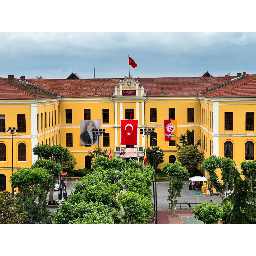
Today, the school continues to be a bastion of excellence and a vital link between Turkish and European cultures. As a secular institution with a rigorous academic curriculum, it emphasizes critical thinking, democratic values, and linguistic proficiency, with French remaining the primary language of instruction for many subjects. Beyond its academic reputation, the school is the birthplace of the world-famous Galatasaray Sports Club, founded by its students in 1905. Its iconic gates and grand architecture serve as a landmark of Istanbul’s intellectual history, producing many of the country’s most influential diplomats, writers, and leaders.
Rami Library
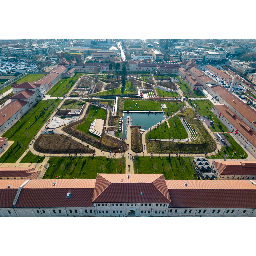
Rami Library is a large and modern library located in Istanbul.
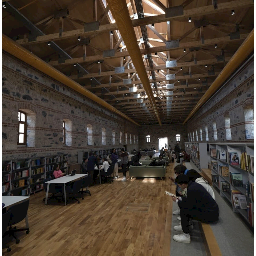
It was created by restoring a historic building. It serves both students and adults. There are spacious reading halls inside the library.
The quiet study areas are very comfortable. There are also group study rooms. Computers and internet access are available. It provides a suitable environment for research.
There are hundreds of thousands of books in the library.
There are works suitable for different genres and age groups.
There are many sections such as novels, history, science, and children's books. Reference books and academic works are also available. There is a special children's library section. This section is designed in a colorful and educational way. Children can both read and play educational games there. Storytelling hours and reading activities are organized. There are seminar and conference halls in the library. Author meetings are held from time to time. Cultural and artistic events are organized. Exhibitions and workshops are also held. People can make new friends here. Common areas provide opportunities for socializing. The cafeteria area is suitable for relaxing.
The garden also offers a spacious environment for visitors.
Rami Library is an important center for education, culture, and social life.
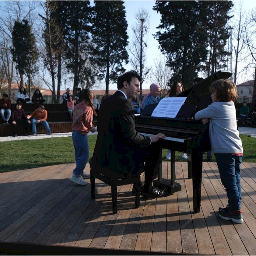
Rami Library – Outdoor Social Areas
Rami Library is not only a place for studying.
It is also a large living space where people can come together and spend time.
The outdoor social areas include:
1. Large Courtyard and Garden
It is one of the largest library gardens in Turkey.
There are lawns and walking paths.
It is suitable for sitting and chatting with friends.
2. Outdoor Seating Areas
There are benches and resting areas.
They are used for reading books or talking with friends.
3. Walking Paths
They provide the opportunity to walk around the garden.
They are suitable for people who want to get fresh air and exercise.
4. Cafeteria and Relaxation Areas
There are social areas close to the outdoor spaces.
People can drink something and spend time with friends.
5. Event Areas
Open-air events and cultural programs are sometimes organized.
They help people come together.
ANKARA
The Grand National Assembly of Türkiye was opened on April 23rd, 1920 in Ankara. At that time Istanbul was under occupation and the Ottoman parliament had been dissolved. Mustafa Kemal Ataturk and his friends established this assembly because they believed that sovereignty should belong to the people not to the sultan.
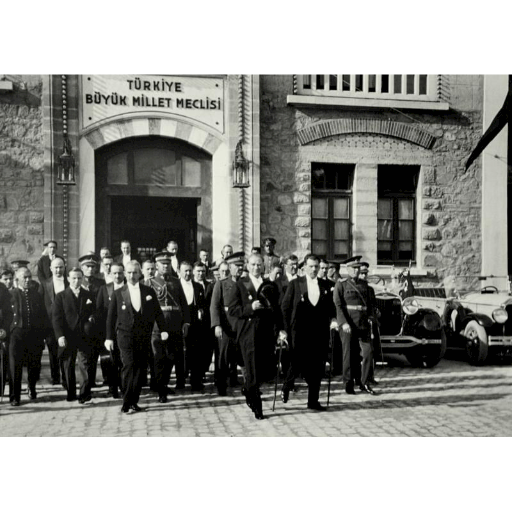
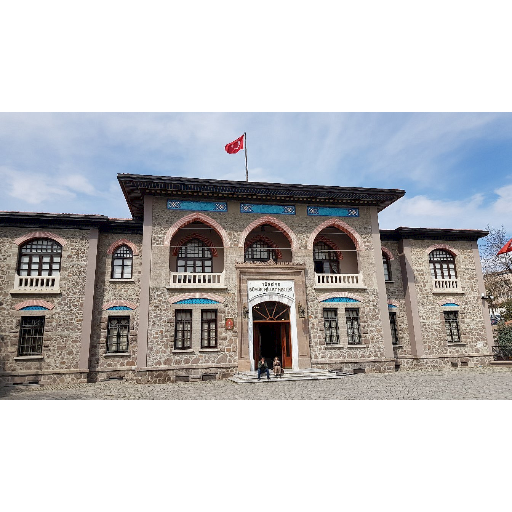
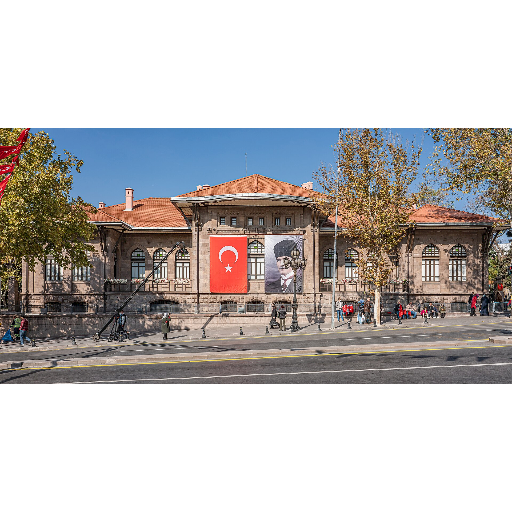
The first parliament building was a small simple house in the Ulus district and the representatives worked there under very difficult conditions. This assembly became the main center for managing the war of independence it was where the regular army was formed and all major war decisions were made after the republic was proclaimed on October 29, 1923. The parliament became the highest decision making body of the new turkish state today it still operates in its current building in Ankara with the principle sovereignty belongs unconditionally to the nation
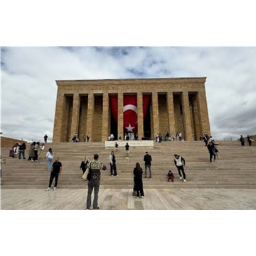
Anıtkabir is the mausoleum of Mustafa Kemal Atatürk, the founder and first
President of the Republic of Turkey. It is located in Ankara and was completed in
1953. Anıtkabir is not only a tomb, but also a powerful symbol of national unity,
independence, and deep respect for Atatürk
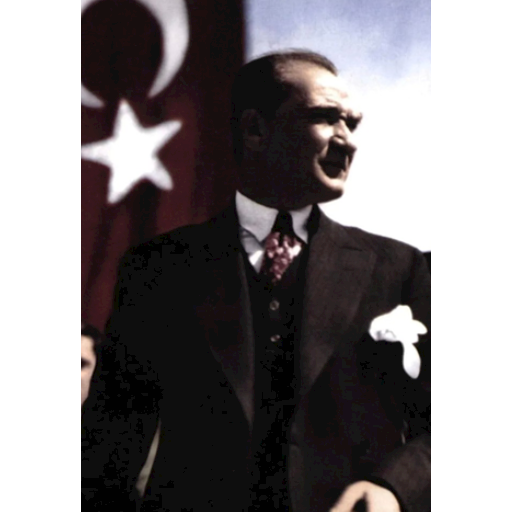
MUSTAFA KEMAL ATATÜRK .
Atatürk led the Turkish War of Independence and introduced many reforms that
modernized Turkey. He believed in freedom, equality, science, and national
sovereignty. Because of his leadership and vision, Turkish people feel a strong
sense of loyalty and gratitude toward him.
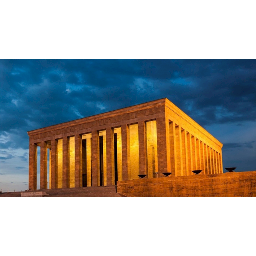
Every year, millions of visitors go to Anıtkabir to honor Atatürk’s memory.
Especially on national holidays such as October 29 (Republic Day) and
November 10 (the anniversary of his death), people gather there to show their
respect and commitment to his principles.
Anıtkabir represents not only the memory of a great leader but also the united
loyalty of the Turkish nation to the values he established. It stands as a reminder
of independence, strength, and national pride.
ŞANLIURFA
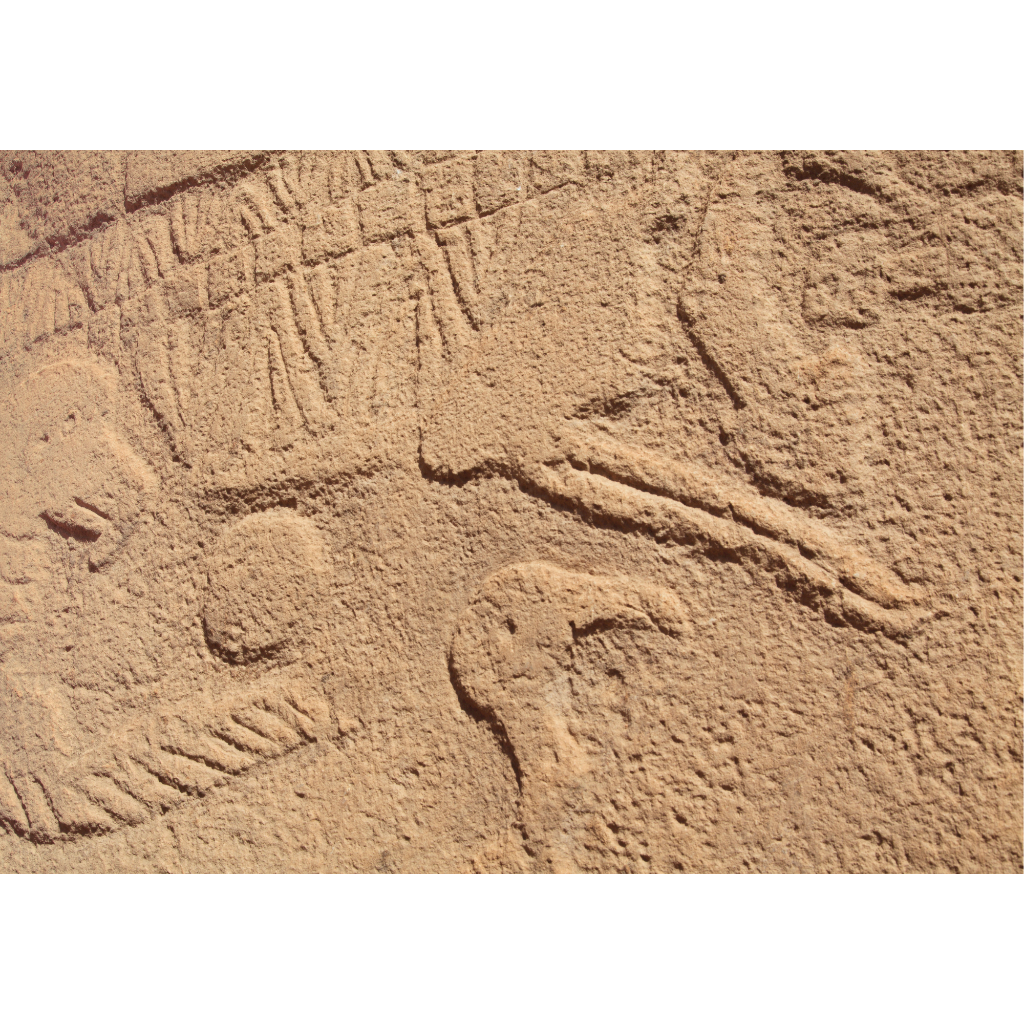
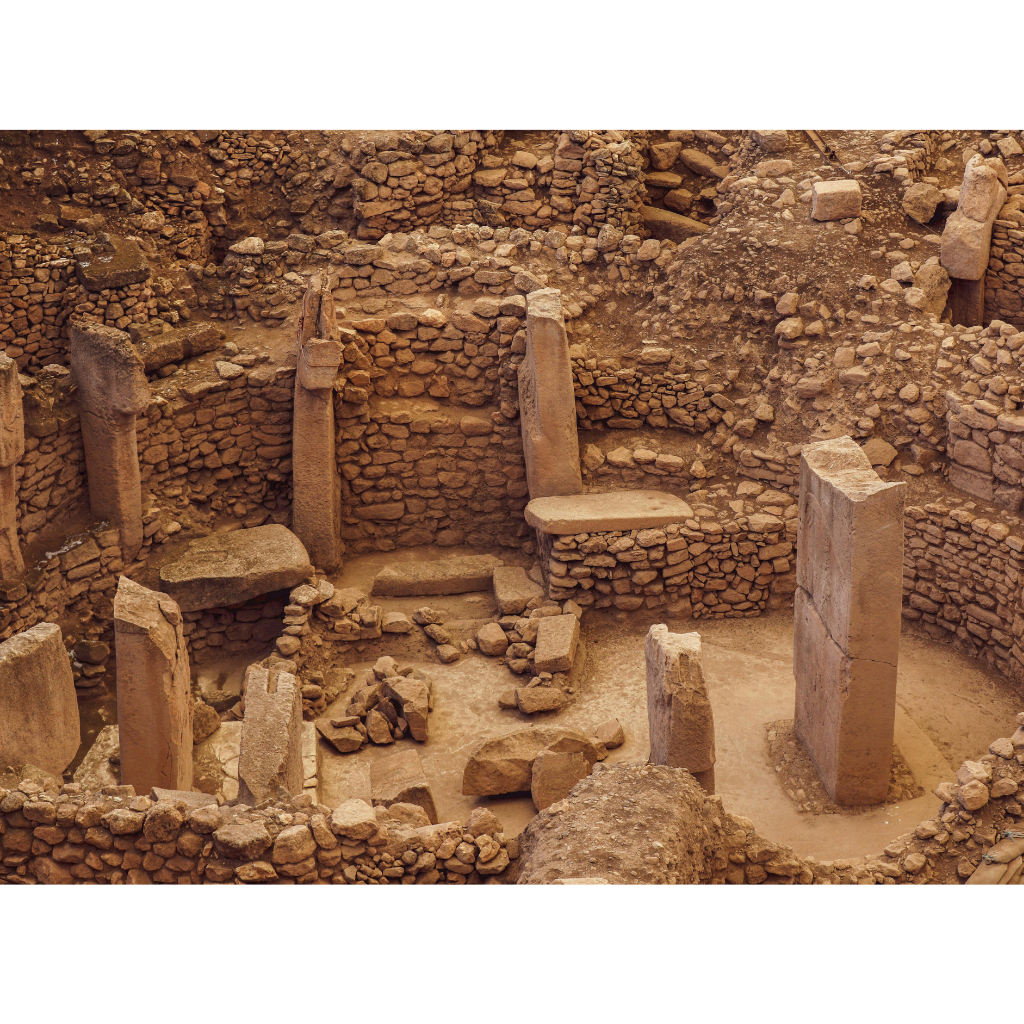
The Historical and Architectural Significance of Göbekli Tepe
Göbekli Tepe dates back approximately 11,500 to 12,000 years, with its earliest sections originating in the 10th millennium BC. Unlike many ancient monuments, it does not have a single construction date; instead, different parts of the site were built over several hundred years. Archaeologists believe the site remained in active use for about 1,500 years, specifically between 9600 BC and 8000 BC.
Chronologically, Göbekli Tepe stands as one of the oldest monumental structures in human history. It is approximately 6,000 years older than Stonehenge and 7,000 years older than the Giza Pyramids. Belonging to the Pre-Pottery Neolithic Period—a time before the development of pottery—it represents a crucial turning point in human social organization and religious expression. In recognition of its unique value, it was added to the UNESCO World Heritage List in 2018.
ÇANAKKALE
Çanakkale (Gallipoli) Martyrs' Memorial
This is the Martyrs' Memorial in Çanakkale; they bury those who were wounded in the wars here. It's quite a large place, and there are even statues of some foreigners there. We should remember the soldiers of the past because we are their descendants.
The Çanakkale Martyrs Monument is located on Hisarlık Hill (known as Troy), in front of Morto Bay at the tip of the Çanakkale Strait, on the Gallipoli Peninsula within the borders of Çanakkale province and Eceabat district.
It was built in memory of the Turkish soldiers who lost their lives in the Çanakkale Battles during World War I in 1915. The 41.7-meter-high structure, consisting of four pillars and a dome, was designed by Feridun Kip, İsmail Utkular, and Doğan Erginbaş. Its foundation was laid on April 17, 1954, and it was opened to visitors on August 21, 1960.
Next to it are the Mehmetçik Monument, the Turkish Garden, the Mustafa Kemal in Çanakkale Monument, the Wounded Soldier Monument, the Tomb of the Unknown Soldier, and the Turkish Martyrs' Cemetery.
BONUS CITY FROM SYRIA DAMASCUS
the Umayyad Mosque in Damascus, Syria
The Umayyad Mosque, located in the heart of the old city of Damascus, stands as one of the oldest and most significant monuments of Islamic architecture. Completed in 715 AD by the Umayyad Caliph al-Walid I, the mosque was constructed on a site that had been a sacred space for millennia. Before the Islamic era, the location housed a Roman temple dedicated to Jupiter and, later, a Christian cathedral dedicated to John the Baptist. This layers of history make the mosque a unique symbol of cultural and religious transition.
- < BEGINNING
- END >
-
DOWNLOAD
-
LIKE(4)
-
COMMENT()
-
SHARE
-
BUY THIS BOOK
(from $5.59+) -
BUY THIS BOOK
(from $5.59+) - DOWNLOAD
- LIKE (4)
- COMMENT ()
- SHARE
- Report
-
BUY
-
LIKE(4)
-
COMMENT()
-
SHARE
- Excessive Violence
- Harassment
- Offensive Pictures
- Spelling & Grammar Errors
- Unfinished
- Other Problem





COMMENTS
Click 'X' to report any negative comments. Thanks!