In this activity, students explore the concept of Digital Balance through collaborative storytelling and problem-solving.
Working in international teams, students analyse real-life inspired scenarios related to common digital challenges.
Scenario 2: Cyberchondria

ClLIMAX TEAM: Students develop the story and escalate the problem, showing how digital imbalance affects the character’s wellbeing, relationships, and daily life.
Kristiyanna, Iliyaz, Melisa lol pool
Scenario 2: Cyberchondria Story Starter: Lina is a 16-year-old student who often searches the internet when she feels something unusual in her body, like a headache or a stomach ache. After reading many websites, forums, and social media posts, Lina starts to worry that these small symptoms might be signs of serious illnesses…
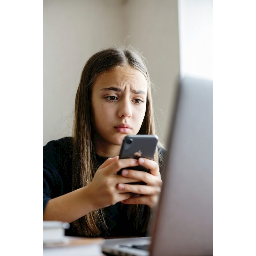
At first, it felt harmless.
One evening after school, Lina had a mild headache. She typed “headache causes in teenagers” into a search engine. The first results seemed normal: dehydration, lack of sleep, stress. But as she kept scrolling, she saw other possibilities—brain tumors, neurological diseases, rare infections.
Her heart started to beat faster.
“It's probably nothing,” she whispered to herself.
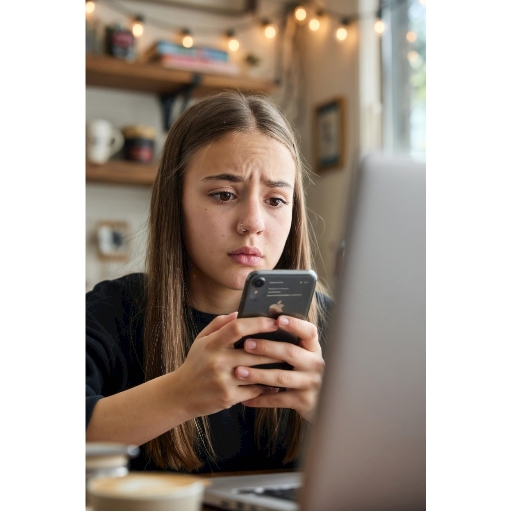
But instead of closing the browser, Lina clicked another link. Then another. Soon she was reading medical websites, watching videos, and scrolling through forums where strangers described terrifying illnesses.
One post said:
"My headaches started small… doctors ignored them… later they found something serious."
Lina’s stomach tightened.
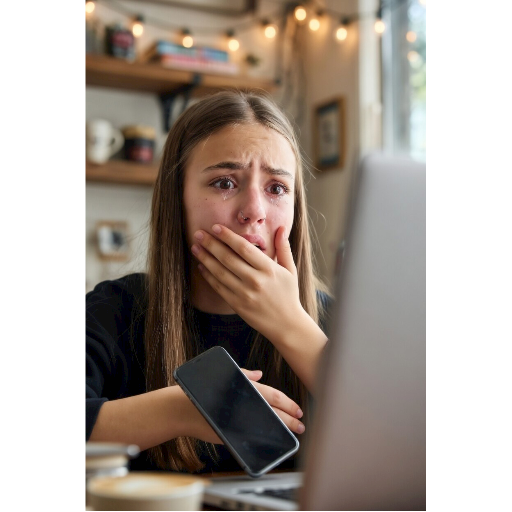
After that night, Lina began searching more often.
If her stomach hurt after lunch, she searched “stomach pain symptoms.”
If her arm felt numb for a few seconds, she searched “arm numbness disease.”
At first she searched once or twice a week. Then every day. Soon it became several times a day.
Before school.
During lunch break.
Late at night in bed.
Every new search led to more alarming possibilities. The internet offered thousands of explanations, and many of them were frightening.
What Lina didn’t realize was that the internet rarely reassures people—it often shows the worst possibilities first.
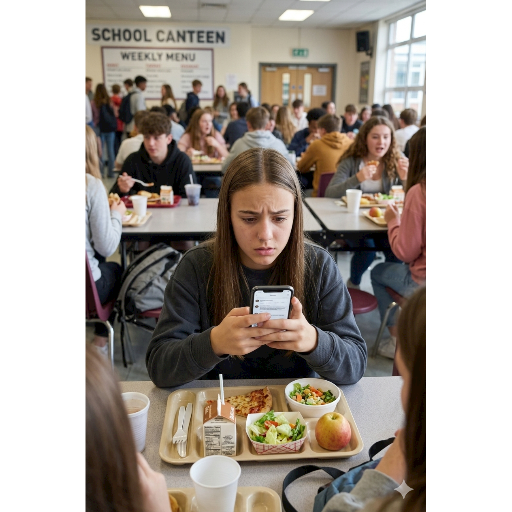
Soon Lina began seeing health videos and posts on social media as well. Her feed was filled with titles like: “5 Symptoms You Should NEVER Ignore”; “A Simple Headache That Turned Out to Be Something Serious”; “Doctors Missed These Warning Signs”
The more Lina watched, the more the platform recommended similar content.
Stories from strangers appeared constantly: people sharing dramatic illness experiences, describing how their “small symptoms” turned into major diagnoses.
Even though these stories were rare cases, Lina’s mind
started to believe they were common.
The internet was not calming her fears. It was feeding them.
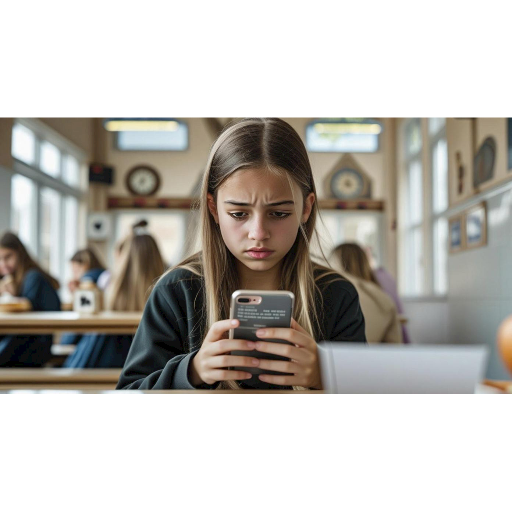
Lina started paying extreme attention to every sensation in her body.
A small twitch in her leg?
She searched it.
A slight dizziness while standing up?
Another search.
A tiny stomach pain after eating?
Dozens of searches.
Instead of feeling safer after looking things up, Lina felt worse. Each article introduced new diseases she had never heard of.
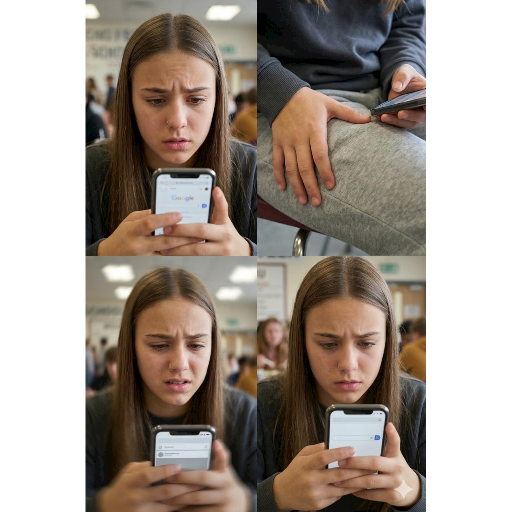
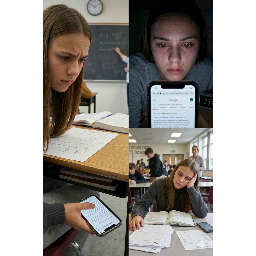
Soon Lina’s anxiety began affecting her school life.
During class she could not concentrate. While the teacher explained math problems, Lina secretly searched symptoms under her desk.
Her mind was no longer focused on school.
She stopped finishing assignments. Her grades slowly dropped. Teachers noticed she seemed distracted and tired.
At night she barely slept because she stayed awake
reading medical articles and forum discussions.
The internet had become her constant companion—and her constant source of fear.
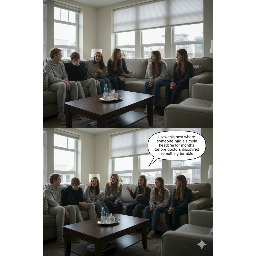
Lina’s behavior toward people around her began to change.
Her parents noticed she asked strange questions at dinner.

Her friends also noticed something different. When they talked about movies or music, Lina suddenly brought up illnesses she had read about.
“I saw this post where someone had a simple headache for months before doctors discovered something terrible,” she said once.
Her friends didn’t know how to respond.
Gradually Lina stopped hanging out with them. Instead she stayed at home scrolling through forums, reading more stories about symptoms and diagnoses.
The internet had started to isolate her.
GROUP 2 – Resolution & Recovery:
(Recognise the problem and restore digital balance)
Goal:
Show how Lina understands the problem and develops healthier digital habits.
Resolution and Recovery Team: Aral/İdil, Aral/Ece, Aral/Alp and Aral/Mehmet
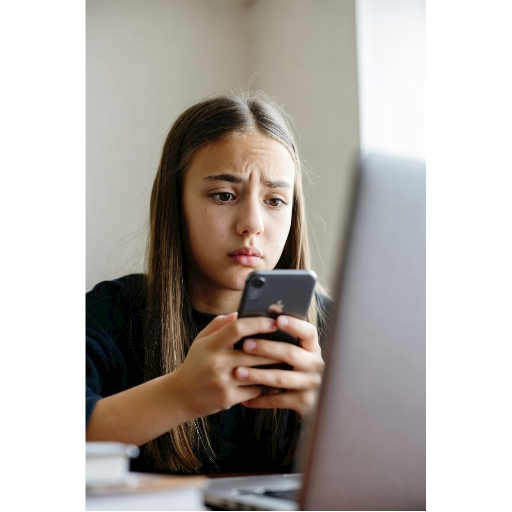
One night, after hours of searching, Lina suddenly felt overwhelmed. Her heart was racing, her hands were shaking, and she couldn’t calm down. She realized that instead of helping her, the constant searching was making her more anxious and fearful. For the first time, Lina admitted to herself, This moment became a turning point—she understood that her habits were affecting her mental health.
- Full access to our public library
- Save favorite books
- Interact with authors
- < BEGINNING
- END >
-
DOWNLOAD
-
LIKE
-
COMMENT()
-
SHARE
-
SAVE
-
BUY THIS BOOK
(from $5.39+) -
BUY THIS BOOK
(from $5.39+) - DOWNLOAD
- LIKE
- COMMENT ()
- SHARE
- SAVE
- Report
-
BUY
-
LIKE
-
COMMENT()
-
SHARE
- Excessive Violence
- Harassment
- Offensive Pictures
- Spelling & Grammar Errors
- Unfinished
- Other Problem





COMMENTS
Click 'X' to report any negative comments. Thanks!