
As Eco-Agents, our mission was to investigate how food changes over time in different conditions. Each school tested a fruit or vegetable and recorded daily observations. Partner schools analysed the data, created graphs, and drew conclusions. This helped us understand how to keep food fresh for longer and reduce food waste.
Experiment: Bananas
Experiment School: 7th Primary School of Ilioupolis, Greece
Data Analysis School: I.C. Camera, Sala Consilina Italy
Duration: 5 days
We observed how the food changed in different conditions: room temperature, refrigerator, and a closed container.
Key Observations:
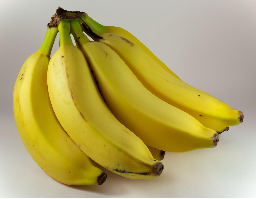
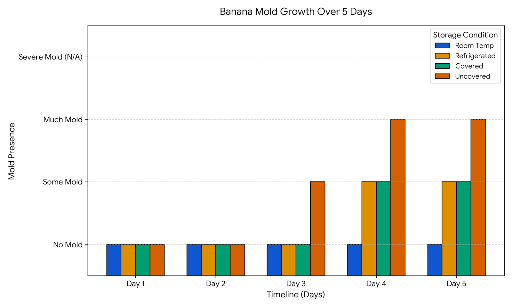
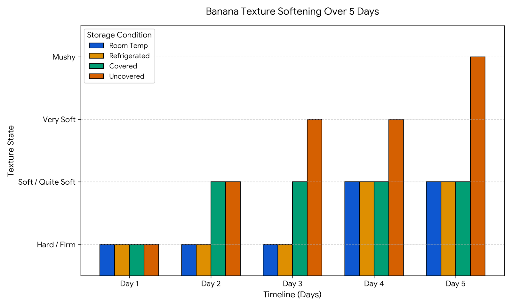
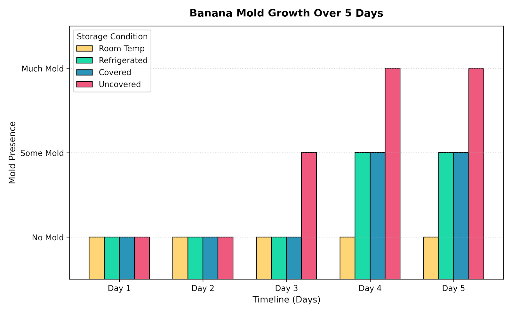
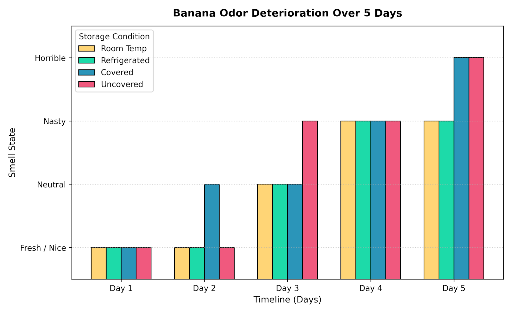
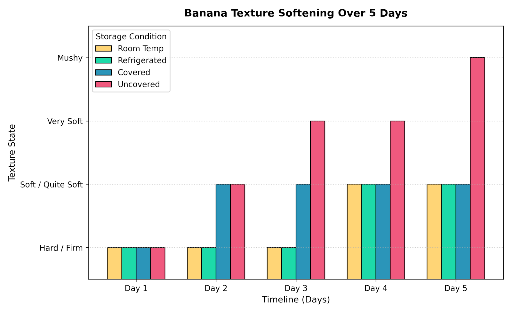
Day 5: Spoilage has advanced across all samples. The uncovered banana is yellow-black and mushy with a horrible smell and much mould. The covered and refrigerated samples also show dark spots or blackening, a soft texture, a nasty or horrible smell, and some mould.
The most significant change was the gradual darkening of the skin , accompanied by the texture becoming mushy and liquid , and the fresh smell turning nasty
and horrible , especially in the uncovered
sample
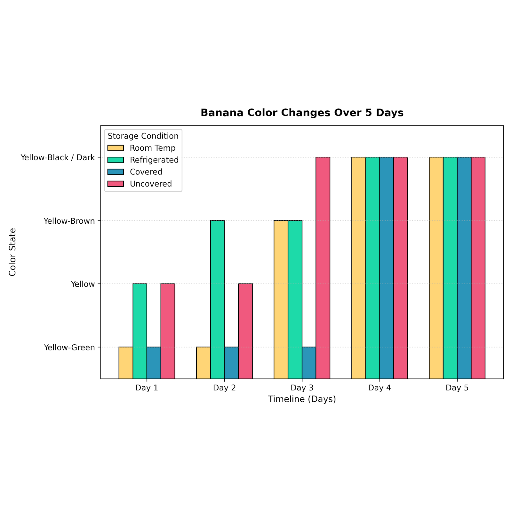
Data Analysis School: I.C. Camera, Sala Consilina Italy
We created a bar graph to compare how fast the food decayed in each condition.
Results:
Conclusion:
What we learned:
We learned that food preservation relies heavily on controlling exposure to air, moisture, and temperature. Leaving food completely uncovered and exposed significantly speeds up chemical oxidation (browning), tissue structural collapse (mushiness), bad odors, and dangerous mold proliferation. To prolong the shelf-life of produce like bananas, managing their storage micro-environment (either by isolating them in a container or chilling them) is vital to preventing rapid microbial decay.
Experiment: Cherry Tomatoes
Experiment School: I.C.Camera, Sala Consilina, Italy
Data Analysis School : 7th Primary School of Ilioupolis, Greece
Duration: 15 days
We observed how the food changed in different conditions: room temperature, refrigerator, and a closed container.
Key Observations:
the Uncovered sample remained mold-free but completely dehydrated.
The biggest change we noticed was:
Uncovered samples underwent "mummification" and became leathery or hard. Only the samples kept at room temperature or covered produced significant liquid leakage and pungent, fermented, or putrid odors. Refrigerated samples showed the highest resistance to decay.
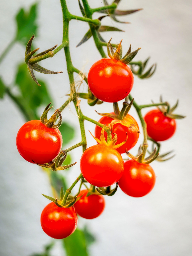
Data Analysis School: 7th Primary School of Ilioupolis
We created bar graphs to compare how fast the food decayed in each condition.
Results:
Conclusion:
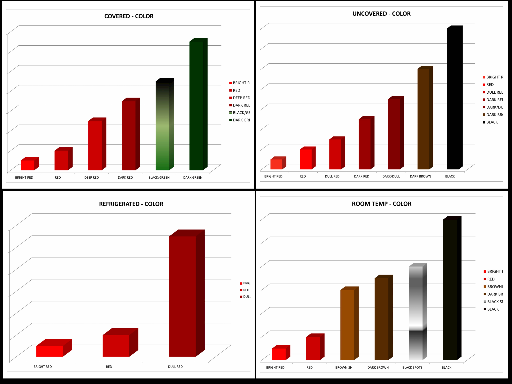
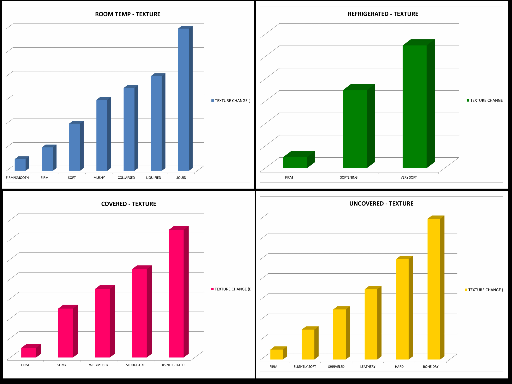
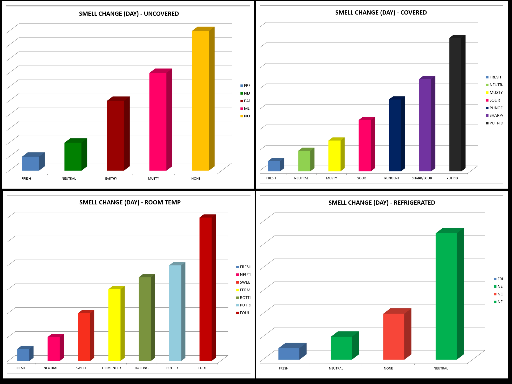
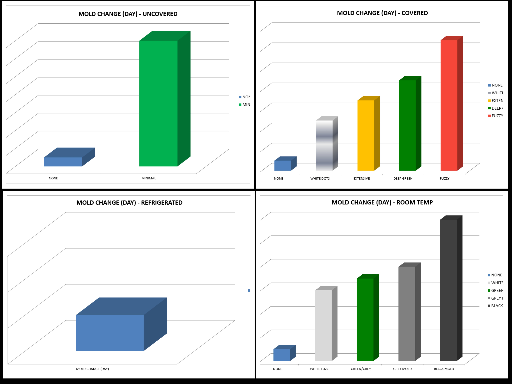
After we observed the cherry tomatoes under different conditions for two weeks, we recorded:
1) When the cherry tomatoes were at room temperature and covered, they showed major changes in color, texture, and smell. Their color changed from bright red to black.
2) A large amount of mold appeared on the covered sample because the trapped moisture helped the mold grow. Some mold appeared on the uncovered cherry tomatoes kept at room temperature.
3) The cherry tomatoes kept in the fridge did not spoil. The uncovered sample dehydrated.
In conclusion, the cherry tomatoes stayed fresh much longer in the fridge with little or no change in color, texture, and smell.
Experiment: Apples
Experiment School:9th Primary school of Keratsini
Data Analysis: "Dumitru Tautan" High School Floresti, Romania
Duration: 14-15 days
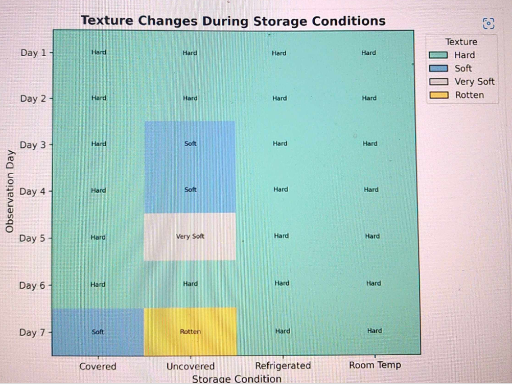
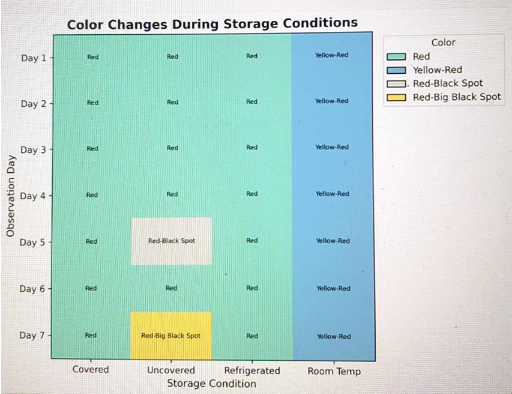
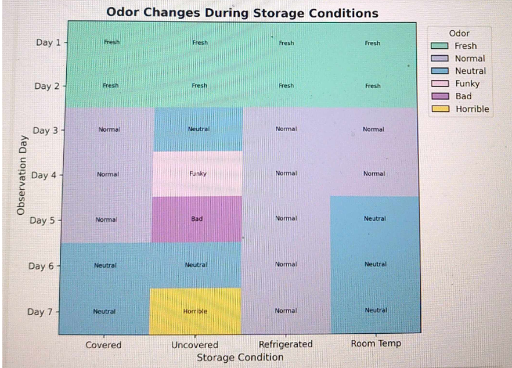
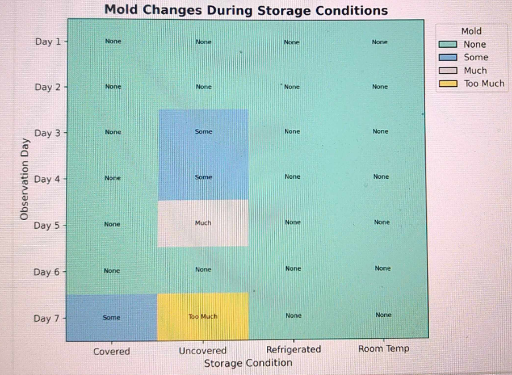
Each day on the chart represents 2 days of observation.
Key observation:
The apples didn't change their colour, smell or texture, either covered or uncovered, room temperature or refrigerated, in the first 5-6 days. The apples kept uncovered, room temperature slighltly changed their colour, smell, texture after 8 days and got rotten after 14-15 days.
Conclusions:
The apples maintained their properties for many days, and decayed faster in the Uncovered conditions because they were exposed to open air and environmental contaminants.
Experiment:Strawberries
Experiment School:"Dumitru Tautan" High School Floresti, Romania
Data Analysis: 9th Primary school of Keratsini
Duration: 4 days
The Romanian students observed how the food changed in different conditions: refrigerator, room temperature, covered and uncovered container
Strawberries decay very fast.
There are changes every day.
Refrigeration: Strawberries delay their decay for one day when they are in the fridge.
The strawberries in the refrigratior last longer
Room Temperature: Strawberries by Day 4 were
completely collapsed and inedible.
In both room temperature and refrigerated environments, the covered and uncovered samples followed nearly identical decay timelines (e.g., both showed mold on Day 2 at room temperature).
Changes:
There are signs of mold since the second day.
There are changes in smell from the second day from fresh to sweet and then to sour.
Color: Shifted from bright red to dark/dull red.
There is a change in texture every day from firm, to soft, to soft bleeding and collapsing.
Recommendation: Strawberries should be refrigerated immediately.
Comment: Don't buy many strawberries. They decay very fast.
Experiment: Pears
Experiment School: Stevan Nemanja Primary School, Serbia
Data analysis: ZŠ Nová Role, Czech Republic
Duration: 7 days
We observed how pears changed in different conditions: room temperature, refrigerator, and a closed container.
Key Observations:
- Full access to our public library
- Save favorite books
- Interact with authors
- < BEGINNING
- END >
-
DOWNLOAD
-
LIKE(1)
-
COMMENT()
-
SHARE
-
SAVE
-
BUY THIS BOOK
(from $9.39+) -
BUY THIS BOOK
(from $9.39+) - DOWNLOAD
- LIKE (1)
- COMMENT ()
- SHARE
- SAVE
- Report
-
BUY
-
LIKE(1)
-
COMMENT()
-
SHARE
- Excessive Violence
- Harassment
- Offensive Pictures
- Spelling & Grammar Errors
- Unfinished
- Other Problem





COMMENTS
Click 'X' to report any negative comments. Thanks!