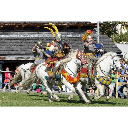
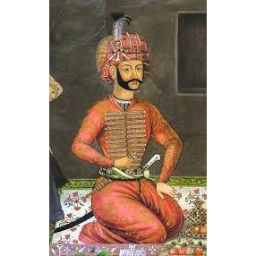
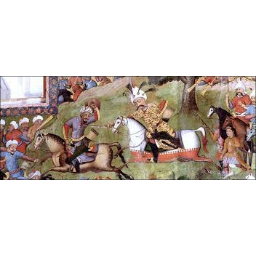
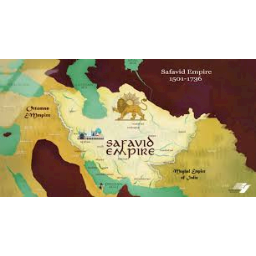
Summary: The Safavid army basically started as a super tribal, ride-or-die group of mostly Turkmen warriors who followed Shah Esmāʿīl like he was both their king and spiritual leader. They fought mainly on horseback with swords, spears, and bows, and everything was organized by tribe, with each group having its place in battle. The shah also had his own personal bodyguards, but overall the army wasn’t super structured—it was more like a powerful tribal coalition. Later on, Shah ʿAbbās came in and totally revamped things. He wanted more control, so he reduced the power of those tribal leaders and built a more professional, loyal army instead. He added soldiers who weren’t tied to tribes (called gholams), and expanded the use of guns and cannons to keep up with enemies like the Ottomans. So basically, the army went from a tribal, cavalry-based force to a more modern, organized military—but in the long run, weakening those tribal roots kind of backfired on the dynasty.
Key vocab words:
A dynasty (royal ruling family) in Iran.
Based on groups of people (tribes) with shared identity.
A major group of nomadic warriors in the Safavid army.
Soldiers who fight on horseback.
Powerful tribal supporters of the early Safavid rulers.
Soldiers loyal directly to the shah, not to tribes.

Key historical details:
english:
Conclusion:
English:
In conclusion, the Safavid military evolved from a tribal Qezelbāš cavalry force into a more centralized and professional army under Shah ʿAbbās. While early reliance on tribal loyalty helped establish the state, later reforms strengthened royal authority through new standing forces and gunpowder units. This shift made the empire more powerful and organized in the short term, but it also weakened the tribal foundations that had originally supported Safavid rule.
فارسی:در نتیجه، ارتش صفوی از یک نیروی قبیلهای قزلباش به یک ارتش متمرکزتر و حرفهایتر در زمان شاه عباس تبدیل شد. اگرچه اتکای اولیه به وفاداری قبیلهای به تشکیل دولت کمک کرد، اصلاحات بعدی با ایجاد نیروهای دائمی و استفاده از سلاحهای گرم، قدرت شاه را تقویت کرد. این تغییر در کوتاهمدت باعث قدرت و نظم بیشتر امپراتوری شد، اما در بلندمدت پایههای قبیلهای که از دولت صفوی حمایت میکردند را تضعیف کرد.


- Full access to our public library
- Save favorite books
- Interact with authors

- < BEGINNING
- END >
-
DOWNLOAD
-
LIKE
-
COMMENT()
-
SHARE
-
SAVE
-
BUY THIS BOOK
(from $2.99+) -
BUY THIS BOOK
(from $2.99+) - DOWNLOAD
- LIKE
- COMMENT ()
- SHARE
- SAVE
- Report
-
BUY
-
LIKE
-
COMMENT()
-
SHARE
- Excessive Violence
- Harassment
- Offensive Pictures
- Spelling & Grammar Errors
- Unfinished
- Other Problem

COMMENTS
Click 'X' to report any negative comments. Thanks!