
Contents:
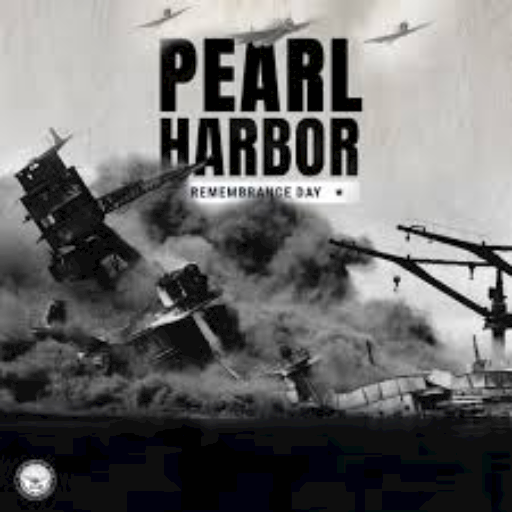
Pearl Harbor: 4-13
Who: 4-5
When: 6-7
Where: 8-9
What: 10-11
Why: 12-13
Submarine Warfare: 14-19
WWII Submarine Warfare: 14-15
Countries Involved and Geographical Location: 16-17
....................
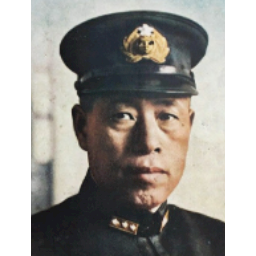
Names to know (Japan):
.......
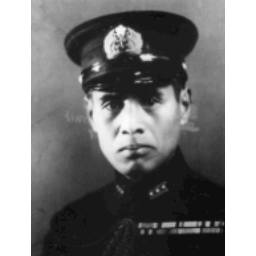
Admiral Isoroku Yamamoto
Key members of the Japanese army responsible for the pearl harbor attack.
Captain Minoru Genda
TR I STA N
...
Names to know (U.S.A):
Lieutenant Kermit Tyler:
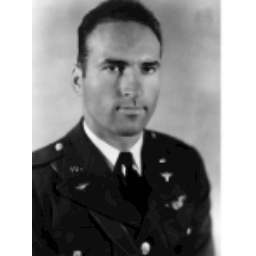
Ignored the warning about an oncoming aircraft on the radar.
TR I STA N
T.P
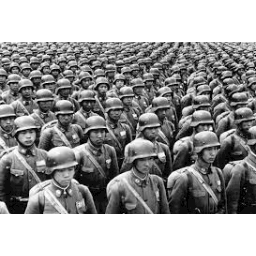
Major Timeline Of Japan
1931: Japan invades Manchuria.
1937: Japan starts the Second Sino-Japanese War.
July 1941: Japan occupies French Indochina; the U.S. puts an oil embargo on Japan.
December 7, 1941: Japan attacks Pearl Harbor, Hawaii.
December 8, 1941: The U.S. declares war on Japan.
1942: The Battle of Midway happens in June, where the U.S. defeats Japan.
August 1945: The U.S. drops atomic bombs on Hiroshima and Nagasaki.
September 2, 1945: Japan formally surrenders, ending World War II.
TR I STA N
Major Timeline Of USA
A.P
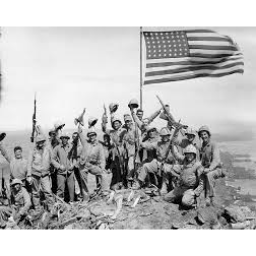
Geographical Locations
During World War II, the conflict between Japan and the USA unfolded across various significant geographical locations. One of the most crucial sites was Pearl Harbor in Hawaii, where Japan launched a surprise attack in December 1941, leading the U.S. to enter the war. As the war progressed, battles like Midway became pivotal, marking a turning point in the Pacific Theater. The brutal fighting on islands such as Iwo Jima and Okinawa showcased the fierce resistance from Japanese forces and the determination of U.S. troops. Additionally, the bombings of Hiroshima and Nagasaki in August 1945 dramatically altered the course of history, ultimately leading to Japan's surrender and the end of the war.
A.P
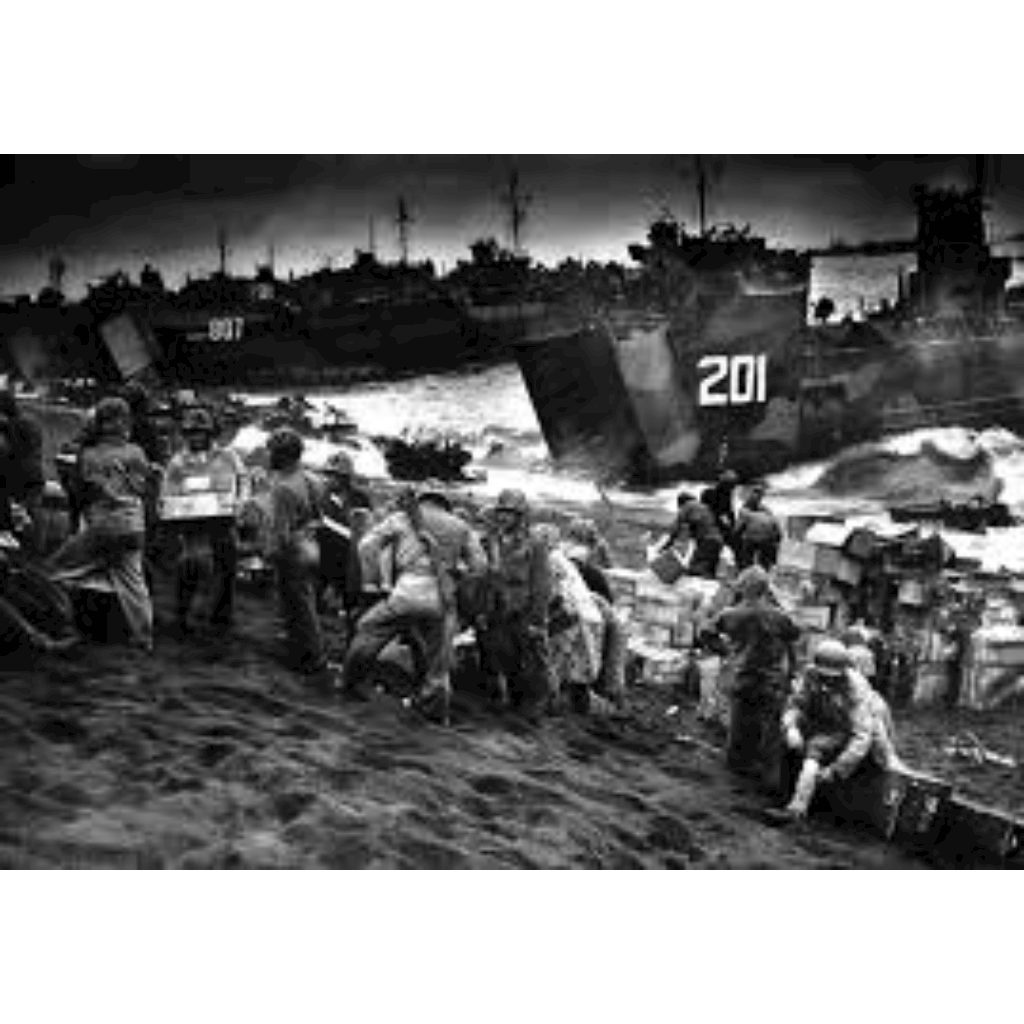
Battle of Iwo Jima
Major Events and happenings:
The attack on Pearl Harbor was a surprise military strike by the Japanese on December 7, 1941. This event led to the destruction of multiple U.S. battleships and planes, resulting in significant loss of life. The day after the attack, President Franklin D. Roosevelt delivered his famous "Day of Infamy" speech, asking Congress to declare war on Japan. As a result, the United States officially entered World War II, marking a major turning point in the conflict. The attack on Pearl Harbor not only united the American people but also changed the course of history, as the U.S. became more involved in global affairs.
A.P
- Full access to our public library
- Save favorite books
- Interact with authors
- < BEGINNING
- END >
-
DOWNLOAD
-
LIKE
-
COMMENT()
-
SHARE
-
SAVE
-
BUY THIS BOOK
(from $3.19+) -
BUY THIS BOOK
(from $3.19+) - DOWNLOAD
- LIKE
- COMMENT ()
- SHARE
- SAVE
- Report
-
BUY
-
LIKE
-
COMMENT()
-
SHARE
- Excessive Violence
- Harassment
- Offensive Pictures
- Spelling & Grammar Errors
- Unfinished
- Other Problem





COMMENTS
Click 'X' to report any negative comments. Thanks!