


Game Day Geometry:
This picture shows my husband and me inside Allen Fieldhouse with the stadium and jumbotron behind us. A sports arena is full of STEM because engineers design the building to safely hold thousands of people, technology is used in the jumbotron, speakers, lights, and scoreboards, and math is used for seating arrangements, ticket sales, angles, distances, and game statistics. Science is also involved in sound, lighting, and the movement of athletes during the game.
The Science Behind the Screen:
This picture shows a basic TV at my house, which is a common piece of technology. Science is used in making the TV, the lights, the color, the sound. Even the energy that the TV uses. Engineers design the screen, speakers, and wiring so the TV actually turns on and works correctly, while math is used to determine the screen size, resolution, pixels, volume, and signal timing.


Photosynthesis at Home Depot:
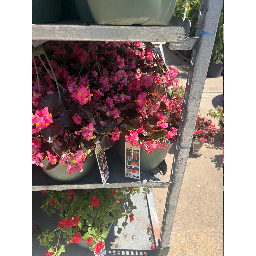
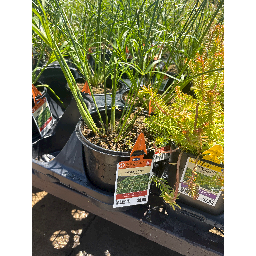
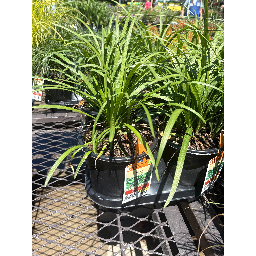
This picture shows a few plants growing at Home Depot. Science helps us understand how plants use sunlight, water, air, and nutrients to grow through photosynthesis. Math can be used here to determine how many plants you can buy, as well as how tall the plant can grow, and how much to water each plant. Technology can be seen in watering systems, planter designs, and grow lights.

Baking with Brainpower:
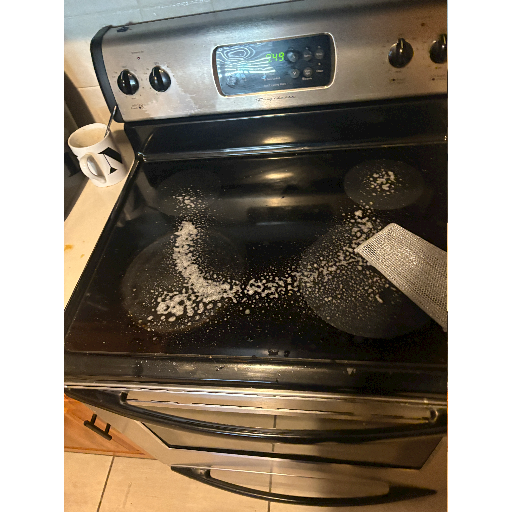
This picture shows my oven, which is used for STEM in everyday life. Science is witnessed when heat changes a cake from batter to a solid piece that is edible. Technology controls the temperture and the timer. Engineers also design ovens to heat safely and evenly without burning the things around it. Math is used in measurements of ingredients as well as timing how long to cook things.
A Leap of Faith:
This picture shows a frog on my window. The frog is a living organisim with adaptations that help it survive. Like the sticky toe pads and the jumping abiliity. Math can be used to measure its size and the distance a frog can leap.


Built for the Wild:
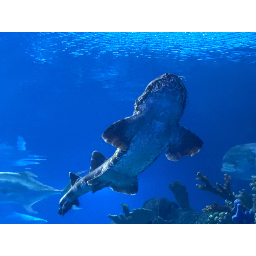
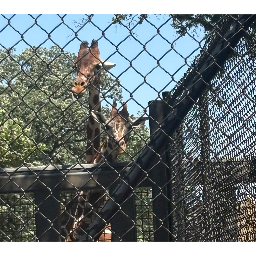
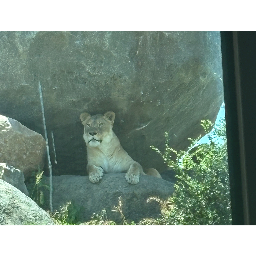
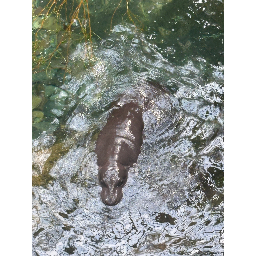
This page shows four different animals from the Omaha Zoo. Zoos use STEM to create safe habitats that meet animals’ needs while also helping visitors learn about wildlife. Science helps zookeepers understand animal behavior, diets, ecosystems, adaptations, and health. Engineers design enclosures, barriers, water systems, climbing spaces, and temperature-controlled habitats. Technology helps monitor animals and maintain safe environments, while math is used for feeding amounts, habitat size, weight tracking, population data, and conservation planning.
The Pressure Problem:
This picture shows my flat tire. Science explains air pressure, friction, force, and motion. Engineers design tires to support the weight of a vehicle and grip the road safely. Technology like tire pressure sensors can warn drivers when something is wrong, and math is used to measure PSI, tire size, speed, and distance.

A Whole New World:
This picture shows my husband wearing a VR headset. Virtual reality is a strong example of STEM because it uses technology to create an interactive digital environment. Science is involved in vision, motion, balance, and how the brain responds to images. Engineers design the headset and controllers, and math is used in coding, 3D graphics, angles, distance, and movement tracking.
- Full access to our public library
- Save favorite books
- Interact with authors

- < BEGINNING
- END >
-
DOWNLOAD
-
LIKE
-
COMMENT()
-
SHARE
-
SAVE
-
BUY THIS BOOK
(from $5.19+) -
BUY THIS BOOK
(from $5.19+) - DOWNLOAD
- LIKE
- COMMENT ()
- SHARE
- SAVE
- Report
-
BUY
-
LIKE
-
COMMENT()
-
SHARE
- Excessive Violence
- Harassment
- Offensive Pictures
- Spelling & Grammar Errors
- Unfinished
- Other Problem

COMMENTS
Click 'X' to report any negative comments. Thanks!