

One morning, a child started exploring loose parts on the table—wood pieces, fabric, and small objects. Instead of being told what to make, they began creating on their own. Soon, other children joined in, sharing ideas and building together. As teachers, we didn’t lead the activity step by step. We listened, observed, and asked simple questions to support their thinking. The children stayed engaged, solved problems, and guided their own learning. This is what we mean by the “image of the child”—believing that children are strong, creative thinkers who can lead their own learning when given the time and space.
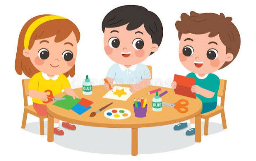

The parents walked into the classroom and noticed how different it felt. Children were exploring materials on their own, talking, building, and solving problems without being told exactly what to do.
Everything in the room was set up with purpose—books, art supplies, and natural objects were easy to reach and invited curiosity. On the walls, children’s work was displayed, helping them remember and share their ideas. The teacher smiled and explained, "“We see the environment as a third teacher. The way the classroom is designed helps children learn, explore, and think for themselves every day.” The parent looked around again and understood—the room itself was helping the children learn and grow.
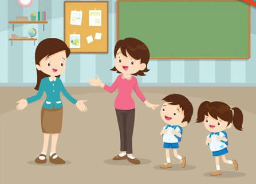
During center time, Ms.Alejandre moved gently around the room. With Ava, she talked about her drawings. With Jayden, she helped build taller block towers and asked questions that made him think. With Sofia, she sat nearby while she worked through a puzzle, offering encouragement without taking over. Even the quieter children who preferred to observe knew she noticed them too—she often knelt beside them and simply said, “I see what you’re doing. Tell me about it when you’re ready.” At story time, Ms. Alejandre listened to every voice, making sure each child felt heard. When conflicts came up, she didn’t rush to fix them but helped the children talk and understand each other. Over time, the classroom became a place of trust. Every child knew they mattered, every voice had value, and their teacher was there not just to teach them but to learn with them to.

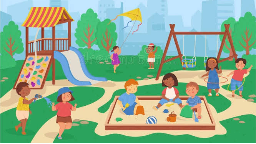
During outdoor play, a group of children noticed that their toy cars were not moving well on the sand. One child suggested building a road. Another child added, “We could use sticks to make the edges!” A third child ran to invite a classmate who had been watching nearby. The teacher listened and asked, “What do you think we need to make it stronger?” The children talked together, tried different ideas, and helped each other adjust the design. Later, they proudly showed their finished “road” to their teacher and families. Each child contributed something different—ideas, materials, or help—and together they solved the problem.
- Full access to our public library
- Save favorite books
- Interact with authors
- < BEGINNING
- END >
-
DOWNLOAD
-
LIKE
-
COMMENT()
-
SHARE
-
SAVE
-
BUY THIS BOOK
(from $2.99+) -
BUY THIS BOOK
(from $2.99+) - DOWNLOAD
- LIKE
- COMMENT ()
- SHARE
- SAVE
- Report
-
BUY
-
LIKE
-
COMMENT()
-
SHARE
- Excessive Violence
- Harassment
- Offensive Pictures
- Spelling & Grammar Errors
- Unfinished
- Other Problem





COMMENTS
Click 'X' to report any negative comments. Thanks!