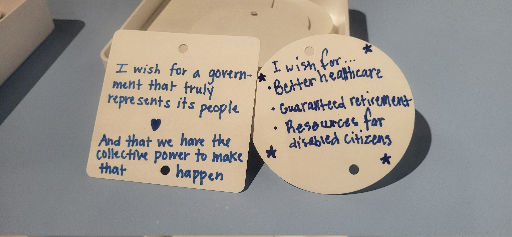
Front Cover: Taken at the City of Raleigh (COR) Museum Downtown. July 2,2026Mural painted by local Puerto Rican artist Adriana Ameigh for the "Patterns of Belonging" exhibit. Back Cover: Taken at the COR Museum. July 2nd, 2026 Wishes written by my sister, Yinka, and I. Two Nigerian American daughters of immigrants.
Dedicated those that came before me who crossed oceans, and to those who will come after. We are America. 💛

East Hargett Street in Downtown Raleigh. July 2, 2026. Save for the center building rooftop, the street is devoid of decorations. As the city begins to prepare for the country's 250 birthday, I can't help but reflect over how empty it all feels.
This Day in History in 1776, Congress gathered together to ratify the final draft of Declaration of Independence and assert their autonomy from the British crown. While those emancipated were English men and women, they didn’t solely makeup everyone living in the soon-to-be United States of America. There were enslaved Africans, Indigenous Native Americans, Scottish, Irish, Germans and other ethnic groups that made up that slice of North America at the time. Since then, the nation has expanded in size and citizenship with people from all over the globe. Far exceeding what those founding colonists could have predicted. Two hundred fifty years later, as the country comes together to celebrate the United States American identity, once again, we cannot forget the peoples and cultures that make this country what it is today. This was the inspiration for the interviews that chronicled in this essay – Independence Day through the perspective of immigrants and immigrant children.
Interview Questions
Participants answered the following questions about their experiences and memories about the Fourth of July Holiday.
1. What was your first or earliest 4th of July memory?
2. What traditions around this holiday do you and your family and/or community participate in?
3. Do you have a favorite tradition?
4. What does the 4th of July mean to you? (Can be positive, negative, a mix of both, or neutral) And why?
5. Have your feelings about the holiday changed over the years? How have they changed? Was there an event or other factors that influenced those feelings?
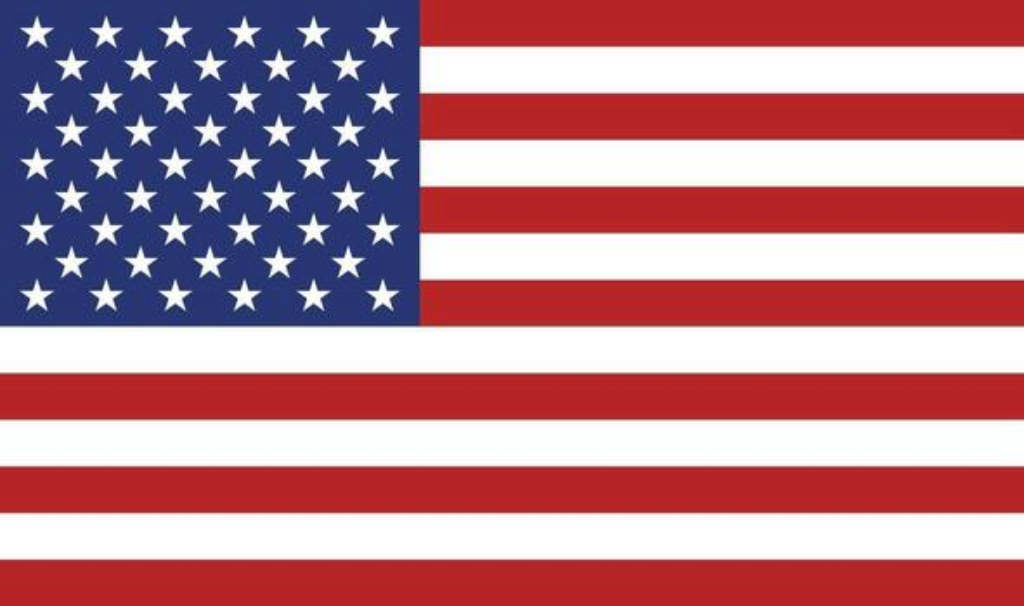
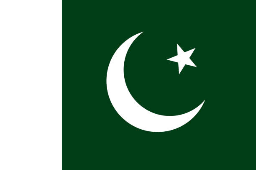
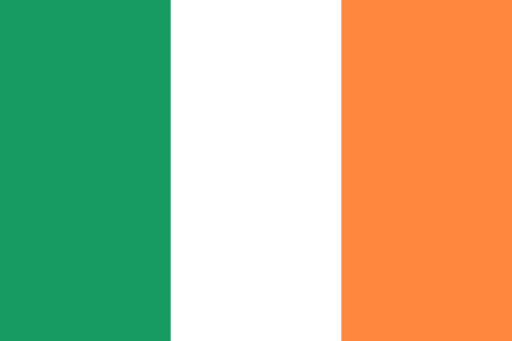
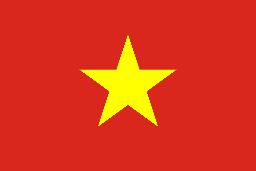

I reached out to five individuals about their favorite memories, experiences and traditions around the 4th of July – Jennifer, Nigerian, Enoch and Ayo, Nigerian American, Cailin, Vietnamese Irish American, and Semra, who is Pakistani American. Almost everyone’s anecdotes about their first 4th of July memory included spending time with their community. The community looked like family, faith community, ethnic community and/or the town.


For my cousin Enoch (on my dad’s side), the 4th of July was a simple family affair. His first memory was of grilling food with his parents, particularly his father.
My cousin Ayo (on my mom’s side) also had happy memories watching her father with his grill, a gift received from her mom. She remembers how excited he was to cook for the family and friends they had over. When asked about family traditions, she explained that the closest they had was attending an event put on by their church known as “Family Day”. The event commenced with a church service followed by outdoor games, grilled hamburgers and hotdogs, and spending time in the company of friends and other church members. Cailin has memories of the Greensboro City festival that she attended with her family and watching the fireworks at the end.
Semra described a touching memory of being 8 years old in Austin, TX, going shopping at Old Navy and spending the day with another family, eating kabobs from a Desi grocery store and watching fireworks. Yearly, the Muslim community in her area would also have an Independence Day Festival with face paintings, food vendors, bounce houses and carnival games at the mosque. For those who grew up in the United States, there is a pattern of early memories of the 4th of July holding sentimental value.
The story is different for Jennifer, however, who moved to the U.S. as a young adult. She detailed how her first Independence Day was underwhelming. She went to downtown Raleigh to see the fireworks. She was unimpressed by the display and even found them excessive.
For those who were born and raised here, American Independence Day activities were adopted (barbecues and attending local festivals) and even combined with cultural practices (ethnic food). Additionally, I couldn’t help but notice a lack of emphasis on American identity and patriotism. Rather, the 4th of July in an immigrant household was another day for relaxation and family fun.
Holiday Attitudes and Significance Toward Independence Day
Next, interviewees were asked about the significance of the 4th of July to them. In this set of responses, a noticeable range in attitudes surrounding the holiday was evident. Jennifer’s feelings toward the holiday were more neutral, attributing it to not having much deep connections to it. She expressed how she doesn’t consider herself to be patriotic and therefore doesn’t care for the holiday at all.
In a similar vein, Cailin explained how it doesn’t mean much to her beyond being America’s birthday. Over time, any significance the holiday held has lessened due to getting older, her parents getting older and it being overshadowed by holidays she looks forward to more, like Christmas and Halloween.
For Enoch, he explained how he understood the history of the holiday (and how it came to be), but he chose to focus more on it being a time to spend with the people around him. Ayo discussed much the same. She went into further depth about how the holiday means something separate to her than what it is immediately associated with.
“I’ve never really looked forward to July 4th as a day to observe the USA’s independence from Great Britain”, she said, “…with several ethnic and national groups extorted to gain it, who to this day are impacted by social and economic decisions made at the country’s onset.” Instead, it remains a day to spend around those that she loves, resting and enjoying barbeque. Interestingly, it’s that same political history that influences Semra’s decision to not celebrate it. Primarily it was her experience as a woman who is Pakistani and Muslim that informs her feelings. She cited the 2016 and 2024 elections and the presence of Islamophobia, misogyny, racism, homophobia and other points of discrimination that have deflated her feelings of patriotism over the years. Within these anecdotes are two decisions being made: to celebrate or not to celebrate. A desire to celebrate because of the joy of community in spite of historical horrors and a choice to not celebrate due to a detachment from the holiday because of age, lack of cultural ties, and the current political landscape.
- Full access to our public library
- Save favorite books
- Interact with authors
- < BEGINNING
- END >
-
DOWNLOAD
-
LIKE
-
COMMENT()
-
SHARE
-
SAVE
-
BUY THIS BOOK
(from $3.79+) -
BUY THIS BOOK
(from $3.79+) - DOWNLOAD
- LIKE
- COMMENT ()
- SHARE
- SAVE
- Report
-
BUY
-
LIKE
-
COMMENT()
-
SHARE
- Excessive Violence
- Harassment
- Offensive Pictures
- Spelling & Grammar Errors
- Unfinished
- Other Problem






COMMENTS
Click 'X' to report any negative comments. Thanks!