
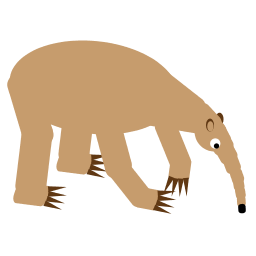
is for anteater Ant-eat-er
Did you know: Anteaters are edentates, meaning they have no teeth.

is for Bats Bat
Did you know: Many species use high-frequency sound waves (echolocation) to navigate total darkness and hunt prey, though all bats actually have functional eyesight.


is for Cat

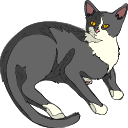
Did you know: Cats sleep 12 to 16 hours a day. This means they spend about 70% of their lives sleeping Cat
is for Dog
Did you know: Dogs aren't totally colorblind, but they see the world mostly in shades of blue, yellow, and gray instead of red and green
Dog


is for Elephant
Did you know: A full-grown male African savannah elephant can reach up to 13 feet tall and weigh up to 15,000 pounds
El-e-phant


is for Fox
Did you know: Foxes have vertical pupils for night vision, walk on their toes, and some species (like the gray fox) can retract their claws and climb trees.
Fox


is for Goat
did you know: Goats have distinct, horizontal rectangular pupils that grant them a wide field of vision from 320 to 340 degrees.
Goat


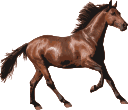
is for Horse
Did you know: Their eyes give them a view of nearly 360 degrees, but they have blind spots right in front of their nose and behind their tail.
Horse

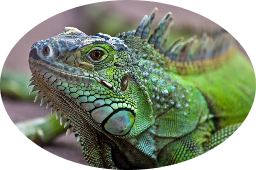
is for iguana
Did you know: Adults can grow up to 6.5 feet (2 meters) long from nose to tail and weigh between 10 and 15 pounds (4 to 6 kilograms). i-gua-na

is for jackal
Did you know: They feature a slender build, long legs, a pointed muzzle, and a mix of tan, yellowish, rusty, or silvery-gray fur.
jack-al

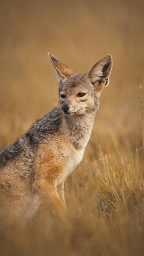
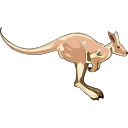
is for kangaroo
Did you know: Their strong hind legs let them clear distances of 8 to 9 meters in a single bound and reach speeds up to 60 km/h (37 mph)
kan-ga-roo


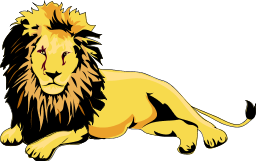
is for Lion
Did you know: Lions live in family groups called a pride, which typically includes related females, their cubs, and a coalition of dominant males. Lion

is for monkey
Did you know: Most monkeys have tails, whereas apes do not. Some New World monkeys have prehensile tails that work like an extra arm to grip branches.
mon-key


is for Nile crocodile
Did you know: They float submerged with only their eyes, ears, and nostrils exposed, waiting for prey to approach the water's edge before lunging.
croc-o-dile


is for ostrich
did you know: They cannot fly, but they can sprint up to 43 mph (70 km/h), making them the fastest two-legged animals on Earth.
os-trich


- Full access to our public library
- Save favorite books
- Interact with authors
- < BEGINNING
- END >
-
DOWNLOAD
-
LIKE
-
COMMENT()
-
SHARE
-
SAVE
-
BUY THIS BOOK
(from $4.99+) -
BUY THIS BOOK
(from $4.99+) - DOWNLOAD
- LIKE
- COMMENT ()
- SHARE
- SAVE
- Report
-
BUY
-
LIKE
-
COMMENT()
-
SHARE
- Excessive Violence
- Harassment
- Offensive Pictures
- Spelling & Grammar Errors
- Unfinished
- Other Problem





COMMENTS
Click 'X' to report any negative comments. Thanks!