 I dedicate this to my lovely cousin and One of my
 Dancers who went through this.
Ages 12- up
This book was created and published on StoryJumper™
©2014 StoryJumper, Inc. All rights reserved.
Publish your own children's book:
www.storyjumper.com


Cyberbullying is bullying that takes place using electronic technology. Electronic technology includes
devices and equipment such as cell phones, computers, and tablets as well as communication tools
including social media sites, text messages, chat, and websites.Examples of cyberbullying include
mean text messages or emails, rumors sent by email or posted on social networking sites, and
embarrassing pictures, videos, websites, or fake profiles.
Why Cyberbullying is Different?
Kids who are being cyberbullied are often bullied in person as well. Additionally, kids who are
cyberbullied have a harder time getting away from the behavior.
Effects of Cyberbullying
Illustration of two teens texting. Cell phones and computers themselves are not to blame for
cyberbullying. Social media sites can be used for positive activities, like connecting kids with friends
and family, helping students with school, and for entertainment. But these tools can also be used to
hurt other people. Whether done in person or through technology, the effects of bullying are similar.
Kids who are cyberbullied are more likely to:
Use alcohol and drugs
Skip school
Experience in-person bullying
Be unwilling to attend school
Receive poor grades
Have lower self-esteem
Have more health problems
1. Educate yourself
2.Protect your password
3.Keep photos PG
4.Pause before you post
5.Raise awareness
6.Set up privacy controls
7."Google" yourself
8.Don't be a cyberbully
9.Never open messages from people you don't know
10.Log out of your accounts on public computers
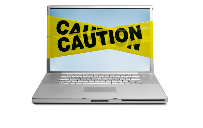 Educate yourself
Why?
To prevent cyberbullying from occurring you must understand exactly
what it is. Research what constitutes cyberbullying, how and where it
occurs, and talk with your friends about what they are seeing and
experiencing. if you want you can also look at the second page.
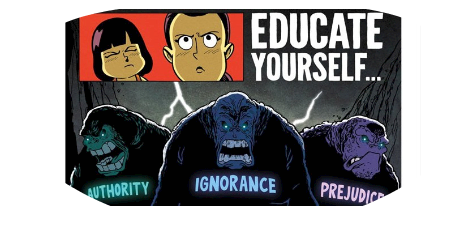 Protect Password
A strong password is your first line of defense against intruders and importers.
Never give out your password to anyone.* Never give it to friends, even if they’re
really good friends. A friend can – maybe even accidentally – pass your password
along to others or even become an ex-friend and abuse it.
Don’t just use one password. It’s possible that someone working at a site where
you use that password could pass it on or use it to break into your accounts at
other sites. Create passwords that are easy to remember but hard for others to
guess. When possible, use a phrase such as “I started 7th grade at Lincoln Middle
School in 2004” and use the initial of each word like this: “Is7gaLMSi2004.” And
make them at least a little different (by adding a couple of unique letters) for
each site. On some sites you might even be able to type in the entire phrase.
Protect them. Never, ever give your password (on Facebook, Instagram,
Skype, email, or any similar service) or cell phone unlock
code to anyone—even a friend. Friendships sometimes
don't last, and that password can be used against you.
Remember your secret answer
When you create an online account, and it asks you to
provide an answer to a question you should know - don’t
treat it lightly or as a joke. Make sure it's something you
will remember months and years from now in case you
have a problem at that time.Don’t disclose information about you
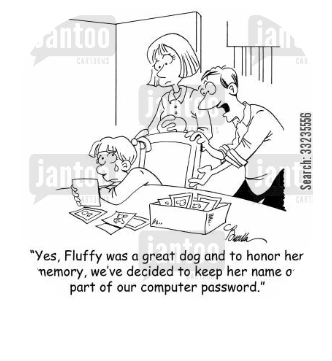
Do not use passwords based on personal information.

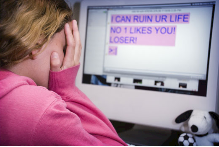
Before sending a racy photo of yourself to a peer or posting it online,
consider if this is something you would want others to see, especially your
family. Bullies can use this picture as ammunition to make your life
miserable. Don't post anything that can compromise your reputation. People
will judge you based on how you appear to them online, and like point #3;
bullies can use it as fuel.
How Pause Before You Post™ can help
These issues are timely and can greatly impact schools, students, educators
and families and their respective online reputation. Recent high-profile
cases involving abuse of the Internet have prompted many communities to
encourage students to learn more about publishing personal information,
particularly when they're using social media sites. As a supporter of
education and traditions, Jostens is pleased to offer an awareness program
called Pause Before You Post™ that encourages students to make smart
decisions when self-publishing through online social media that aids in
preventing bullying online. The program also includes valuable information
about cyberbullying and potential consequences of poor decision-making.
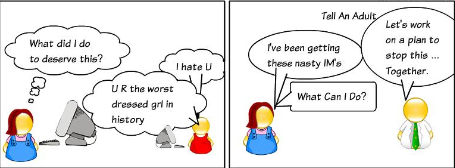

 Stop !!Stop !!Stop !!
Don’t respond. If someone bullies you, remember that your reaction is usually exactly
what the bully wants. It gives him or her power over you. Who wants to empower a
bully?
Don’t retaliate. Getting back at the bully turns you into one and reinforces the bully’s
behavior. Help avoid a whole cycle of aggression.
Save the evidence. The only good news about digital bullying is that the harassing
messages can usually be captured, saved, and shown to someone who can help. You
need to do this even if it’s minor stuff, in case things escalate.
Talk to a trusted adult. You deserve backup. It’s always good to involve a parent but –
if you can’t – a school counselor usually knows how to help. Sometimes both are
needed. If you’re really nervous about saying something, see if there’s a way to report
the incident anonymously at school.
Block the bully. If the harassment’s coming in the form of instant messages, texts, or
profile comments, do yourself a favor: Use preferences or privacy tools to block the
person. If it’s in chat, leave the “room.”
Be civil. Even if you don’t like someone, it’s a good idea to be decent and not sink to
the other person’s level. Also, research shows that gossiping about and trash talking
others increases your risk of being bullied. Treat people the way you want to be
treated.
You've previewed 10 of 16 pages.
To read more:
Click Sign Up (Free)- Full access to our public library
- Save favorite books
- Interact with authors


- < BEGINNING
- END >
-
DOWNLOAD
-
LIKE(5)
-
COMMENT()
-
SHARE
-
SAVE
-
BUY THIS BOOK
(from $3.19+) -
BUY THIS BOOK
(from $3.19+) - DOWNLOAD
- LIKE (5)
- COMMENT ()
- SHARE
- SAVE
- Report
-
BUY
-
LIKE(5)
-
COMMENT()
-
SHARE
- Excessive Violence
- Harassment
- Offensive Pictures
- Spelling & Grammar Errors
- Unfinished
- Other Problem





COMMENTS
Click 'X' to report any negative comments. Thanks!